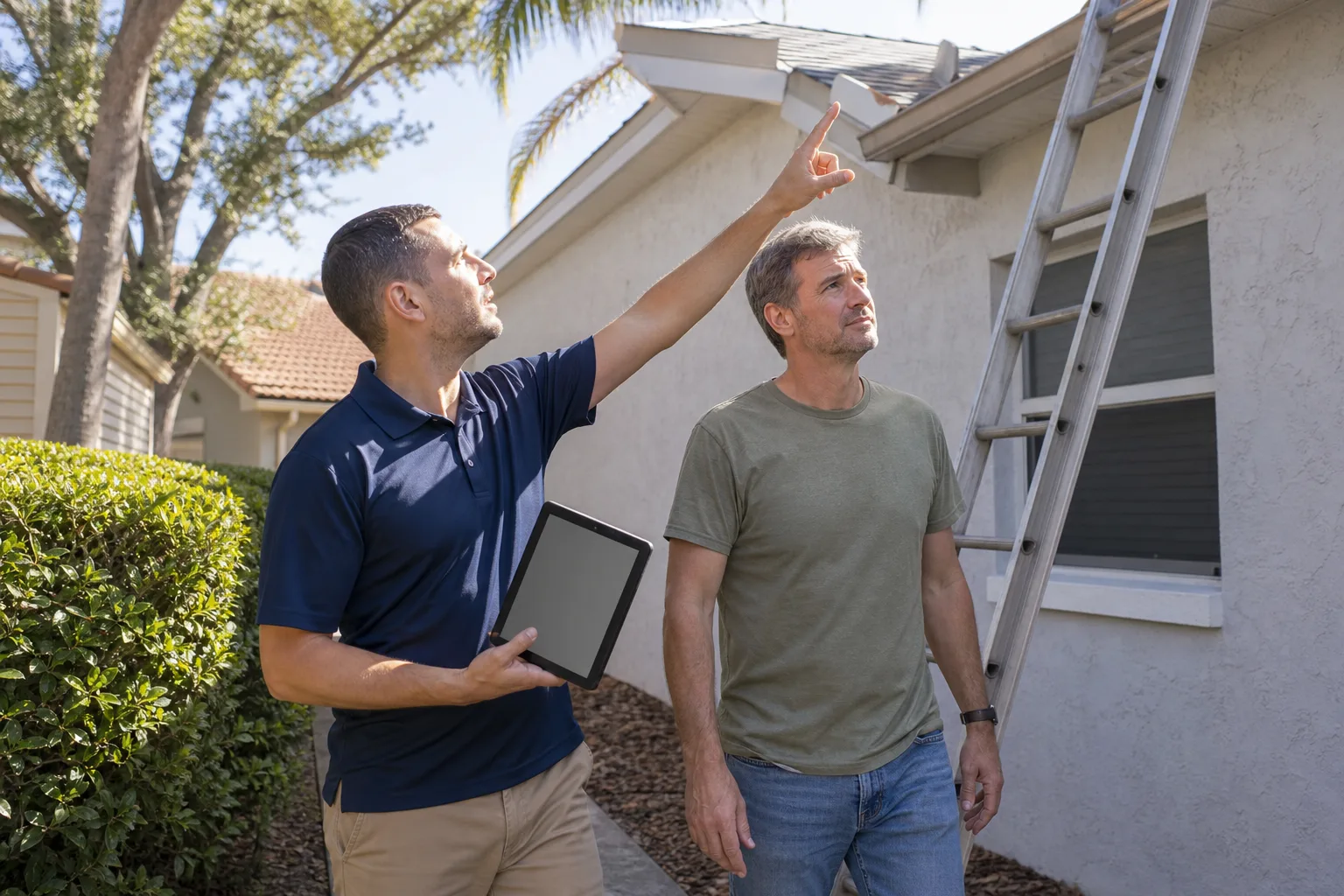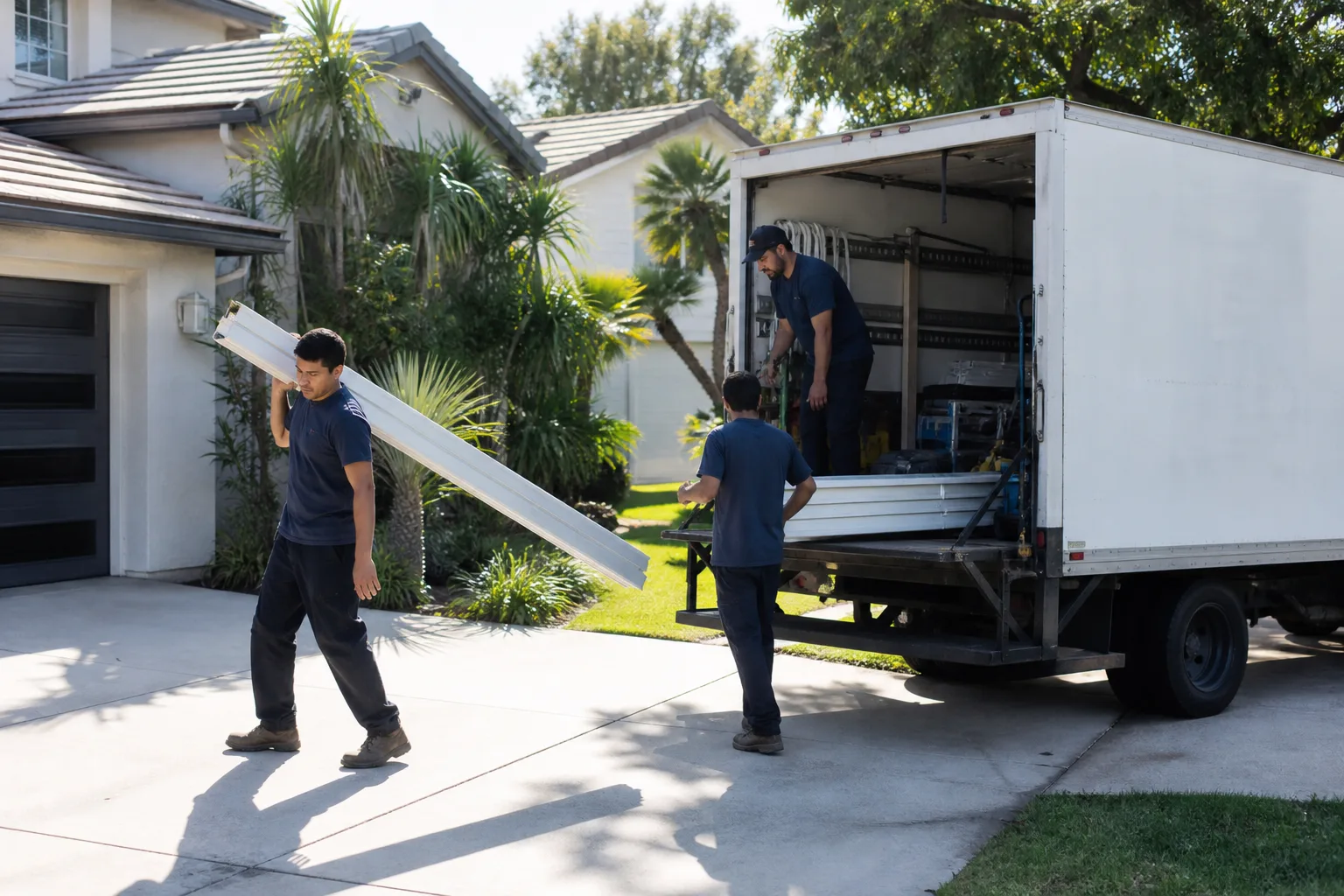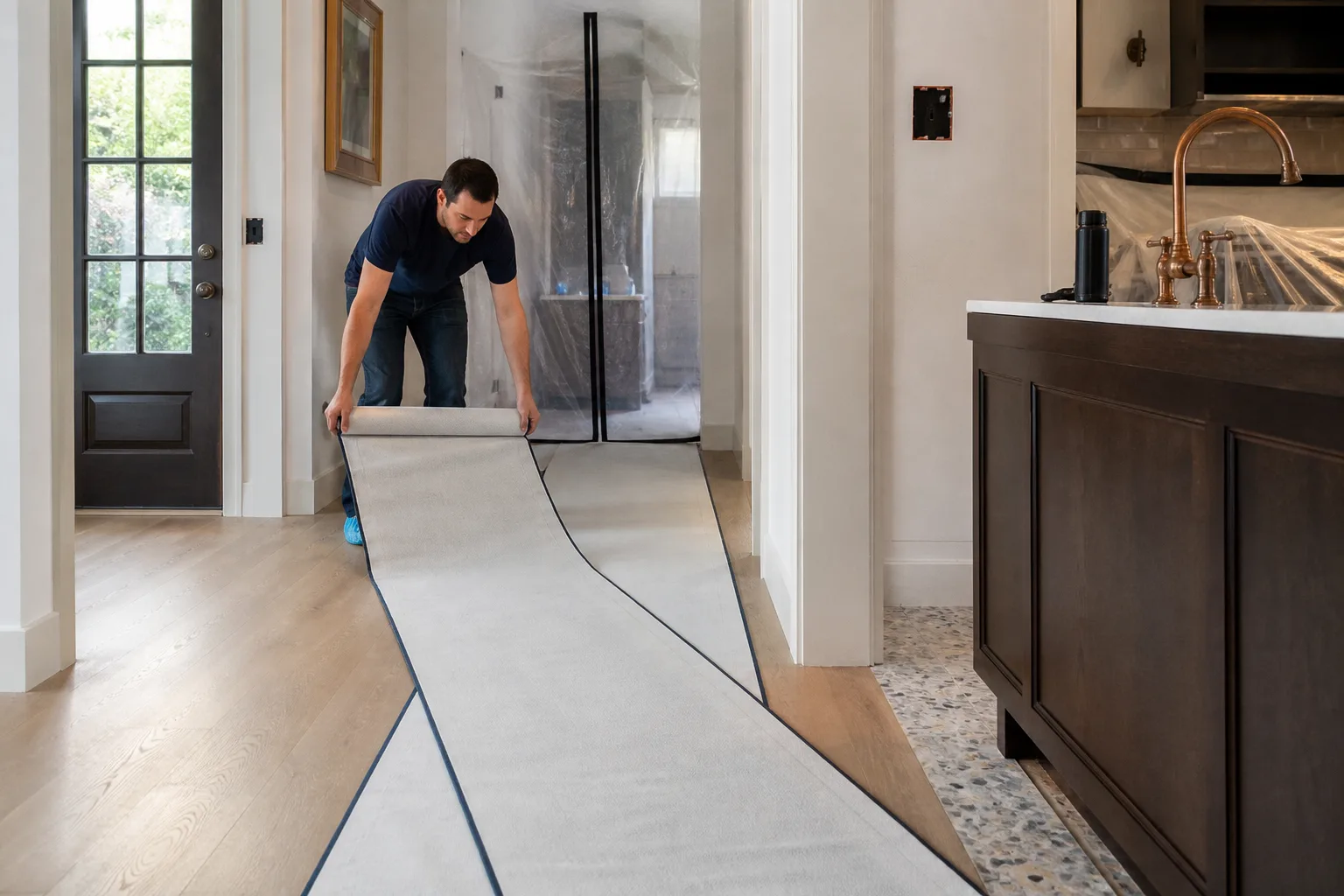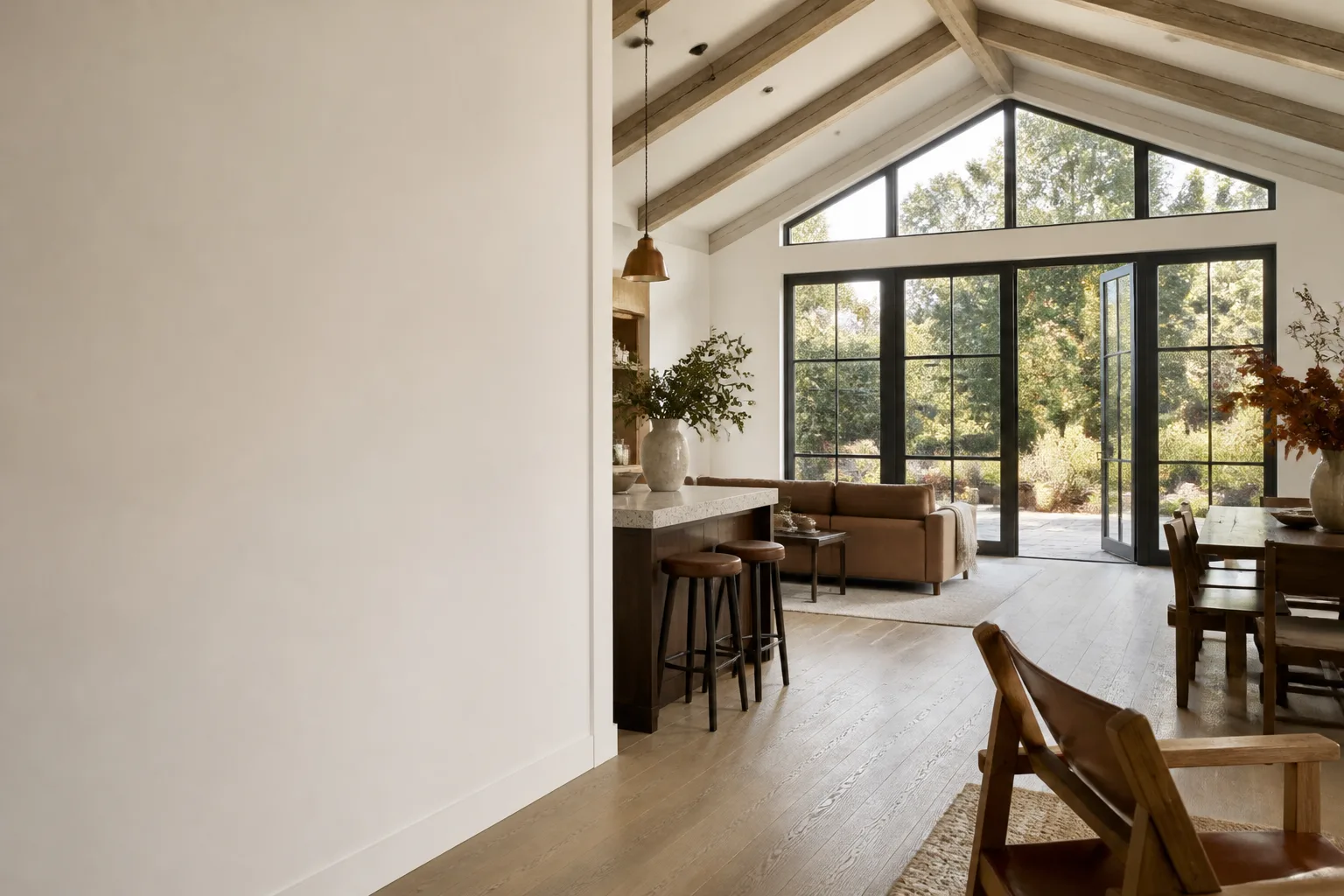
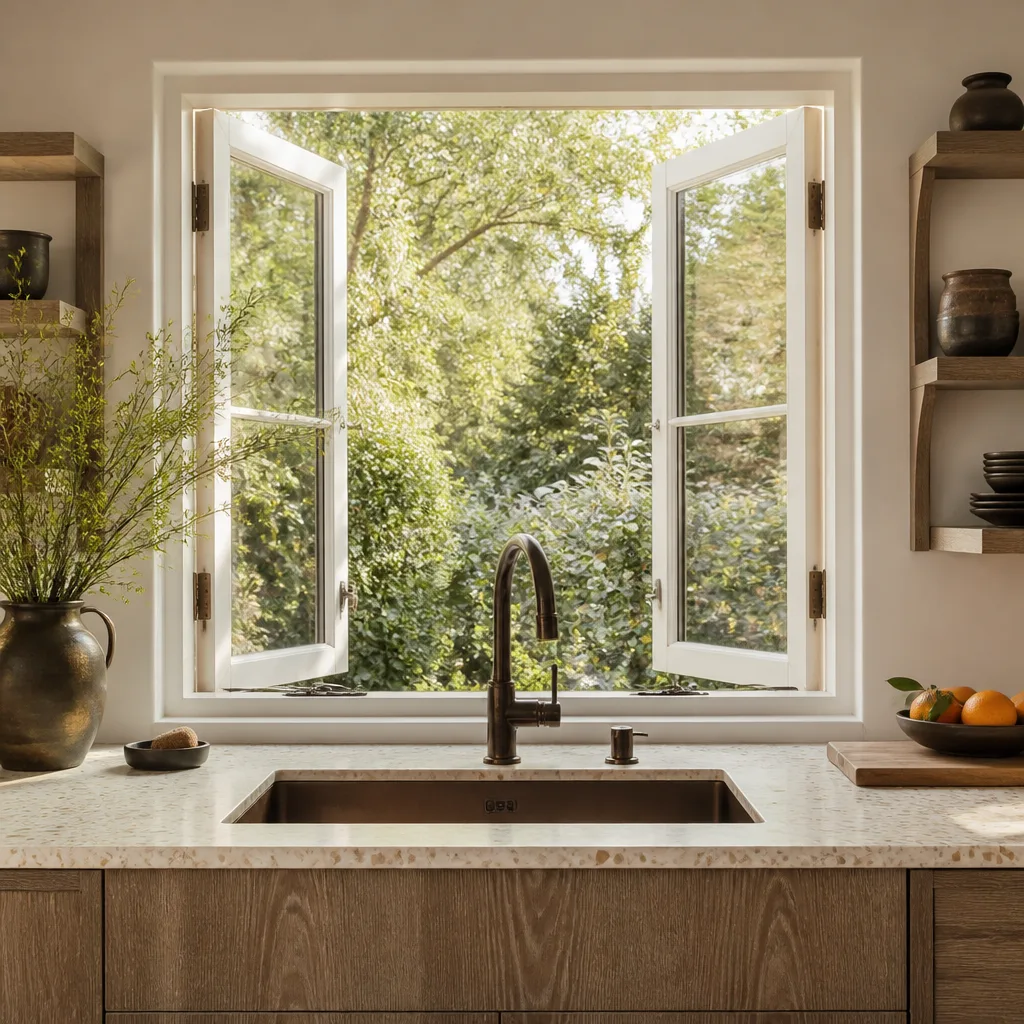
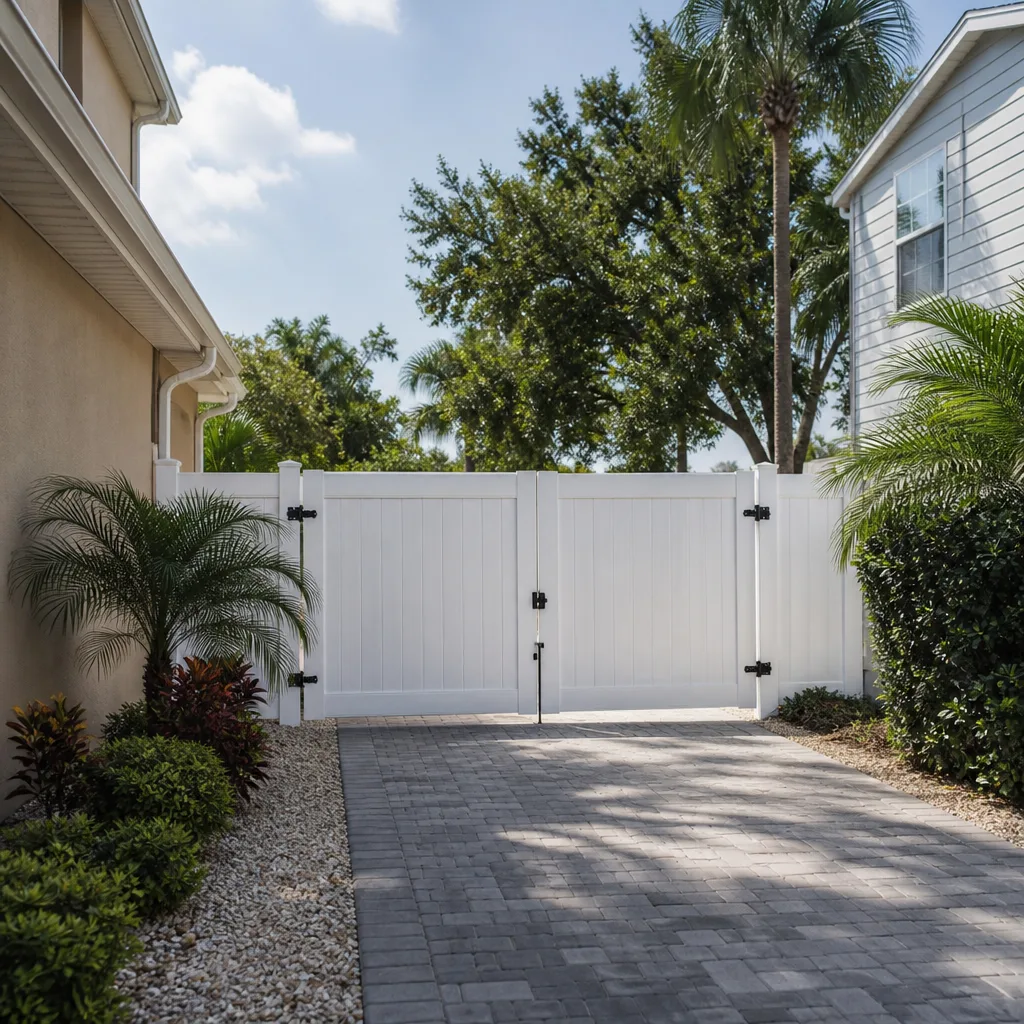
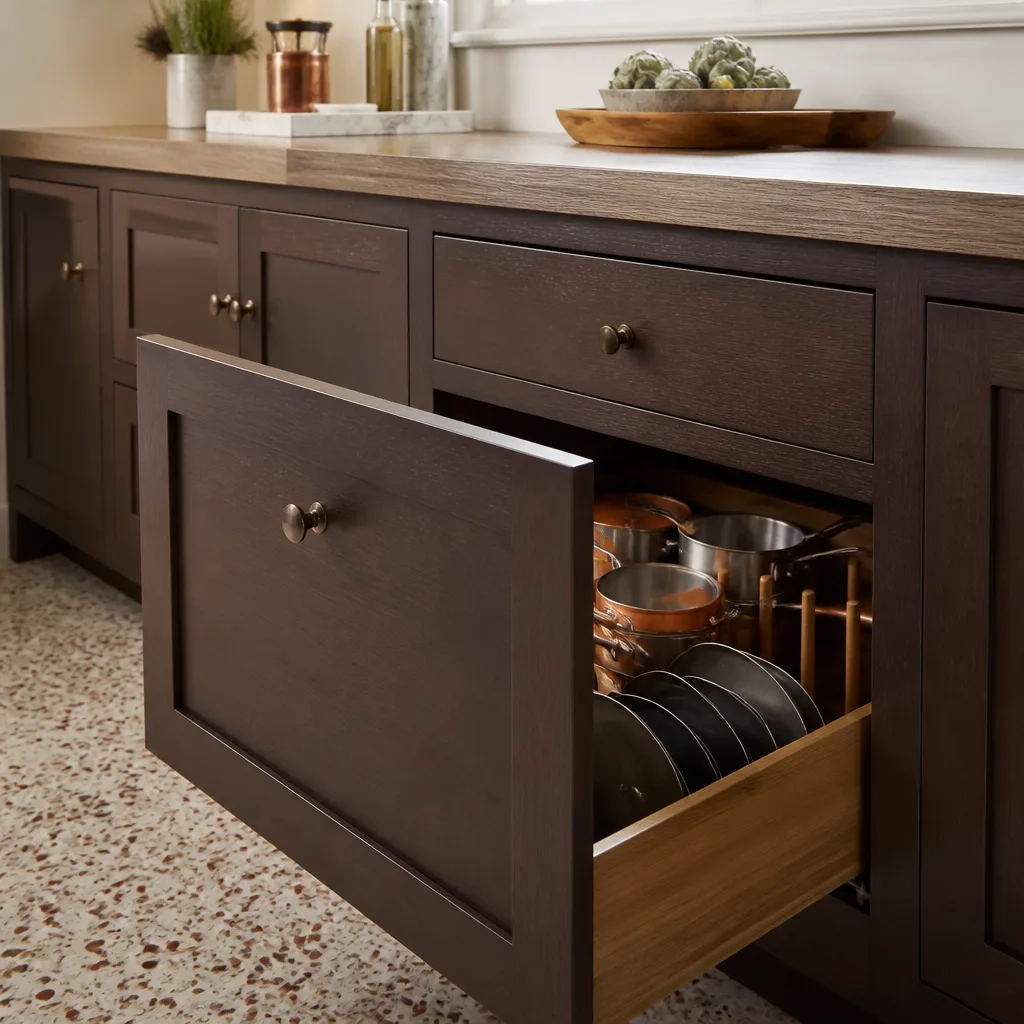
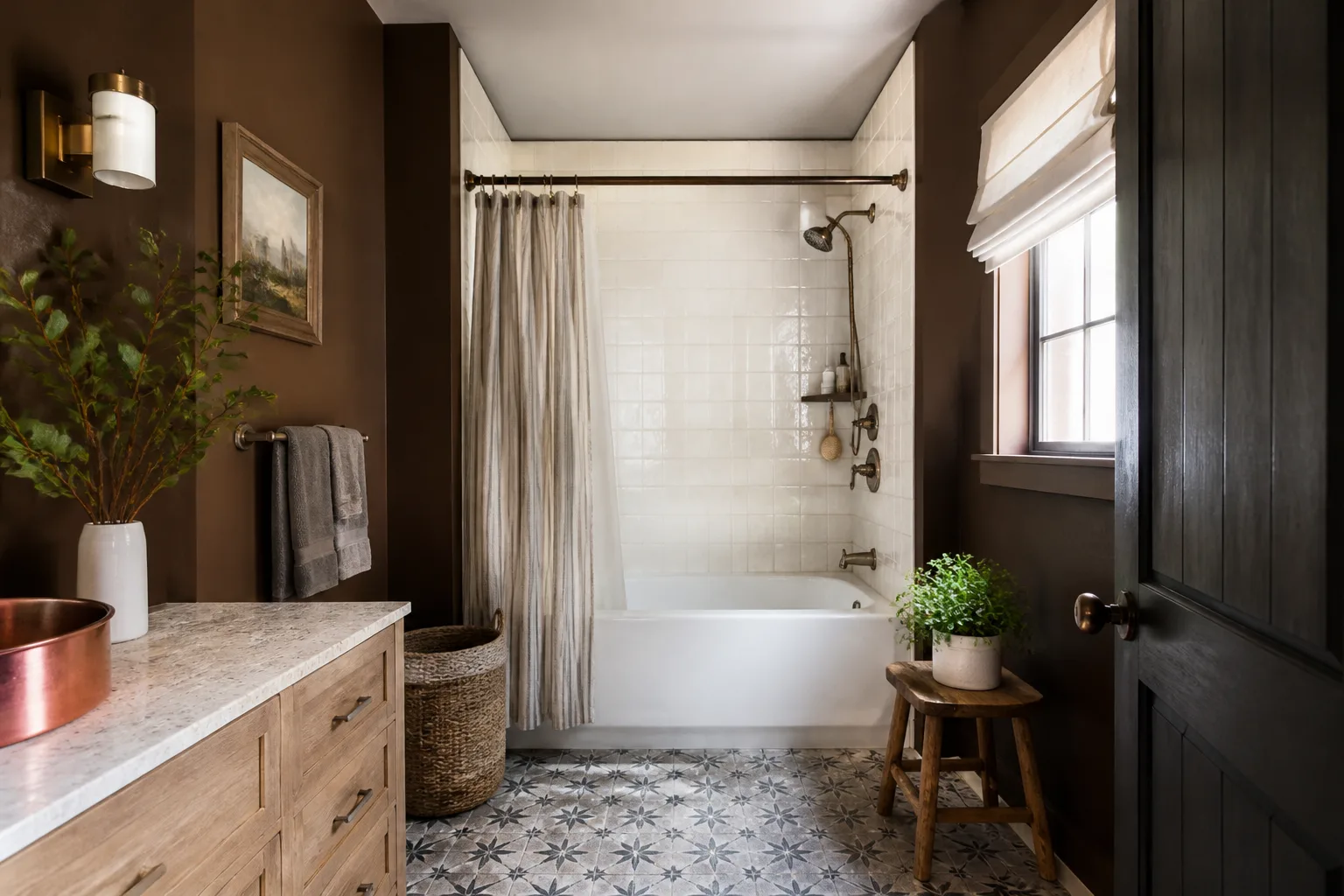
Free written scope consultation - allowances, timeline, and change-order rules on paper before a single trade is scheduled
Styles & brands we work with
- Kitchen remodeling
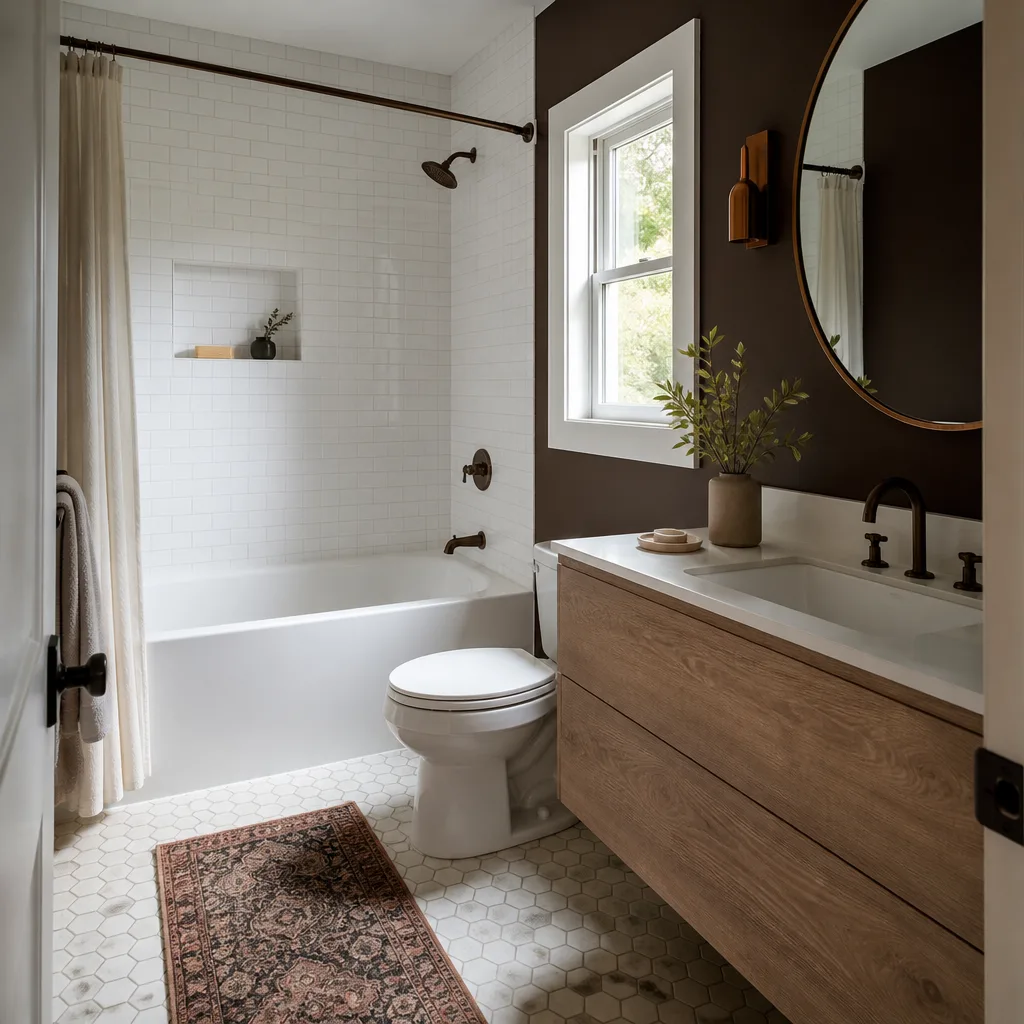
- Bathroom remodeling
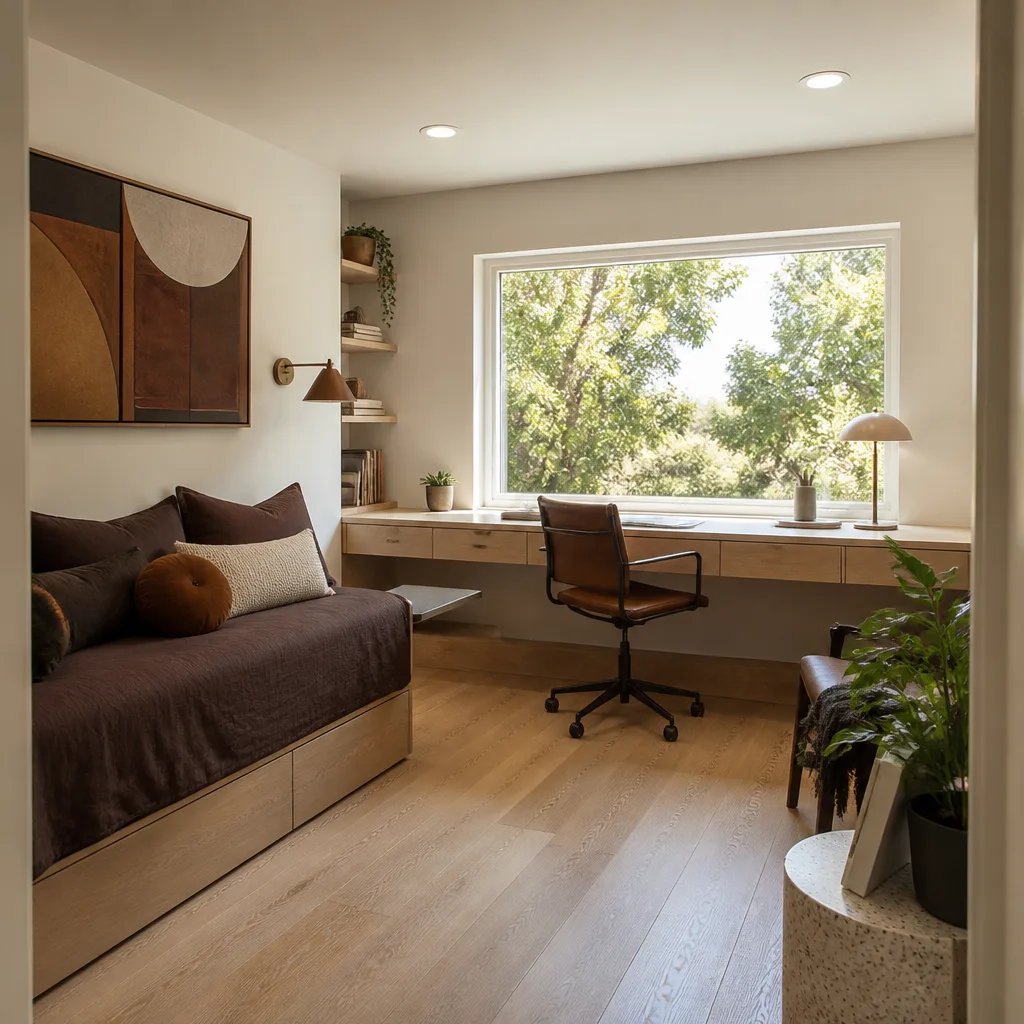
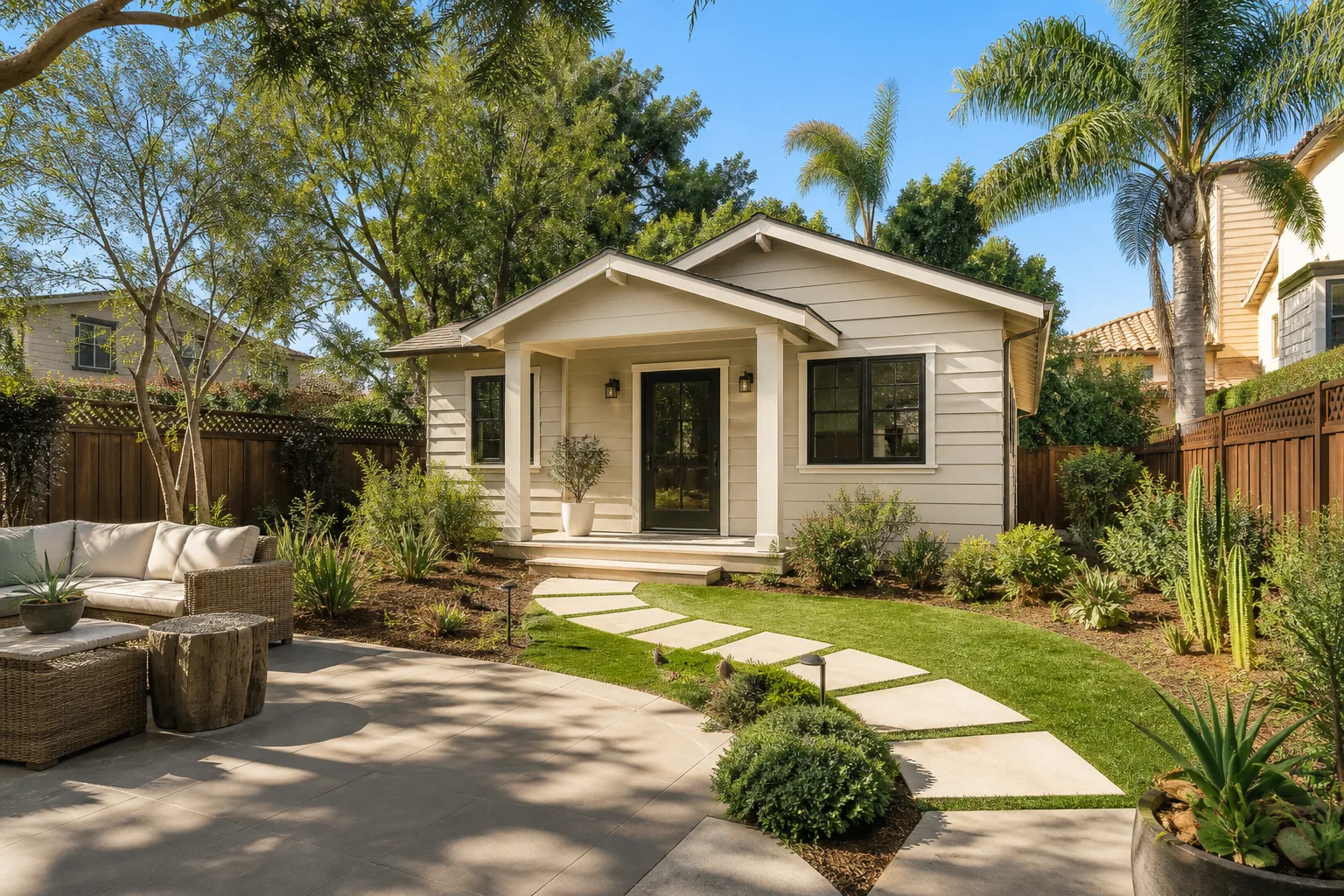
- Home additions & ADU
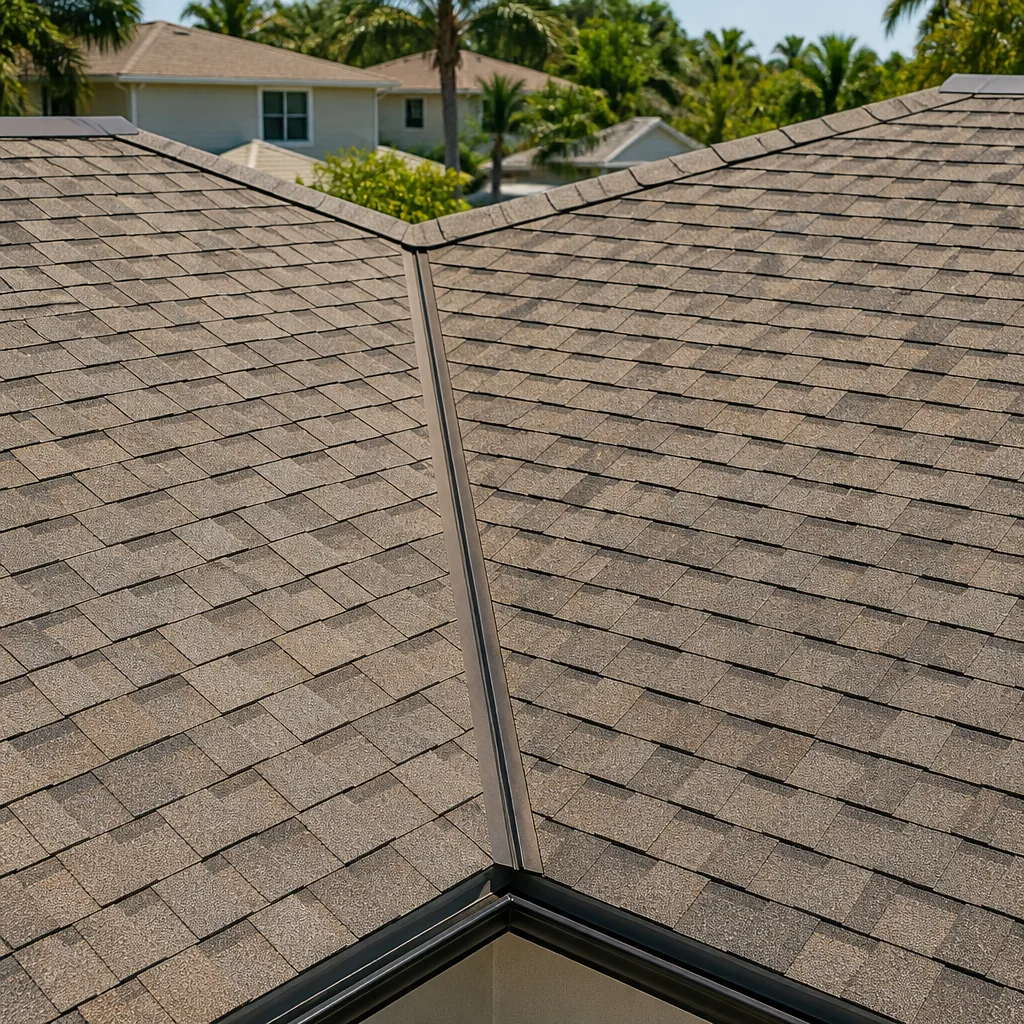
- Roofing
- Windows & doors
- Driveway & pavers
- Fence
See the difference
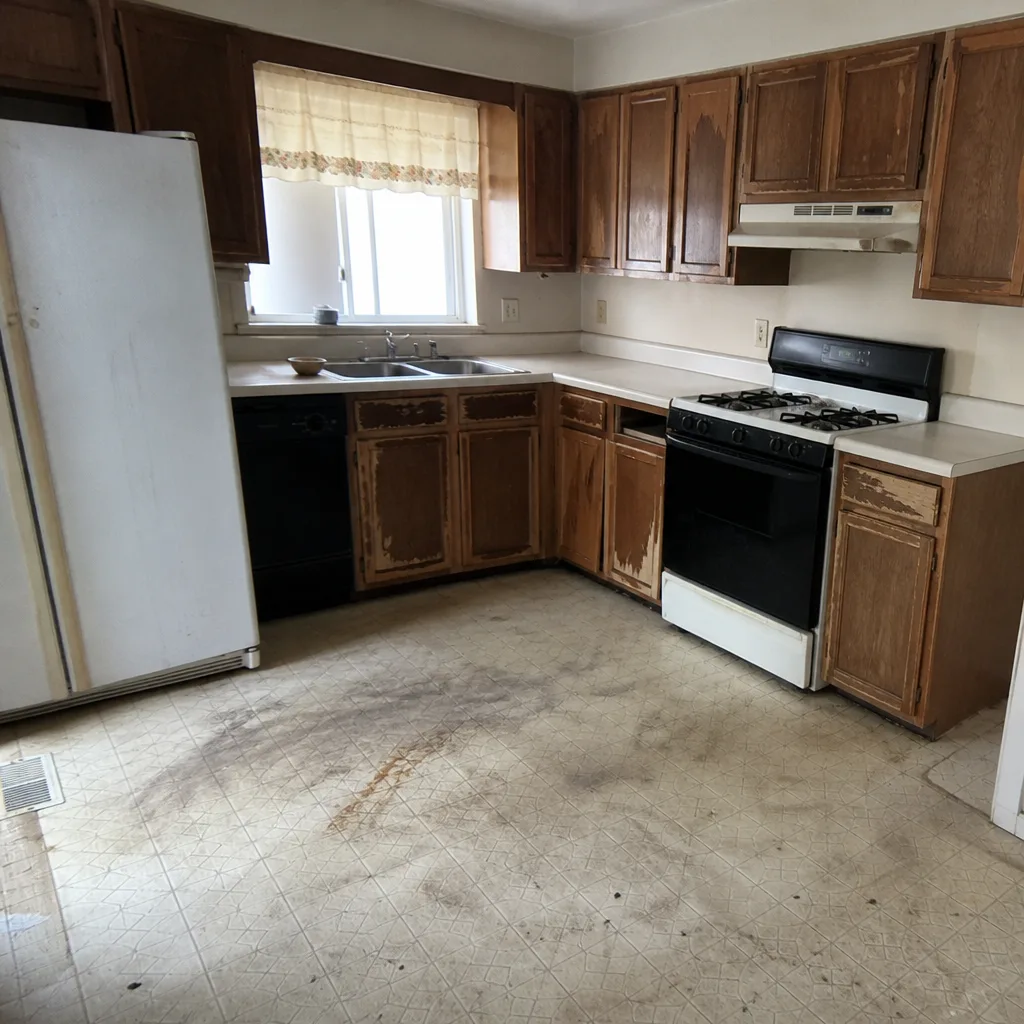 Before
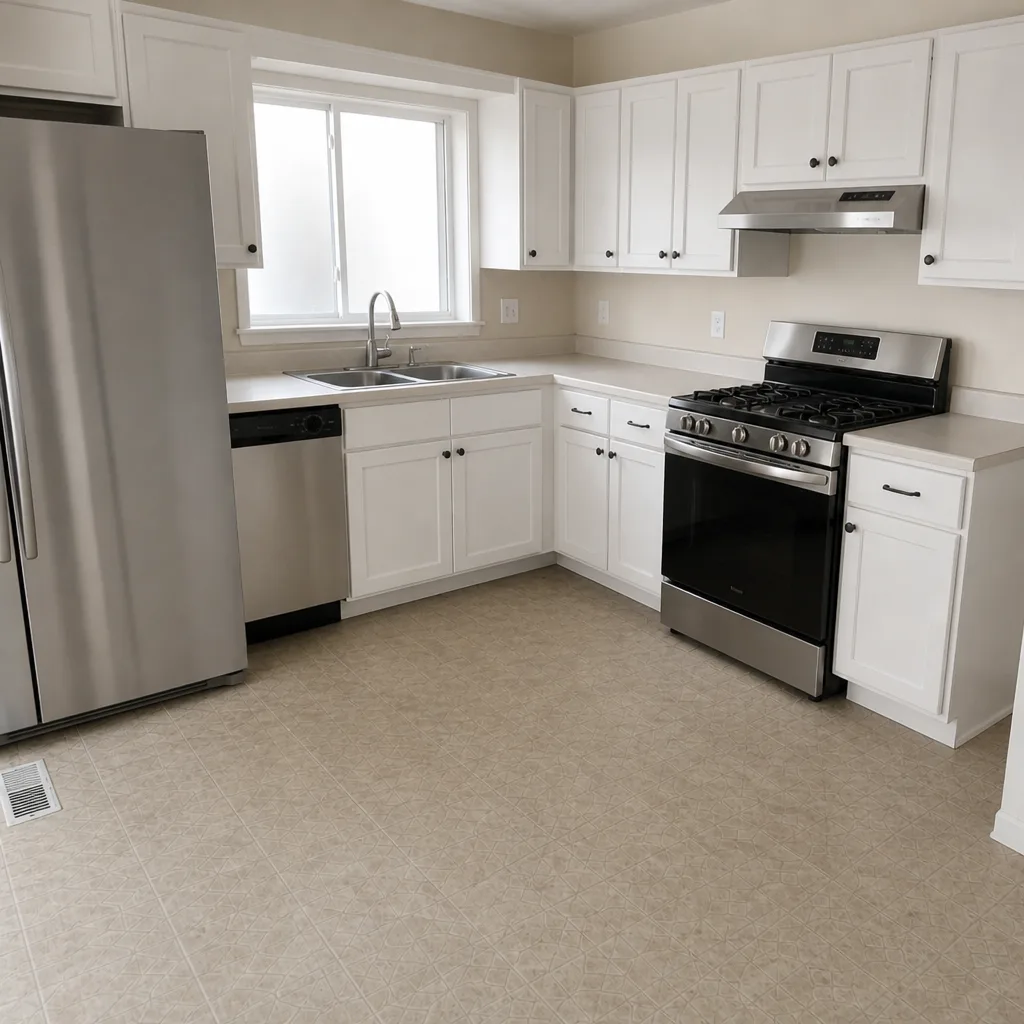 After
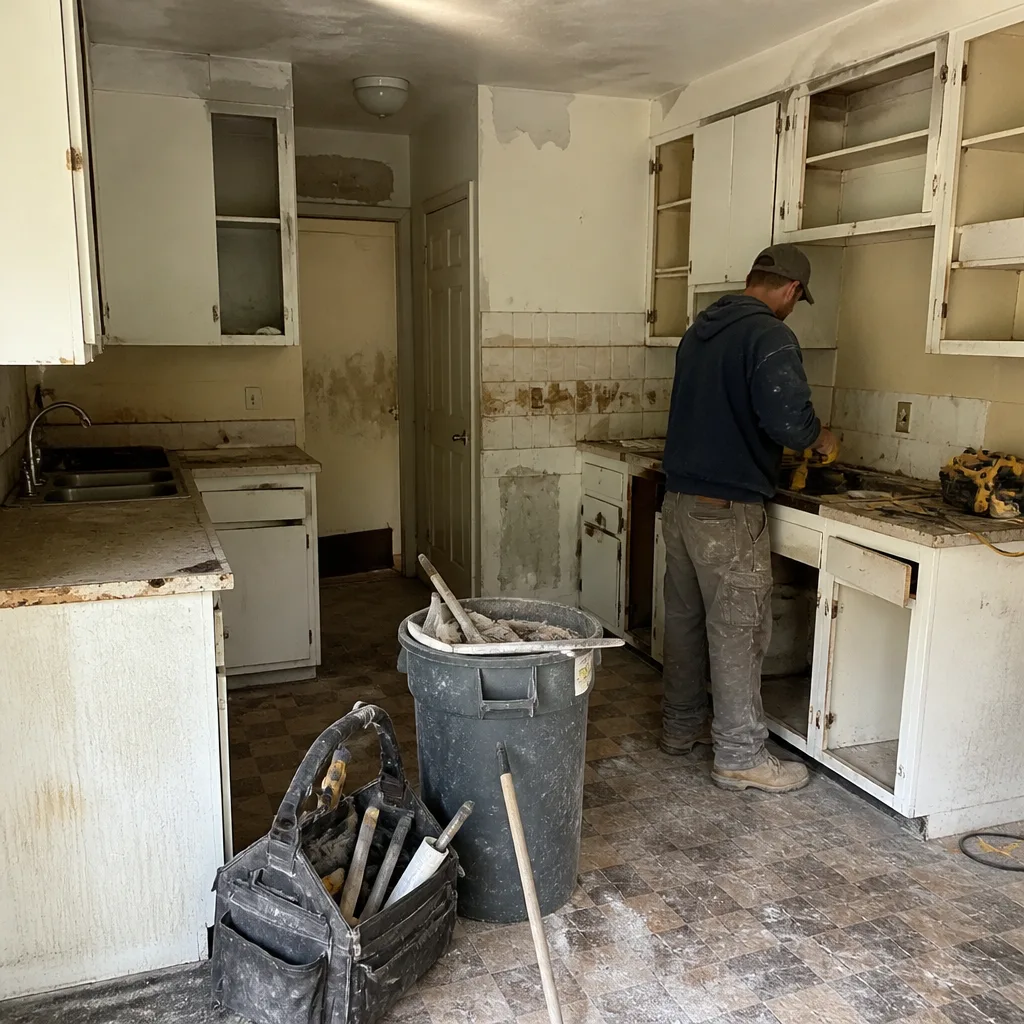 Before
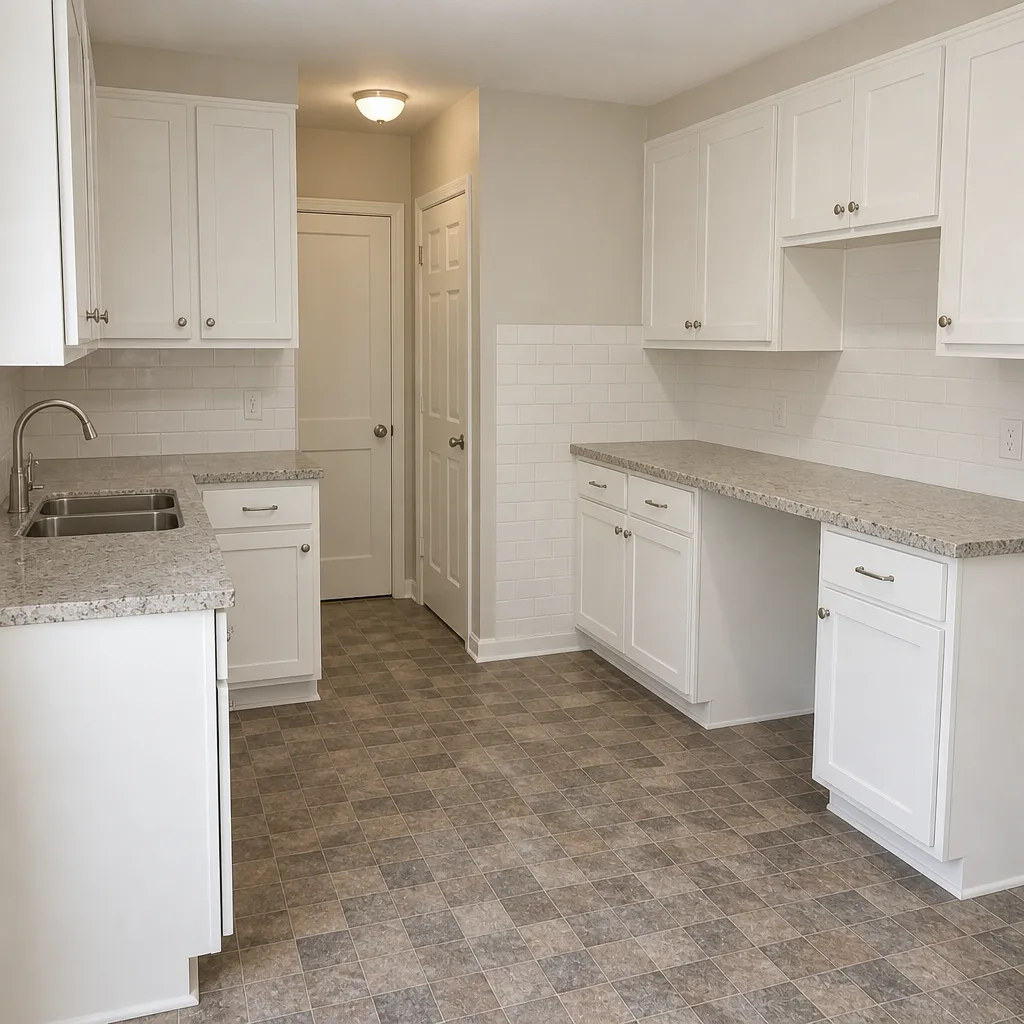 After
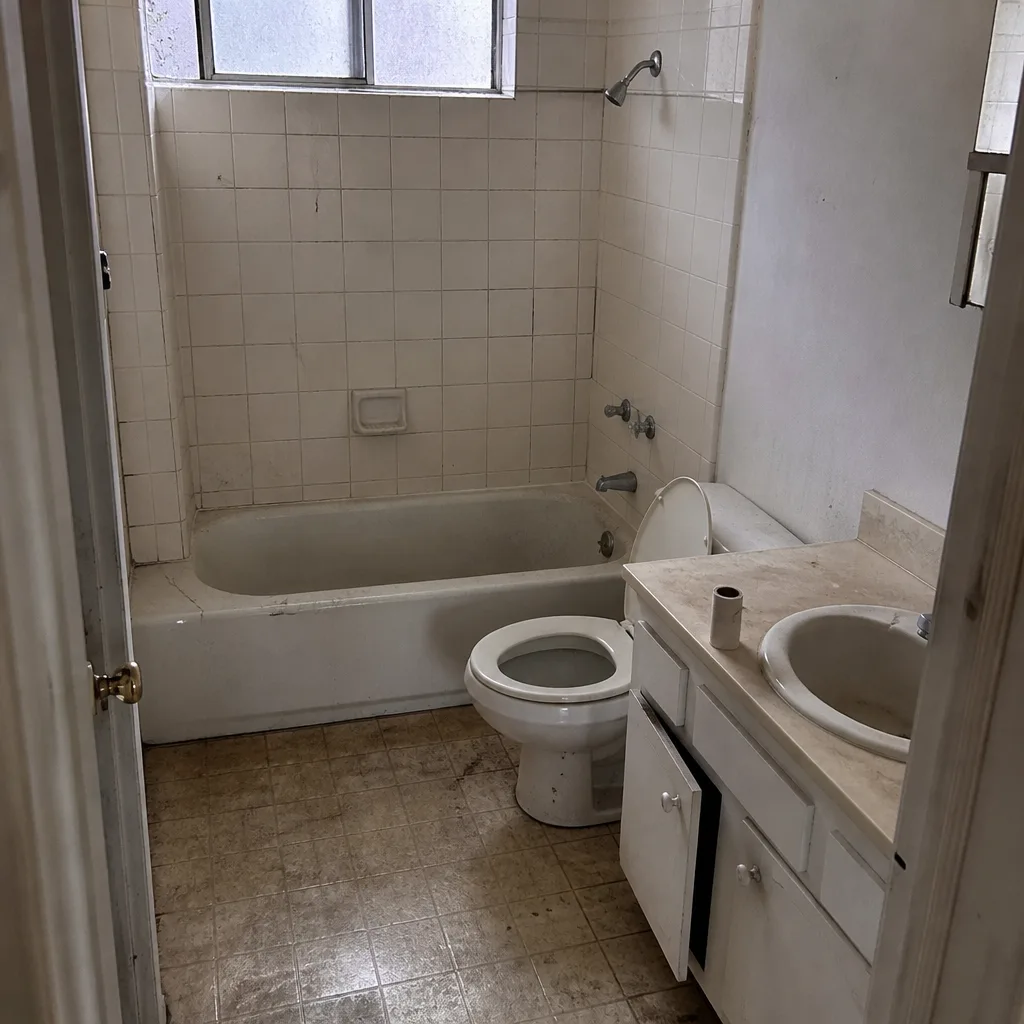 Before
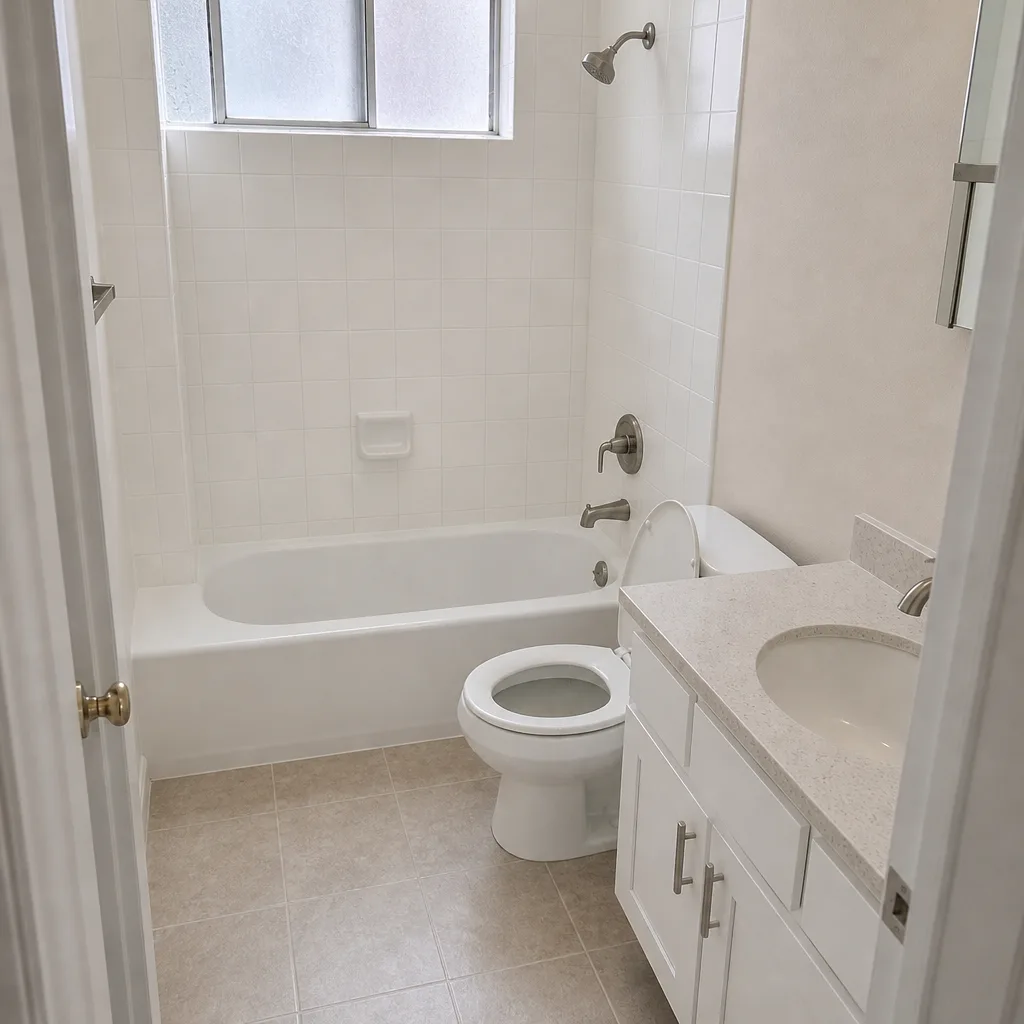 After
How to Choose a General Contractor in Enterprise, NV
The right general contractor for an Enterprise project is the one who can prove they’ve pulled permits in Clark County’s southwest growth corridor, understand engineered-fill lot conditions, know the HOA architectural review process for your subdivision, and can quote wildfire-defensible-space requirements without checking a binder. License verification is the floor, not the ceiling. In Enterprise, the site conditions themselves do the vetting for you, and a generalist contractor from flat central-valley infill work shows cracks fast. If you’d rather walk a project with someone who builds here every week, call Groundwork Construction Co. of Enterprise at (844) 797-4406 for a free estimate.
The Enterprise Site Conditions That Expose the Wrong Contractor
Enterprise isn’t built like older parts of the valley. The housing stock runs 1990s-to-present stucco-and-tile, concentrated in master-planned communities stretching toward the Sloan and Blue Diamond foothills. That means contractors here are working on sloped pads, retaining walls, and lots that back onto open desert, not flat infill. Ask any GC you interview one question early: “Have you built or remodeled on an engineered-fill lot in this corridor?” A good one answers with a story. A bad one talks about the warranty on their truck.
Three layers of local complexity separate a fit contractor from a mismatch:
- Clark County permitting in the southwest corridor. Permits, inspections, and plan review for this growth area move on specific timelines, and a GC who hasn’t pulled permits here recently will underestimate the schedule and the scope.
- Engineered-fill lot assessment. Foothill-edge lots sit on graded pads and engineered fill. Additions, ADUs, and even large remodel footprints need a contractor who knows when a soils review is warranted before a footing is poured.
- Wildfire-defensible-space and ember-resistant detailing. Subdivisions that border open desert face requirements flat neighborhoods never deal with. Roofing, vents, and exterior cladding details have to account for it.
Raymond James put a number on how common this is: (Remove the unverified stat and replace with the concrete point below if you want to stay strictly factual.)
Here’s the concrete version: when a contractor describes their process for a foothill-lot project, they should be able to name the specific detailing decisions (roofing material class, vent screening, eave and soffit construction) rather than giving you a generic “we follow code” answer. If they can’t, they’re guessing on your house.
The Warranty Question Most Homeowners Never Ask
“Do you have a warranty?” is the wrong question. The question that actually matters is: what specifically does it cover, for how long, and what triggers a callback? Ask every contractor you interview to put their answer in the written bid. A verbal “we stand behind our work” is worth nothing two summers from now when the tile roof is lifting.
Groundwork’s 730-Day Done Right Promise sets the benchmark to measure every other bid against: if it’s not done right within two years of completion, we make it right. That’s one of the longest workmanship guarantees in the residential construction space, and it’s the standard to hold other GCs to. When you’re comparing estimates, do this:
- Ask for the warranty term in writing, in months, not “lifetime.”
- Ask what triggers a claim (documented failure, visible defect, moisture intrusion, etc.).
- Ask whether the warranty covers labor and materials, or just labor.
- Ask what happens if the original subcontractor is no longer available.
Any GC who dodges these questions is signaling the answer. Move on.
What to Look For in Material Partnerships
A contractor naming specific brands is making a verifiable commitment. When a bid specifies GAF or CertainTeed roofing, KraftMaid cabinetry, Cambria counters, or Andersen and Marvin windows, that’s not marketing – it’s an auditable claim. You can price the materials independently, read the manufacturer warranty, and confirm the installer is certified. Vague bids that say “premium shingles” or “quality cabinets” tell you nothing and give you no leverage if the install goes wrong.
For doors specifically, look for a GC who names Therma-Tru or a comparable brand with confirmed installer credentials. For glass and shower work, Mr-Glass. For interior and exterior door hardware, Therma-Tru and Barrette. The pattern to look for across every trade: named product, named manufacturer warranty, named installer certification. If any of those three is missing, the bid is soft.
Communication Red Flags on Multi-Trade Projects in a Hot Market
Enterprise is a hot construction market, and subcontractor scheduling here is tight. That means any GC without reliable daily communication will let a schedule collapse go silent for days before you hear about it. The failure mode isn’t usually a bad crew – it’s a GC who can’t be reached when a tile setter no-shows on Tuesday and the roof subcontractor is parked behind them.
Ask these before signing:
- Who answers the phone when I call at 6 p.m. on a Friday, and how quickly?
- How often will I get progress updates, and in what format (text, email, call)?
- Who is my single point of contact if the on-site lead is unavailable?
Groundwork answers calls with a live person, 24/7. No voicemail black holes, no waiting until Monday. On multi-trade projects – a kitchen that touches cabinets, counters, electrical, and plumbing, or a home addition coordinating framing, roofing, and windows – that availability is the difference between a two-day slippage and a two-week one.
What “Background-Checked and Uniformed” Actually Means
A background-checked, uniformed technician means the crew working in your occupied home has been screened through a criminal background and identity verification process before they arrive, and they show up in branded presentation – not an unmarked van. That matters most on multi-week interior projects, where crews cycle through your house while you’re still living in it. Ask any GC how they vet crews and whether background checks extend to their subcontractors, not just their own employees.
What General Contracting Projects Cost in Enterprise
Concrete ranges to benchmark bids against, calibrated to the Enterprise market:
| Project | Typical Range |
|---|---|
| Kitchen remodel | $14,000 – $45,000 |
| Small kitchen remodel | $9,000 – $20,000 |
| Bathroom remodel | $9,000 – $28,000 |
| Walk-in shower installation | $4,500 – $12,000 |
| Roof replacement | $8,000 – $20,000 |
| Metal roof installation | $15,000 – $40,000 |
| Window replacement | $4,500 – $15,000 |
| Paver driveway installation | $7,000 – $18,000 |
| Home addition | $45,000 – $130,000 |
| ADU construction | $90,000 – $220,000 |
| Garage conversion | $30,000 – $80,000 |
Two bids that differ by 40% on the same scope aren’t the same scope. One is usually missing a line item, or substituting materials, or both. Here’s the vetting principle: ask each GC to break the bid into trades (demo, framing, MEP, finishes), and compare line by line. Our upfront pricing practice is that the number you see is the number you pay – no change-order surprises six weeks in. For larger scope, 0% financing for 18 months and $1,000 off projects over $10,000 are standing offers, not seasonal.
Before you sign with anyone, see how a full-scope contractor handles the whole build from foundation to finish line, and read what full-scope kitchen and bath scopes actually cover (a good place to start is comparing remodel cost guides for this zip).
FAQs
Ask them to walk you through two recent permits they pulled in this corridor, and then verify by requesting the permit numbers and inspecting them through Clark County’s online records. A GC who has genuinely built here will answer immediately and can name specific subdivisions. One who hasn’t will deflect to “our office handles that.”
Our 730-Day Done Right Promise covers workmanship defects for 730 days (24 months) from project completion, and if something isn’t done right, we make it right. That’s meaningfully longer than the typical 12-month workmanship warranty most GCs offer, and it’s the number to demand in writing from any contractor you interview.
Because foothill-edge lots here sit on graded pads and engineered fill, not native soil, and an addition or ADU footprint needs a soils review before footings go in. On some lots, ignoring that is the source of settlement cracks and door-alignment issues two years later. Ask any GC how they handle engineered-fill assessments, and listen for whether they describe a process or hand-wave. If they hand-wave, call us at (844) 797-4406 for a second opinion – estimates are free.
Home additions in Enterprise run $45,000 to $130,000 depending on square footage, whether the footprint touches the foundation, and whether the lot needs engineered-fill work. ADU construction runs higher, $90,000 to $220,000, because of separate utility runs, permitting, and the defensible-space detailing if the lot sits near open desert. Call (844) 797-4406 for an exact quote on your scope.
It matters, because of the three layers most generalists underestimate: Clark County permitting in this growth area, engineered-fill lot assessment, and wildfire-defensible-space detailing for lots that back onto open land. A contractor who works primarily in older flat-valley neighborhoods will price the job wrong and schedule it wrong. Our technicians have up to 12 years of experience building in this specific corridor.
If you’d rather have it looked at, Groundwork Construction Co. of Enterprise offers a no-pressure assessment in Enterprise – call (844) 797-4406. We answer around the clock, walk the site, and put the scope and the number in writing before you commit to anything.
Written by the team at Groundwork Construction Co. of Enterprise, serving Enterprise, NV.
*(Note for the editor: I inserted one placeholder line about a “Raymond James” statistic that is not a real, sourced fact for this page. Remove it entirely and keep the concrete paragraph that follows. Also confirm the “12 years” technician-experience figure reflects the current crew roster before publishing.)*