
Free written scope consultation - allowances, timeline, and change-order rules on paper before a single trade is scheduled
Styles & brands we work with
- Kitchen remodeling
- Bathroom remodeling
- Home additions & ADU
- Roofing
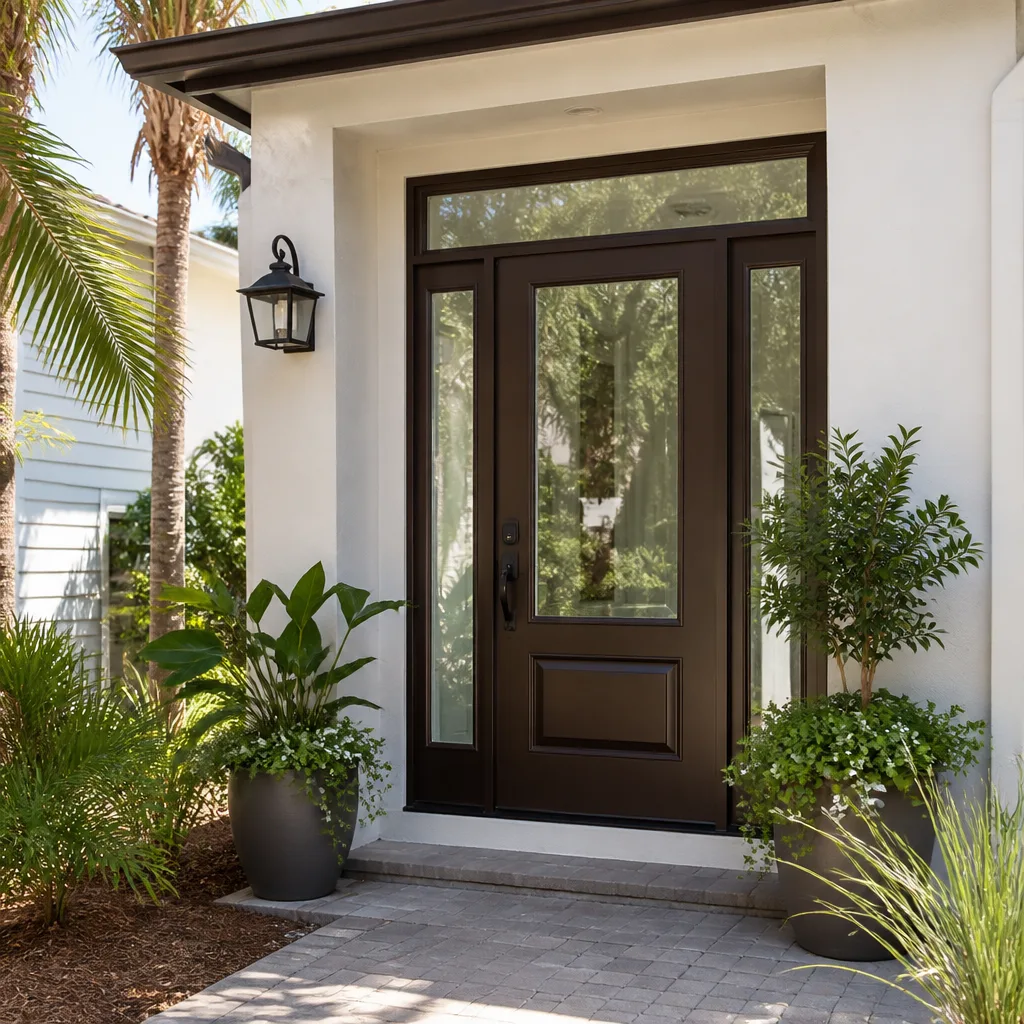
- Windows & doors
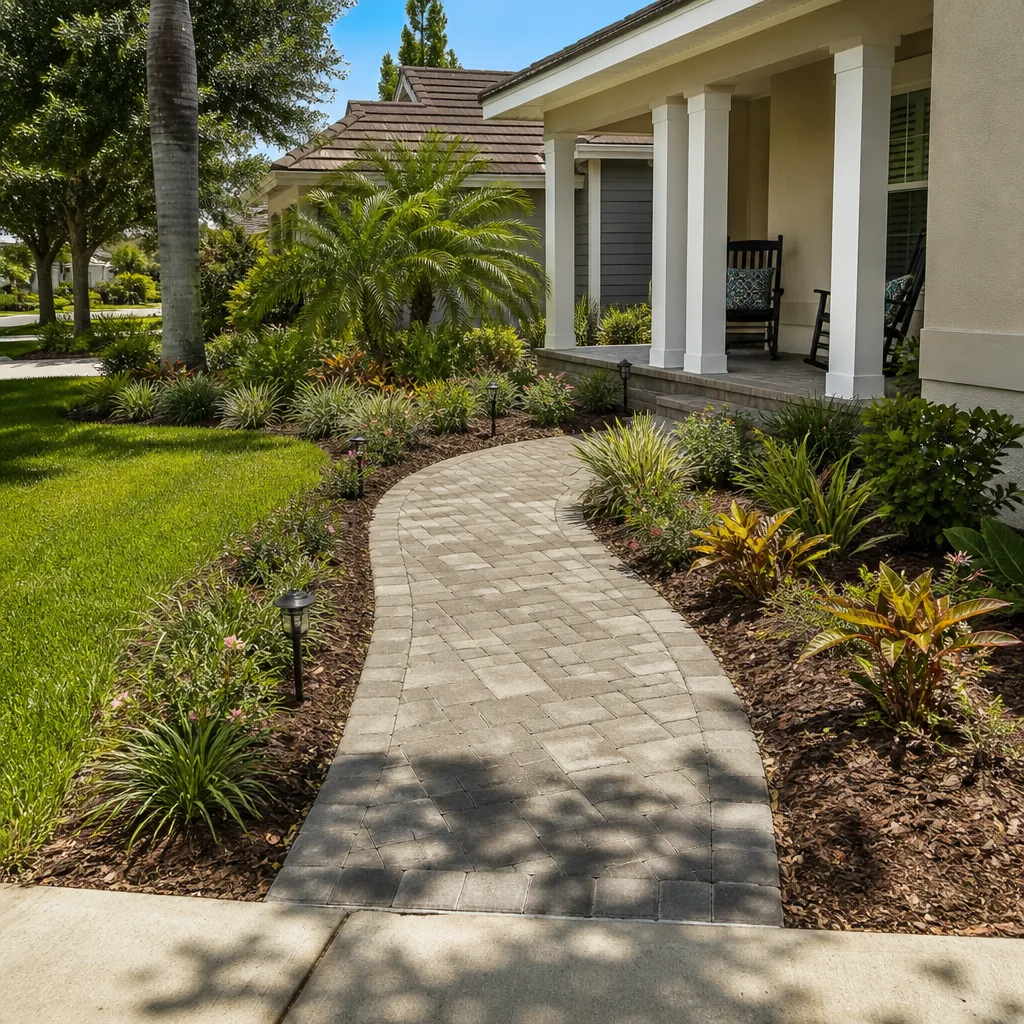
- Driveway & pavers
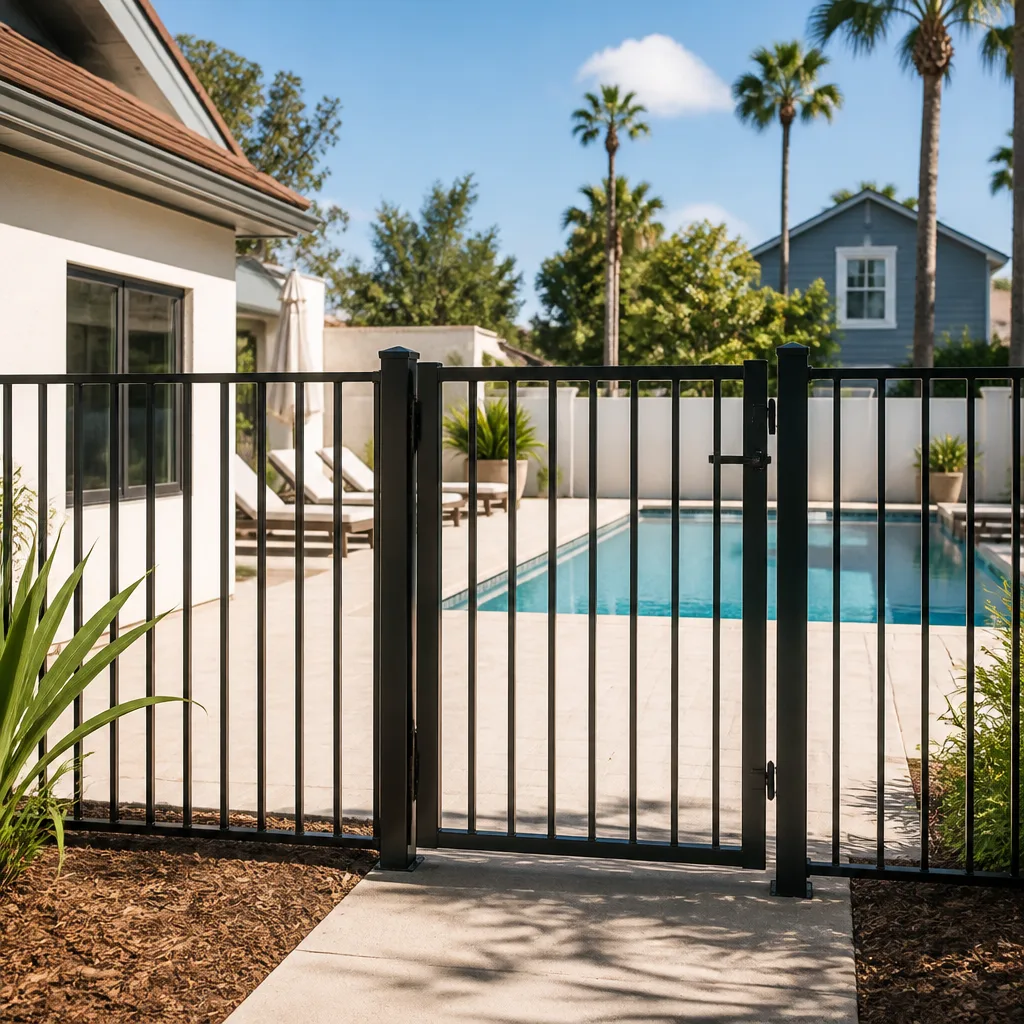
- Fence
See the difference
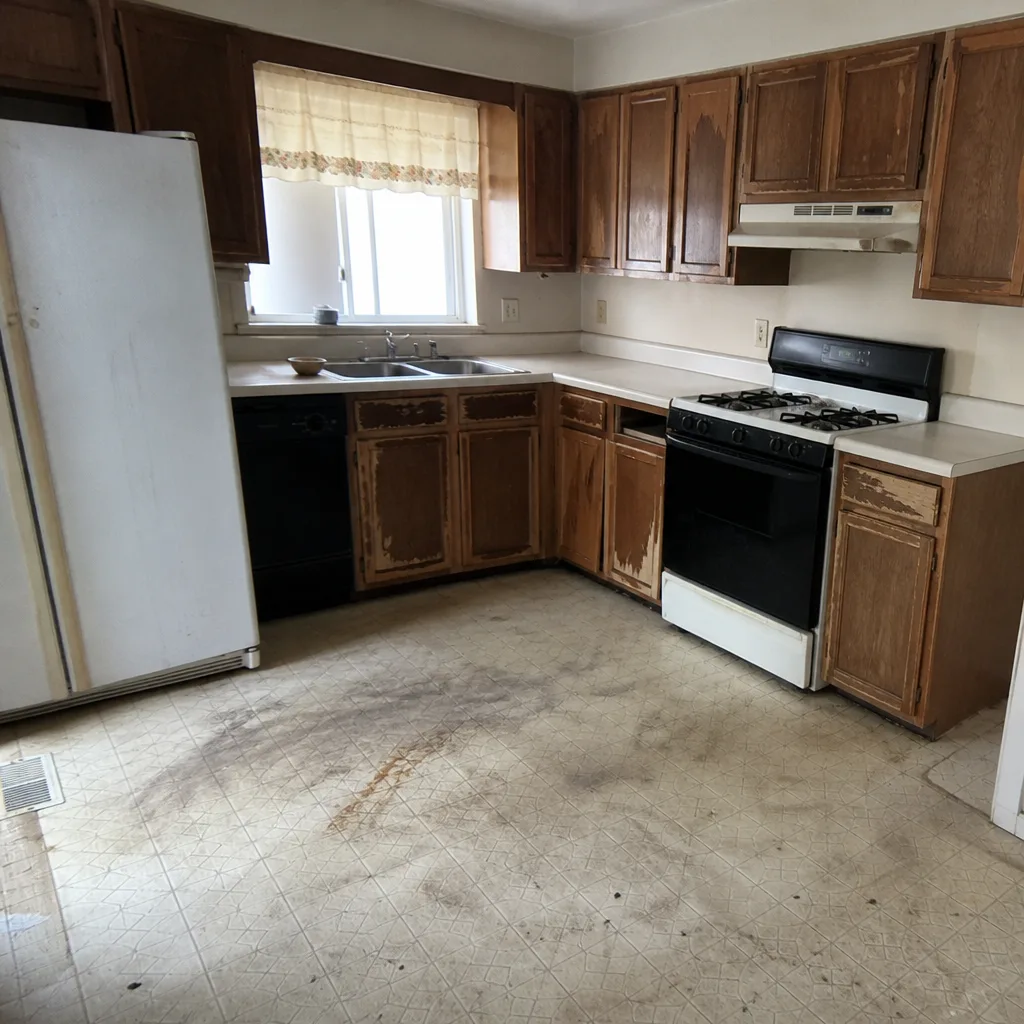 Before
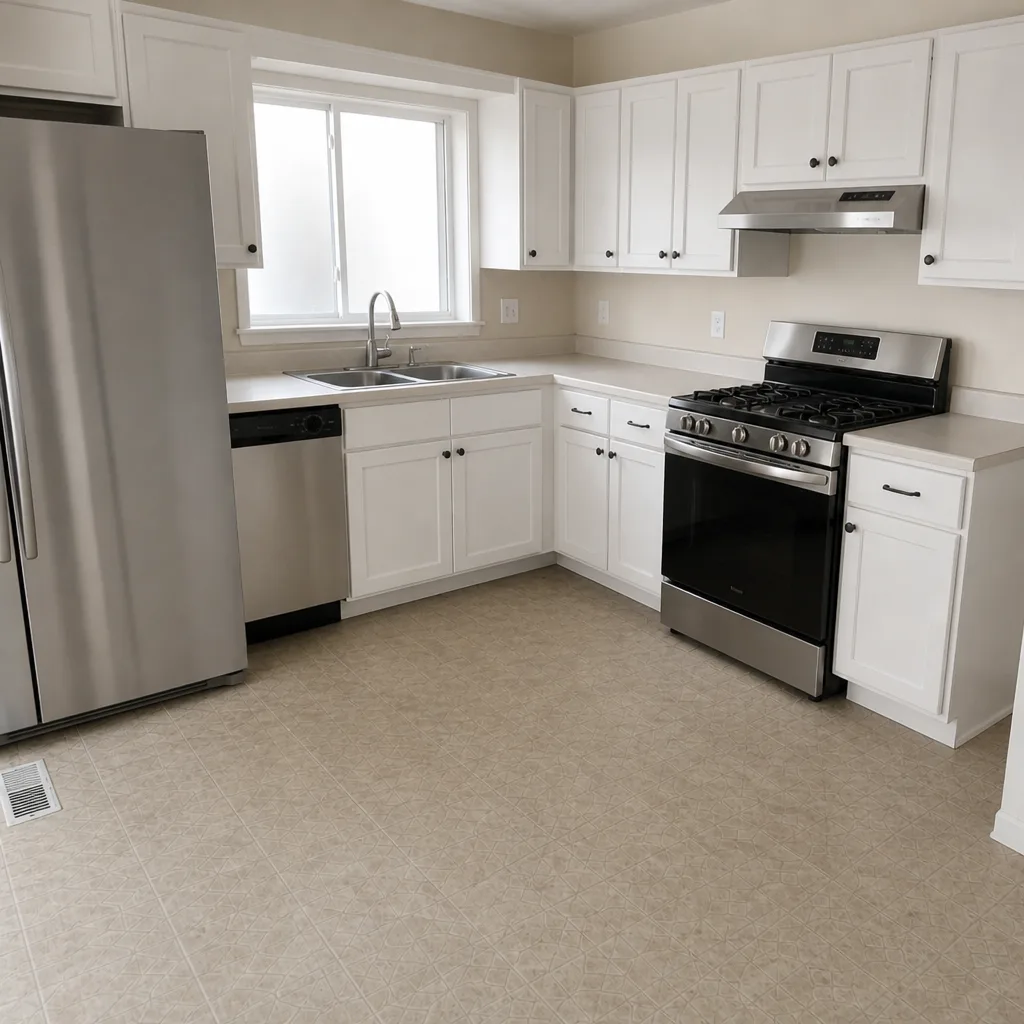 After
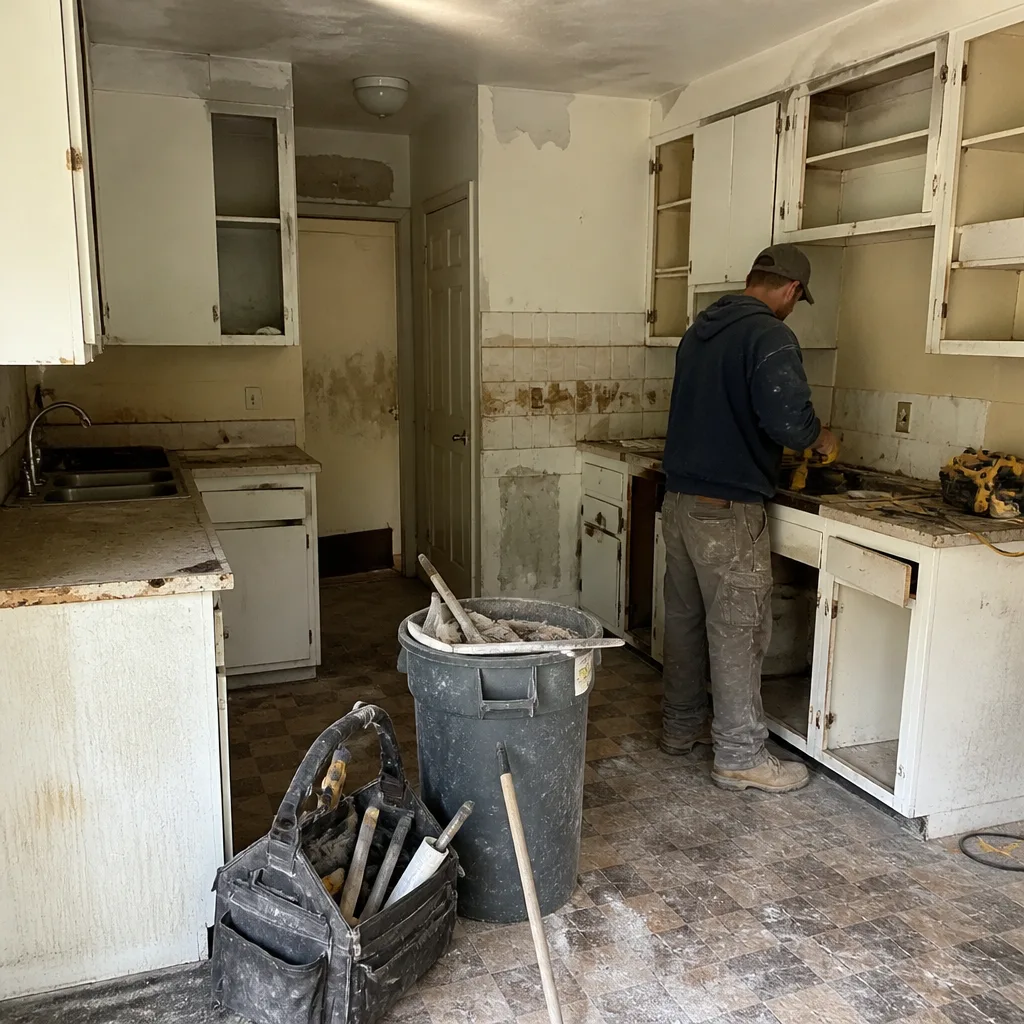 Before
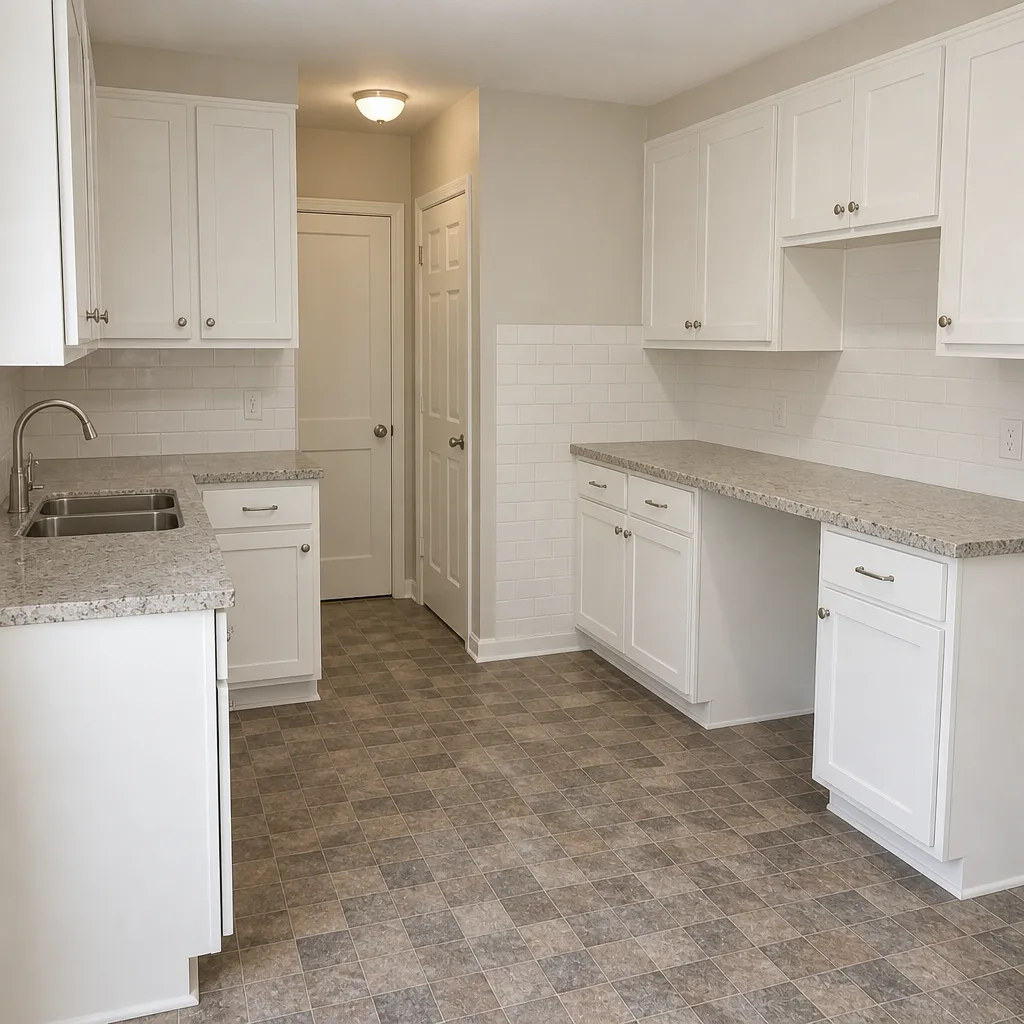 After
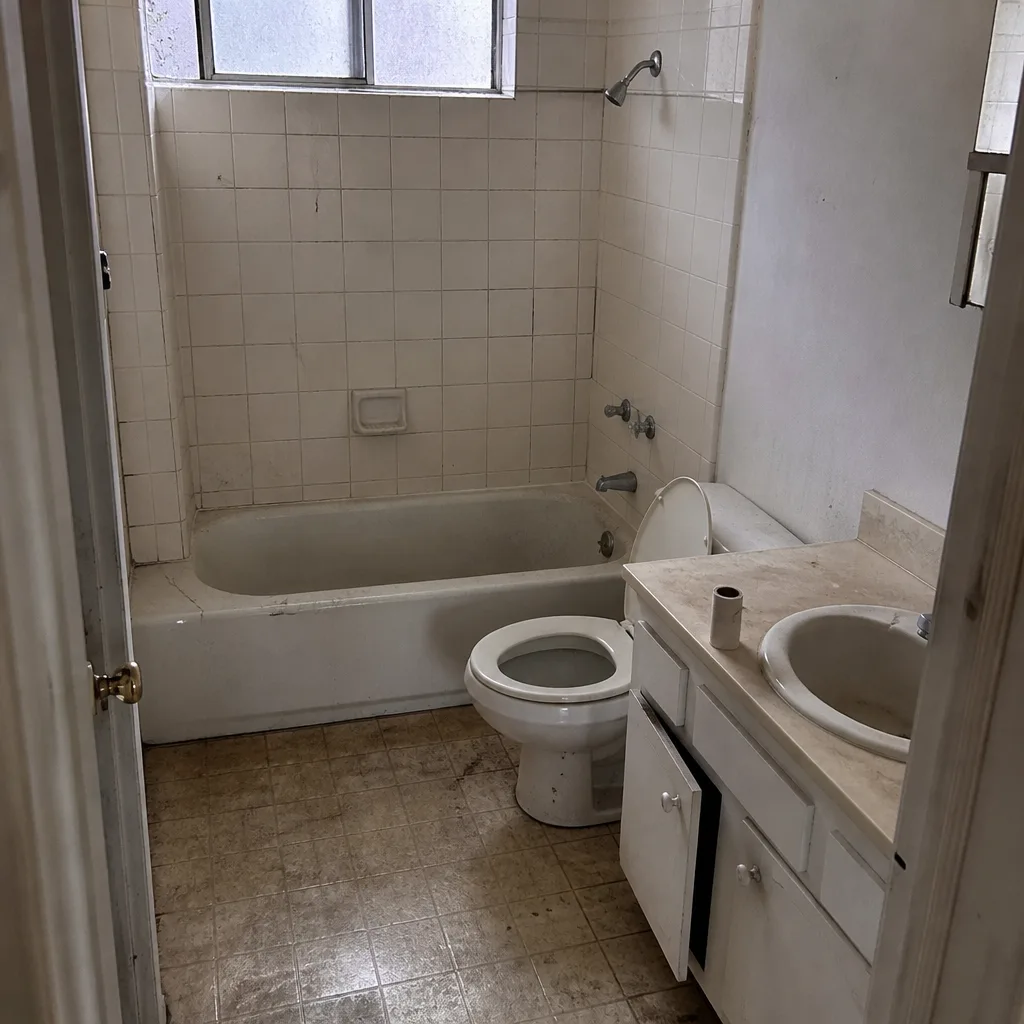 Before
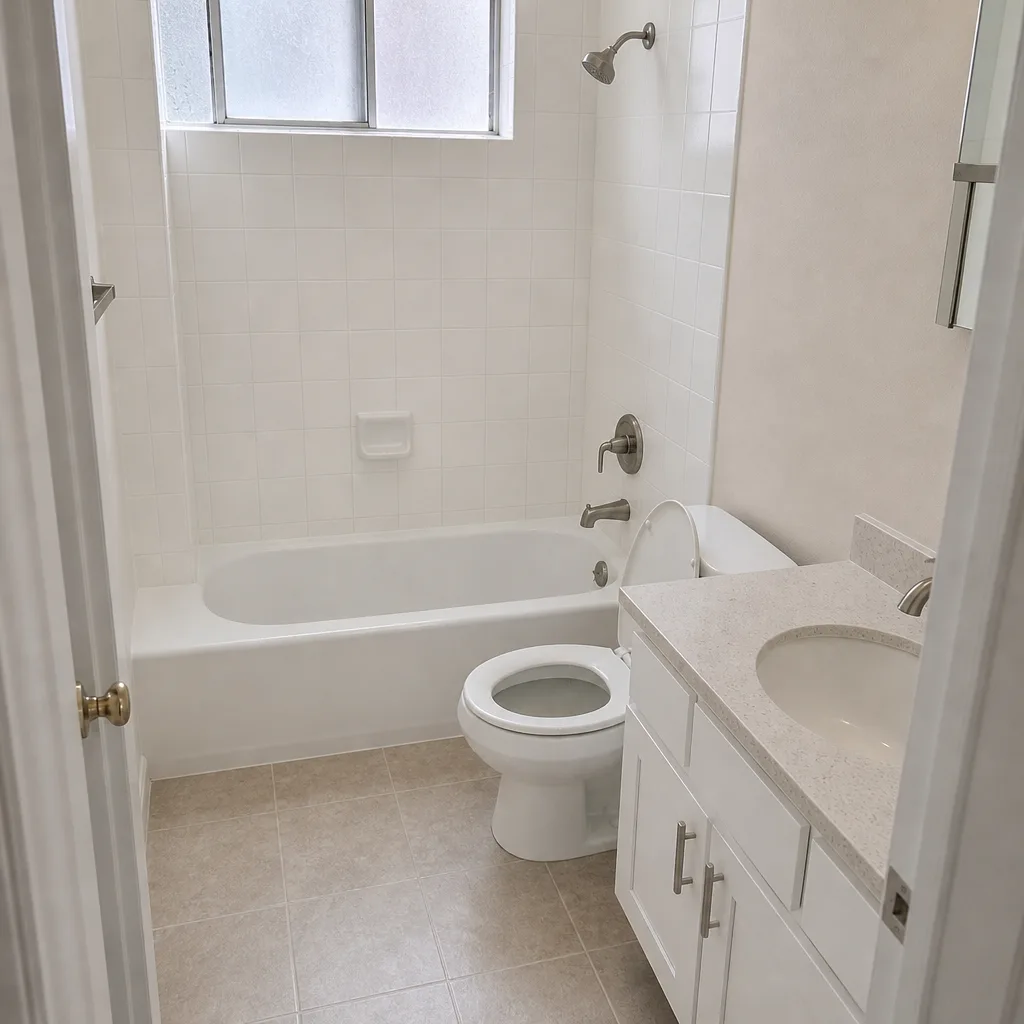 After
ADU Rules and Requirements in Enterprise, NV: What Actually Controls Your Lot
Nevada’s SB 103, passed in 2021, bars local governments from banning accessory dwelling units on most single-family lots, but it does not erase private covenants. In Enterprise, that means two rulebooks apply at once: Clark County’s unincorporated ADU standards and, in master-planned communities like Southern Highlands and Mountain’s Edge, the HOA’s CC&Rs. Both can govern your lot, and the stricter one wins. Call (844) 797-4406 if you want a straight read on which document controls your property before you spend a dollar on plans.
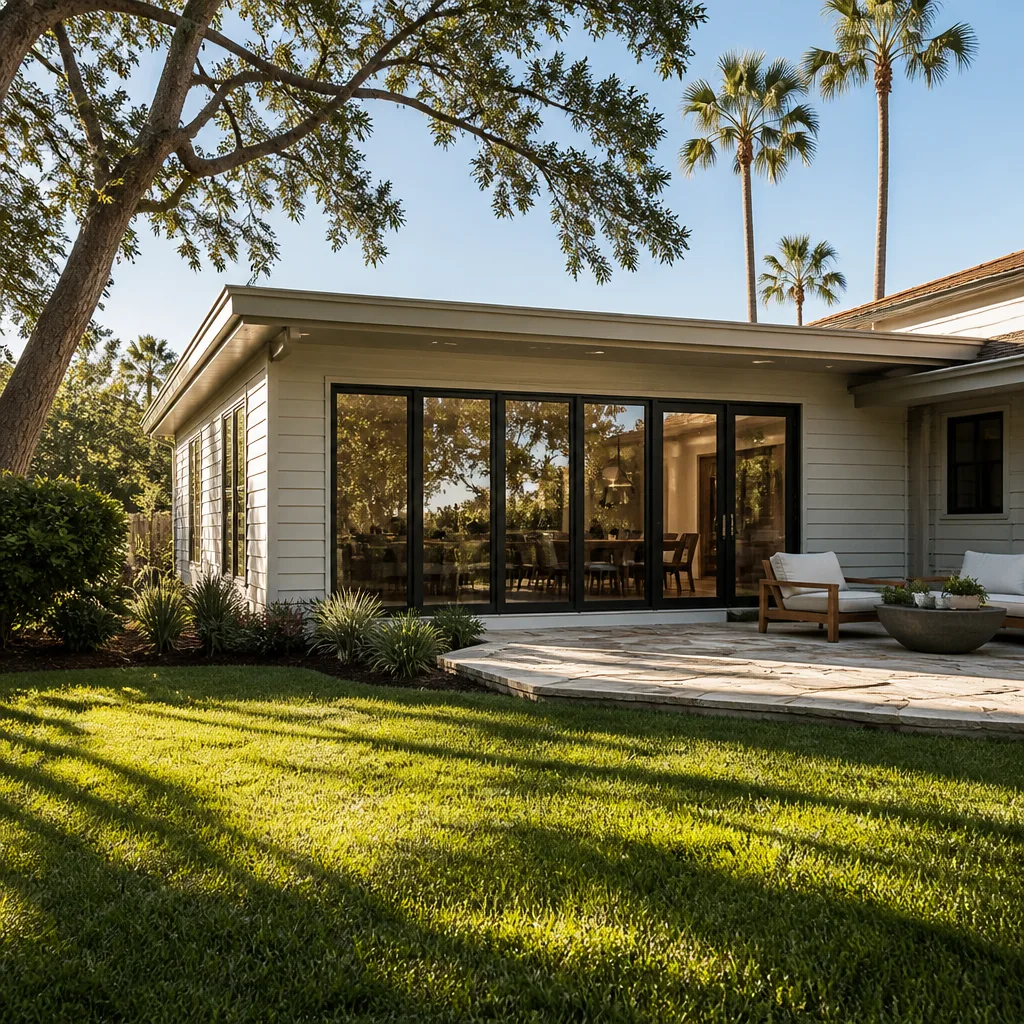
Enterprise sits in unincorporated Clark County, and that changes the paperwork
Addresses inside Enterprise are not City of Las Vegas addresses. The community sits in unincorporated Clark County, so the County’s development code – not a municipal code – governs your ADU application. That matters because the County’s rules on setbacks, lot coverage, and utility connection capacity are applied at the parcel level, and the parcel is where sloped Enterprise lots get complicated.
Head toward the Sloan and Blue Diamond foothills and you’re building on graded pads and engineered fill, often behind retaining walls. A quarter-acre looks generous on paper. But once you subtract the required rear and side setbacks, the retaining wall’s structural zone, drainage easements for monsoon runoff, and the fire-defensible-space buffer where the lot backs onto open desert, the actual buildable envelope for a detached ADU can be a fraction of the raw lot size. We’ve walked lots in Enterprise where a 900-square-foot detached unit simply would not fit – not because of the law, but because of the grade.
What the County reviews that homeowners don’t expect
- Setbacks: Rear and side distances from the ADU to the property line, measured from the structure, not the slab or the eave overhang.
- Lot coverage: The ADU’s footprint plus the main house plus hardscape – pavers, patios, driveways – added together against your zoning’s coverage cap.
- Utility connection capacity: Whether your existing water, sewer, and electrical service can carry a second dwelling or needs an upgrade.
- Soils and grading: On fill lots, the County wants to see how the pad and foundation are engineered. This is the review that sinks under-budgeted ADU projects.
- Fire code: Ember-resistant and noncombustible detailing for structures near the wildland-urban interface.
The law says you can. Your CC&Rs may say you can’t.
SB 103 limited what local governments can do. It did not dissolve private covenants, and Clark County has not forced HOAs to bring older CC&Rs into line. So a Southern Highlands or Mountain’s Edge homeowner can hold a valid County permit and still be in violation of their own HOA’s design standards. Reading the CC&Rs before anything else is the step most people skip.
What to look for in your HOA documents: height limits (some associations cap accessory structures well below the County’s allowance), exterior material and color standards, short-term rental prohibitions, owner-occupancy requirements, and any clause requiring architectural committee approval before the County will even look at your plans. James Hardie lap siding in an approved community color will usually clear an architectural review. A material the CC&Rs don’t list won’t.
How do I know whether my CC&Rs or Clark County rules apply?
Both apply, and you have to satisfy the stricter of the two – your CC&Rs control if they’re more restrictive than the County code. Start with your HOA’s governing documents, then confirm the County’s current standards for your parcel. If your community has no HOA, the County rules are the whole picture. Call (844) 797-4406 and we’ll help you sort out which layer is binding on your lot.

What an ADU in Enterprise actually costs to permit and build
Answer first: a full ADU build in Enterprise runs $45,000-$130,000 for the addition scope, with detached units and garage conversions falling into their own bands below. That lead figure includes the compliance work – the soils and grading review on sloped lots, the utility capacity check, and architectural review coordination when an HOA is involved. Budgeting for permit and design compliance up front beats discovering it after the design locks in.
| Scope | Typical range in Enterprise |
|---|---|
| Home addition (attached) | $45,000-$130,000 |
| Detached ADU construction | $90,000-$220,000 |
| Garage conversion | $30,000-$80,000 |
A garage conversion is often the fastest path in Enterprise – the footprint, slab, and utility connections already exist, which trims the County review. Detached ADUs cost more because you’re paying for a foundation, a roof assembly, and full utility runs to the back of the lot. On a foothill lot, add the soils engineering. The County’s requirement doesn’t go away because the grade is convenient.
Financing matters at this scale. We offer 0% financing for 18 months and $1,000 off projects over $10,000, and you’ll get an upfront number before the design is finalized – not a revised bid after the soils report comes back. Learn more about the full range of what we build on our Home Additions & ADU page.
Why the fire code reaches your backyard unit
Enterprise subdivisions that back onto open desert sit in or near the wildland-urban interface. A detached ADU there faces the same fire review as your main house: the roof covering, the vent detailing, the exterior wall assembly, and the defensible space around the structure all get looked at. A noncombustible roof and ember-resistant vents are not optional extras on those lots – they’re part of passing the review. This is a review flat central-valley neighborhoods never deal with, and it’s one more reason a foothill ADU needs a contractor who has done it before, not a first-timer learning fire code on your dime.
Why does the crew matter on a backyard build?
Because most ADU projects happen while you’re living in the house. A background-checked, uniformed crew on a project that runs alongside an occupied home isn’t a nice-to-have; it’s a baseline you should demand in writing. Our technicians have up to 12 years of experience, and every project carries the 730-Day Done Right Promise – if it’s not done right, we make it right. That guarantee is the reason homeowners in Enterprise call us back for the next phase.
FAQs
No – an HOA restriction can still block your ADU even though Nevada law permits the unit, because SB 103 did not dissolve private covenants. You’d need to pursue a variance or amendment with your association, or find a lot outside the HOA’s reach. Call (844) 797-4406 and we’ll help you review what your CC&Rs actually say.
Plan on $45,000-$130,000 for the addition scope, or $90,000-$220,000 for a detached unit, with garage conversions at $30,000-$80,000. Sloped or engineered-fill lots add soils and grading review to the total. For an exact quote tailored to your parcel, call (844) 797-4406 – estimates are free.
On sloped and engineered-fill lots in the foothill areas, yes – Clark County will want to see how the pad and foundation are engineered. Flat lots may get by with a simpler review. We factor that review into the estimate so it doesn’t surface as a surprise later.
Often yes, and it’s usually the most cost-effective route at $30,000-$80,000, since the slab and utility connections already exist. You’ll still need to meet the County’s living standards and confirm your HOA permits the conversion. Call (844) 797-4406 for a no-pressure assessment.
Get the rules straight before the design does
If you’d rather have it looked at, Groundwork Construction Co. of Enterprise offers a no-pressure assessment in Enterprise – we’ll read the CC&Rs, check the County’s requirement for your parcel, and give you an upfront number on the whole scope. Call (844) 797-4406 for a free estimate.
Written by the team at Groundwork Construction Co. of Enterprise, serving Enterprise, NV.