
Free written scope consultation - allowances, timeline, and change-order rules on paper before a single trade is scheduled
Styles & brands we work with
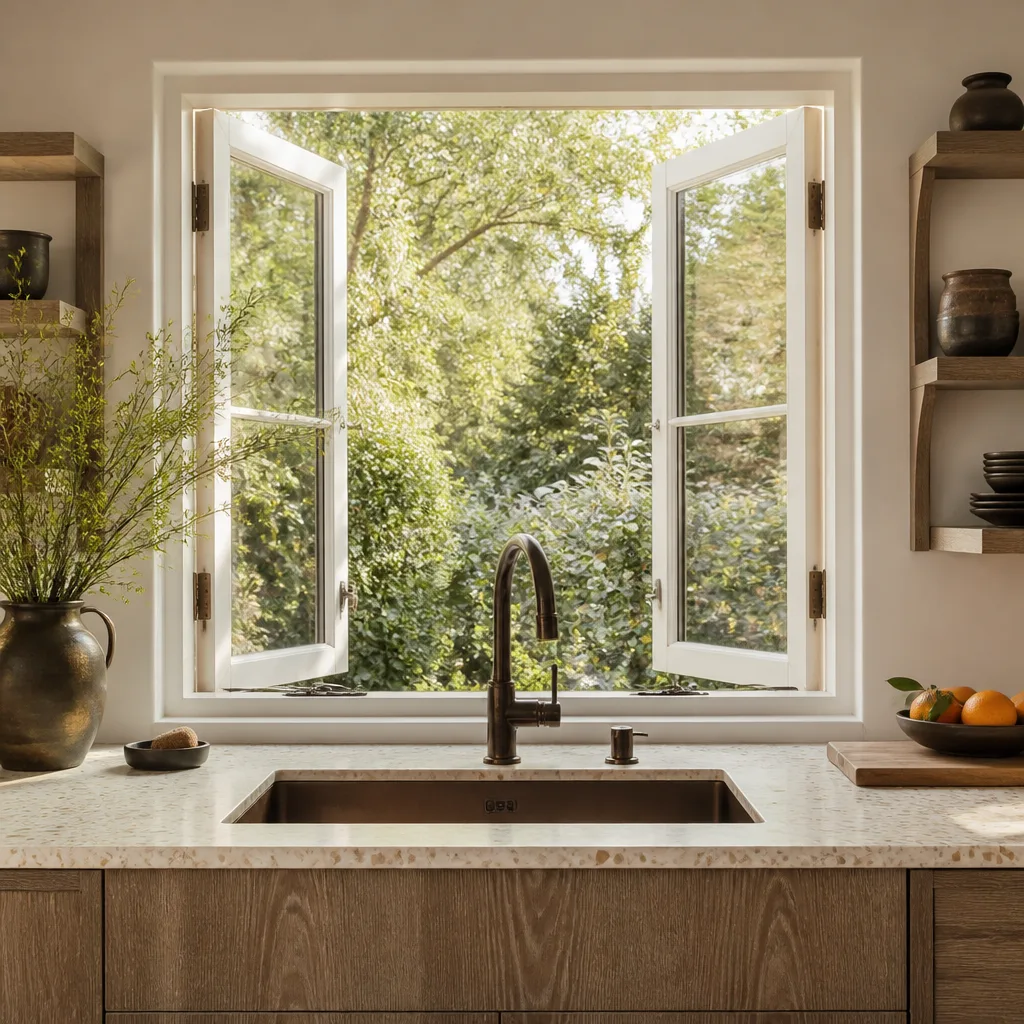
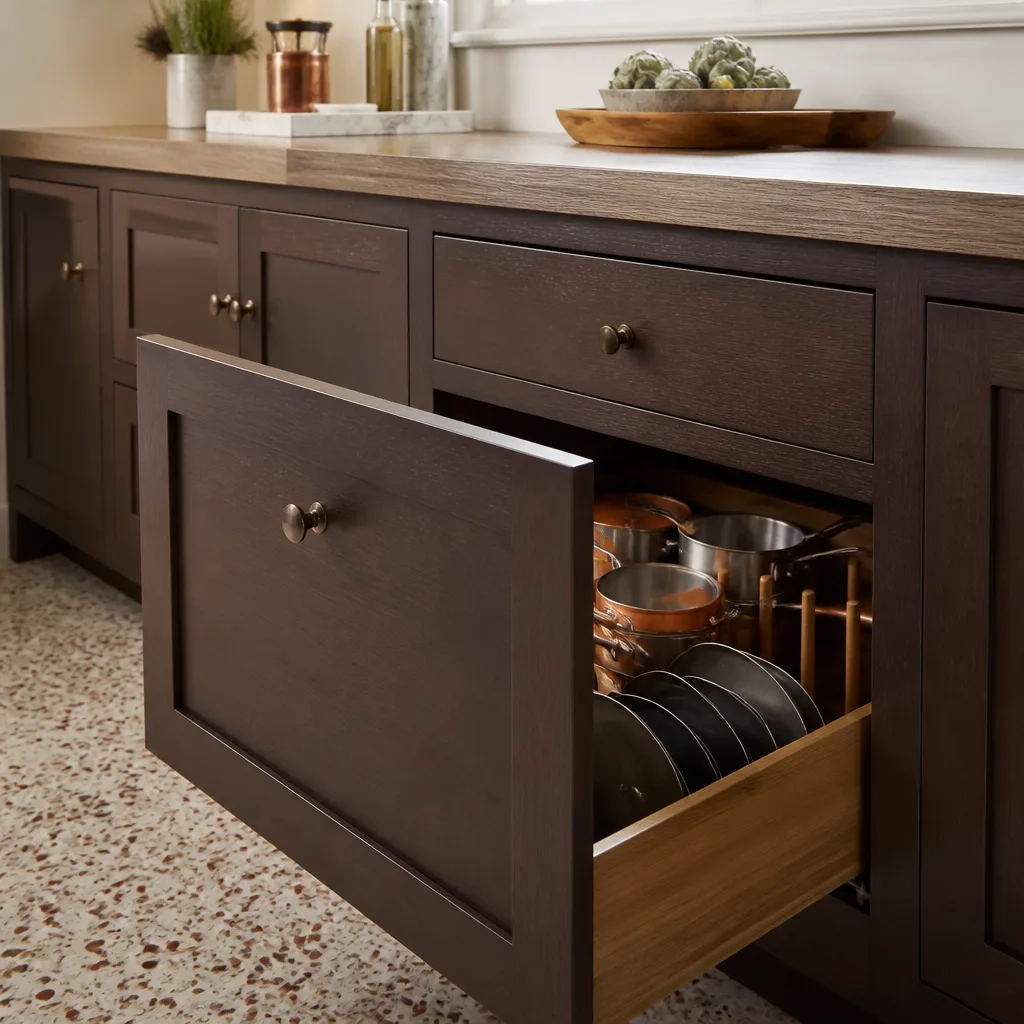
- Kitchen remodeling
- Bathroom remodeling
- Home additions & ADU
- Roofing
- Windows & doors
- Driveway & pavers
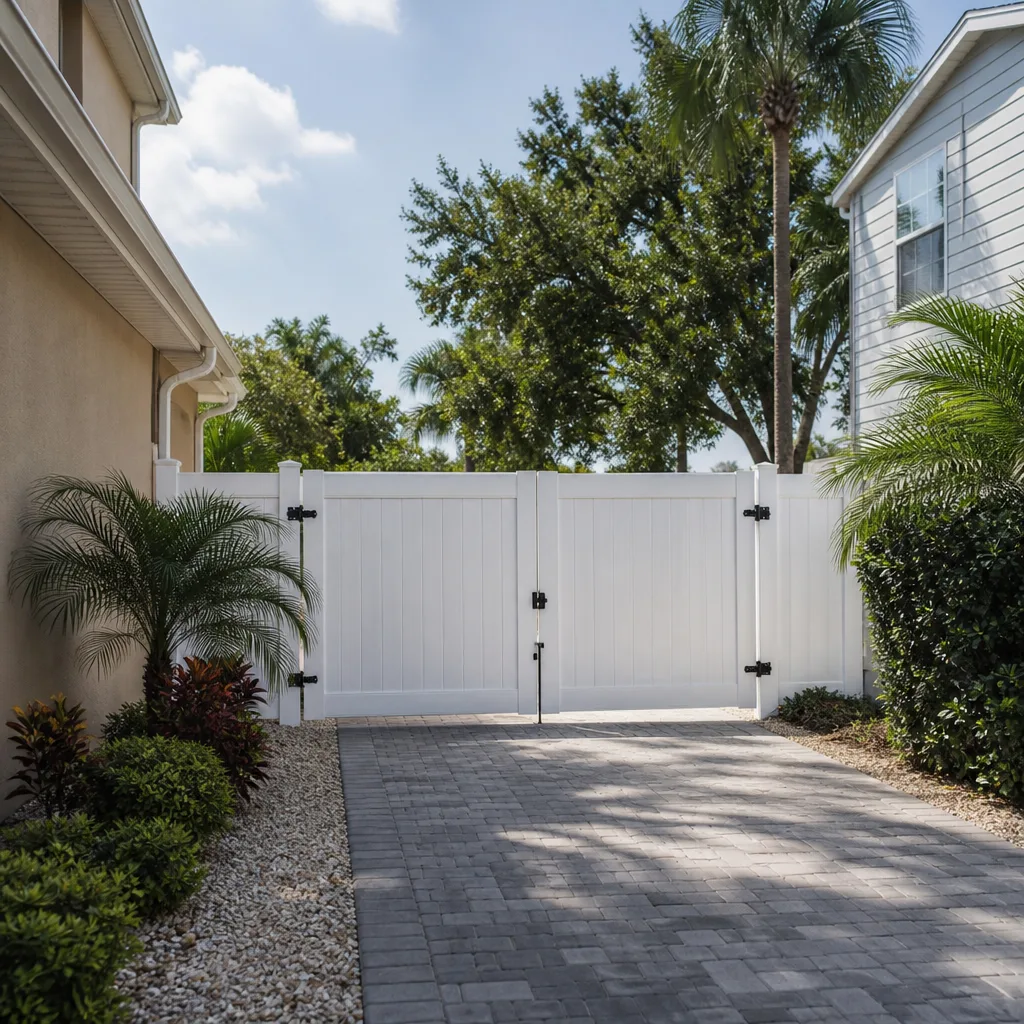
- Fence
See the difference
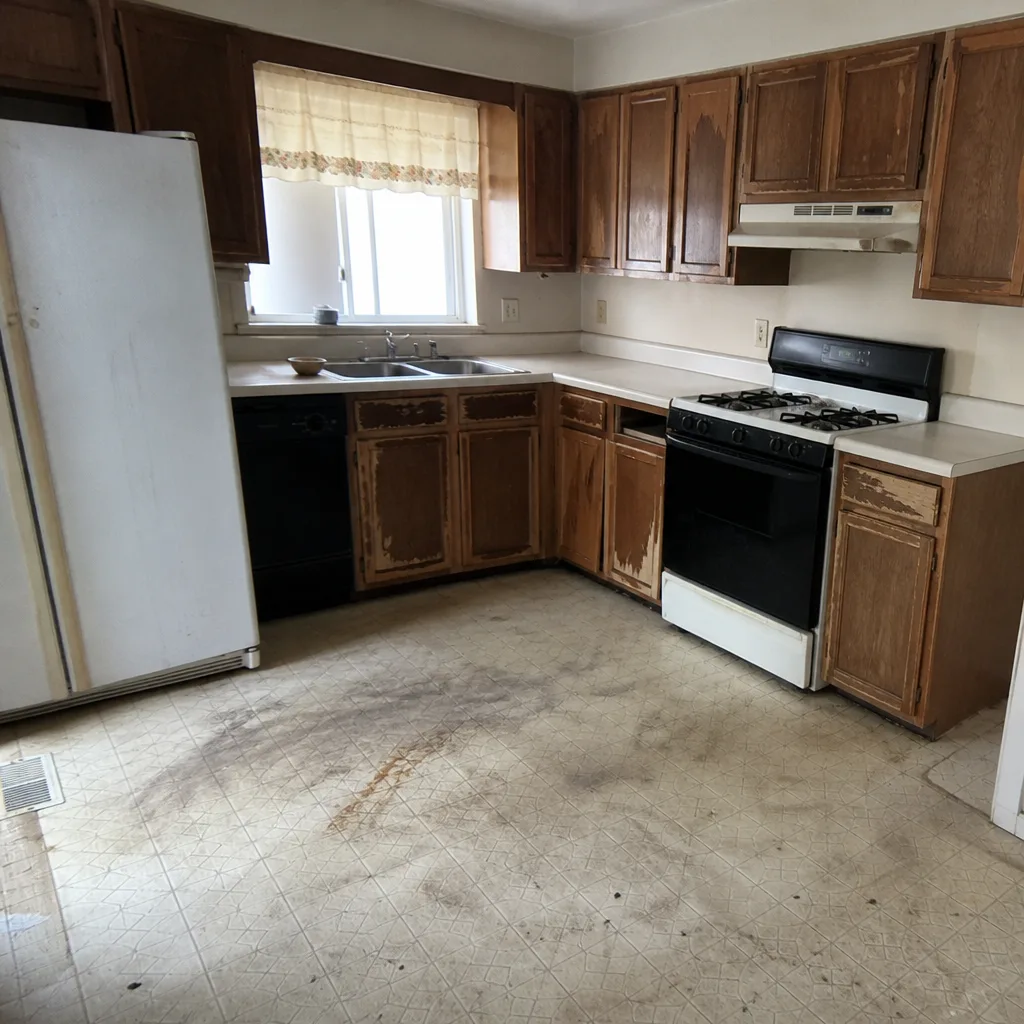 Before
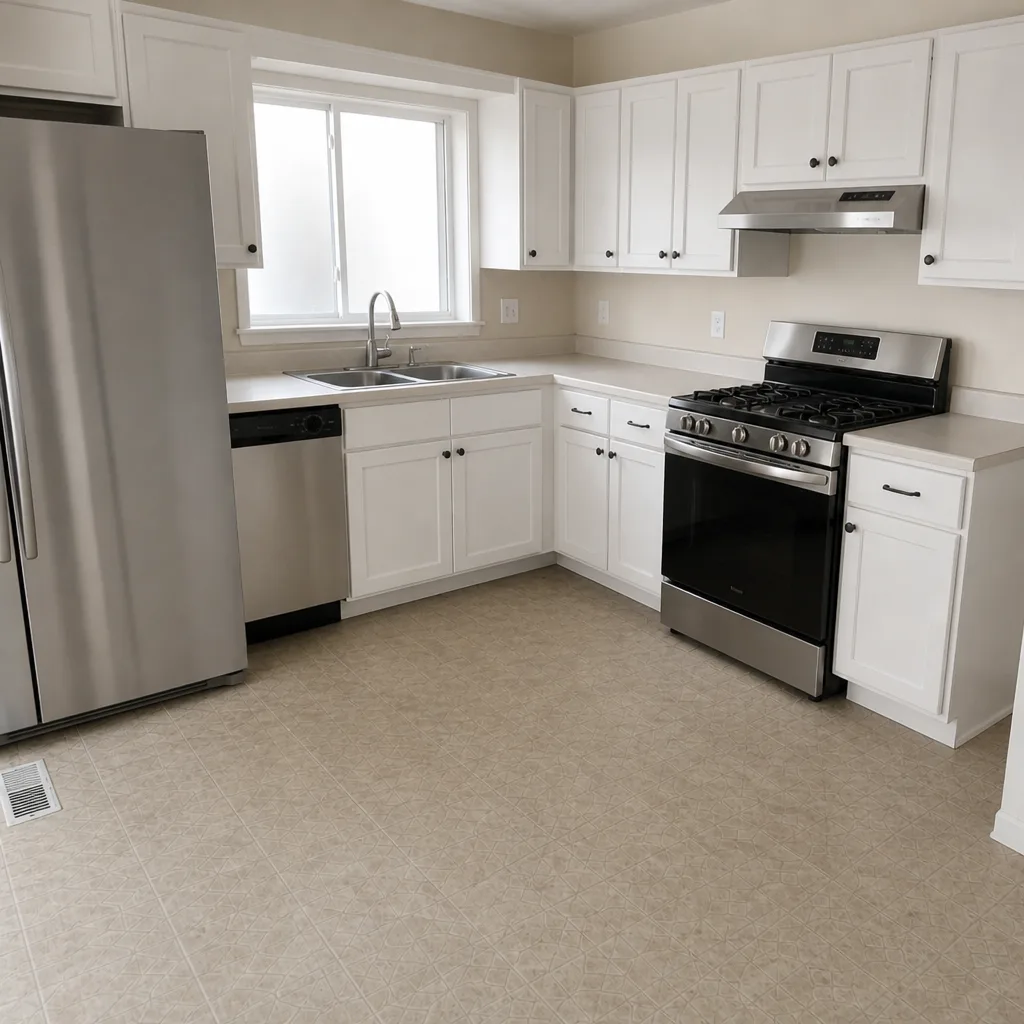 After
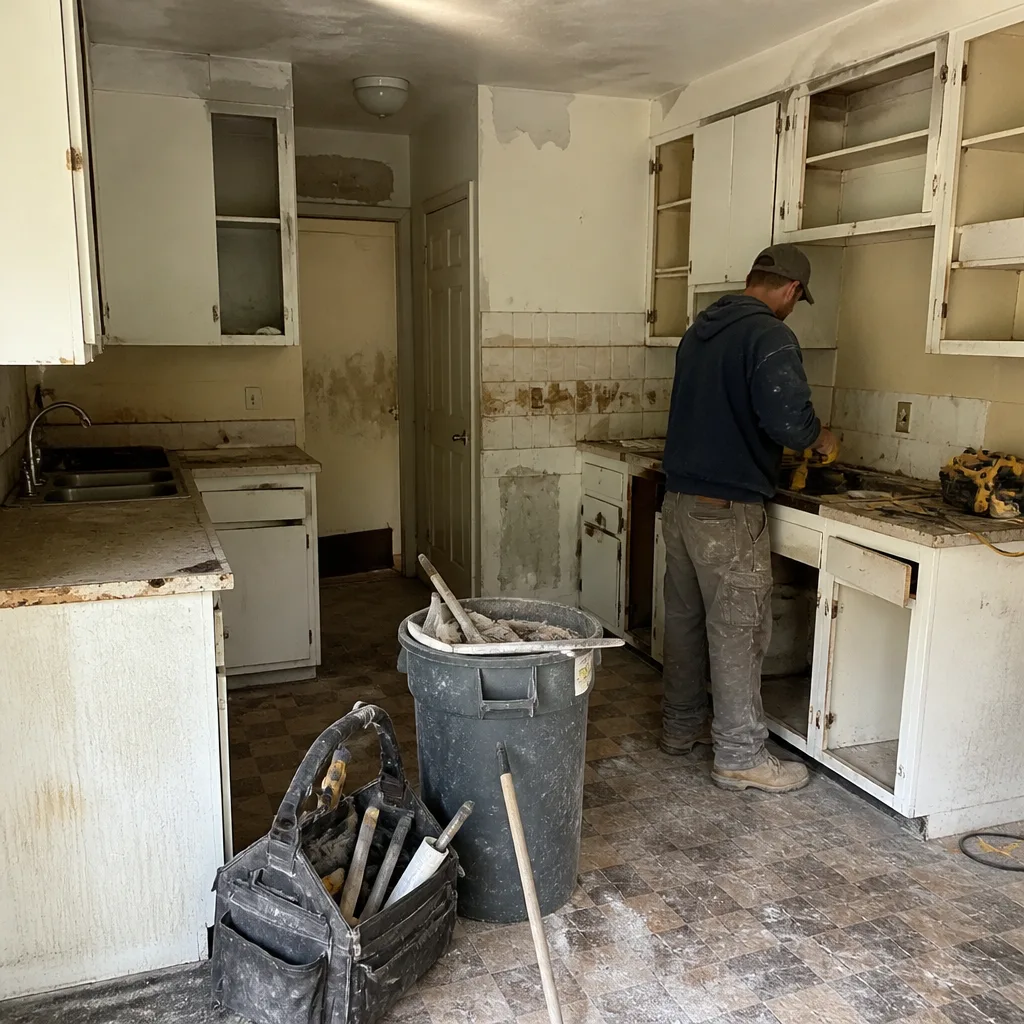 Before
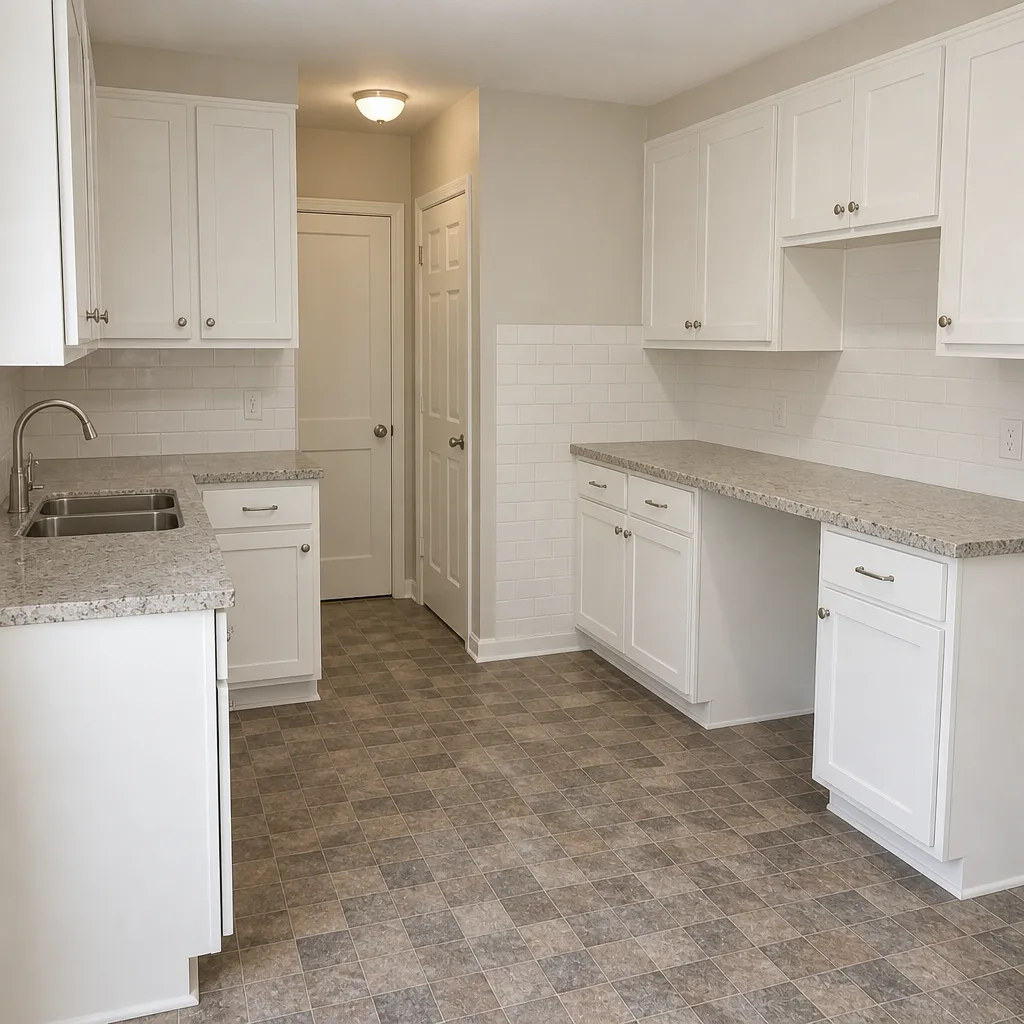 After
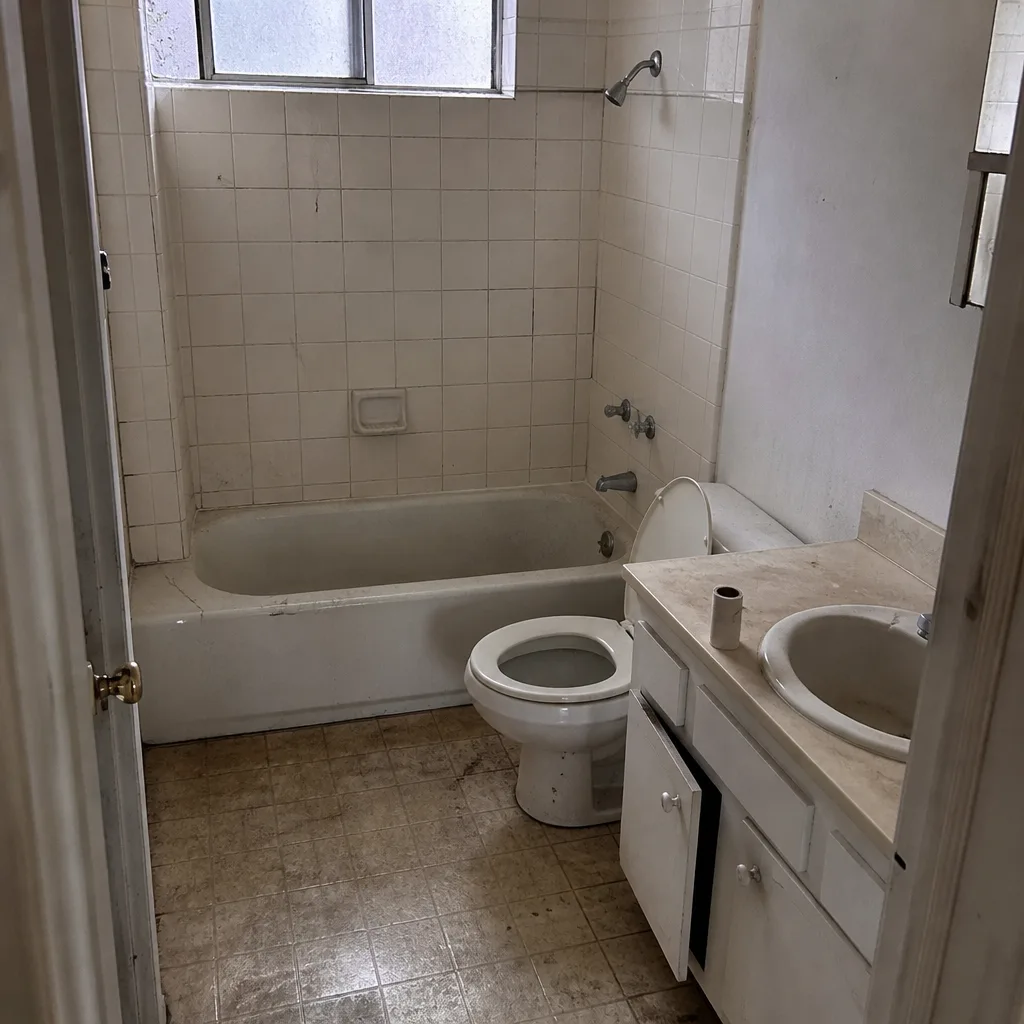 Before
 After
Signs You Need a New Roof in Enterprise, NV: What Desert Heat Does That Humidity Doesn’t
The clearest signs you need a new roof in Enterprise are granule loss piling up in gutters, daylight or discoloration at ridge and hip caps, curling shingles, and an attic that runs more than 20°F hotter than the outside air on a summer afternoon. In our desert climate, those warnings arrive later in the failure cycle than homeowners expect. A water stain on your ceiling often means the decking underneath is already compromised. If any of these sound familiar, call (844) 797-4406 and we’ll walk through it with you.
Enterprise roofing is a different animal from what most online checklists describe. Those lists were written for humid climates with wood decking and slow, visible leaks. Here, the sun and heat attack the system from the top down and from the inside out, and the telltale signs surface on a schedule that has nothing to do with rain.
Why Enterprise Roofs Fail Differently Than the Checklists Assume
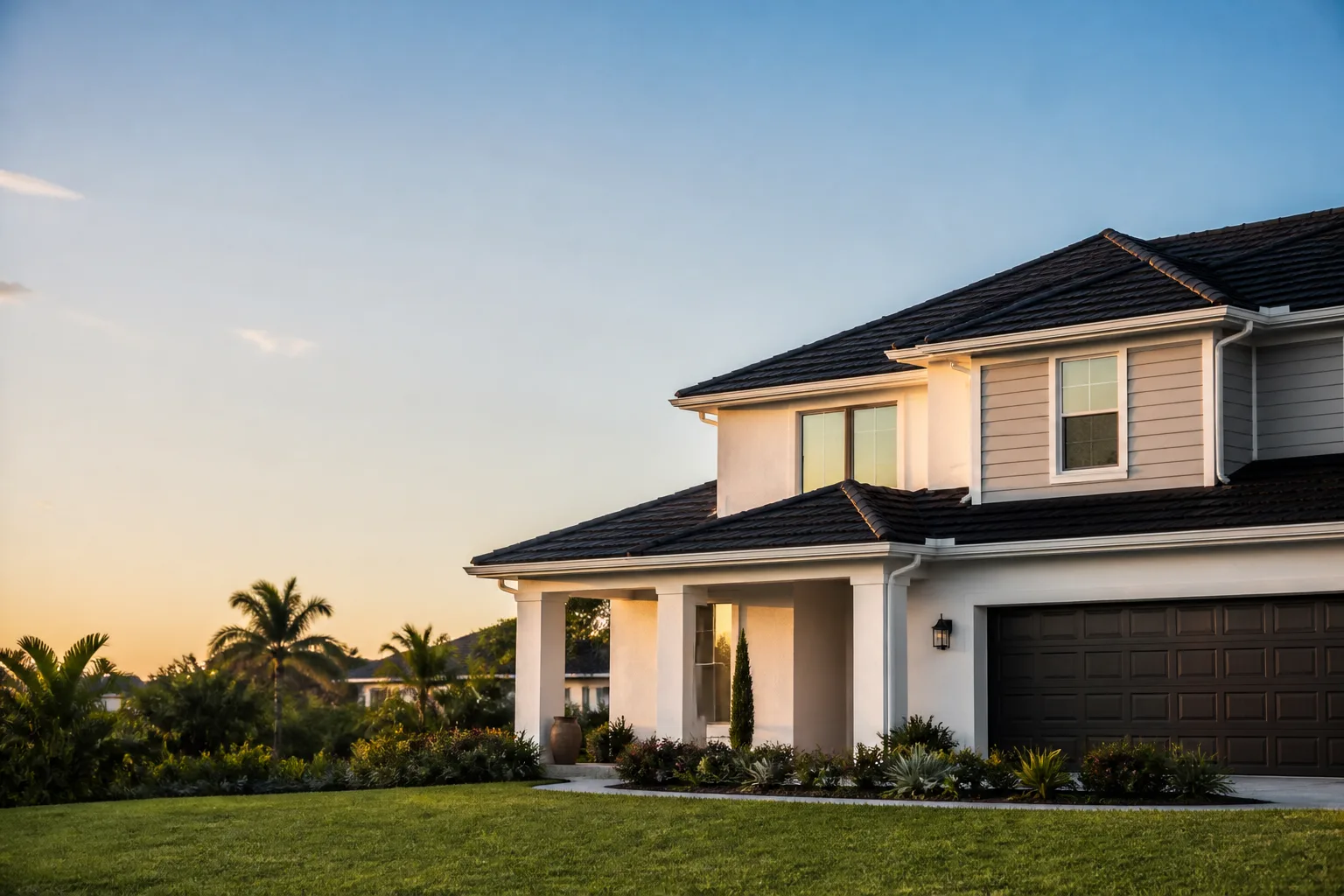
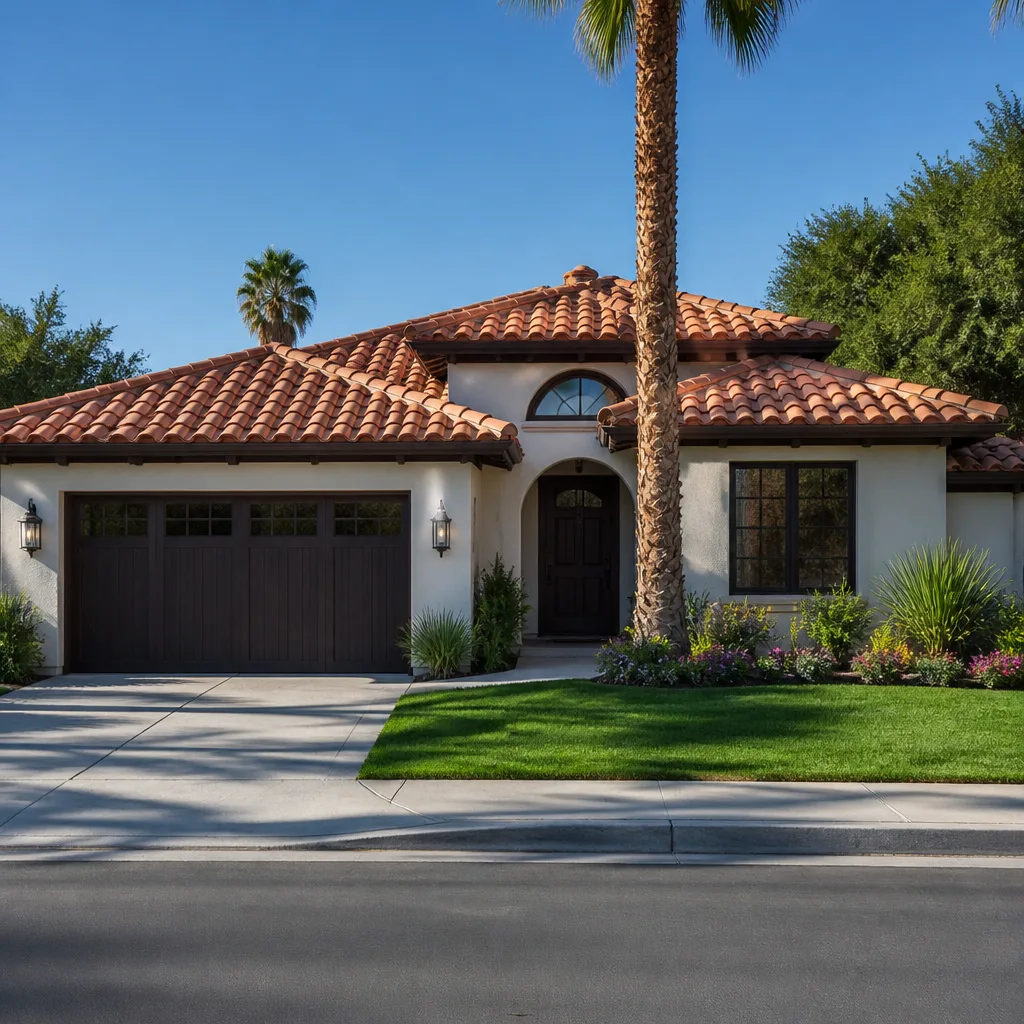
Enterprise is Las Vegas’s southwest growth corridor, and the housing stock tells the story: overwhelmingly 1990s-to-present stucco-and-tile homes across master-planned communities like Southern Highlands and Mountain’s Edge. That means most of what we assess is roofing installed in the last couple of decades, now hitting the age where Mojave UV has done its work. Sumer highs routinely run above 105°F, and that constant thermal cycling is what breaks a roof down here.
The single most telling sign on a stucco-and-tile home isn’t the tile itself. It’s the ridge cap and hip transitions. That’s where thermal movement first breaks the seal between courses, and where you’ll spot daylight, discoloration, or a gap that shouldn’t be there. Tile is durable, but the mortar and underlayment beneath it take the heat, and they fail before the tile ever cracks.
Along the foothill edges, where subdivisions back onto open desert, lots often sit on engineered fill and graded pads. Roofs there face the same UV load plus wind-driven dust and the ember exposure that comes with the urban-wildland interface. We bring GAF and Owens Corning systems to these homes because the material spec has to match the exposure, not just the square footage.
The Signs That Actually Matter Here (and What Each One Tells You)
Read the indicators below against your own roof type. Each one points to a specific stage of failure, and catching them in order is how you avoid replacing decking along with shingles.
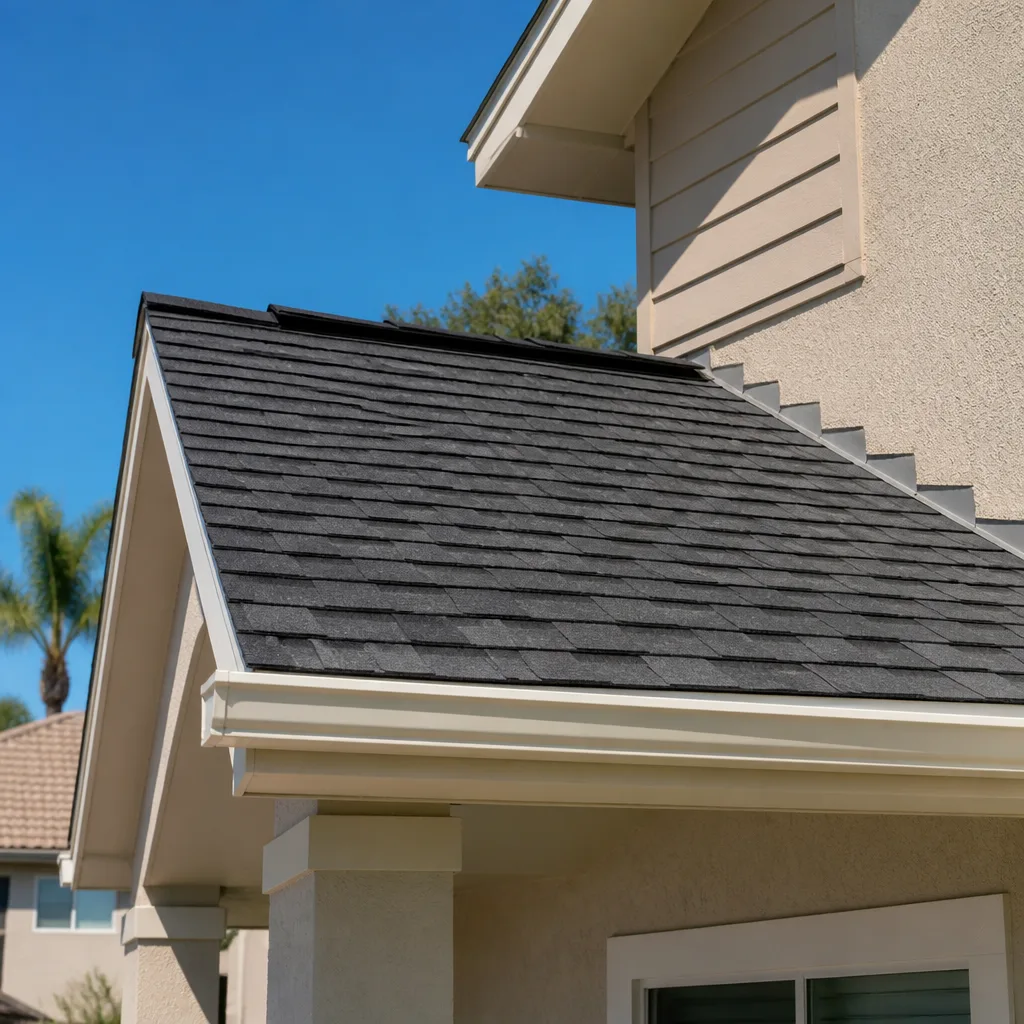
- Granule accumulation in gutters or at downspout ends. In a desert with no moss or algae to confuse the picture, heavy granule loss is an unambiguous signal of shingle end-of-life. Our technicians have up to 12 years of experience, and this is the sign they trust most on asphalt roofs.
- Daylight or discoloration at ridge caps and hips. On tile roofs, this is your first and best warning. Thermal movement opens the seal before anything visible happens below.
- Attic temps spiking more than 20°F above the outdoor temperature. If your attic runs 25°F or more hotter than the air outside on a July afternoon, your reflective underlayment or radiant barrier has degraded. No humid-climate checklist mentions this. It’s a heat-specific signal, and it drives your cooling bills up before it ever shows as a leak.
- Curling, cracking, or missing shingles. Classic signs, but in Enterprise they show up after the granule loss and attic heat have already been talking for a while.
- Cracked ridge tiles, open hip-end gaps, or failing fire-stop foam on foothill-edge homes. This is a safety sign as much as a structural one. Compromised ember-resistant detailing should trigger a replacement conversation well before wildfire season, not during it.
- Water stains or sagging at the ceiling or in the attic sheathing. By the time you see this, moisture has been working on the decking. Have it assessed right away.
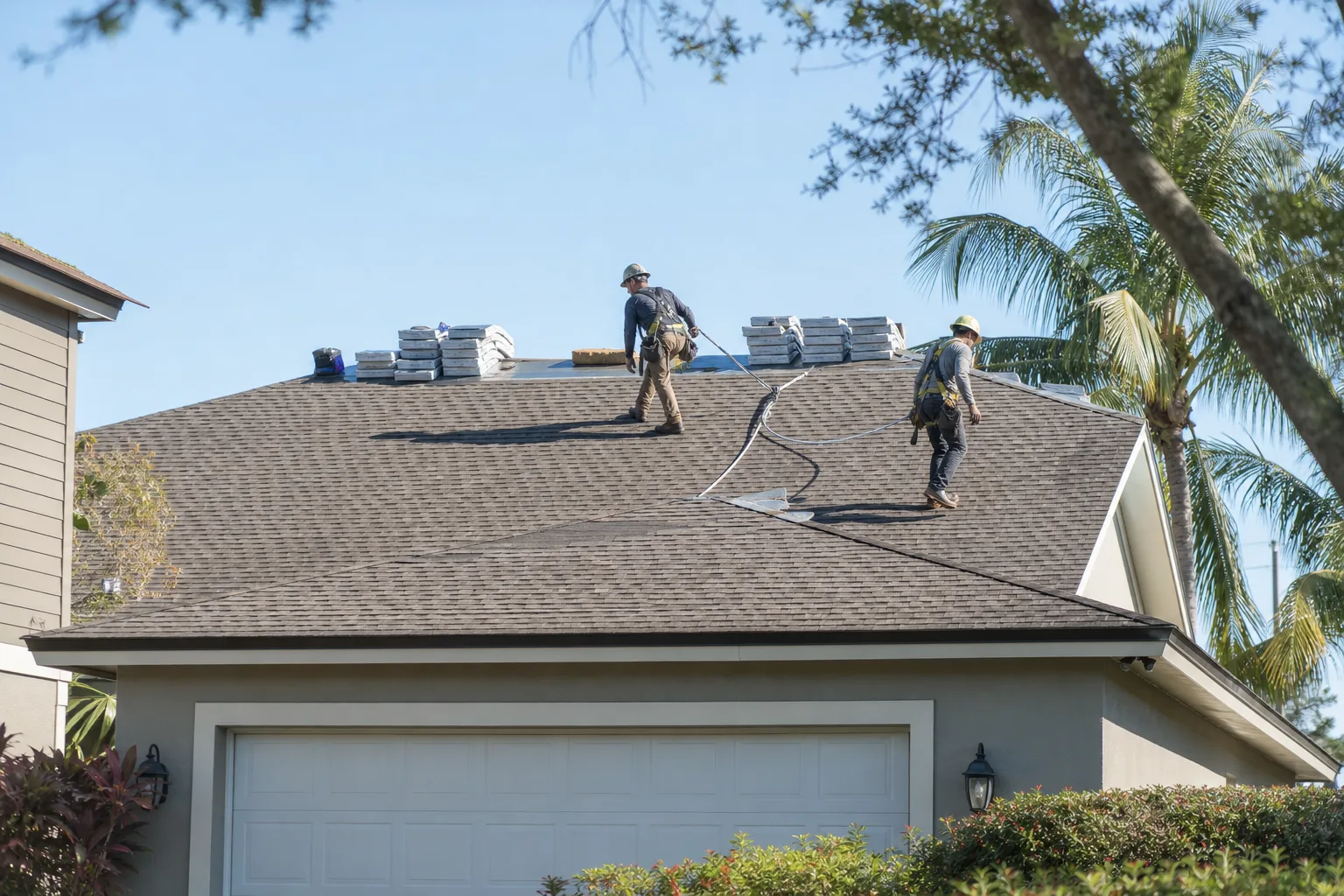
A quick note on the decking itself: do not climb up to test it or pry at it. Walking a hot, aged roof, especially at the foothill edges where pitch and height add risk, is work for a trained professional with the right fall protection. We’d rather you call than take that chance.
Reading the Signs Against Your Roof Type and Budget
Once you’ve spotted two or more of the signals above, the next question is repair versus replacement. For a single compromised area, a repair makes sense. When granule loss is widespread, the attic is running hot, and the ridge caps are opening up, patching tends to be money spent on borrowed time. Our upfront pricing means the number you see is the number you pay, and it keeps the decision grounded in real figures instead of guesswork.
| Roofing service | Typical Enterprise range |
|---|---|
| Roof Repair | $400-$1,800 |
| Tile Roof Repair | $600-$2,500 |
| Roof Replacement | $8,000-$20,000 |
| Metal Roof Installation | $15,000-$40,000 |
Replacement is the bigger line item, but it’s also the moment to get the system right for this climate: reflective underlayment, proper ridge and hip detailing, and an ember-resistant assembly where your lot meets the desert edge. Every roof we install is backed by our 730-Day Done Right Promise. If it isn’t done right, we make it right, and that guarantee is one of the longest workmanship commitments in residential construction.
Because calls are answered by a live person around the clock, a homeowner who spots a warning sign during a summer monsoon storm doesn’t wait until Monday. A real person can walk through the indicators with you over the phone and set up an assessment the same day. That matters in Enterprise, where the failure signs we’re describing tend to announce themselves all at once. You can also review our Roofing services or check what we handle across the Enterprise service area.
FAQs
A roof replacement in Enterprise typically runs $8,000-$20,000, with metal roofing landing in the $15,000-$40,000 range. The final number depends on your square footage, roof pitch, decking condition, and whether your foothill-edge home needs ember-resistant detailing. Call (844) 797-4406 for an exact quote; estimates are free.
If the damage is isolated, a tile roof repair in Enterprise runs $600-$2,500 and often solves the problem. When ridge caps and hips are opening across the whole roof and the attic is running hot, that points to replacement. An assessment tells you which side you’re on. Call (844) 797-4406 to schedule one.
Heavy granule accumulation at the gutters or downspout ends is one of the clearest end-of-life signals for an asphalt shingle roof, especially here where there’s no moss or algae to muddy the picture. A little is normal wear; a steady pile after each wind means the shingles are shedding their protective surface. Call (844) 797-4406 and we’ll help you judge how far along it is.
If your attic runs more than 20°F hotter than the outdoor temperature on a summer afternoon, your reflective underlayment or radiant barrier has likely degraded. That’s an early sign of trouble that shows up long before a leak. Call (844) 797-4406 to get it assessed before it turns into a bigger project.
Get a Straight Answer on Your Roof
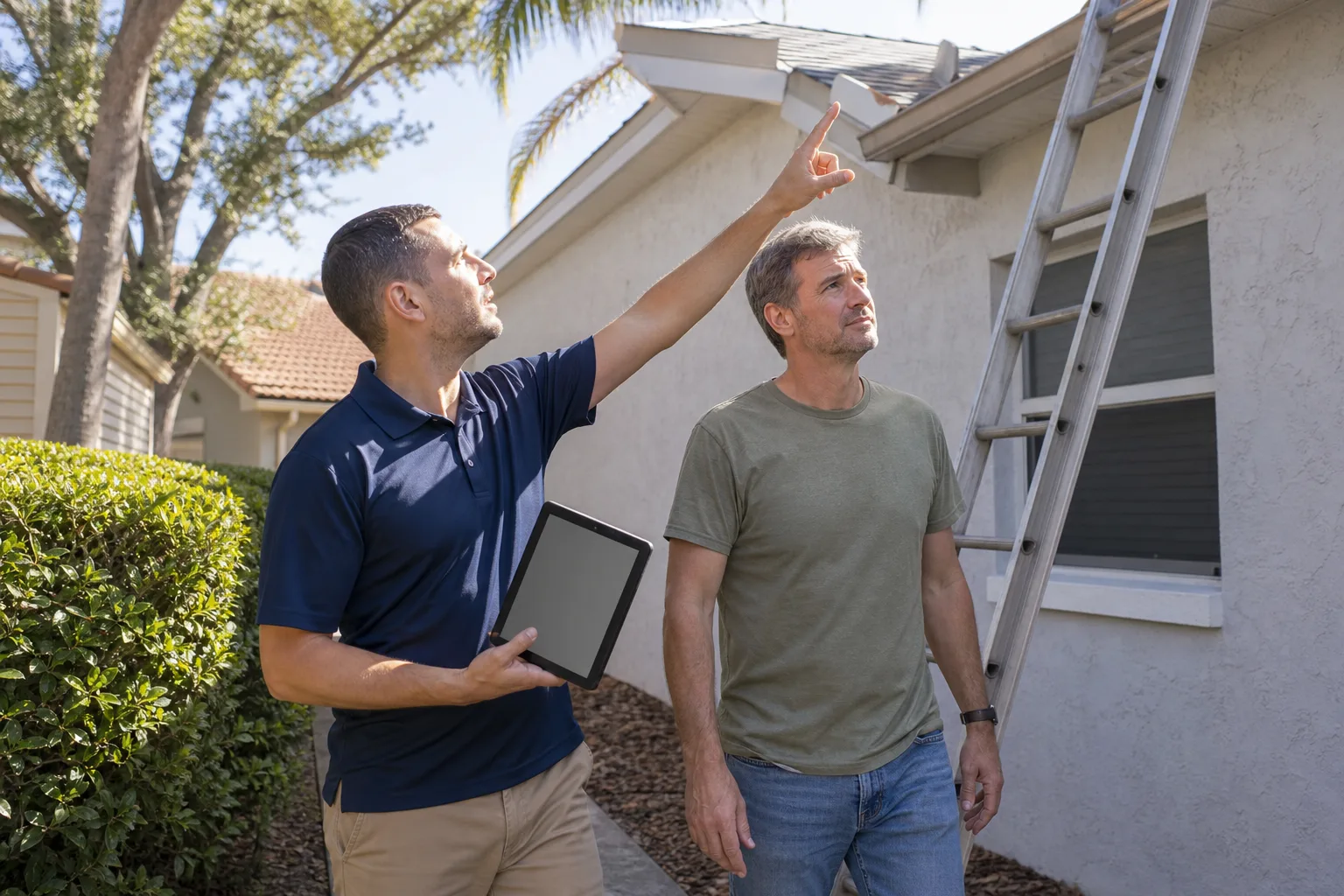
If you’d rather have it looked at, Groundwork Construction Co. of Enterprise offers a no-pressure assessment in Enterprise. We’ll check the ridge caps, the gutters, the attic heat, and the ember detailing where it matters, and tell you plainly whether you’re looking at a repair or a replacement. Call (844) 797-4406 for a free estimate.
Written by the team at Groundwork Construction Co. of Enterprise, serving Enterprise, NV.