


Free written scope consultation - allowances, timeline, and change-order rules on paper before a single trade is scheduled
Styles & brands we work with
- Kitchen remodeling
- Bathroom remodeling
- Home additions & ADU
- Roofing
- Windows & doors
- Driveway & pavers
- Fence
See the difference
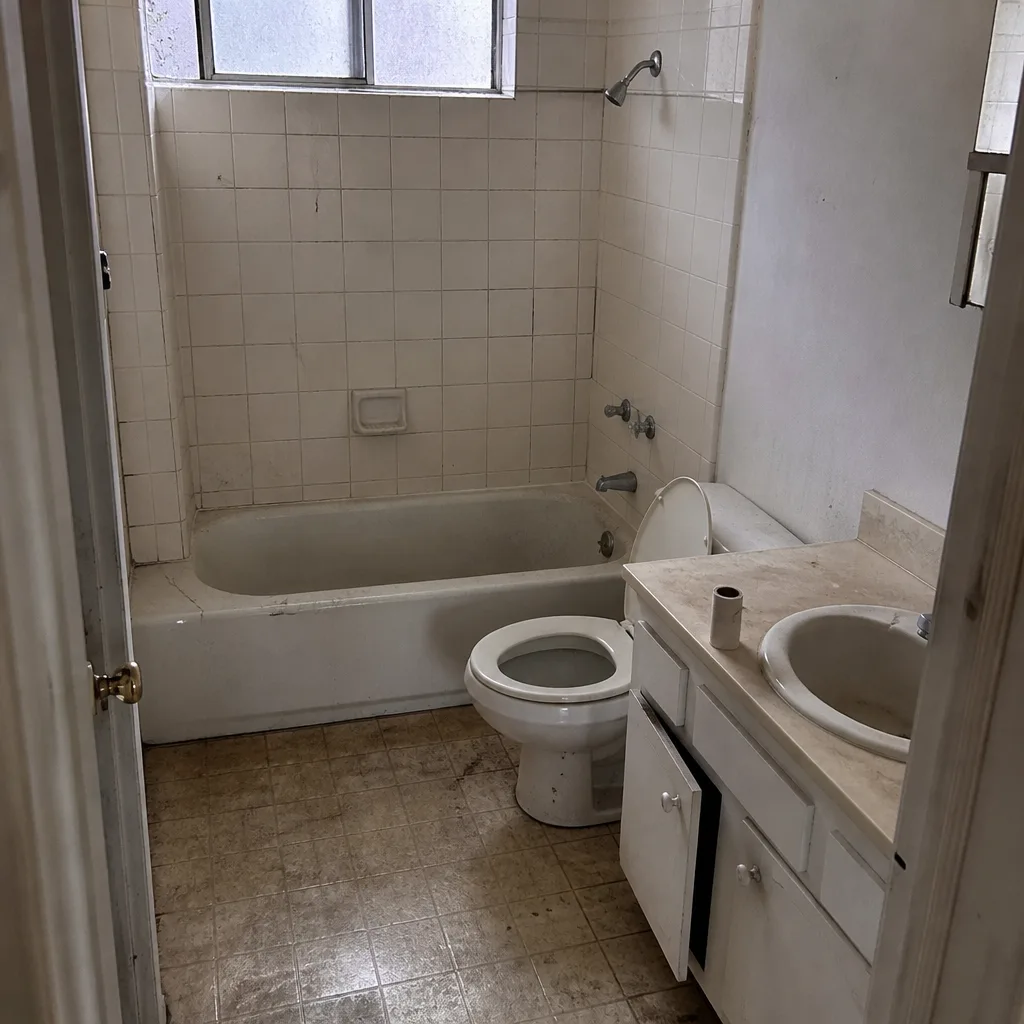
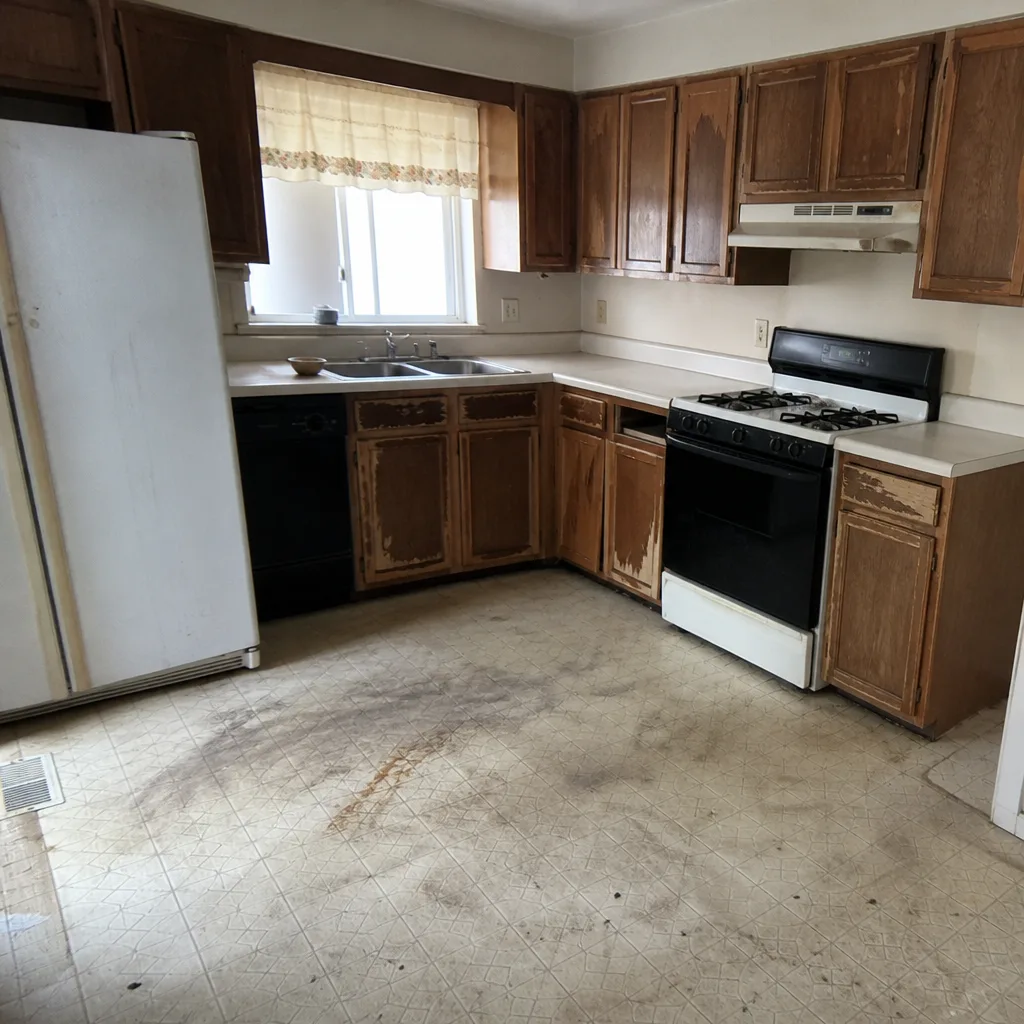 Before
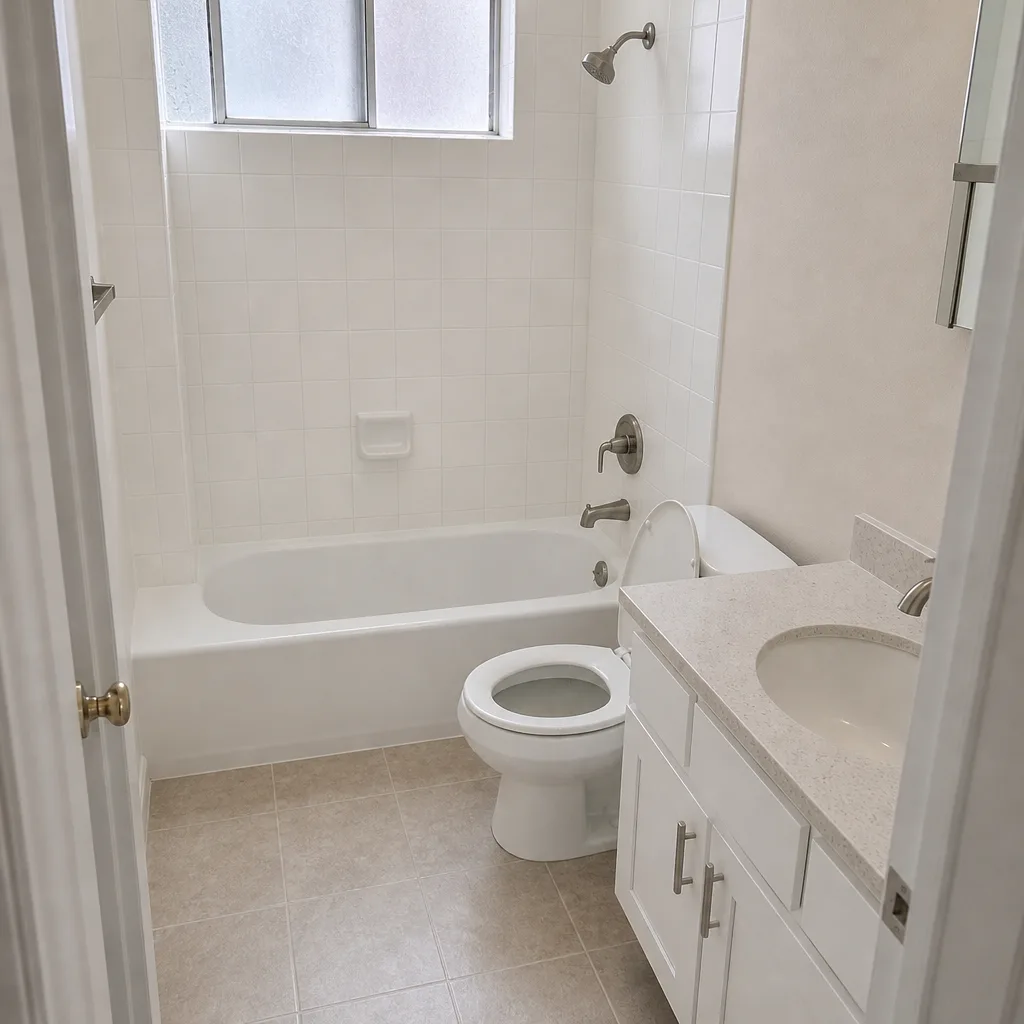
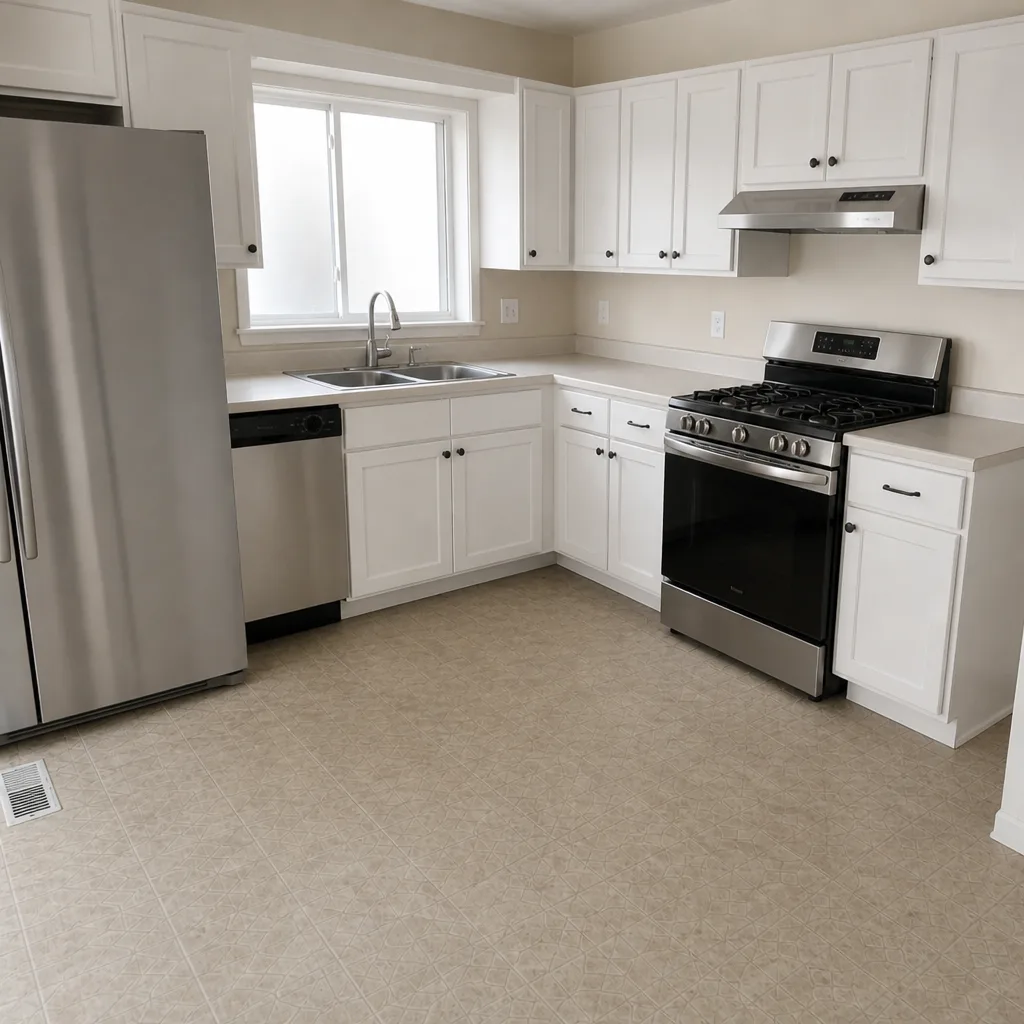 After
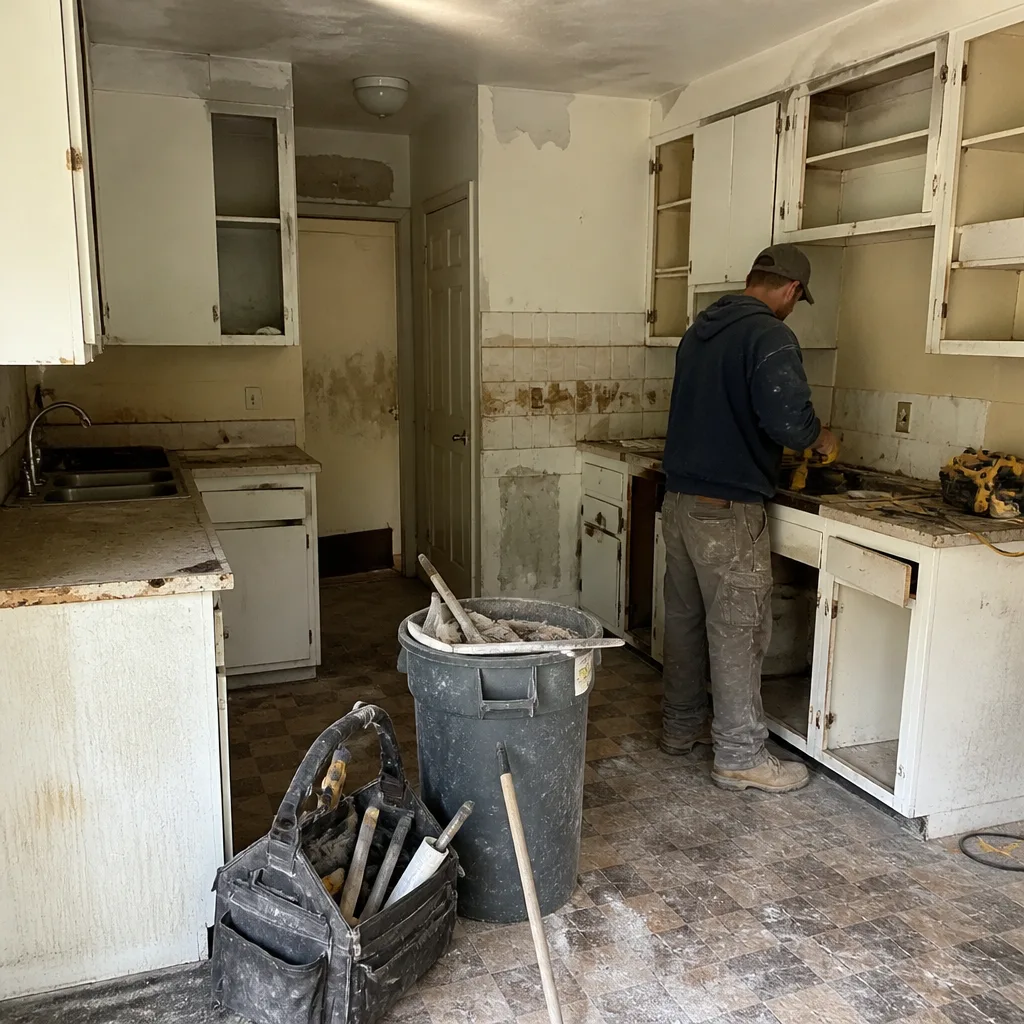 Before
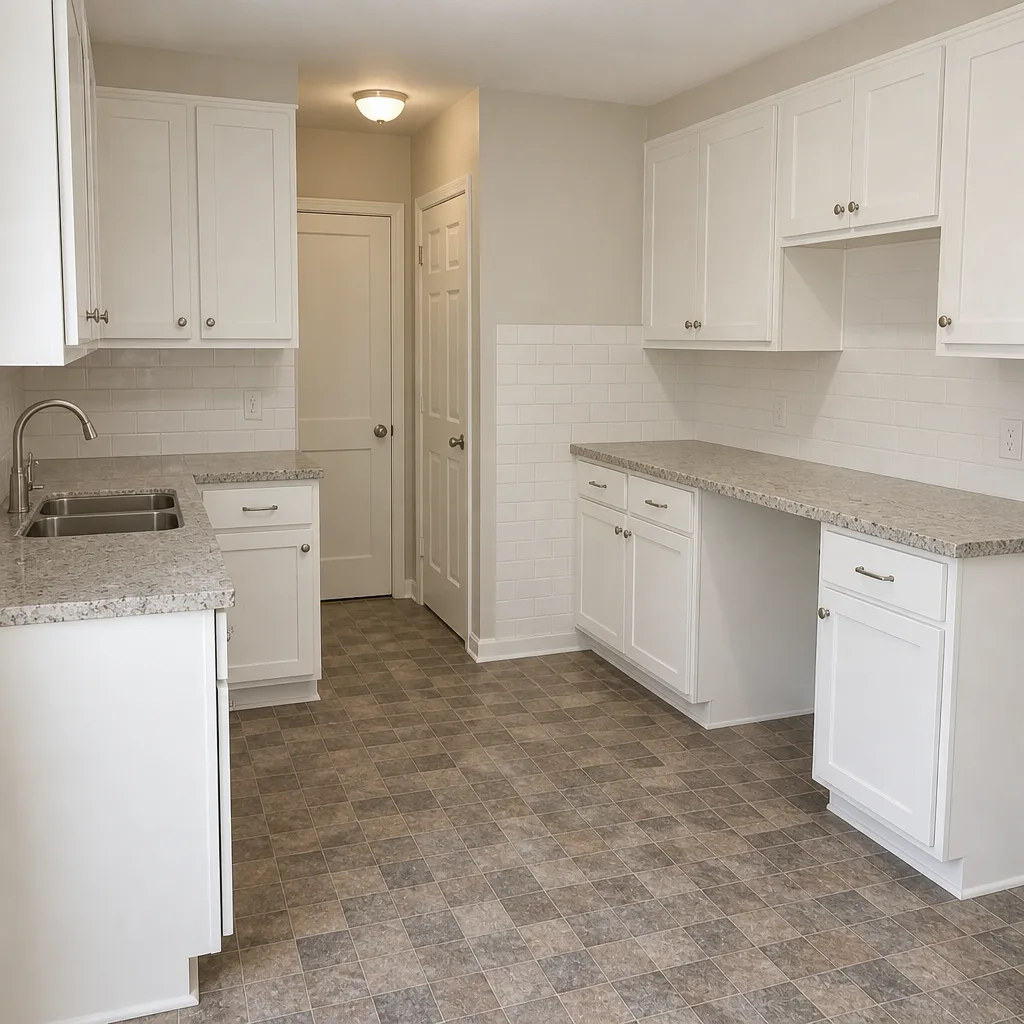 After
 Before
 After
What Roof Hail Damage Looks Like in Enterprise, NV: A Storm-Track Inspection Guide
The short answer: hail damage on an Enterprise roof shows up as circular bruises with soft, spongey mat underneath on asphalt shingles, hairline fractures across concrete tiles, and crushed or split pipe boot collars and vent flashings. The catch is that it almost never shows up on all four roof exposures at once. Summer convective storms here build fast over the Spring Mountains, push northeast, and hit the west and northwest slopes on their way through. If you only glance at the sunny south pitch, you’re looking at the wrong roof. Call us at (844) 797-4406 the same day if you suspect a hit; a real person answers, and a written assessment costs nothing.
Why Enterprise Storms Leave Asymmetrical Damage
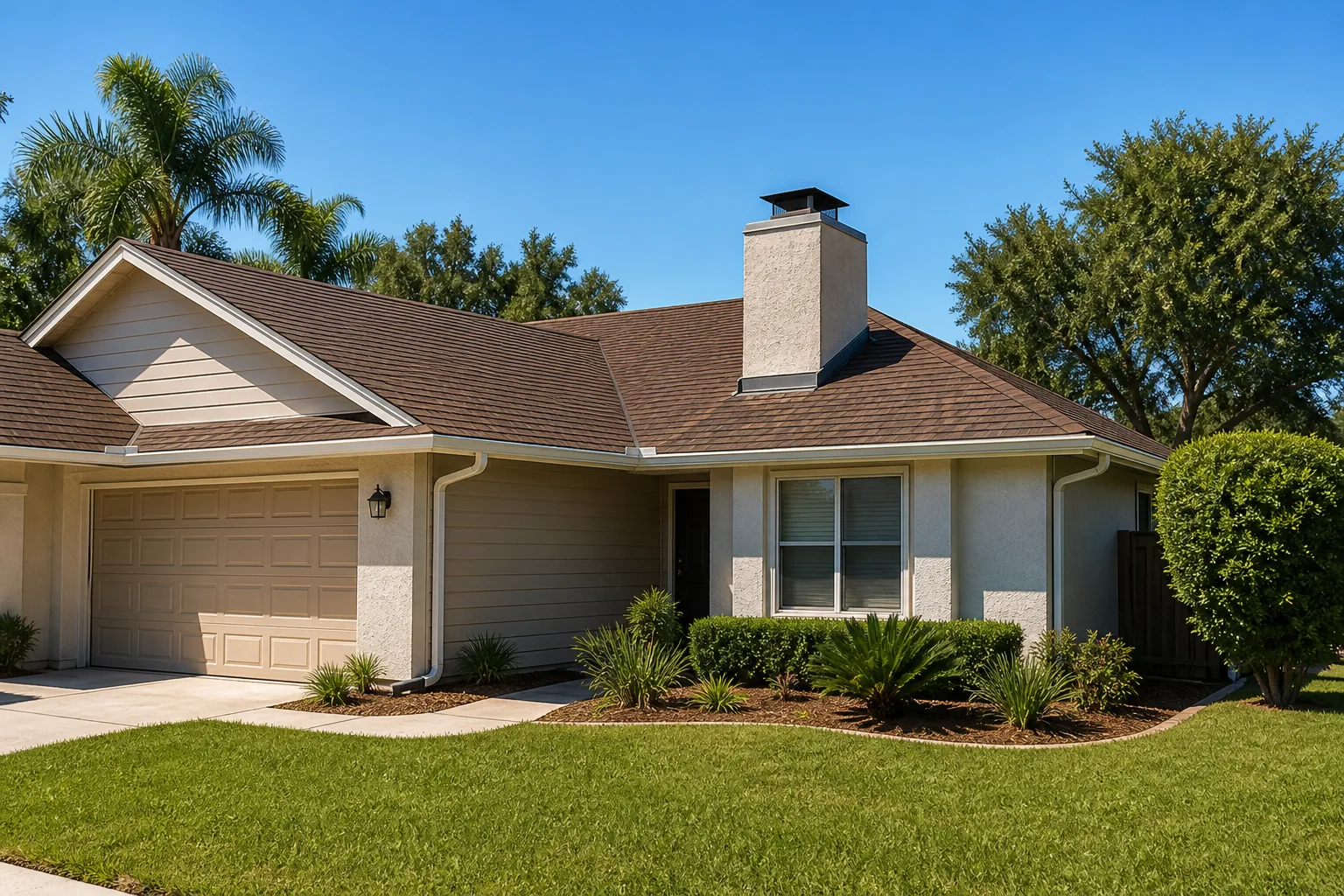
Enterprise sits in Las Vegas’s southwest growth corridor, where subdivisions like Southern Highlands and Mountain’s Edge climb toward the Sloan and Blue Diamond foothills. Storm wind and hail here don’t arrive from every direction, they arrive from one. That ridge-and-wind pattern produces the roof condition that fools most homeowners after a storm: the south-facing pitch is clean, the ridge cap looks fine from the street, and a whole tile field on the northwest side is quietly fractured.
What most people do after the storm passes is walk the yard, look up, see nothing, and go back inside. We get it. But the roof that’s most likely to fail during the next monsoon wash is the one you can’t see from the ground.
The two exposures that matter
- West and northwest slopes: the direct impact side. Hail striking at an angle concentrates force where the slope faces the storm, so this is where impact marks cluster.
- North slope: shade keeps it cool and slows the freeze-thaw cycle, so micro-fractures here tend to widen before you notice them. Combine that with summer UV bake on the same tile and you get weakening from two directions.
- South and southeast slopes: often blank, and often the reason a bad inspection passes. A clean south pitch proves nothing about the west side.
When we look at a roof in Enterprise, we check all four exposures separately and compare them side by side. That comparison is the whole inspection. It’s also the part a five-minute drive-by can’t reproduce.
What to Look For: Tile vs. Shingle in Enterprise
Most of Enterprise’s housing stock is 1990s-to-present stucco-and-tile suburban homes, which means we inspect far more concrete tile than asphalt shingle. The two fail differently, and the signs you’re reading for change depending on what’s overhead.
Concrete tile: the invisible fracture problem
On tile, hail damage often presents as hairline fractures that stay invisible from ground level. From a ladder you can still miss them. What we do is walk the roof and sweep a raking light across the surface, then check each cracked tile up close: does the fracture extend through the body of the tile, or is it only in the surface? That distinction matters, and it’s why a phone call from the driveway rarely tells the full story. If a tile field has taken real impact, Roofing repair decisions should follow a physical inspection, not a guess.
Asphalt shingles: bruising, not baldness
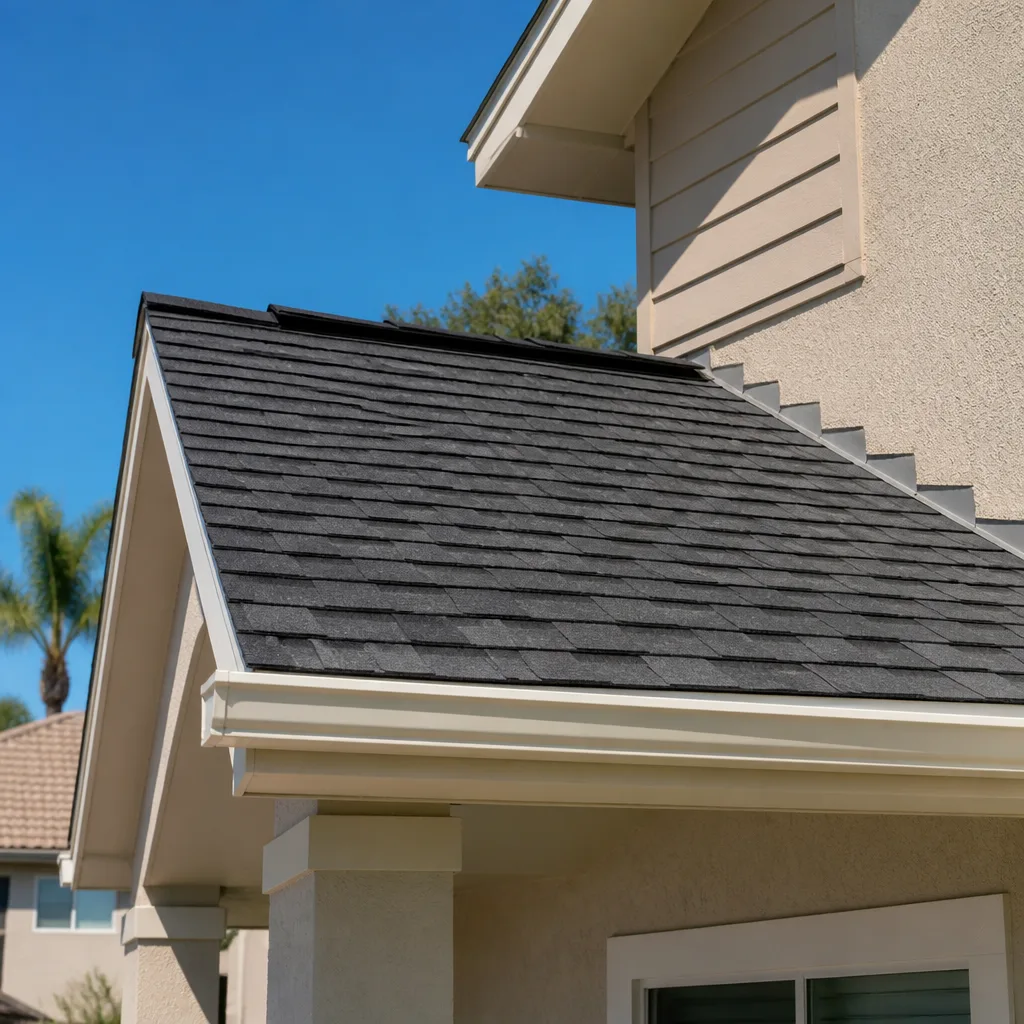
On shingles the tell is a bruise: a circular patch where granules have been knocked loose, with a soft, spongey feel to the mat underneath. Press gently and you shouldn’t feel a crater or a give. Those bruises sit in place after the storm and don’t wash away. UV granule loss is a different animal entirely. Sun wear thins the whole surface evenly and never leaves a soft spot, so treat any “hail damage” that turns out to be generalized thinning as ordinary aging, not a claim.
Where hail wins even when the tile survives
Here’s the pattern that surprises homeowners most: a tile field can come through a storm in decent shape while every pipe boot collar on the roof is destroyed. The exposed, non-overlapping parts take the beating. That means:
- HVAC curb flashings – the raised metal and membrane around your rooftop unit.
- Pipe boot collars – the rubber-and-metal seal around plumbing vents. Cracked collars leak straight into the attic.
- Ridge cap mortar joints – the mortar that holds ridge tiles in place. Hail micro-cracks the mortar, and a monsoon wind later does the rest.
- Vent and skylight seals – where sealant takes direct hits.
Each of these is a small-dollar repair that turns into a large-dollar problem if it waits for the next big rain. That’s our operating rule: fix the flashing now, not the ceiling later.
Trusted Professionals, Not a Weekend Ladder Project
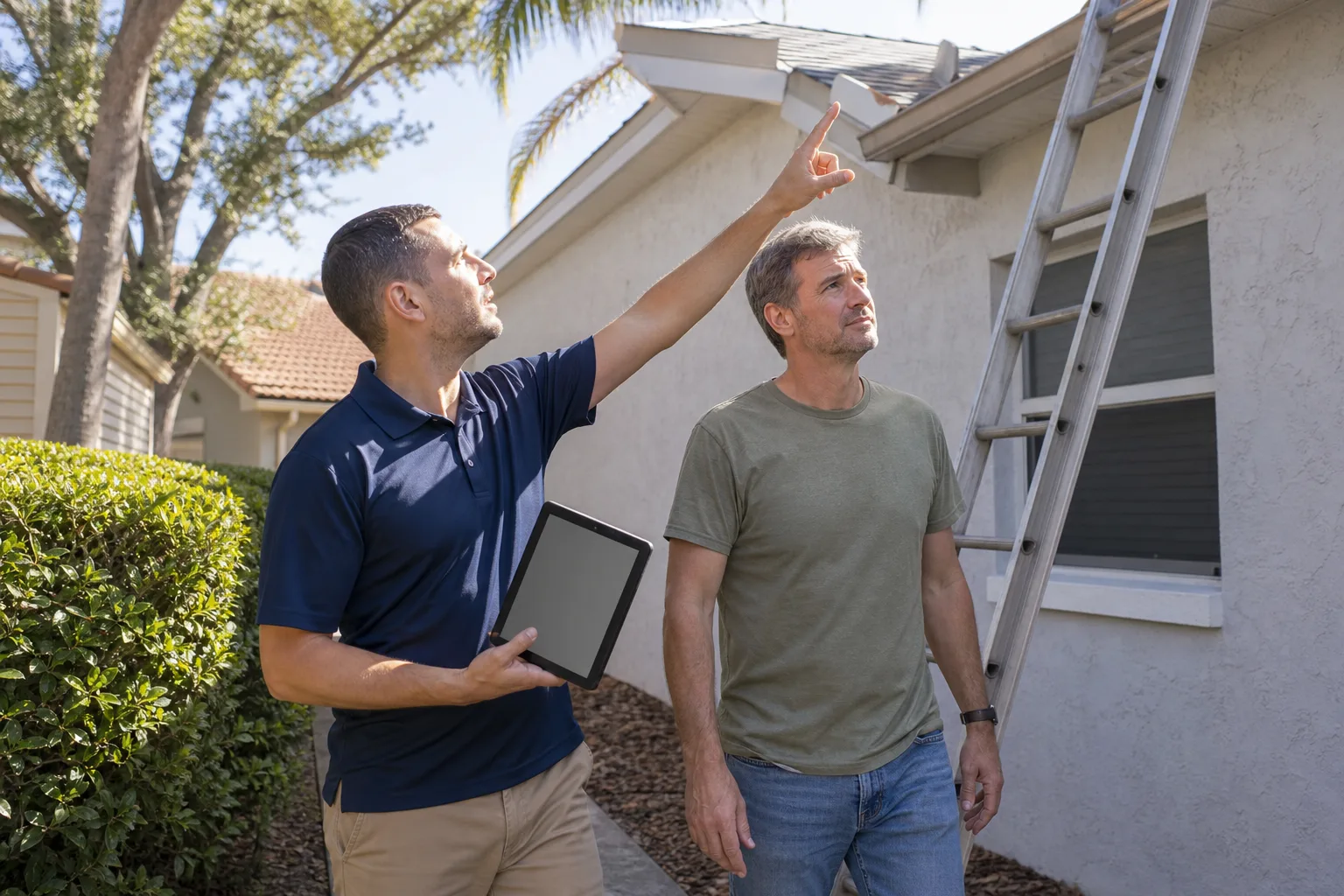
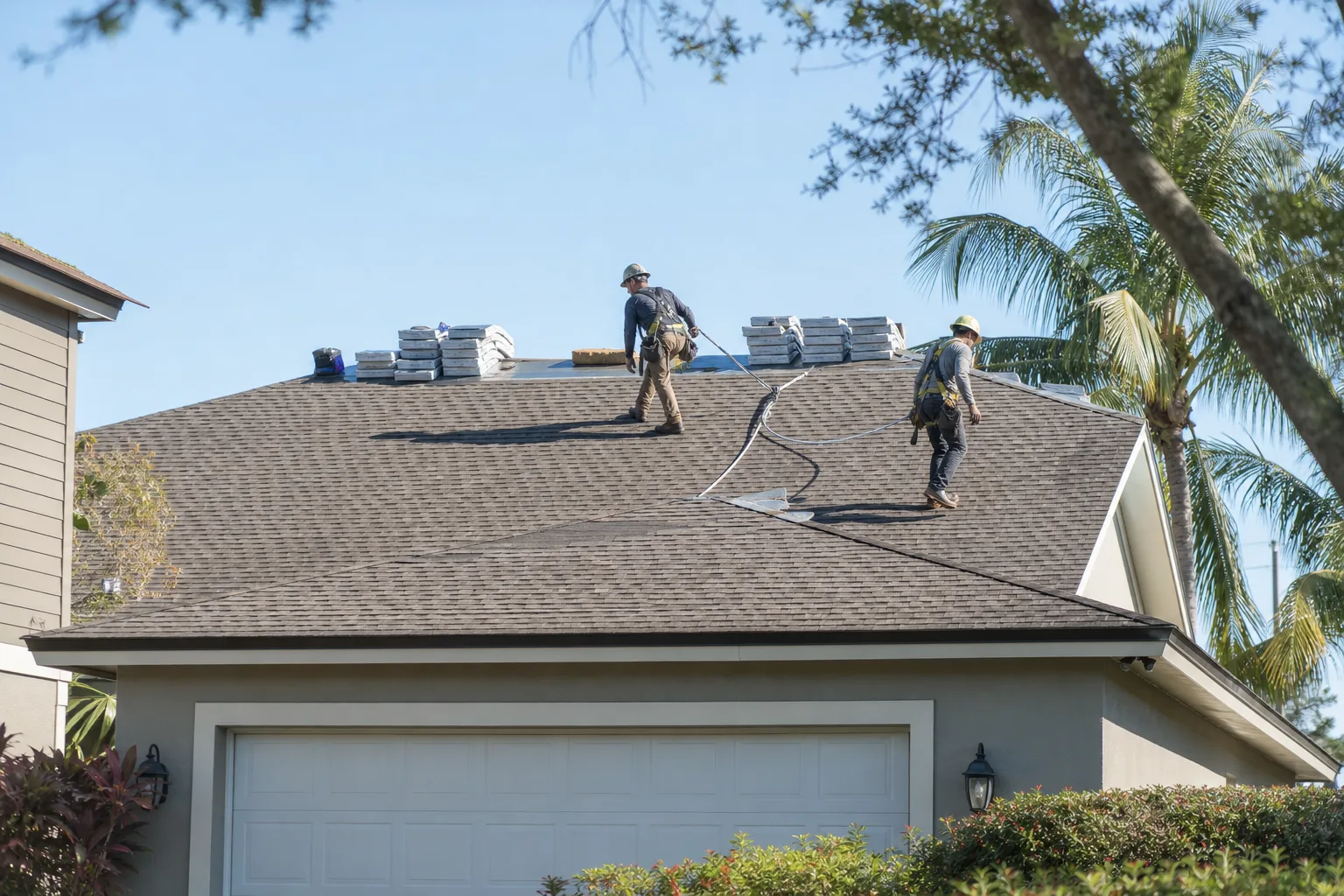
We’ll be blunt about the safety side. Walking a tile roof near the foothill edges of Enterprise, on a sloped, engineered-fill lot, is not a homeowner task. The tiles crack underfoot, the pitches are steep on the custom-home edges, and one wrong step off a two-story Southern Highlands roofline is a serious injury. Check what’s reachable with binoculars from the ground. Leave the walking to trained technicians who carry the right safety gear. Our technicians have up to 12 years of experience and arrive in uniform, background-checked, on every job.
If you’d rather have it looked at by a professional, a written assessment with no-obligation pricing is free. A live person answers at (844) 797-4406, 24 hours a day, 7 days a week. No voicemail black hole, no callback three days out when the damage has had time to migrate.
What Hail Damage Repair Costs in Enterprise
Pricing is where vague bids do the most damage. Here’s how the work breaks down in this market so you know what you’re looking at before anyone knocks on your door:
| Job | Typical Enterprise Range |
|---|---|
| Roof repair (bruised shingles, flashing, pipe boots) | $400-$1,800 |
| Tile roof repair (cracked tiles, ridge cap) | $600-$2,500 |
| Full roof replacement | $8,000-$20,000 |
| Metal roof installation (upgrade tier) | $15,000-$40,000 |
| Impact window installation (full-home storm-hardening) | $8,000-$25,000 |
Those are the market-calibrated numbers we work from, not a range pulled from thin air. Upfront pricing, no surprises: the number you see is the number you pay. And if the repair scales into a replacement project above $10,000, you’re looking at $1,000 off over $10,000 plus 0% financing for 18 months, so the timing of the storm doesn’t dictate your budget.
When replacement is on the table, we work with GAF and Owens Corning on shingle systems and CertainTeed on tile and membrane detail, so you’re choosing a material you’ve heard of rather than whatever was on the next truck. Every job we touch is covered by the 730-Day Done Right Promise. If it’s not done right, we make it right, and that guarantee runs long after the hail season has passed.
How to protect the roof before next hailstorm season
- Photograph your roof from the yard before a storm hits, so you have a clean baseline to compare against.
- After any storm, check the ground for accumulated hail and note the direction it fell from.
- Ask for a written inspection that covers all four roof exposures, not just a look at the front.
- Get flashing and pipe boot conditions documented in writing, even if the tile field is clean.
Same-Day Help After the Storm
Hail damage doesn’t sit still. A cracked pipe boot collar leaks at the next rain, a bruised shingle mat softens through a hot Mojave summer, and a fractured tile widens with every UV cycle until it fails. The fastest path to stopping all of that is a same-day inspection and a written assessment. When you call, you’re talking to a real person at any hour, not a scheduling queue that gets back to you on Monday. See our full Enterprise service area page for how we handle jobs across both master-planned communities and foothill custom homes.
FAQs
The first signs are circular bruises with a soft, spongey feel on asphalt shingles and hairline fractures across concrete tiles, usually concentrated on the west or northwest slope. Check the pipe boot collars and HVAC curb flashings first, since these exposed parts fail before the tile field does.
Yes. Call (844) 797-4406 and a live person answers any hour, and we can typically get a written assessment scheduled the same day or the next. That matters after an Enterprise storm, because damage migrates fast once the sun and monsoon rain get to it.
Roof repairs here typically run $400-$1,800 for shingles and flashing, or $600-$2,500 for cracked tile, with full replacement ranging $8,000-$20,000 if the field is beyond repair. Call (844) 797-4406 for an exact quote; written estimates are free.
Repair is almost always cheaper if the damage is confined to flashing, pipe boots, or a few cracked tiles. Replacement only makes sense when a large share of the tile field or shingle mat is bruised beyond repair, and we’ll tell you which side you’re on in writing, with upfront pricing, before any work starts. If replacement does apply, $1,000 off projects over $10,000 and 0% financing for 18 months soften the timing.
If you’d rather have it looked at, Groundwork Construction Co. of Enterprise offers a no-pressure assessment in Enterprise – call (844) 797-4406 and we’ll be on it. From foundation to finish line, built to last and backed in writing.
Written by the team at Groundwork Construction Co. of Enterprise, serving Enterprise, NV.