Free written scope consultation - allowances, timeline, and change-order rules on paper before a single trade is scheduled
Styles & brands we work with
- Kitchen remodeling
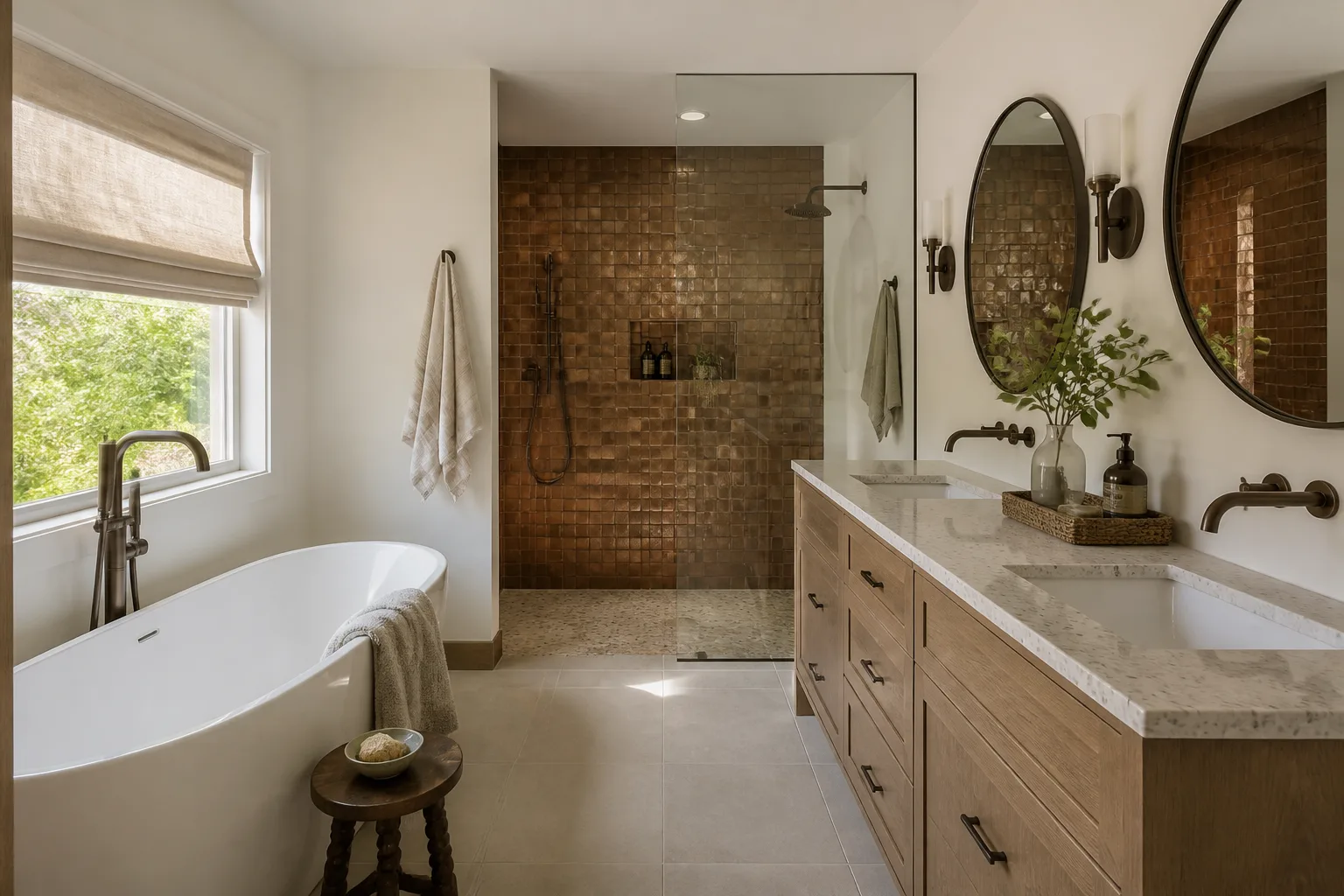
- Bathroom remodeling
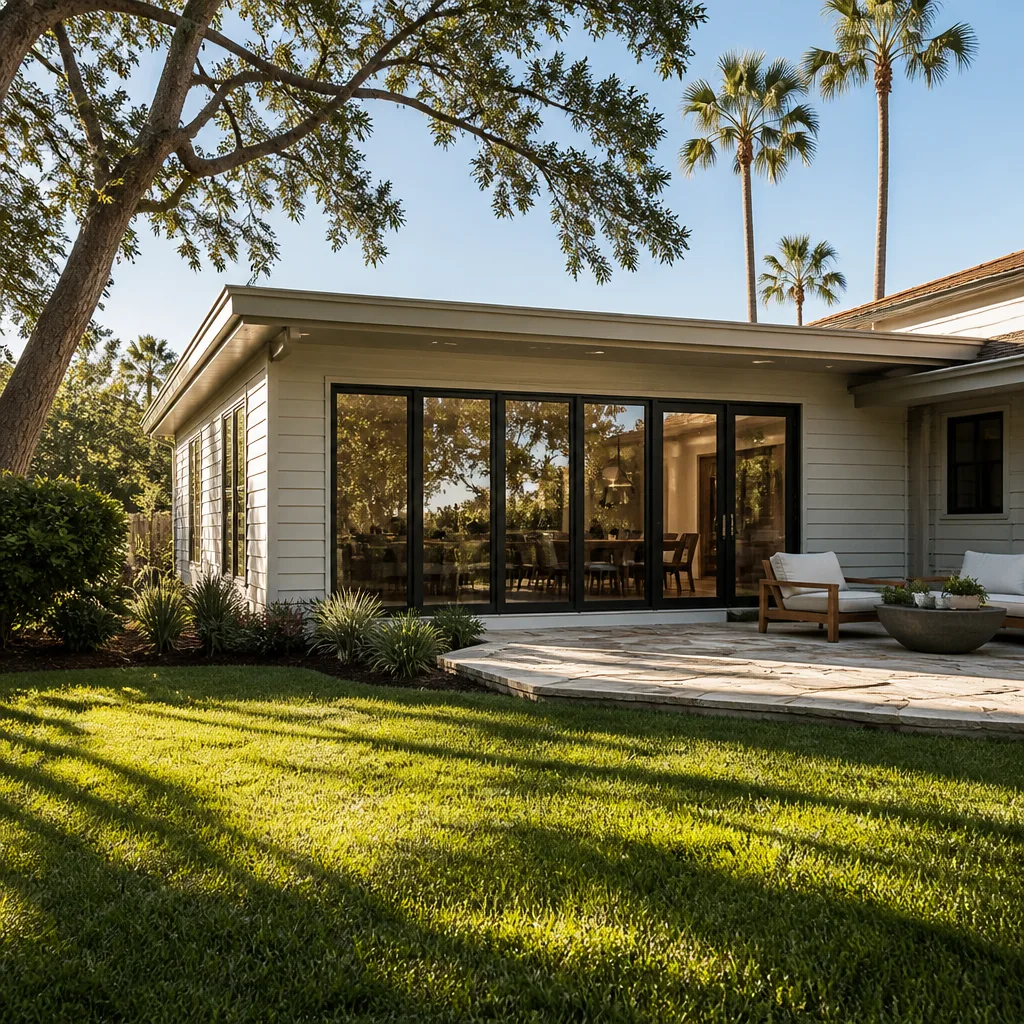
- Home additions & ADU
- Roofing
- Windows & doors
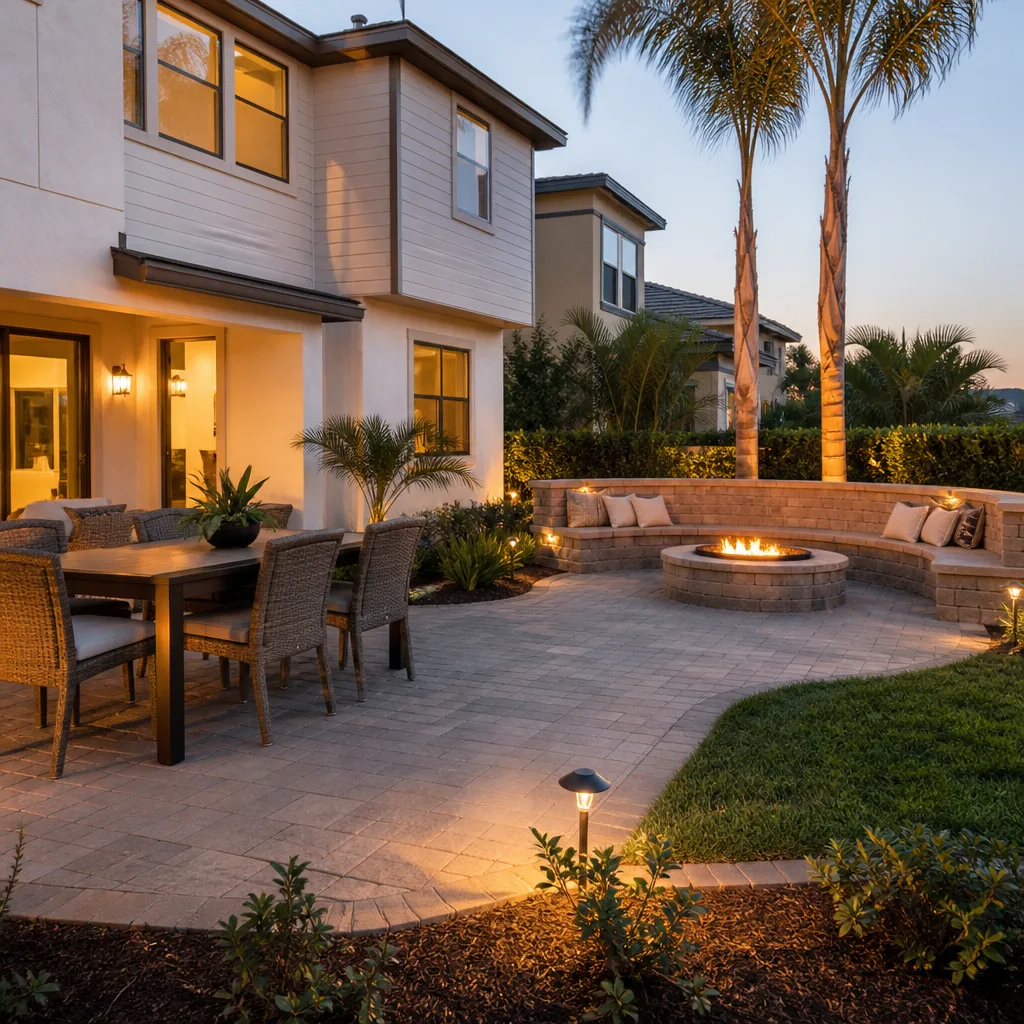
- Driveway & pavers
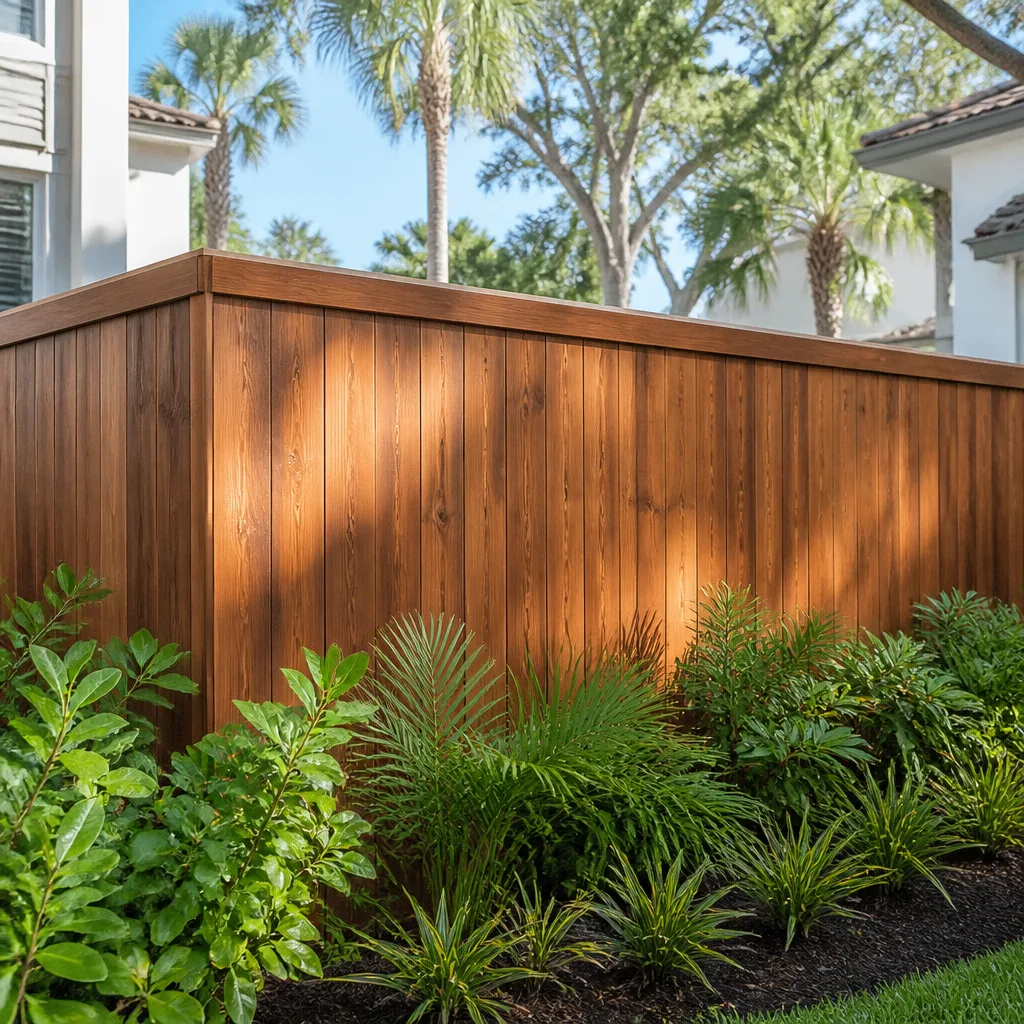
- Fence
See the difference
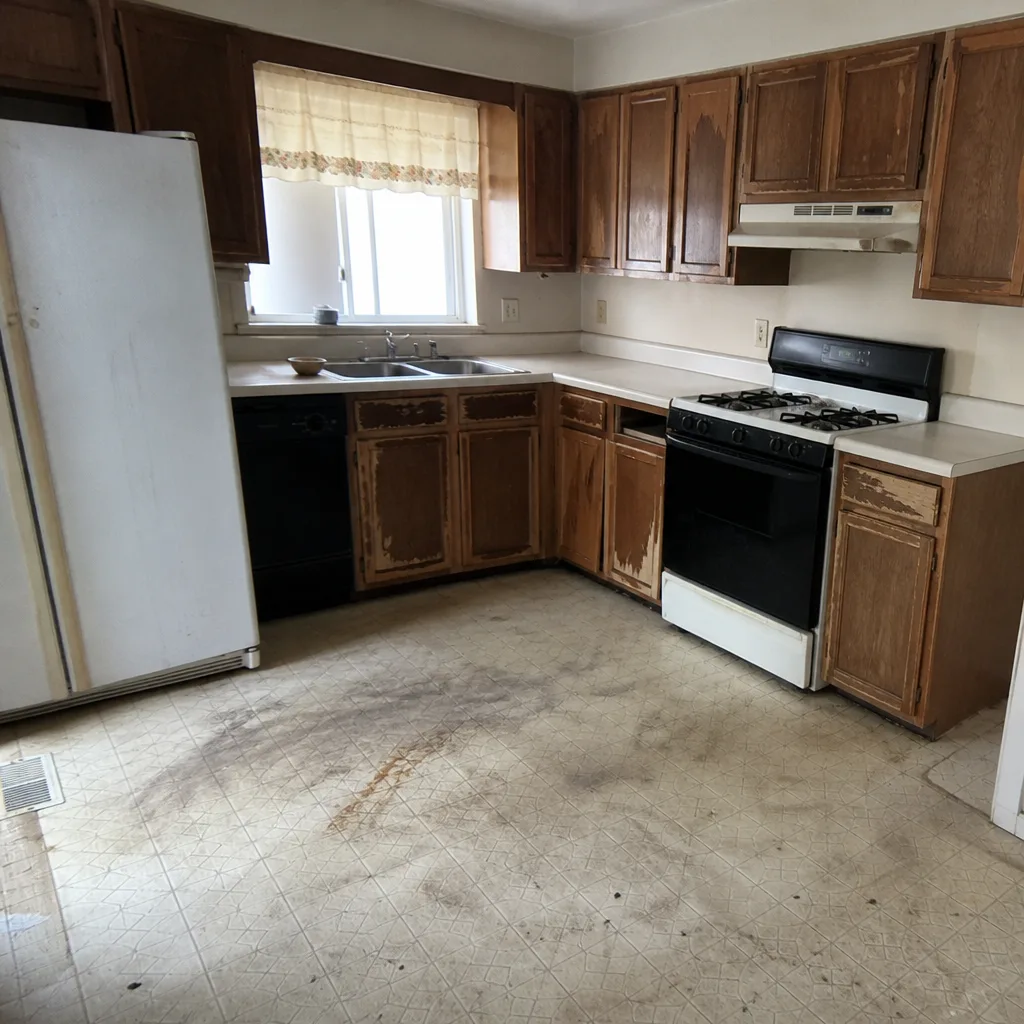 Before
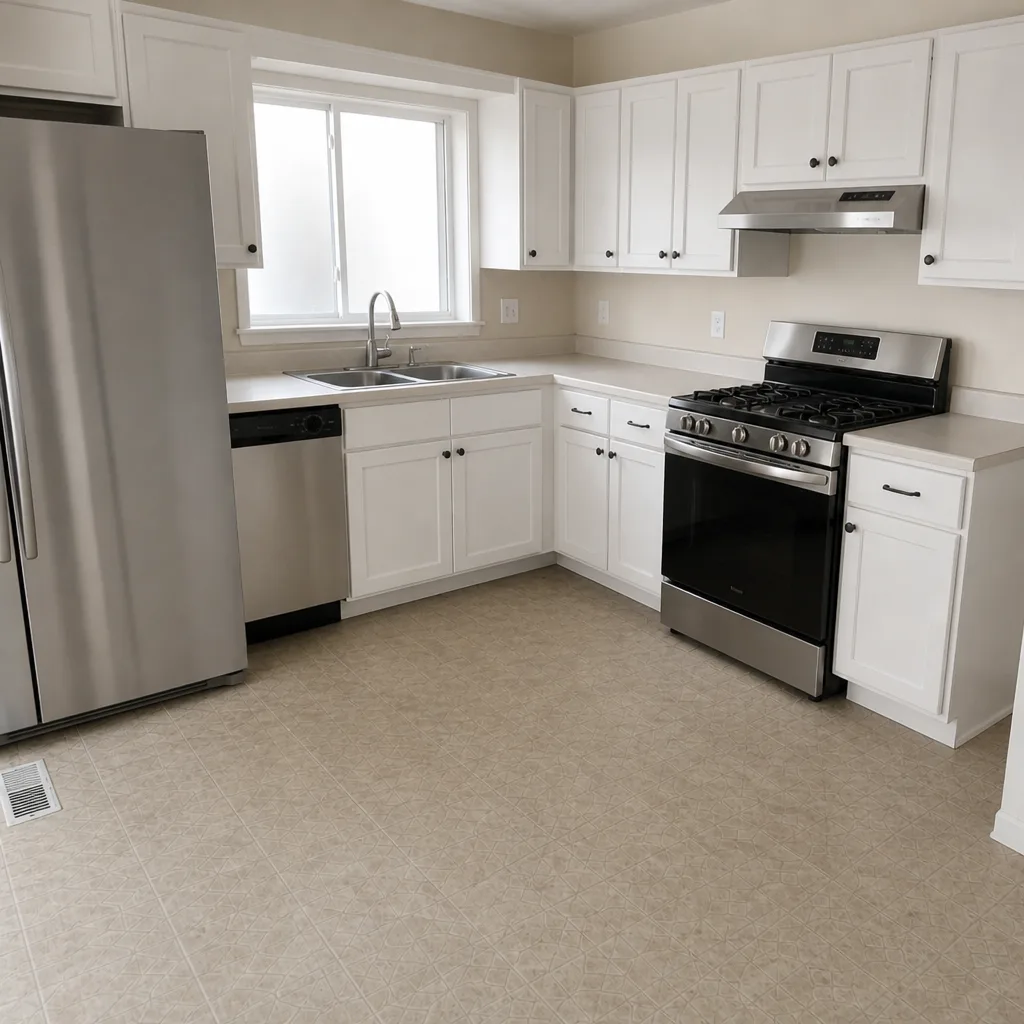 After
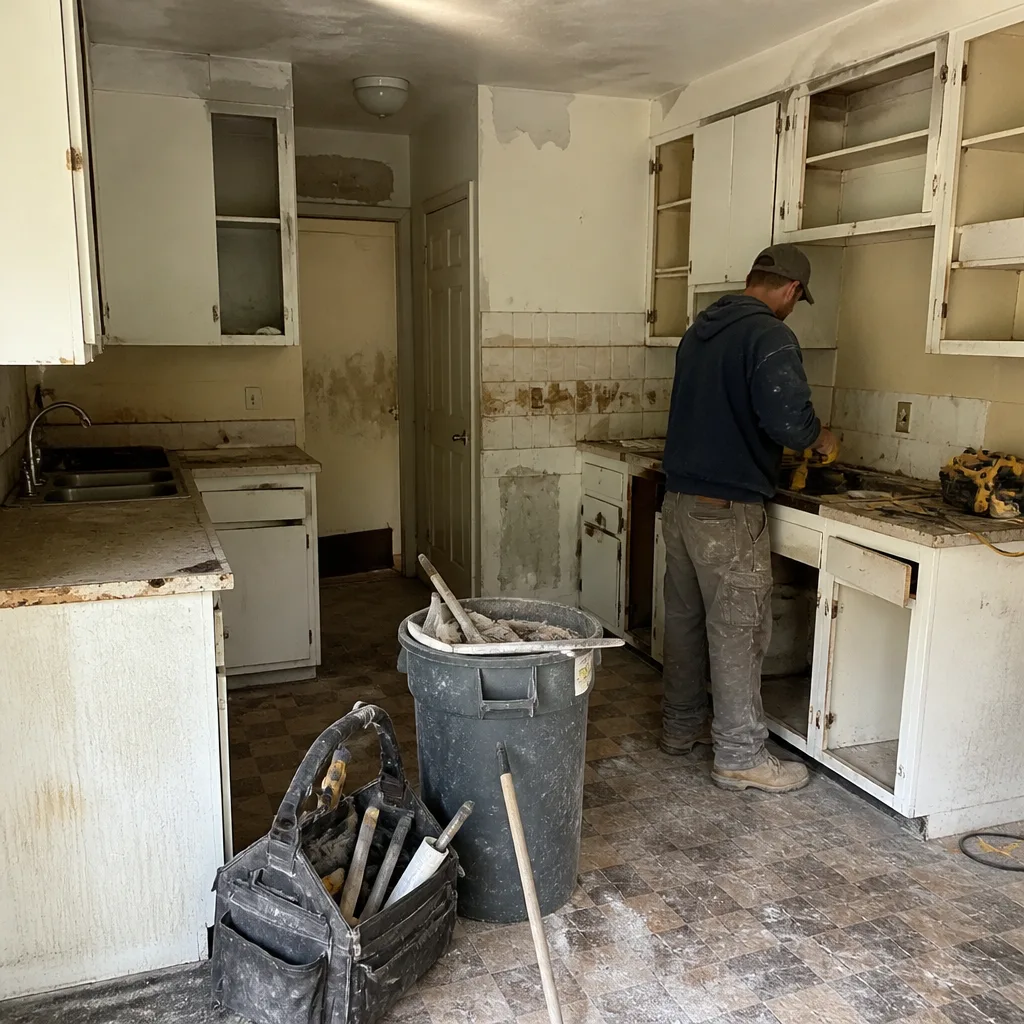 Before
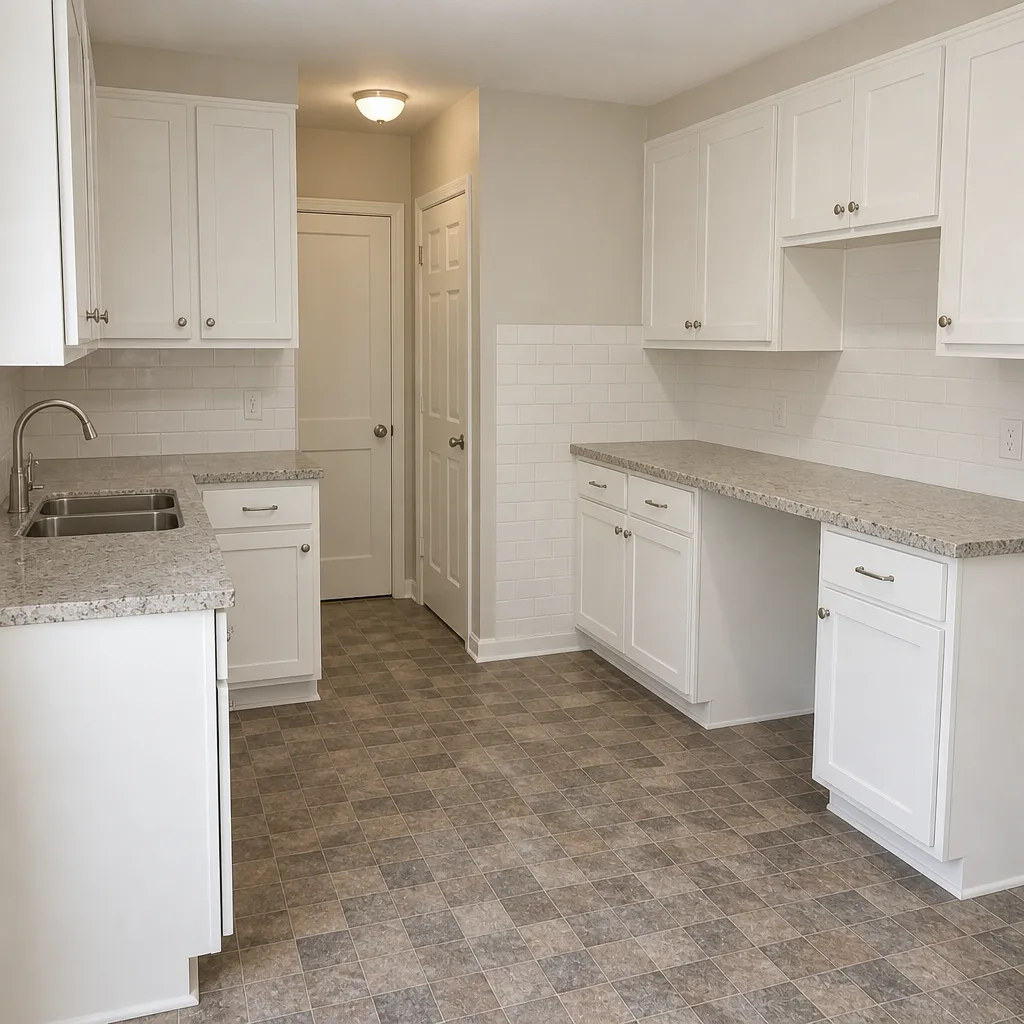 After
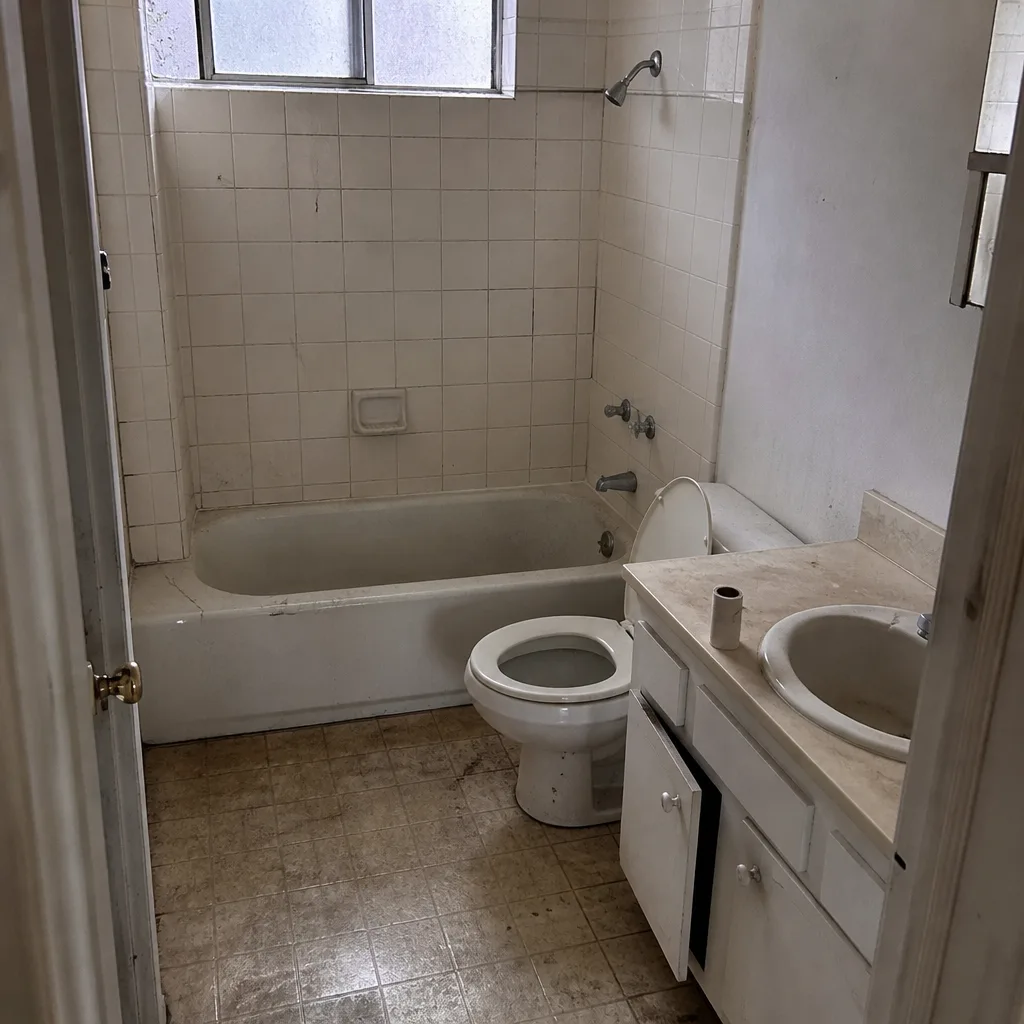 Before
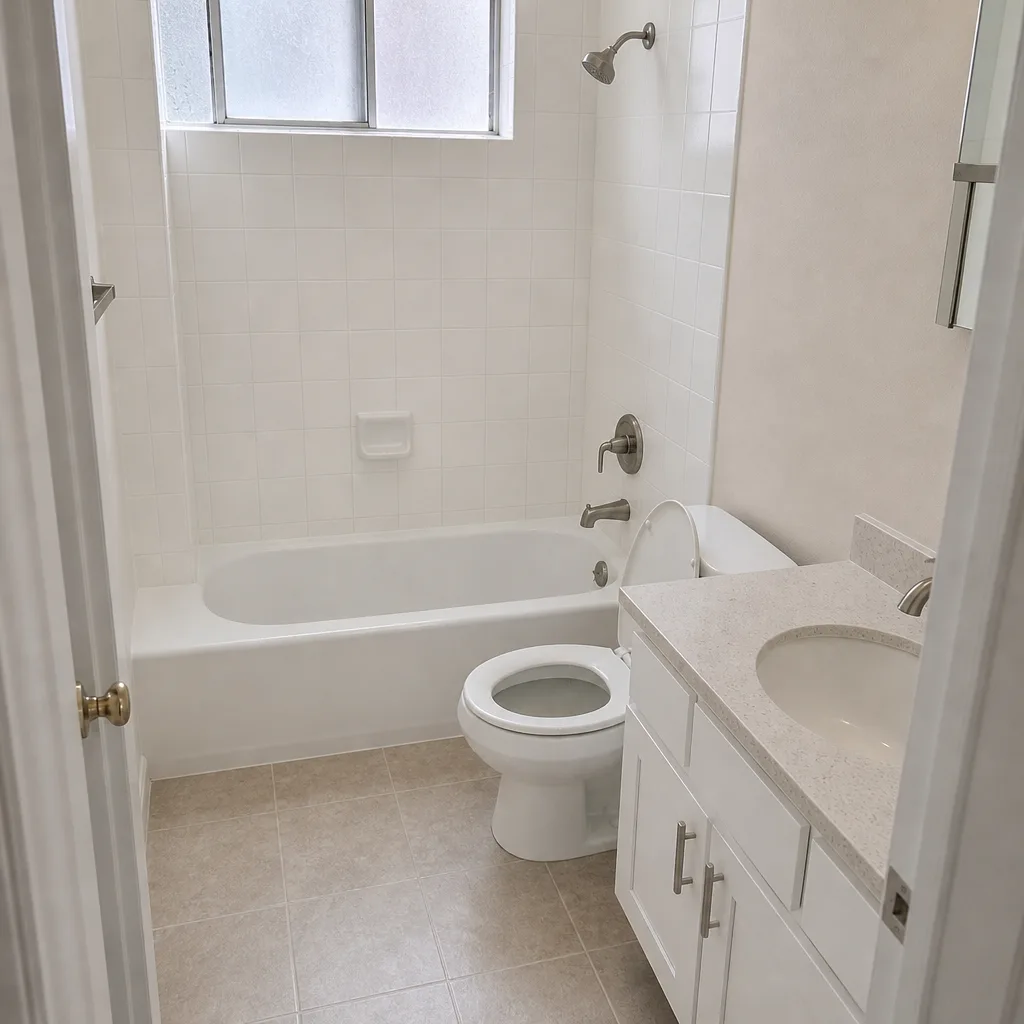 After
Impact vs Non-Impact Windows in Enterprise, NV: Choose Impact Glass if Your Lot Sits on the Foothill Edge; Choose Non-Impact if You Have a Flat, Sheltered Lot and Thermal Specs Are Your Only Goal
For most Enterprise homeowners, impact windows are the better long-term buy – not because they’re stronger (they are), but because on this side of the valley the “cheaper” non-impact option has a shorter effective service life, so the real cost gap is smaller than the sticker price suggests. Choose impact-rated glass on foothill-edge lots in Southern Highlands and Mountain’s Edge, where thermal cycling, slope drainage, and desert debris shorten the life of standard sealed units. Choose quality non-impact Low-E windows from the Andersen or Marvin lines if your lot is flat, your exposure is modest, and thermal performance is your only concern. Call Groundwork Construction Co. of Enterprise at (844) 797-4406 for a free estimate on either.
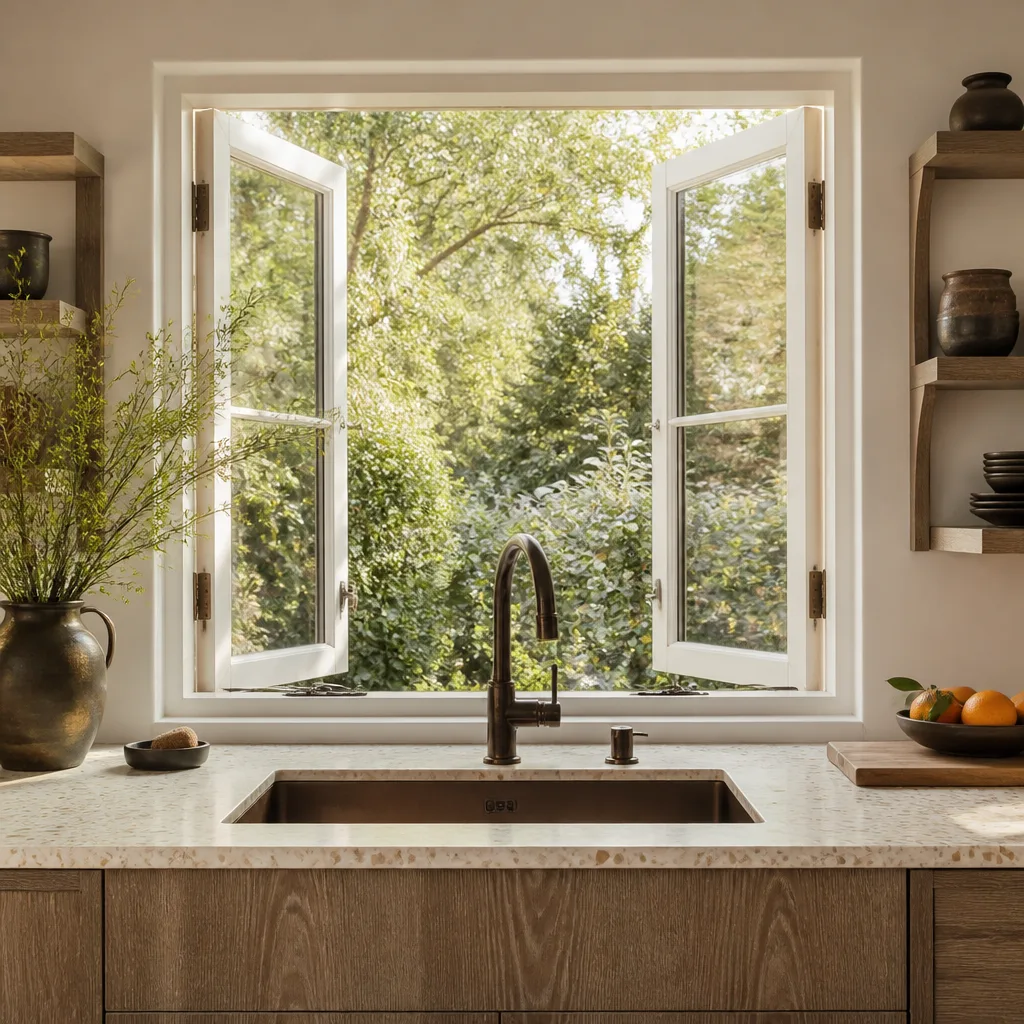
Why an Enterprise Window Works Harder Than It Was Designed To
Enterprise is Las Vegas’s southwest growth corridor. Construction here is dominated by master-planned subdivisions pushing toward the Sloan and Blue Diamond foothills, which means a lot of homes sit on sloped, engineered-fill pads with retaining walls instead of the flat infill you’d find in older parts of the valley. That changes the physics of what your windows live through.
Summer highs run above 105°F. The temperature swing from a 108°F afternoon to a 70°F night is a daily thermal cycle, and it works on window frames and insulated glass units (IGUs) more aggressively than a mild climate ever would. On an engineered-fill lot, minor differential settling also stresses frames differently than a flat-lot installation does. Add periodic debris events – monsoon winds carrying grit and the occasional branch – and the window you save money on today may need resealing or replacement in year eight instead of year fifteen.
Lifespan-Adjusted Cost: Where the “Cheaper” Window Stops Being Cheaper
A standard dual-pane window relies on a sealed gas fill (argon or krypton) between the panes to hit its U-factor. That seal is the weak point. Under hard thermal cycling, it eventually fails, the gas escapes, and the unit fogs, loses efficiency, and needs the IGU replaced. In Mojave conditions, plan on roughly 10 to 15 years of effective seal life before that starts happening.
Impact laminated glass is built differently. The performance comes from a structural interlayer bonded between the glass layers, not from a gas fill doing the heavy lifting. The interlayer doesn’t experience the same seal-failure mode. That doesn’t make an impact window immortal, but it means the performance doesn’t degrade the same way over time. The number you pay upfront is closer to the number you actually spend over the life of the product.
| Factor | Standard Non-Impact Dual-Pane | Impact-Rated Laminated Glass |
|---|---|---|
| Typical IGU seal life in this climate | ~10-15 years | Longer – interlayer is structural, not gas-dependent |
| Debris / branch impact | Can crack or shatter | Holds together; laminated layer resists break-through |
| Frame flex under minor settling | Lower tolerance; can develop air gaps | Higher structural tolerance; flexes without breaking seal |
| UV protection | Good with Low-E coating | Interlayer blocks UV at the material level |
| Thermal (U-factor / SHGC) | Excellent with quality Low-E – can match or beat some impact units | Depends on the specific product spec; not automatically better |
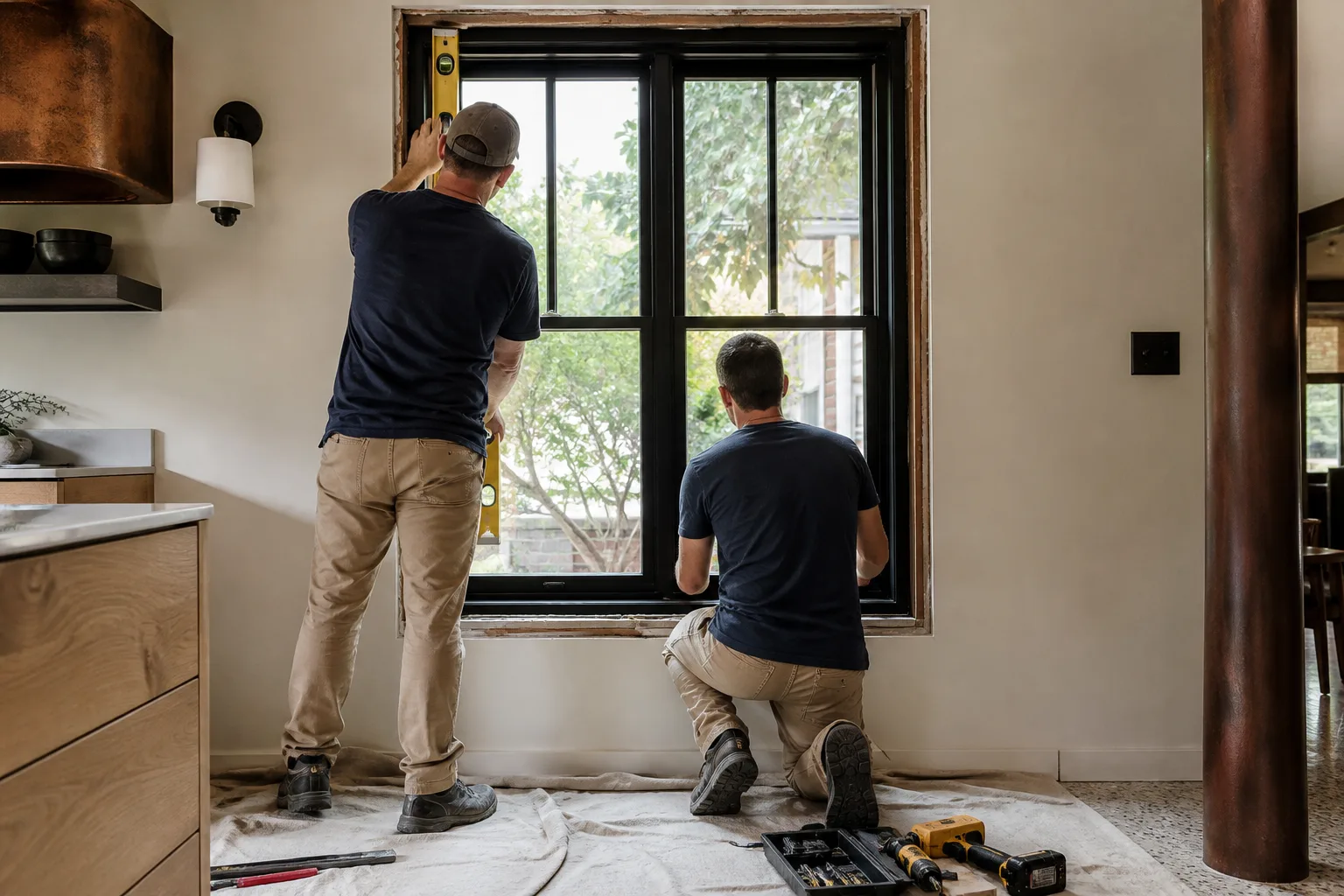
The Honest Thermal Answer: Impact Glass Is Not Automatically More Efficient
This is where a lot of Enterprise homeowners get talked into the wrong product. Impact glass is decisive on debris, UV, and security. It is not automatically better at U-factor or solar heat gain coefficient (SHGC) than a quality non-impact Low-E window. A well-specified Low-E non-impact unit can meet or beat some impact products on thermal performance, depending on the coating and the glass package.
So the right question isn’t “which is better?” It’s “which exposure do I actually have?” If your lot backs onto open desert or sits on a graded pad with slope drainage running past the house, impact earns its price. If you’re on a flat, sheltered lot where the only thing you care about is keeping the afternoon sun out, a high-spec non-impact window does the job without the premium. Our recommendation is calibrated to your situation, not to the margin.
Brands That Compete on Thermal When Impact Isn’t the Priority
For homeowners where thermal performance is the whole conversation, the Andersen and Marvin non-impact lines are worth a serious look. They hold their own on U-factor and SHGC, and they’re the right answer on a flat, shielded lot. Where impact is the deciding factor – foothill exposure, wildfire-adjacent subdivisions backing onto open desert, security on a ground-floor slider – we spec impact products from PGT, CGI, and CWS, all part of our curated windows and doors portfolio. You’ll find the full lineup on our Windows & Doors page. Nobody gets steered toward impact for the upcharge; the product follows the lot.
What Impact vs Non-Impact Windows Cost in Enterprise
Here’s the pricing picture for this market. Treat these as ranges, not quotes – the exact number depends on window count, size, and product line.
- Impact window installation: $8,000-$25,000
- Standard window replacement: $4,500-$15,000
The $3,500 to $10,000 gap between those ranges is the number homeowners fixate on. The lifespan-adjusted math is what actually matters: if a non-impact unit needs resealing or IGU replacement around year ten to twelve, and the impact unit doesn’t hit that same failure point, the effective cost of the “cheaper” window climbs toward the impact number over a fifteen-year horizon. The premium buys you a longer runway, not just stronger glass.
Pricing is upfront – the number you see is the number you pay. On larger whole-home window projects, 0% financing for 18 months and $1,000 off projects over $10,000 help close the gap between the two categories so the decision gets made on product merits instead of cash flow. Call (844) 797-4406 for an exact quote; estimates are free.
Same Guarantee, Either Product
Whether you choose the Andersen non-impact line or a PGT impact unit, our 730-Day Done Right Promise applies the same way: if it’s not done right, we make it right. That matters for this decision specifically, because it removes a hidden worry. You shouldn’t have to pick a product based on which one the installer is more careful with. Both get the same installation standard, the same background-checked, uniformed technicians, and the same two-year-plus workmanship coverage. Choose the window on its merits – the install quality is a constant.
Heat-safety scheduling matters here too. In a 105°F+ summer, we sequence exterior work around the peak so seals and caulk cure correctly instead of getting baked during installation. That’s the kind of detail that separates a window that lasts from one that fails early – and it’s the same on both product types.
FAQs
Yes, if your home sits on a foothill-edge lot in Southern Highlands or Mountain’s Edge, backs onto open desert, or faces slope drainage – the lifespan-adjusted cost is usually lower than standard dual-pane over a fifteen-year horizon, and the debris and UV protection is a real added benefit. On a flat, sheltered lot where only thermal performance matters, a quality non-impact Low-E window is a defensible choice. Call (844) 797-4406 to have your specific lot assessed.
Yes – impact window installation in Enterprise runs roughly $8,000-$25,000 versus $4,500-$15,000 for standard replacement, so expect a $3,500-$10,000 upfront gap depending on window count and product line. The gap narrows when you account for the shorter seal life of non-impact gas-filled units in Mojave thermal cycling. Call (844) 797-4406 for an exact quote – estimates are free, and 0% financing for 18 months is available.
Not automatically. A quality non-impact Low-E window can match or beat some impact products on U-factor and SHGC – thermal performance depends on the specific glass spec, not the impact rating itself. Impact is decisive on debris, UV, and security; thermal efficiency is a separate question. Call (844) 797-4406 and we’ll walk you through the specs for your exposure.
Plan on roughly 10-15 years of effective IGU seal life under the daily thermal swings here, after which fogging or efficiency loss often triggers replacement. Impact laminated glass uses a structural interlayer instead of gas-fill dependence, so it doesn’t experience the same seal-failure mode and holds its performance longer. For a lot-specific read, call (844) 797-4406.
Get a Straight Answer on Your Lot
If you’d rather have it looked at than guess, Groundwork Construction Co. of Enterprise offers a no-pressure assessment in Enterprise – we’ll look at your exposure, your slope, and your thermal goals and tell you which window type actually earns its price. From foundation to finish line, built to last and backed in writing. Call (844) 797-4406 to schedule your free estimate and design consult.
Written by the team at Groundwork Construction Co. of Enterprise, serving Enterprise, NV.