Free written scope consultation - allowances, timeline, and change-order rules on paper before a single trade is scheduled
Styles & brands we work with
- Kitchen remodeling
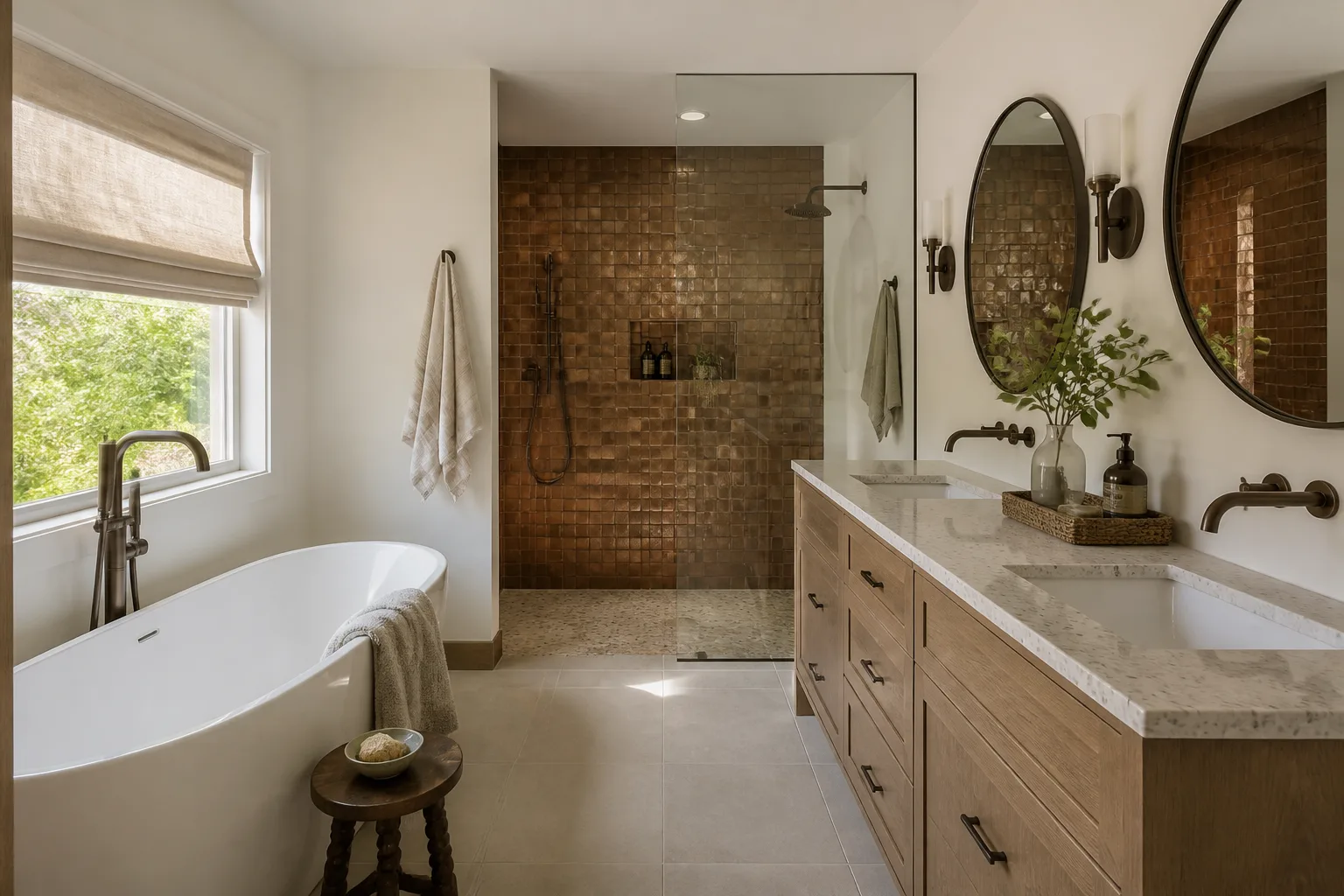
- Bathroom remodeling
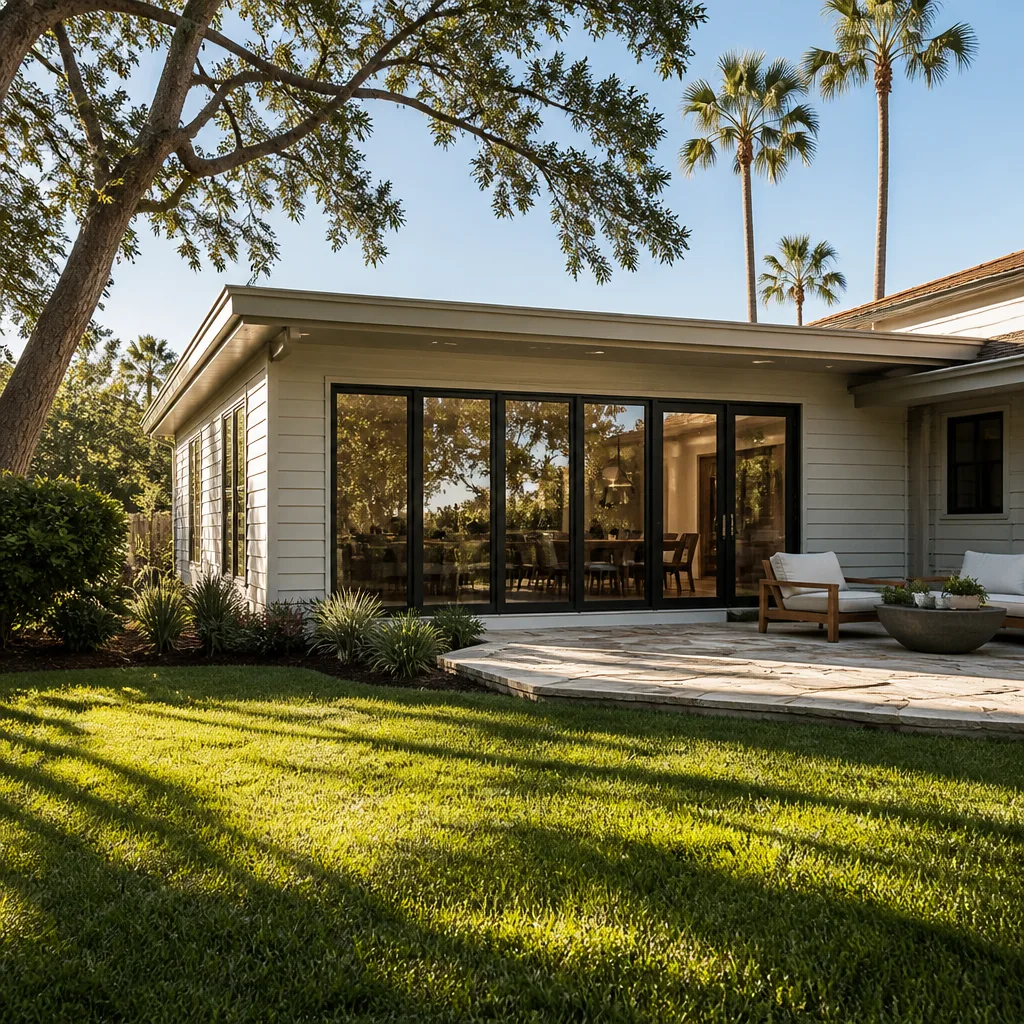
- Home additions & ADU
- Roofing
- Windows & doors
- Driveway & pavers
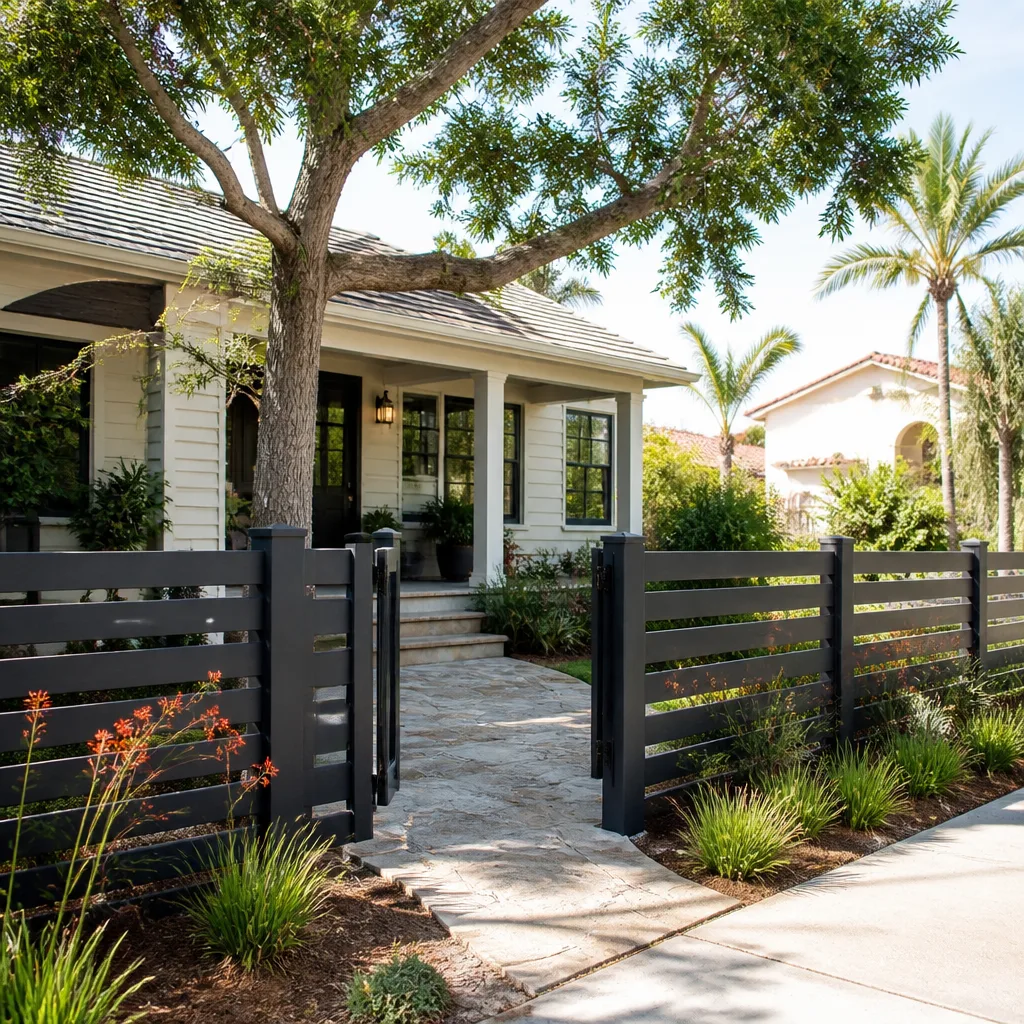
- Fence
See the difference
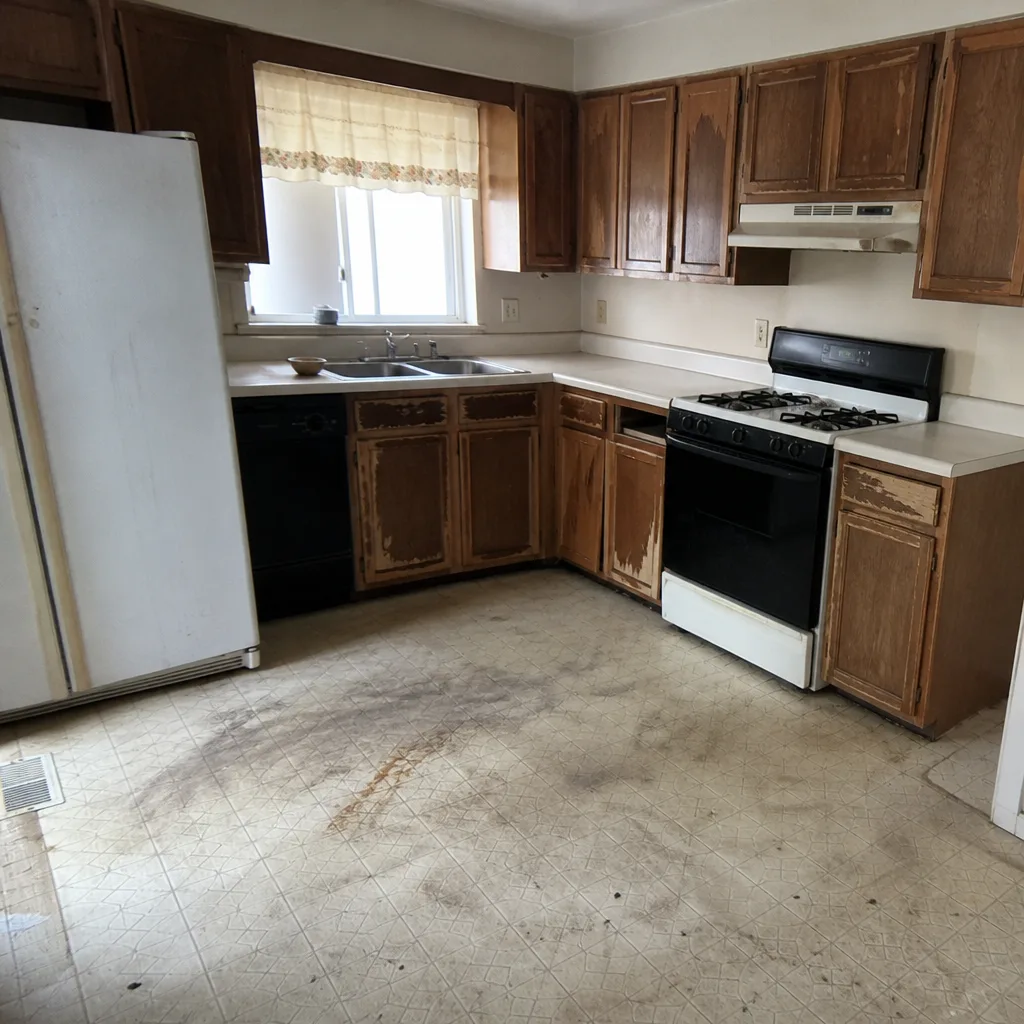 Before
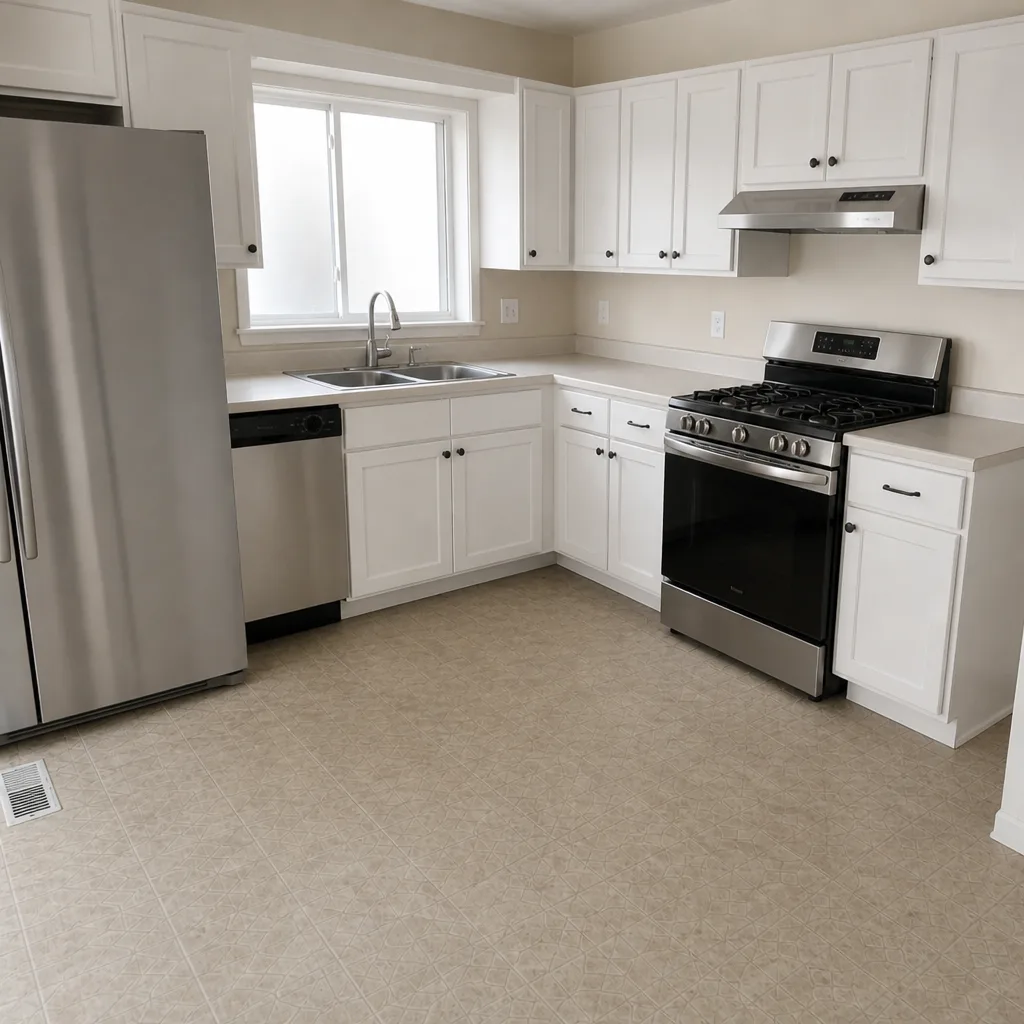 After
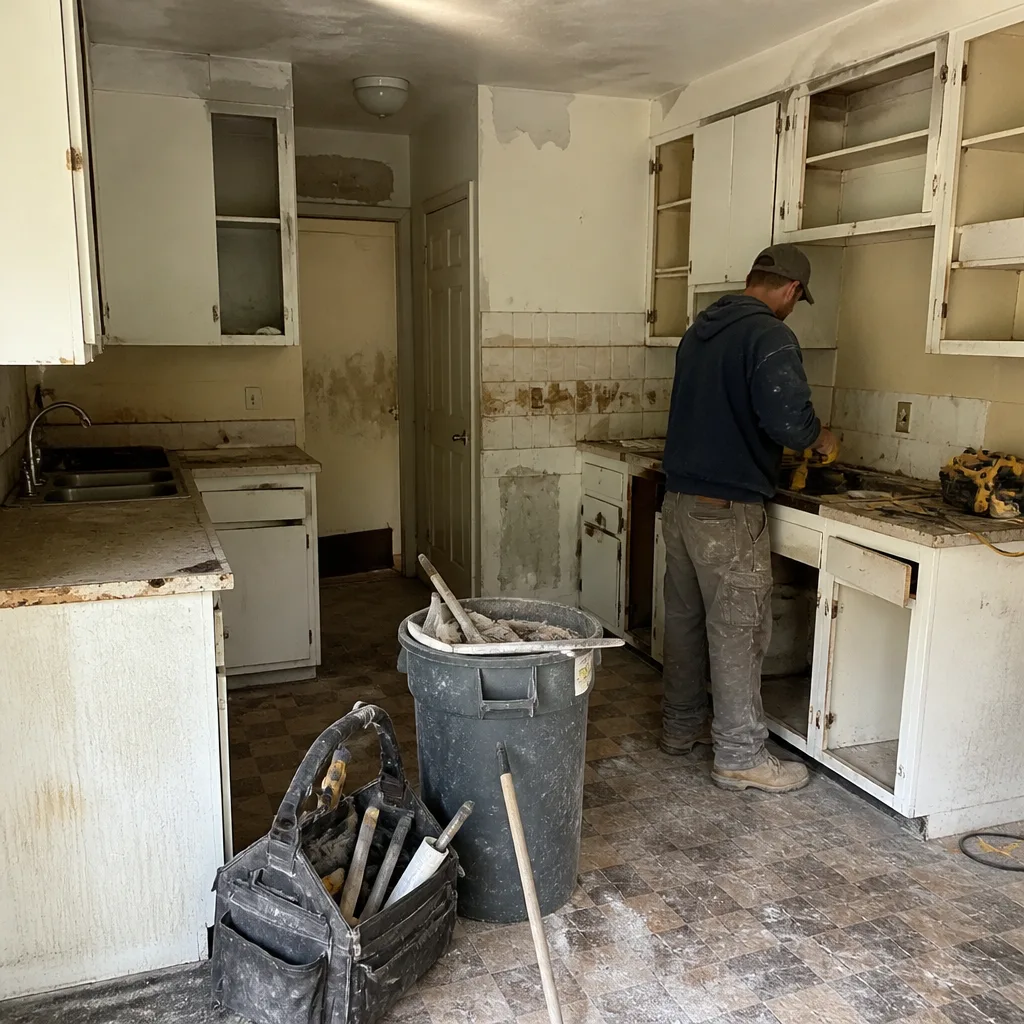 Before
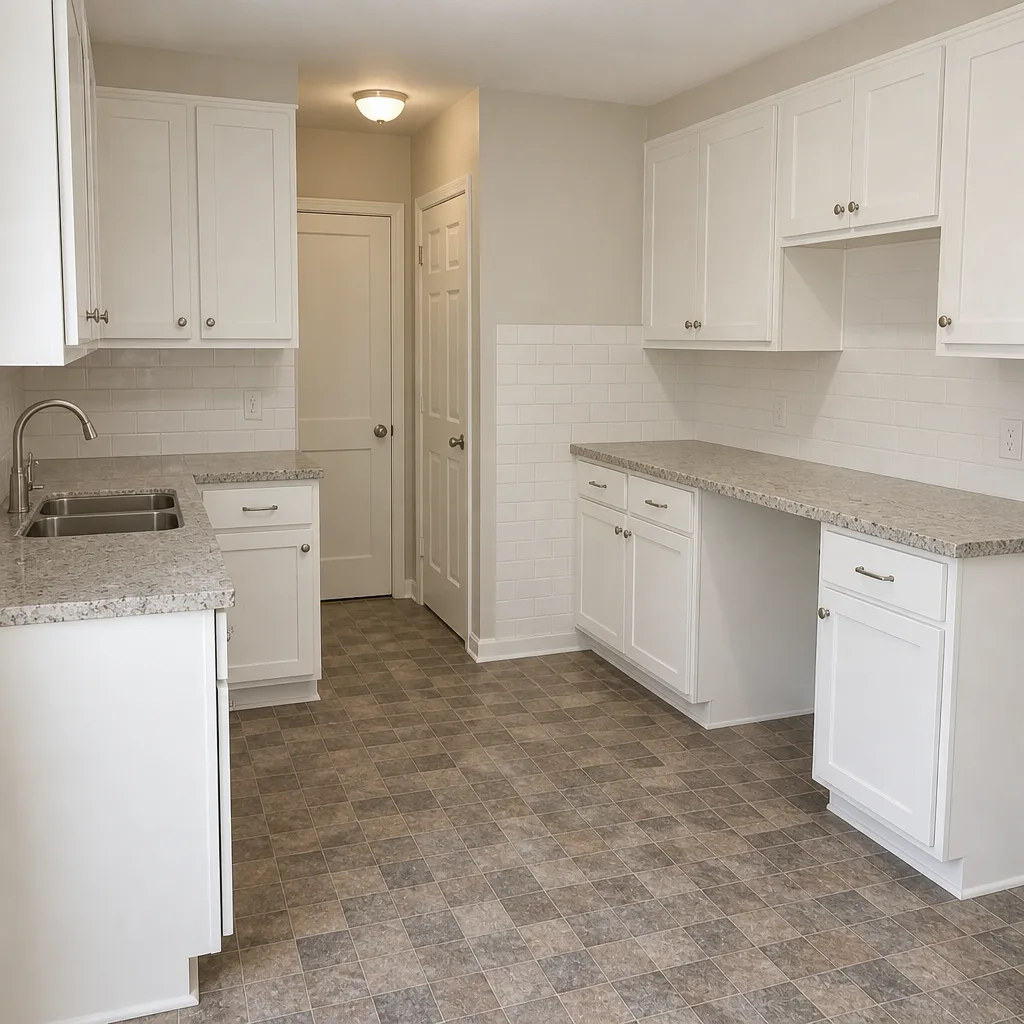 After
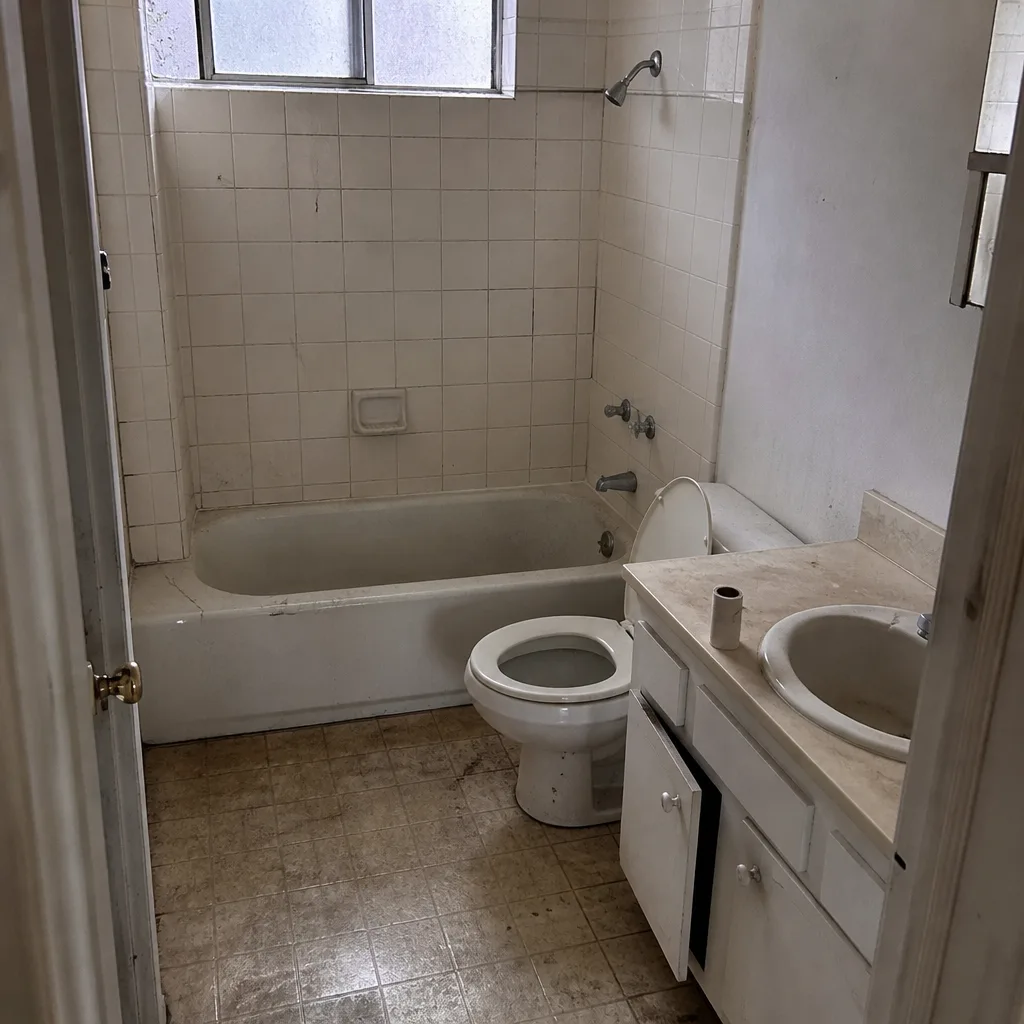 Before
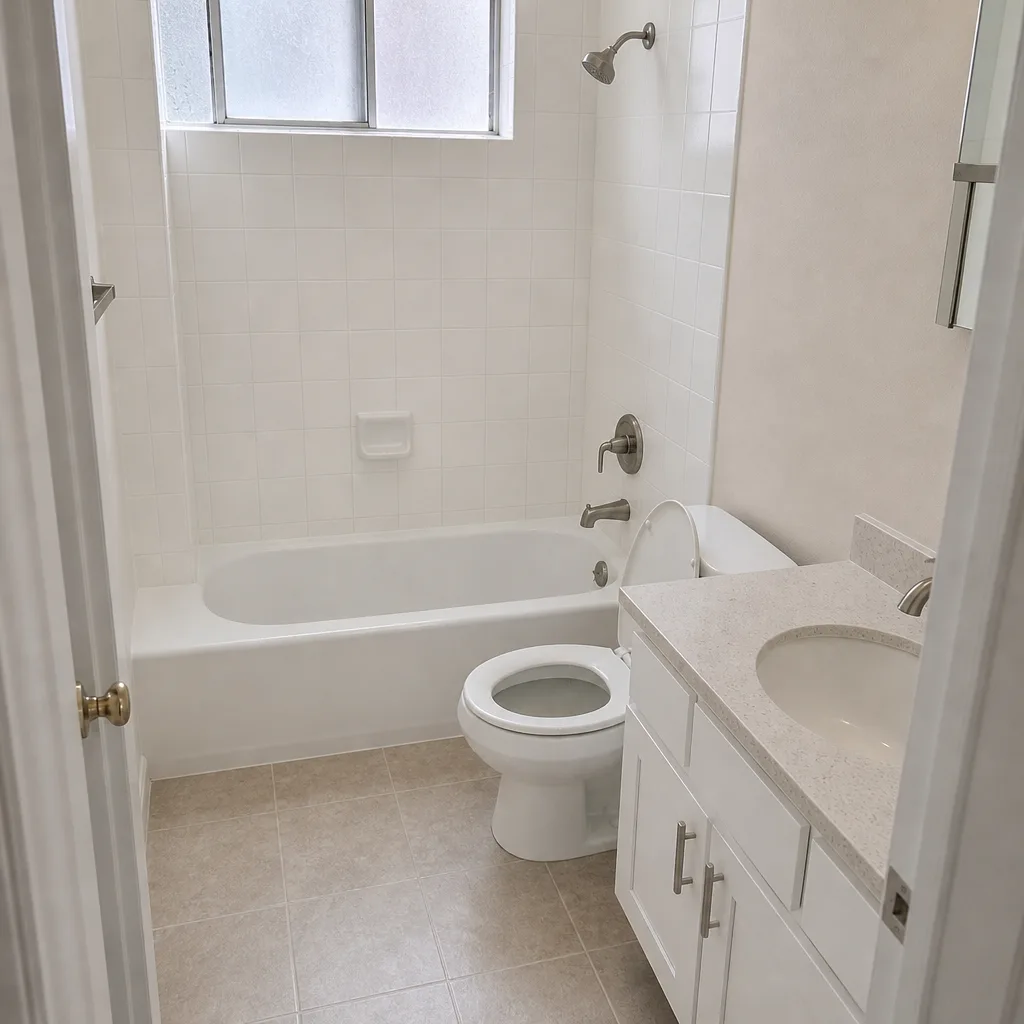 After
Window Design Pressure Ratings Explained for Enterprise, NV Homeowners
A window’s design pressure (DP) rating is the wind load, measured in pounds per square foot, that its frame and glazing can resist without failing, and it’s tested in both directions: positive pressure when wind pushes against the glass, negative pressure when suction pulls it outward. Both numbers appear on the NFRC/AAMA label stuck to the unit. Most Enterprise homeowners shop by U-factor and SHGC, the heat numbers, and never ask what DP the window is certified to. That’s a gap worth closing before you sign, because along the Mountain’s Edge foothill edge and out toward the Sloan and Blue Diamond hills, summer monsoon microbursts regularly roll through at 60 to 75 mph. If you’d rather have a pro read a quote with you, call (844) 797-4406.
Why DP Confuses People (And What It Actually Measures)
Design pressure is a structural number, not a comfort number. It tells you how hard the wind can hit a closed window before the frame deflects too far, seals break, or glass cracks. A window rated DP-30 is tested to hold 30 psf of pressure pushing in and 30 psf pulling out. That matters because a window can look fine on a calm day and still be the weak point that fails at hour three of a gust event. The label spells out the result. The frame, the glass, the gaskets, the sill: all of it either passes that load or it doesn’t.
Desert homeowners tend to think of DP as a coastal or hurricane concern. It isn’t. A frame that deflects in a 70 mph gust loses its weather seal, which means fine Mojave dust gets in through every tiny gap and the sill starts weeping in the monsoon rain that follows. On an exposed lot, that’s a yearly problem, not a once-a-decade one. When the spec is right, the assembly holds. When it’s wrong or vague, the wall pays for it.
Enterprise Lots Push Wind Loads Higher Than the Rest of the Valley
The same DP-20 window that passes inspection on a flat lot in Henderson can underperform on a Southern Highlands ridgeline property. That isn’t a sales line; it’s how wind behaves around elevation and terrain. Enterprise is the southwest growth corridor, the part of the valley that keeps climbing toward the open desert at the urban-wildland interface. Foothill-edge lots sit higher than the valley floor, have no established windbreak, and can sit in the channeling path between ridge lines where gust speed climbs. A window certified to a mild wind-load number on a protected lot is doing far less work than the same unit on a graded pad with nothing between it and the desert to the west.
The practical takeaway is that your DP requirement should be chosen for your specific lot, not borrowed from a subdivision three miles down the road. If your property backs onto open desert, faces an exposed corner, or sits on a raised pad with retaining walls, the wind load you’re designing for is meaningfully higher. That’s one reason we ask about lot orientation before we quote a single unit.
The AAMA Performance Classes, and Which One Fits an Exposed Enterprise Lot
DP numbers don’t exist in a vacuum. They’re tied to an AAMA performance class, and the class tells you the type of building the window is tested for.
- R (Residential): The lightest class, meant for low-rise residential use. Fine for a sheltered interior wall.
- LC (Light Commercial): A step up in tested load. Some homes reach for this on exposed openings.
- CW (Commercial Window): Higher tested loads, often used where a window serves a larger opening or higher floor.
- AW (Architectural Window): The most demanding class, tested to the highest pressure loads. Overkill for most homes, appropriate for the most extreme exposures.
A large picture window or a wide sliding door is essentially a sail. More area means more total force on the frame at the same wind speed, so a big opening on an exposed Enterprise lot deserves a higher class than a small bedroom window on a protected wall. For a large-opening Andersen or Marvin unit on a foothill-exposed home, we look at the published DP ratings the manufacturer provides and match the class to the opening and the lot. Those ratings are verifiable, not marketing claims, which is exactly why we work with those brands. You can check the number yourself against the label.
Engineered Fill and the Problem Hiding in Plain Sight
Here’s something only a contractor installing on these lots tends to flag. Much of Enterprise’s newer housing sits on engineered-fill pads, cut-and-graded ground that was built up or leveled to make the lot buildable. Over time, fill can settle at a slightly different rate than the surrounding grade. When that happens, the wall racks just enough to twist a window’s rough opening, and a unit certified to a solid DP rating can start binding, leaking, or cracking glass because the frame is being pulled out of square. The window did its job; the opening around it didn’t.
On sloped and graded foothill lots, we check the rough openings and how the wall sits before we assume a replacement will seal cleanly. Where there’s movement, we address it first. The 730-Day Done Right Promise backs the installation, but no guarantee can make a square window fit a racked opening, so getting that right up front is part of the job.
What to Ask Every Contractor in Enterprise Before You Sign
Quotes for Windows & Doors work should spell out the DP rating of the specific unit proposed, not a brand name and a price. Here’s the short version of what to demand:
- The DP rating of the exact window unit, both positive and negative.
- Confirmation that the unit is tested to AAMA 101/I.S.2/A440, the standard that governs the rating.
- The AAMA performance class, matched to your lot’s exposure and the size of the opening.
- Whether the rough opening will be checked and corrected for square before install.
Impact-rated and standard window work in Enterprise runs from $8,000 to $25,000 for impact units and $4,500 to $15,000 for standard replacement, so the difference between a well-specified unit and a vague one is worth real money over the life of the home. Our technicians carry up to 12 years of experience across these installations, arrive background-checked and in uniform, and quote a number you can count on with no-hassle upfront pricing. You can also review our Enterprise service area page for the neighborhoods we cover, and our home page for how we approach the whole job from foundation to finish line.
Frequently Asked Questions
Most Enterprise homes are well served by a DP rating in the 30 to 50 range, but an exposed foothill-edge lot facing open desert should be specified higher, often toward the upper end or into a commercial-class window for large openings. Because gusts here regularly exceed 70 mph in monsoon events, the number should be chosen for your lot and opening size, not assumed from a template. Call (844) 797-4406 and we’ll walk your exposure before quoting.
No. A higher DP rating means the window is tested to resist more wind load, which is only “better” if your lot actually needs that load. A DP-50 window on a sheltered wall is money spent on strength you won’t use, while a low-DP window on an exposed ridge is a leak waiting for the next microburst. Match the rating to the exposure. A free estimate lets us recommend the right number for your property.
Three reasons stack up: higher elevation, no windbreak between the home and open desert, and channeling between ridge lines that accelerates gust speed. Add engineered-fill settlement over time and rough openings can rack, cutting into the wind and water performance a certified window was built to deliver. Checking all three is part of a proper window assessment in Enterprise. Call (844) 797-4406 to have your lot looked at.
Repair is cheaper when the failure is a seal, gasket, or install detail, and we often fix those without replacing the unit. Replacement makes more sense when the frame is deflecting under load, the DP rating is too low for the lot, or the rough opening has moved. Both paths are covered by our 730-Day Done Right Promise, so the decision comes down to what the unit and opening actually need. Call for a free estimate and a straight answer.
Get Your Windows Specified for Enterprise Wind
If the DP spec on your windows is unclear or missing from the quote you’re holding, that’s the gap to close before work begins. Groundwork Construction Co. of Enterprise offers a no-pressure assessment in Enterprise: we’ll check your lot’s exposure, read the unit’s rating against AAMA 101/I.S.2/A440, and explain the number in plain terms. Call (844) 797-4406 for a free estimate and design consult. We also offer 0% financing for 18 months and $1,000 off projects over $10,000.
Written by the team at Groundwork Construction Co. of Enterprise, serving Enterprise, NV.