Free written scope consultation - allowances, timeline, and change-order rules on paper before a single trade is scheduled
Styles & brands we work with
- Kitchen remodeling
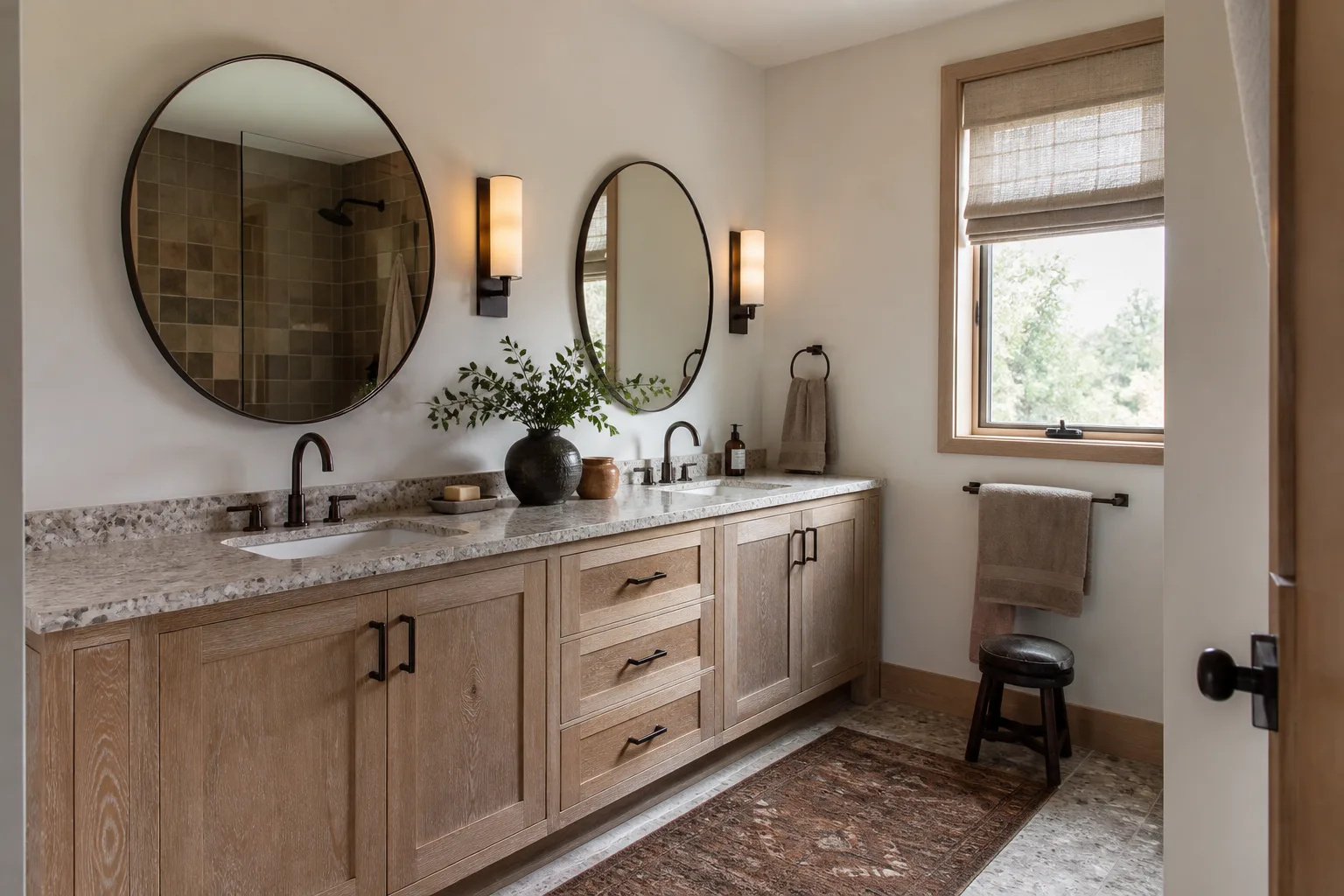
- Bathroom remodeling
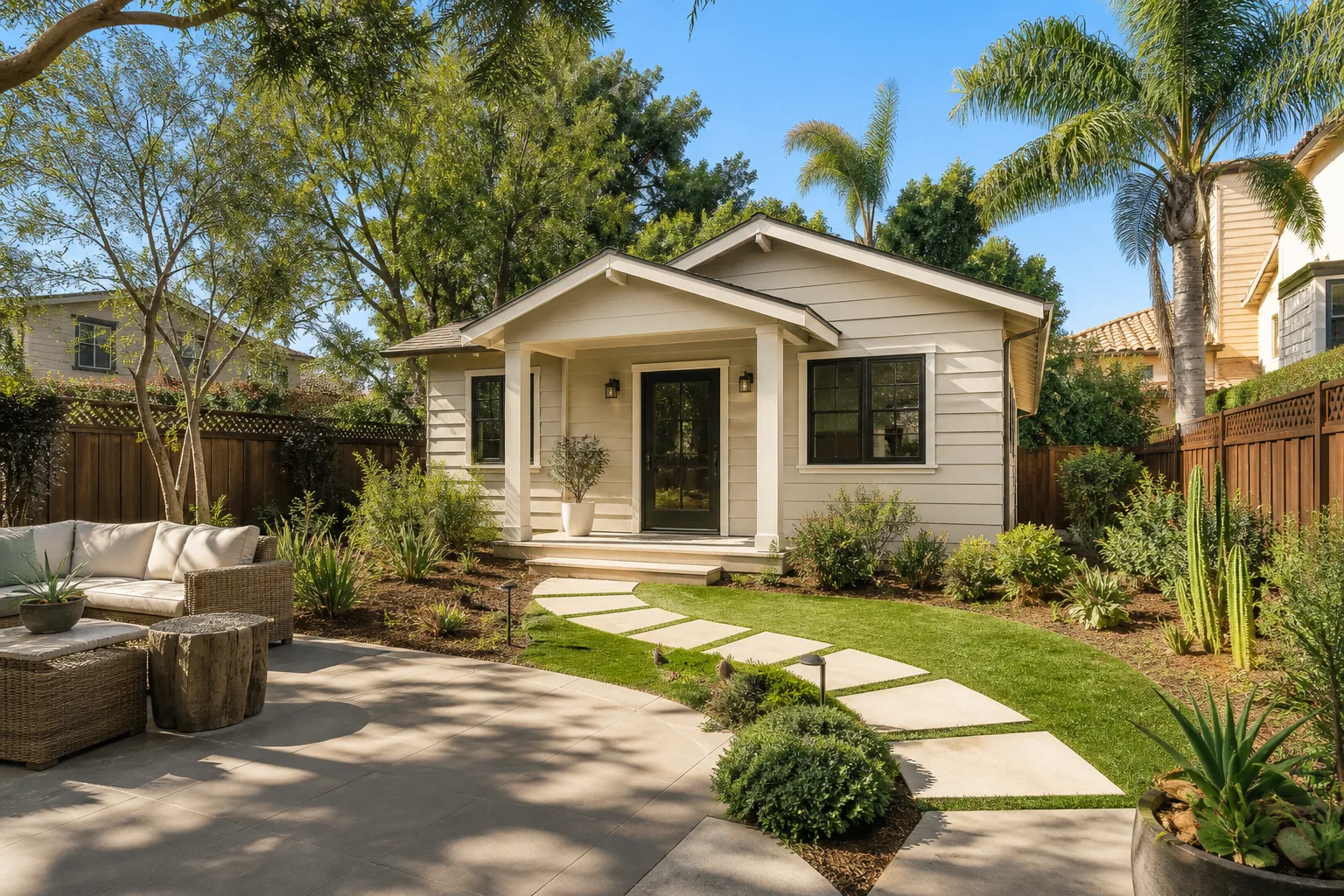
- Home additions & ADU
- Roofing
- Windows & doors
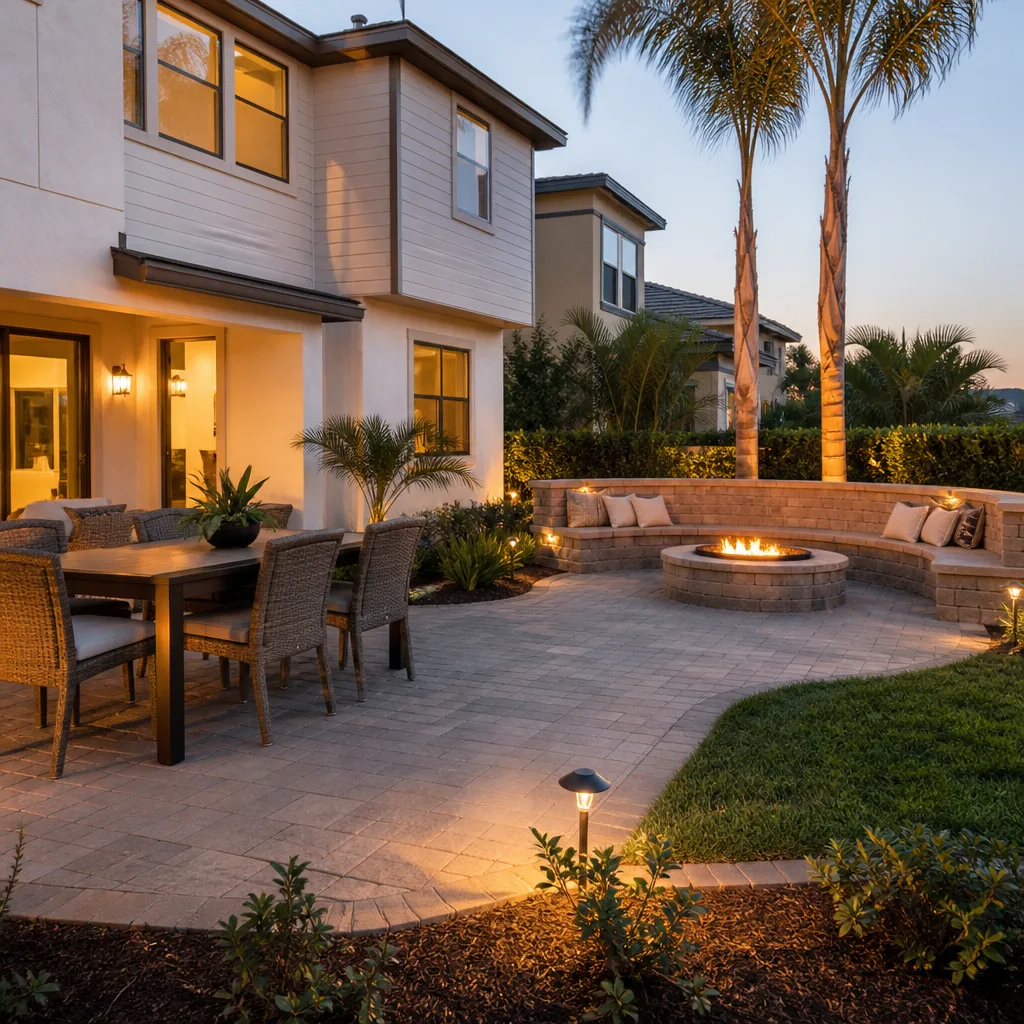
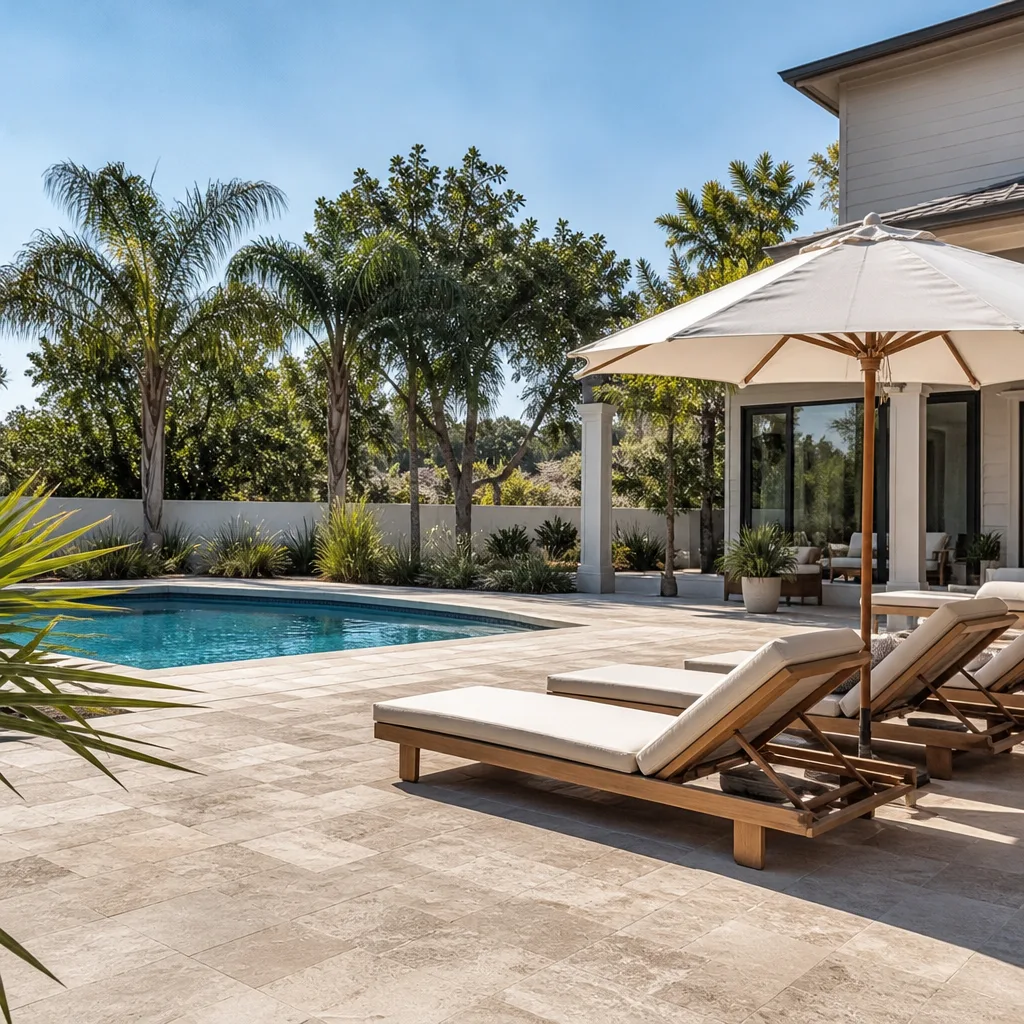
- Driveway & pavers
- Fence
See the difference
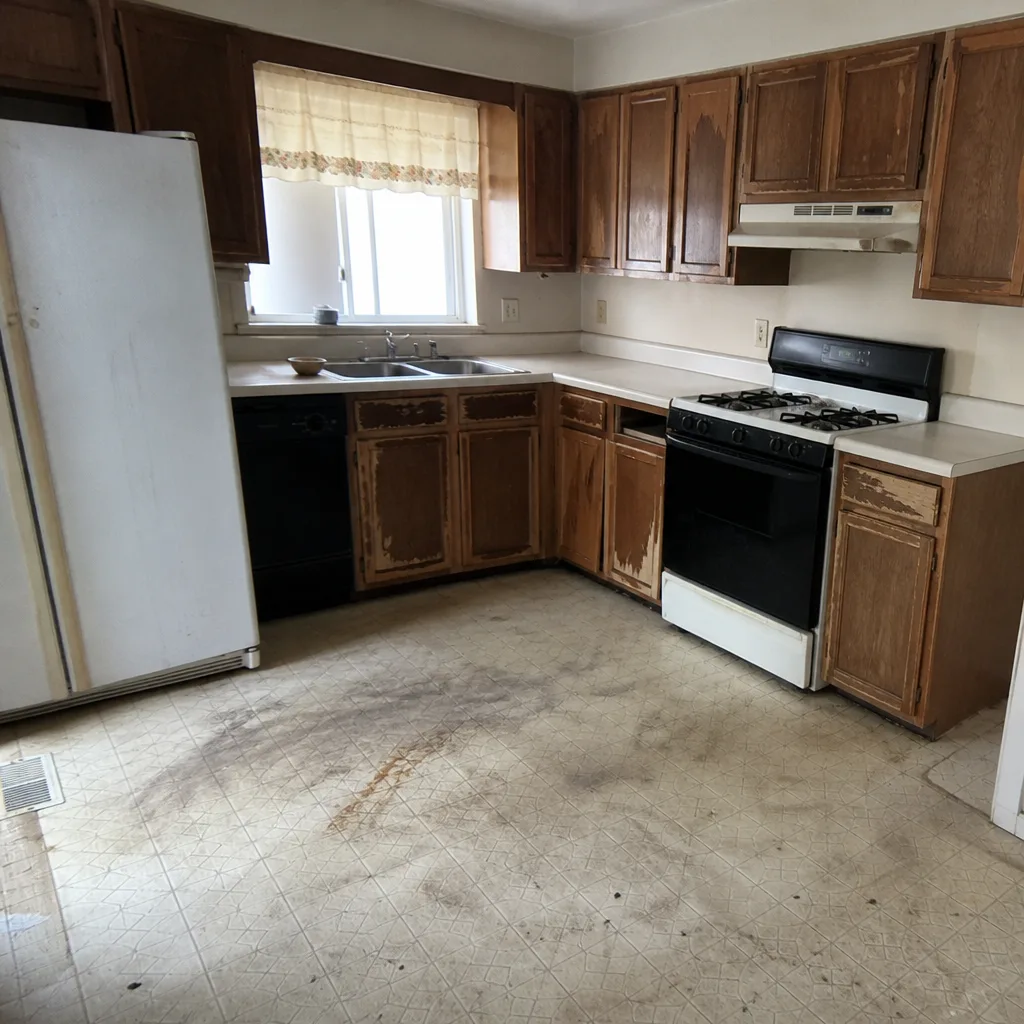 Before
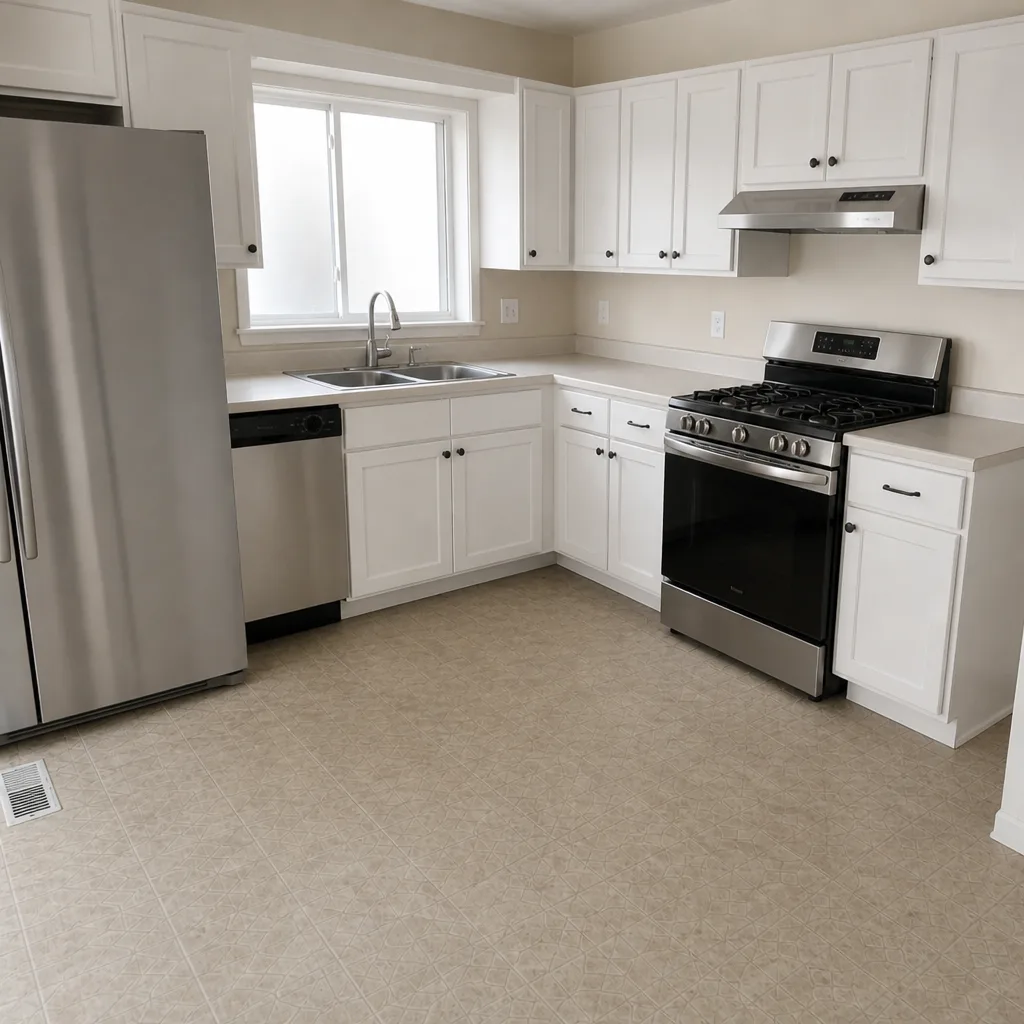 After
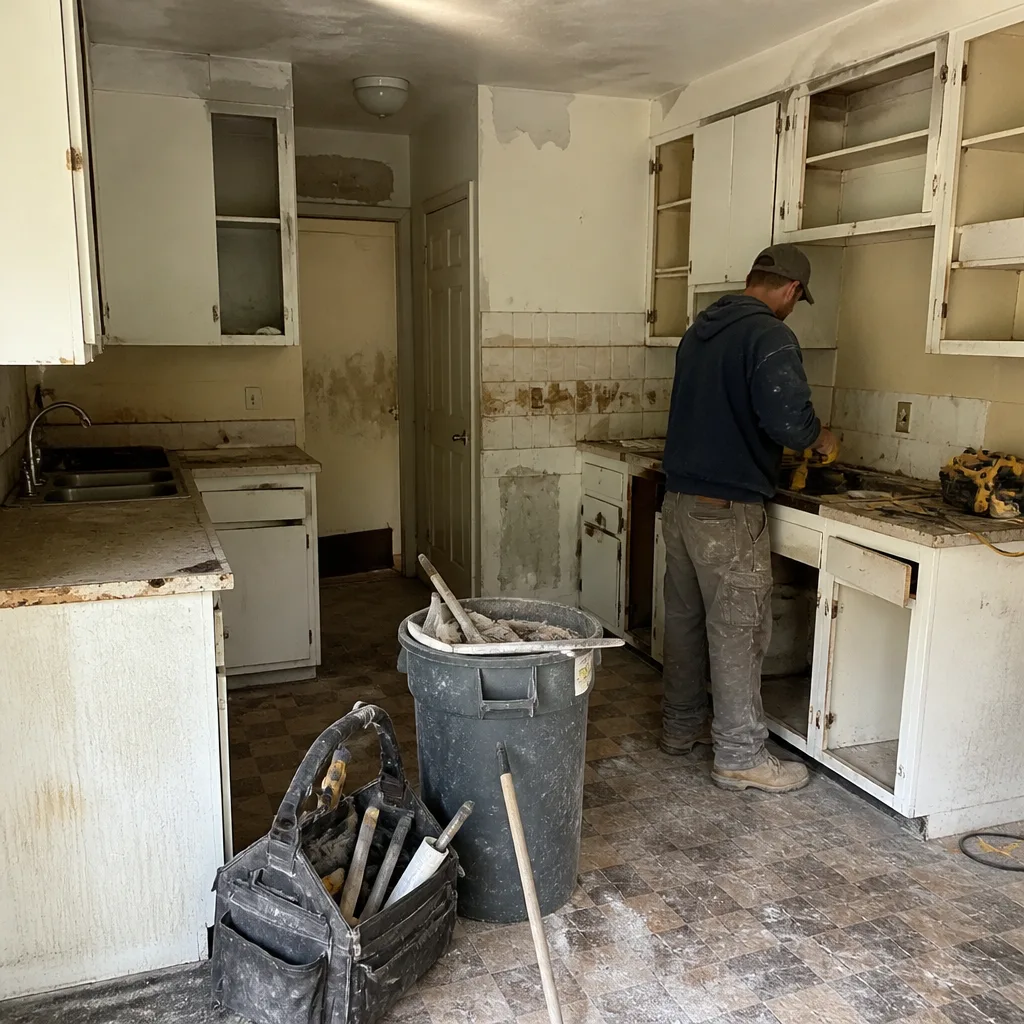 Before
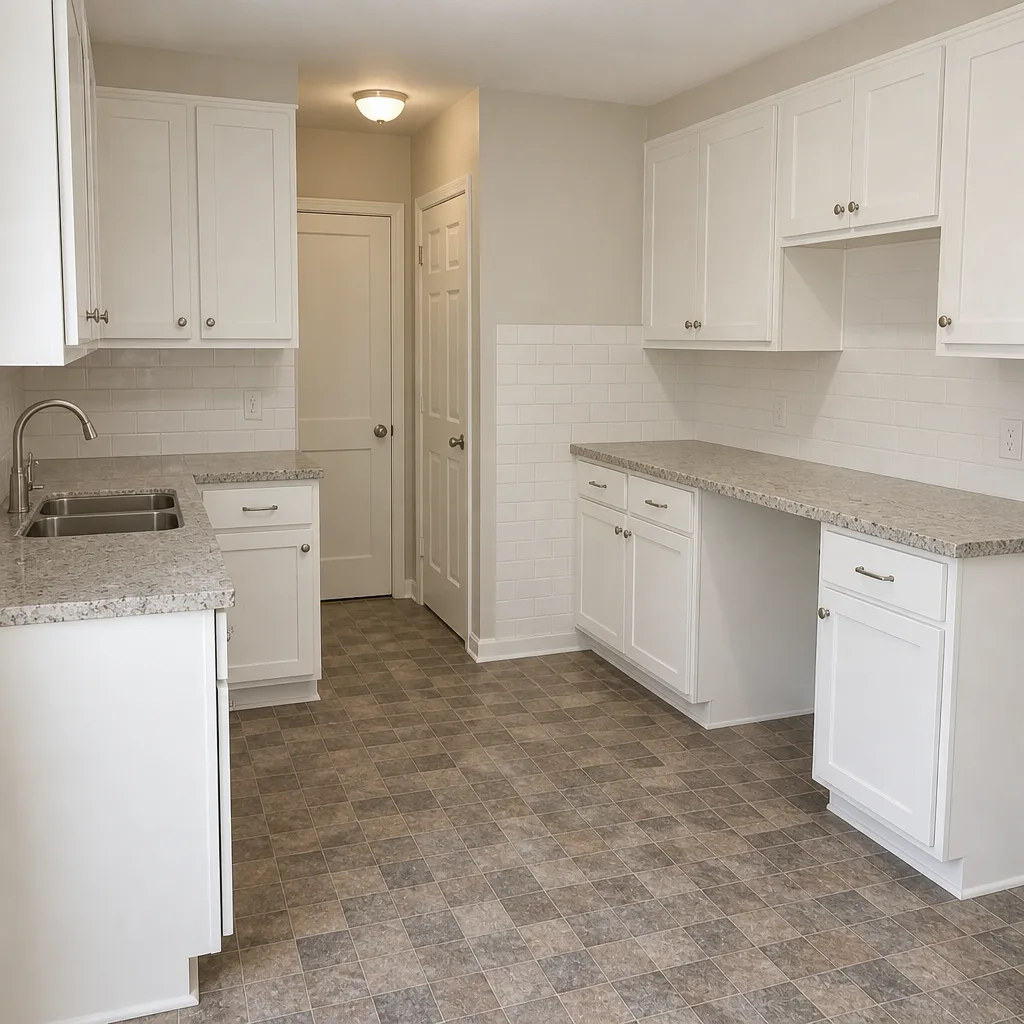 After
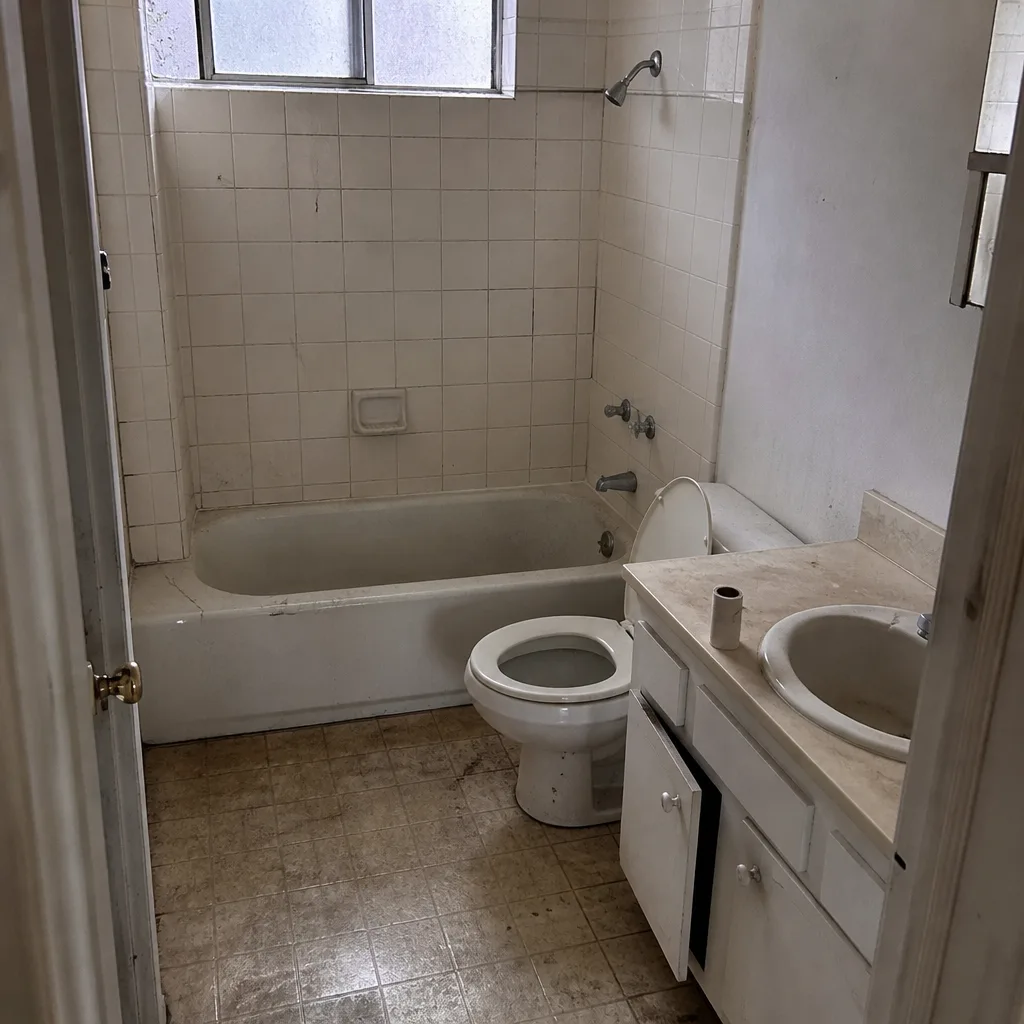 Before
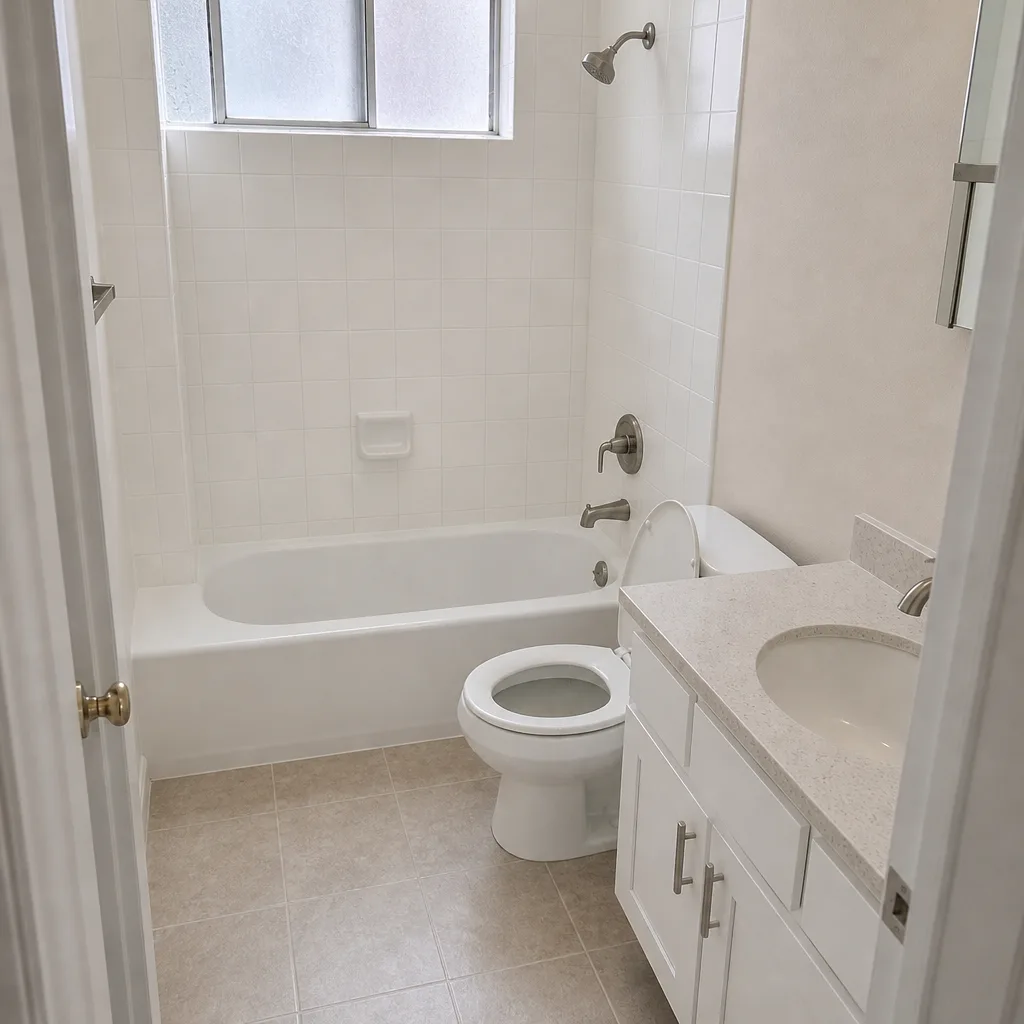 After
How Long Does a Paver Driveway Last in Enterprise, NV?
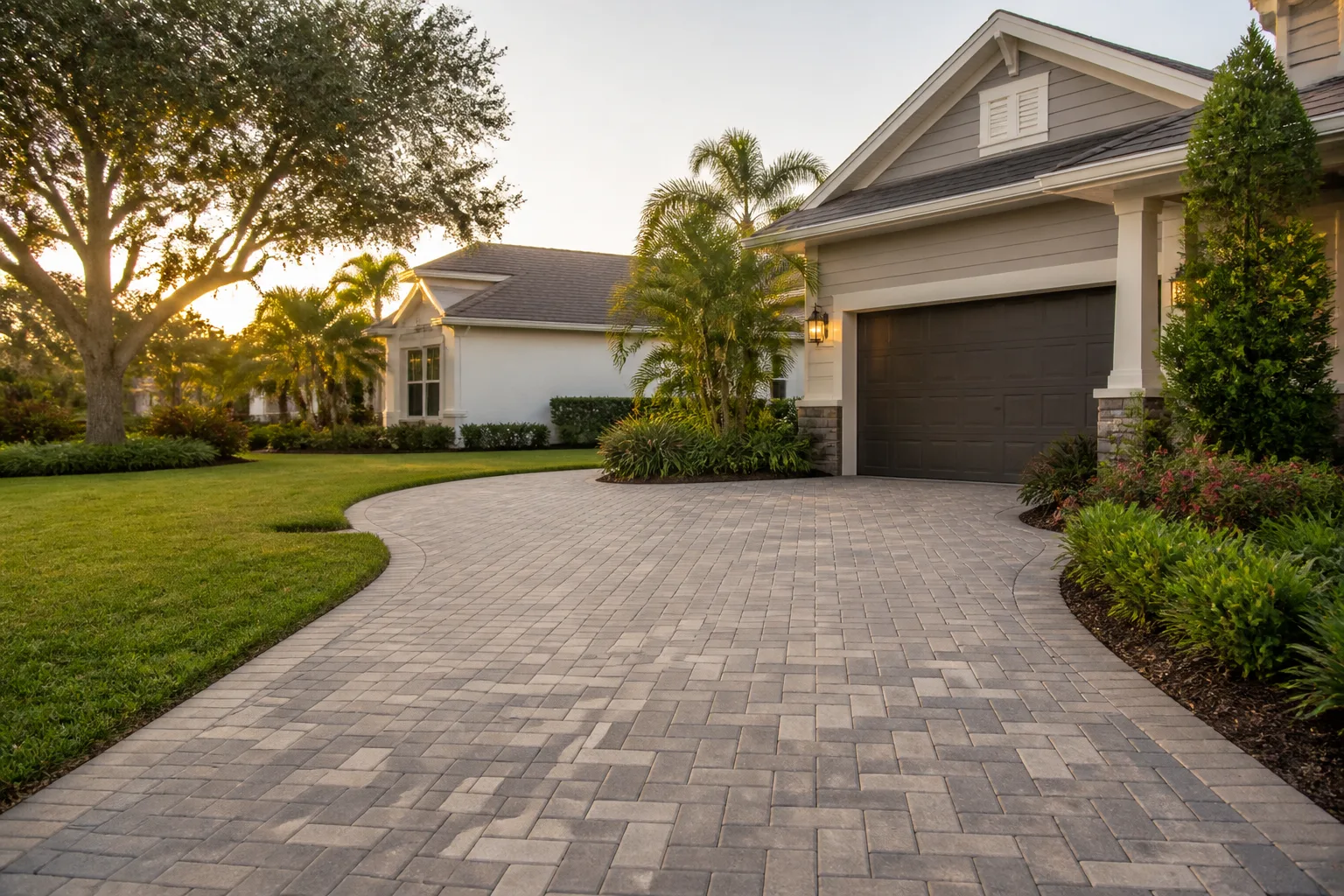
In Enterprise, NV, a paver driveway realistically lasts anywhere from 7 to 40 years depending on three things: the UV stability of the paver’s pigment and surface, how well the base performs on the engineered fill many southwest lots sit on, and whether the polymeric sand joints get maintained against desert wind erosion and harvester ants. The “25-50 years” figure floating around the internet was tested in places like Portland and Charlotte, not where surface temps hit 150°F and the ground underneath spent two decades settling. If you want an honest read on your own driveway, call (844) 797-4406 and we’ll tell you what we see.
Enterprise is Las Vegas’s southwest growth corridor, and most of the housing here is 1990s-to-present stucco-and-tile suburban stock in places like Southern Highlands and Mountain’s Edge. That matters for paver lifespans because much of it was built new on sloped, engineered-fill lots rather than flat infill in older parts of the valley. Fill settles. Pavers ride on top of what settles. That single fact drives more driveway failures in Enterprise than any other cause, and it’s the piece the generic “how long do pavers last” answer skips entirely.
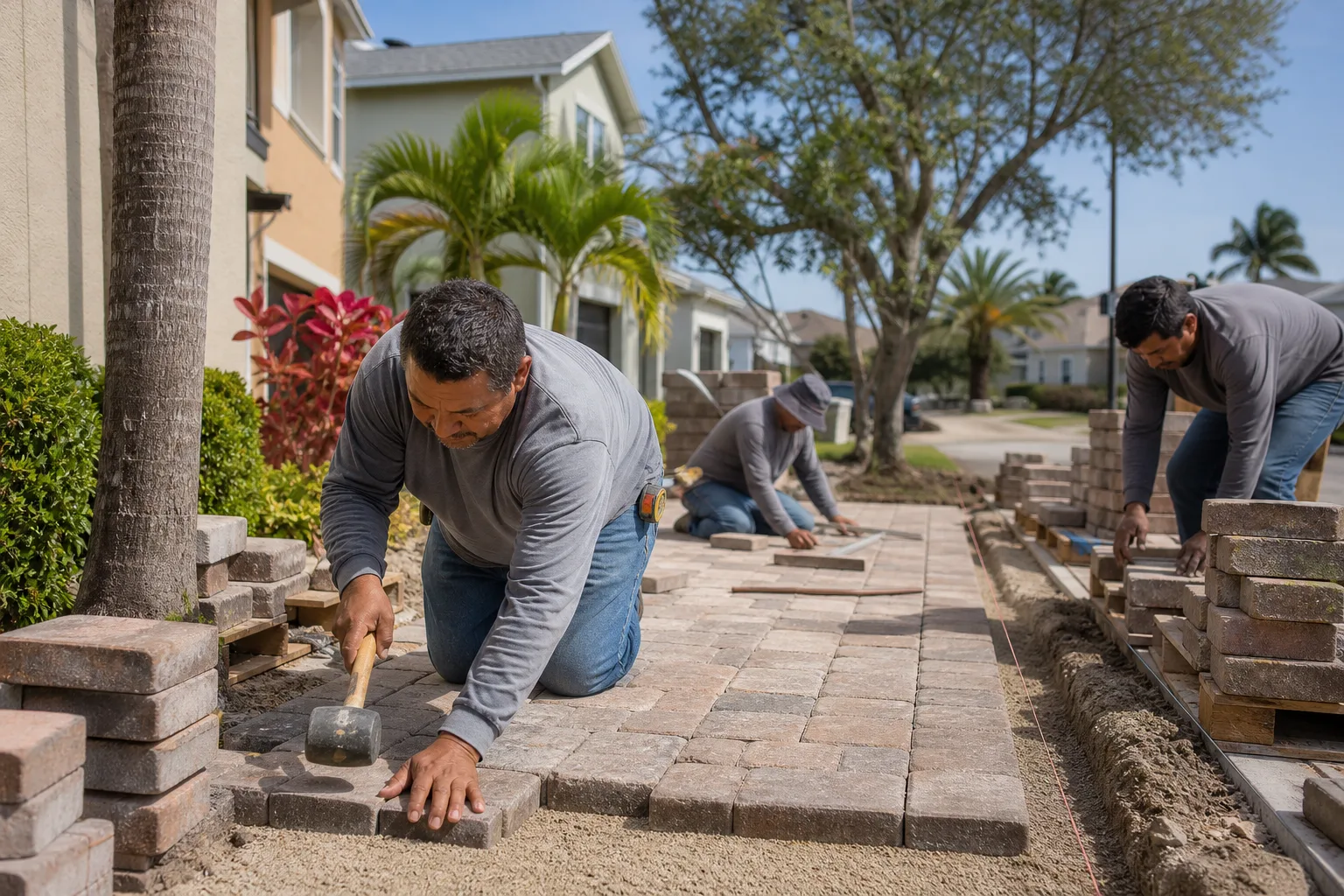
What Are the Three Honest Lifespan Scenarios for a Paver Driveway in Enterprise?
You can put almost any paver driveway into one of three buckets. Which one yours falls into depends on the material you chose and, more importantly, the base work done under it.
- 30-40 years: Well-specced travertine or high-density concrete pavers set on a properly compacted, well-drained base, with polymeric sand joints reapplied as needed. This is the ceiling in Enterprise, and it’s achievable.
- 12-18 years: Standard concrete pavers on a marginal base with no joint maintenance. You’ll see widespread rocking, shifting, and drainage failure well before the paver itself fails. The paver doesn’t die; the base under it does.
- 7-10 years: Budget pavers on an improperly compacted fill lot. These need a full reset (tear out and rebuild) before the end of the first decade, no exceptions.
The pattern we see on foothill-edge lots is telling: the paver surface looks fine while the edges are already heaving, because the base was under-compacted at the perimeter during a hot-weather pour. Heat-safety scheduling in Enterprise’s summer (highs routinely above 105°F) sometimes pushes compaction work into cooler windows, and a rushed base is the most common reason a young driveway starts to fail. It’s a base problem wearing a paver costume.
Why Polymeric Sand Joints Matter More Here Than Almost Anywhere Else
If you want the short version of what separates a 35-year driveway from a 12-year one in this climate, it’s the joints. In humid climates, polymeric sand joints can stretch 8-10 years before reapplication. In Enterprise, plan on 4-6 years. Two desert-specific forces erode them faster.
First, Mojave wind erosion. Wind-driven grit scours the joint sand loose over time in a way that just doesn’t happen in wetter markets. Second, harvester ants are endemic to the Las Vegas Valley, and they love a loose, sandy joint. An ant colony under a driveway isn’t just an annoyance; it’s actively undermining the joint stability that keeps pavers locked together. A joint reapplication every 4-6 years is the maintenance line item that belongs in your long-term cost planning, and most homeowners don’t hear about it until the pavers start rocking.
Here’s the wider difference: paver driveways are more repairable than poured concrete, which is the whole case for them if you’re on a fill lot. When a section fails from settlement, individual pavers can be lifted, the base re-compacted, and the same units reset. A concrete driveway in the same spot requires a full-section saw-cut and replacement that runs 3-5x more for the same affected square footage. That repair advantage is the strongest reason to choose pavers in Enterprise.
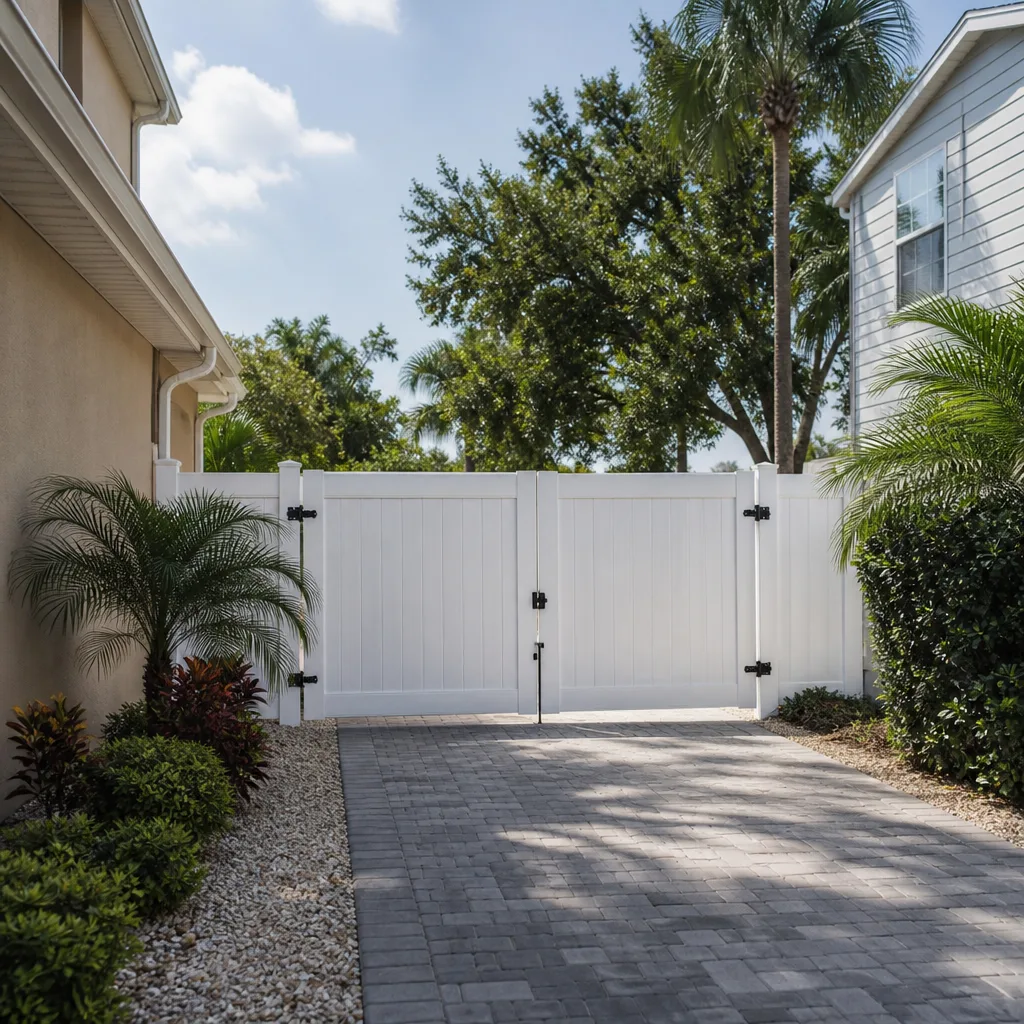
How Do You Choose Pavers That Actually Hold Up Here?
The right paver choice in Enterprise has less to do with color and more to do with how the surface handles UV and heat cycling. Look for high-density concrete pavers or travertine, and ask specifically how the pigment is UV-stabilized. Color fading in the first decade is a real problem for cheap pavers in full desert sun. A few things we tell homeowners to check before they sign:
- Confirm the base spec, not just the surface. Ask how deep, what material, and how many compaction passes.
- Ask about edge restraint. Weak edges are where desert heat and shifting fill do the most damage.
- Check the drainage plan. On sloped Enterprise lots, water has to leave the property without pooling under the pavers.
- Get the joint maintenance plan in writing. If no one mentions polymeric sand reapplication, that’s a red flag.
At Groundwork Construction Co. of Enterprise, our technicians have up to 12 years of experience, and we steer homeowners toward desert-proven paver specs rather than whatever product carries the highest margin. That’s the same accountability standard we apply across every trade, and it’s why we work with a curated set of brands we trust. When we’re selecting surfacing and finishes for kitchens or exterior projects, that means names like Cambria and Caesarstone; for pavers it means products we’d put on our own driveways. The selection matters as much as the install.
What Does a Paver Driveway Cost in Enterprise, and What’s Covered?
Paver driveway installation in Enterprise typically runs $7,000-$18,000, with the spread driven mainly by square footage and base prep depth. On sloped or engineered-fill lots, proper base work is a bigger line item, and that’s where the honest number lives. Here’s the pricing you can plan around:
| Service | Price Range |
|---|---|
| Paver Driveway Installation | $7,000-$18,000 |
| Driveway Replacement | $5,000-$14,000 |
| Concrete Driveway Installation | $4,500-$12,000 |
| Driveway Sealing | $250-$700 |
| Paver Patio Installation | $3,500-$11,000 |
Every paver driveway we install is covered by our 730-Day Done Right Promise. If it’s not done right, we make it right. For the first two years, base failures, edge-restraint movement, and drainage-pattern errors are corrected at no charge to you. That’s the window when most base failures in Enterprise actually reveal themselves, because the first few monsoon seasons do the testing. We also offer a free project estimate and design consult, upfront pricing with the number you see being the number you pay, and 0% financing for 18 months. On projects over $10,000, you get $1,000 off.
You can see the full scope of what we handle, from base prep to the finished surface, on our Driveway & Pavers page. For more on the specific options we install in Enterprise, see Driveway & Pavers in Enterprise.
How Long Do Paver Driveways Last on a Fill Lot in Enterprise?
Paver driveways on engineered-fill lots in Enterprise typically last 7-18 years unless the base is properly compacted and drained, because continued consolidation under the pavers will cause rocking and joint failure long before the paver surface itself wears out. The foothill-edge subdivisions that back onto open desert are the ones to watch, since they’re building on graded pads and sloped fills rather than flat ground. If your home is in one of those areas, ask specifically about base compaction history before you buy a paver quote. Our team at Groundwork Construction Co. of Enterprise checks that before quoting, and you can reach us at (844) 797-4406 for an assessment.
FAQs
A paver driveway in Enterprise lasts 7-40 years depending on material quality, base prep, and joint maintenance. Well-installed travertine or high-density concrete pavers on a solid base run 30-40 years; standard pavers on a marginal base run 12-18 years; budget pavers on an under-compacted fill lot need a full reset in 7-10 years. Call (844) 797-4406 for an honest read on where your driveway sits.
Repair is almost always cheaper for a paver driveway with isolated section failure: individual paver units can be lifted, the base re-compacted, and the same pavers reset. A concrete driveway in the same situation needs a full-section saw-cut and replacement at 3-5x the cost for the same area. For local repair questions, call (844) 797-4406 – estimates are free.
Every 4-6 years in Enterprise, compared with 8-10 years in more humid climates. Mojave wind erosion and harvester ants endemic to the Las Vegas Valley both break down joint sand faster than rain-driven climates do. If you’re seeing loose sand or ant activity, it’s time. Call (844) 797-4406 to schedule a joint assessment.
Yes, and we do it regularly on the sloped, engineered-fill lots common along Enterprise’s foothill edges. The base work is more involved than on flat ground, which is why proper compaction and drainage planning matter so much here. Call (844) 797-4406 for a free estimate and we’ll walk your lot and tell you what it needs.
If you’d rather have a professional assess your current paver driveway or talk through a new install, Groundwork Construction Co. of Enterprise offers a no-pressure estimate in Enterprise for free. Call (844) 797-4406 and a live person will pick up, 24/7.
Written by the team at Groundwork Construction Co. of Enterprise, serving Enterprise, NV.