Free written scope consultation - allowances, timeline, and change-order rules on paper before a single trade is scheduled
Styles & brands we work with
- Kitchen remodeling
- Bathroom remodeling
- Home additions & ADU
- Roofing
- Windows & doors
- Driveway & pavers
- Fence
See the difference
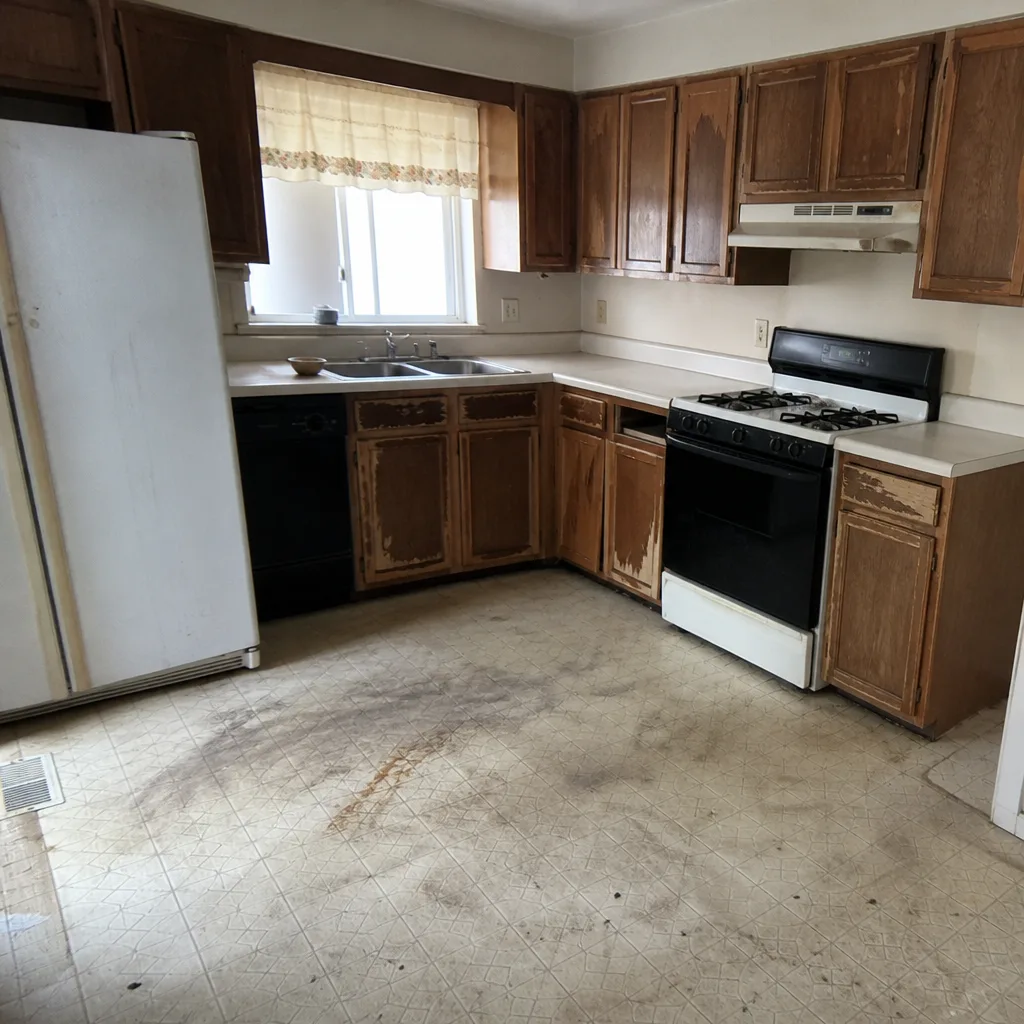 Before
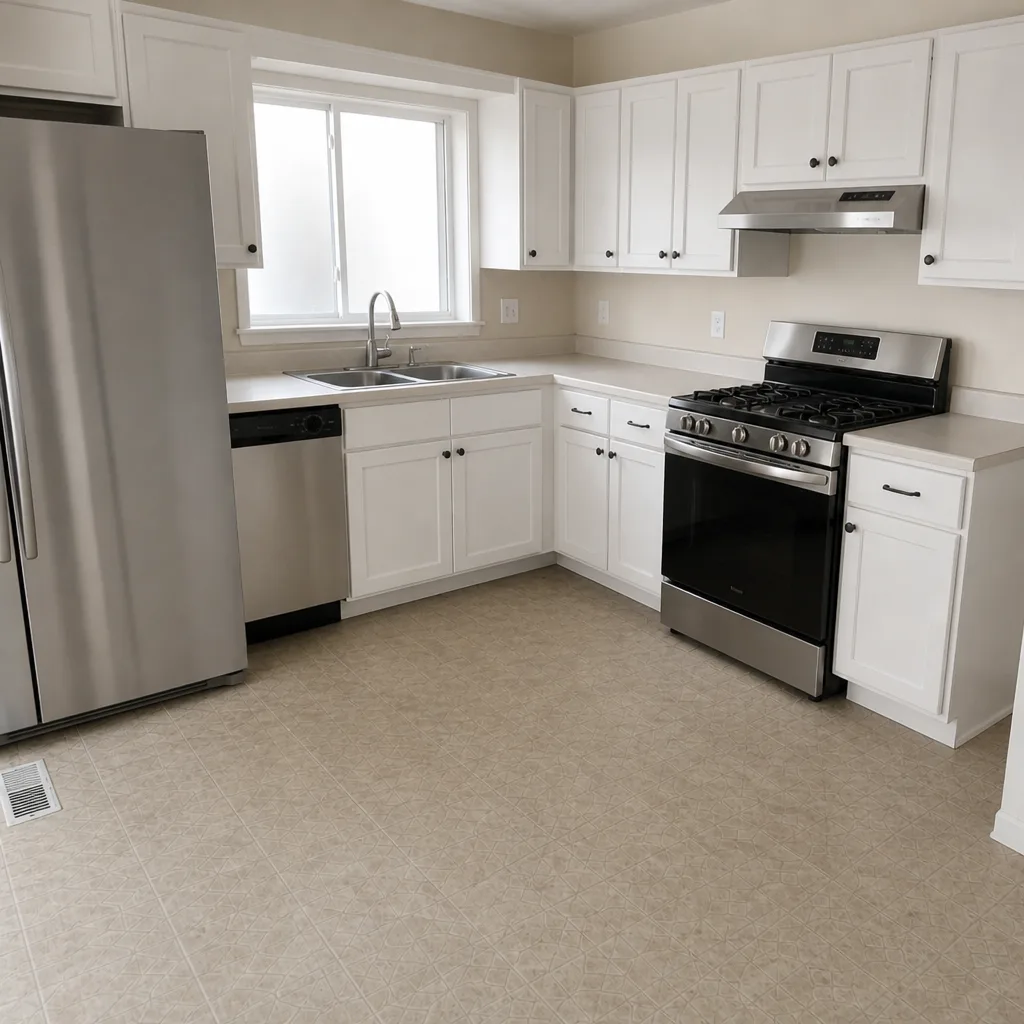 After
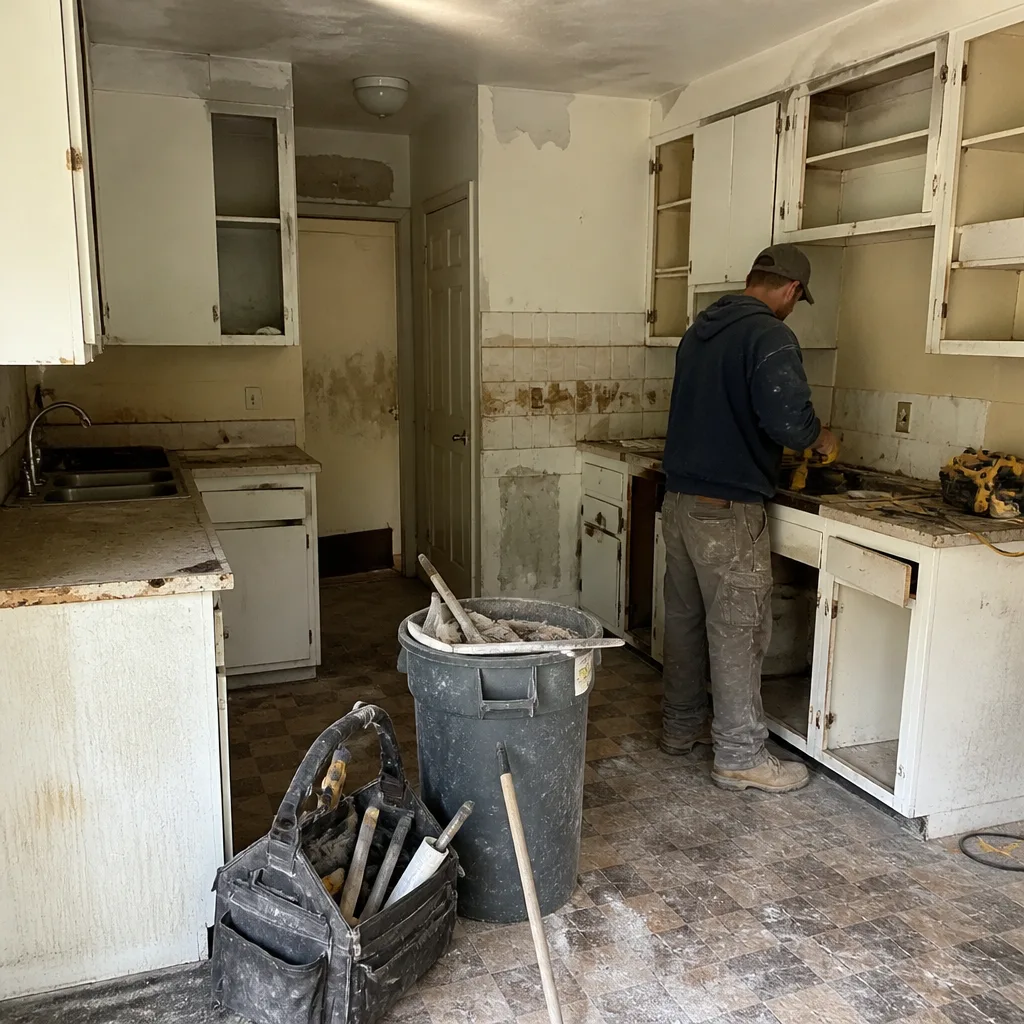 Before
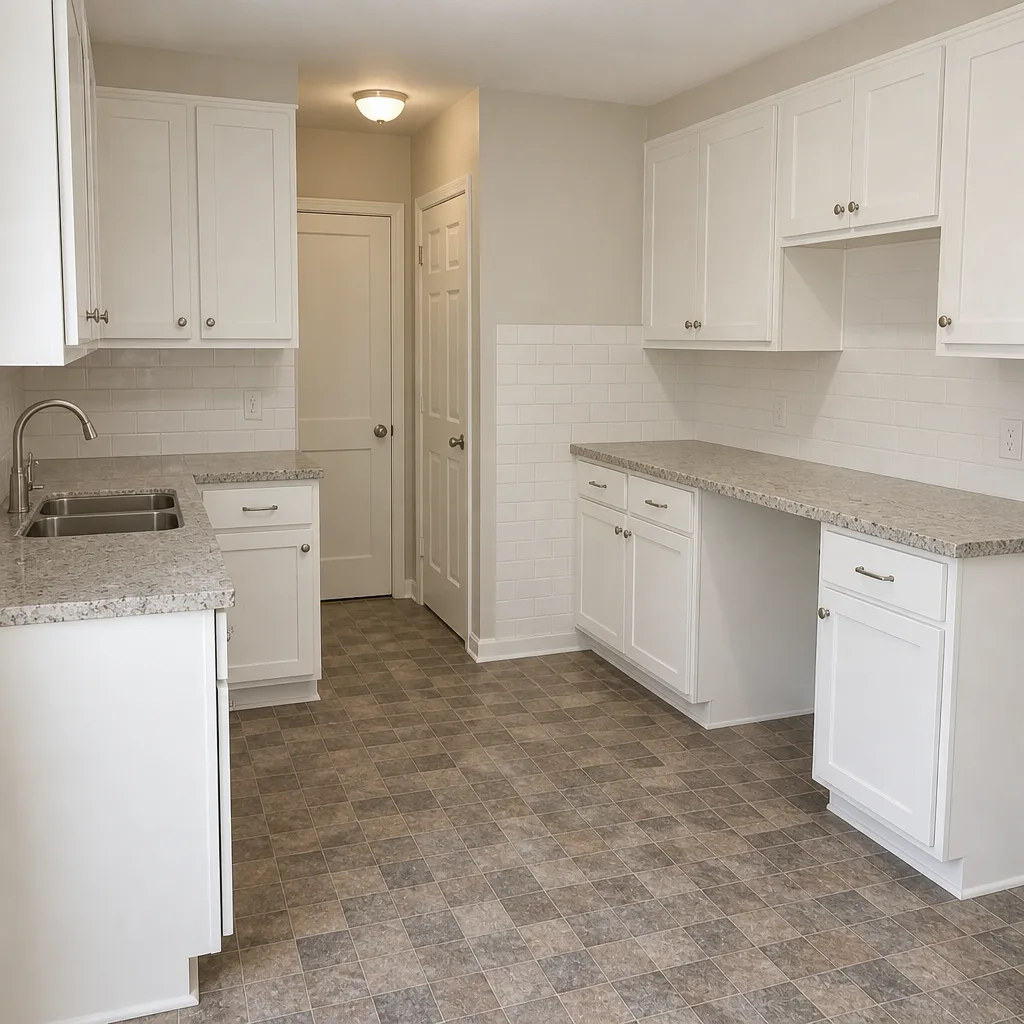 After
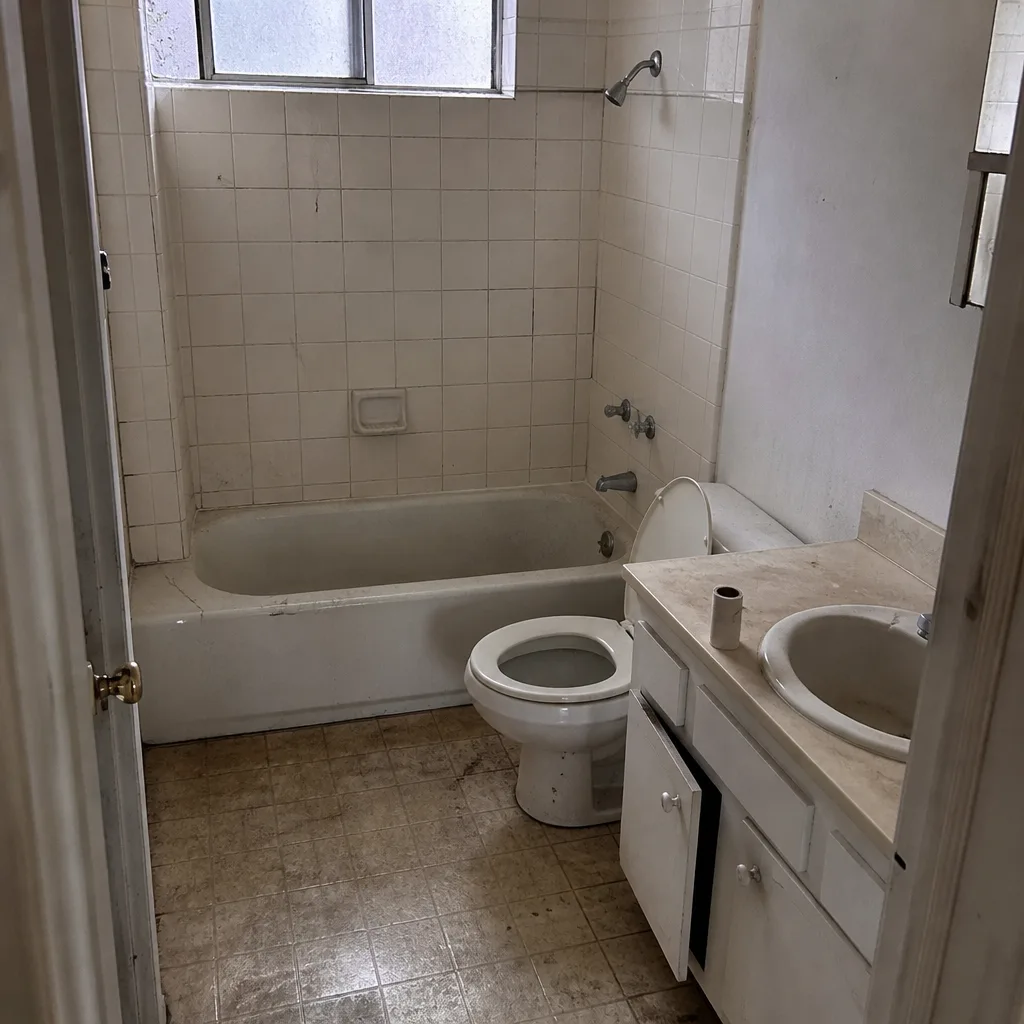 Before
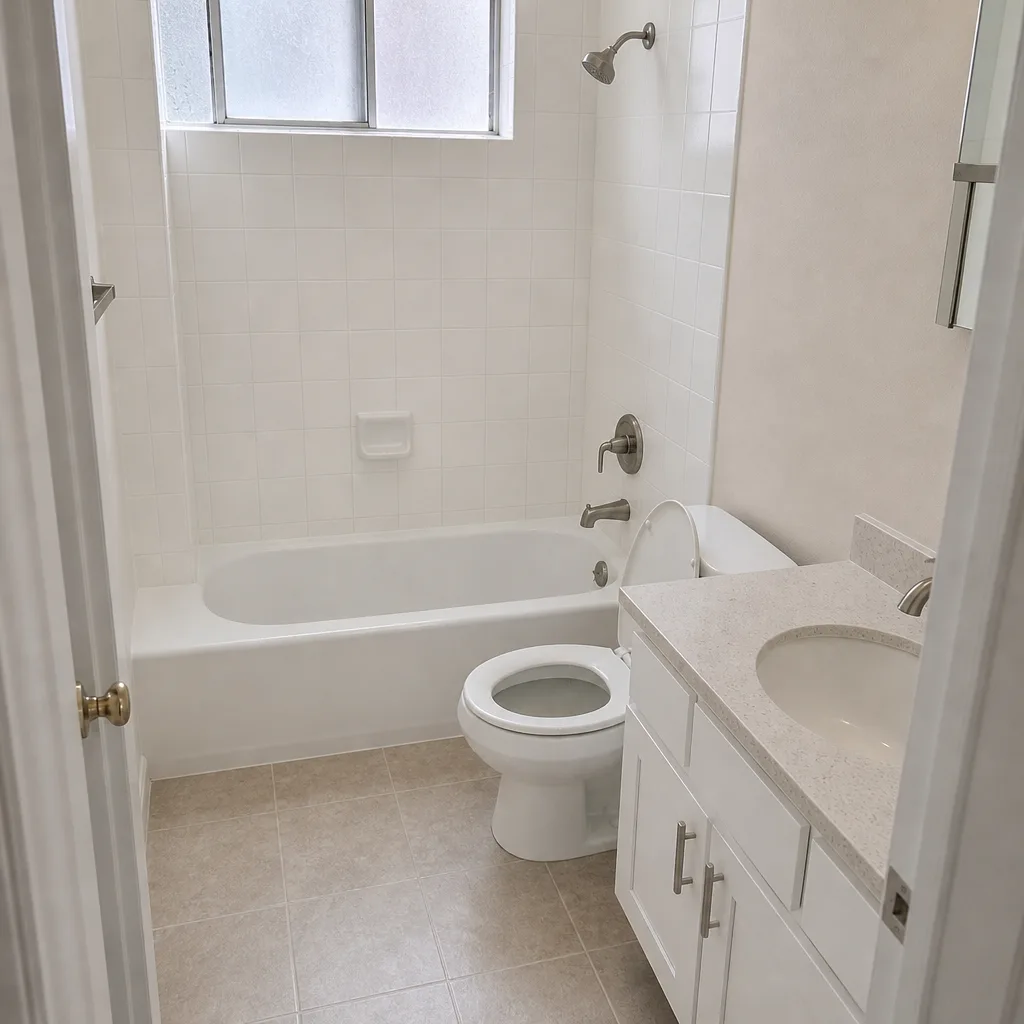 After
How Thick Should a Concrete Driveway Be in Enterprise, NV?
The short answer: 4 inches is the code minimum for a residential driveway, but on most Enterprise lots the right number is 5 inches, and on verified native soil it’s 4.5 inches. Four inches of unreinforced concrete will pass a Clark County inspection. It will also crack within a handful of years on a fill lot in Enterprise, where slab surface temperatures swing from roughly 20°F on a January night to 150°F in July sun. That 130-degree delta is the whole story behind driveway thickness out here. Call (844) 797-4406 and we’ll walk your lot before anyone talks about a pour.
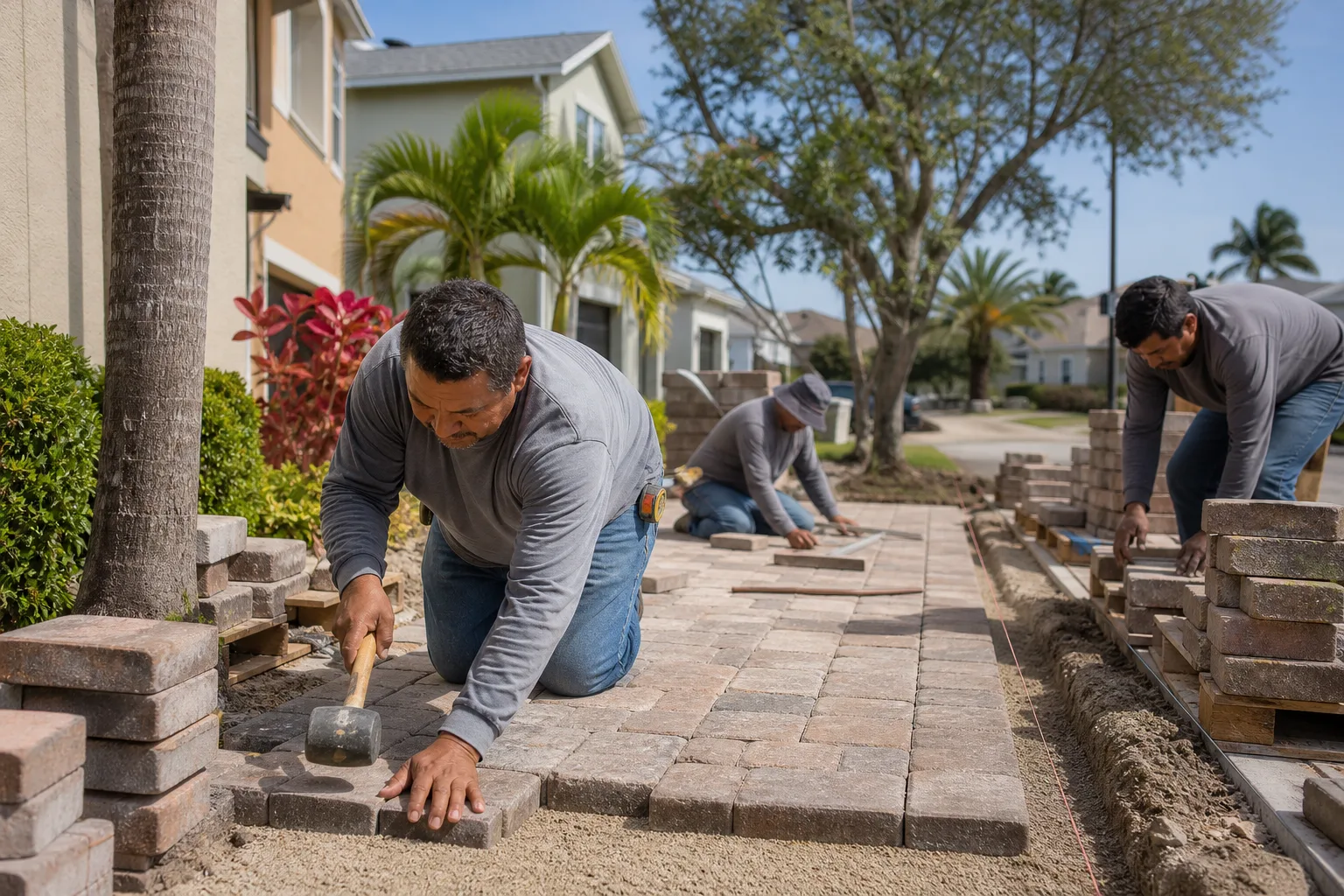
Why 4 Inches Is the Floor, Not the Target, in Enterprise
Drive through Mountain’s Edge or the newer phases pushing toward the Sloan and Blue Diamond foothills and you’re looking at something most of the valley doesn’t have: graded pads sitting on engineered fill. These lots were cut and filled to build a subdivision, not left as stable native caliche. When a slab is poured over fill that wasn’t tested and compacted in lifts, the base consolidates unevenly under load, and the concrete has to span voids it was never designed to carry.
That’s before the desert works on it. A standard 4-inch unreinforced slab expands and contracts through that 130-degree cycle year after year. Without reinforcement to hold the crack faces together, the slab splits and the halves drift apart. We’ve pulled out 4-inch slabs in Enterprise that were six years old and had quarter-inch gaps running corner to corner. The thickness printed on the plan was correct. The spec underneath it wasn’t.
What Thickness and Reinforcement Actually Hold Up Here
Here’s what we specify for Enterprise driveways that will see regular vehicle traffic, based on lot conditions rather than what’s cheapest to pour:
| Lot Condition | Slab Thickness | Reinforcement |
|---|---|---|
| Verified native soil, well-drained | 4.5 inches | #3 rebar, 18-inch grid |
| Engineered fill / graded pad | 5 inches minimum | #4 rebar, 18-inch grid |
| Grade over 5%, downhill edge | 6-8 inch thickened edge beam | #4 rebar plus edge dowels |
| Control joints | Cut to 25% of slab depth | Spaced 10 feet max |
The rebar is the piece homeowners most often skip. Fiber mesh gets sold as a substitute because it’s cheaper and mixes straight in. Fiber helps with surface micro-cracking, but it does not hold a structural crack together once thermal movement opens it. Rebar does. On a desert slab that moves twice a year, that difference decides whether your driveway is one piece in ten years or four.
The Sub-Base Matters More Than the Number on the Plan
A 6-inch slab on a poorly compacted fill base will crack faster than a 4.5-inch slab on a base that was tested and compacted in proper lifts. Thickness only buys you so much when the ground underneath is moving. That’s why pre-pour compaction testing isn’t an upsell in Enterprise – it’s the step that tells us whether we’re pouring on native soil or bridging somebody else’s fill.
Control Joint Depth and Spacing
Control joints need to be cut to 25% of slab depth – 1 inch on a 4-inch slab, 1.25 inches on a 5-inch slab – and spaced no more than 10 feet apart in this climate. Wider spacing looks cleaner the day of the pour and cracks randomly within a few summers. On a desert slab, joint spacing is not a cosmetic decision.
Slope Changes the Spec
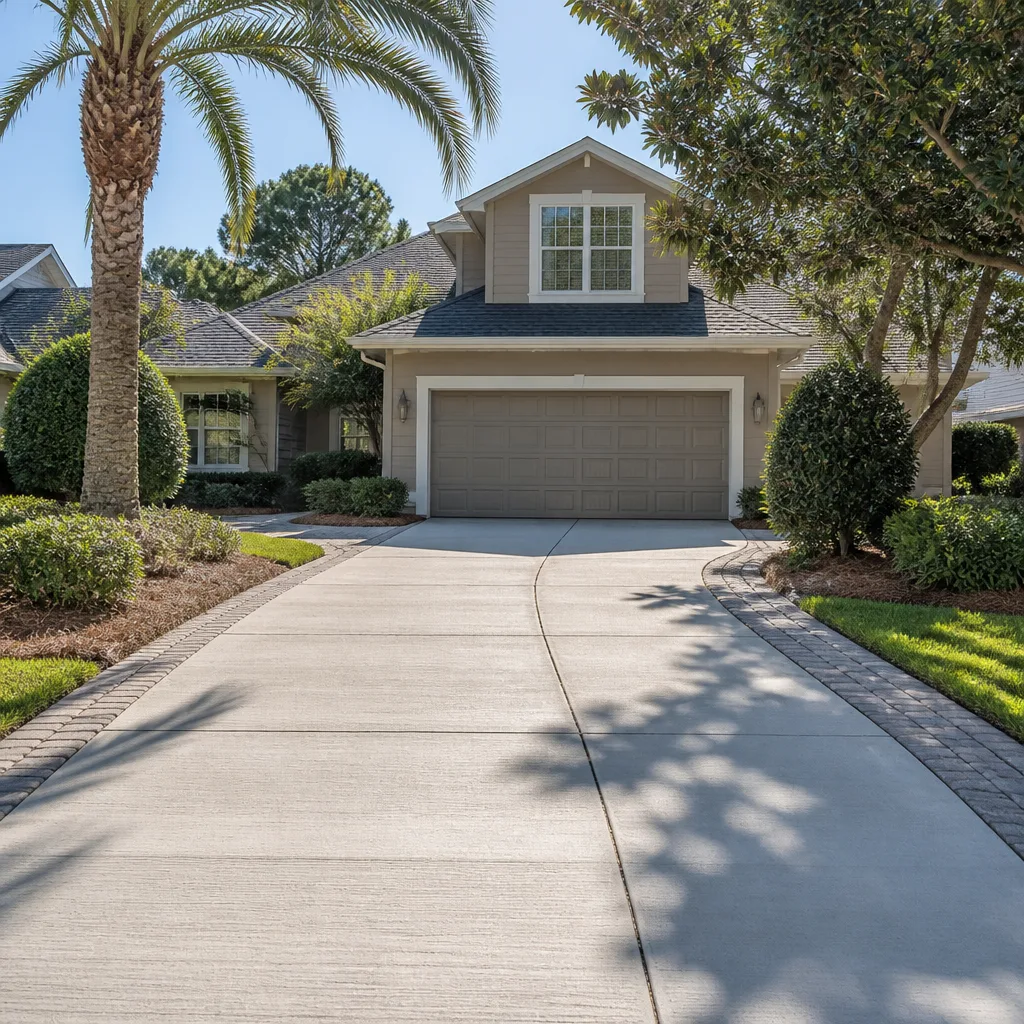
Foothill driveways in Enterprise that exceed a 5% grade need thickened edge beams, typically 6 to 8 inches at the downhill edge, to resist the moment forces from vehicles braking on the grade plus the slab’s own weight. A flat-lot spec dropped onto a sloped pad is one of the more common failures we get called out to look at. If you’re weighing concrete against other surfaces, our Driveway & Pavers page covers how pavers handle grade differently, and the Driveway & Pavers in Enterprise page shows what that work looks like on our local projects.
What a Properly Spec’d Concrete Driveway Costs in Enterprise
For reference, here’s what a full concrete driveway installation runs in this market, alongside a couple of related options:
- Concrete driveway installation: $4,500-$12,000
- Paver driveway installation: $7,000-$18,000
- Asphalt driveway paving: $3,500-$9,000
- Driveway replacement: $5,000-$14,000
- Driveway sealing: $250-$700
Those ranges shift with square footage, access, and how much site work the lot needs before a pour. A fill lot that requires compaction testing and re-grading sits toward the top. Our upfront pricing means the number you see is the number you pay – no surprise line items after the crew shows up. We also answer the phone live, 24/7, so you’re not waiting until Monday to get a straight answer about your own driveway.
The Materials That Sit on Top of That Base
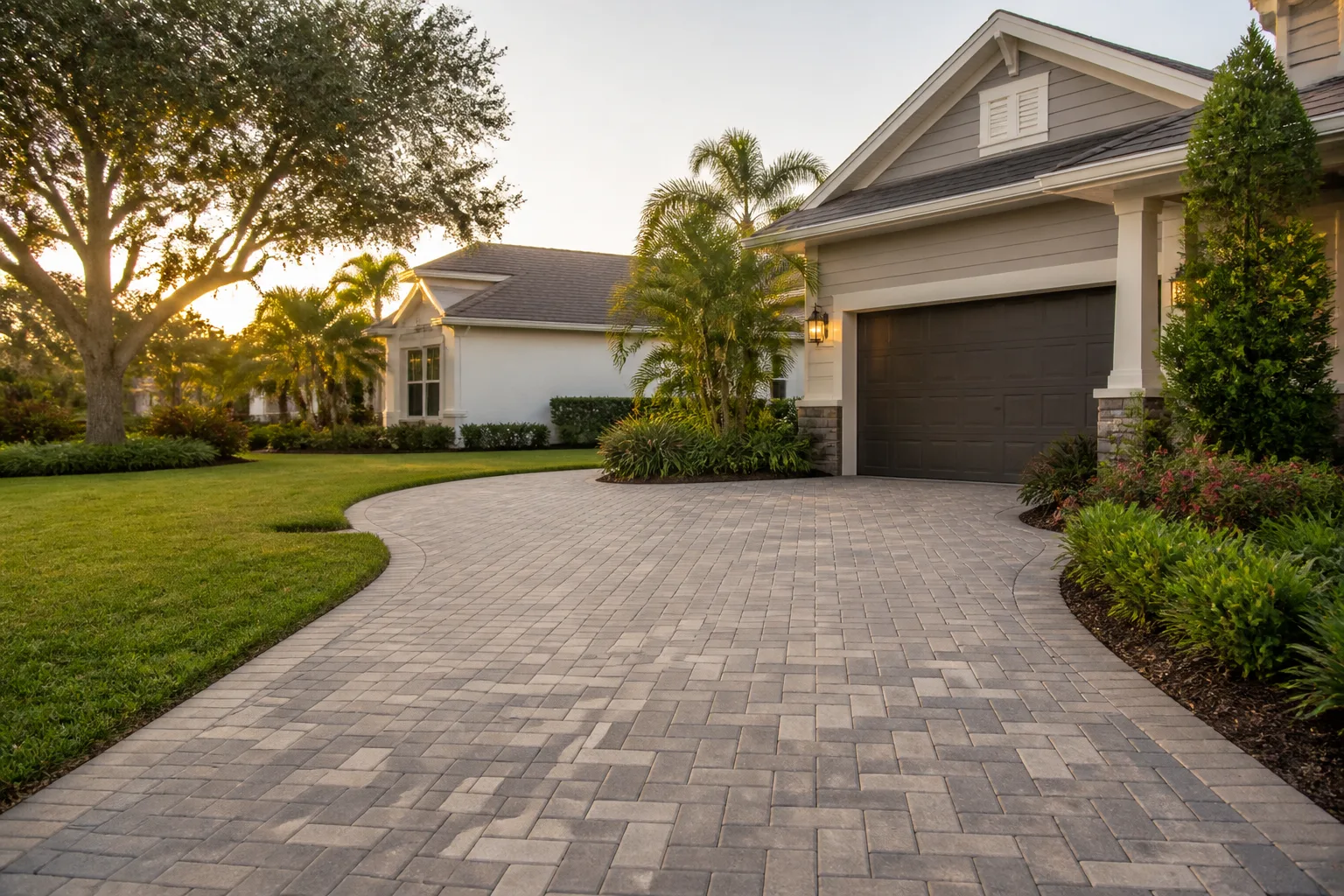
Concrete is one path. On lots where drainage or grade makes a poured slab a headache, we often set pavers instead – Techo-Bloc and Cambridge Pavers among the brands we work with, both of which handle thermal movement better because each unit can flex independently. Quikrete mixes cover the base and setting layers. If you’re comparing options, our home page lays out the full range of exterior work we handle, from driveways to fencing to the roof over your head.
FAQs
4 inches is the minimum most codes accept, but for a driveway that sees daily vehicle traffic, 4.5 to 5 inches is the better spec – and in Enterprise, 5 inches on a fill lot is what we recommend. Call (844) 797-4406 for an exact quote based on your lot – estimates are free.
It’s enough to pass inspection, but not enough to survive this climate’s thermal cycling on a graded fill pad. Four inches of unreinforced concrete on a fill lot here commonly cracks within five to eight years. Call (844) 797-4406 and we’ll assess whether your lot needs 4.5 or 5 inches.
On a desert slab, yes – reinforcement often matters more than an extra half-inch of concrete. Rebar holds crack faces together when the slab moves; fiber mesh alone doesn’t. Call (844) 797-4406 to talk through the right spec for your driveway.
Control joints should be spaced no more than 10 feet apart and cut to 25% of slab depth – 1 inch on a 4-inch slab, 1.25 inches on a 5-inch slab. Wider spacing on a desert slab is a leading cause of random mid-panel cracking. Call (844) 797-4406 for a free assessment.
Get the Spec Right Before the Pour
If you’d rather have it looked at, Groundwork Construction Co. of Enterprise offers a no-pressure assessment in Enterprise – call (844) 797-4406. Our technicians have up to 12 years of experience, every project is backed by our 730-Day Done Right Promise, and the price we quote upfront is the price you pay. Built to last, backed in writing.
Written by the team at Groundwork Construction Co. of Enterprise, serving Enterprise, NV.