


Free written scope consultation - allowances, timeline, and change-order rules on paper before a single trade is scheduled
Styles & brands we work with
- Kitchen remodeling
- Bathroom remodeling
- Home additions & ADU
- Roofing
- Windows & doors
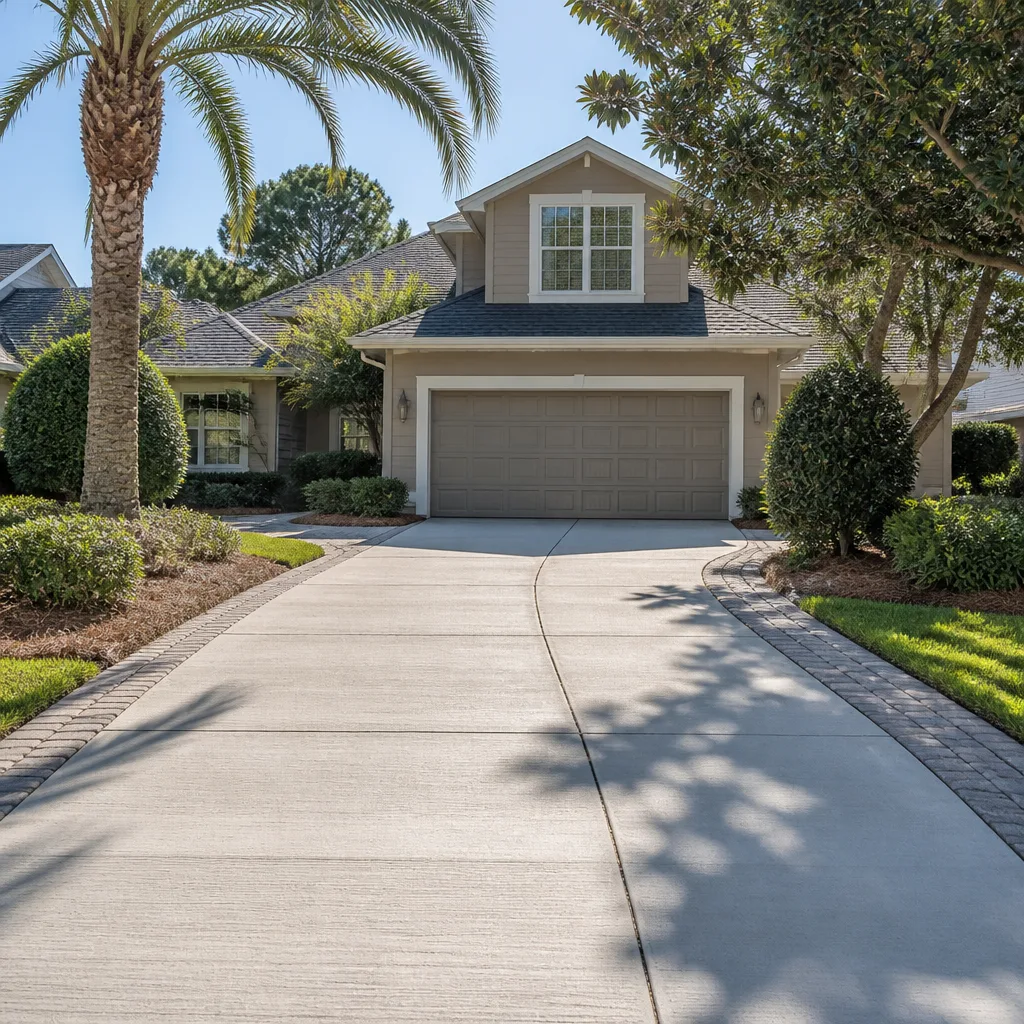
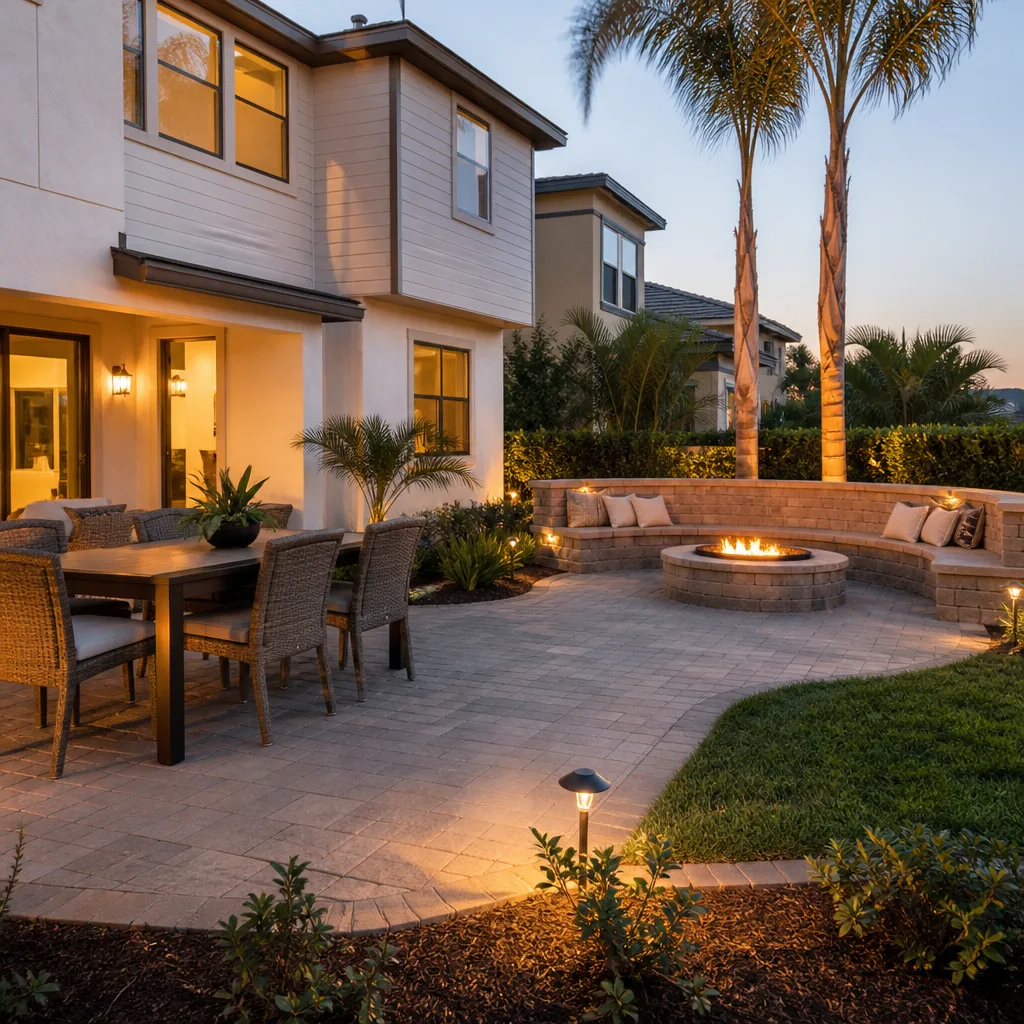
- Driveway & pavers
- Fence
See the difference
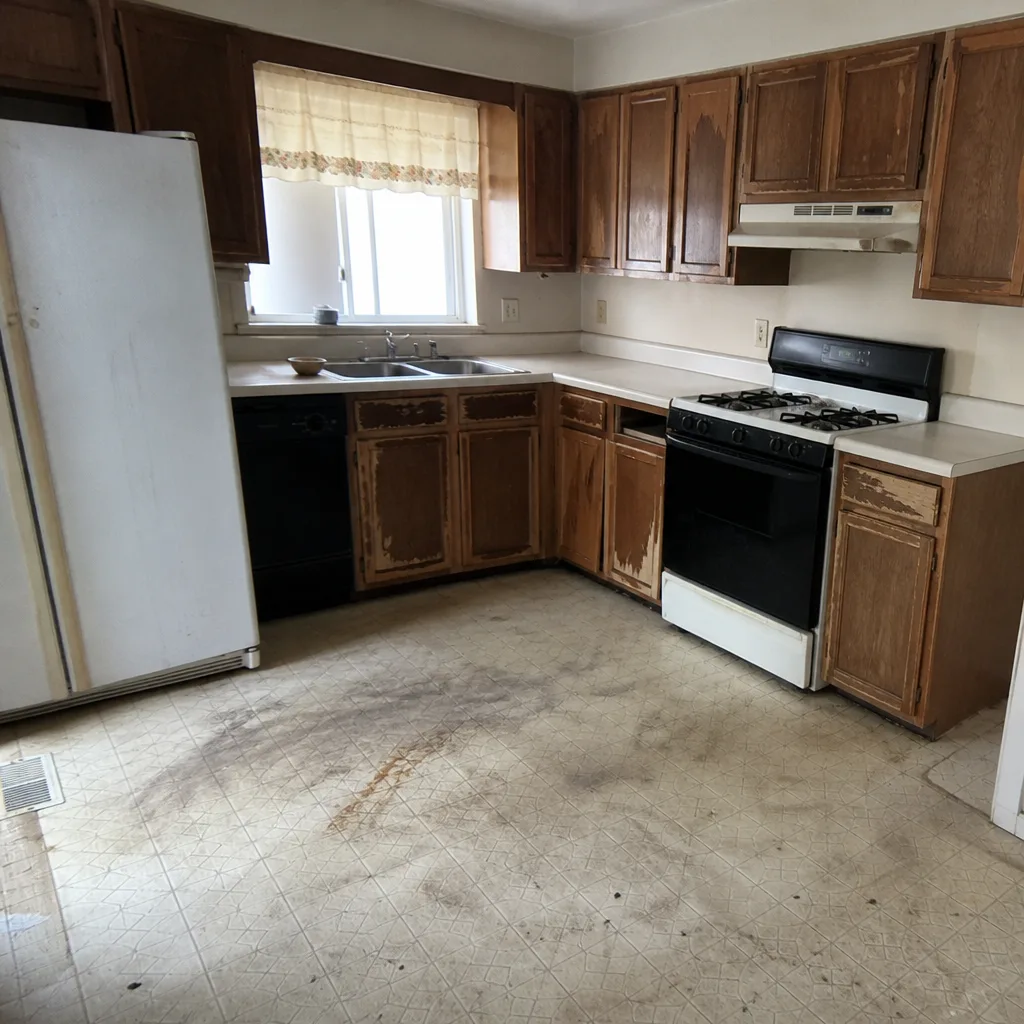 Before
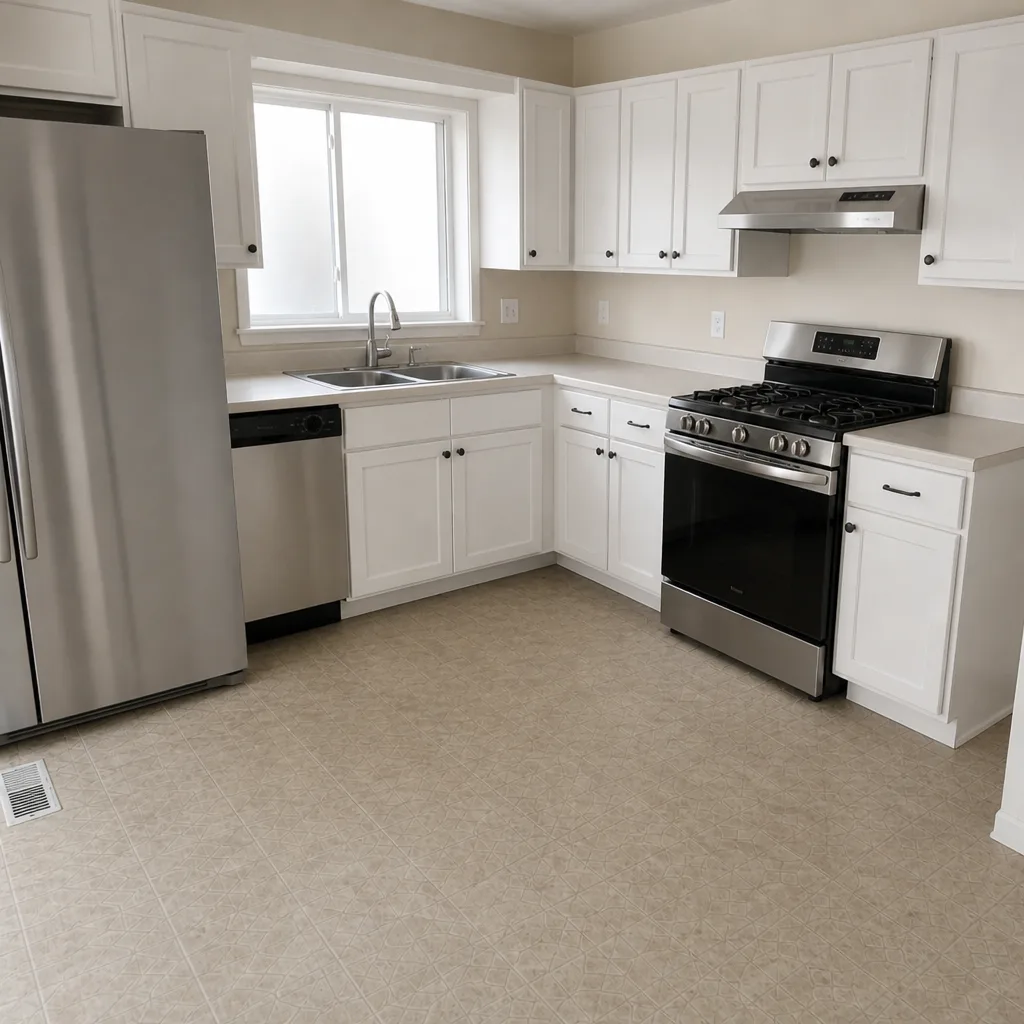 After
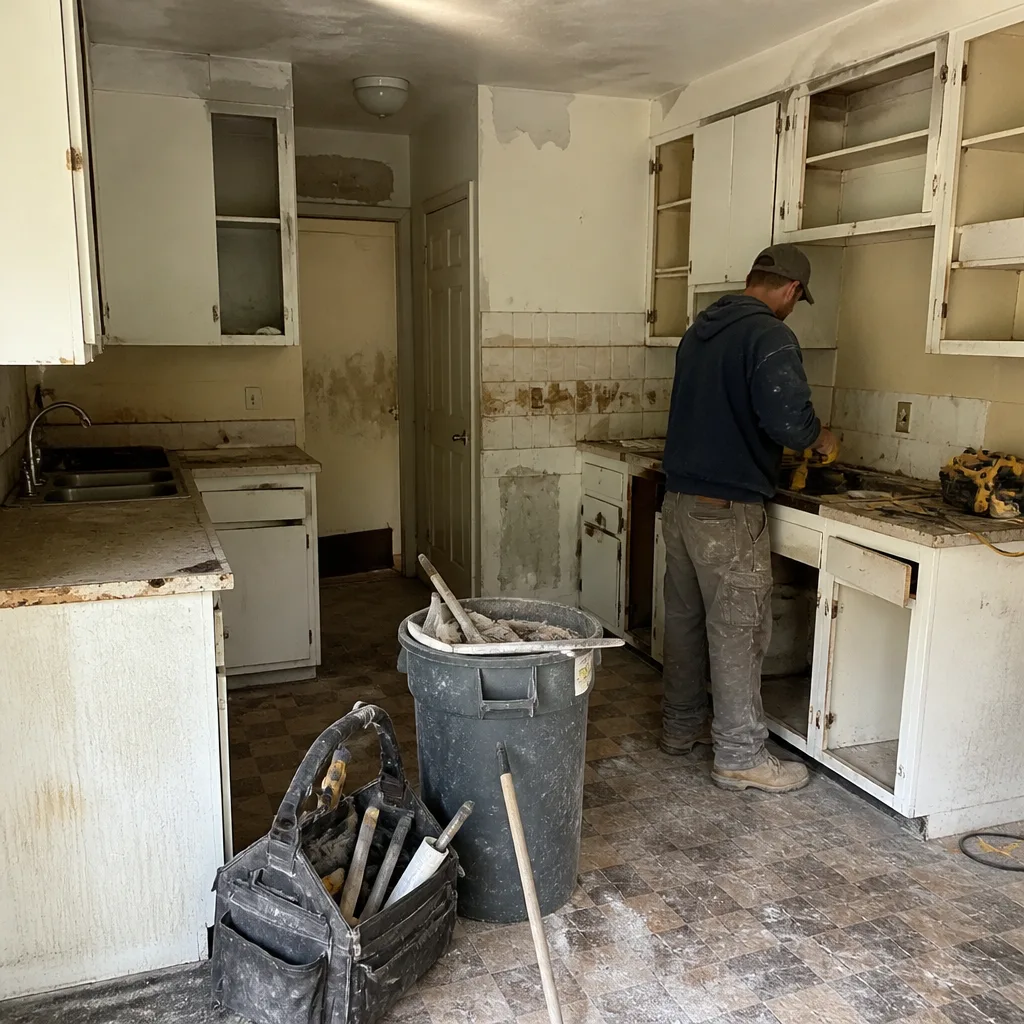 Before
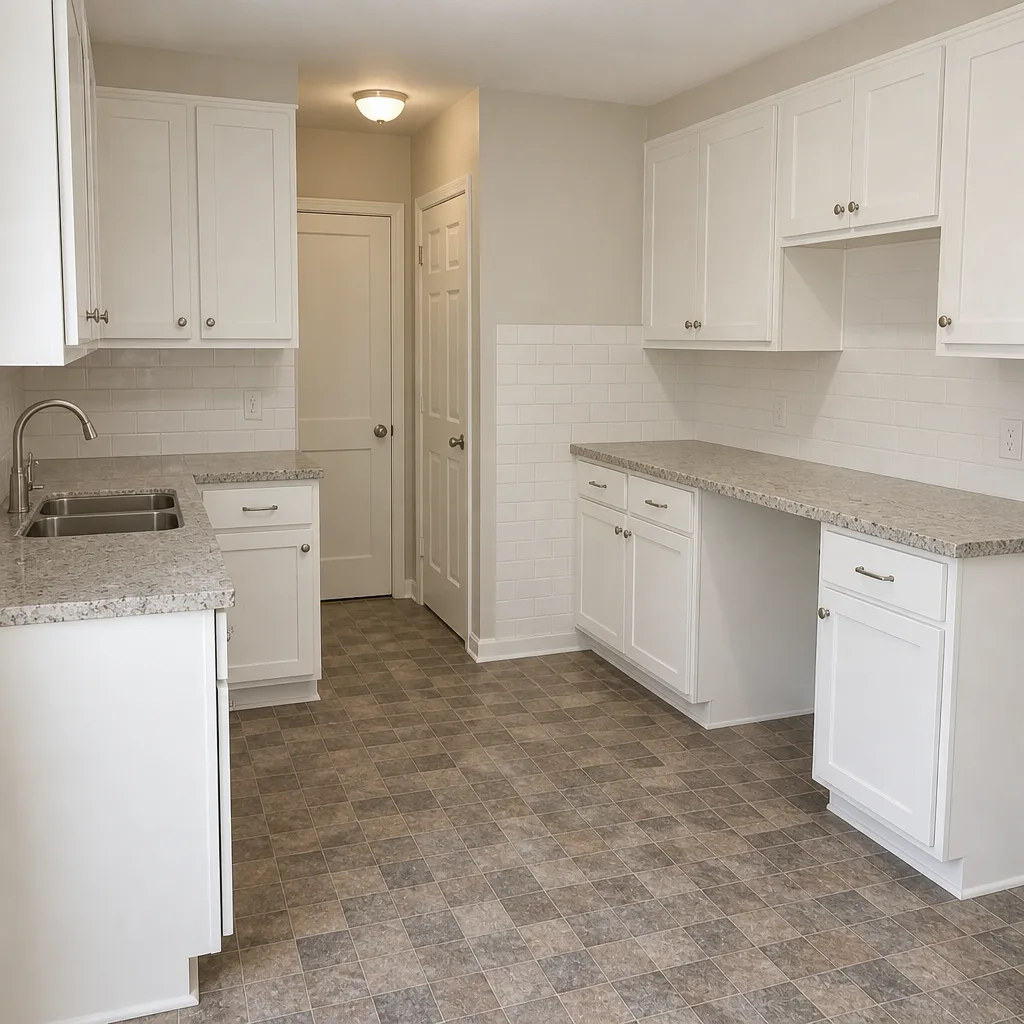 After
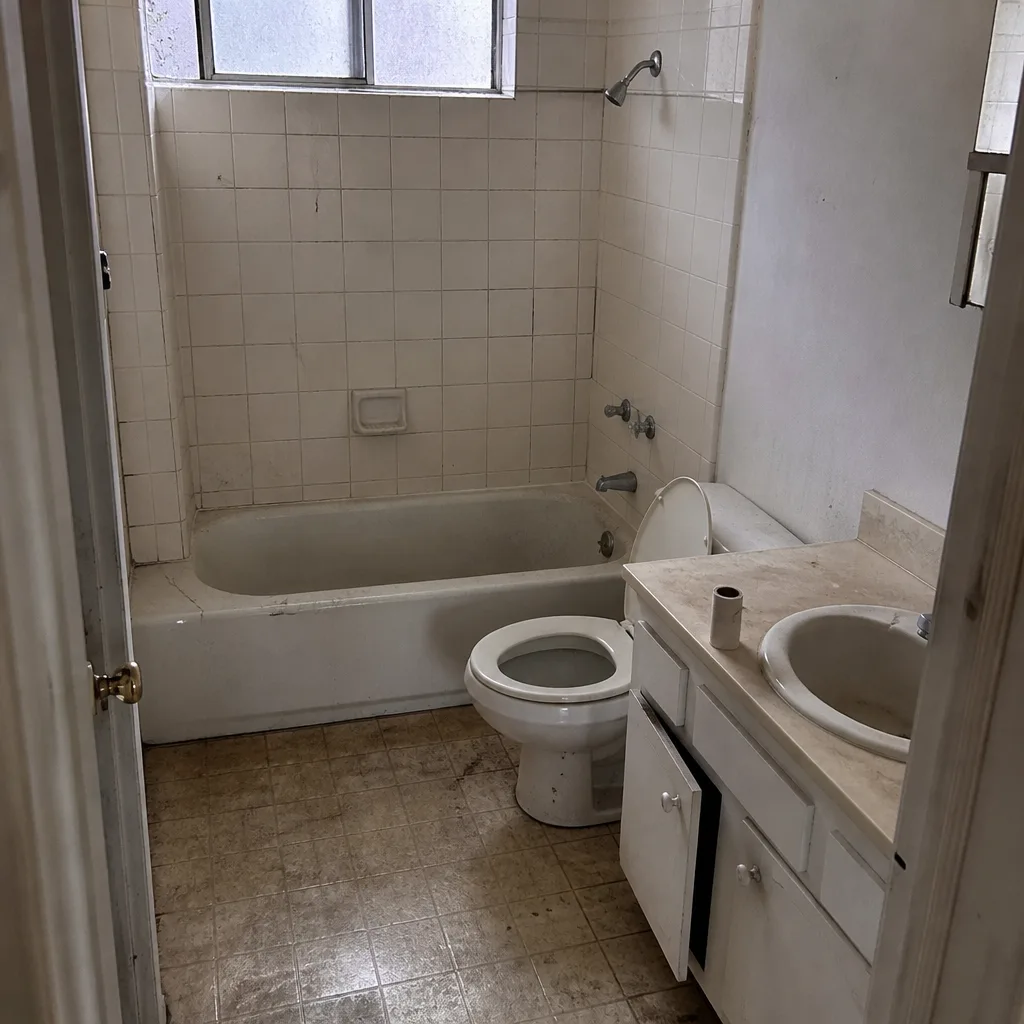 Before
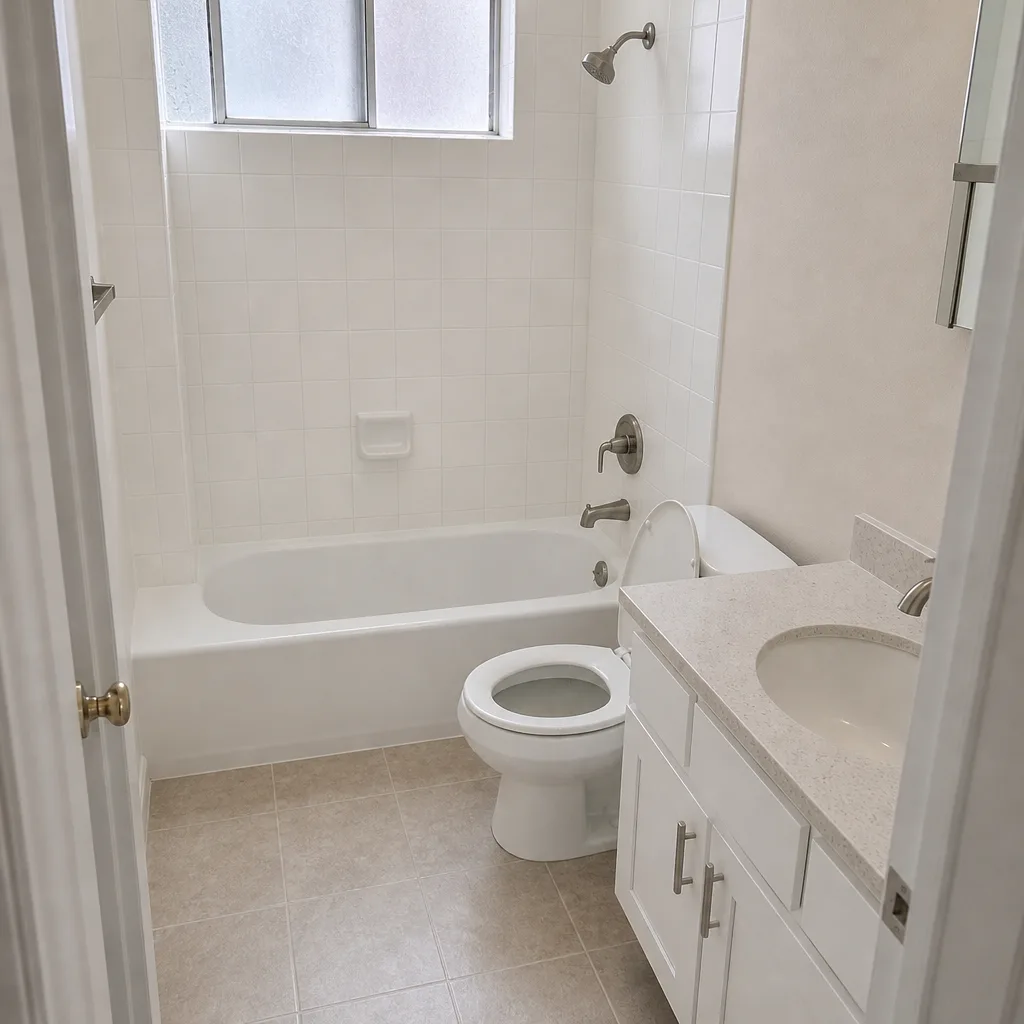 After
How Long Before You Can Drive on New Concrete in Enterprise, NV?
The short answer is seven days for a passenger vehicle and 28 days for full structural strength, but in Enterprise that number moves with the season. Seven days is the standard answer nearly every concrete page gives, and it assumes temperate curing around 70°F. In an Enterprise summer, where ambient air runs past 105°F and the fresh slab surface can hit 130°F or more in the first 48 hours, the curing chemistry runs on a different clock, and a contractor who doesn’t tell you that leaves you to find out with your car. Call (844) 797-4406 for a free estimate with the curing plan written into it.
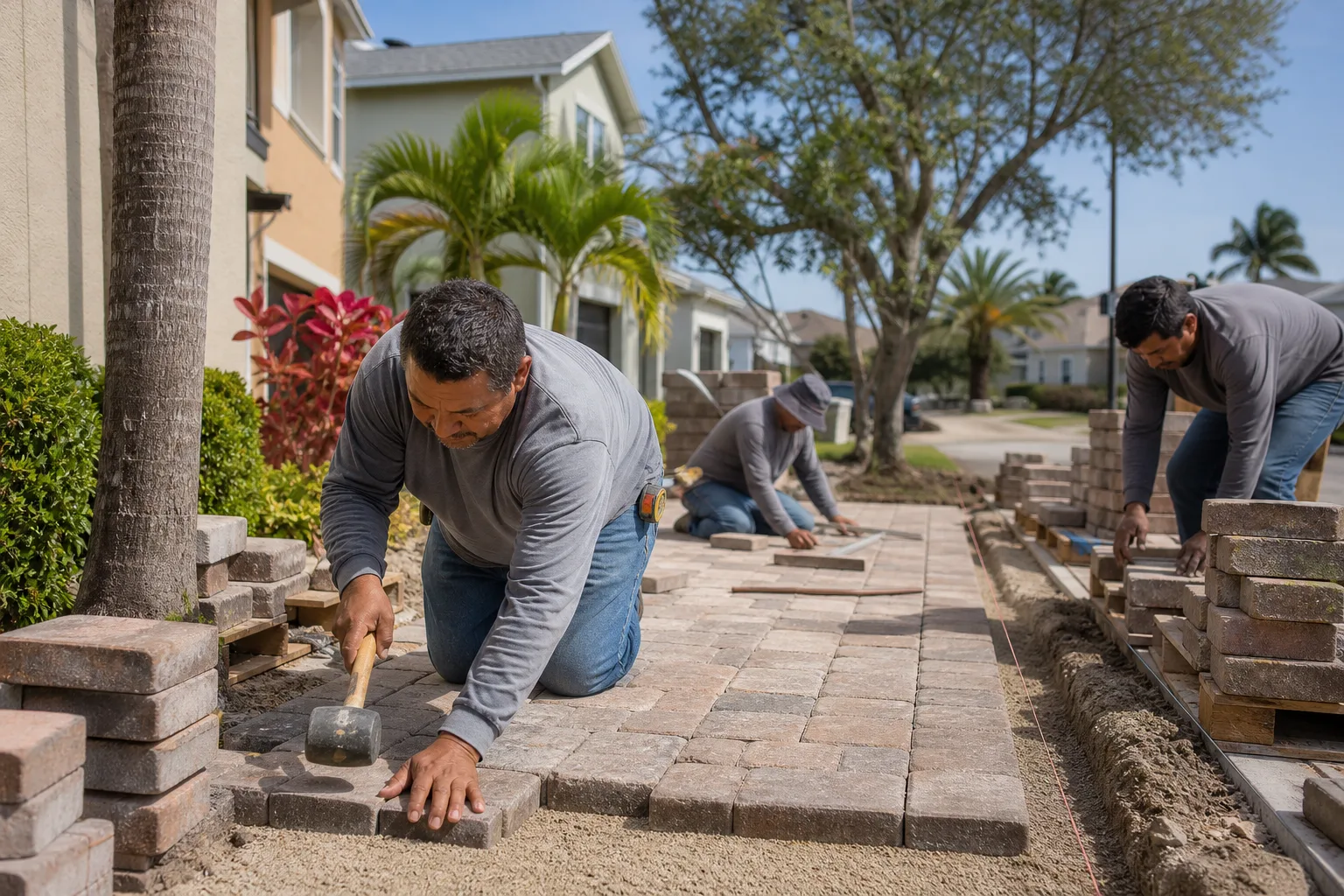
The desert curing paradox: why hot pours are both faster and slower
Extreme heat does two opposite things to a new driveway at once, and understanding both is what keeps you off a slab that isn’t ready.
First, heat accelerates early strength gain. A poured slab in Enterprise that sits at high surface temperature may reach roughly 70% of its design strength in 3 to 4 days instead of the 7 a cool-climate crew counts on. That’s the fast part. Second, the same heat drives surface moisture out of the concrete before the mix has finished hydrating, which is where plastic-shrinkage cracking starts. If nobody wets or covers the slab during the first 24 to 48 hours, the surface dries while the inside is still setting, and the cracks that show up weeks later started in that window.
Here’s the trap: fast surface strength is not the same as a finished cure. A slab can feel rock-hard underfoot on day three and still be developing strength deep in the matrix. Tires don’t just press down vertically; they also deliver point loads and slight lateral scrubbing every time a car pulls in and turns the wheel. On a heat-softened surface layer over a not-fully-cured matrix, that combination is what causes the scaling and tire-track impressions we see on driveways poured in June and July. In a cool climate those marks can be mostly cosmetic. In Enterprise, on a slab that’s still running hot, they can mean real structural damage.
The honest Enterprise timeline, season by season
Generic seven-day advice helps nobody here, so here’s how we schedule pours in Enterprise, Las Vegas’s southwest growth corridor, where lots often sit on engineered fill and graded pads toward the Sloan and Blue Diamond foothills. Sloped, engineered-fill driveways drain and cure differently than flat infill, and that’s part of the job plan, not an afterthought.
| Load on the concrete | Spring / fall pour | Summer pour (surface over 110°F first 48 hrs) |
|---|---|---|
| Light foot traffic | ~24 hours | ~24 hours |
| Passenger car | 5 to 7 days | 7 to 10 days |
| Heavy trucks, loaded trailers, RVs | 28 days | 28 days |
Those 28 days don’t move with the season. Full design strength develops on roughly the same clock regardless of how hot it got during the pour, and a loaded trailer or a heavy work truck on a slab that’s two weeks old is one of the most common ways a new driveway gets wrecked. If you’re moving in, renting equipment, or having a delivery dropped after a new pour, plan around the 28-day mark.
The curing step that adds cost and can’t be skipped
In summer pours across Enterprise, the right move is to apply a curing compound or a wet-cure cover (wet burlap or a curing blanket) immediately after finishing. That step adds labor and time to the job, and it is not optional for a durable slab in this climate. It’s the difference between concrete that holds up for decades on a sloped Mountain’s Edge lot and a surface that starts crazing before the first year is out.
A few things to ask any bidder before you sign, in Enterprise or anywhere in the valley:
- What’s your hot-weather curing protocol, and is it in the written scope, not just a verbal promise?
- Will the slab be wet-cured, blanket-covered, or curing-compounded, and for how long?
- What joint layout and control-joint spacing are you cutting, and when?
- How are you handling the grade and drainage on this lot, especially on a fill pad?
This is the kind of detail that separates a written job plan from a handshake. Groundwork Construction Co. of Enterprise builds curing into the schedule, and the Driveway & Pavers work we do here is backed by the 730-Day Done Right Promise: if surface scaling, crazing, or premature cracking shows up due to workmanship or the curing process within two years, we make it right. That’s a workmanship guarantee, not a shrug and a warranty fine print. Our technicians have up to 12 years of experience, every crew is background-checked and arrives in uniform, and calls are answered by a live person 24/7, so you’re not leaving a voicemail at 9 p.m. wondering if your slab is curing right.
What it costs, and what the cure adds to the number
Concrete driveway installation in Enterprise runs $4,500 to $12,000 for a typical residential pour, and that range reflects normal finish, form, and curing work. Paver driveways come in higher at $7,000 to $18,000, and full driveway replacement lands $5,000 to $14,000. A summer pour that needs an extra wet-cure cover or curing compound sits toward the upper end of that band, not because we pad the bill, but because the labor to cure correctly is real labor. Upfront pricing means the number you see is the number you pay, and with 0% financing for 18 months plus $1,000 off projects over $10,000, the timing of a summer pour doesn’t have to be a budget problem.
If you’re comparing a concrete pour against pavers and want a straight read on both, our Driveway & Pavers in Enterprise page covers the material tradeoffs in more detail.
What happens if you drive on it too early
Waiting is annoying. Damaging a slab you just paid for is worse. In a desert climate, early driving combines a not-fully-cured matrix with point loads from tires on a heat-softened surface layer, and the result is scaling and tire-track impressions. The same marks on a cool-climate slab are mostly cosmetic; on a hot, under-cured slab they can mean structural weakening and a repair you didn’t budget for. The practical rule: if the slab surface is still warm to the touch and the pour was within the last two weeks, keep the car off it.
When to call a pro instead of guessing
If a slab was poured in the last week and you’re unsure whether it’s ready, don’t test it with a vehicle. If you’re seeing surface dusting, scaling, fine cracks radiating from the edges, or tire marks that showed up after a hot-weather pour, that’s a workmanship question worth a look before it becomes a repair. At this point, you’d rather have it assessed than gamble. Our paving work in Enterprise is planned around the heat, not against it.
FAQs
Plan on 7 to 10 days for a passenger car if your Enterprise pour was done in summer, when the slab surface exceeded 110°F during the first 48 hours. Heat speeds up early strength gain but also speeds up moisture loss, so the safe number runs longer than the spring and fall standard of 5 to 7 days. Heavy trucks and loaded trailers still wait 28 days. Call (844) 797-4406 for an exact timeline on your slab – estimates are free.
Yes, in normal conditions, 7 days is generally enough for a passenger vehicle, but it is not enough for heavy loads. In Enterprise’s summer heat, 7 days can land on the short side because the slab needs 7 to 10 days when surface temps stayed above 110°F during curing. If you have a truck, RV, or trailer, keep it off 28 days regardless of season. Call (844) 797-4406 and we’ll tell you exactly where your pour is in the cure.
Because heat both accelerates strength gain and accelerates surface moisture evaporation, and in Enterprise summer those two effects run at once. A slab may hit about 70% of design strength in 3 to 4 days, faster than the standard 7-day benchmark, while the surface is drying fast enough that plastic-shrinkage cracks form unless it’s wetted or covered within the first 24 to 48 hours. Fast surface strength does not mean the cure is finished. Ask any contractor what their hot-weather curing protocol is, and call (844) 797-4406 if you want a straight read on a bid.
Yes, a summer pour in Enterprise should get a curing compound or a wet-cure cover immediately after finishing, and that step adds cost and time that a cheap bid may leave out. Without it, the surface dries before the mix finishes hydrating, and scaling and cracking follow. It is the single biggest difference between a driveway that lasts and one that starts failing early. For a free estimate with curing built into the scope, call (844) 797-4406.
If you’d rather have it looked at than guess, Groundwork Construction Co. of Enterprise offers a no-pressure assessment in Enterprise – call (844) 797-4406. We’ll walk the pour, explain the cure, and put the numbers in writing with upfront pricing, no surprises.
Written by the team at Groundwork Construction Co. of Enterprise, serving Enterprise, NV.