


Free written scope consultation - allowances, timeline, and change-order rules on paper before a single trade is scheduled
Styles & brands we work with
- Kitchen remodeling
- Bathroom remodeling
- Home additions & ADU
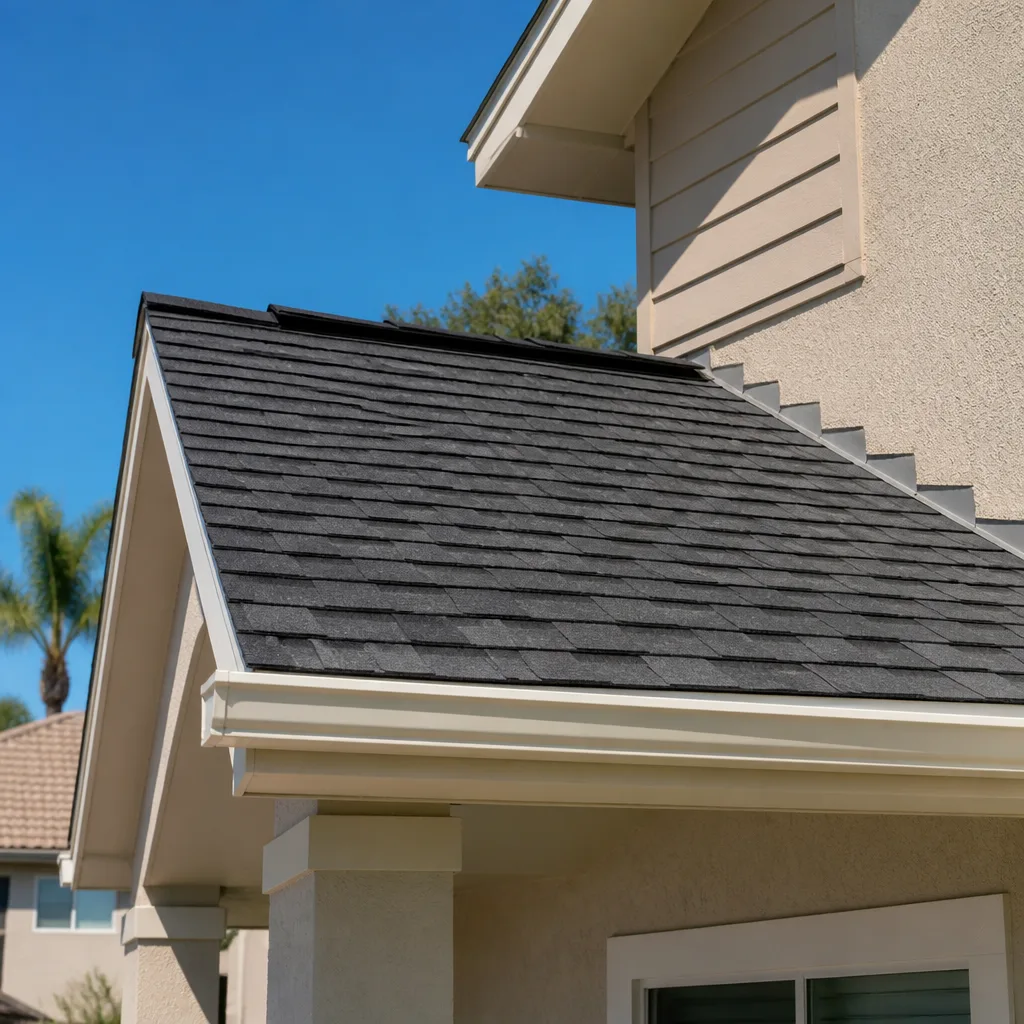
- Roofing
- Windows & doors
- Driveway & pavers
- Fence
See the difference
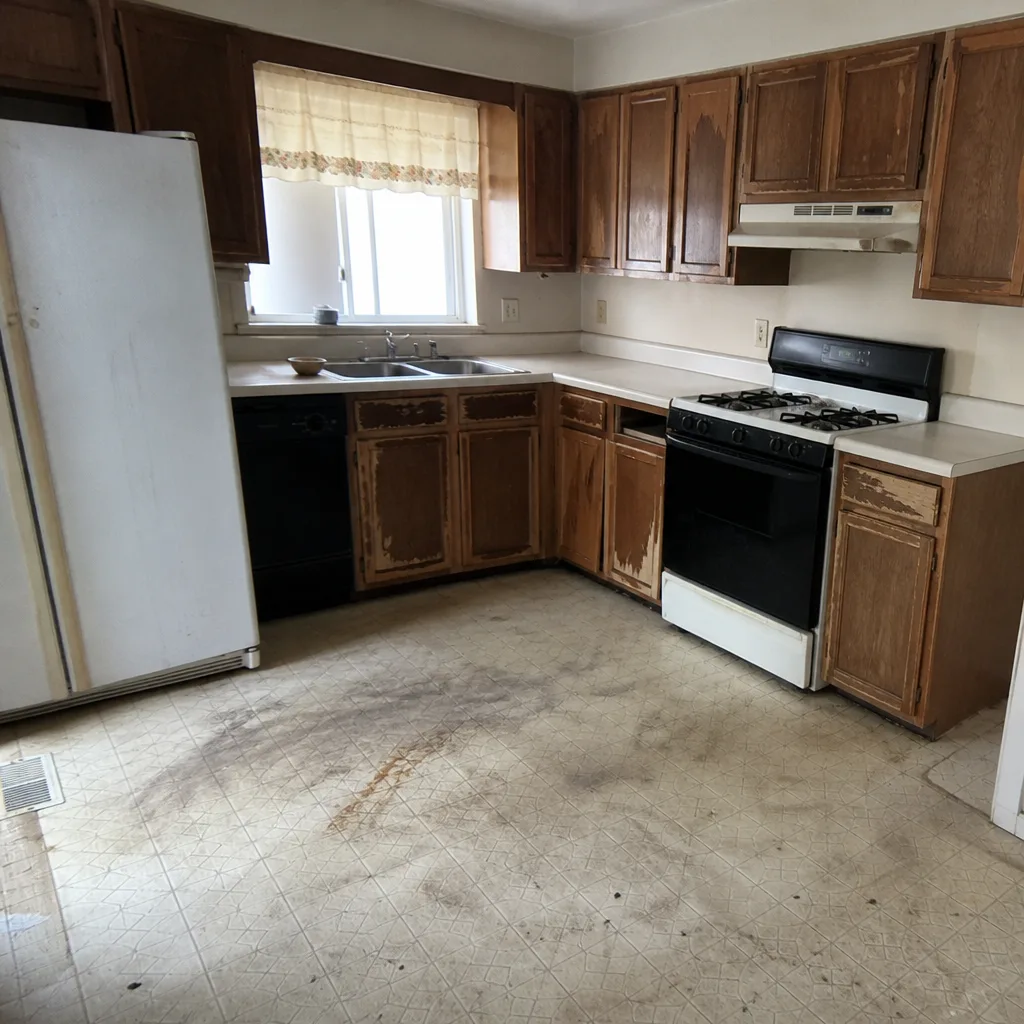 Before
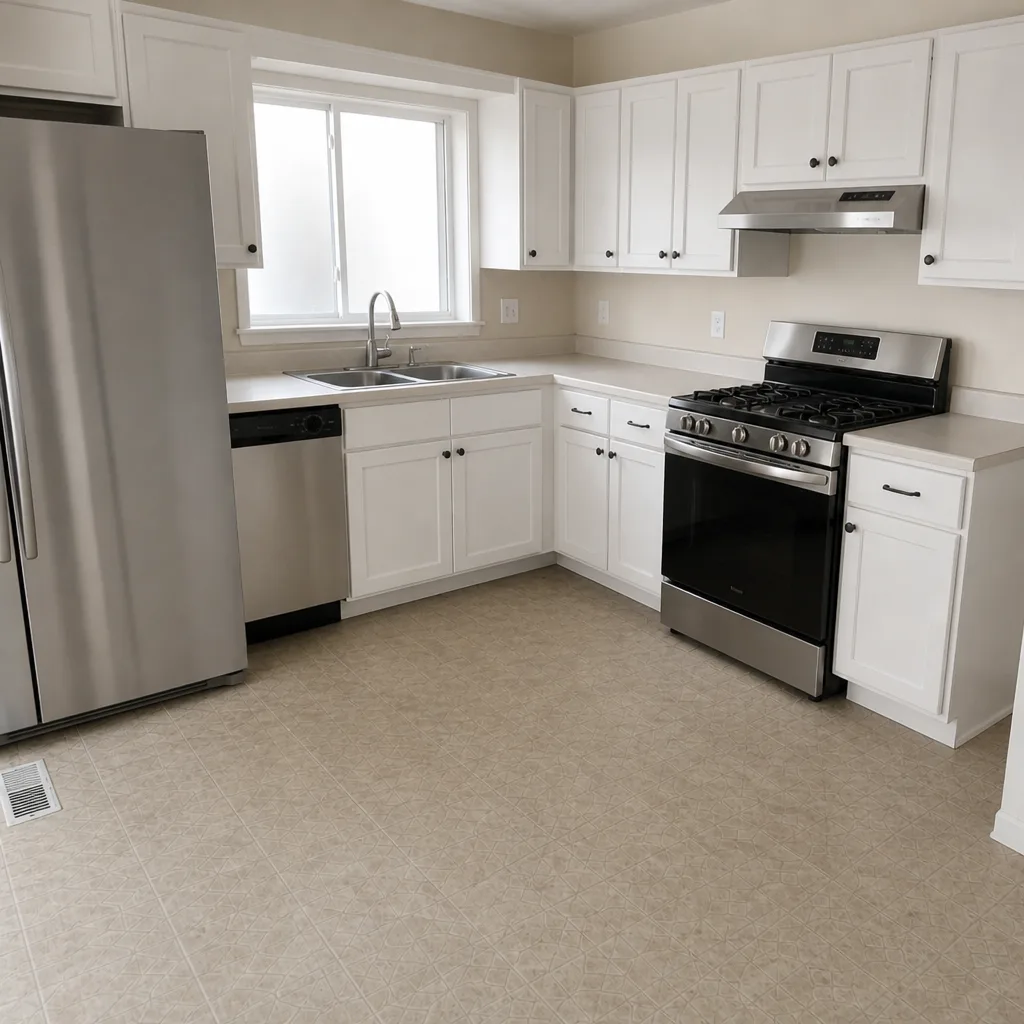 After
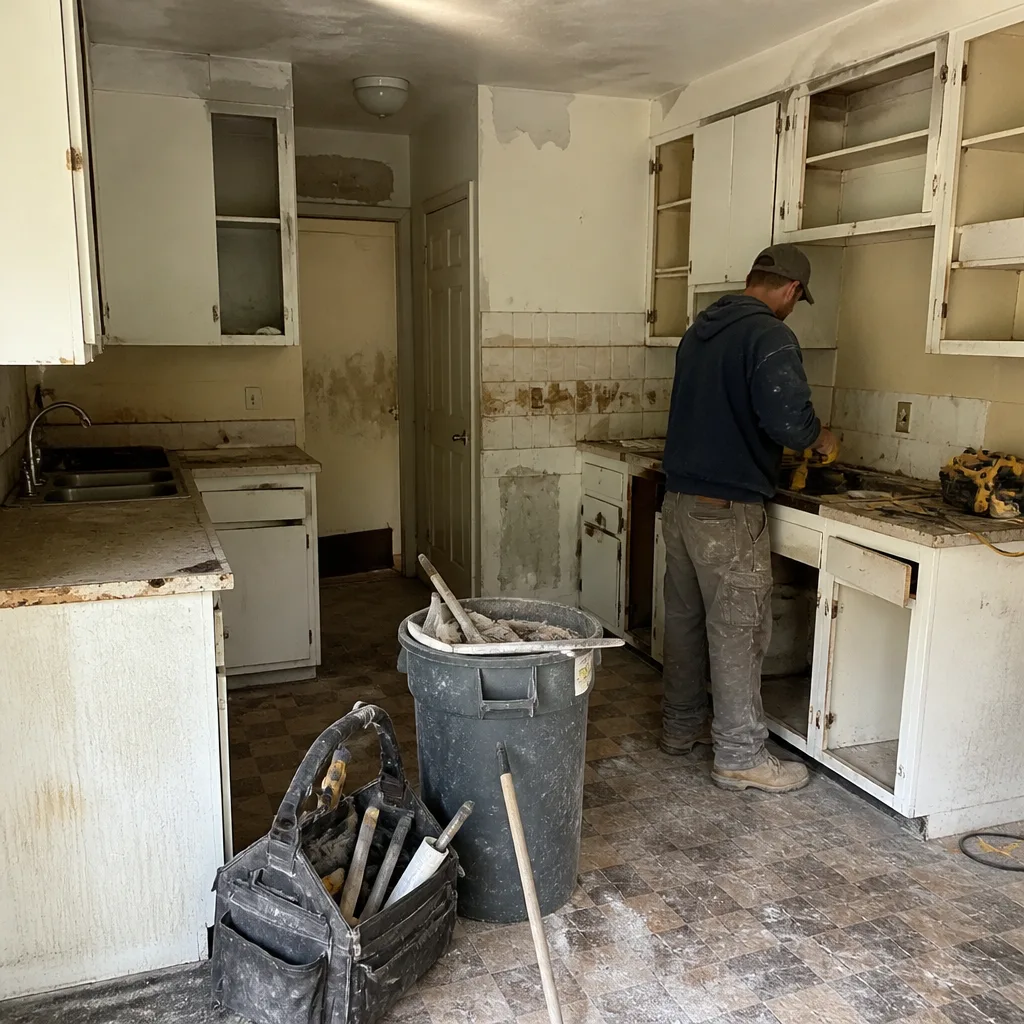 Before
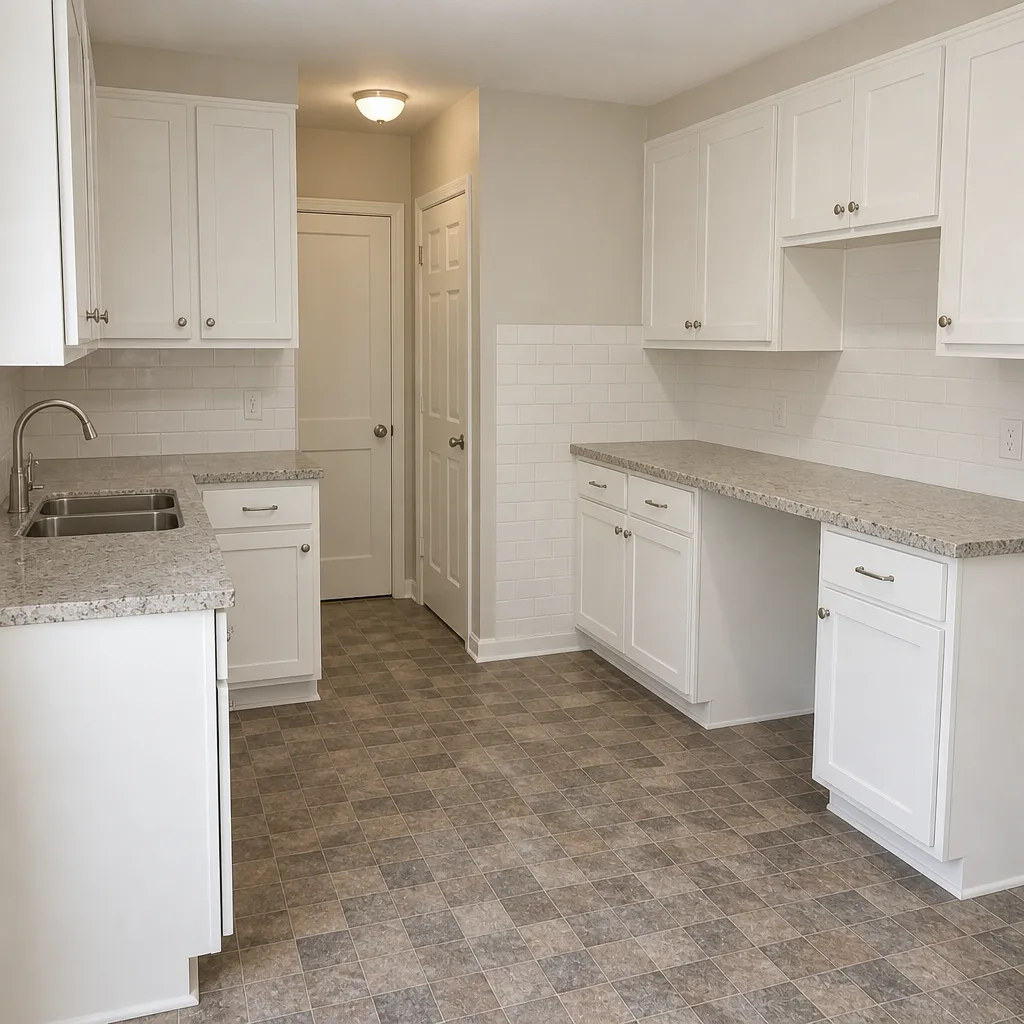 After
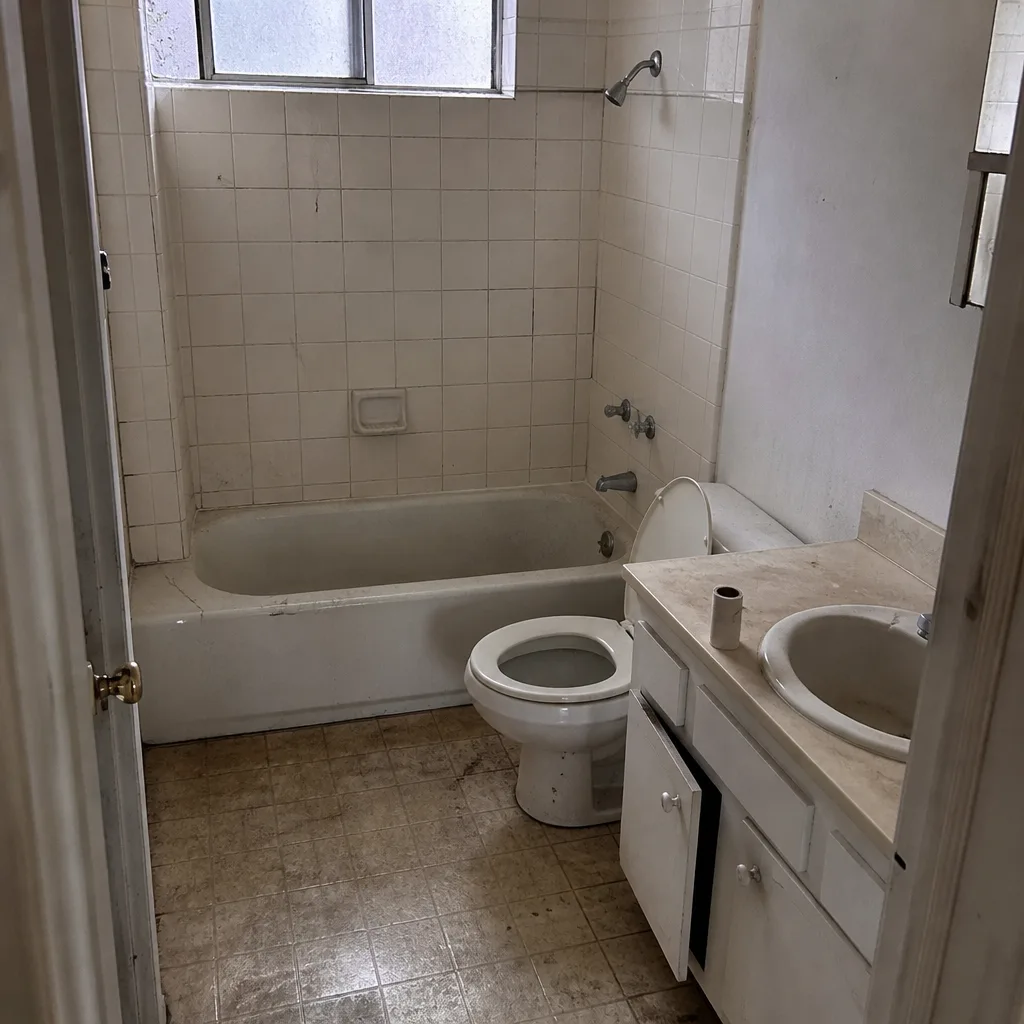 Before
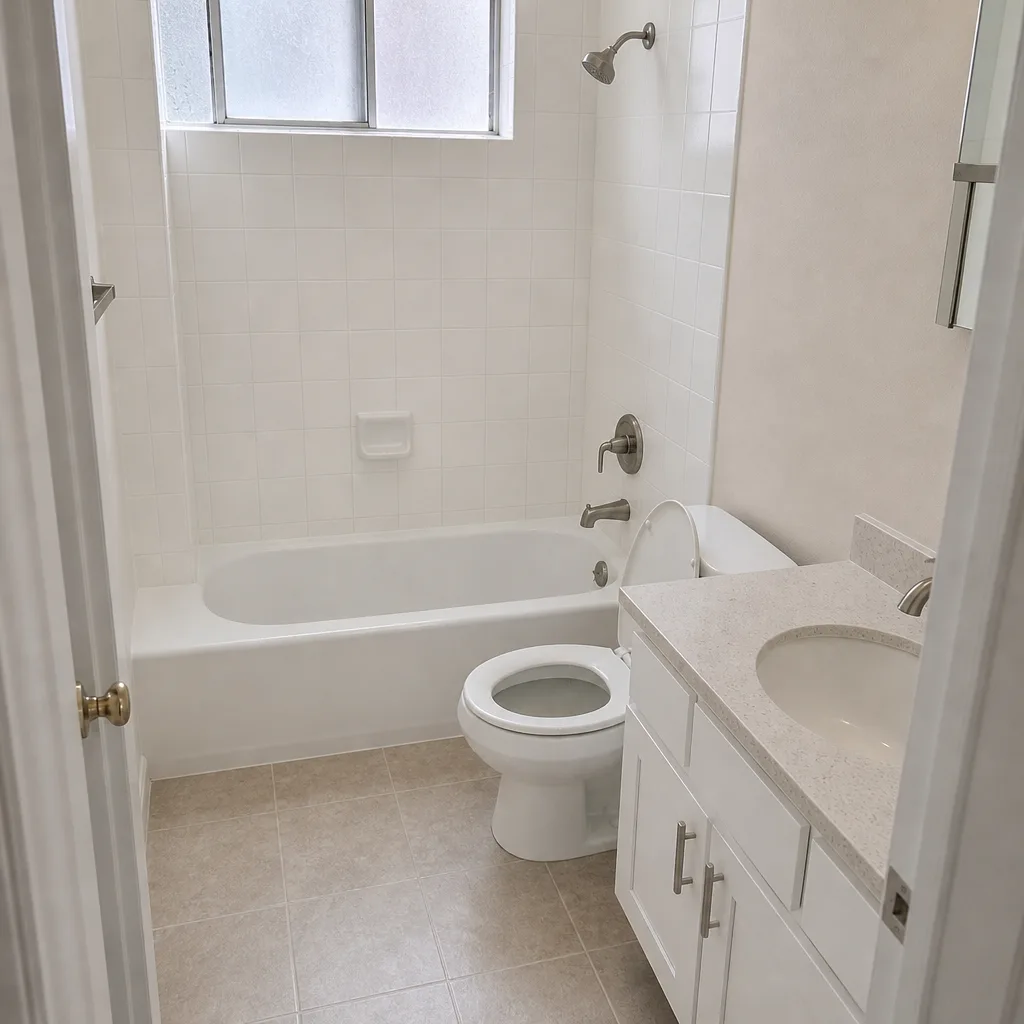 After
When to Seal a New Asphalt Driveway in Enterprise, NV
In Enterprise, NV, the first seal on new asphalt should usually go down between late September and early November, once the driveway has cured for 60 to 90 days and daytime highs settle closer to 85°F. That’s the short answer. It matters because national advice that tells you to wait a flat 90 days and seal whenever is built for temperate climates, not for a Mojave summer where surface temps break 150°F by late June. Get the timing right and you lock in a decade of service; get it wrong and you bake brittleness into the surface before the asphalt ever settles. If you want a real read on your specific driveway, call (844) 797-4406 and we’ll talk through it.
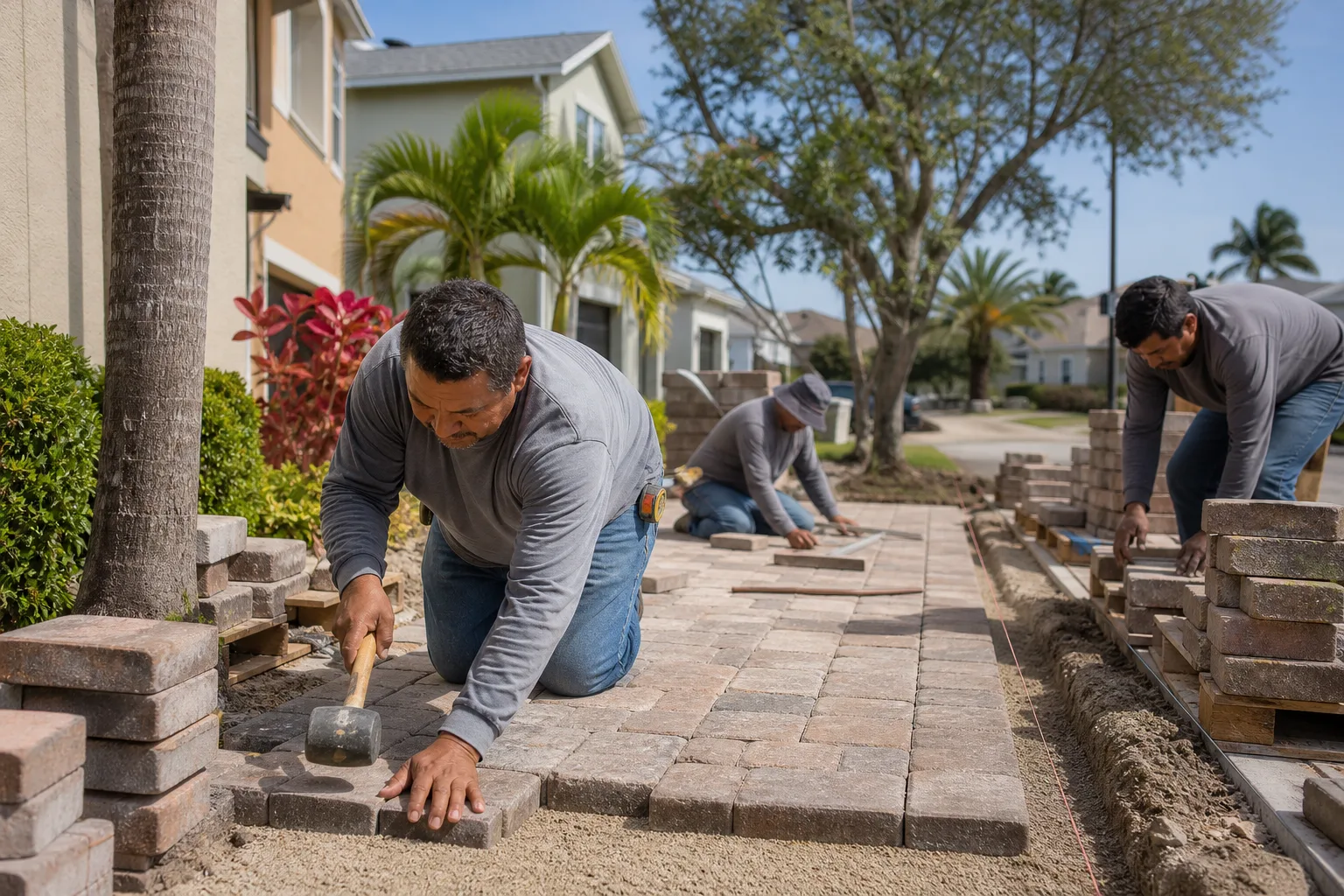
Why the Standard 90-Day Rule Misreads Enterprise
Most of what you’ll read online about sealing new asphalt was written for climates with a real winter. In those places, a new driveway goes down in spring, cures over a humid summer, and takes a sealer before the first freeze. The 90-day figure roughly tracks the oxidation phase in that world.
Enterprise doesn’t work that way. Our homes sit in Las Vegas’s southwest growth corridor, against the Sloan and Blue Diamond foothill edges, where summer highs routinely pass 105°F and the UV index sits at the top of the scale for months. Two things happen at once. The heat and sun accelerate the oxidation that turns fresh black asphalt gray, which shortens the “wait” side of the equation. But the same ground heat also stresses the binder, and the peak-summer window makes thermal cracking more likely while it makes the sealer itself misbehave.
Here’s the operator detail most guides leave out: in July and August, a water-based sealer can flash-cure on the surface before it penetrates. You get a shiny skin that looks finished and does nothing, or a streaky film that peels off within a season. So the real Enterprise rule isn’t “90 days from install.” It’s “60 to 90 days of cure, then wait for the temperature to come down.”
The truck access also matters. On a sloped, engineered-fill lot, a sealer rig rolling over soft, under-cured asphalt can rut the surface permanently. We check density before we ever recommend a first seal. The timing is seasonal, not just calendar-based.
When Should You Actually Schedule the First Seal?
Late September through early November is the sweet spot. Daytime highs drop into the 70s and 80s, nights cool off enough for the sealer to cure slowly and evenly, and the driveway has had a full Mojave summer to settle. If your install landed in spring, you can occasionally seal by early October. If it landed in fall, you’ll often be better off waiting until the following fall, even though that pushes past 12 months.
What you should not do is seal in June, July or August. Even a driveway that’s technically cured will take a poor sealer job in peak heat, and the money goes with it. If a contractor offers to seal your driveway the same week it was paved, walk away from that offer.
So how long should you wait after install? Here’s the practical version, based on when the asphalt actually went down in Enterprise:
- Installed March through May: First-seal window is late September to mid-November. Watch for color to shift from deep black to dark gray by August, which confirms the oxidation phase is underway.
- Installed June through Early August: The driveway is seasoning through the worst heat. Skip sealing that year entirely and plan for September or October of the following year. Expect surface temperatures to peak above 150°F during the wait.
- Installed September through November: Don’t seal before the following fall. You’ll have gone through a full thermal cycle, which is exactly what you want before locking the surface.
- Installed December through February: Seal the following October or November. Cool-season installs cure slowly and benefit from a full summer to settle before the first seal.
In every case, check for hairline cracking at the pad edges and along retaining-wall interfaces before you seal. On foothill lots in Southern Highlands and Mountain’s Edge, those cracks often show up in the first year because the engineered fill is still settling. Sealing over a live hairline crack hides it instead of addressing it. We clean and fill those first, then seal. That’s part of why a proper first seal in this market runs $250 to $700 instead of the $150 you’ll see quoted for a quick coat.

Which Sealer Holds Up to Enterprise Sun?
Here’s a question worth asking: does it matter whether the sealer is coal-tar or asphalt-emulsion? Short answer, yes, and it matters more in Enterprise than in most markets. Coal-tar sealers resist fuel spills and hold their color a long time, but some formulations soften at the surface temperatures our driveways hit in July. Asphalt-emulsion sealers are generally more forgiving in heat and less prone to re-emulsifying when the surface gets hot, though they need more frequent reapplication. In practice, a high-solids asphalt-emulsion sealer with UV inhibitors is the more dependable choice for desert driveways that see 105°F-plus days for months. The exact product matters less than the solids content and the application temperature. A premium sealer applied at 60 to 80°F surface temperature outperforms a generic sealer applied at noon in July every time.
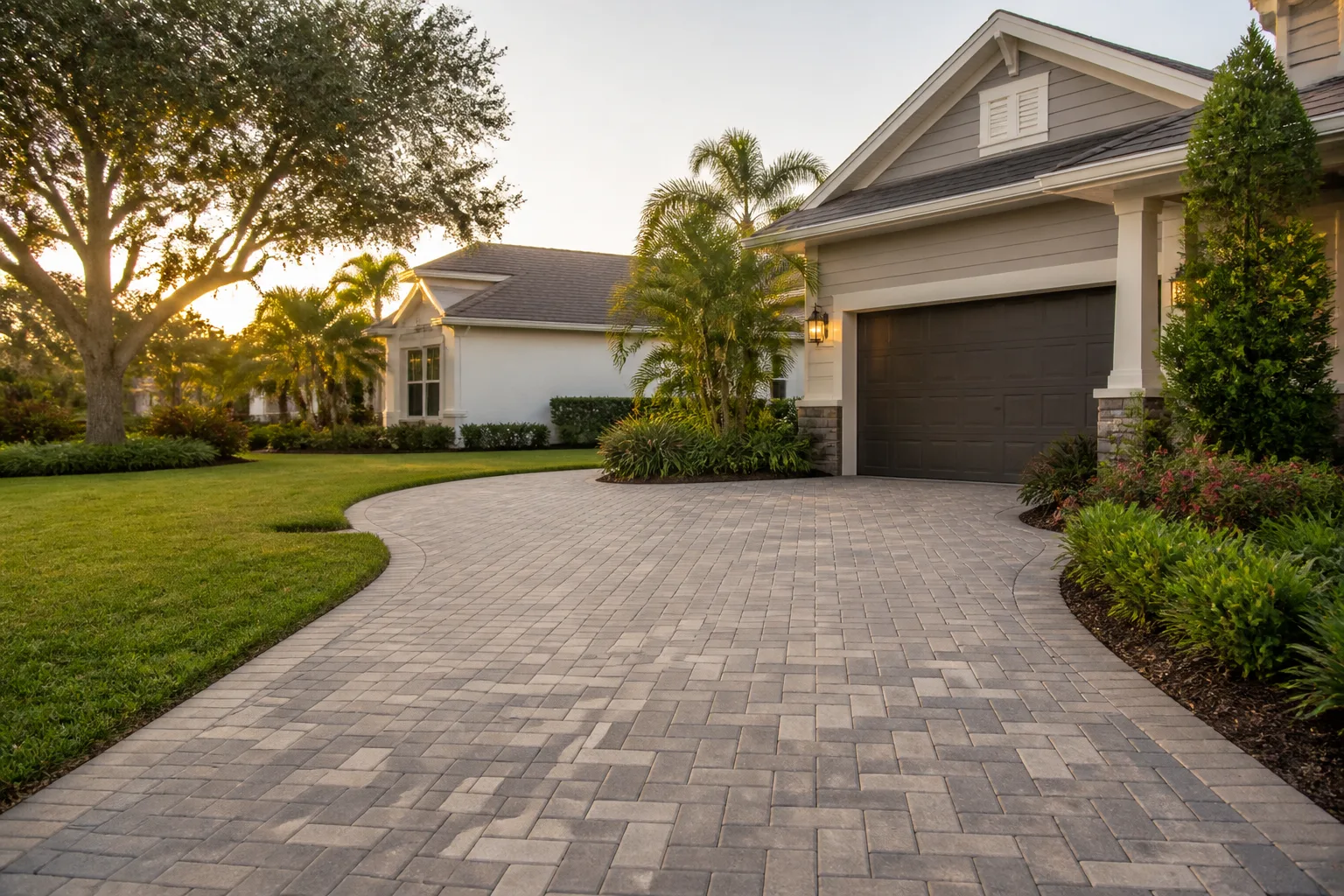
This is also why we spec our paving and paver work the way we do. Whether it’s a new asphalt driveway or a paver installation through our Driveway & Pavers service, the materials are selected for this climate, and the work is backed in writing. When you’re ready to price a project, the home page lays out how we approach each scope.
What to Look For Before You Seal
Before the first seal, work through a short checklist. It’s the difference between protecting the surface and locking in a problem:
- Temperature: Surface temps between 60 and 85°F, with the forecast staying dry for 24 to 48 hours.
- Cure: 60 to 90 days minimum from install, ideally after a full summer.
- Cracking: No untreated hairline cracks, especially along pad edges and retaining walls on sloped lots.
- Drainage: Water should move off the pad, not pool against the house or the graded slope.
- Oil and fuel stains: Clean and primed before sealing so the sealer bonds to the asphalt, not the stain.
- Edge stability: Soft or crumbling edges mean the subbase wasn’t right. Seal won’t fix that.
If you’re rebuilding rather than just sealing, the numbers look like this: a fresh asphalt driveway in Enterprise runs $3,500 to $9,000, a concrete driveway lands in the $4,500 to $12,000 range, and a paver driveway sits between $7,000 and $18,000. Sealing itself is $250 to $700. Those ranges are a fair baseline for Enterprise, and they’re the ones we quote against.
How Groundwork Handles the First Seal
When Groundwork Construction Co. of Enterprise installs your driveway, the first-seal inspection is scheduled as part of the 730-Day Done Right Promise, not added on later as an upsell. That’s the whole point of a written guarantee. You don’t wake up two years from now wondering whether you waited too long or sealed too early. We track the install date, come back to check the surface at the right time in the season, and handle any hairline cracks or edge settlement before we seal.
Our technicians have up to 12 years of experience on desert paving and surfacing work, and they’re background-checked and arrive in uniform on every job. We call with upfront pricing before any work starts, and the number you see is the number you pay. If you’re planning a driveway, fence, or exterior surface project, ask about the $1,000 off projects over $10,000 and the 0% financing for 18 months. For patios and pavers around the new driveway, the same crew line covers Driveway & Pavers in Enterprise.
FAQs
Late September to early November is the best window, once the driveway has cured 60 to 90 days. In Enterprise, the heat and UV speed up oxidation but make peak-summer sealing a bad idea. Call (844) 797-4406 for an exact recommendation based on your install date and surface condition.
Yes. Sealing before 60 to 90 days traps the oils still escaping the fresh asphalt, and the sealer won’t bond properly. In peak Enterprise heat, sealer can also flash-cure before it penetrates, leaving a film that peels. Call (844) 797-4406 if you’re not sure whether your driveway is ready.
Driveway sealing in Enterprise typically runs $250 to $700 depending on size, surface condition, and whether crack filling is needed first. New asphalt that still shows hairline cracks on the pad edges may need prep before sealing. Call (844) 797-4406 for a free estimate with no surprises.
Not necessarily, but the season matters more than the exact month count. In Enterprise, a driveway installed in spring can often take a first seal in the fall of the same year, while a summer install should push to the following fall. Call (844) 797-4406 and we’ll tell you which group yours falls into.
If you’d rather have it looked at, Groundwork Construction Co. of Enterprise offers a no-pressure assessment in Enterprise. We’ll walk the surface, check the edges, and tell you straight whether it’s ready or should wait another season. Call (844) 797-4406 for a free estimate.
Written by the team at Groundwork Construction Co. of Enterprise, serving Enterprise, NV.