Free written scope consultation - allowances, timeline, and change-order rules on paper before a single trade is scheduled
Styles & brands we work with
- Kitchen remodeling
- Bathroom remodeling
- Home additions & ADU
- Roofing
- Windows & doors
- Driveway & pavers
- Fence
See the difference
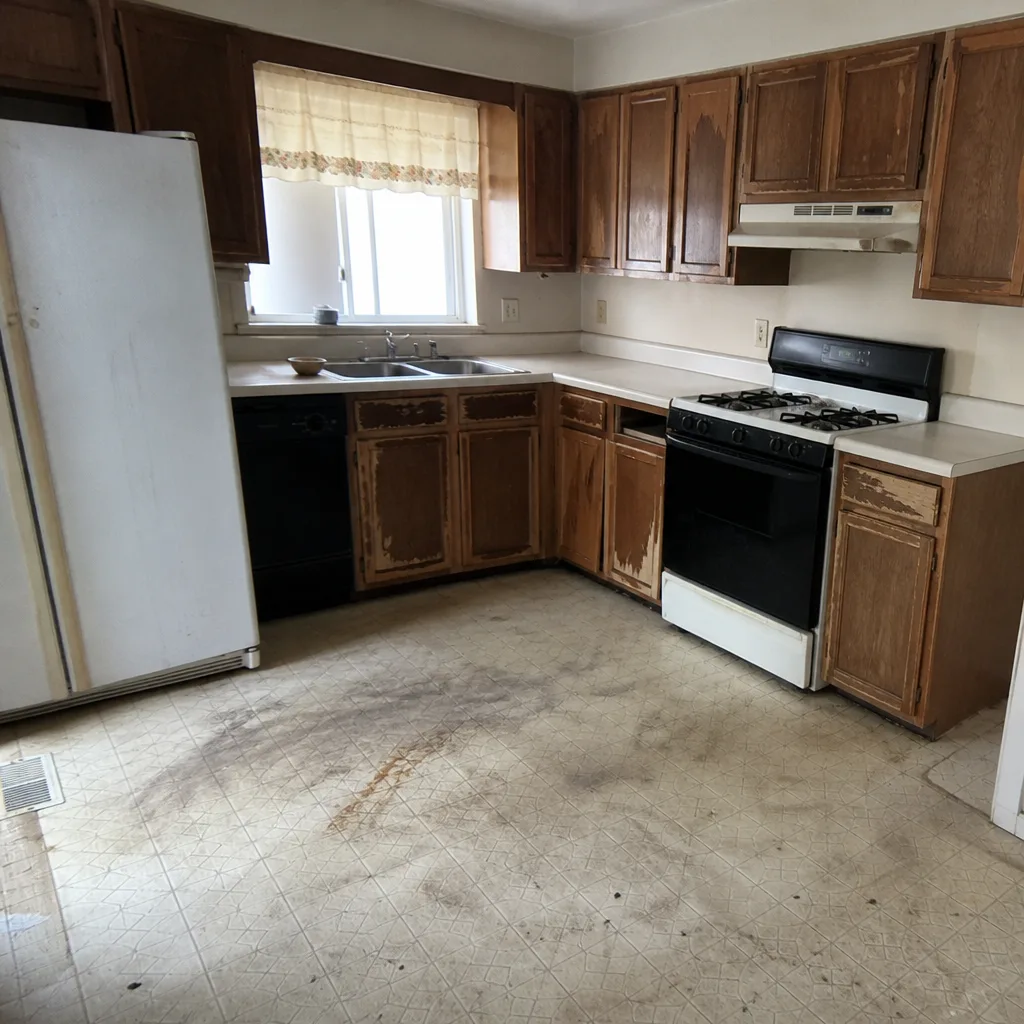 Before
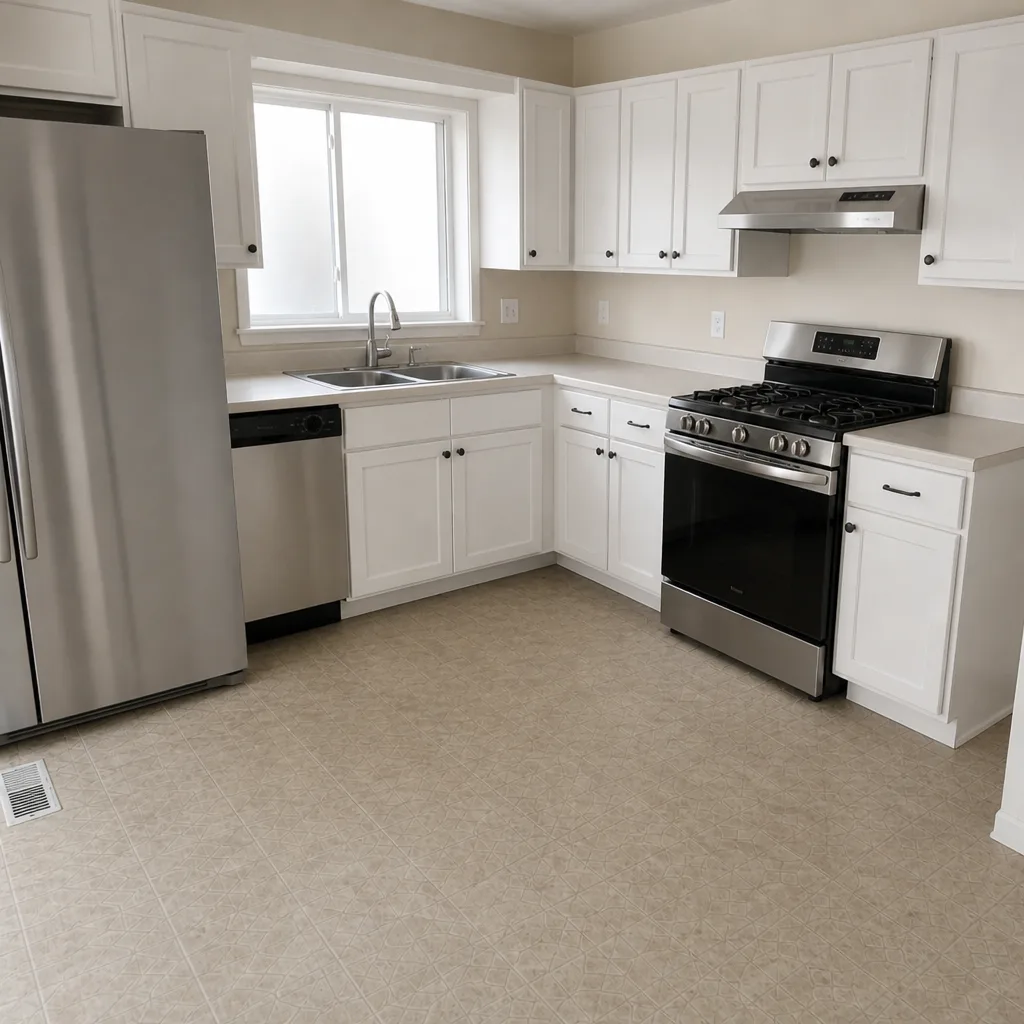 After
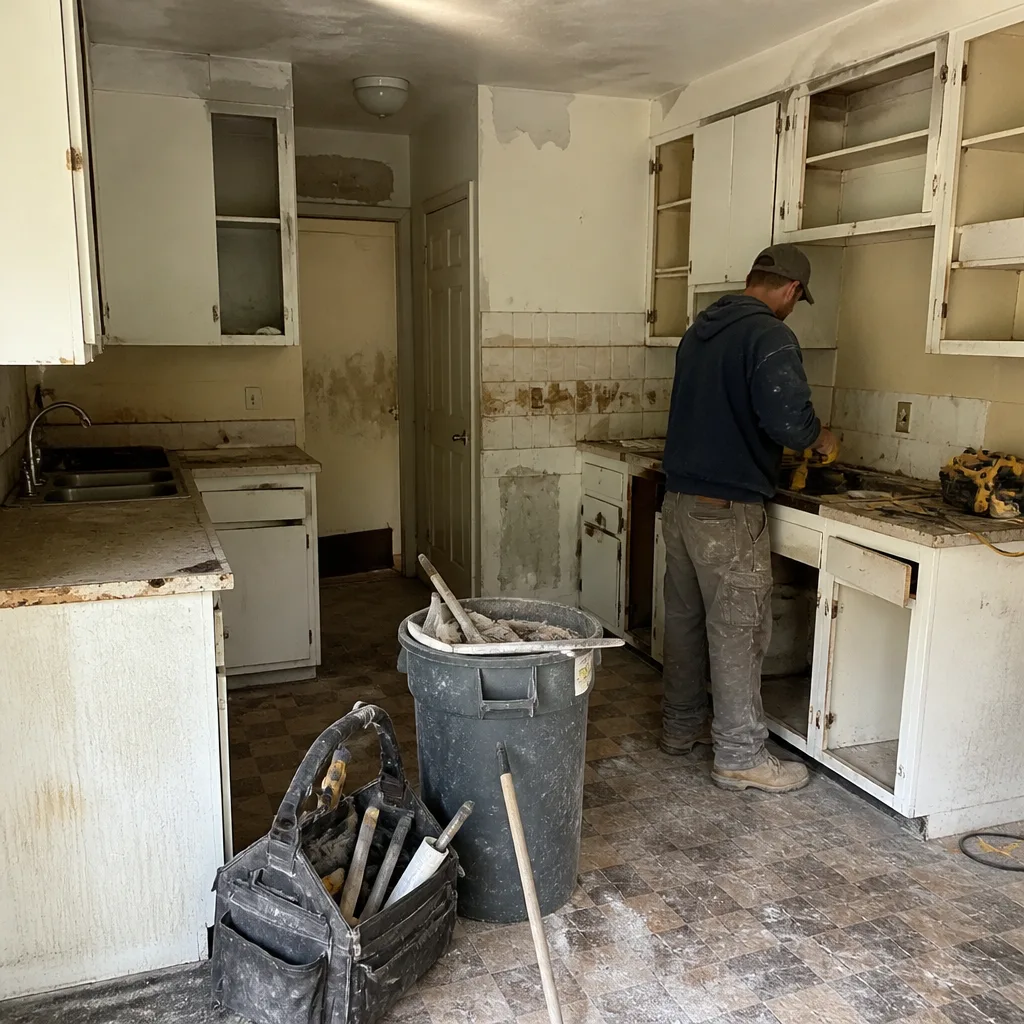 Before
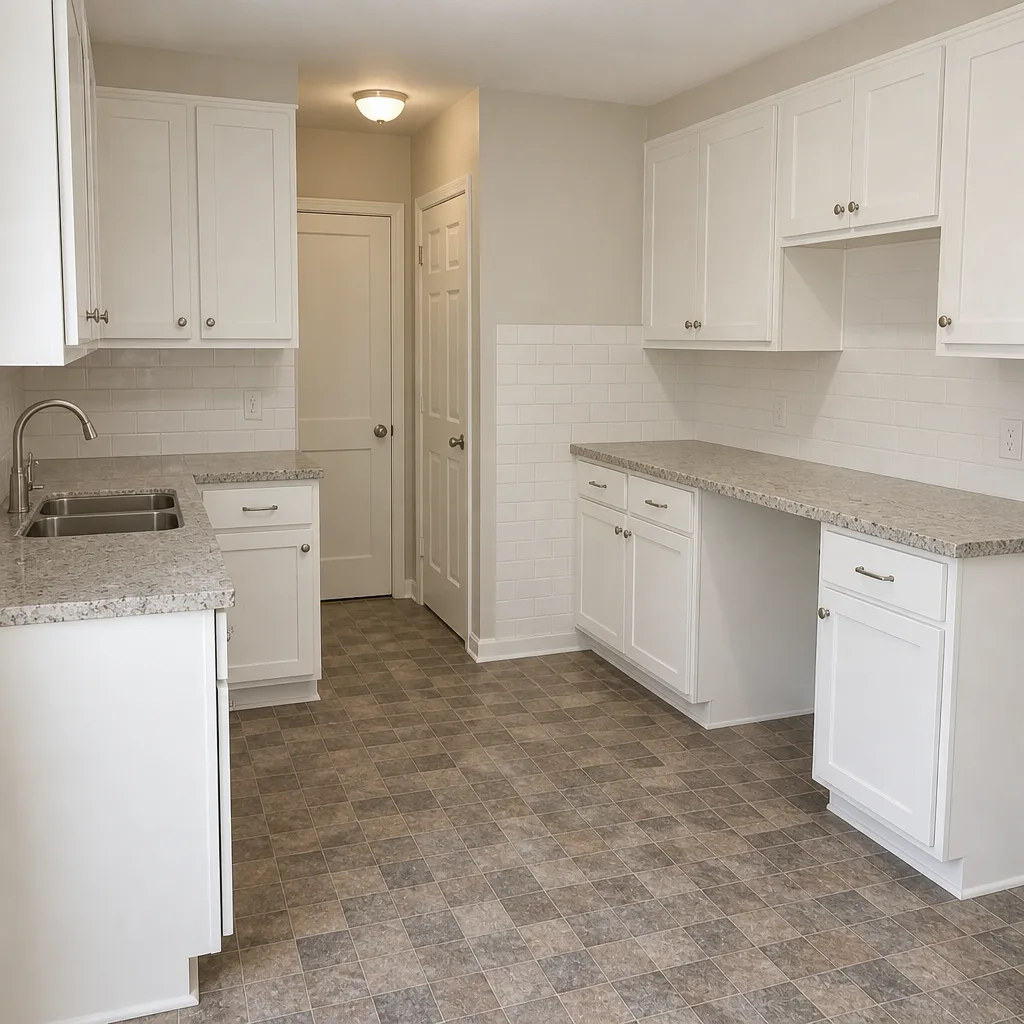 After
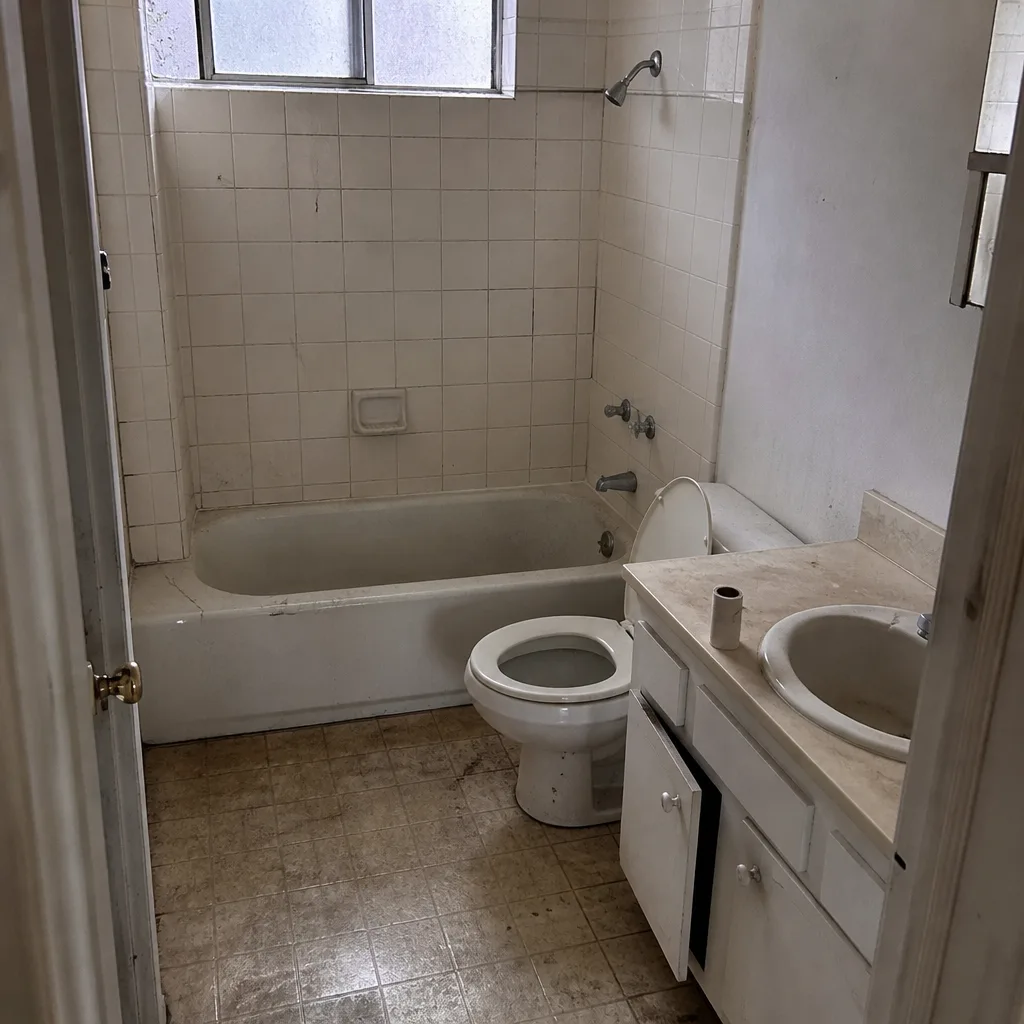 Before
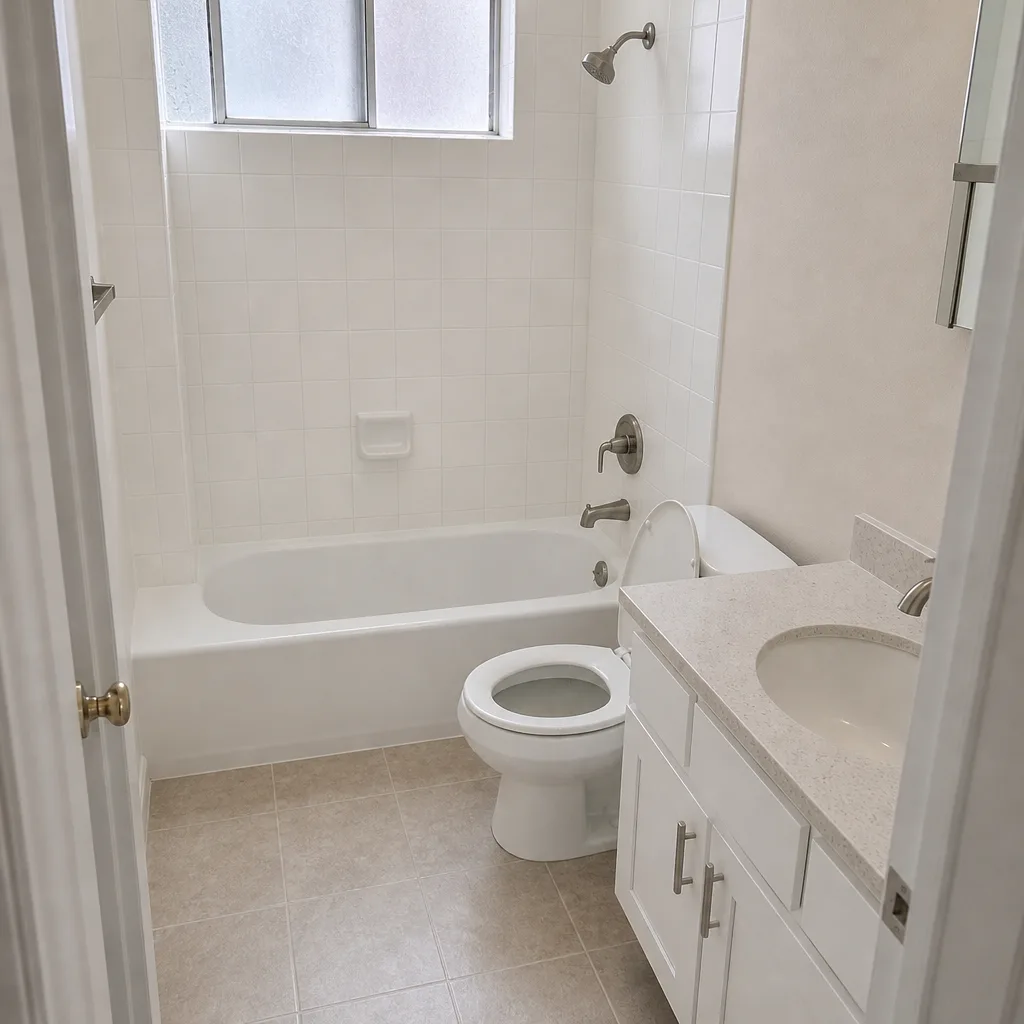 After
Stamped Concrete vs Pavers in Enterprise, NV: The Honest Answer
Choose pavers on sloped foothill lots, on engineered fill, and anywhere you might need to replace a single section down the road. Choose stamped concrete only on flat, stable pads with consistent subgrade and a maintenance budget for resealing. That’s the short version. The longer version matters more in Enterprise than it does almost anywhere else in the valley, because the lots out here toward the Sloan and Blue Diamond foothills behave nothing like the flat central-valley pads most concrete advice was written for. If you’d rather skip the guesswork, call (844) 797-4406 and we’ll talk through your actual lot.
Stamped concrete and pavers can look nearly identical on day one. By year five under Enterprise’s desert sun, they will not.
Why the ground under the finish decides everything in Enterprise
Most of Enterprise is newer stucco-and-tile housing, and a big share of it sits on graded pads and engineered fill, especially the custom homes and tract edges that push up toward the mountains. That detail is the whole ballgame. Stamped concrete is a single slab with a decorative layer stamped and colored on top. When the fill beneath it consolidates or settles unevenly, the slab cracks, and it cracks through the pattern. Once a stamped section fails, you’re not patching a tile. You’re cutting out concrete, re-pouring, and trying to match a color and texture that will never look identical to what’s around it.
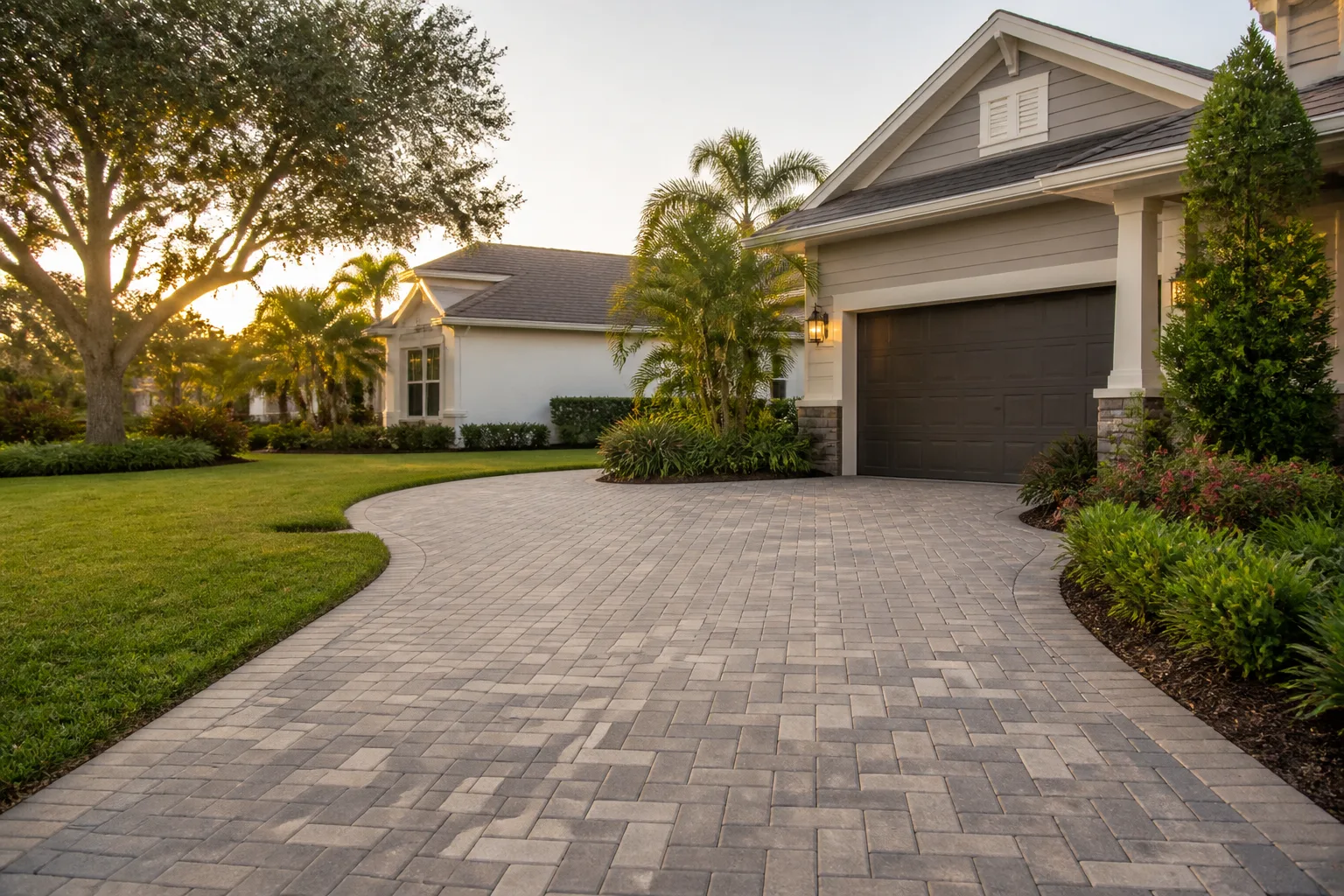
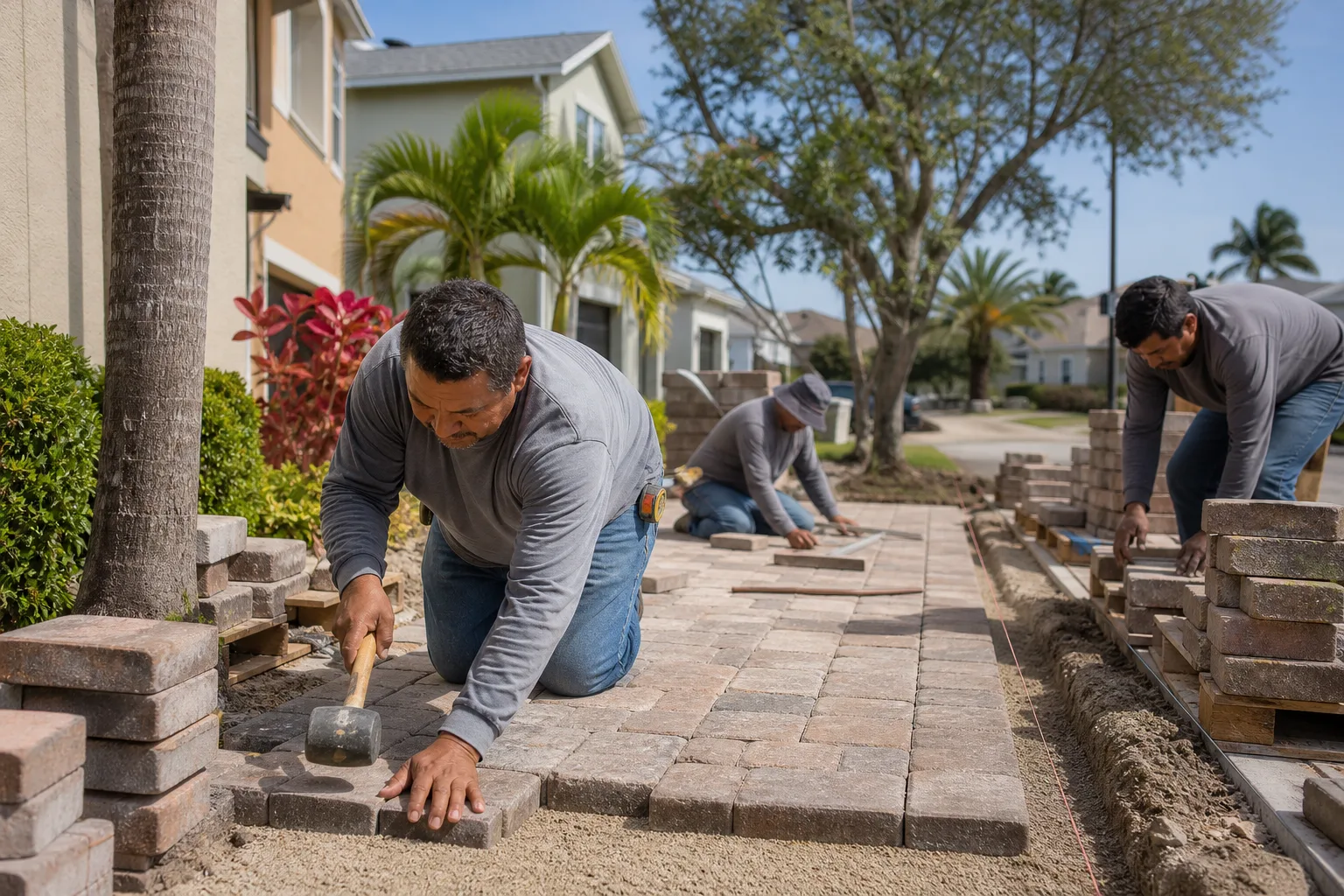
Pavers are individual units sitting on a compacted base, and they flex with minor ground movement instead of fighting it. When something does move, you lift the affected pavers, re-level the base, and set them back. That repair asymmetry is the single most important thing to understand about this comparison in a market with our thermal swings.
The numbers behind the repair difference
- One cracked paver: roughly $15 to $40 to swap out, and it matches because every unit comes from the same run.
- One cracked stamped section: a patch, a re-stamp, and a custom color match that shows under the right light, no matter how good the crew is.
- Resealing stamped concrete: every 2 to 3 years in our UV load, or the color sealers chalk and fade faster than most installers admit at the sale.
- Sealing pavers: optional, and skippable without destroying the look.
That last point is the one we get the most calls about. Somebody had stamped concrete installed and the finish looked great for two summers, then started going flat and pale. In most of the country you can stretch a reseal to four or five years. Here, with summer highs routinely above 105°F and unbroken sun on a west-facing driveway, the sealer takes a beating. It’s a maintenance commitment, and you should hear it before you sign, not after year three.
Stamped concrete vs pavers, side by side
| Factor | Stamped Concrete | Pavers |
|---|---|---|
| Best suited to | Flat, stable pads with consistent subgrade | Sloped foothill lots, engineered fill, anywhere settlement is likely |
| Repair | Cut, re-pour, color-match; never identical | Lift and replace the unit; $15-$40 typical |
| UV and heat | Sealed surface runs hot; sealer fades under desert sun | Natural stone-veneer pavers like travertine or tumbled limestone run cooler underfoot |
| Maintenance | Reseal every 2-3 years to keep the look | Optional sealing; sweep and rinse otherwise |
| Typical cost in Enterprise | $4,500-$12,000 for a driveway ($7,000-$18,000 with pavers) | Paver driveway installation runs $7,000-$18,000; paver patio $3,500-$11,000 |
Neither column wins outright. The lot decides. If you’re on a flat pad off a stable street in the middle of the subdivision, stamped concrete gives you a seamless look with a lower upfront number. If your driveway climbs, if your pad was graded up out of a slope, if there’s a retaining wall holding back dirt at the property line, pavers are the safer money.
The heat question nobody asks until August
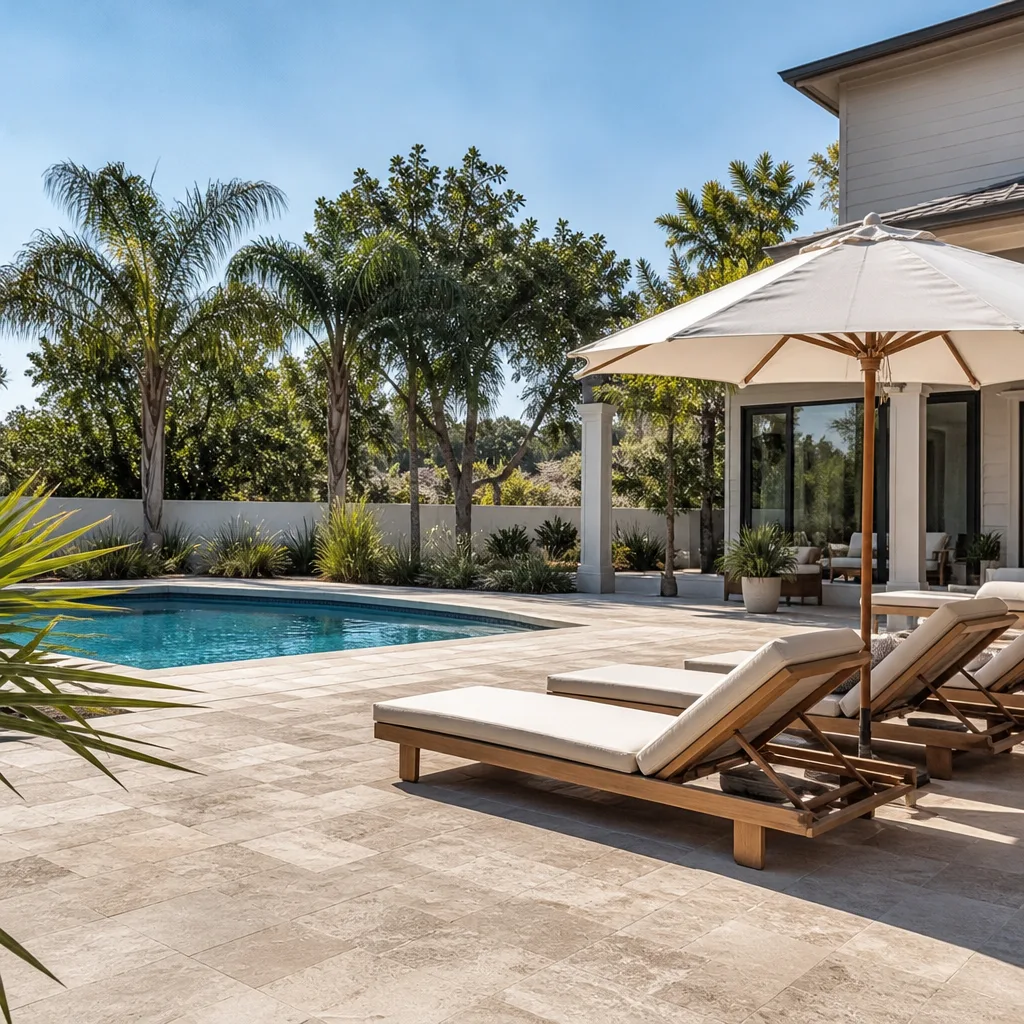
Both surfaces get hot enough to hurt bare feet in July. That’s true of any hardscape in Enterprise. The difference is what you’re walking on and where it sits. Sealed concrete holds and throws heat, and a west-facing stamped patio can stay uncomfortable well into the evening. Natural stone-veneer pavers like travertine or tumbled limestone run measurably cooler underfoot, which is why you see them around the pool surrounds and covered entertainment areas on the newer custom homes up toward the foothills. If the space is where you’ll actually sit and entertain, the material choice changes how often you use it. That’s a real design decision, not a detail.
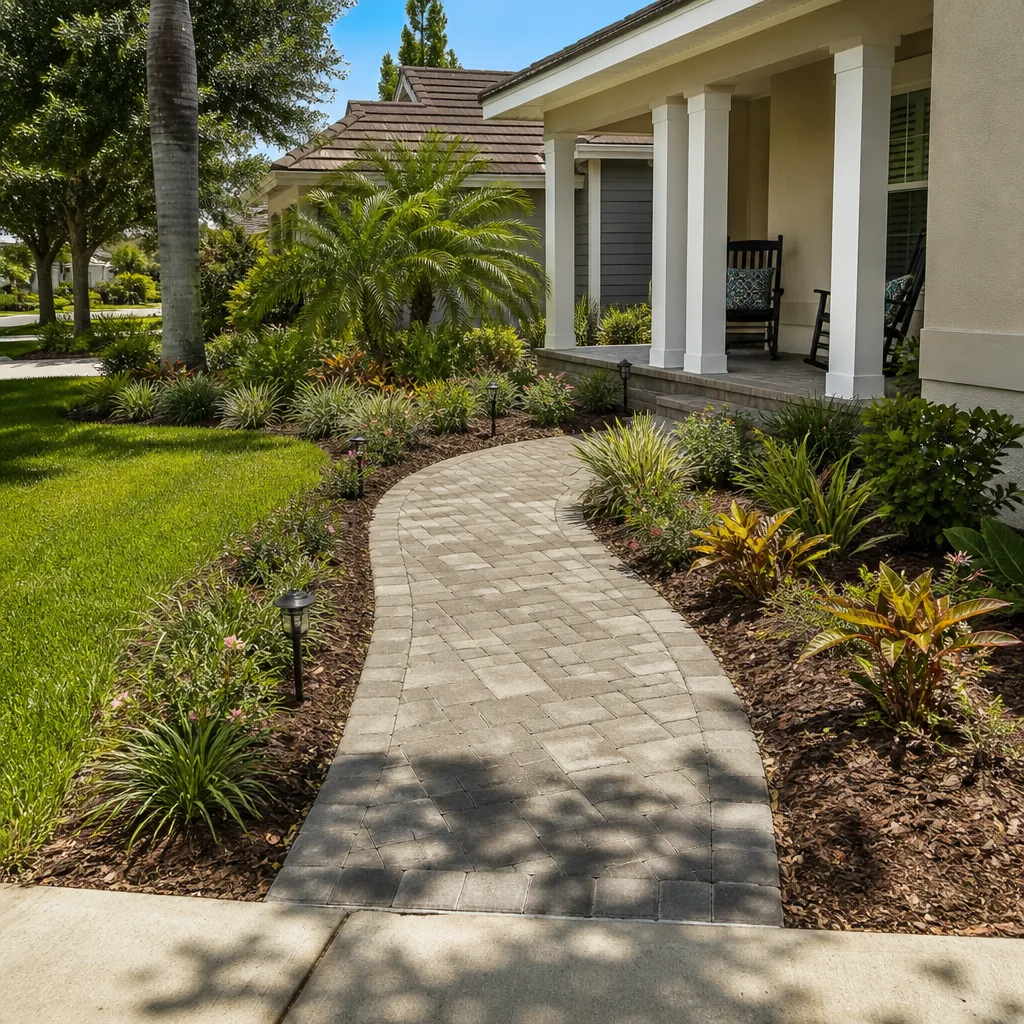
For patios and pool decks, that cooling effect usually tips the decision toward pavers regardless of cost. For a front driveway you mostly drive on and never touch with bare feet, stamped concrete stays in play on a flat lot. If you want to go deeper on the paver side, our Driveway & Pavers in Enterprise page covers base prep, grading, and the install sequence.
What we look at before recommending either one
Groundwork Construction Co. of Enterprise sends technicians with up to 12 years of experience, and the first thing they do is read the lot, not the sales sheet. Here’s what actually drives the recommendation:
- Slope and grade. A driveway that climbs or falls hard concentrates water and puts more stress on a rigid slab.
- Subgrade and fill. Graded pads with deep engineered fill behave differently than cut-and-fill lots. That history matters.
- Drainage. Monsoon-season runoff on a sloped lot needs a plan either way, and pavers on a proper base handle minor heave more gracefully than a monolithic slab.
- Sun exposure. A full-blast west or south face accelerates sealer degradation on stamped concrete. We factor that into the maintenance conversation honestly.
- How you’ll use the space. Barefoot entertaining favors cooler surfaces; pure vehicle traffic is more forgiving.
We work from a curated set of paver lines with real desert track records, including Cambridge Pavers and Oldcastle products, so you’re choosing from materials we stand behind rather than whatever’s in the yard that week. Every install is backed by our 730-Day Done Right Promise: if it’s not done right, we make it right. Upfront pricing means the number you see is the number you pay, and calls are answered by a live person around the clock. From foundation to finish line, that’s the standard we hold, and it’s why homeowners who’ve been burned by vague bids tend to relax once they have a written scope in hand.
Common local scenarios we see
The uphill custom lot. A graded pad with a retaining wall and a driveway that climbs toward the house. Stamped concrete here is a gamble against micro-settlement, and we usually steer it to pavers.
The flat tract driveway. A stable pad in the middle of a master-planned subdivision. Stamped concrete performs well and saves money upfront. We just set resealing expectations on day one.
The pool surround. Feet, water, and afternoon sun. Cooler paver surfaces win nearly every time, and the texture gives you grip when the deck is wet.
The faded stamped patio. An existing install that’s gone chalky and pale. Sometimes a proper clean and reseal brings it back. Sometimes the sealer has failed past saving, and we’ll tell you which.
FAQs
Stamped concrete is usually cheaper upfront. A concrete driveway installation here runs $4,500-$12,000, while a paver driveway installation runs $7,000-$18,000. Across five to seven years, though, the resealing schedule on stamped concrete in our UV load narrows that gap, and repair costs after a cracked section can erase it. Call (844) 797-4406 for a free estimate on your specific lot, because the ground conditions change the math.
Every 2 to 3 years to keep the color and finish looking right, which is faster than in most markets because of the intense desert sun. Skip it and the color sealer chalks and fades. If resealing on that schedule isn’t something you want to manage, pavers are the lower-maintenance call. We’ll walk you through both timelines on a free estimate: (844) 797-4406.
Yes, and that’s one of the strongest arguments for pavers. A single unit costs roughly $15-$40 to replace, and it matches the surrounding field because it comes from the same production run. Stamped concrete can’t be repaired that cleanly; a patch and color match will always read as a patch. Call (844) 797-4406 and we’ll assess what’s repairable.
Natural stone-veneer pavers like travertine and tumbled limestone run measurably cooler underfoot than sealed concrete, which makes a real difference around a pool or an evening patio. Both surfaces get hot in July, but the cooler stone options are more comfortable for bare feet. For pool surrounds in Enterprise, that comfort difference often settles the decision. Call (844) 797-4406 to talk through materials for your space.
Get a straight answer on your lot
If you’d rather have it looked at, Groundwork Construction Co. of Enterprise offers a no-pressure assessment in Enterprise. We’ll read the grade, talk through drainage and sun exposure, and give you an honest read on whether your pad favors stamped concrete or pavers. Free estimate, upfront pricing, and a live person on the line. Call (844) 797-4406.
Written by the team at Groundwork Construction Co. of Enterprise, serving Enterprise, NV.