Free written scope consultation - allowances, timeline, and change-order rules on paper before a single trade is scheduled
Styles & brands we work with
- Kitchen remodeling
- Bathroom remodeling
- Home additions & ADU
- Roofing
- Windows & doors
- Driveway & pavers
- Fence
See the difference
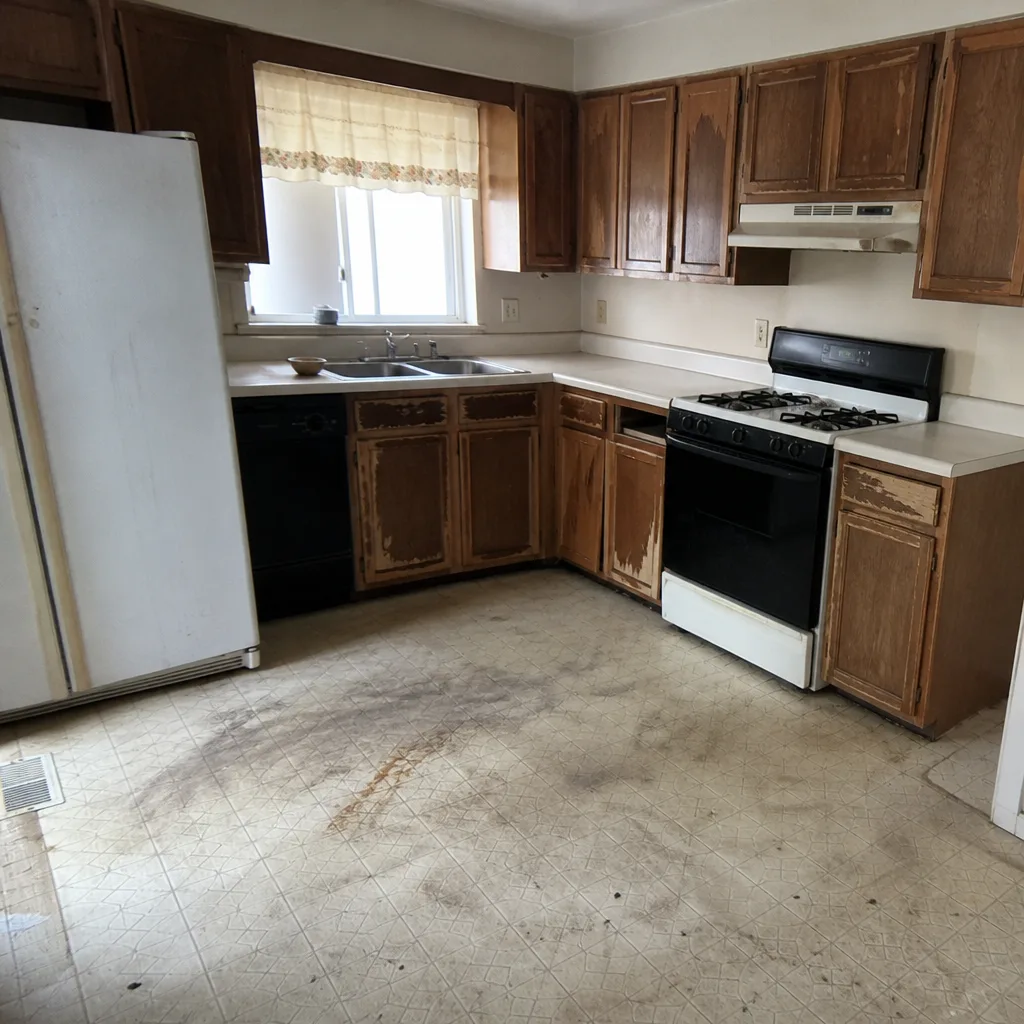 Before
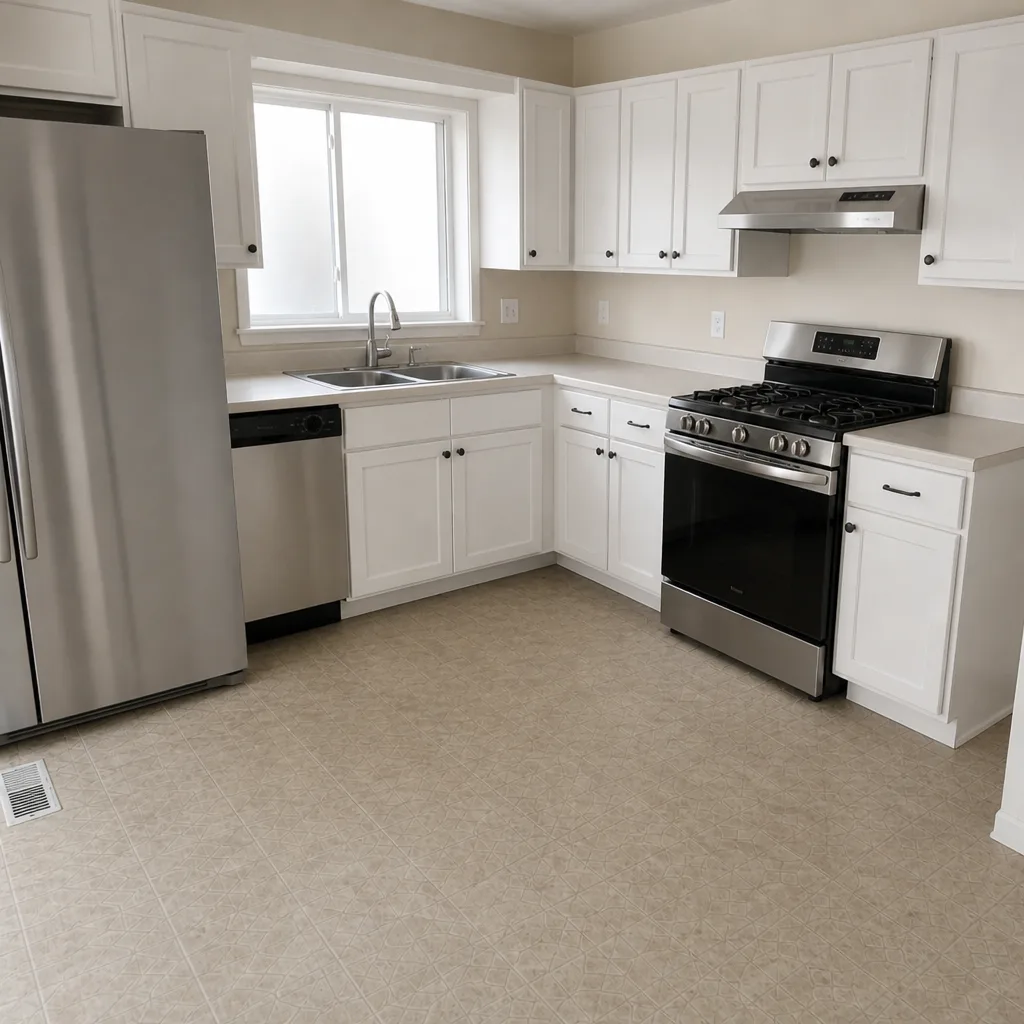 After
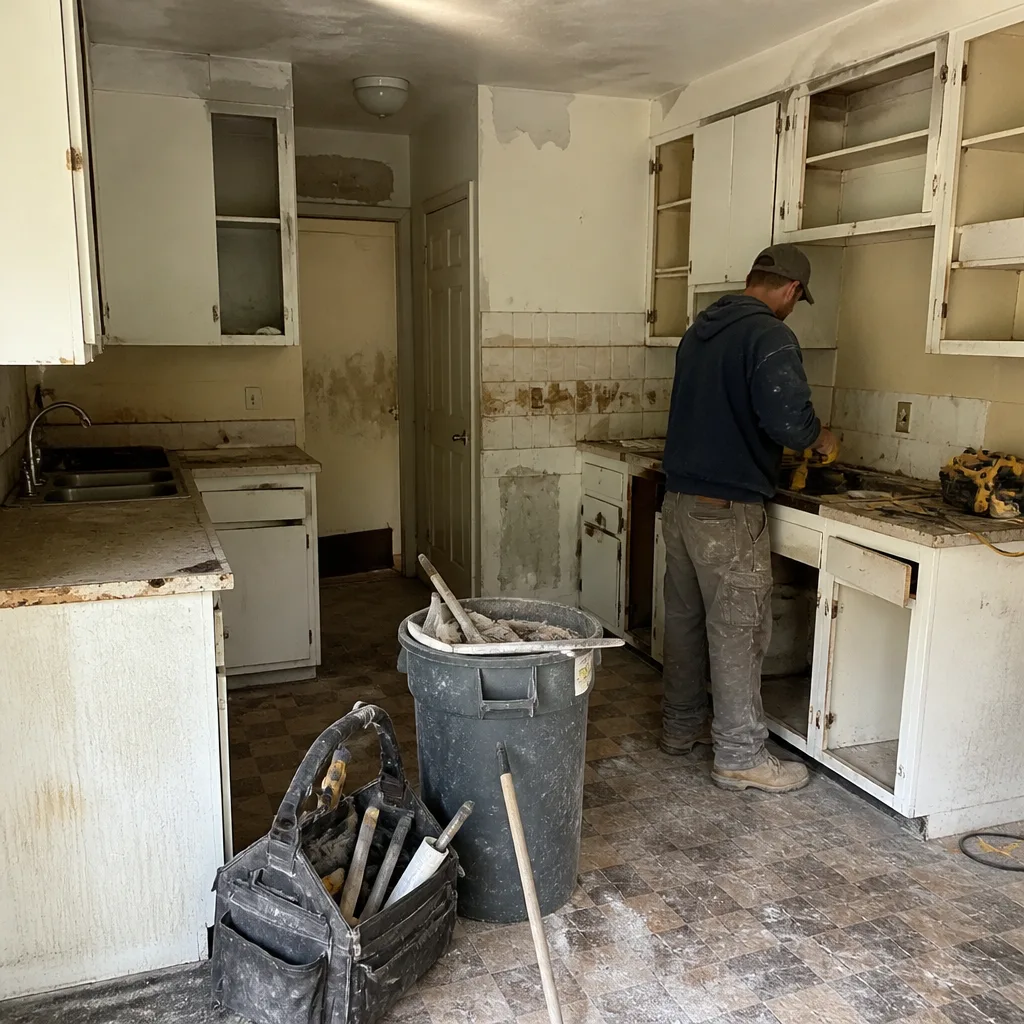 Before
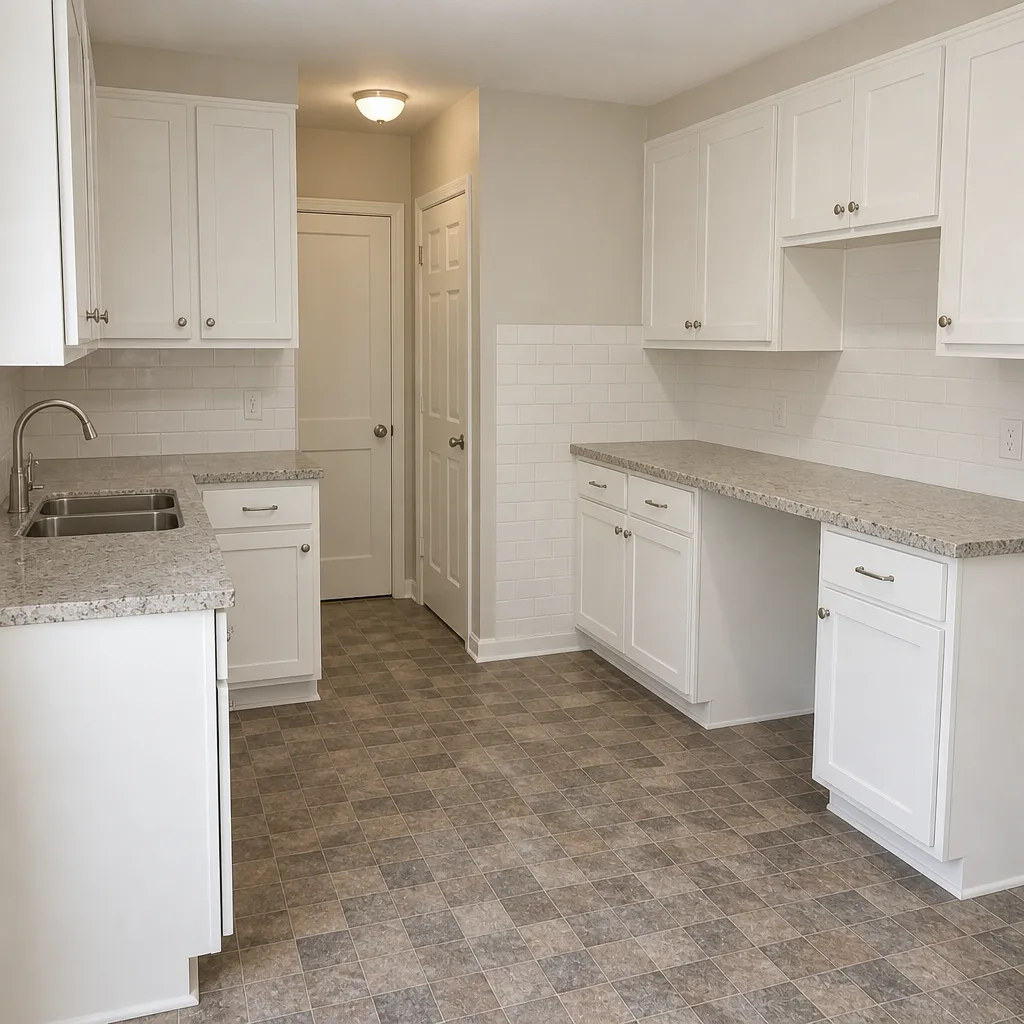 After
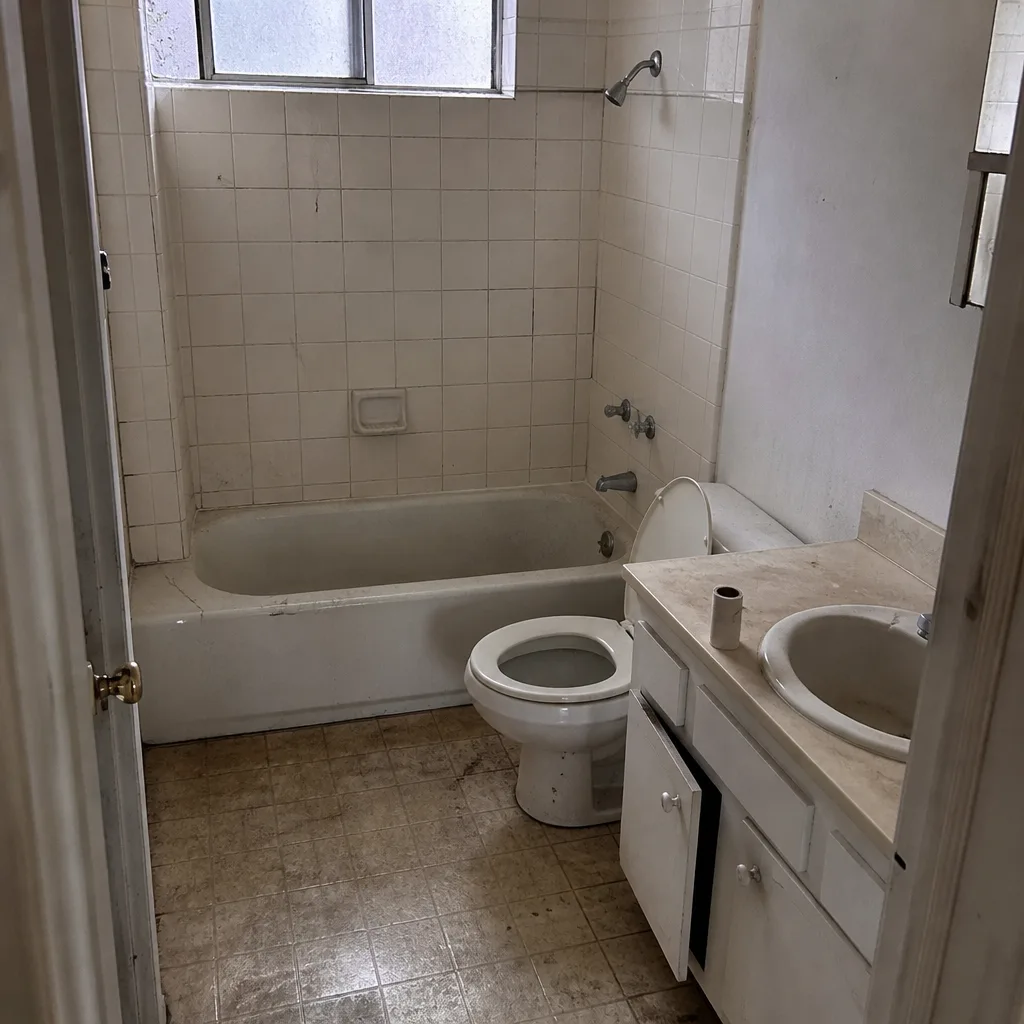 Before
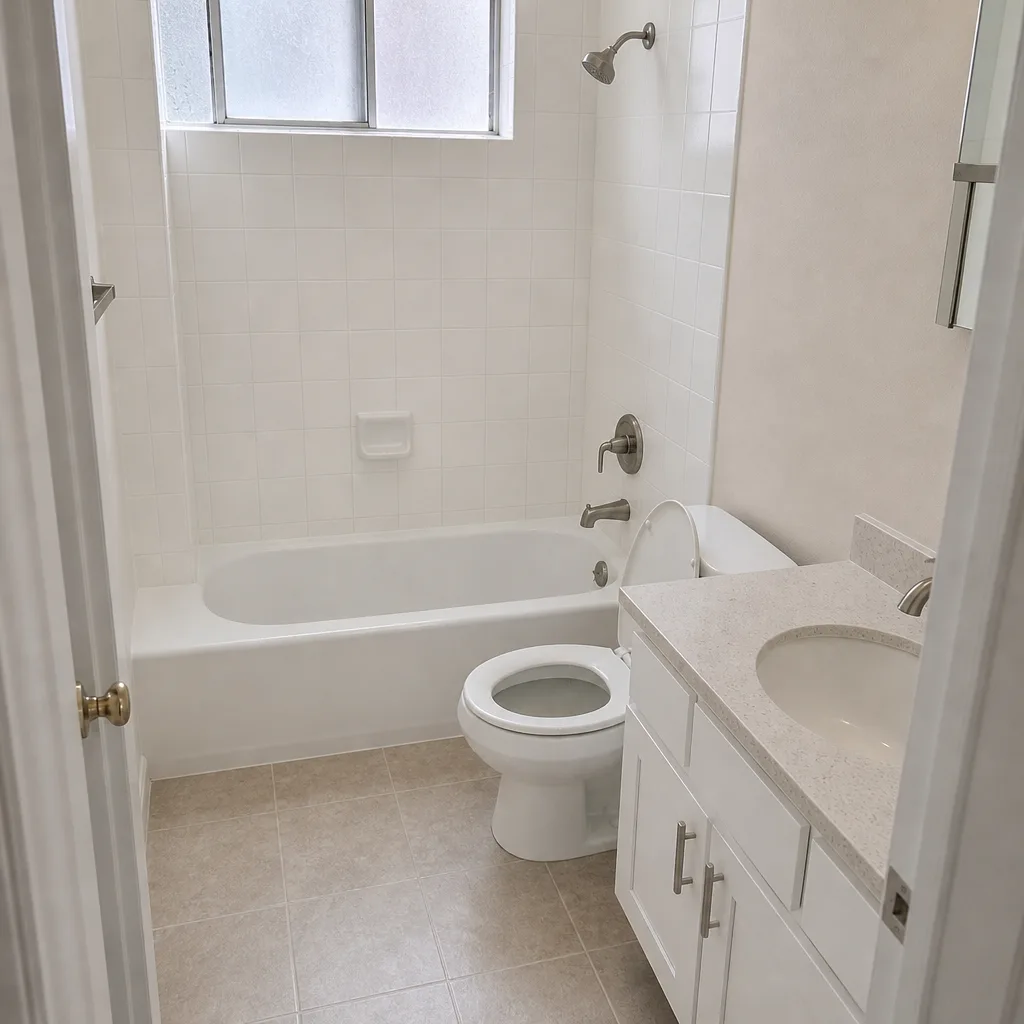 After
Junior ADU vs Standard ADU in Enterprise, NV: Which One Fits Your Home?
Choose a JADU if your Enterprise home is an HOA-governed tract house in Southern Highlands or Mountain’s Edge and you want rental income without touching your lot coverage, grading, or detached-structure rules. Choose a standard ADU if you own a custom lot on the foothill edge with no HOA and want the higher long-term rental ceiling. That’s the honest bottom line. The rest of this page explains why it holds up in Enterprise specifically, and where the numbers actually land.
Groundwork Construction Co. of Enterprise builds both, and we quote both in a single proposal so you compare real Enterprise numbers instead of national averages. Questions before you commit? Call (844) 797-4406 and a live person picks up, any hour.
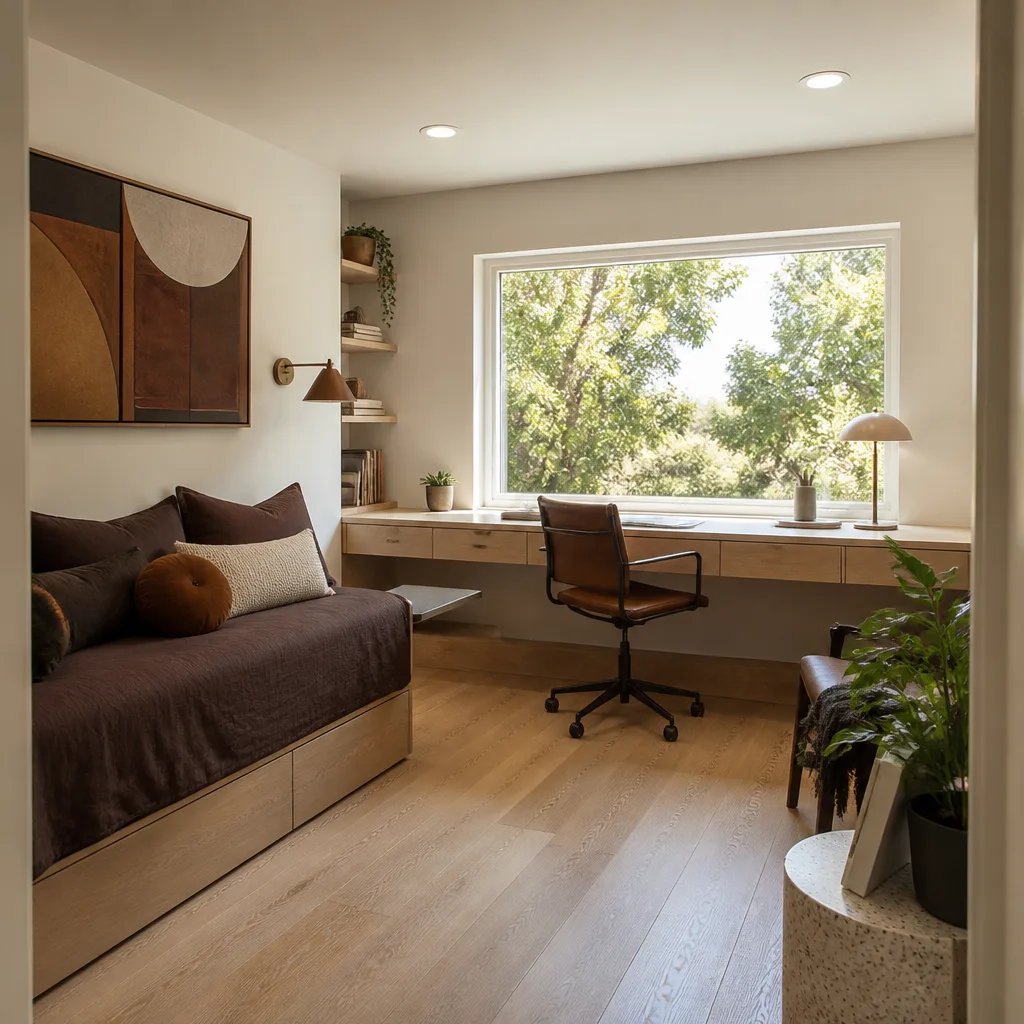
What’s the Real Difference Between a JADU and a Standard ADU?
A JADU is capped at 500 square feet, carved out of the existing footprint of your house, requires the owner to live on site, and gets an efficiency kitchen rather than a full one. A standard ADU in Clark County can run up to 1,200 square feet, can stand detached from the main house, carries a full kitchen, and doesn’t require owner-occupancy. Those four differences drive almost every cost and design decision that follows.
Here’s how the two stack up on the factors that matter in Enterprise:
| Factor | JADU | Standard ADU |
|---|---|---|
| Maximum size | 500 sq ft | Up to 1,200 sq ft |
| Location | Inside existing structure | Detached or attached |
| Kitchen | Efficiency only | Full kitchen |
| Owner-occupancy | Required | Not required |
| Lot coverage impact | None | Counts against lot coverage |
| Typical Enterprise cost | $45,000-$130,000 | $90,000-$220,000 |
The size cap gets all the attention, and it shouldn’t. In Enterprise’s housing stock, 500 square feet is usually the last thing that limits a JADU. What actually matters is what’s already sitting inside your floor plan.
Why the 500 Sq Ft Cap Rarely Bites in Enterprise Tract Homes
Enterprise is Las Vegas’s southwest growth corridor, and the housing stock here runs overwhelmingly 1990s-to-present stucco-and-tile suburban homes in master-planned communities like Southern Highlands and Mountain’s Edge. Plenty of those plans are 2,500 to 4,000 square feet with a bedroom suite near the garage, sometimes with its own exterior door. That layout is close to a JADU already.
Carve out a bedroom suite, a closet, and part of an adjacent hall, and you land inside 500 square feet without moving a load-bearing wall. The plumbing rough-in for a bath is already in the slab. You add an efficiency kitchen against an existing wall, tie into the panel, and finish it. No new foundation. No new roofline. No site work.
That’s the part most comparison pages skip: the JADU isn’t cheaper because it’s smaller. It’s cheaper because it reuses what’s already built, permitted, and paid for. In a 3,200-square-foot Enterprise home, a well-planned JADU can deliver close to the rental income of a small detached unit at roughly 60% of the build cost. We see this play out repeatedly in Southern Highlands tracts where the garage-adjacent suite was designed as a guest room and never used as one.
There’s a permit side to it too. A JADU is interior work. It doesn’t add lot coverage, doesn’t change your drainage calculation, and doesn’t trigger the grading review a new structure would. On Enterprise’s sloped lots, that review is where schedules go to die.
When a Standard ADU Is the Smarter Call
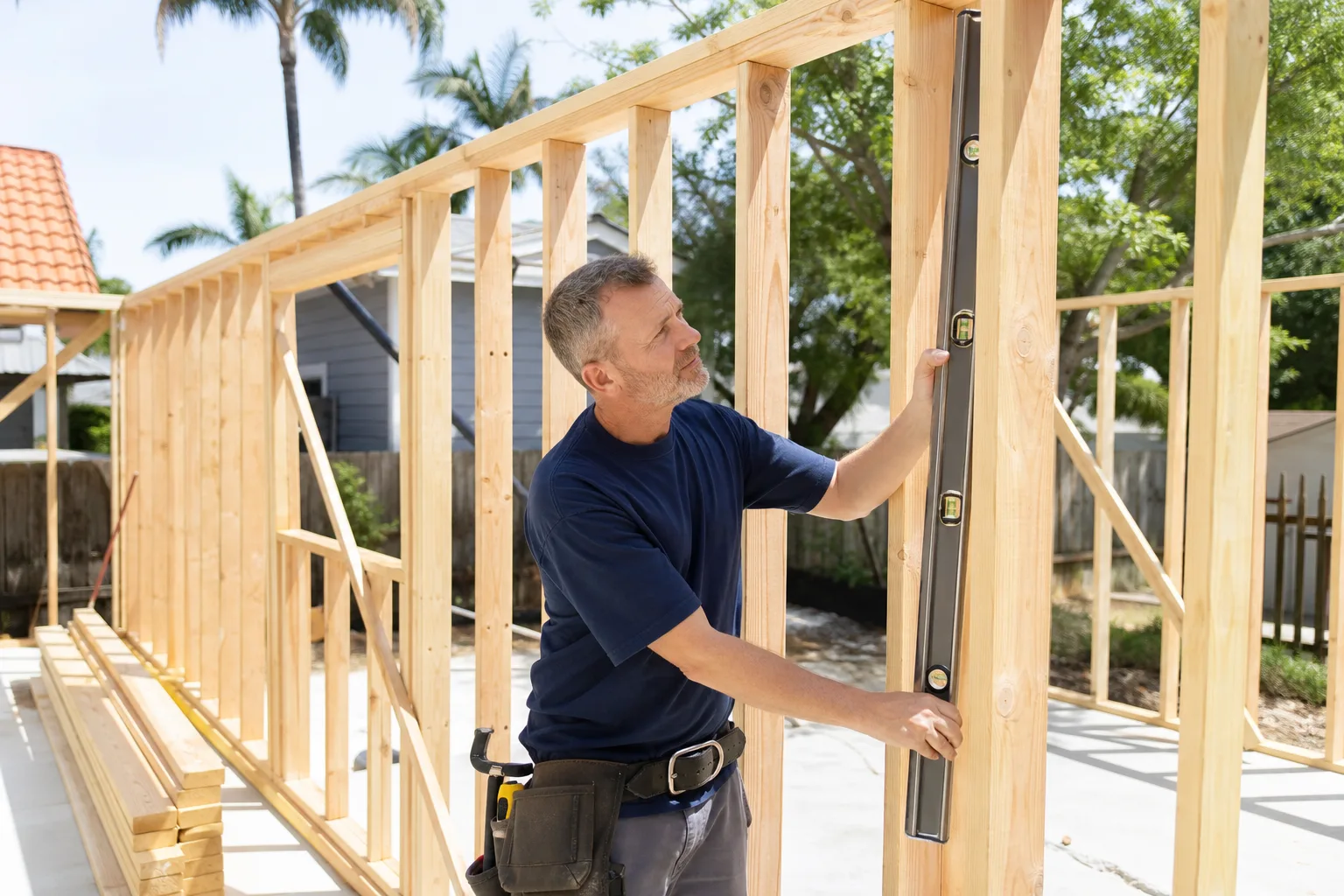
If your lot can carry a detached structure without geotechnical complications, a standard ADU usually wins on long-term yield. More square footage means a higher rent ceiling. A full kitchen and a private entrance mean a tenant who stays longer. And no owner-occupancy requirement means you can rent both the main house and the ADU, which changes the math entirely.
This is where Enterprise’s custom lots along the Sloan and Blue Diamond foothill edges come in. Those properties often have room for a detached unit, and many sit outside HOA control, so the detached-structure restrictions that govern tract homes simply don’t apply. If you’re on a graded pad with retaining walls and engineered fill, though, get a geotechnical opinion before you commit. A detached ADU that needs fill work, drainage redesign, or a retaining wall can blow past the number in your head. We scope that up front, not after the permit comes back.
One more thing foothill-edge owners should factor in: wildfire-defensible-space and ember-resistant detailing requirements apply where subdivisions back onto open desert. A detached ADU near a slope needs to be built to those standards. An interior JADU avoids the question. That’s a real trade-off, and it’s one flat central-valley neighborhoods never have to think about.
What Should You Look For in Either Proposal?
Whether you land on a JADU or a standard ADU, the proposal should tell you exactly what you’re getting. Ask for these before you sign anything:
- Line-item pricing, not a lump sum. Framing, mechanical, electrical, finishes, and permit fees broken out separately so you can see where the money goes.
- Explicit scope on the existing utility panel. Adding a full kitchen and a bath to an existing service can mean an upgrade. That should be a line item, not a surprise.
- Named material brands. We build with partners like ActiveYards and Belgard where outdoor components are involved, and we spell out finish-grade brands in writing.
- Owner-occupancy acknowledgment on a JADU. It’s a legal requirement. Any proposal for a JADU that doesn’t mention it is a red flag.
- A workmanship guarantee in writing. Ours is the 730-Day Done Right Promise: if it’s not done right, we make it right.
Our technicians have up to 12 years of experience on this kind of work, and every one of them is background-checked and arrives in uniform. When you’re ready to see real numbers, the Home Additions & ADU page lays out our full process, and our Home Additions & ADU in Enterprise page covers the local permitting path in more detail.
What Does a JADU or ADU Cost in Enterprise?
Expect $45,000 to $130,000 for a JADU built inside your existing walls, and $90,000 to $220,000 for a standard ADU, whether attached or detached. The gap comes almost entirely from site work and structure, not finish quality. A JADU reuses your foundation and roof; a standard ADU builds both from scratch.
Where Enterprise projects tend to run higher than the low end: sloped or engineered-fill lots that need drainage and grading work, panel upgrades to support a full kitchen, and defensible-space detailing on ADUs near open desert. Where they stay low: garage-adjacent suites that already have a bath rough-in, which is common in Southern Highlands and Mountain’s Edge floor plans.
We quote both options in one proposal so you’re comparing real numbers side by side. Upfront pricing means the number you see is the number you pay. If a full ADU makes more sense for your property, our home page shows the broader scope of what we build.
FAQs
Yes, typically by a wide margin. A JADU in Enterprise runs $45,000-$130,000 against $90,000-$220,000 for a standard ADU, because it reuses your existing foundation, roof, and utility rough-ins instead of building them new. Call (844) 797-4406 for an exact quote on your layout; estimates are free.
Yes. Owner-occupancy is a legal requirement for a JADU, not a preference. If you want to rent both units and live elsewhere, a standard ADU is the only path that allows it. We’ll walk through which option fits your plans before you commit to a design.
No. A JADU has to be carved out of the existing structure. If a separate structure is what you need, that’s a standard ADU, which in Clark County can run up to 1,200 square feet and stand on its own foundation. Both are quoted in a single proposal so you can compare.
It depends on the community, and HOA rules vary widely across Southern Highlands, Mountain’s Edge, and the newer subdivisions pushing toward the foothills. JADUs typically face fewer hurdles because they don’t add a detached structure to the lot. We review your CC&Rs as part of the design phase so nothing gets blocked after permits.
Comparing Your Options in Enterprise
If you’d rather have it looked at in person, Groundwork Construction Co. of Enterprise offers a no-pressure assessment in Enterprise. We’ll measure your floor plan, check your panel and lot, and put JADU and standard ADU pricing in front of you side by side. Call (844) 797-4406. Live person, 24/7. The estimate and design consult are free.
Written by the team at Groundwork Construction Co. of Enterprise, serving Enterprise, NV.