
Free written scope consultation - allowances, timeline, and change-order rules on paper before a single trade is scheduled
ADU Site Prep & Utilities in Sandy Valley, NV: What It Takes and What It Costs
Site prep and utilities for an ADU in Sandy Valley typically run $45,000 – $130,000, and the honest reason that range is so wide is that a rural parcel here means you’re often bringing water, power, and waste to the site yourself rather than tying into city lines. Most Sandy Valley builds we scope take four to eight weeks of site work before a single footing is poured. Call (844) 797-4406 and we’ll walk your parcel and talk through what your land actually needs.
How We Do ADU Site Prep & Utilities: Stage by Stage
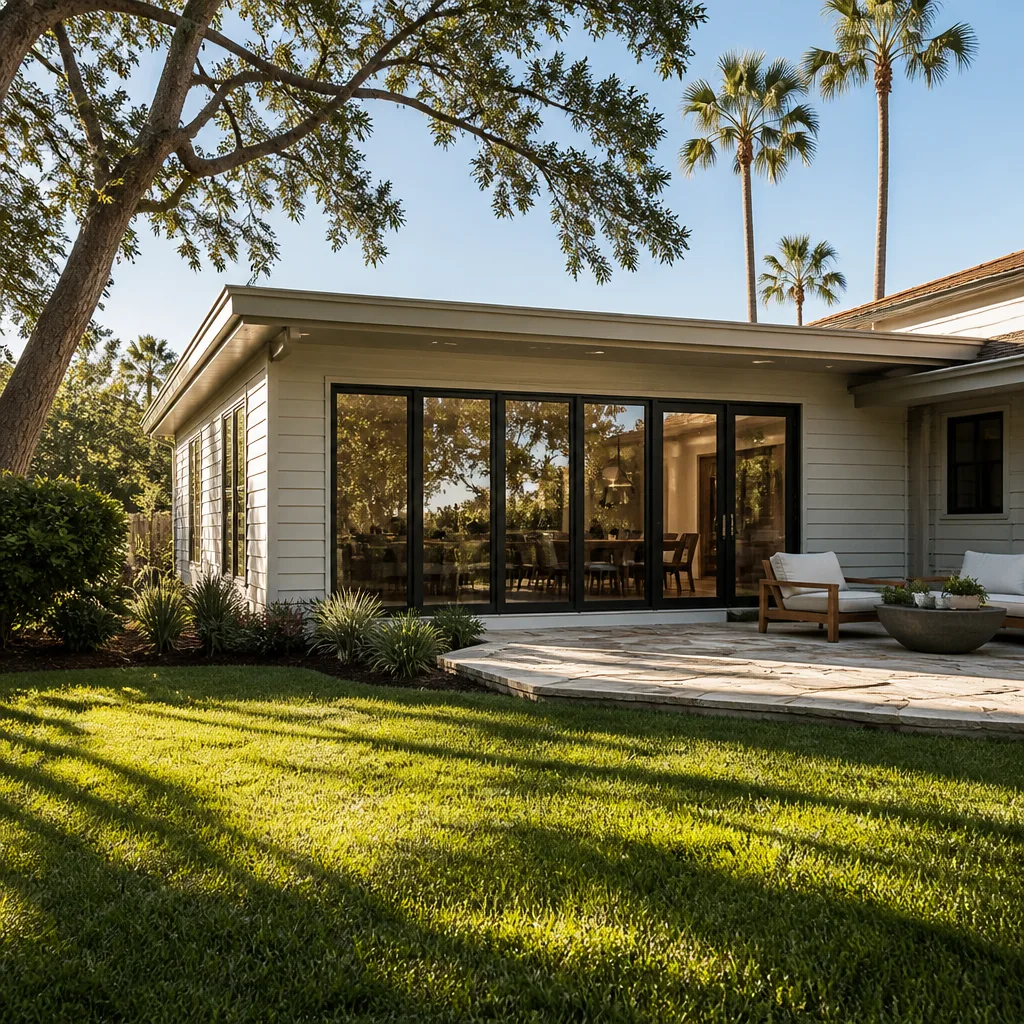
Every rural parcel is different, but the sequence for site prep and utilities follows a predictable order. Here’s what actually happens, and where you make decisions along the way.
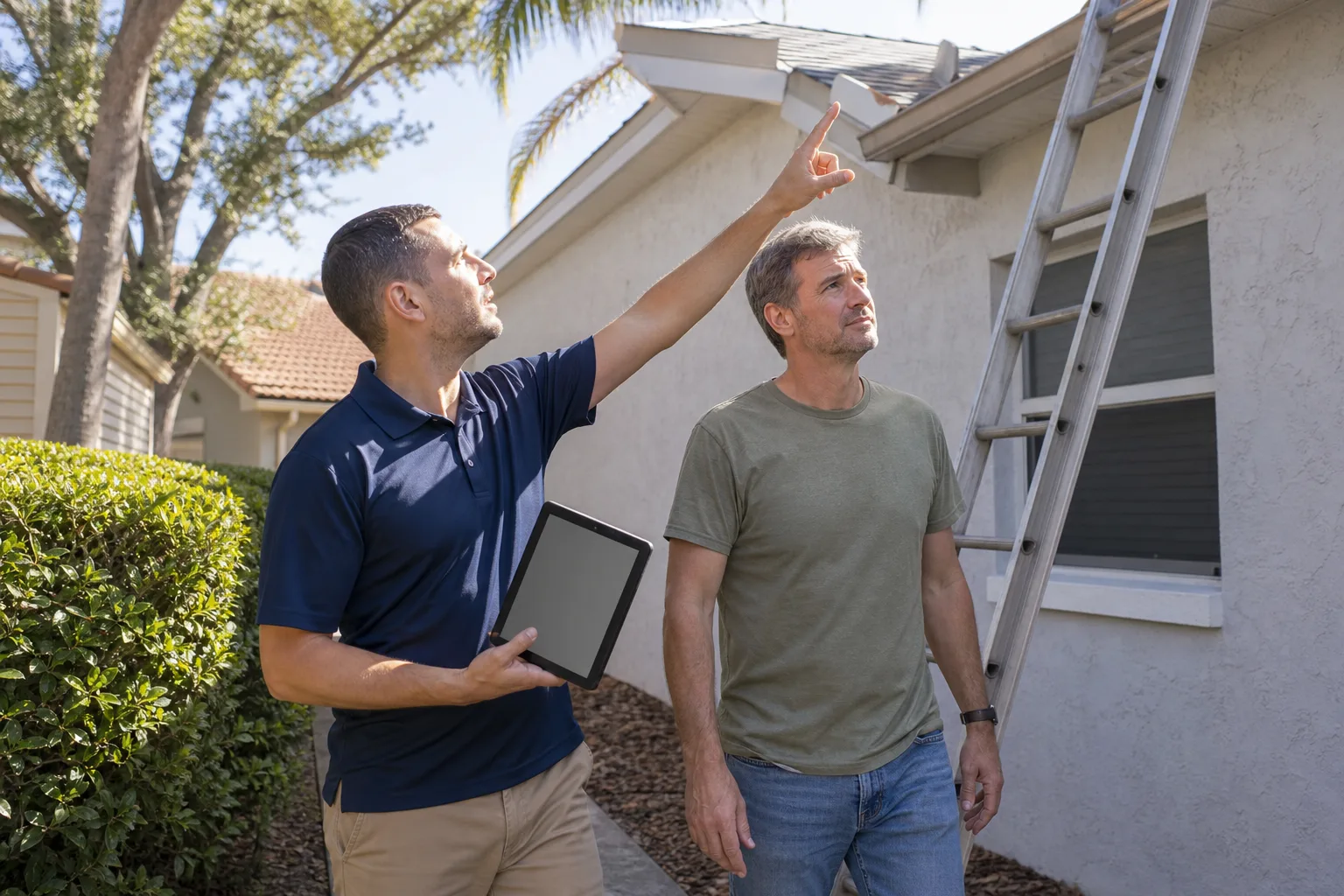
- Site assessment and utility mapping (day 1 – 3). We walk the lot, mark the build envelope, and locate what’s already there: existing well or shared water, the septic tank and leach field, the panel and any generator or solar setup. You decide where the ADU footprint sits relative to those systems, and that decision drives everything downstream. This stage takes a couple of days, not weeks – the goal is to catch the expensive surprises before you spend money.
- Clearing, grading, and drainage (week 1 – 2). We clear the footprint, cut and fill to a workable grade, and shape the site so monsoon runoff moves away from the building rather than through it. On a large parcel this often means a modest drainage swale or berm. You’re deciding how much of the lot to disturb versus how much to leave natural.
- Utility trenching and rough-in (week 2 – 4). Water line, electrical conduit, and any conduit for future solar or generator tie-in go in the ground before the slab. If the ADU needs a separate septic system or connection to the existing one, that gets engineered and located here. You decide service sizes – a 100-amp feed versus 200-amp, for example – and whether to oversize conduit now for later.
- Well, septic, and power coordination (week 3 – 6). This is the stage that makes Sandy Valley different. If a new well is needed, drilling schedules and pump installation run on their own timeline. Septic approval depends on soil perc testing. Off-grid or hybrid power decisions get made now. You’ll be choosing between tying into an existing system and building a self-sufficient one.
- Inspections and slab prep (week 6 – 8). Clark County inspectors drive out from the valley, so we build in pre-inspection prep and confirm everything is staged and correct before they arrive. Foundation formwork, compaction, and termite or moisture prep happen here. You sign off on the final grade and utility stubs before concrete.
That’s the honest shape of it. The utility stage is where schedules slip on rural dirt, not the concrete and framing.
Styles & brands we work with
- Kitchen remodeling
- Bathroom remodeling
- Home additions & ADU
- Roofing
- Windows & doors
- Driveway & pavers
- Fence
The Options You’ll Choose Between for Site Prep & Utilities
The choices that shape cost and function on a Sandy Valley ADU site come down to systems, and each has a real trade-off.
- Water: existing well vs. new well vs. shared/hold. Tying into a working well is cheapest and fastest. A new well means drilling, pump, and pressure tank as a package, and you inherit the water quality and yield of that hole. Decide based on your existing well’s reliability and the ADU’s demand.
- Waste: septic expansion vs. separate system. Connecting to an existing septic may work if the system has capacity for another dwelling. A new system means perc testing, design, and county approval. The existing-septic route is usually cheaper but depends on capacity and condition.
- Power: utility service vs. off-grid solar/battery vs. generator hybrid. A utility service drop is conventional; a solar-plus-battery system gives independence but has a higher upfront cost and battery maintenance. Hybrid setups with a generator backup are common on remote parcels.
- Conduit and service sizing. A 100-amp feed costs less than 200-amp service but limits what you can run later. Oversizing conduit during trenching is inexpensive and saves a dig later.
- Materials where they matter above ground. Once the building shell comes up, roof and exterior systems get chosen; GAF and Owens Corning shingles are common choices for wind-rated performance, and plumbing fixture brands like Grohe come into play indoors.
What ADU Site Prep & Utilities Costs in Sandy Valley, NV
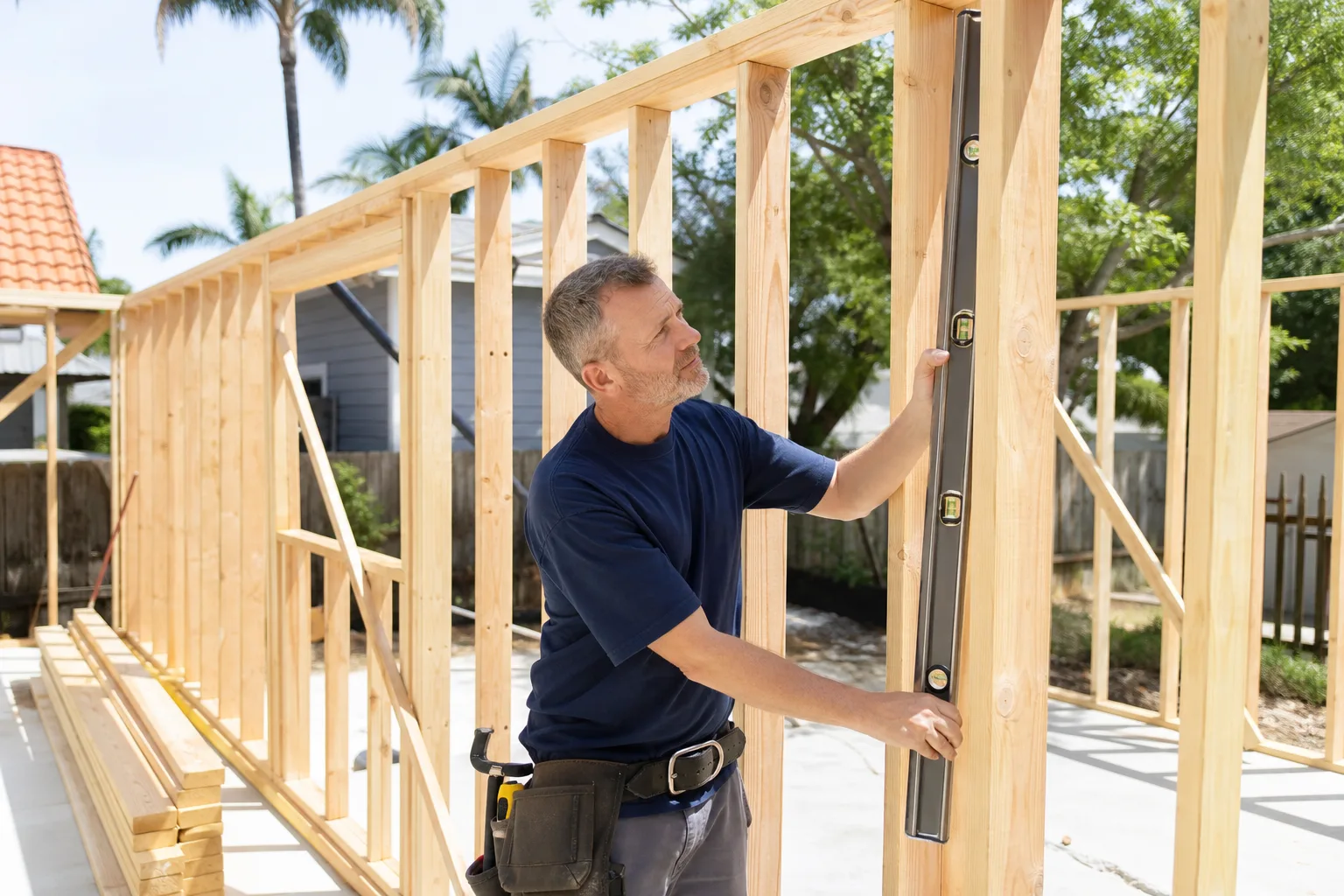
Site prep and utilities for an ADU in Sandy Valley land in the $45,000 – $130,000 range, and where you fall depends on how self-contained the systems have to be. The variables that move the number:
- New vs. existing utilities. Tying into working well, septic, and power keeps you near the low end. New well, new septic, and a full off-grid power system push you toward the top.
- Distance and trenching. Running lines several hundred feet from an existing well or panel on a large parcel adds excavation and wire cost.
- Grading and drainage. A flat, clean parcel is cheap. A sloped lot needing cut, fill, and flash-flood drainage work adds real money.
- Inspection logistics. Remote parcels mean coordinating inspector trips from Clark County; done poorly, that stalls the job and adds cost.
- Service size and allowances. Amperage, water line size, and whether you build for future solar all shift the total.
A written line-item estimate here spells out the trenching, the utility tie-ins, the grading and drainage, and the inspection prep. What it typically doesn’t cover: the cost of the well itself if drilling hits unexpected depth, or county fees that get paid directly to the agency. Upfront pricing means the number you see is the number you pay for the scope we’ve written.
See the difference
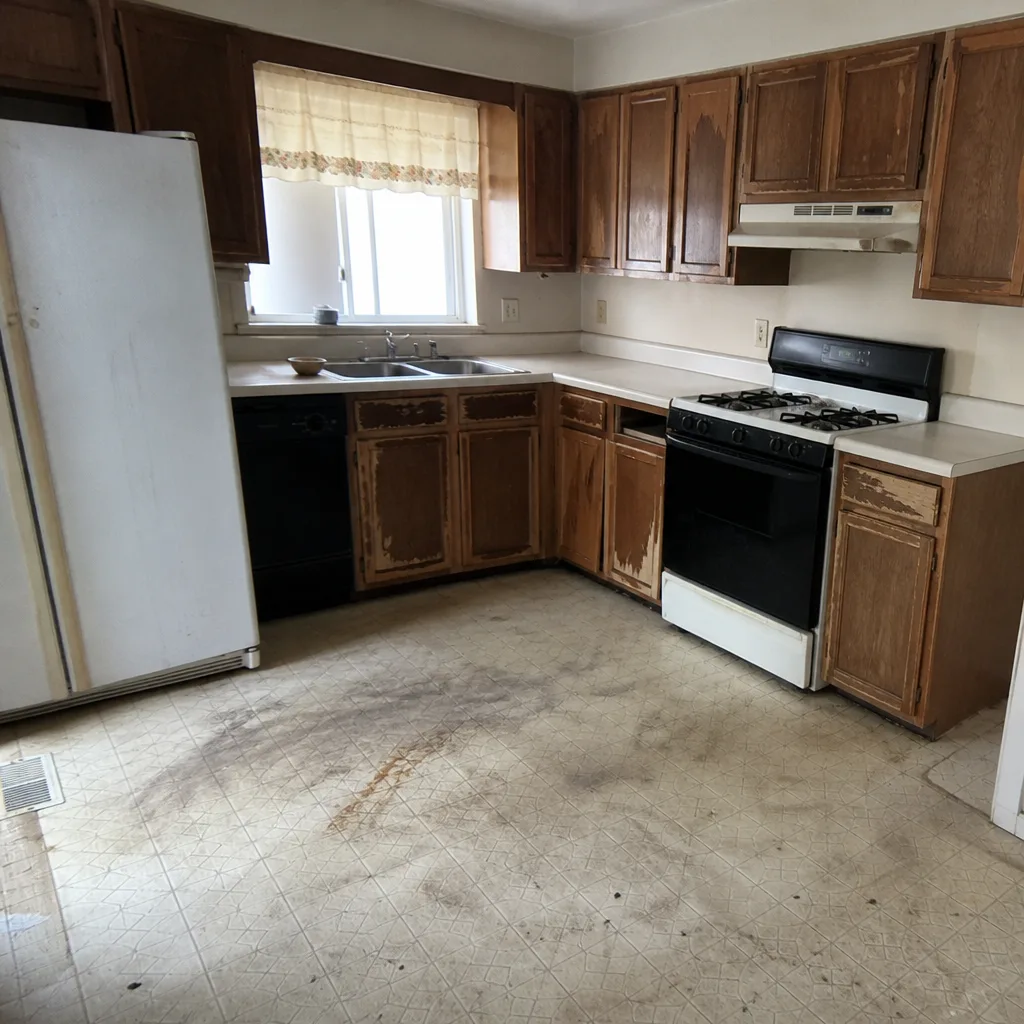 Before
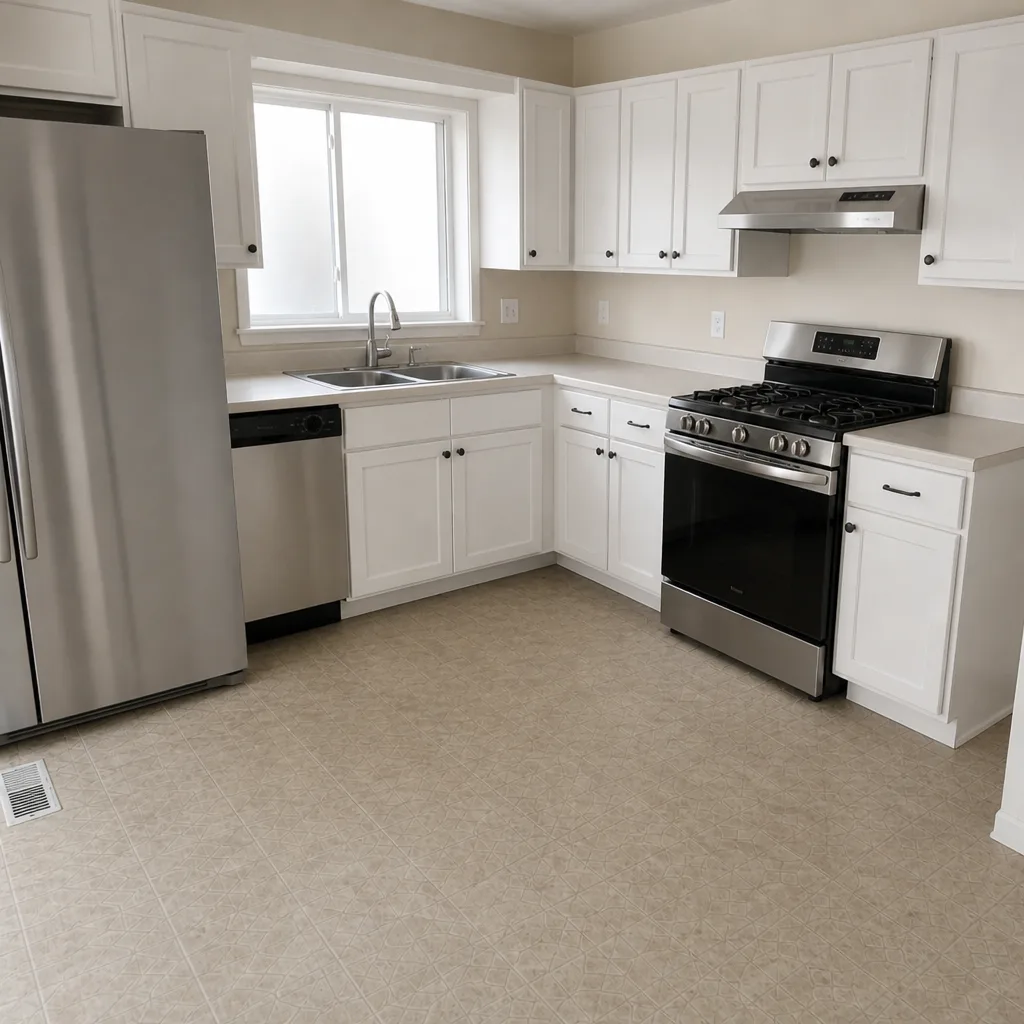 After
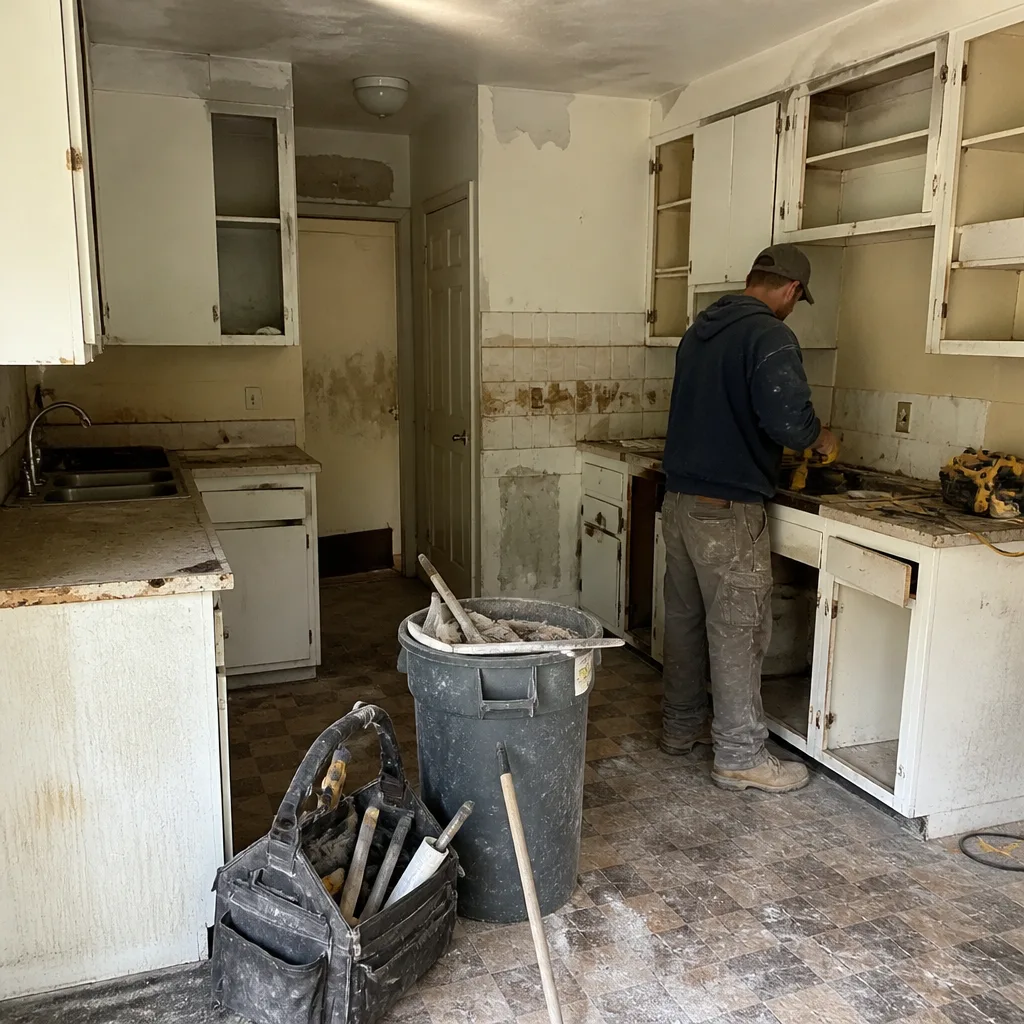 Before
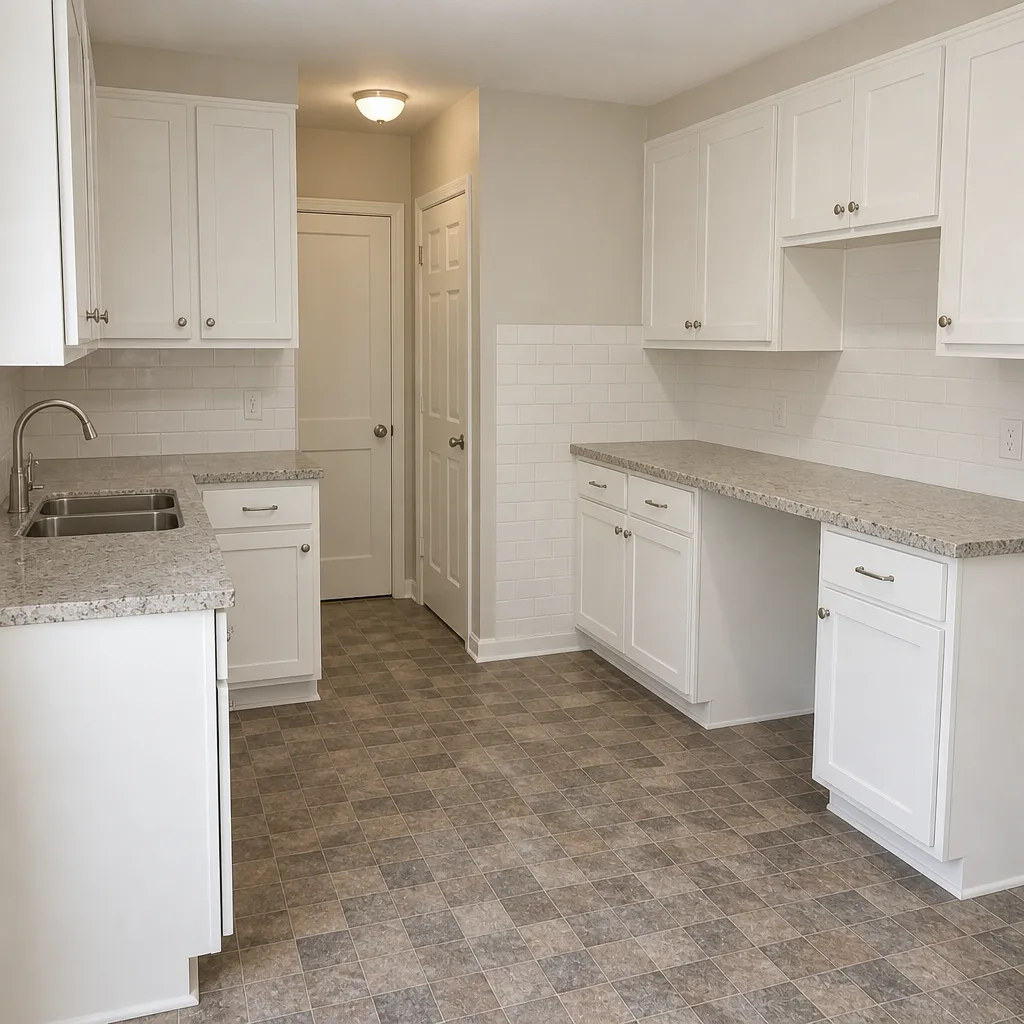 After
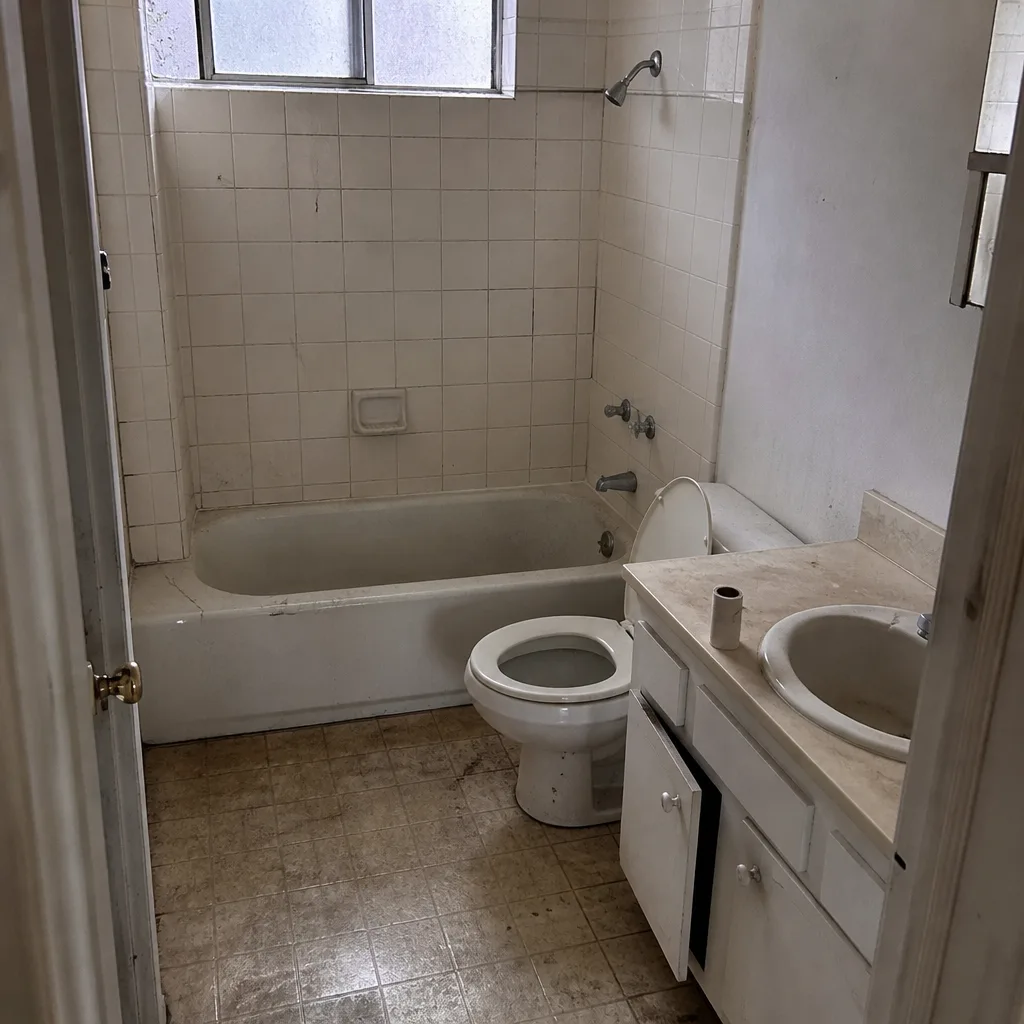 Before
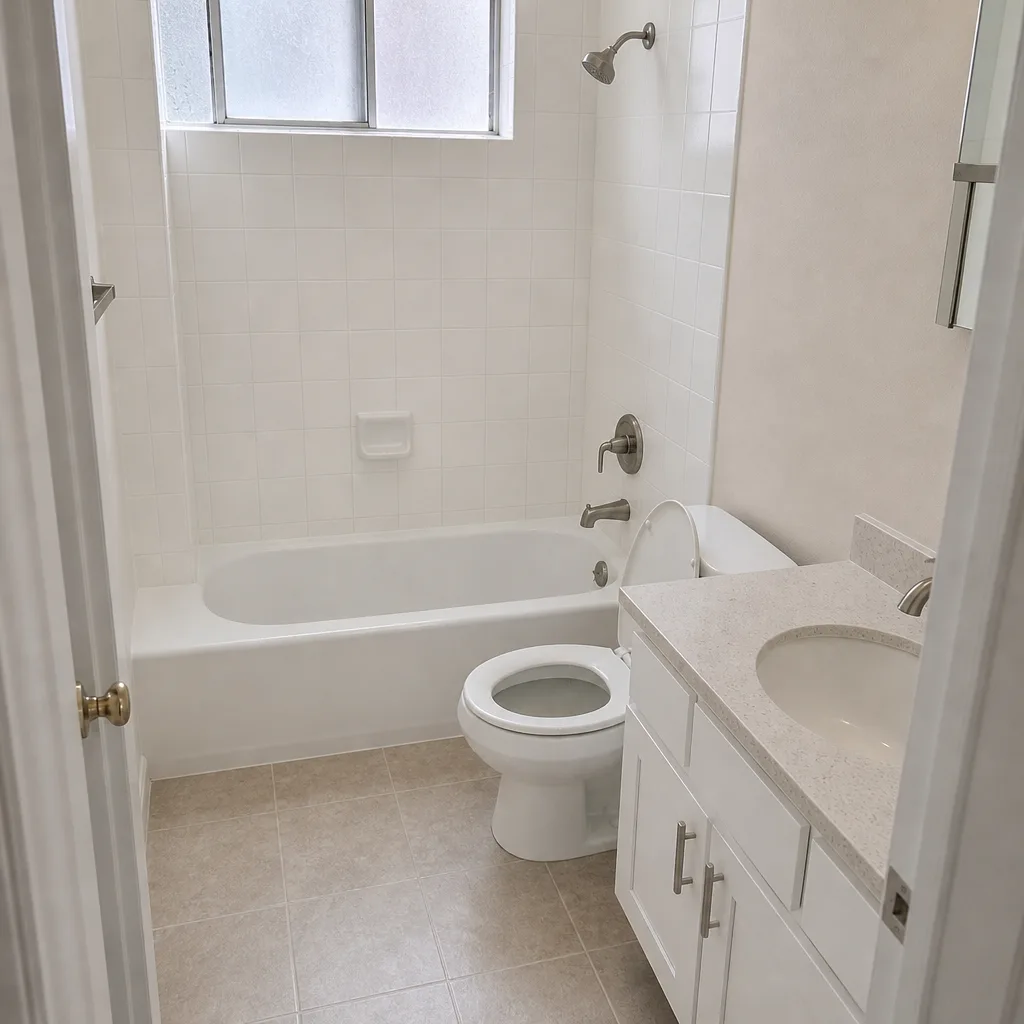 After
What Sandy Valley Homes Specifically Do to This Job
Sandy Valley is an unincorporated, off-grid-leaning desert community at the foot of the Spring Mountains, and that shapes site prep here in ways it doesn’t in a valley subdivision. Most construction happens on large rural parcels with private wells, septic, and often solar or generator power rather than municipal services. Builders here routinely design around self-sufficient water, power, and waste systems that contractors working in the city never touch. Housing is scattered single-family and manufactured homes on multi-acre lots plus custom and owner-builder homes, many older and self-built, so site work frequently means upgrading ad-hoc wiring, plumbing, and foundations rather than following standard plans. The high-desert climate throws intense summer heat, strong winds, and flash-flood runoff through the washes and arroyos, so grading and drainage have to account for UV, thermal expansion, wind uplift, and monsoon flow, while winter cold at this elevation brings hard freezes that affect foundations. Inspectors make the long drive out from Las Vegas, so scheduling and pre-inspection prep carry more weight than on a valley job. This whole scope is part of a full Home Additions & ADU in Sandy Valley project, and we’ve built our rural site-prep process around exactly these conditions across Sandy Valley.
Serving Sandy Valley, NV – Our Local Coverage Area
We serve Sandy Valley and nearby communities. Use the map below to see the area we cover. If you’re nearby, we can almost certainly help.
Frequently Asked – ADU Site Prep & Utilities in Sandy Valley
Plan on four to eight weeks of site work before framing, depending on whether you need a new well, a new septic system, or a full off-grid power setup. Tying into existing utilities shortens the timeline; off-grid water and waste push it longer. Call (844) 797-4406 and we’ll map a realistic schedule for your parcel.
Yes – utility work, septic, and structural site prep all fall under Clark County permitting, and the remote location means inspections require scheduling around the drive from the valley. We pull permits and build inspection prep into the schedule so the job doesn’t stall waiting on a visit. Ask us to walk through the permit scope on your free estimate.
Often yes – if your existing well, septic, and service can carry another dwelling, you can tie in and keep costs near the low end of the range. The deciding factors are your well’s yield, your septic’s capacity, and your panel’s available amperage. We assess all three on-site before quoting.
It runs $45,000 – $130,000, driven by new versus existing utilities, trenching distance on large parcels, grading and drainage, service sizing, and inspection logistics. Call (844) 797-4406 for an exact quote – estimates are free and written line-item.
Our work is backed by the 730-Day Done Right Promise – if it’s not done right, we make it right. That covers the workmanship on trenching, grading, drainage, and utility rough-in. We’ll spell out exactly what the guarantee covers in your written estimate.
Get a Free On-Site Estimate for ADU Site Prep & Utilities in Sandy Valley
Every rural parcel writes its own rules, and the only way to price your ADU site prep and utilities honestly is to walk the ground. Call (844) 797-4406 for a free estimate. On that call we’ll set a site visit, assess your existing well, septic, and power, and hand you a written line-item quote with upfront pricing. Homeowners often pair this groundwork with Concrete Driveways & Concrete Work in Sandy Valley or Paver Driveways in Sandy Valley once access roads and grading settle. Our Home Additions & ADU team handles the scope from foundation to finish line.
Written by the team at Groundwork Construction Co.