
Last updated November 18, 2026

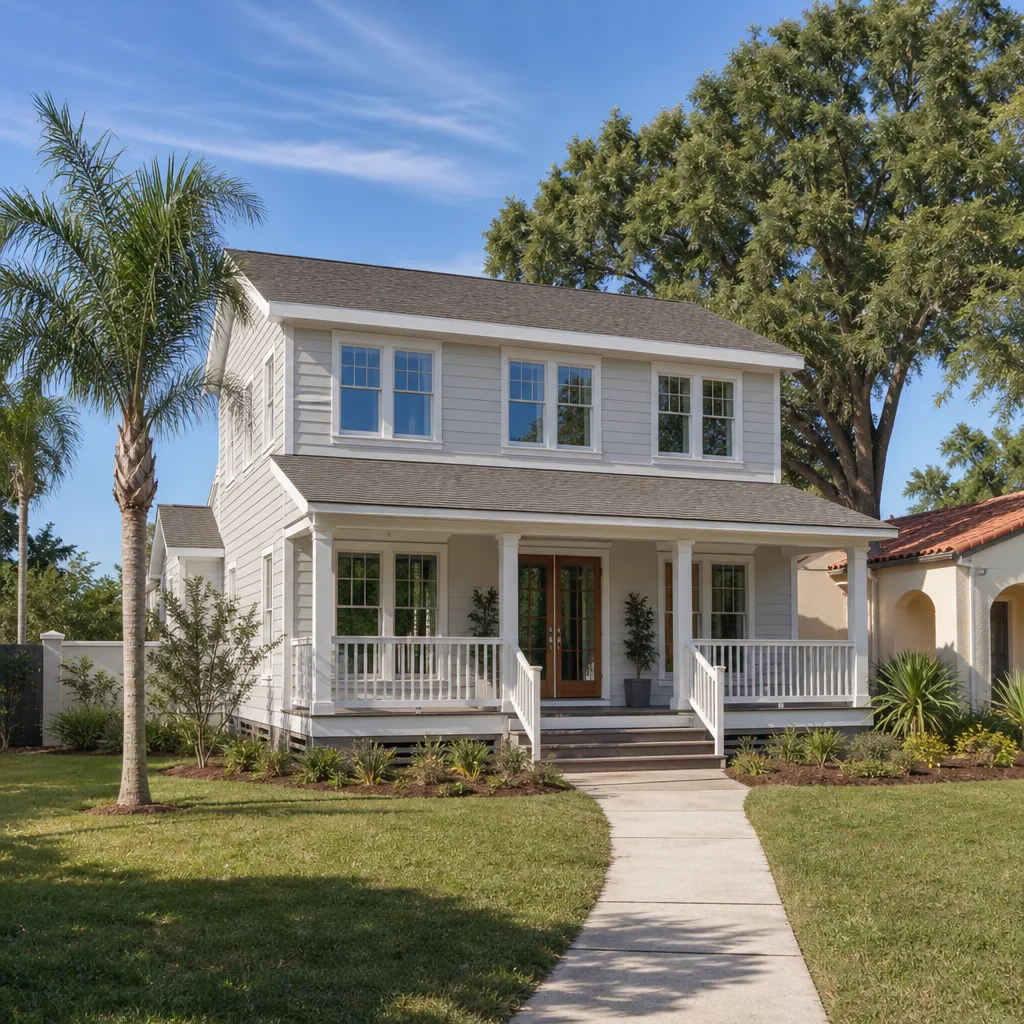





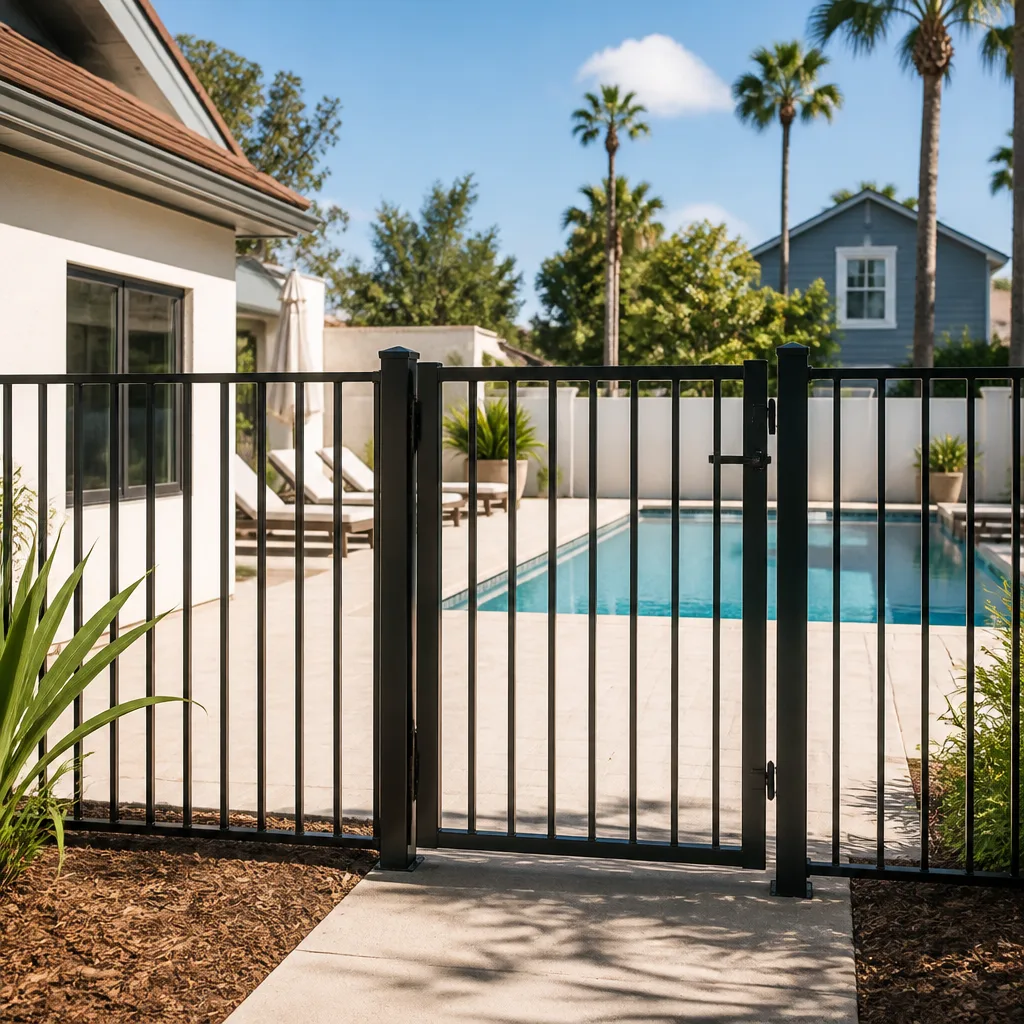
Free written scope consultation - allowances, timeline, and change-order rules on paper before a single trade is scheduled
Construction Permits, Codes & Inspections in NV: What You Need to Know
Every year, thousands of Nevada homeowners finish a project without a permit and tell themselves they saved time. The bill usually shows up years later at resale, when a title company flags the unpermitted addition and the buyer’s lender refuses to close until it’s either torn out or retroactively permitted at triple the original cost. Clark County Development Services sees this constantly. What surprises people most is that the rules aren’t just “Nevada rules” – they’re county rules, and here in Enterprise, being in unincorporated Clark County puts you in a different permitting lane than your neighbor five minutes away in Henderson or Las Vegas. This guide walks through the workflow, the inspections, the retroactive process, and the code updates that affect permits filed today.
Quick Answer
In Nevada, construction permits are issued by the county or city with jurisdiction over your address, not by a single statewide office. For Enterprise addresses, that means Clark County Development Services handles your permit review and inspections, and the process, timelines, and fee structure differ from what a Las Vegas or Henderson homeowner faces. Most structural, electrical, plumbing, and mechanical work requires a permit, and inspections must be signed off in sequence before you close walls.
Styles & brands we work with
- Kitchen remodeling
- Bathroom remodeling
- Home additions & ADU
- Roofing
- Windows & doors
- Driveway & pavers
- Fence
Table of Contents
- Who Issues Permits in Nevada? State Code vs. County Jurisdiction
- Why Enterprise Is Different: Unincorporated Clark County Explained
- Which Projects Legally Require a Permit in Nevada?
- The Clark County Permit Workflow, Step by Step
- Inspection Sequencing: What Happens If You Close Walls Too Early
- The Retroactive Permit Process in Clark County
- Nevada’s 2024 Energy Code Updates and What They Mean for Your Permit
- Common Mistakes to Avoid
Who Issues Permits in Nevada? State Code vs. County Jurisdiction
Nevada sets the baseline building code at the state level, but the authority to issue permits and conduct inspections belongs to the local jurisdiction. That split trips up a lot of homeowners. You’ll read a Nevada statute, assume it’s the final word, then find out Clark County has adopted its own amendments, fee schedules, and review timelines on top of it.
The practical hierarchy looks like this:
- State level: The Nevada State Contractors Board licenses the contractor. The state adopts model codes (International Residential Code, International Building Code, National Electrical Code) with Nevada amendments.
- County level: Clark County Development Services reviews plans, issues permits, and performs inspections for unincorporated areas.
- City level: The City of Las Vegas, Henderson, North Las Vegas, and Boulder City each run their own building departments for addresses inside their limits.
Here’s the part that catches people: the same exact addition, same square footage, same materials, can take a different path depending on which side of a boundary line the parcel sits on. A homeowner in Enterprise pulling a permit for a home addition deals with Clark County’s plan review queue and inspection scheduling. A homeowner two miles east in the City of Las Vegas deals with a different department with different submittal requirements and different turnaround times. Neither is “wrong” – they’re just separate systems, and mixing up which one applies to your address wastes weeks.
If you’re planning something substantial like an ADU, start by confirming jurisdiction before you do anything else. Our team at Home Additions & ADU in Enterprise verifies jurisdiction as step one on every project for exactly this reason.
Why Enterprise Is Different: Unincorporated Clark County Explained
Enterprise is not a city. It’s an unincorporated community in Clark County, which means it has no municipal building department of its own. Every permit for an Enterprise address routes through Clark County Development Services, and that single fact shapes your entire project timeline.
In practice, that means:
- You submit to Clark County, not to a city hall in Enterprise (there isn’t one).
- Your inspections are scheduled through the county’s system, and county inspectors cover a large geographic footprint, which affects scheduling windows.
- County fee schedules and plan review timelines apply, and they’re set separately from Las Vegas or Henderson rates.
- Zoning and setback questions route to Clark County planning, not a city planning office.
We’ve watched homeowners in the Enterprise area waste a month submitting plans to the wrong department because a friend in Las Vegas told them “this is how it works here.” It doesn’t. The county has its own submittal checklist, its own revision process, and its own inspection sequence. Knowing that going in saves real time.
The good news is that once you understand the county workflow, it’s predictable. Enterprise has seen steady residential growth, which means the county is familiar with the project types common here – additions, ADUs, re-roofs, driveway replacements, and fence work. That familiarity helps, but it doesn’t remove the paperwork. Every one of our Driveway & Pavers in Enterprise projects gets checked against county requirements before we touch a shovel, because hardscape is more regulated than most people assume when it touches the right-of-way.
Which Projects Legally Require a Permit in Nevada?
This is where assumptions get expensive. Homeowners routinely skip permits on work they genuinely believe is exempt. Here’s the honest breakdown.
Projects that require a permit in Clark County (including Enterprise):
- Any structural work, including new walls, load-bearing changes, and additions
- Electrical work beyond swapping a light fixture or outlet (new circuits, panel changes, service upgrades)
- Plumbing changes, including new lines, relocations, and water heater replacements
- Mechanical work, including new HVAC systems and ductwork modifications
- Roof replacement (full tear-off and re-roof)
- Fence installation above a certain height, and any fence in a right-of-way or on a property line
- Pools, spas, and their electrical and gas connections
- ADUs and detached structures over the size threshold
- Window and door replacements that change the opening size or affect structural framing
Projects often assumed to be exempt but frequently aren’t:
- Fences. A lot of people believe fences never need permits. In unincorporated Clark County, height, placement, and property-line rules apply, and a fence in the wrong spot can trigger a code complaint.
- Driveways and pavers. If the work touches the public right-of-way or changes drainage, it can require review.
- Window replacements. Same-size swaps are usually straightforward, but any change to the rough opening pulls in structural review.
- Water heaters. A like-for-like swap still usually needs a permit because of the gas or electrical connection and pressure relief requirements.
When in doubt, ask before you build. A five-minute call to the county beats a five-figure fix at resale. Even our Fence Installation in Enterprise and window projects (we work with brands like CWS and ES Windows on replacements) get permit-checked, because the stakes of guessing wrong are too high.
The Clark County Permit Workflow, Step by Step
For Enterprise addresses, the county permit process follows a predictable sequence. Here’s what it looks like from start to final inspection.
- Confirm jurisdiction and zoning. Verify your parcel sits in unincorporated Clark County, then confirm zoning and setback requirements for the project type. This takes minutes and prevents months of rework.
- Prepare the submittal package. Plans, site plan, structural calculations where needed, and a scope narrative. Incomplete packages get kicked back and the clock restarts.
- Submit for plan review. The county reviews for code compliance against the currently adopted building and energy codes.
- Respond to review comments. Plan reviewers issue corrections; you or your contractor revise and resubmit. This is where inexperienced submittals lose the most time.
- Pay fees and pull the permit. Once approved, fees are due and the permit is issued.
- Schedule inspections in sequence. Foundation, framing, rough-in (electrical, plumbing, mechanical), insulation, and final. Each must pass before the next stage proceeds.
- Final inspection and certificate of occupancy. The final sign-off closes the permit. For additions and ADUs, you can’t legally occupy the space until this happens.
The single biggest variable is plan review turnaround, which fluctuates with county volume. That’s why we build review time into every project schedule rather than pretending it doesn’t exist. Whether it’s a full home addition through Groundwork Construction Co. of Enterprise home or a smaller scope, the sequence is the same – and skipping steps costs more than following them.
Inspection Sequencing: What Happens If You Close Walls Too Early
This is the mistake that hurts the most because it’s the most avoidable. In Nevada, rough-in inspections for electrical, plumbing, and mechanical must be signed off before insulation and drywall go up. If a crew closes walls early, the inspector can’t verify what’s behind them – and that triggers a rework order.
What “rework” actually means in practice:
- Drywall gets cut open at inspector-identified locations so the rough-in can be verified
- Any non-compliant work gets corrected and re-inspected
- The project timeline pushes back by days or weeks
- You pay twice for drywall, finishing, and paint on the affected walls
We’ve seen homeowners in the Enterprise area discover this the hard way after hiring a crew that “didn’t want to wait for the inspector.” Waiting is cheaper. The rough-in inspection is your protection – it verifies that the wiring, plumbing, and ductwork behind your finished walls are actually safe and code-compliant. A wall that passes inspection is a wall you don’t have to open up in five years.
If you’re managing a renovation yourself, keep a written inspection log. Every stage gets a sign-off before the next stage begins, no exceptions.
The Retroactive Permit Process in Clark County
If you’ve inherited an unpermitted project – or completed one yourself and now need to make it legal – Clark County does have a retroactive permit path. It’s slower and more expensive than doing it right the first time, but it’s far better than discovering the problem at resale.
Here’s the general process:
- Disclose the unpermitted work to the county and request a retroactive permit review.
- Provide documentation of the existing work: photos, any records you have, and a description of what was built.
- Expect a site inspection. County inspectors will examine the work to determine whether it can be brought into compliance or must be removed.
- Correct deficiencies. This is where costs multiply – opening walls, upgrading to current code, and re-inspecting.
- Pay retroactive permit fees and any penalties. These typically run higher than standard permit fees.
- Complete the compliance inspection and close the permit.
The cost multiplier is real. Retroactive permitting can run noticeably higher than a standard permit because of the demolition, correction, and re-inspection involved – and that’s before the timeline, which can stretch past what a normal project would take. The worst outcome is having an unpermitted addition flagged during a sale when the buyer’s lender requires it be resolved, because you lose all leverage over timeline and price.
Nevada’s 2024 Energy Code Updates and What They Mean for Your Permit
Nevada adopted updated energy code provisions that took effect in 2024, and they affect any new construction or major renovation permit filed today. This matters more than most homeowners realize, because a permit filed now is reviewed against current code, not the code that was in place when you first sketched out the project.
What the updates typically touch:
- Insulation and air sealing requirements for new construction and additions
- Window performance ratings – solar heat gain and U-factor thresholds that affect window selection in our climate
- HVAC efficiency and duct sealing standards for new systems
- Lighting efficiency requirements in some applications
Southern Nevada’s summer heat makes energy code especially relevant – a well-insulated, well-sealed addition built to current code keeps cooling costs down in a way a code-minimum build from twenty years ago simply doesn’t. If you’re adding space through a home addition or ADU, current energy code is actually working in your favor over the long haul.
This is one reason we specify premium window brands on qualifying projects – including options from ES Windows, ECO Window Systems, and Mr-Glass – because meeting current performance thresholds with materials that last beats meeting them on paper with components you’ll replace in a decade. If you’re planning a project that involves new openings, our windows and doors service line handles the code-compliance side of window selection for Enterprise homes.
Common Mistakes to Avoid
- Submitting to the wrong jurisdiction. A homeowner in Enterprise who submits plans to the City of Las Vegas wastes weeks before the error is caught. Confirm county jurisdiction first.
- Assuming fences and driveways are permit-free. Both are more regulated in unincorporated Clark County than most people expect, especially when they touch a right-of-way or property line.
- Letting the crew close walls before rough-in inspection. This is the most expensive mistake on the list. What’s behind the wall has to be verified before it disappears.
- Filing plans against outdated energy code. A permit submitted today is reviewed against current code. Materials and specifications that were compliant a few years ago may need upgrading.
- Waiting until resale to deal with unpermitted work. Retroactive permitting costs more and takes longer, and discovering it during a sale hands all the leverage to the buyer.
- Using an incomplete submittal package. County plan reviewers kick back incomplete packages, and the review clock restarts from zero.
- Skipping the inspection log. If you can’t document which inspections passed and when, you can’t prove compliance when it matters most.
See the difference
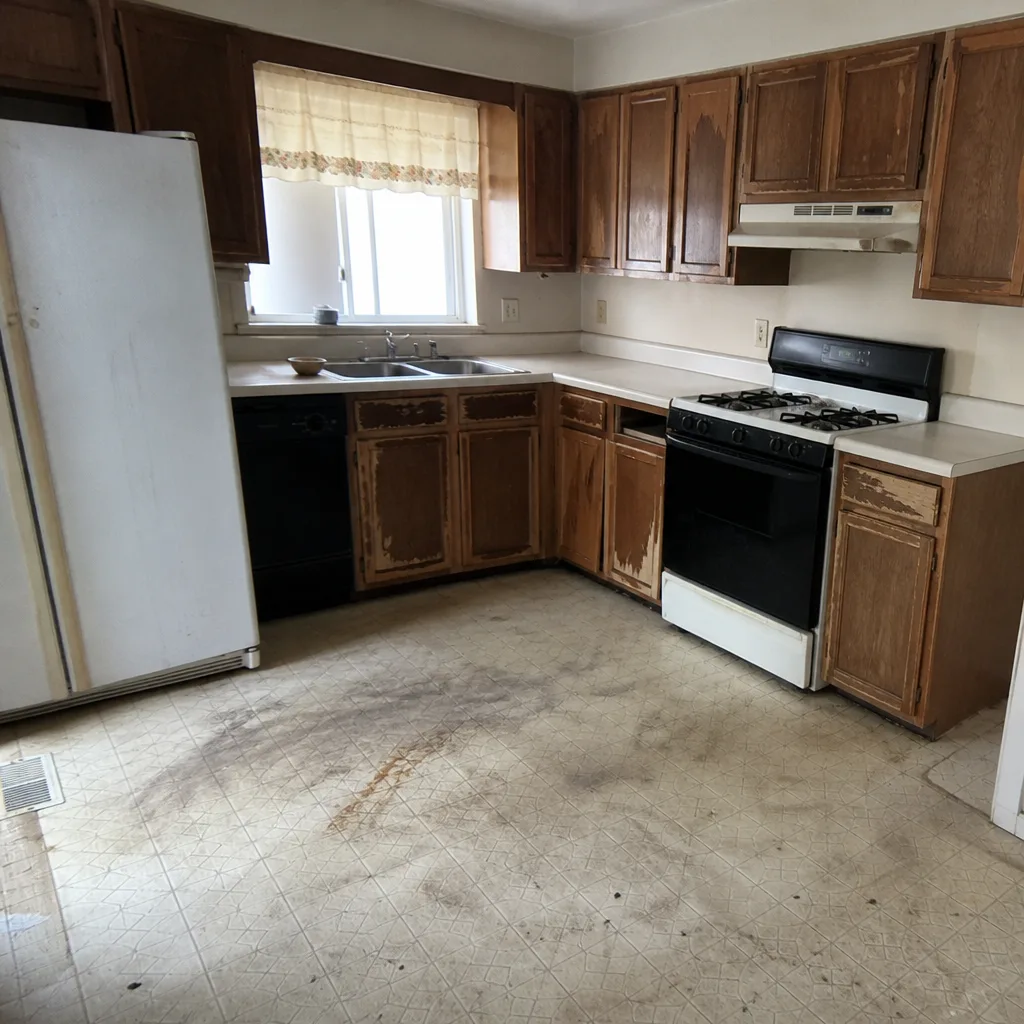 Before
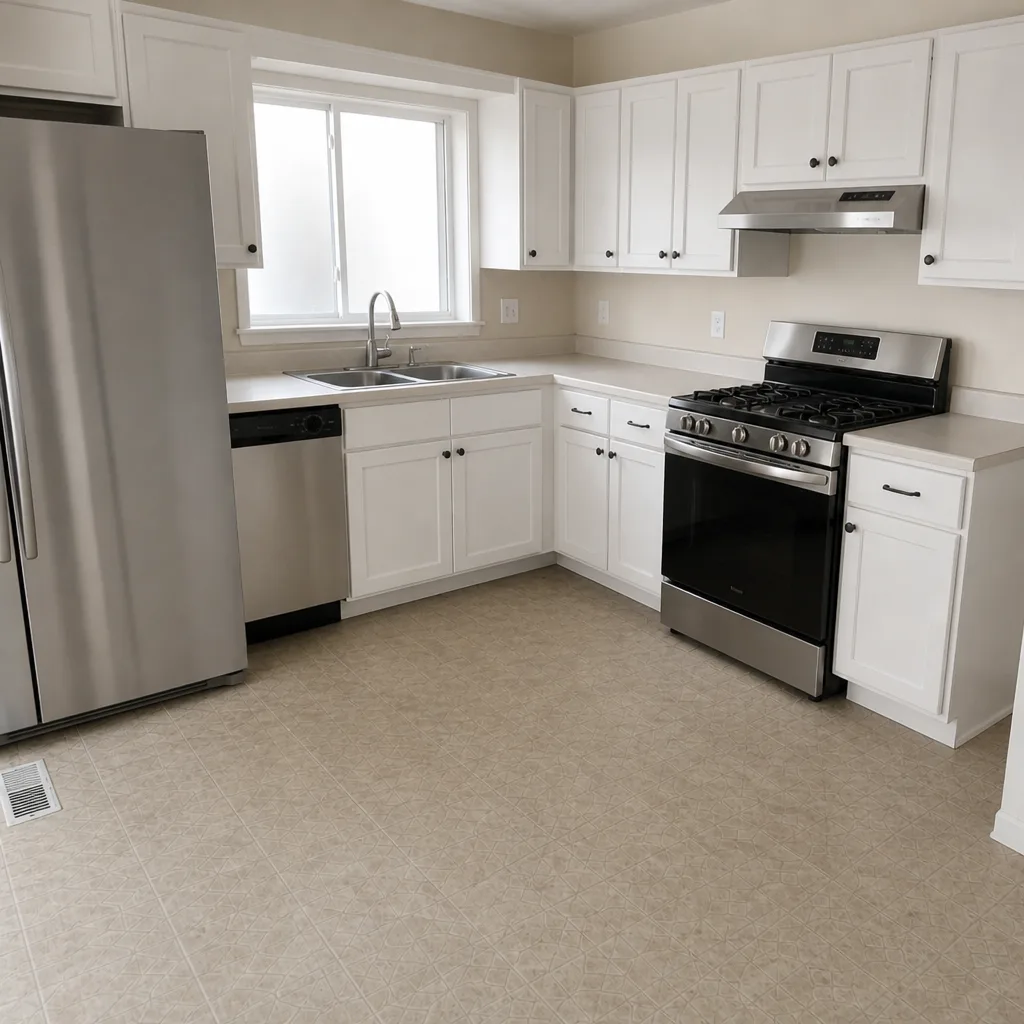 After
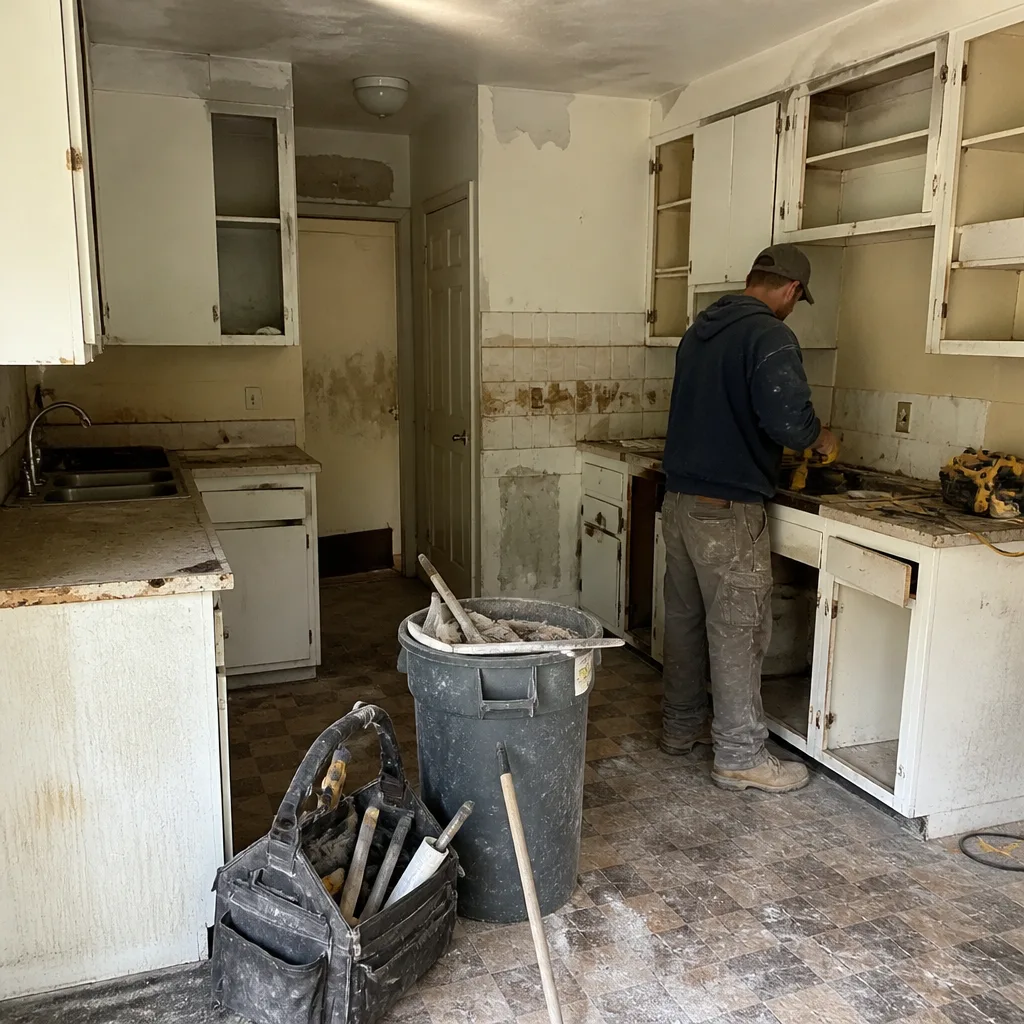 Before
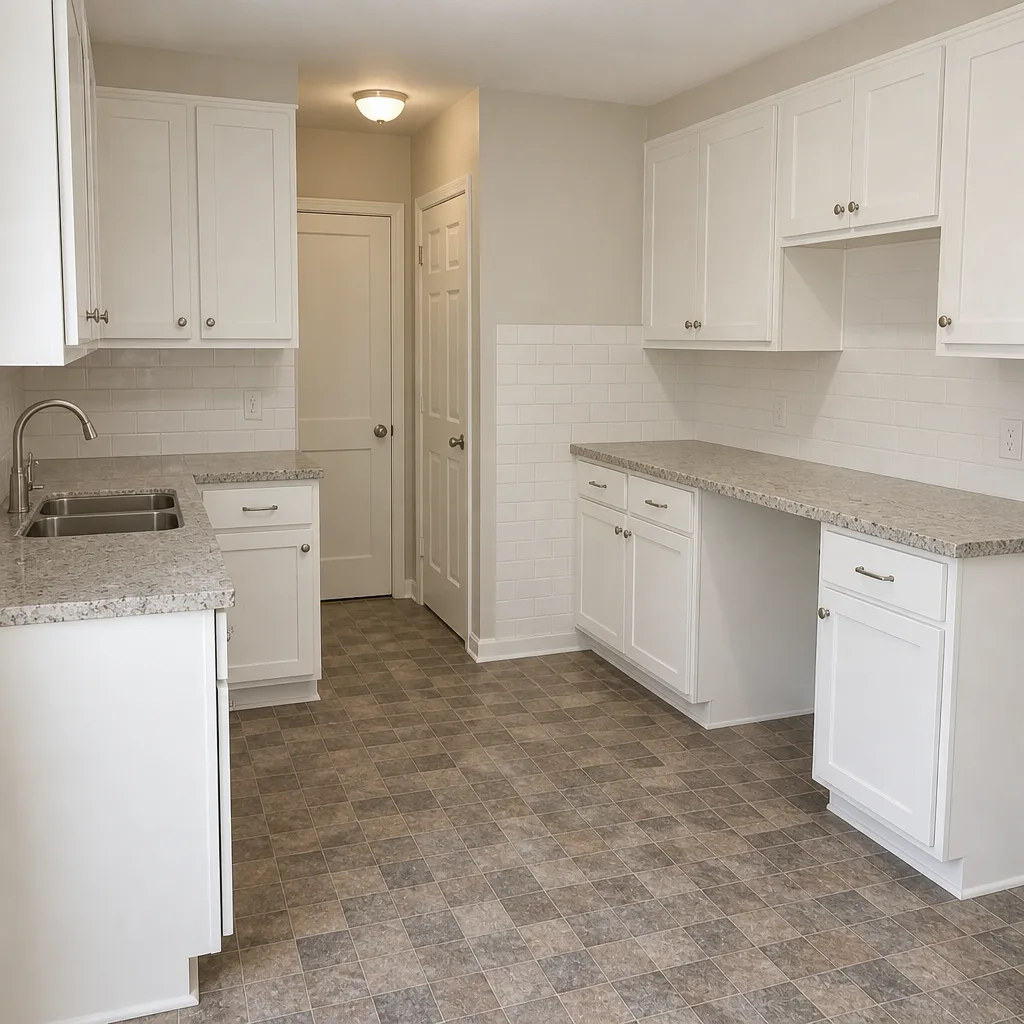 After
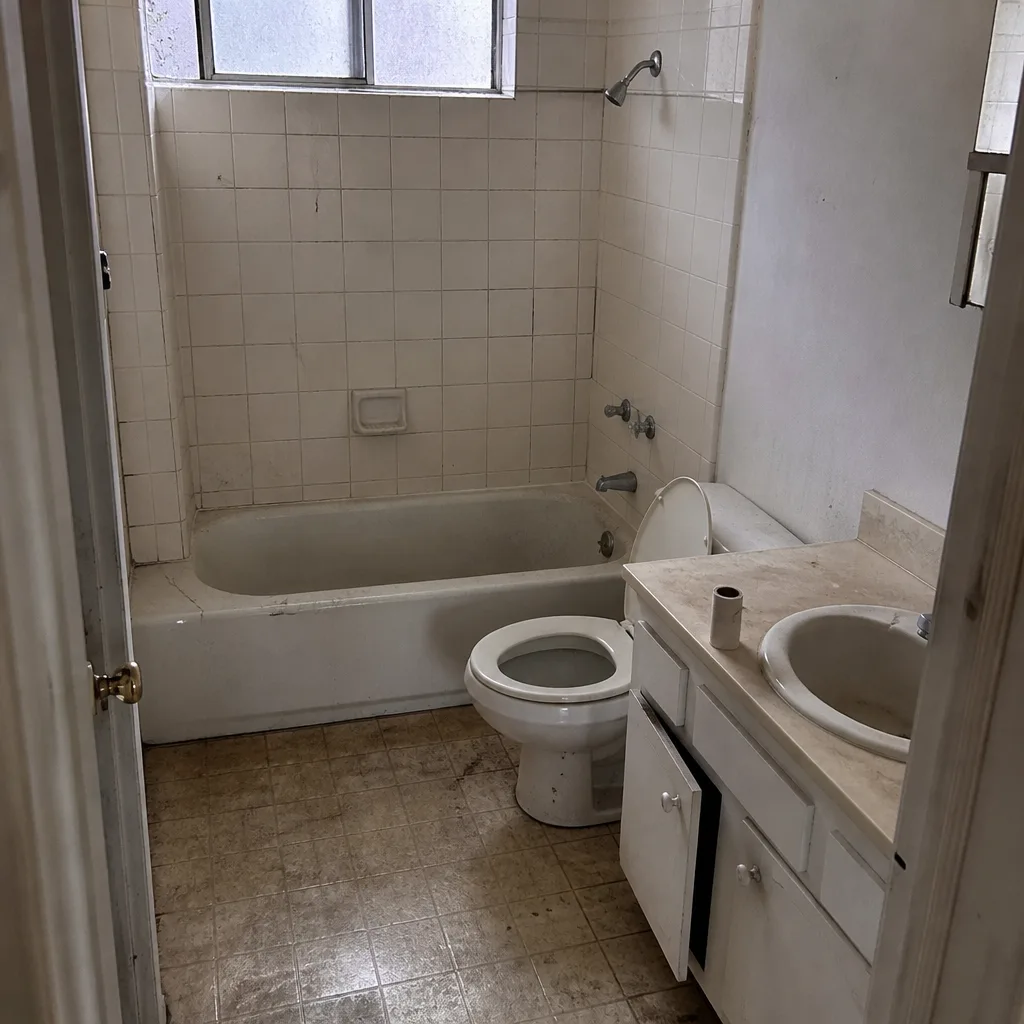 Before
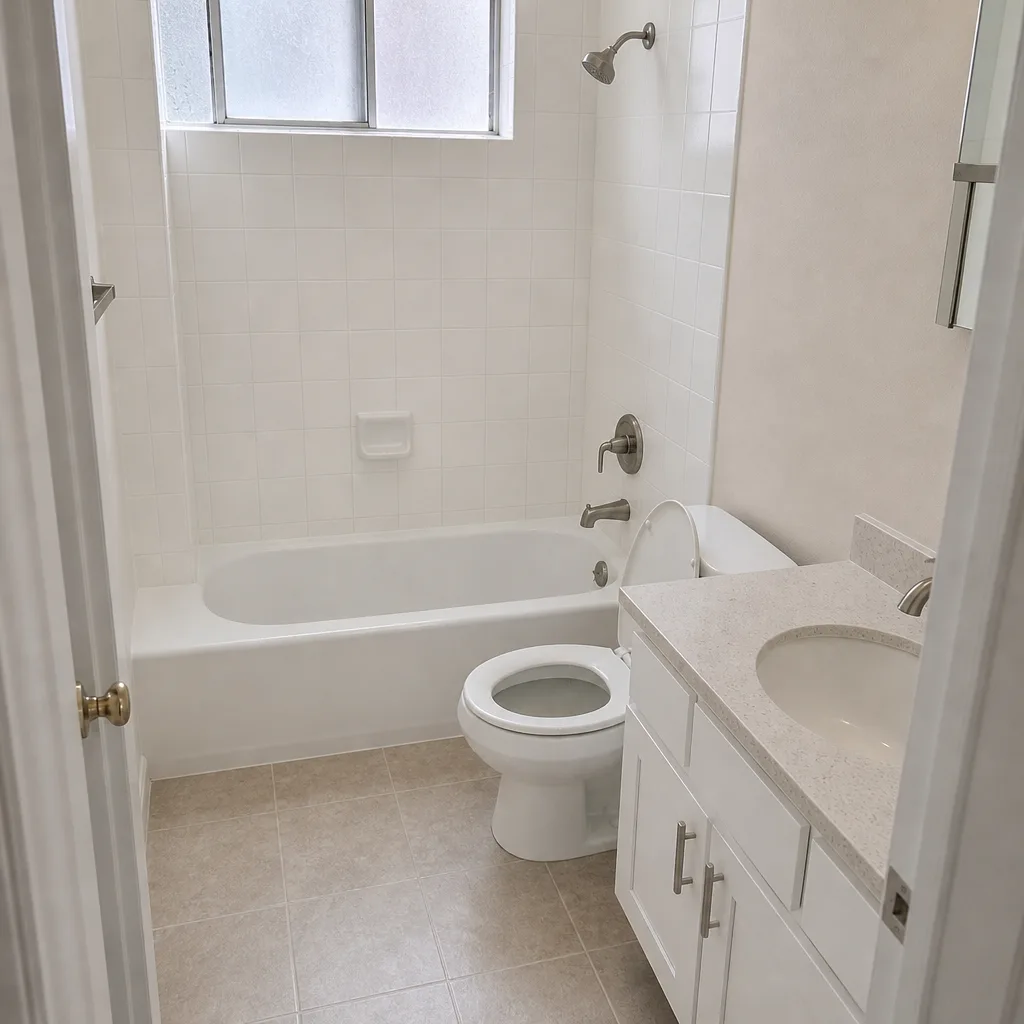 After
When to Call a Professional
Some projects are genuinely DIY-appropriate – a fresh coat of paint, new landscaping, a light fixture swap. But once a permit is in play, the stakes change. Call a professional when the project involves structural changes, electrical service work, plumbing or gas line modifications, additions of any kind, or retroactive permitting of existing work. Those scenarios carry code risk, inspection risk, and safety risk that no YouTube tutorial fully prepares you for. Electrical panel work and gas lines in particular should never be handled by anyone without the training and licensing to do it safely – the downside of a mistake is a fire or a leak, not just a failed inspection. Groundwork Construction Co. of Enterprise offers free estimates in Enterprise – call (844) 797-4406. Every project we take on is backed by our 730-Day Done Right Promise, and our technicians have up to 12 years of experience navigating exactly these county processes.
Frequently Asked Questions
Often yes, especially if the fence is above a certain height, sits on a property line, or touches a public right-of-way. Because Enterprise is in unincorporated Clark County, fence rules route through the county, not a city office. The safest path is to confirm before installation – call (844) 797-4406 and we’ll walk you through what applies to your address.
Clark County Development Services handles plan review, permit issuance, and inspections for Enterprise addresses, because Enterprise is unincorporated and has no city building department of its own. That’s a different department than a Las Vegas or Henderson property uses. If you’re unsure which jurisdiction applies, call us at (844) 797-4406 and we’ll confirm it before you submit anything.
The inspector will require the walls be opened so the electrical, plumbing, and mechanical rough-in can be verified. That means cutting drywall, correcting any issues, re-inspecting, and re-finishing the wall – all at your cost. Never let a crew close walls before sign-off. Call (844) 797-4406 if you need a contractor who understands the inspection sequence.
Yes, through the retroactive permit process, but it costs more and takes longer than a standard permit. You’ll likely need to open walls, correct deficiencies to current code, and pay retroactive fees and penalties. The earlier you address it, the better – call us at (844) 797-4406 for a free assessment.
Plan review turnaround varies with county volume and submittal completeness. The biggest factor you can control is submittal quality – incomplete packages get returned and the review clock restarts. We build county review time into every project schedule so nobody is surprised. Call (844) 797-4406 for an accurate timeline on your specific project.
Yes, if you’re filing a permit today for new construction or a major renovation, your project is reviewed against current code, including updated insulation, window, and HVAC efficiency requirements. Materials that met code a few years ago may need upgrading. Call (844) 797-4406 and we’ll review your plans against current requirements before you submit.
The Bottom Line

Nevada’s permit system isn’t complicated once you know which rules apply to your address – but the wrong-jurisdiction mistake, the early drywall mistake, and the unpermitted work mistake all cost real money. For Enterprise homeowners specifically, everything routes through Clark County Development Services, energy code has updated, and the county inspection sequence is non-negotiable. Do it right the first time and the paperwork is just part of the project. Skip it and the bill shows up years later. Groundwork Construction Co. of Enterprise handles the entire permit and inspection process for you, backed by our 730-Day Done Right Promise. Call (844) 797-4406 for a free estimate and design consult, and take advantage of $1,000 off projects over $10,000 or 0% financing for 18 months.
Written by the team at Groundwork Construction Co. of Enterprise.