Last updated November 18, 2026








Free written scope consultation - allowances, timeline, and change-order rules on paper before a single trade is scheduled
Home Additions & ADU Maintenance Schedule: What to Do and When
The most expensive repair calls on home additions happen at the seam. That exact line where new construction meets old is where water finds its way in, where caulk gives up first, and where a $40 tube of sealant applied on a schedule saves you a five-figure repair. An ADU or addition in Enterprise carries a maintenance rhythm separate from your main house, and if you run it on the same casual schedule as the rest of your property, the connection points fall behind first. This guide gives you the sequence: what to check in spring before the heat, what to check in fall before the temperature swings, and which items need a trained set of eyes.
Quick Answer
Inspect the addition-to-existing-structure interface once in spring and once in fall: roof transition flashing, exterior wall tie-in caulk, and interior expansion joints. Between those, service ADU mini-split filters every 30 to 60 days during cooling season, check the plumbing tie-in for slow drains quarterly, and map foundation cracks annually so you can tell static from growing. Everything at the seam needs a professional inspection at least once a year.
Styles & brands we work with
- Kitchen remodeling
- Bathroom remodeling
- Home additions & ADU
- Roofing
- Windows & doors
- Driveway & pavers
- Fence
Table of Contents
- Why the Seam Is the Most Expensive Line on Your Property
- The Spring Checklist: Before Enterprise Heat Arrives
- The Fall Checklist: Before Temperature Swings
- ADU Mini-Split Maintenance in Desert Heat
- Plumbing at the Tie-In: Slow Drains and Root Intrusion
- Foundation and Concrete Monitoring in Enterprise’s Climate
- Quick Reference: The Full-Year Maintenance Calendar
Why the Seam Is the Most Expensive Line on Your Property
An addition is two buildings sharing one wall. The original house has settled for years, sometimes decades. The new construction is still finding its own level. Both move at different rates, and every point where they touch takes that movement as stress: the roof transition, the wall tie-in, the interior joint where the ceiling changes height or the floor covering shifts. We’ve seen a half-inch of differential settlement at the tie-in wall turn a failed bead of sealant into a rot repair across three studs.
That’s why the seam is where deferred maintenance compounds fastest. A homeowner who cleans gutters religiously on the main house can still miss the 8-foot section of transition flashing over the new roofline, because it doesn’t look like a gutter or a shingle field. It looks fine until the ceiling stain appears on the far side of the room.
The seam is also where interior and exterior work overlap. Caulk on the outside wall tie-in fails under Enterprise’s UV load and temperature swings; on the inside, the expansion joint that accommodates seasonal movement starts to show. What appears on the inside of the addition is often the first visible symptom of something failing on the outside, six months earlier.
If you’re planning an addition now, understanding the tie-in before construction starts is worth a conversation with us about Home Additions & ADU in Enterprise. If your addition is already built, the rest of this guide is your maintenance sequence.
The Spring Checklist: Before Enterprise Heat Arrives
Spring in Enterprise is a narrow window. The moderate weeks before the first triple-digit stretch are the right time to find and fix exterior problems, because everything you touch in the seam will be baking in place by June. Get this inspection done in April or May, not July.
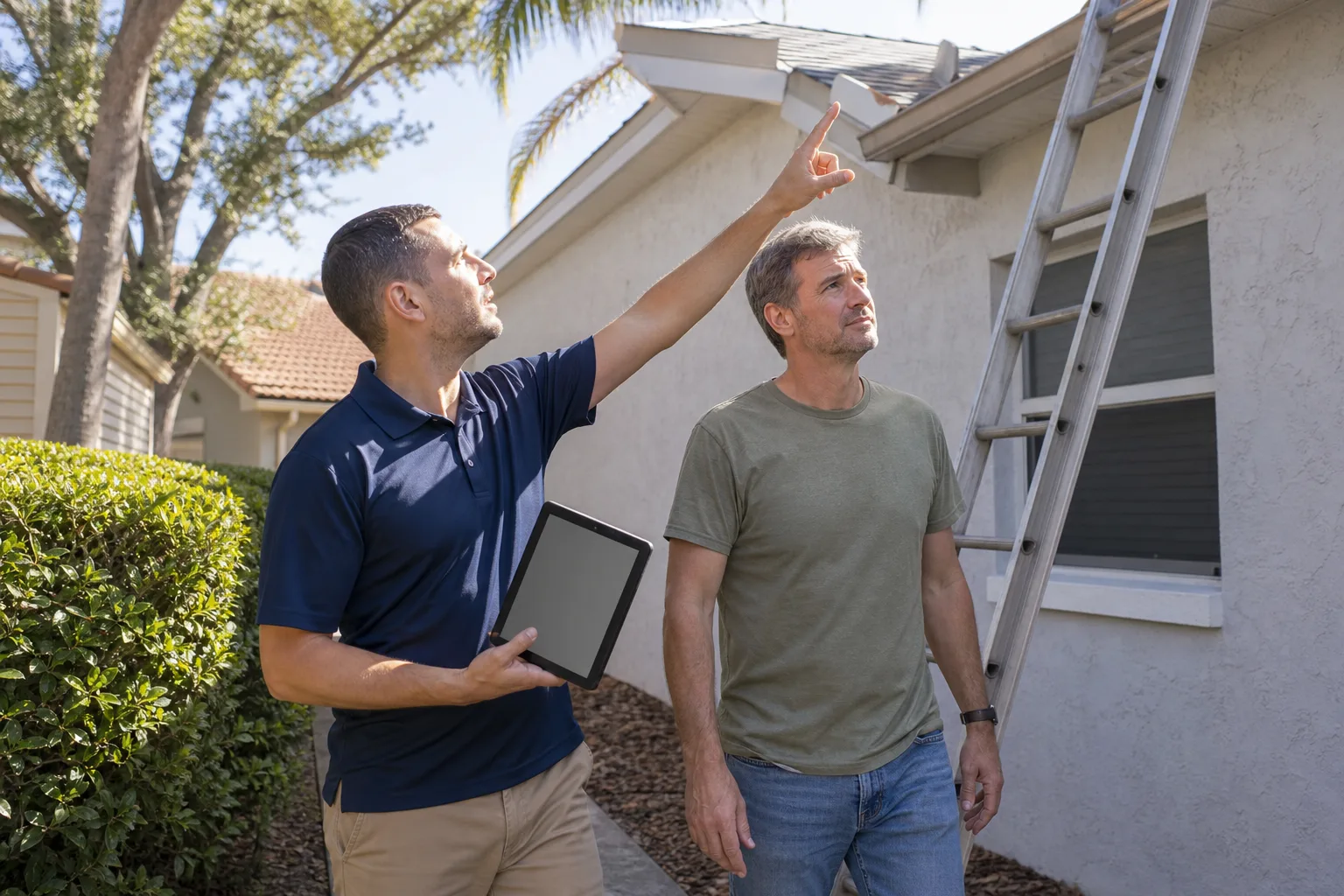
- Walk the roof transition flashing. From a ladder at the eaves, look at where the new roofline meets the old. Check the counter-flashing and the step flashing for lifted edges, rusted nails, or gaps. If your addition used a brand like Boral on the roof tile, look for cracked or slipped tiles directly at the transition, since those break first.
- Inspect the wall tie-in caulk. Run a finger along the caulk bead where new exterior wall meets old. A healthy bead stays bonded and slightly pliable. Any separation, cracking, or hard, chalky texture means the bead has failed and needs replacing before summer sun drives it worse.
- Check every penetration. Windows, hose bibs, and vents on the addition’s exterior. The window frames on new construction, whether they’re PGT or another quality line, still move with the frame, and the perimeter seal is the replacement item.
- Clear debris from roof and gutter transitions. Wind-blown grit and seed collect at flashing joints. Standing debris holds moisture against metal and shortens the life of any sealant.
- Service the ADU HVAC before the cooling season. Change or clean filters, and get the mini-split coil and drain checked before the unit starts running full-time.
- Test all smoke and CO detectors in the addition and ADU. Sensors age; the units don’t care that the room is new.
Spring is also the time to do the interior expansion joint inspection while the house is still in its “cool” state. Note any cracks or gaps in the caulk at the ceiling and wall joints between old and new. If a joint has opened noticeably since last spring, write it down. In a few months you’ll know whether it’s active movement or a one-time settle.
The Fall Checklist: Before Temperature Swings
Fall in the Las Vegas Valley is the other side of the stress cycle. Night temperatures drop 30 degrees or more from daytime highs, and every joint in the seam cycles through expansion and contraction on a daily basis. The fall inspection is about making sure the building is sealed and drained before it starts moving through that swing.
- Re-check the transition flashing. Look at the same points you checked in spring. New separation or a new nail pop is information: something is moving.
- Re-seal the exterior tie-in caulk if it’s showing any cracking. Fall is a good time because the sealant cures without the sun’s worst heat driving it.
- Check the roof drainage path. Confirm water still routes off the addition roof and away from the seam. If your drainage runs across the old roofline, make sure the lower roof and gutter can still move that volume. Fall monsoon remnants and early winter rain are when a blocked path finds the interior.
- Inspect interior expansion joints for new cracks. Caulk lines at the addition’s ceiling and wall joints should be intact. If you mapped the joints in spring, compare. Cracks that were hairline and haven’t changed are static. Cracks that grew are not.
- Have the mini-split serviced before heating season. The same unit that cools in August has a heating mode in December, and both rely on the same coils, drain line, and refrigerant charge.
- Confirm the ADU plumbing tie-in for slow drains before the holiday season, when a small drain problem becomes a guest shower backing up at the worst time.
Fall is also the right time to inspect the perimeter of the foundation and note cracks. The dry, cooler weeks give you a clean look before winter moisture (however little Enterprise gets) touches the concrete.
ADU Mini-Split Maintenance in Desert Heat
ADU heating and cooling is usually a ductless mini-split, and it has a different maintenance rhythm than a central system. Most homeowners treat them the same. That’s the mistake. A conventional central HVAC unit runs on a ducted system with a large filter you change once a season. A mini-split has small, washable screens inside each indoor unit, and in desert conditions those screens load up fast with dust and fine grit.
Here’s the maintenance difference that matters:
- Filter cleaning: Monthly during cooling season, every 30 to 60 days in a dusty Enterprise spring. Wash the screen with water and let it dry fully before replacing it.
- Coil cleaning: Every six months, professionally. A dusty coil loses efficiency, and in August that shows up as a unit that runs all day and never gets the room below 78.
- Condensate drain check: Quarterly. A clogged drain line in a mini-split will back water into the wall, not just stop the unit. This is one of the most common ADU water-damage calls.
- Refrigerant check: Annually, as part of a professional service. The system is sealed; if the charge is low, there’s a leak, and checking the charge is how you catch it before the compressor works itself to death.
Ignore the filter schedule in a desert climate and you get a unit that’s undersized in practice, even if it’s correct on paper. The head can’t move its rated capacity through a clogged screen, so the room never cools, the owner turns the setting down, and the compressor runs continuously. That’s not just an efficiency loss, it’s the path to an early compressor failure on a piece of equipment that should have run 15 years.
One more thing in an ADU: split systems in tight quarters are often wall-mounted directly against the tie-in wall. Make sure the condensate drain discharges outside the building envelope, not into the stud cavity. We’ve opened walls on repairs where the line was routed into the connection zone and slowly soaked the framed wall.
Plumbing at the Tie-In: Slow Drains and Root Intrusion
Every ADU has one plumbing tie-in to the main line. That single connection carries all the ADU’s waste, and it’s buried or under the slab, which is exactly why problems go unnoticed until they’re expensive. The early signs are quiet:
- A drain that’s slower than the one in the main house, even slightly.
- Gurgling from the ADU drain when the washing machine or a shower runs.
- A sewer smell that appears after a heavy rain or a hot stretch.
- Water backing up in a floor drain after multiple fixtures run at once.
Slow drains are the first message. If your ADU shower drains slower in its second year than it did in its first, that’s the tie-in asking for attention. Check for a hair and grease clog first, but if the slowdown returns, get the line scoped.
Root intrusion in Enterprise often starts at the tie-in point where the new line joins the older, existing lateral. Roots favor a joint because moisture seeps there and the pipe wall is thinner where it’s been cut and coupled. The early signs of intrusion are the same slow drain, plus a pattern where the drain runs fine after a dry stretch and slows after a rain. If you see that pattern, don’t wait for the backup. A camera inspection costs far less than emergency extraction.
Set a reminder to run hot water through each ADU drain for a minute every month, and to check the washing machine pan and any visible trap for moisture. A trap that runs dry during a vacant month becomes a sewer gas channel straight into the living space.
Foundation and Concrete Monitoring in Enterprise’s Climate
Enterprise’s soil conditions and climate produce a specific pattern of foundation movement. The ground dries and shrinks in summer and rehydrates slightly in winter, and any new concrete slab or footing interacts with that cycle. The addition’s slab and footings will move, at least a little, and that’s normal. What matters is knowing which cracks are static and which are growing.
Crack mapping is the tool. Do it once a year, same month every year, so the comparisons are consistent:
- Photograph every visible crack in the addition slab, driveway, and any exposed foundation walls. Include a tape measure or a coin in the frame for scale.
- Date and note the location in a single notebook or digital folder, one page per year.
- Measure the width of each crack with a crack gauge or a simple comparison against a coin. Record it in inches or in “hairline / credit card / pencil.”
- Mark the ends of each crack with a small pencil line or a strip of tape so you can see if it’s extending next year.
- Compare year over year. Static cracks are maintenance. Any crack that’s wider, longer, or has a new offset in the concrete needs a structural look.
Two crack types call for a professional visit immediately: a horizontal crack in a foundation or block wall with displacement on one side, and a crack that’s letting water into the addition. For most others, the annual photo set tells you whether you have a slow settle or a real problem.
Around the exterior, the flatwork matters too. A driveway or walkway that pitches water toward the addition’s slab is a foundation problem in slow motion, and corrective work on that flatwork is worth budgeting for. If your addition area shares a driveway with drainage issues, see our work on Driveway & Pavers in Enterprise for how that grade gets corrected.
Quick Reference: The Full-Year Maintenance Calendar
Here’s the whole sequence in one place. Use it as a checklist, pinned where you’ll see it.
Spring (April – May, before the heat)
- Inspect roof transition flashing and counter-flashing at the seam.
- Inspect and re-seal exterior wall tie-in caulk.
- Check penetrations (windows, hose bibs, vents) on the addition exterior and re-caulk as needed.
- Clear debris from flashing joints and roof transitions.
- Service the ADU mini-split: filters, coil, condensate drain.
- Test smoke and CO detectors in the addition and ADU.
- Note and photograph interior expansion joints; record any new movement.
Summer (June – August, during heat)
- Clean mini-split filters monthly; check the drain quarterly.
- Watch for new interior cracks; note if any joint opens more than last year.
- Keep the tie-in wall’s landscaping and sprinklers pointed away, not against the sealant.
Fall (September – November, before temperature swings)
- Re-inspect transition flashing and roof drainage; fix new separation or nail pops.
- Re-seal tie-in caulk if it’s showing cracking.
- Confirm water still routes off the addition roof and away from the seam.
- Service the mini-split for the heating season.
- Check ADU plumbing tie-in for slow drains and gurgling.
- Photograph and measure all concrete and foundation cracks for the year.
Winter (December – March)
- Run hot water through every ADU drain monthly; confirm traps stay wet.
- Check the smoke and CO detectors again mid-season.
- Note any exterior caulk that’s cracked after a cool night.
- Keep an eye on the perimeter for water pooling after rain.
Common Mistakes to Avoid
- Treating the ADU like the main house. The main house’s maintenance habits don’t cover the addition’s connection points. The seam needs its own dedicated inspection every spring and fall, not an annual glance.
- Using the wrong sealant. A generic paintable caulk at the exterior tie-in will fail within a single season in Enterprise’s UV. Use a quality exterior sealant meant for a moving joint, and check the recommendation for your specific wall materials.
- Cleaning a mini-split filter “once in a while.” In desert dust, monthly during cooling season is the rule. Ignoring that shortens the compressor’s life by years.
- Assuming slow drains are normal. A drain that’s slow and getting slower is telling you about the tie-in. Most homeowners wait for a backup instead of costing themselves a camera inspection.
- Letting sprinklers hit the tie-in wall. A sprinkler head pointed at the seam keeps the caulk wet and the wood damp. Move it 3 feet away and change the pattern.
- Cleaning up cracks. Never fill or caulk foundation cracks before they’ve been diagnosed. An unmarked crack is a maintenance baseline; a caulked-over crack is a problem you’ve hidden from yourself.
- Skipping the professional inspection because it “looks fine.” The roof transition and step flashing are exactly the items that look fine until they leak. That’s the whole reason for the yearly visit.
See the difference
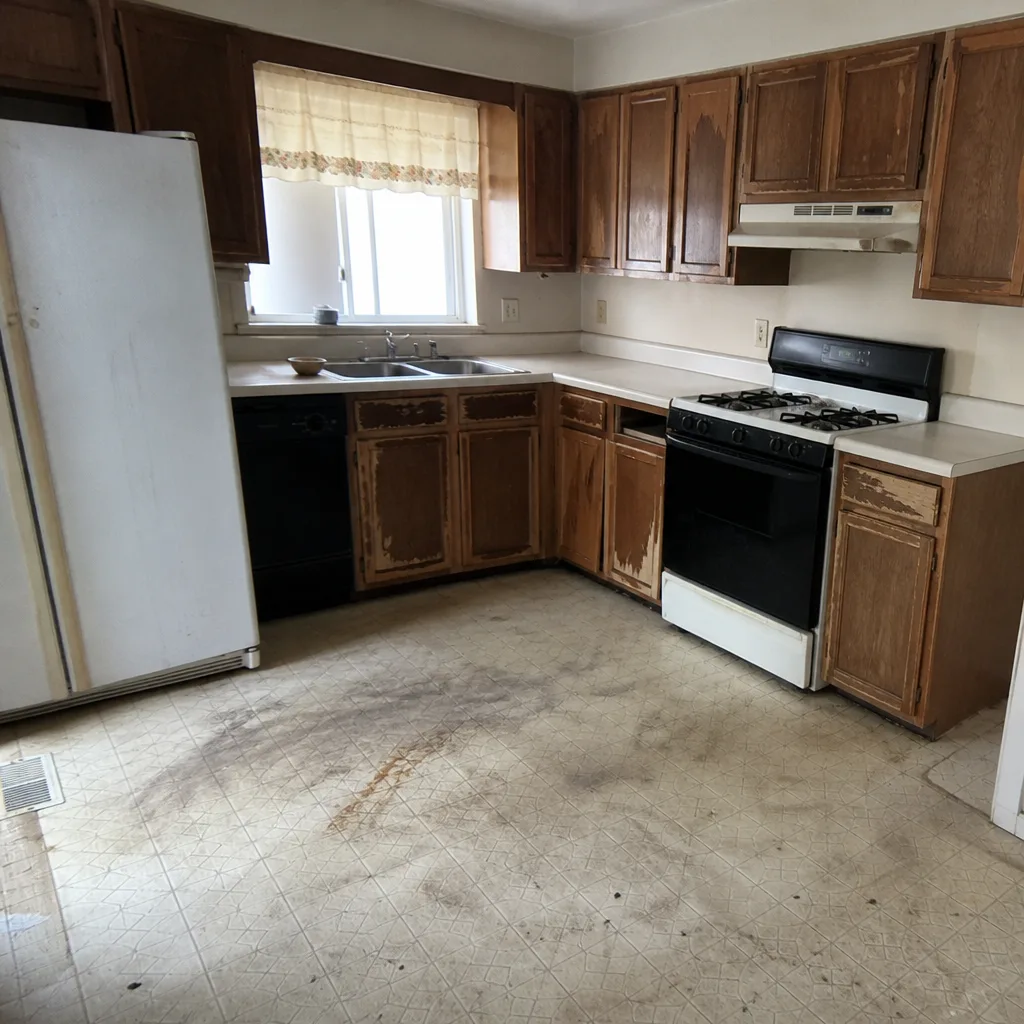 Before
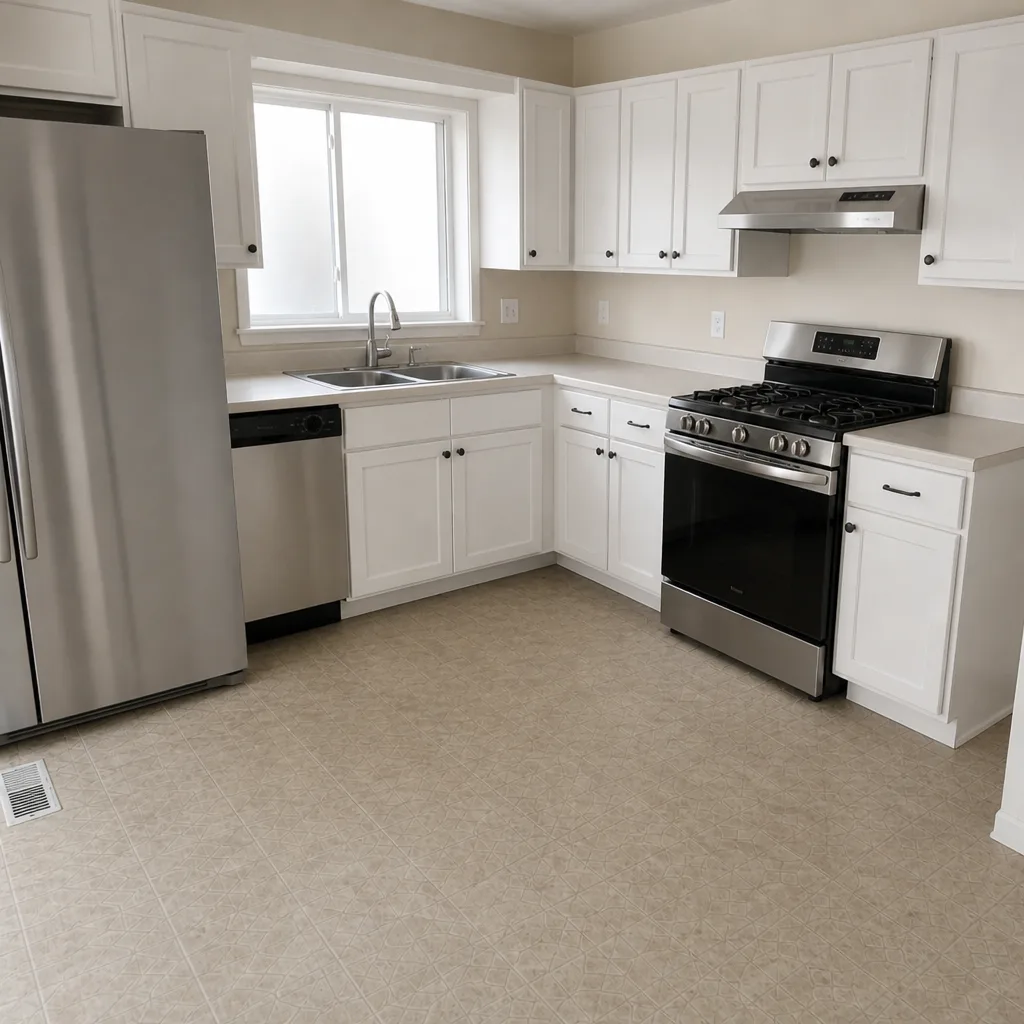 After
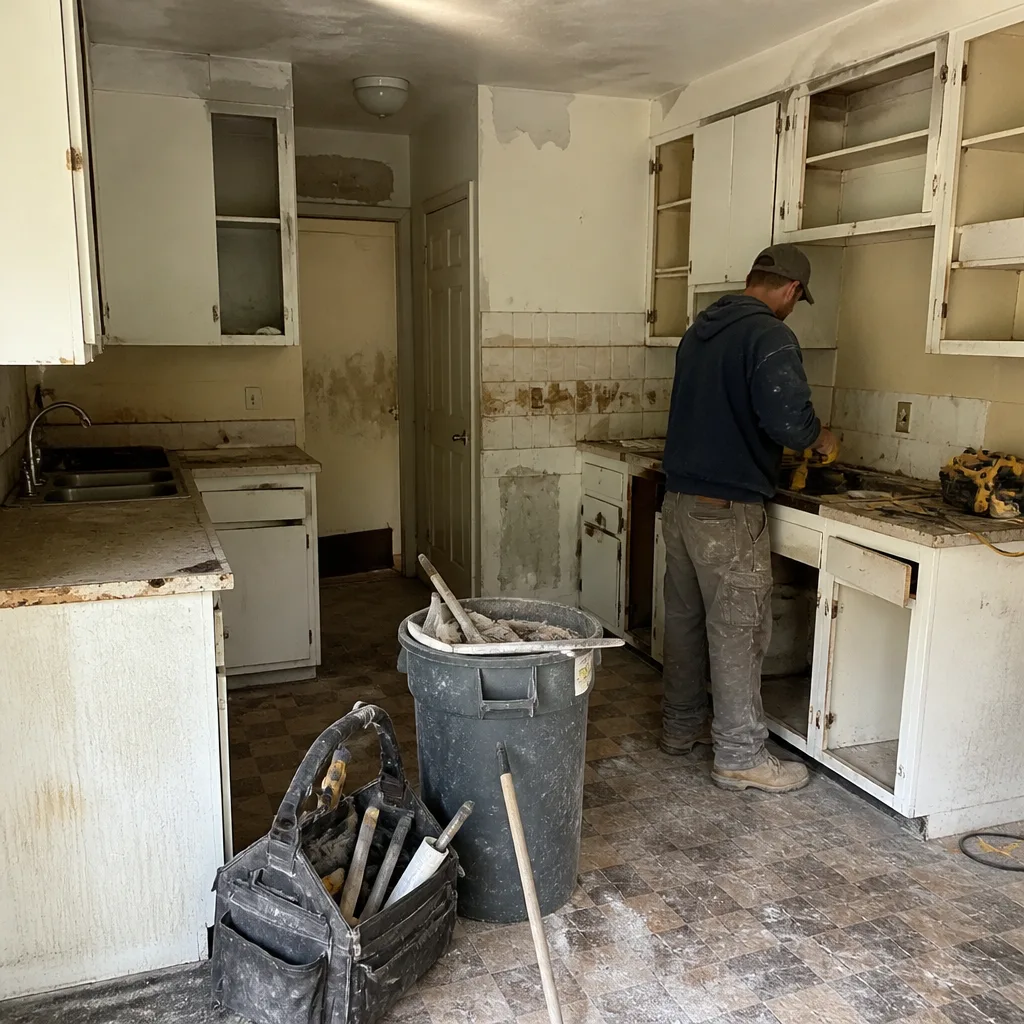 Before
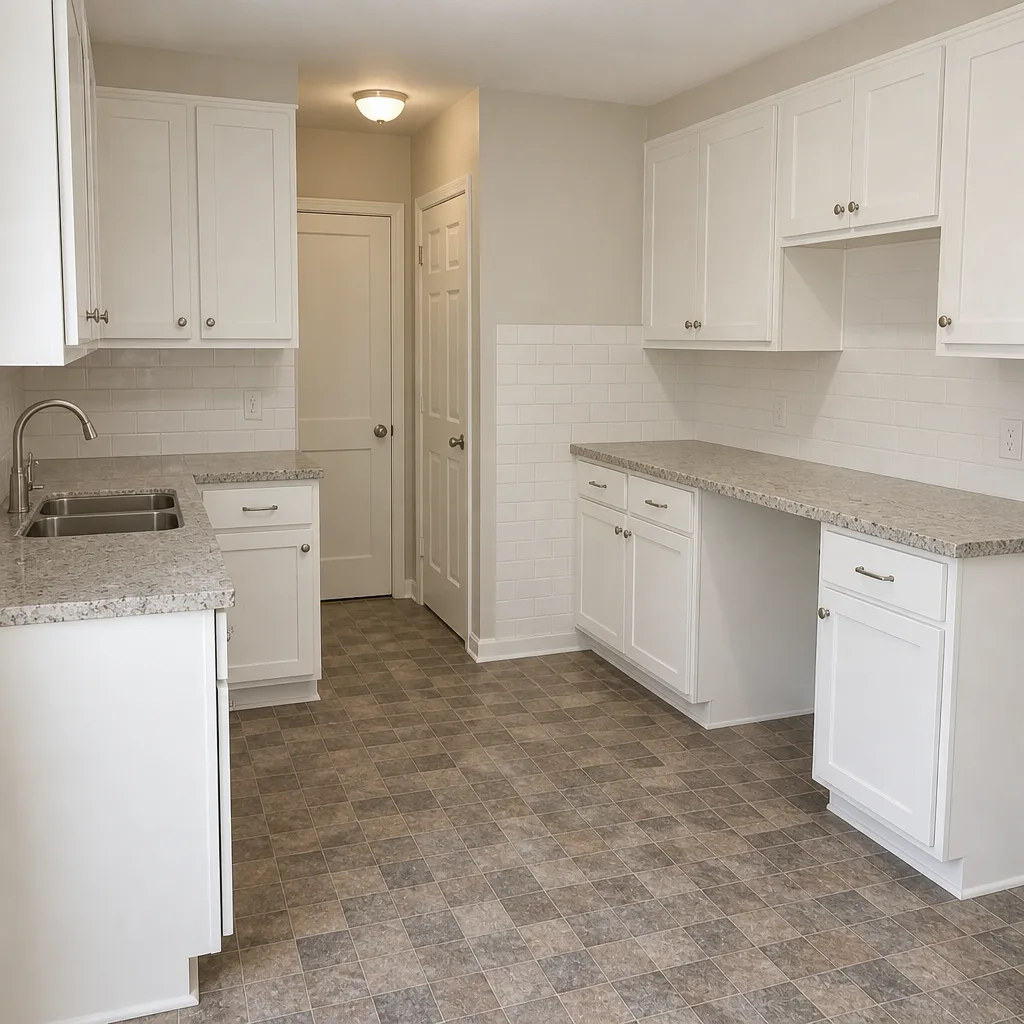 After
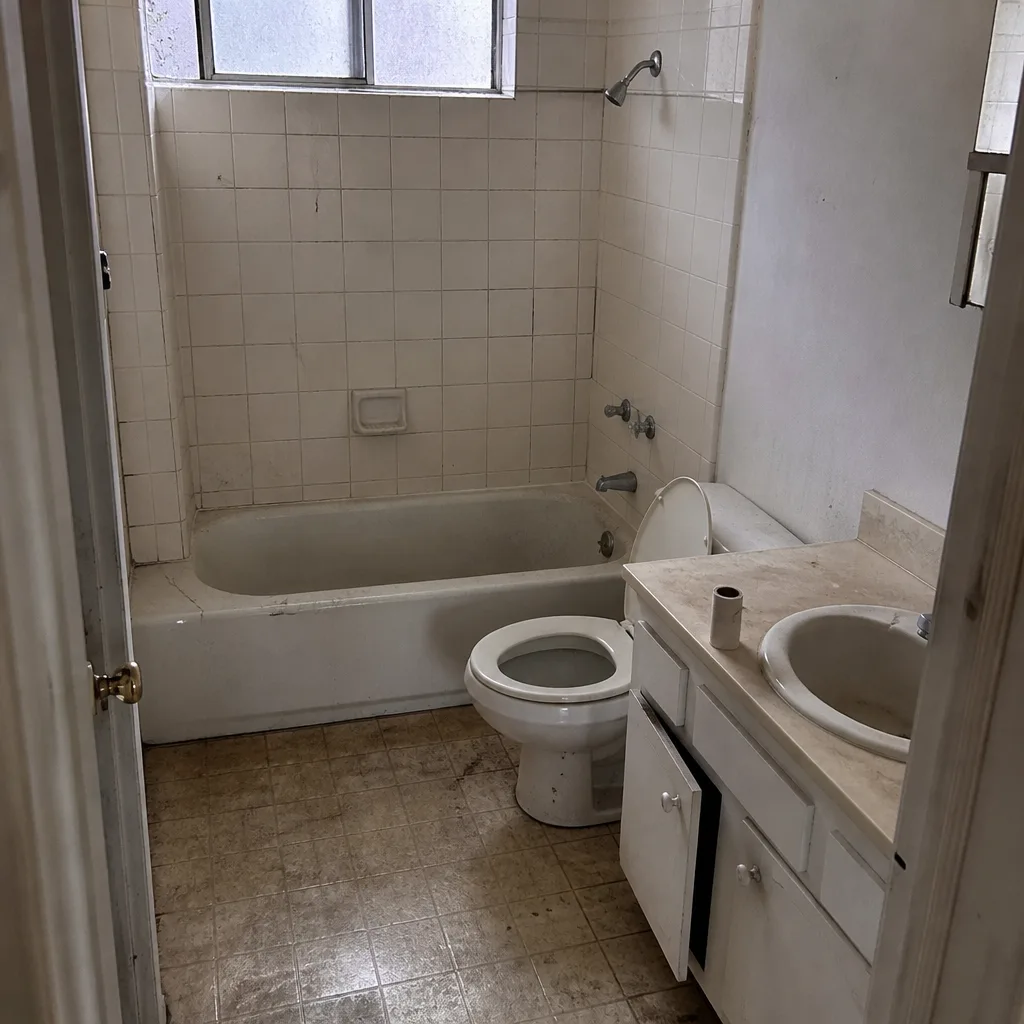 Before
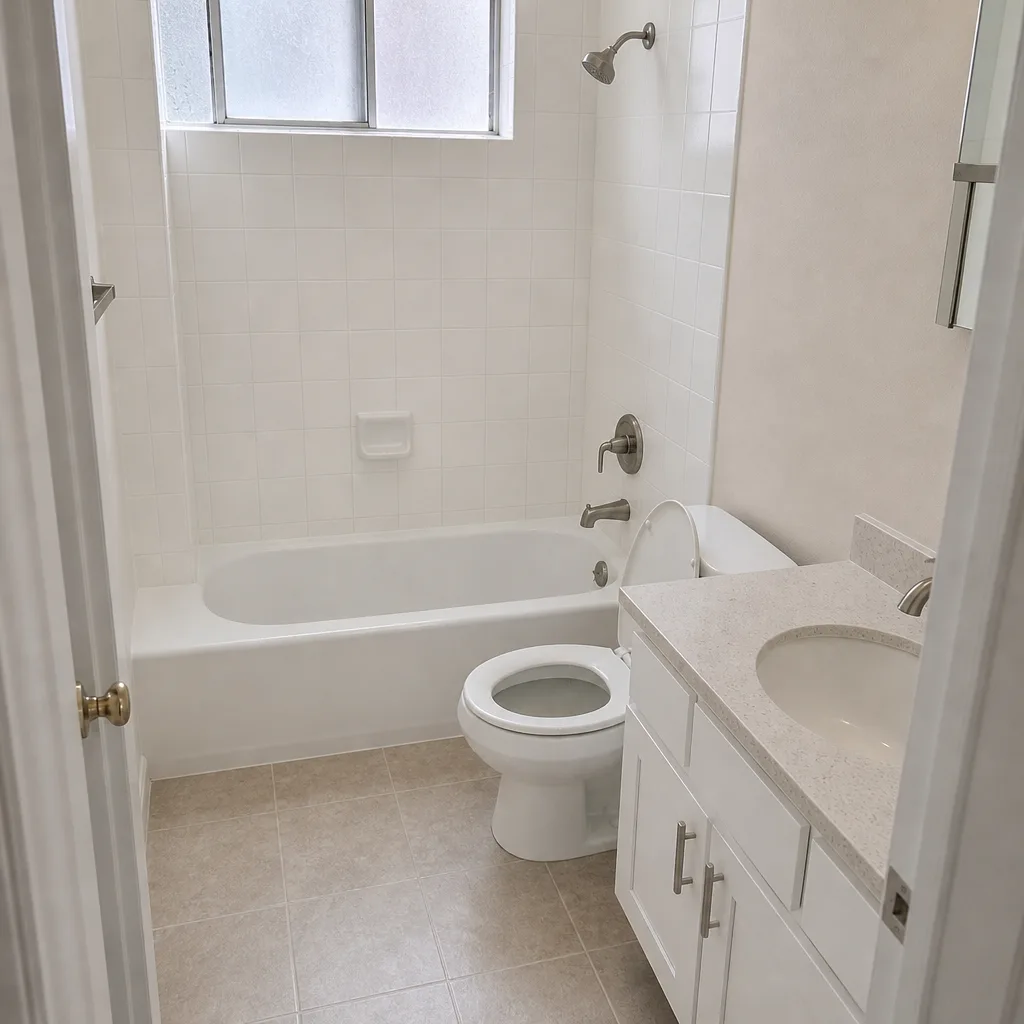 After
When to Call a Professional
Call for a professional inspection on the seam at least once a year, and immediately if you see any of these signs: a stain or new discoloration on the interior ceiling or wall near the addition; water on the floor of the addition after a rain; active cracking in the foundation with displacement on one side; a sewer smell in the ADU that won’t clear; a mini-split that runs continuously without cooling; or exterior caulk that’s pulling away from the tie-in in a pattern that repeats. A professional also handles the annual mini-split service, the flashing inspection, and the structural opinions you can’t safely make from the ground. Groundwork Construction Co. of Enterprise offers free estimates in Enterprise. Call (844) 797-4406. We’ve seen enough seam failures to know that the free inspection is the least expensive part of keeping an addition dry. Our technicians have up to 12 years of experience, and every technician is background-checked and arrives in uniform. Calls are answered by a live person, 24/7.
Frequently Asked Questions

Twice a year on the exterior seam and connection points, once a year for interior expansion joints and foundation crack mapping. Homeowners in Enterprise should schedule the spring inspection in April or May, before heat, and the fall inspection in September or October, before the temperature swings. The annual professional inspection on the roof transition and flashing is the minimum.
The first signs are usually small: a hairline crack in the caulk at the exterior wall tie-in, a faint stain or discoloration on the interior ceiling near the seam, or a new crack in the interior expansion joint caulk. On the roof side, look for lifted flashing edges, missing nail heads, or cracked tile at the transition. Catch any of these early and the repair is a tube of sealant and a few hours of a pro’s time. Call (844) 797-4406 for a free estimate if you spot them.
Filters every 30 to 60 days during cooling season, professional coil and drain service every six months, and an annual refrigerant check. Desert dust loads the filters faster than in other climates, so the monthly filter cleaning in June, July, and August is the most important habit. Skipping it shortens the compressor’s life and raises your power bill.
Photograph and measure it once a year. A crack that stays the same width and length is static and usually just maintenance. A crack that’s wider than a credit card edge, has one side higher or lower than the other (displacement), or is letting water into the addition needs a professional look right away. Don’t fill it before it’s been mapped.
A drain that’s slightly slower than the main house’s, gurgling after fixtures run, or a sewer smell after a rain. Those are early signs that the tie-in joint is losing flow and, in the worst case, that roots are entering where the new line joins the old. A camera inspection catches it before a backup. Call (844) 797-4406 to schedule a free estimate on a scope.
Yes, on the seam specifically. The roof transition and flashing are the components that fail invisibly, and a professional can read a sealant bead or a flashing line you can’t see from the ground. One yearly visit on the addition is cheaper than a single ceiling repair, every time. In drought-stressed Enterprise, the seam dries, cracks, and gets driven at by sun for most of the year, so it fails faster than most everywhere else. Call us for a free estimate.
The Bottom Line
An addition or ADU has a maintenance schedule of its own, and its most critical point is the seam where new meets old. Inspect that seam twice a year, service the mini-split on a desert schedule, watch the ADU plumbing tie-in for slow drains, and map foundation cracks annually so you know what’s growing and what’s static. The whole routine costs a few hours a year and a tube of sealant. The repairs it prevents run into the thousands. In Enterprise, the heat makes every one of these items fail faster, which makes the schedule more important, not less. From foundation to finish line, this is the work that keeps an addition dry and worth its investment. Everything on our projects carries the 730-Day Done Right Promise, backed in writing, and our brand partners across every trade give you quality, not just availability.
Groundwork Construction Co. of Enterprise is ready to answer the seam question for your specific addition. Call (844) 797-4406 for a free estimate and design consult. Live person, 24/7. Upfront pricing, no surprises. If you’re planning new work, make sure to look at Fence Installation in Enterprise for your perimeter and Groundwork Construction Co. of Enterprise home for the full scope. We’ve been in business since 2014, and we welcome the yearly inspection visit that keeps your addition dry. The next project on your list can start where you are right now.
Written by the team at Groundwork Construction Co. of Enterprise.