Free written scope consultation - allowances, timeline, and change-order rules on paper before a single trade is scheduled
Styles & brands we work with
- Kitchen remodeling
- Bathroom remodeling
- Home additions & ADU
- Roofing
- Windows & doors
- Driveway & pavers
- Fence
See the difference
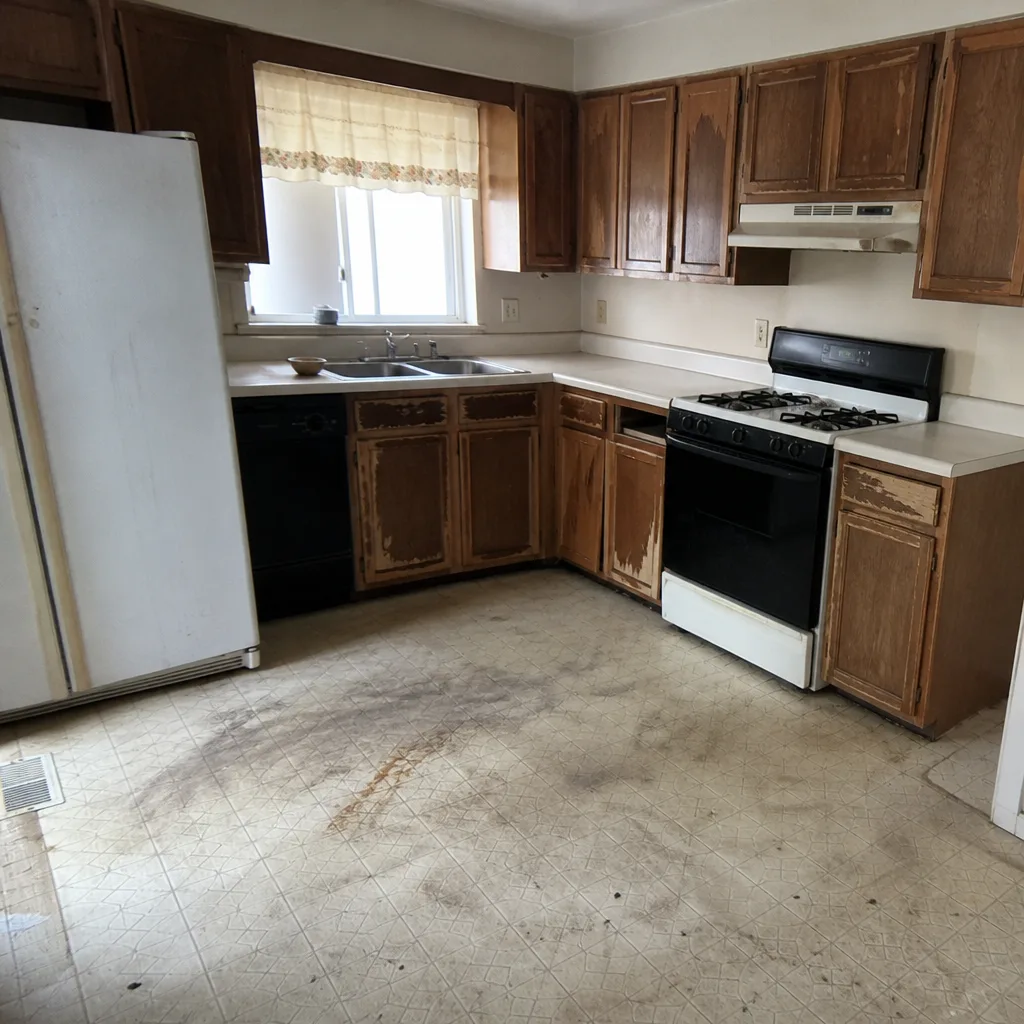 Before
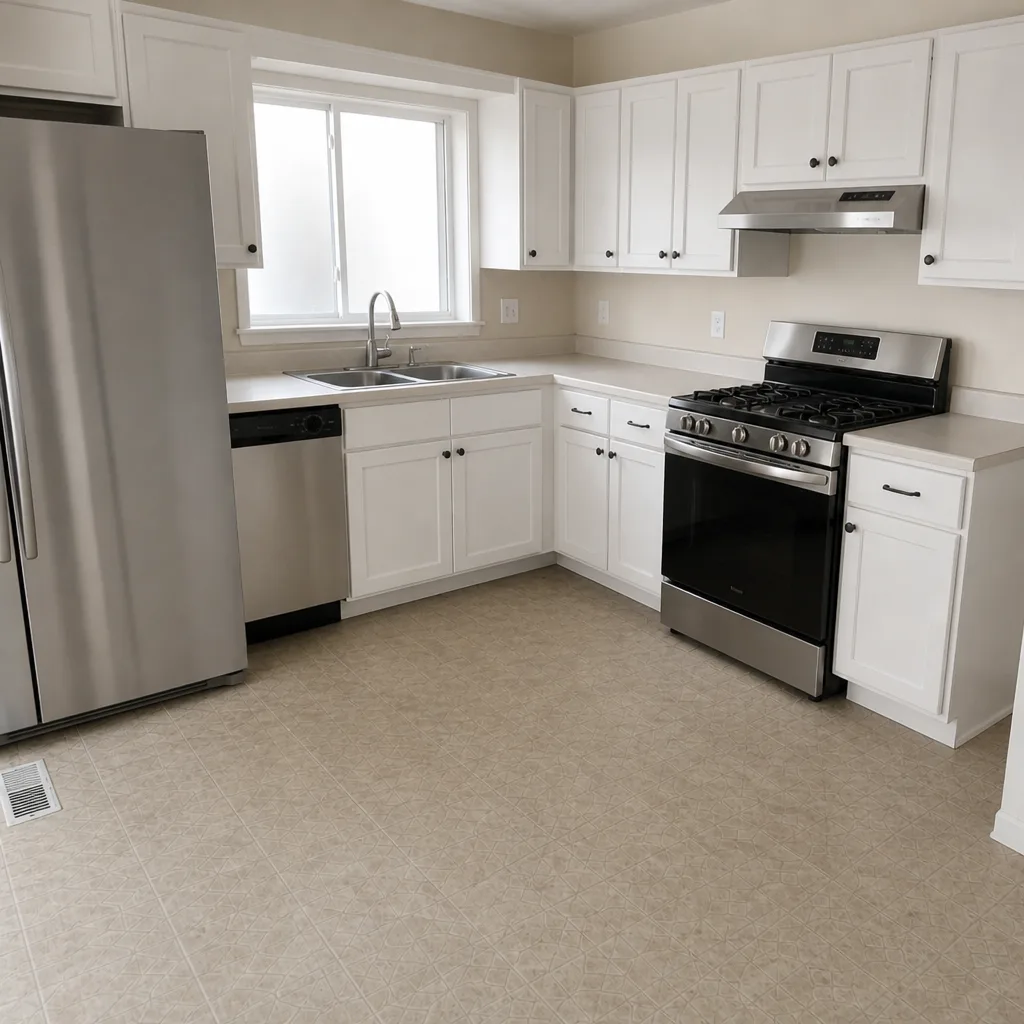 After
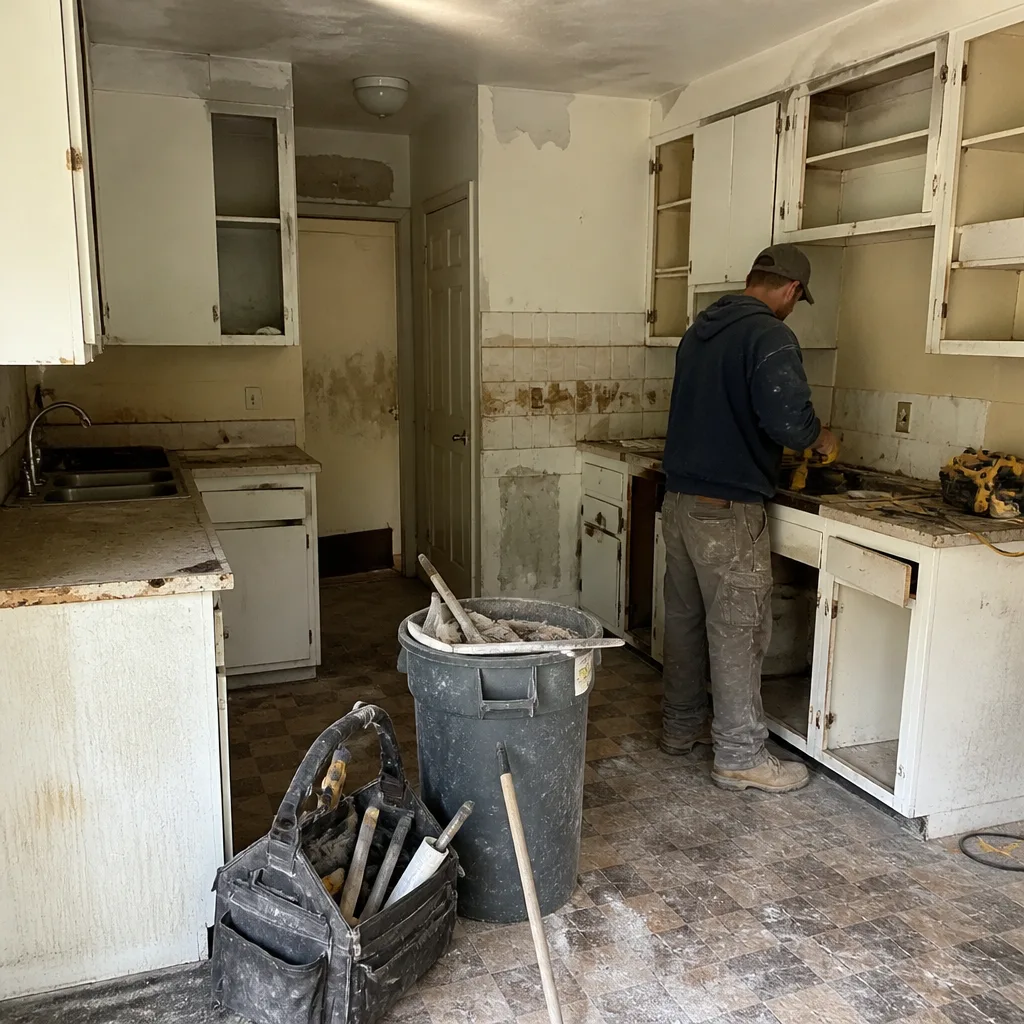 Before
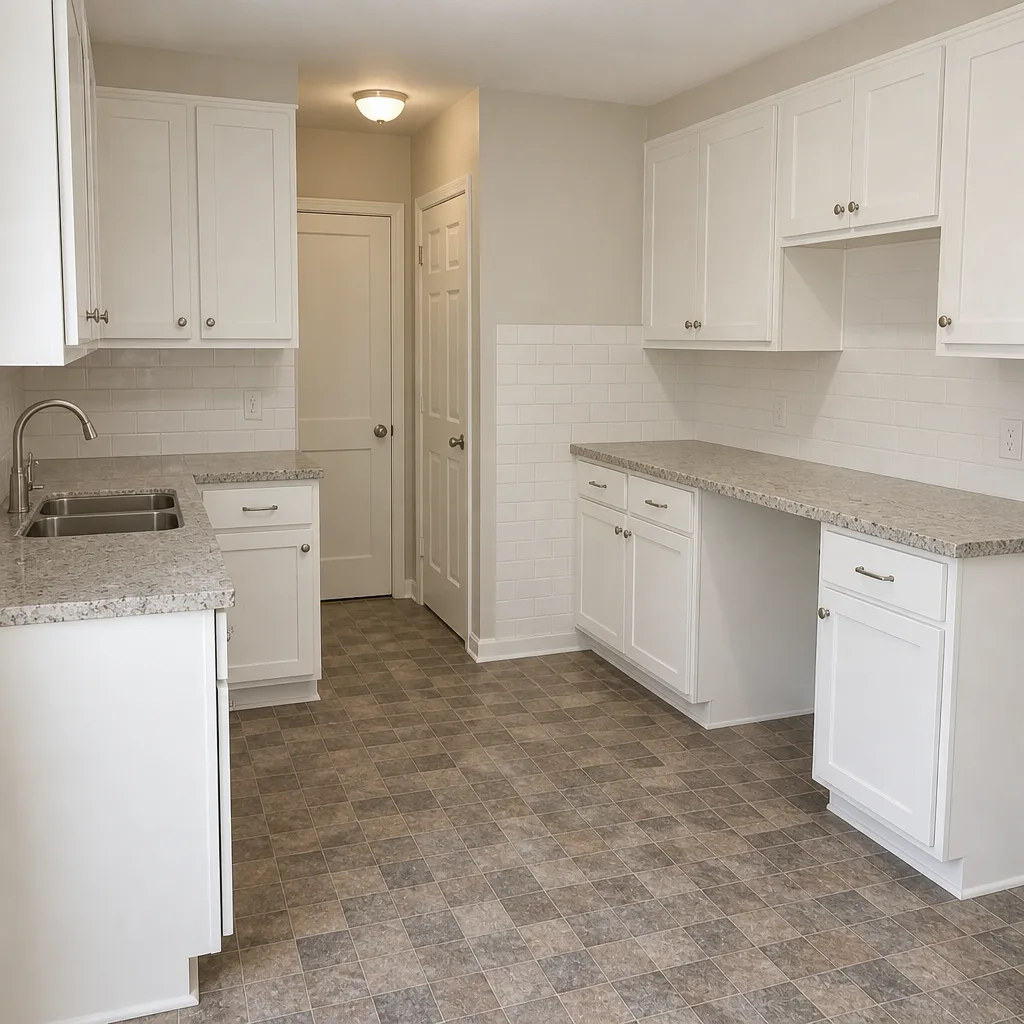 After
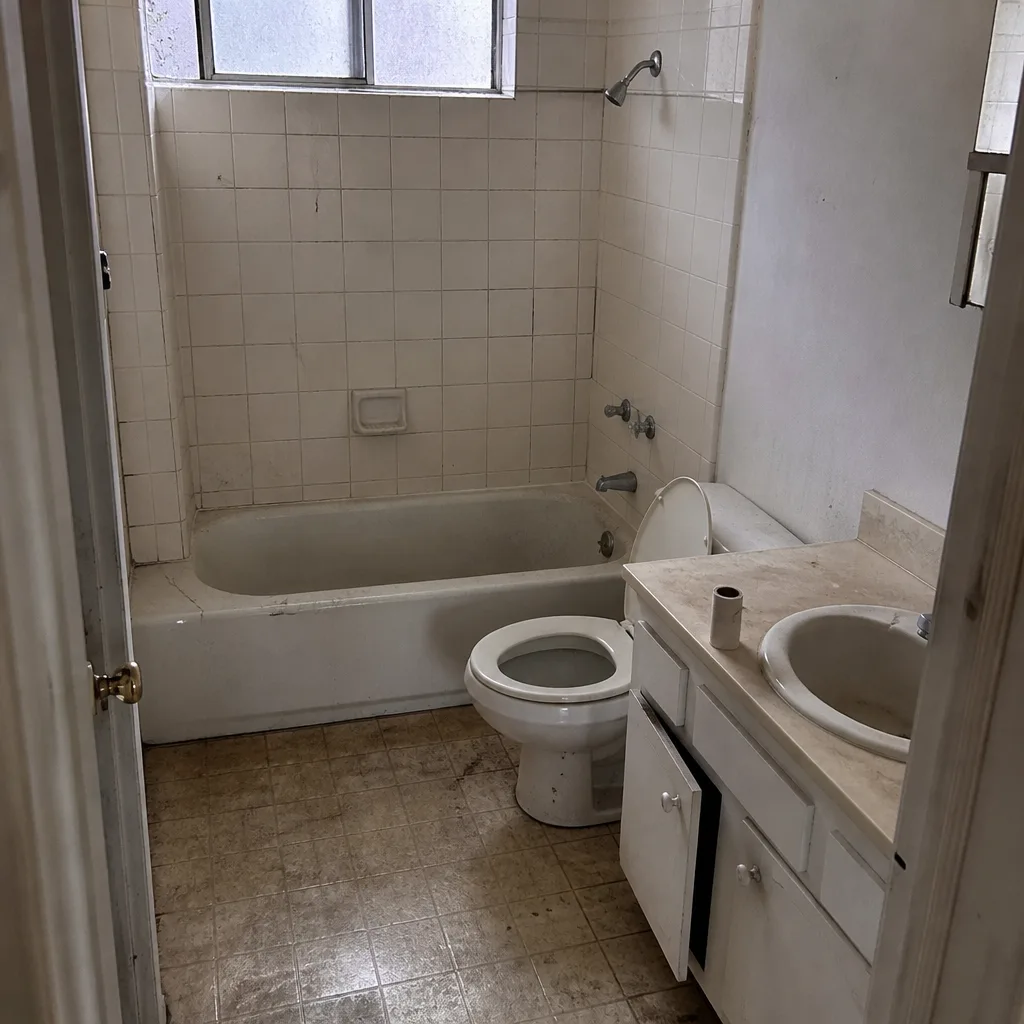 Before
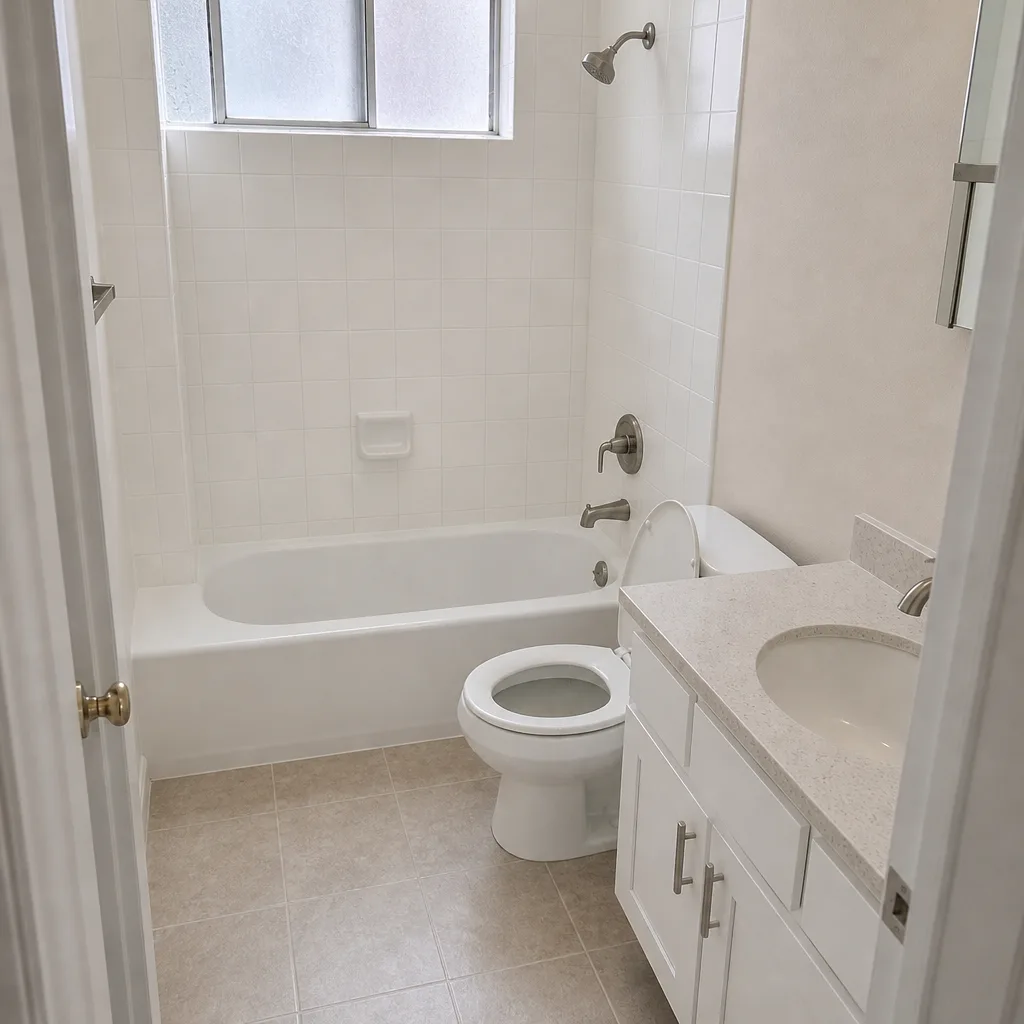 After
Clay vs Concrete Roof Tiles in Enterprise, NV: Which One Survives the Desert?
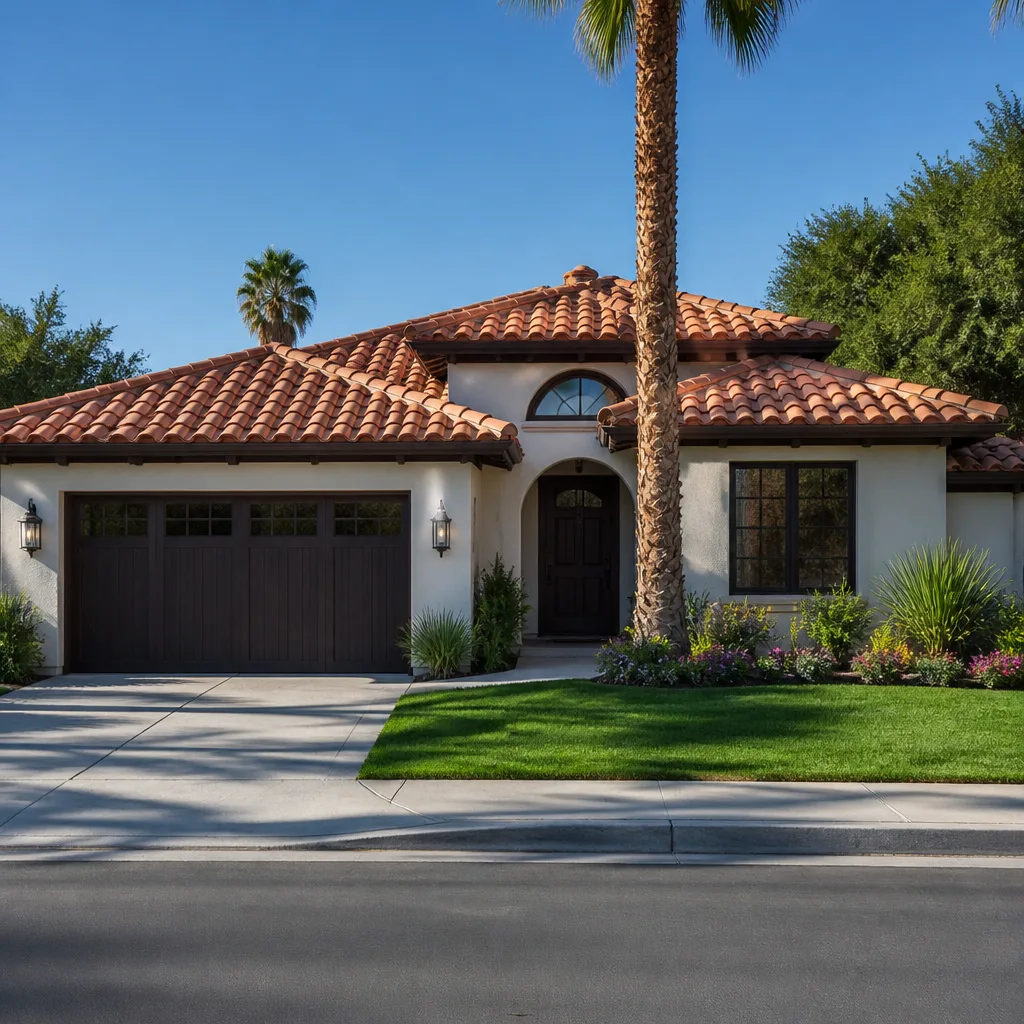
Choose clay tile if you’re on a foothill custom home in Southern Highlands or the Sloan/Blue Diamond edge where long-term color stability and lighter weight justify the premium. Choose concrete tile if you’re re-roofing a 1990s-to-2000s tract home on a tighter budget and you specify the underlayment and flashing in writing. Both tile types are everywhere in Enterprise, NV, and both work. What separates a roof that lasts 30 years from one that leaks in 10 comes down to how each material handles the specific punishment the Mojave throws at it. Call (844) 797-4406 and we’ll walk your roof and give you a straight answer for your lot.
Key Takeaways
- Concrete tile runs 9-12 lbs per square foot; clay runs 6-8. That gap matters on engineered-fill lots.
- Enterprise’s monsoon can drop 2 inches of rain in under an hour onto a roof that was 160°F an hour before – a thermal shock concrete tile handles worse than clay.
- Clay’s fired color is permanent. Concrete tile relies on an acrylic coating that degrades visibly in Enterprise’s UV (index 11+ regularly) within 10-15 years.
- The tile rarely fails first. The underlayment and flashing do. That’s what our 730-Day Done Right Promise covers.
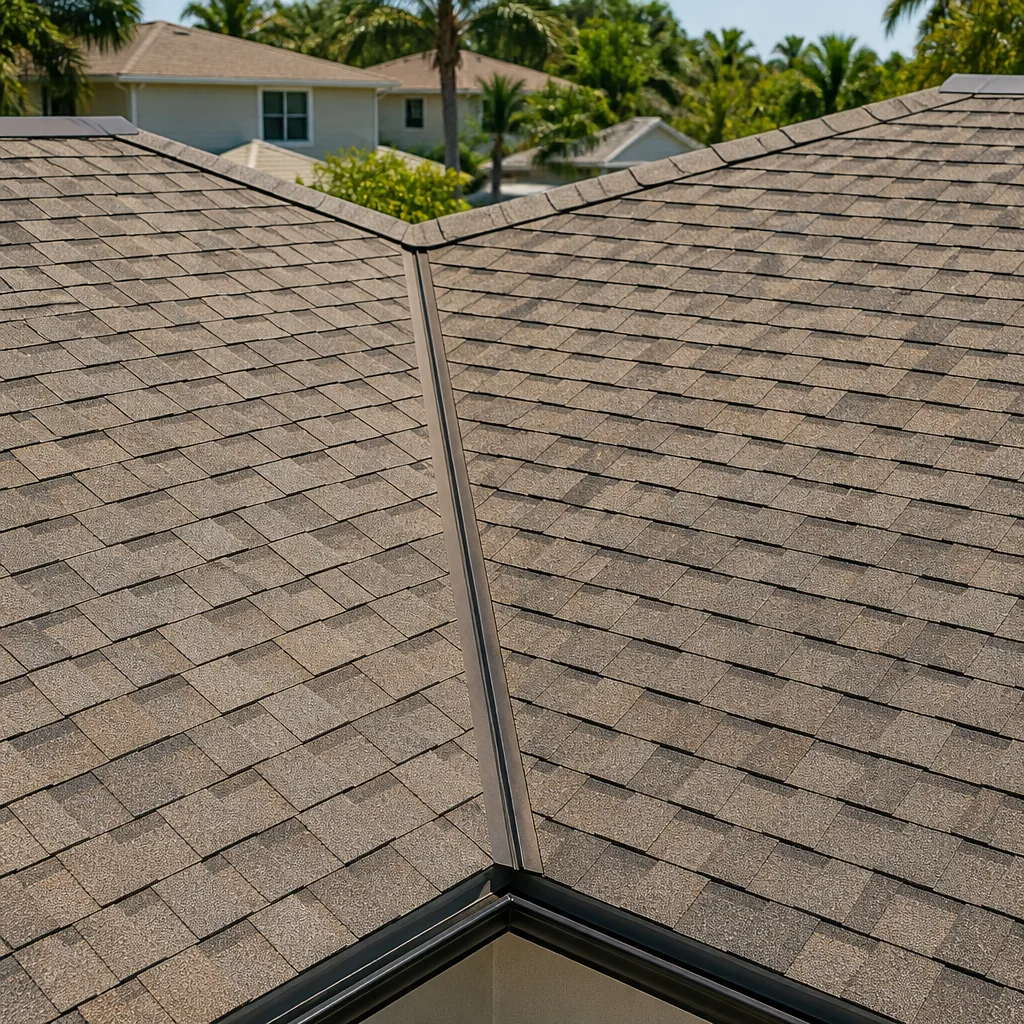
The thermal shock problem nobody talks about
Here’s the part most comparison articles skip. Enterprise sits in the southwest growth corridor, where subdivisions push up toward the foothills and the desert opens up beyond the retaining walls. Roof surfaces out here hit 160°F on a July afternoon – hot enough that you can’t hold a hand on a tile for a second. Then a monsoon cell rolls off the mountains and dumps two inches of rain in under an hour. The surface temperature drops 100 degrees, fast.
Every material expands when it heats and contracts when it cools. Concrete tile absorbs more heat and expands more than clay does, so the contraction on that cold-rain event is more violent at the mortar bond and across the field-tile surface. Do that a few dozen times a summer over ten or fifteen years and you start seeing micro-fracturing – hairline cracks that aren’t a leak yet but let water past the tile and into the underlayment. That’s when the real damage starts. Clay, because it’s fired at higher temperatures and moves less, holds up to that cycle better. It’s not that concrete tile is bad. It’s that the specific swing between 160°F and a monsoon downpour is harder on it, and Enterprise gets that swing more than flat parts of the valley.
Weight, sloped lots, and older roof structures
Weight is the other thing that catches people. A concrete tile roof weighs roughly 9-12 pounds per square foot. Clay comes in around 6-8. On a slab-on-grade tract home built in the late 1990s in Mountain’s Edge or a similar master-planned community, the original roof was engineered for whatever tile went on it. If you’re swapping like for like, that’s usually fine. If you’re moving from a lighter concrete profile to a heavier one, or adding tile where there wasn’t any, the structure needs a look before anyone lifts a bundle.
The sloped, engineered-fill lots common on Enterprise’s foothill edge add a wrinkle. Graded pads and retaining walls mean the roof load and the drainage both matter more than they do on flat infill. We’ve walked roofs in Enterprise where the tile was fine but the flashing at a valley had been patched wrong, and every monsoon put water against a wall. Weight and water both find the weak spot.
What that means practically: before we quote a tile re-roof in Enterprise, we look at the existing structure and the underlayment spec, not just the tile color. If your roof is a candidate for clay or concrete, our Roofing team handles the full scope from tear-off to final inspection.
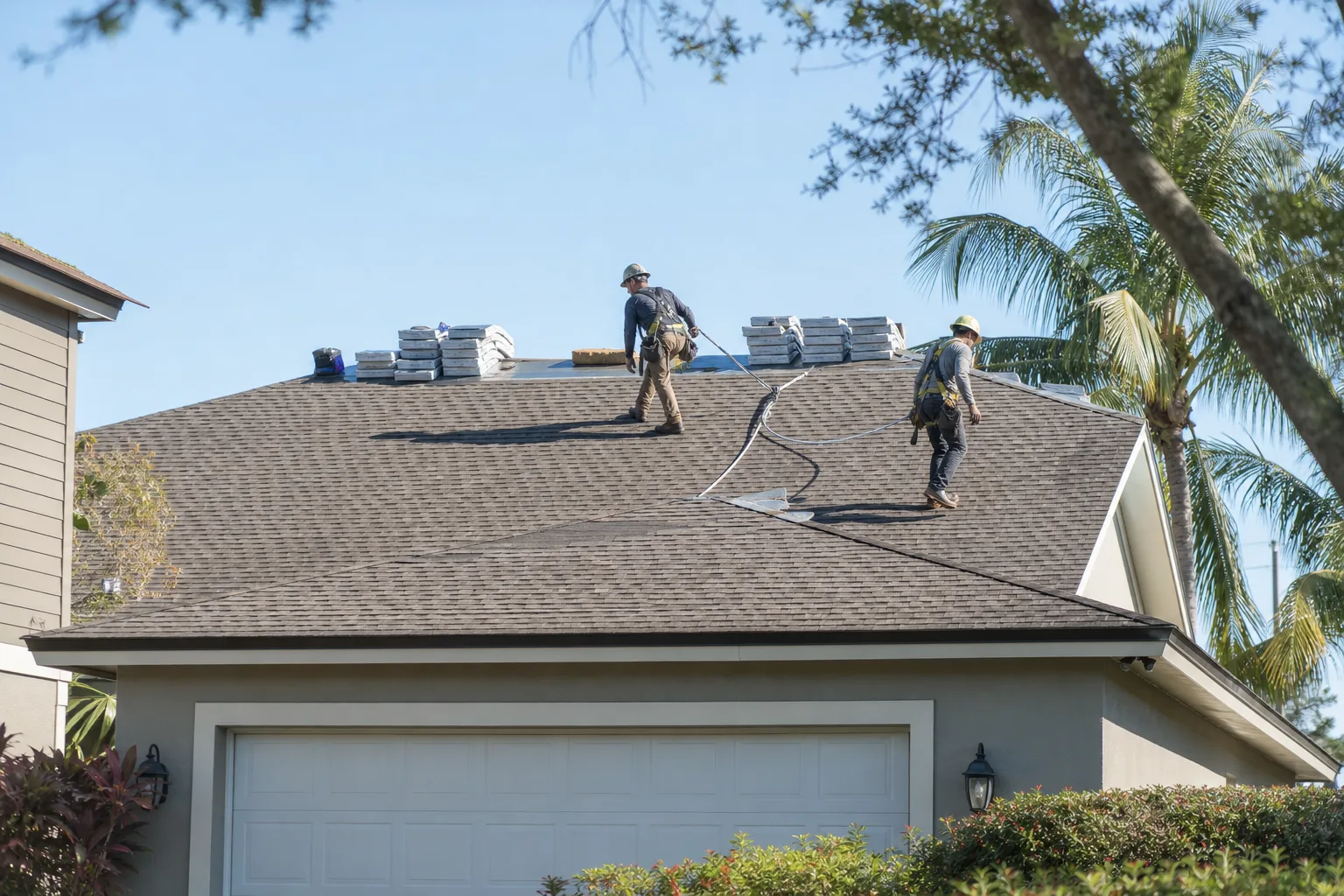
UV, color, and what actually fails first
Enterprise’s UV index sits at 11 or higher for much of the year. That’s brutal on anything with an applied surface. Clay tile gets its color in the kiln – it’s fired in, not painted on, so it doesn’t fade from sun. Concrete tile gets its color from an acrylic coating, and that coating breaks down under sustained UV. Homeowners in Enterprise typically notice visible fading or chalking within 10-15 years, and recoating is a real line item if you want the roof to keep looking like it did on day one.
Here’s the operator detail most warranties bury: the tile itself almost never fails first. The underlayment under it does, and so does the flashing at penetrations and valleys. Manufacturer warranties tend to cover the tile. Our 730-Day Done Right Promise covers the underlayment and flashing work – the components that actually cause leaks – so if something’s not right, we make it right.
Clay vs concrete side by side in Enterprise
| Factor | Clay tile | Concrete tile |
|---|---|---|
| Weight per sq ft | 6-8 lbs | 9-12 lbs |
| Thermal shock response | Moves less, holds bond better | Expands more, micro-fractures sooner |
| Color | Fired in, permanent | Acrylic coating, fades in 10-15 yrs |
| Upfront cost | Higher | Lower |
| Recoating | Not needed for color | Likely within 10-15 years |
| Best fit | Foothill custom homes | Tract re-roofs on a budget |
What tile work runs in Enterprise
- Roof replacement (full re-roof): $8,000-$20,000
- Tile roof repair: $600-$2,500
- Roof repair (general): $400-$1,800
We quote tile work with the underlayment and flashing spelled out in writing, so the number you see is the number you pay. No surprise line items after the tear-off. Roofing materials from partners like Boral and IKO round out the spec where they fit your profile.
How we’d decide for your roof
If you’re on a custom home up against the Sloan/Blue Diamond foothills and you plan to stay put, clay earns its premium. The color doesn’t fade, it’s lighter on a structure that may already be working hard on a graded pad, and it handles the monsoon thermal swing better. If you’re re-roofing a tract home in Southern Highlands or Mountain’s Edge and the budget is a real constraint, concrete tile gets you the look and the weather protection – as long as the underlayment and flashing are specified properly and someone recoats it down the line.
Either way, weigh your decision on the whole assembly, not just the tile. The tile is the visible part. The underlayment and flashing are what keep Enterprise’s monsoon out of your house. The full range of options and process lives on our Enterprise service area page and the main home hub.
FAQs
Clay typically runs noticeably higher than concrete per square foot, and a full tile re-roof in Enterprise runs $8,000-$20,000 depending on roof size, pitch, and material. Concrete sits at the lower end of that range, clay at the upper. Call (844) 797-4406 for an exact quote – estimates are free.
No – it’s a fine choice when the underlayment and flashing are specified correctly and you plan for recoating the acrylic color every 10-15 years. The UV and thermal shock in Enterprise wear on the coating and the tile surface faster than in cooler climates, so the spec and the workmanship matter more than the material name.
Often yes if you’re going heavier, especially on older tract homes or sloped engineered-fill lots in Enterprise. Concrete at 9-12 lbs per square foot is a real load increase over clay’s 6-8, and 1990s construction wasn’t always framed for the swap. We check the structure before we quote so there are no surprises.
Frequently, yes. Tile roof repair in Enterprise runs $600-$2,500, and many cracked or slipped tiles are a repair rather than a re-roof. If the underlayment underneath has aged out, a repair only buys time – we’ll tell you honestly which one you’re looking at. Call (844) 797-4406 to schedule an assessment.
If you’d rather have it looked at, Groundwork Construction Co. of Enterprise offers a no-pressure assessment in Enterprise – call (844) 797-4406. Our technicians have up to 12 years of experience, calls are answered by a live person 24/7, and every tile job is backed by our 730-Day Done Right Promise. Upfront pricing, no surprises.
Written by the team at Groundwork Construction Co. of Enterprise, serving Enterprise, NV.