


Free written scope consultation - allowances, timeline, and change-order rules on paper before a single trade is scheduled
Styles & brands we work with
- Kitchen remodeling
- Bathroom remodeling
- Home additions & ADU
- Roofing
- Windows & doors
- Driveway & pavers
- Fence
See the difference
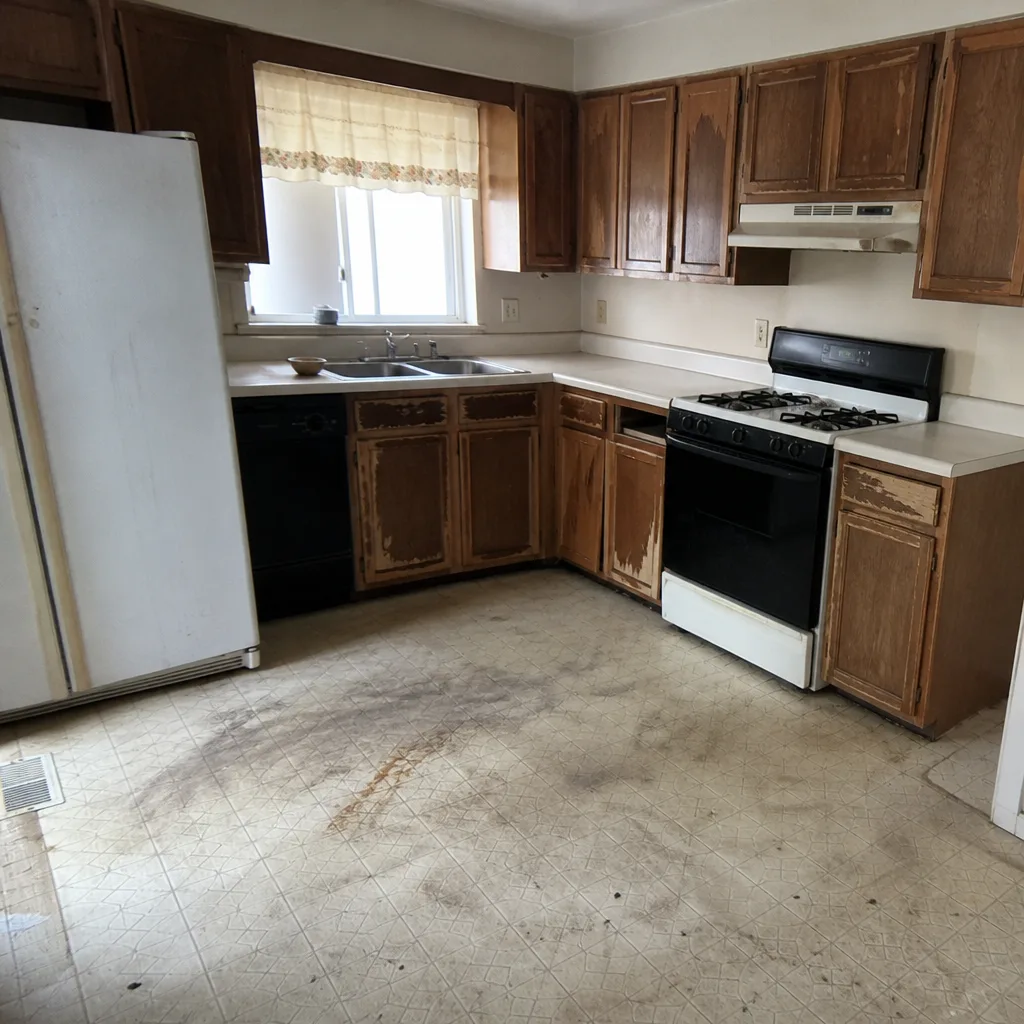 Before
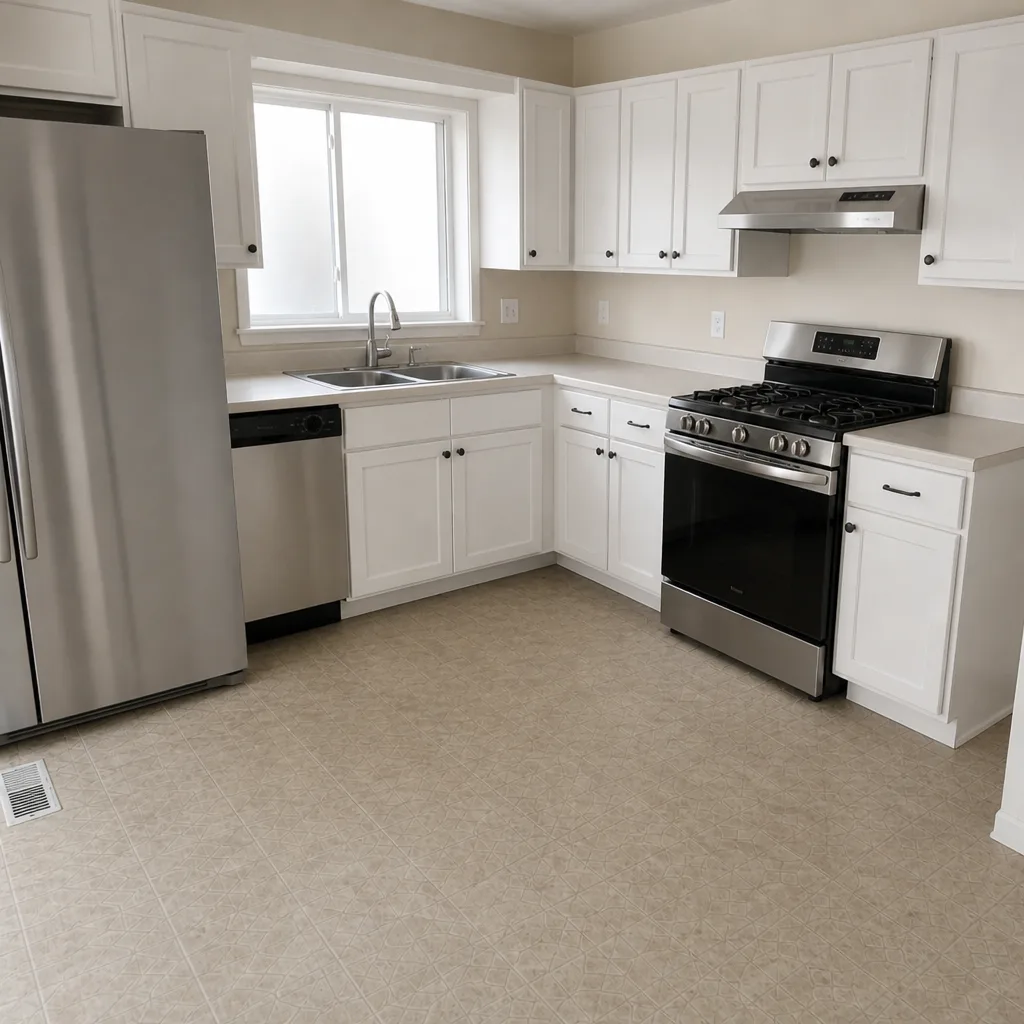 After
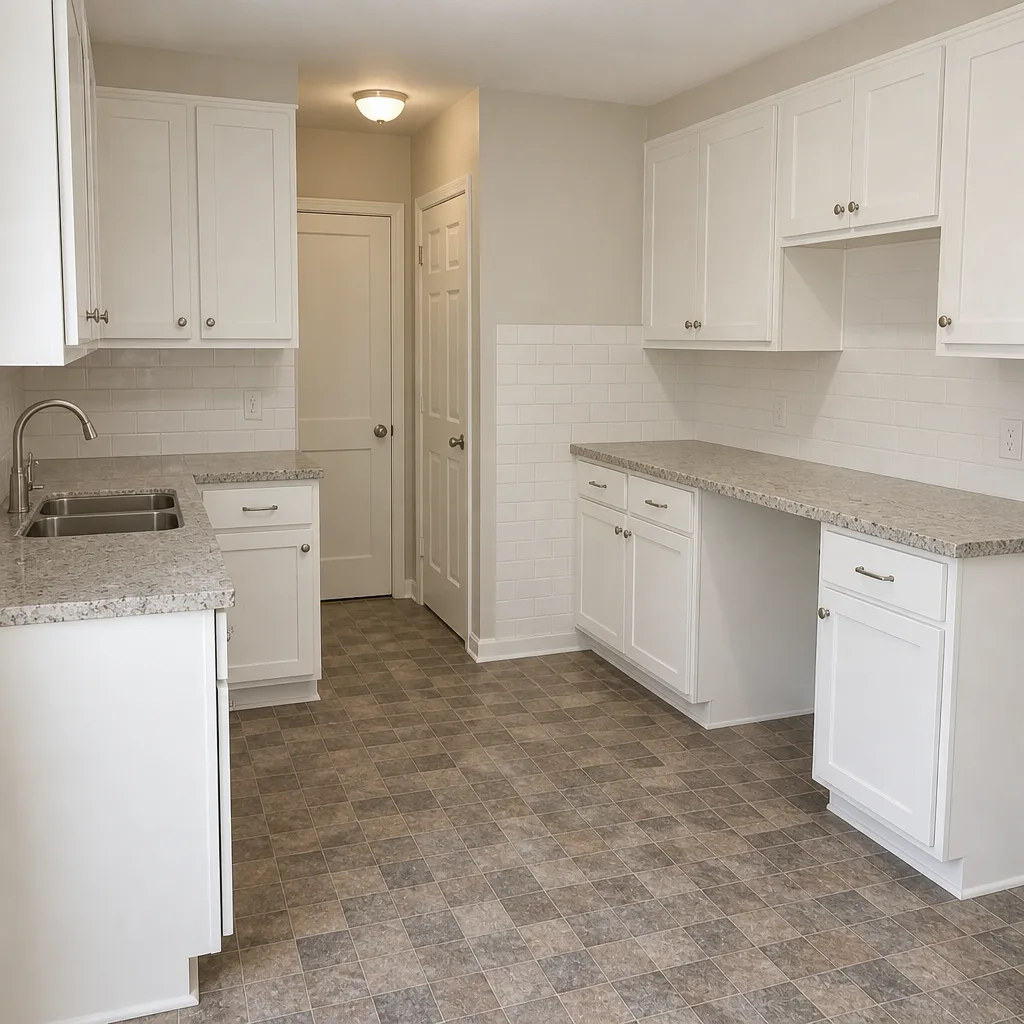
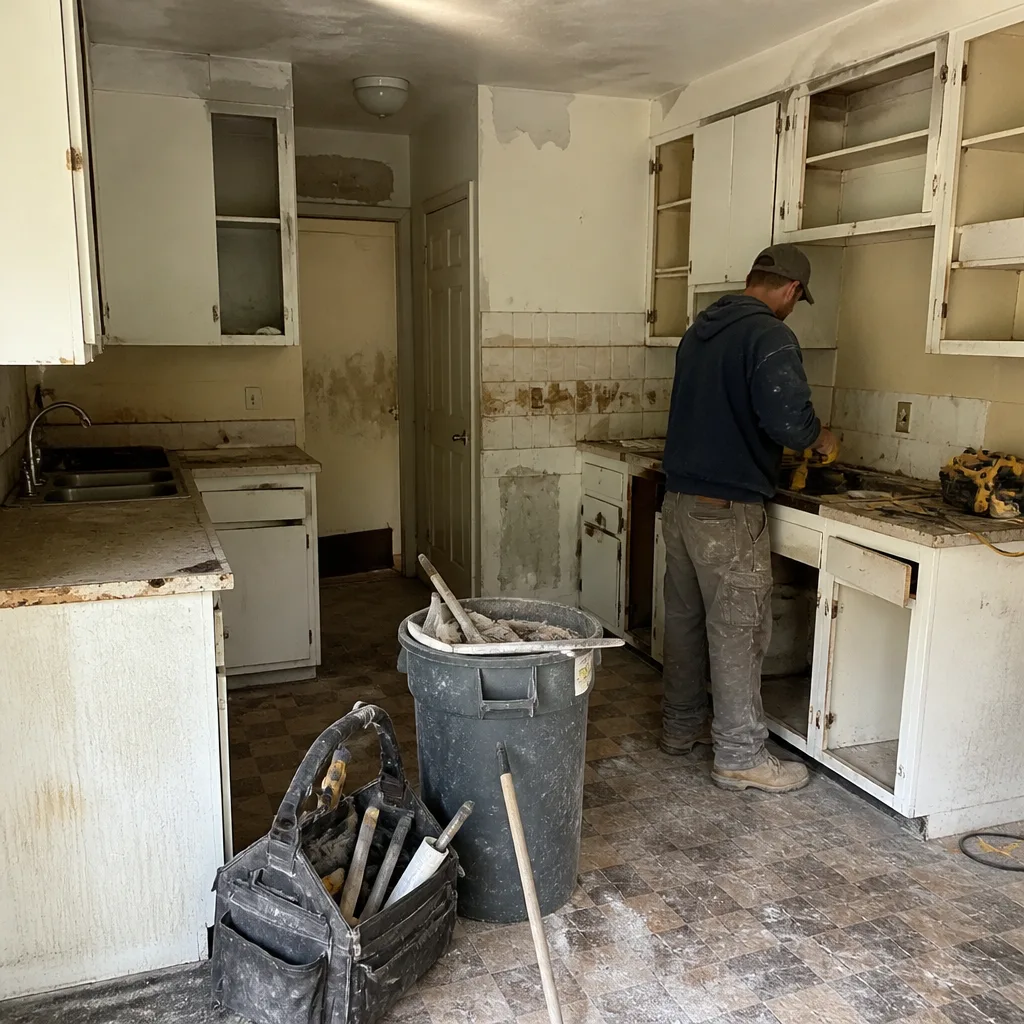 Before
 After
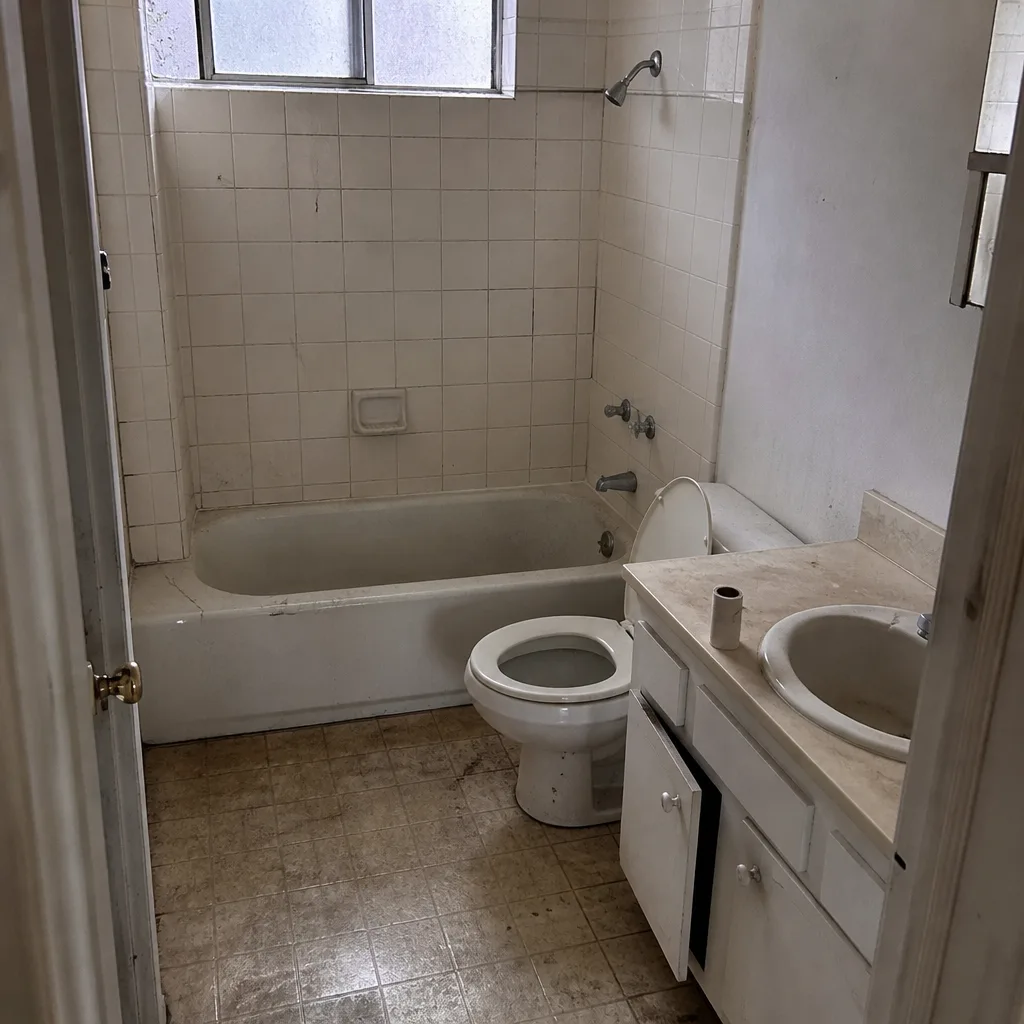 Before
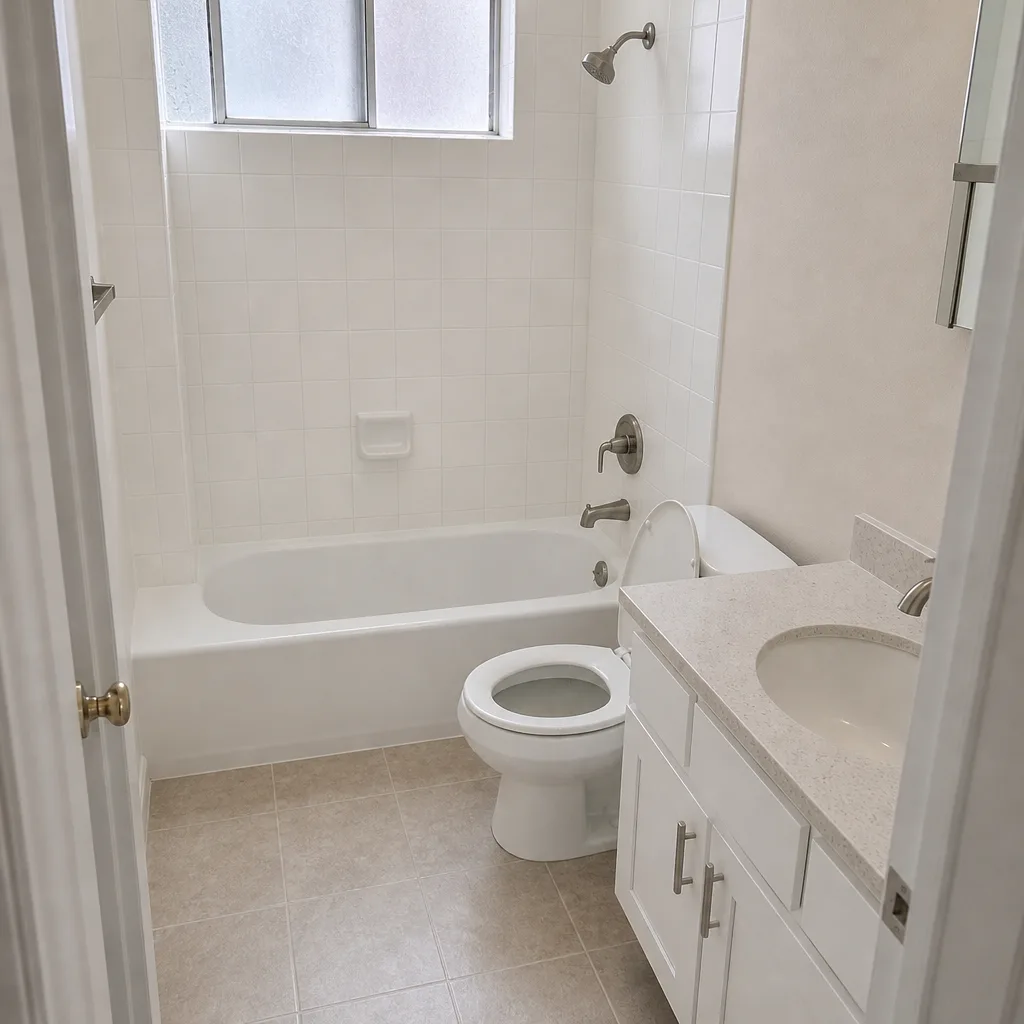 After
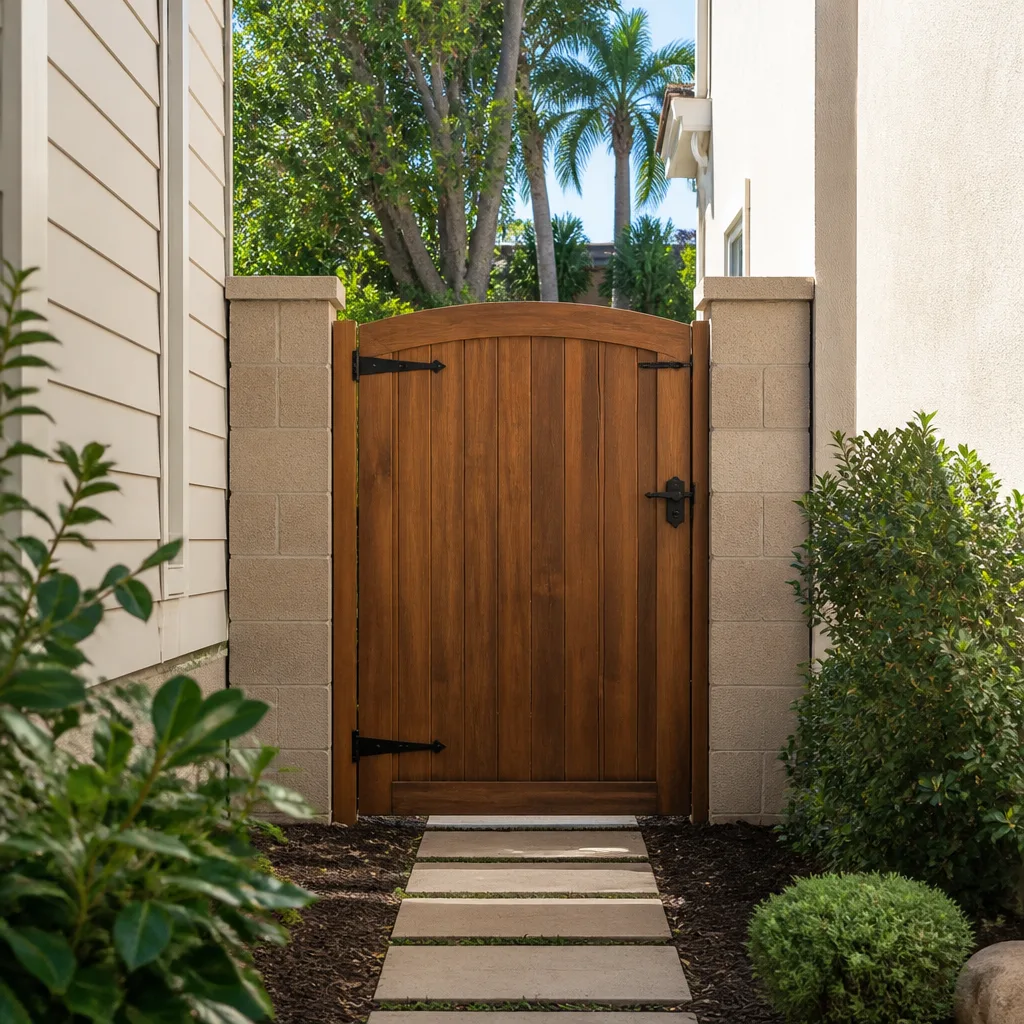
Do You Need a Permit to Build a Fence in Enterprise, NV?
Yes – in most cases you do. In Enterprise, a fence permit is required whenever your fence exceeds the Clark County height limits (generally 6 feet in rear and side yards, lower in front), uses certain materials, or crosses a drainage easement or slope, and a separate HOA architectural approval usually runs on a parallel track that county permits don’t satisfy. Enterprise sits in a layered permitting environment: Clark County building permits, HOA design review, and, on lots near the desert edge, fire-marshal review of ember-resistant materials can all apply at once. Skip any layer and you risk a stop-work order or a removal notice. For a straight answer on your lot, call Groundwork Construction Co. of Enterprise at (844) 797-4406.
Why “Do I Need a Permit” Has Three Answers Here
Most homeowners in Enterprise expect one yes-or-no answer and instead get three. That’s the reality of building in Las Vegas’s southwest growth corridor, where master-planned subdivisions push toward the Sloan and Blue Diamond foothills and the mountains’ edge. The county, your HOA, and – depending on where your lot sits – the fire marshal or health district each have a say.
Layer one: Clark County. The county governs fence height, materials, property lines, and grading. A standard rear or side fence at or under 6 feet generally clears the height threshold; front-yard fences have lower limits. Certain materials trigger plan review. And when a fence runs across a sloped lot or crosses a drainage easement, a grading permit may be required on top of the building permit.
Layer two: your HOA. Southern Highlands and Mountain’s Edge both enforce detailed design standards – fence materials, colors, and heights that go beyond county minimums – with their own approval timelines and violation remedies. HOA approval is not optional, and a county-approved fence that violates HOA standards can still get flagged.
Layer three: the fire edge. Lots backing onto open desert in the foothill communities sit in the defensible-space zone. Non-combustible or ignition-resistant fencing there isn’t a preference; it can be a condition of permit issuance.
That’s the short of it. The rest depends on your specific lot, which is why we pull permits as standard practice on every fenced project – not as an upsell.
- Building permit: required above county height/material thresholds.
- Grading permit: may apply on sloped lots or where a fence crosses a drainage easement.
- HOA architectural approval: separate track, separate timeline, own enforcement.
- Fire-marshal review: for lots at the desert edge, including material compliance.
- Health district review: in specific cases tied to where your lot sits and adjacent uses.
The Drainage Easement Problem That Surprises Enterprise Homeowners
Here’s the one that catches people after demo begins. Many Enterprise backyards sit on graded fill pads, and a fair number carry recorded drainage easements – the storm-water path the subdivision was engineered around. Build a solid fence across one and you don’t just risk a permit denial; you risk a removal order, because you’ve blocked the flow path the county designed.
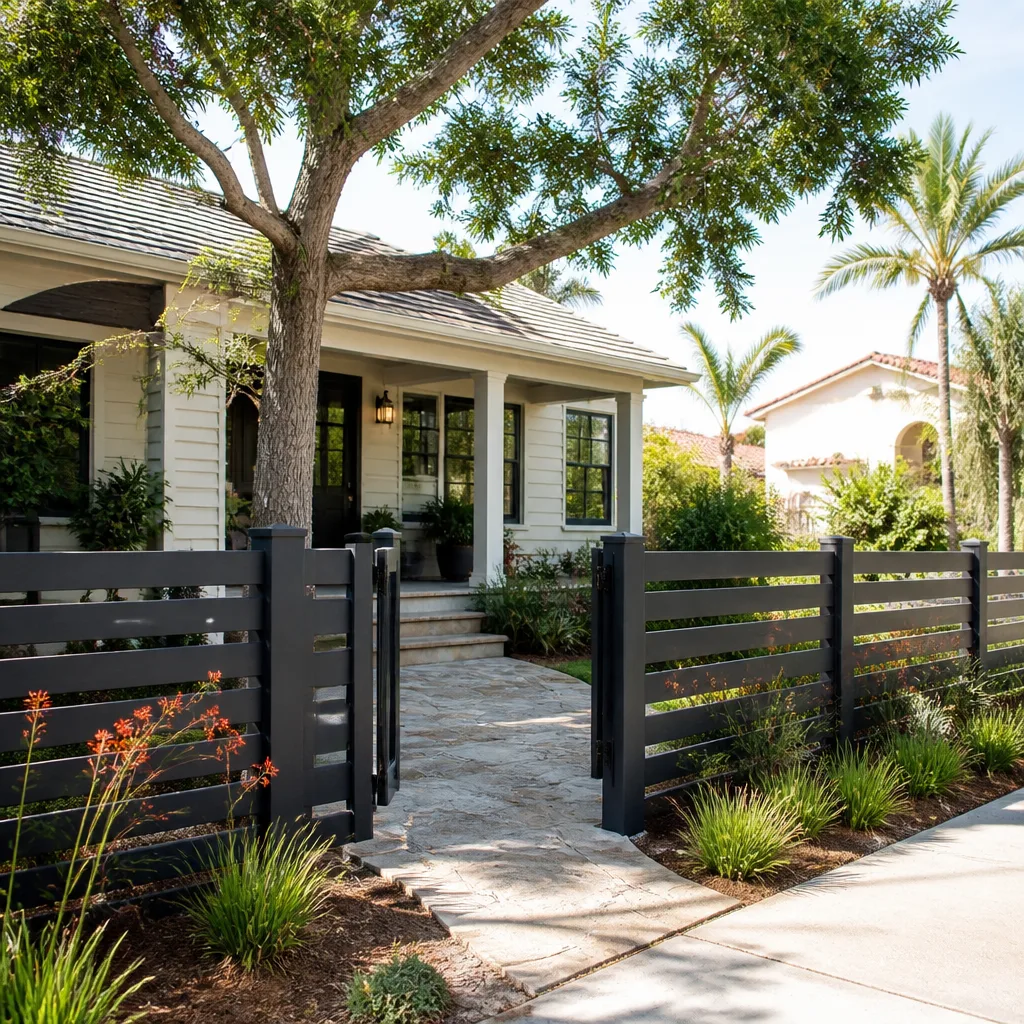
The fix is usually an open-bottom rail design that lets water move through, not a full solid run. But you have to know the easement exists before the crew sets posts. That’s the kind of thing we check in the first site walk, not the third week of work. Our technicians have up to 12 years of experience, and background-checked crews don’t show up and start digging without the paperwork in hand.

Fire-Defensible Fencing at the Foothill Edge
If your lot backs onto open desert, defensible-space standards apply to your fence line. Ember-resistant and non-combustible materials can be a condition of getting the permit approved at all – not something you decide later. With summer highs routinely above 105°F and intense sun degrading exterior materials, the right fence on the desert edge is also the fence built to last, backed in writing.
When you’re ready to select materials, certain brands hold up better under that sun-and-ember combination than others. We work with a curated set of verified partners across every trade, and fencing is no exception – quality you choose, not just whatever’s in stock.
What Fence Installation Runs in Enterprise
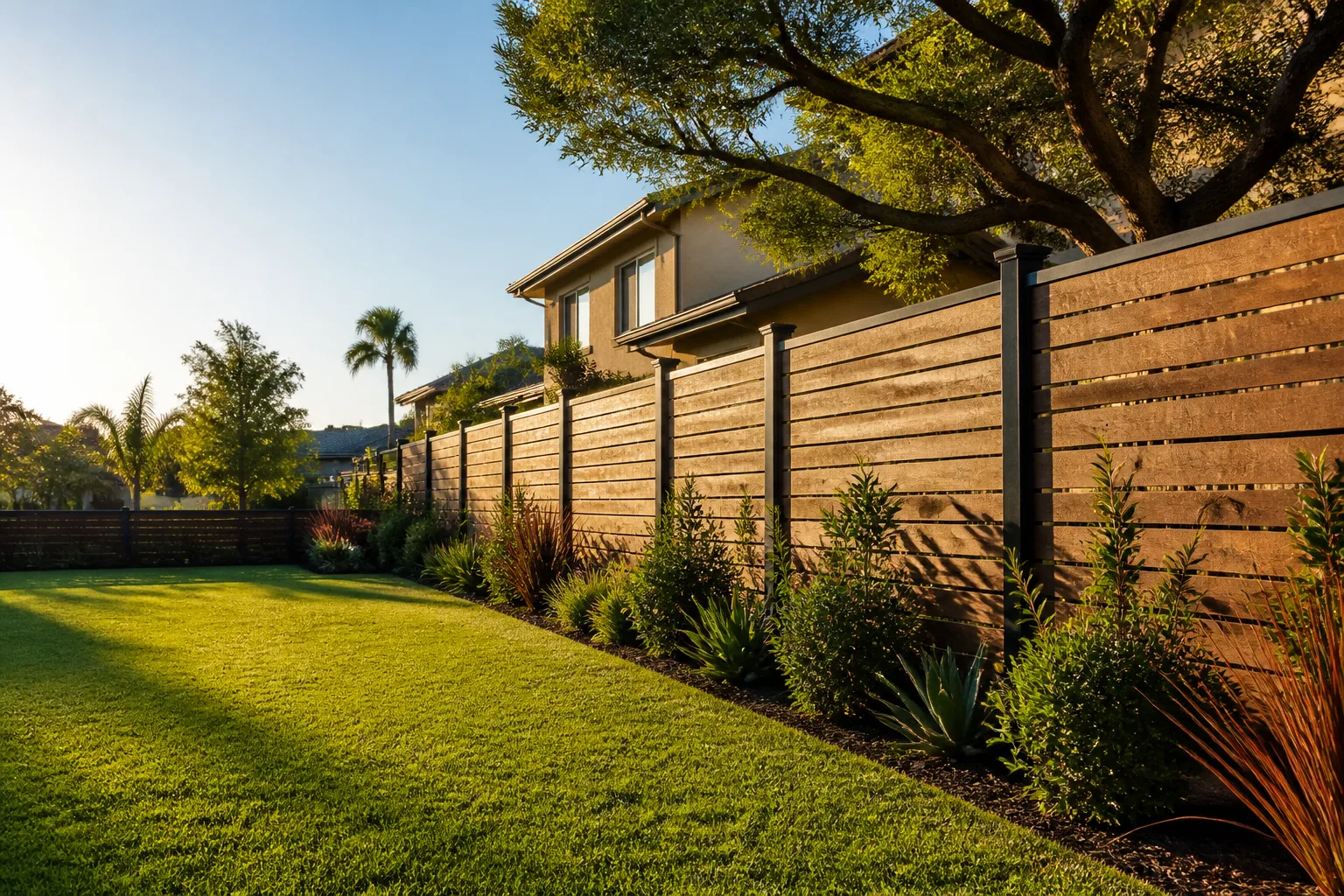
Fence projects here typically land between $3,500 and $9,000 depending on material, linear footage, and site conditions. That range reflects the real work in Enterprise: sloped, engineered-fill lots, easement-aware designs, and fire-rated material requirements on desert-edge properties – none of which applies the same way in older, flatter parts of the valley.
| Project Type | Typical Range |
|---|---|
| Vinyl fence installation | $3,500-$9,000 |
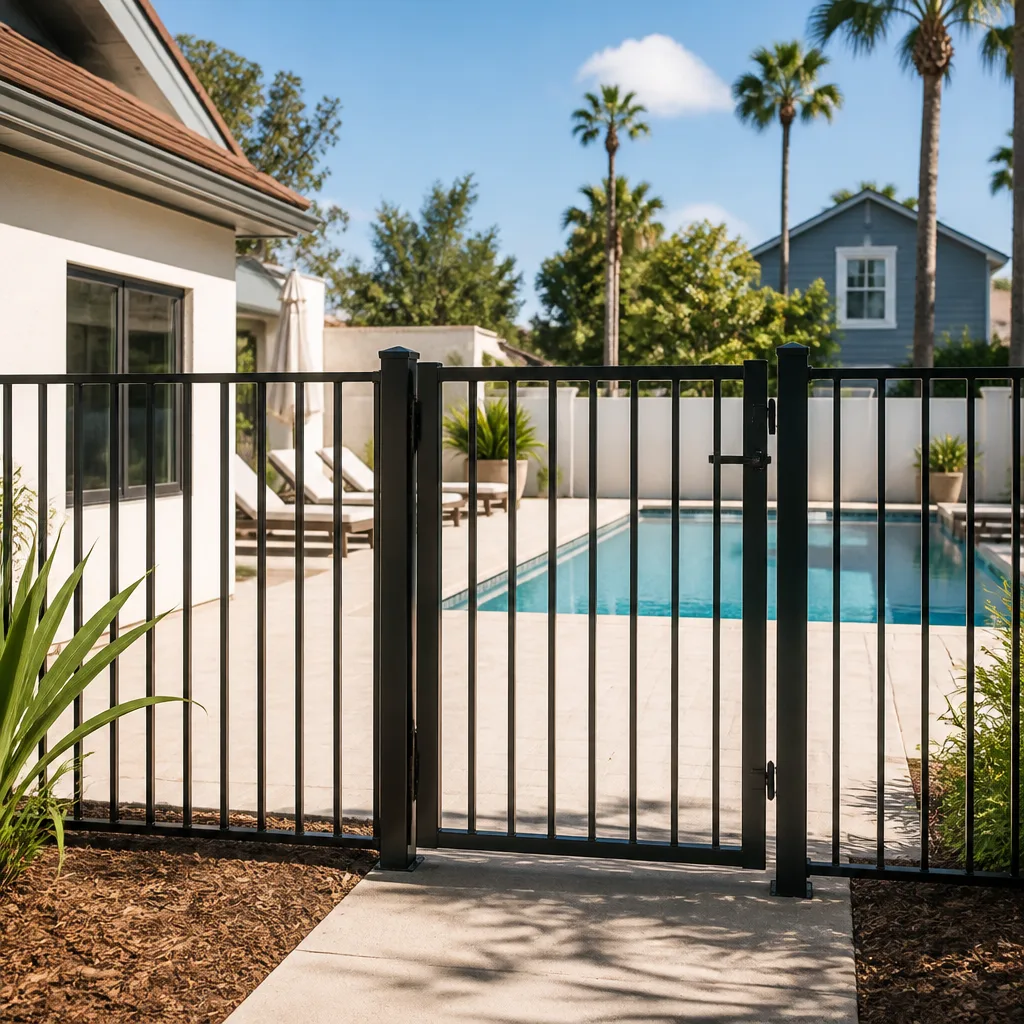
| Aluminum fence installation | $4,000-$10,000 |
Every project carries our 730-Day Done Right Promise – if it’s not done right, we make it right. And pricing is upfront: the number you see is the number you pay. Right now, projects over $10,000 get $1,000 off, with 0% financing for 18 months on qualifying work.
Common Local Scenarios
Southern Highlands, standard rear fence. County permit, HOA architectural approval, and confirming no easement crosses the line. The HOA standard usually drives the material and color choice.
Mountain’s Edge, sloped lot. Likely a grading permit in addition to the building permit, and post depths that account for the slope rather than a flat-lot spec.
Foothill-edge lot backing on desert. Fire-marshal material review is in play. Non-combustible or ignition-resistant fencing within defensible space may be a permit condition.
Older tract home with a recorded easement. Open-bottom rail design to keep water flowing. We flag this on the site walk before a single post goes in.
Each of these is a different permit path, and getting the paperwork right up front is what keeps the project on schedule. Read more about our approach on the main Fence Installation page, or dig into the details of Fence Installation in Enterprise.
Why Groundwork Pulls Permits as Standard Practice
Groundwork Construction Co. of Enterprise treats permits as part of the job, not a hurdle to work around. Unpermitted fences can create stop-work orders mid-project, complicate future title issues, and – in the fire zone – leave you with a structure that has to come down. Background-checked, uniformed technicians handle the work; the paperwork is handled before they arrive. Calls are answered by a live person, 24/7, so questions about your project don’t wait until Monday morning. All work falls under the 730-Day Done Right Promise, and our technicians have up to 12 years of experience.
FAQs
In most cases yes. A Clark County building permit is required when your fence exceeds the standard 6-foot rear/side height limit, uses certain materials, or crosses a slope or drainage easement, and HOA approval is a separate requirement for communities like Southern Highlands and Mountain’s Edge. Call (844) 797-4406 for a free estimate – we’ll confirm what your specific lot needs.
Most fence installation in Enterprise runs $3,500 to $9,000, with vinyl at $3,500-$9,000 and aluminum at $4,000-$10,000. Sloped lots, easement-aware designs, and fire-rated material requirements on desert-edge properties can push toward the upper end. Call (844) 797-4406 for an exact quote – estimates are free.
Yes – county approval and HOA approval are separate tracks. Southern Highlands and Mountain’s Edge both enforce design standards for fence materials, colors, and heights that can exceed county minimums, with their own approval timelines. A county-permitted fence can still be flagged by the HOA. Call (844) 797-4406 and we’ll walk through both.
You risk a removal order, because the easement is the storm-water path your subdivision was engineered around. The usual solution is an open-bottom rail design that lets water flow through, but you have to identify the easement before posts go in. Call (844) 797-4406 – we check easements on the first site walk.
Get a Straight Answer on Your Fence Permit
If you’d rather have it looked at, Groundwork Construction Co. of Enterprise offers a no-pressure assessment in Enterprise, including a permit and easement check on your specific lot. Call (844) 797-4406 and talk to a live person who can tell you exactly what your fence needs.
Written by the team at Groundwork Construction Co. of Enterprise, serving Enterprise, NV.