Free written scope consultation - allowances, timeline, and change-order rules on paper before a single trade is scheduled
Styles & brands we work with
- Kitchen remodeling
- Bathroom remodeling
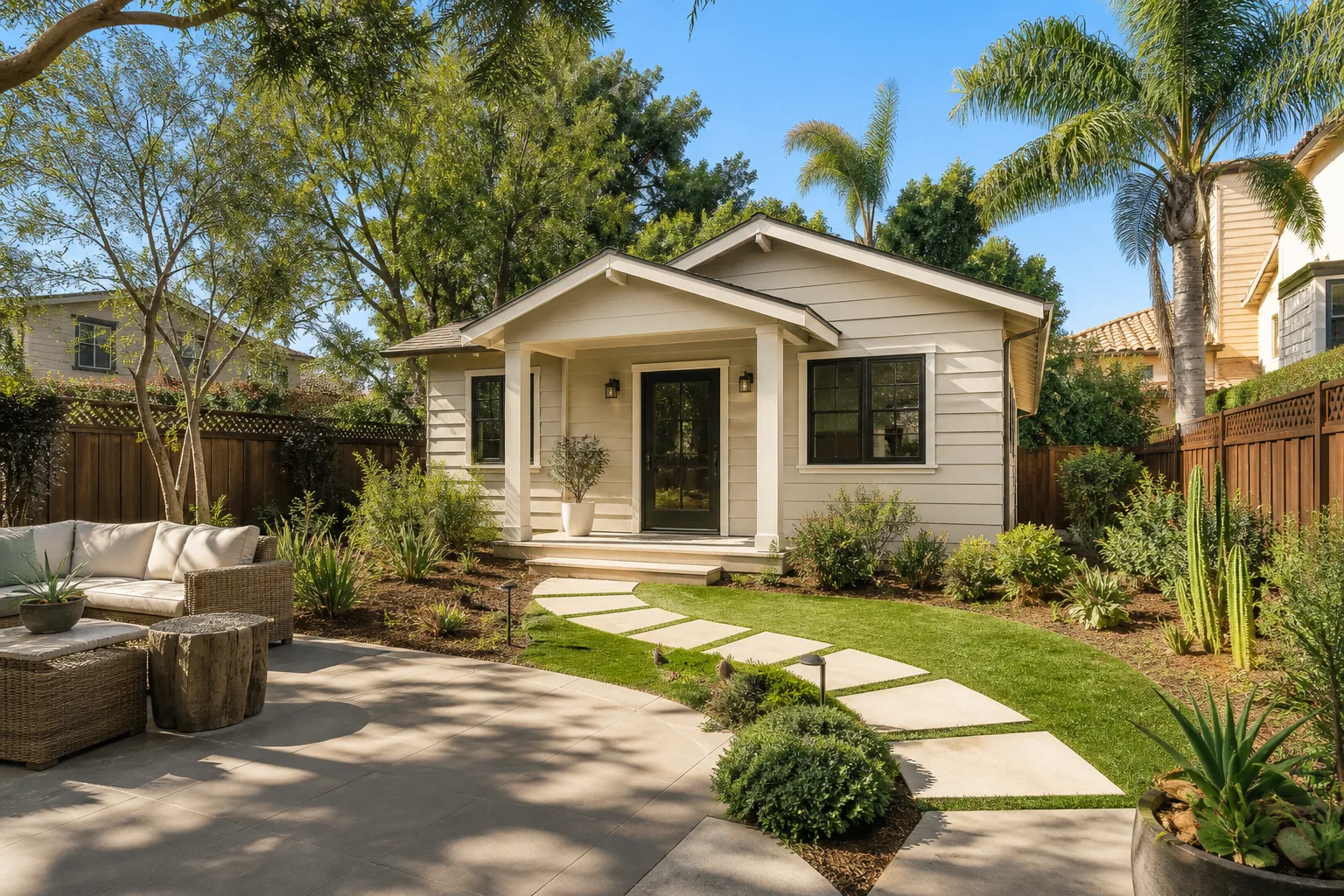
- Home additions & ADU
- Roofing
- Windows & doors
- Driveway & pavers
- Fence
See the difference
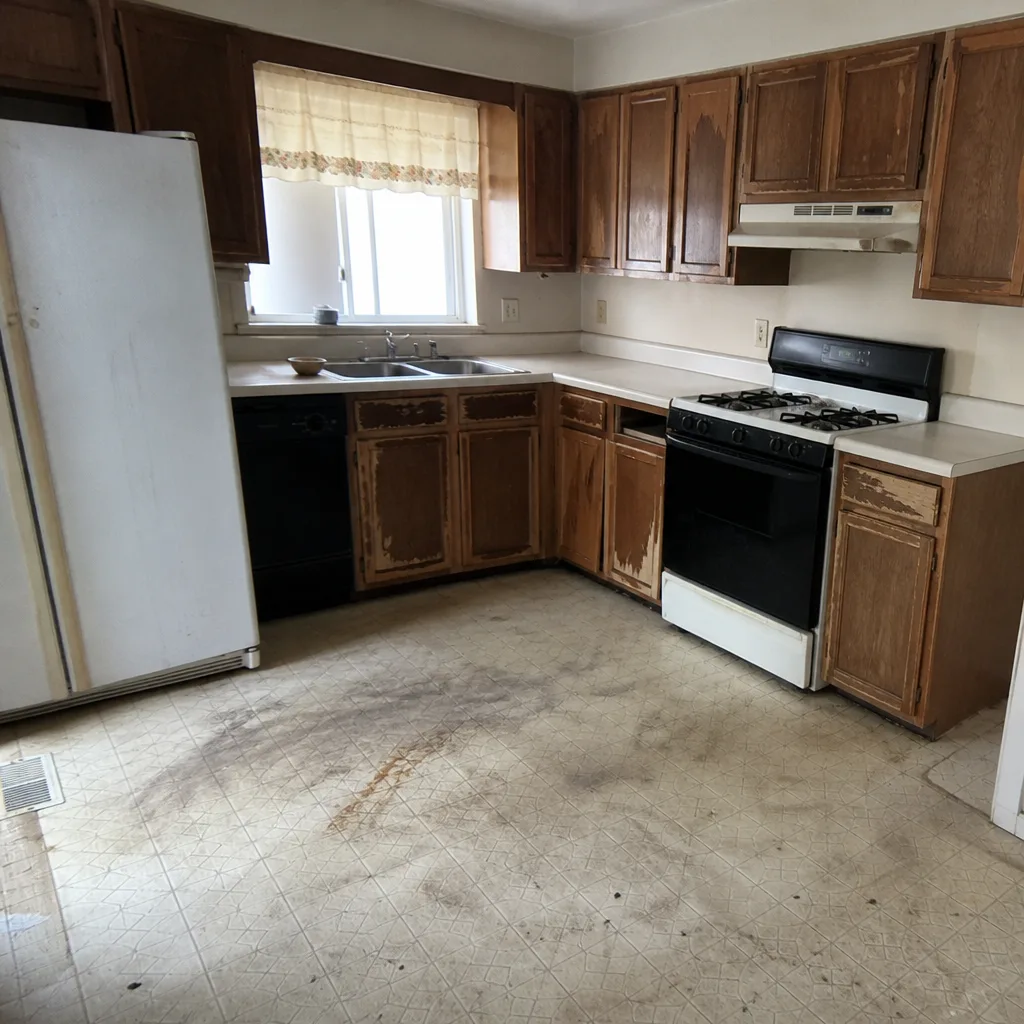 Before
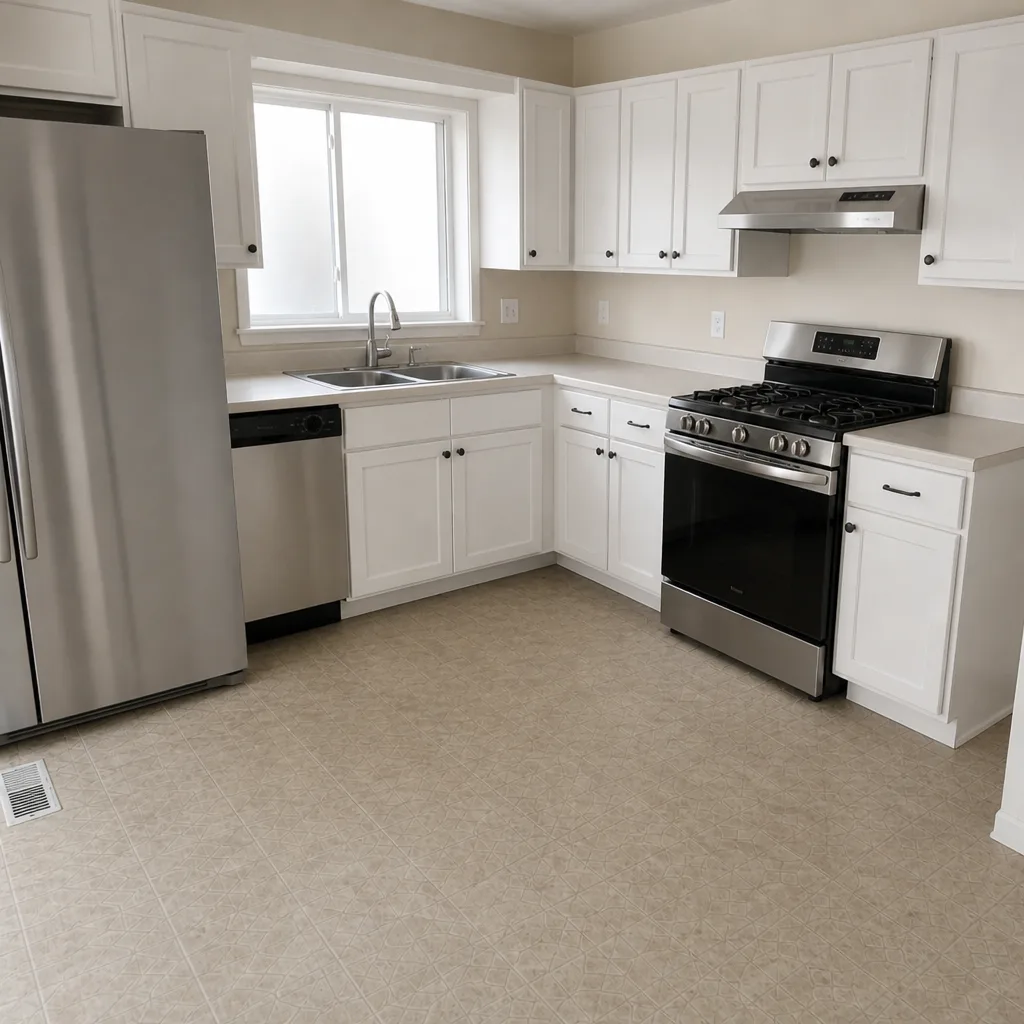 After
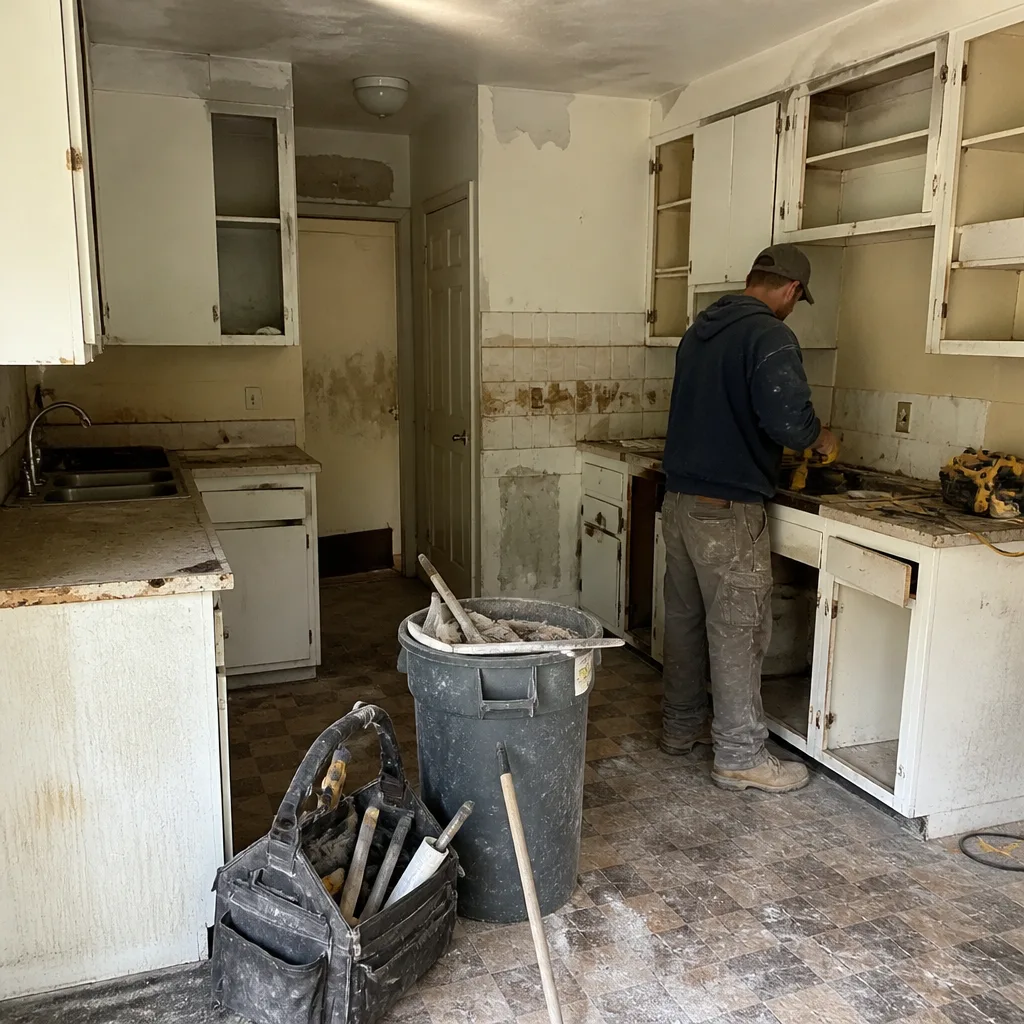 Before
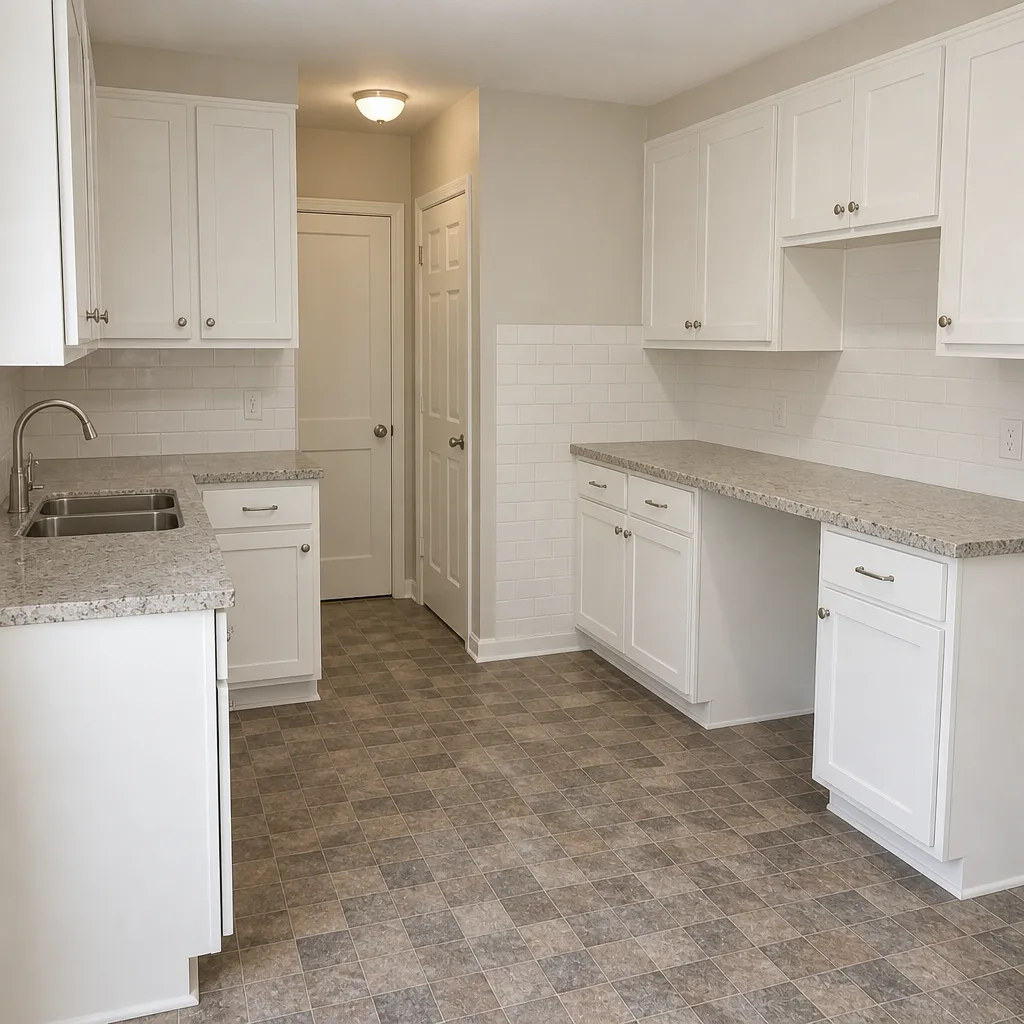 After
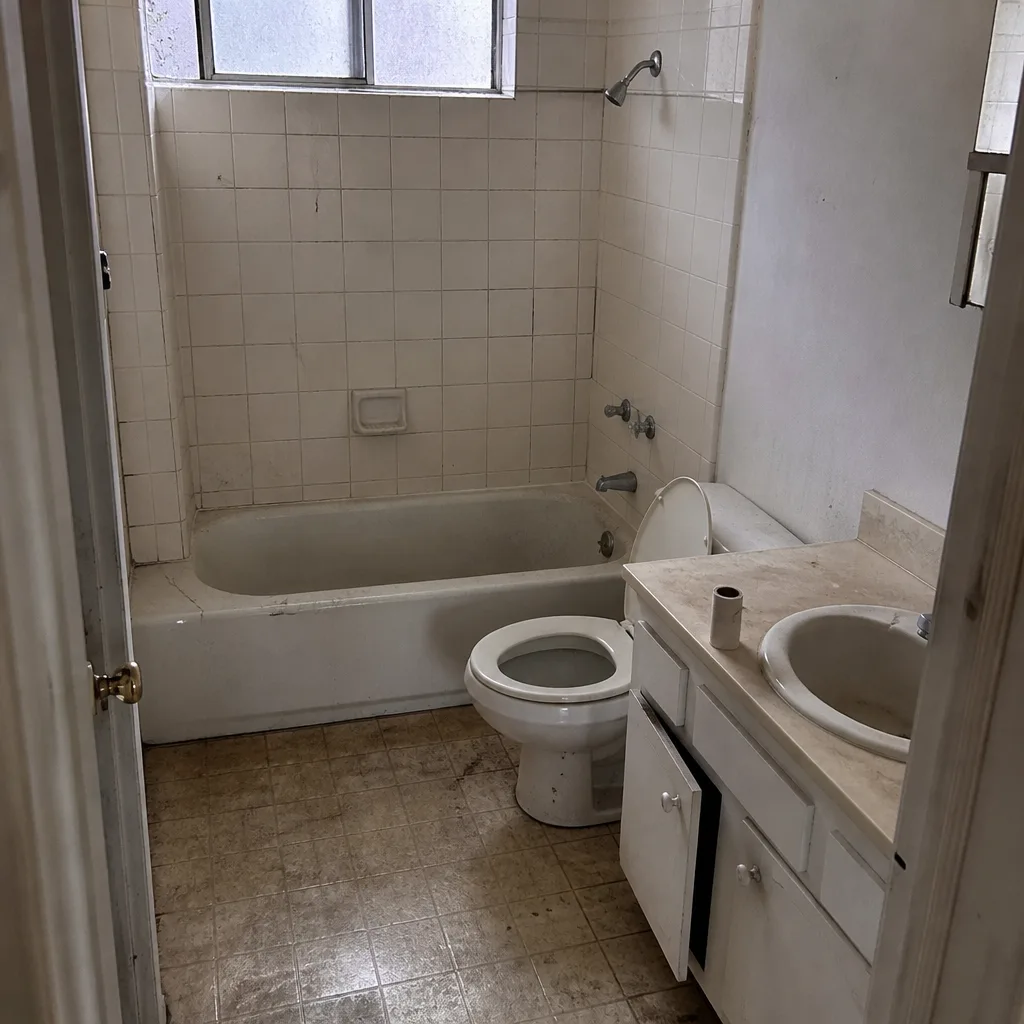 Before
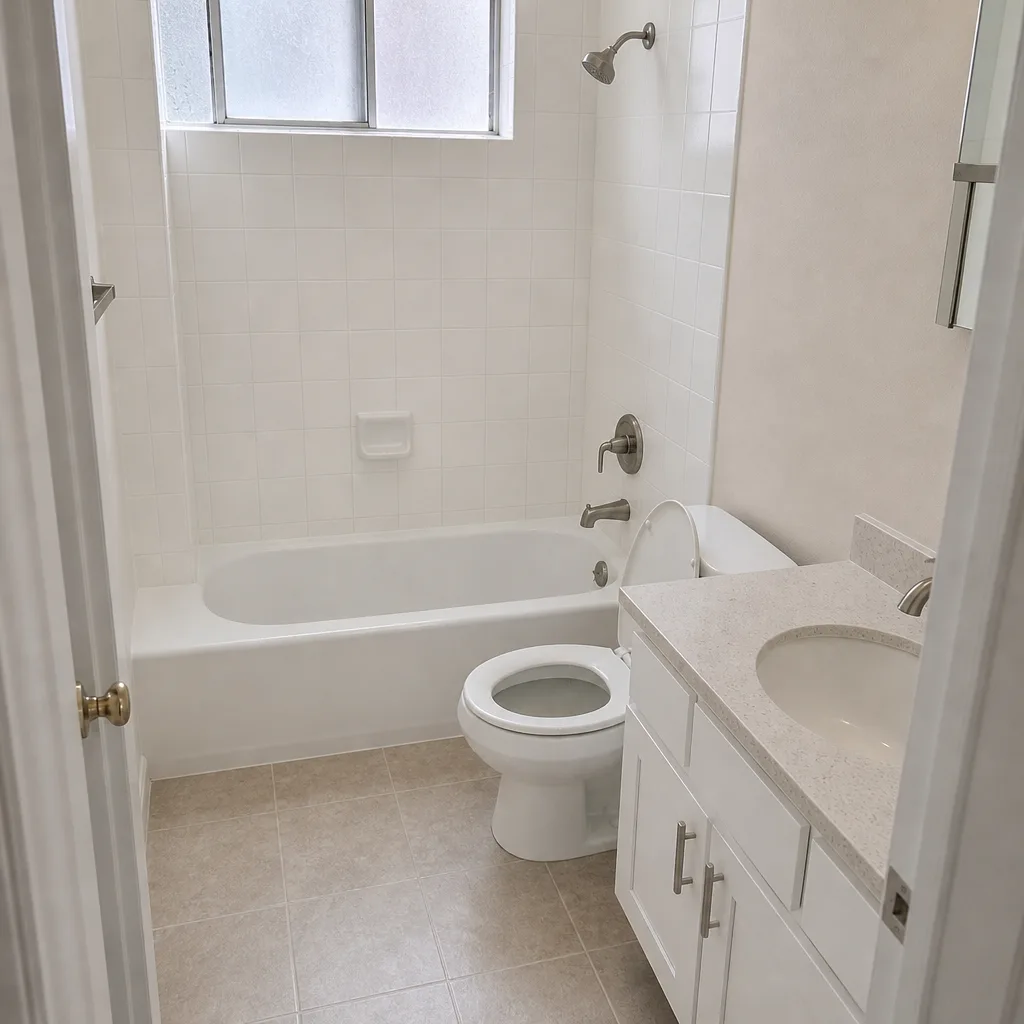 After
Double Hung vs Casement Windows in Enterprise, NV: Which One Belongs on Your Wall?
Choose casement windows if your main goal is pulling desert air through the house during the roughly 60 comfortable days a year when you actually want a window open. Choose double-hung windows if your walls face open desert to the southwest and you want the simpler, lower-maintenance option for ember season. That’s the honest bottom line. If you want a straight answer for your specific lot, call Groundwork Construction Co. of Enterprise at (844) 797-4406 and we’ll walk your exterior with you. The rest of this page explains why the choice isn’t the same on every wall of an Enterprise home.
Why This Decision Feels Harder in Enterprise Than Anywhere Else in the Valley
Most comparison articles treat this as a style question. In Enterprise, it’s a performance question with two opposing pressures. You want airflow during the shoulder seasons when the AC finally gets a break. You also live on the urban-wildland interface, where the adjacent desert open land and Clark County red-flag wind events turn an open window into an ember pathway.
The homes here make it trickier. Enterprise is overwhelmingly 1990s-to-present stucco-and-tile suburban construction, with large master-planned communities like Southern Highlands and Mountain’s Edge shaping most of the stock. Those homes were framed, flashed, and trimmed for builder-grade double-hungs, and the rough openings reflect that. Any conversation about switching window types starts with whether the opening can take it.
The Ventilation Physics: Why Casements Win the Shoulder Season
A casement opens like a door on a hinge. When the sash swings out and catches a prevailing southwest breeze, it acts as a scoop, funneling air into the room at an angle that pushes it across the space rather than straight in. A double-hung opens by sliding its sashes vertically, so the air that enters moves mostly perpendicular to the wall and then stalls.
That difference is small in July, when the house is sealed and the AC is running. It matters in March and October, when Enterprise homeowners open things up and want cross-ventilation without running the system. On a southwest-facing wall, a casement catches that afternoon breeze and moves it through the house in a way a double-hung simply can’t match.
Where Casements Get Complicated: Ember Wash on Foothill-Facing Facades
This is the part most comparison pages skip. During a spring red-flag wind event, a casement left cracked open faces the full wind vector. The outswing sash doesn’t shield the opening; it can actually channel fine debris and embers toward the gap, and the screen on a casement is a flat mesh panel that embers can lodge against and hold heat on.
A double-hung’s opening geometry is more restricted. The upper and lower sashes overlap in the middle, so the actual open area is smaller, and the screens sit recessed against the frame rather than projecting into the wind. That’s not a fireproof solution, but it’s a meaningful reduction in exposure.
If you’re set on casements on the desert-facing walls, spec ember-resistant screening and a tight-weave mesh rather than builder-grade insect screen. On lots backstopping open desert, that’s a defensible-space detailing decision, not an upsell.
- Southwest and west walls facing open desert: double-hung or ember-screened casement.
- North and east walls with no desert exposure: casement for ventilation, all day.
- Second-story bedrooms: double-hung, because casements projecting out over a slope complicate cleaning and clearance.
- Great rooms and kitchens: casement, where airflow across a large interior space pays off.
The Stucco Rough-Opening Reality on Enterprise’s Engineered-Fill Lots
Retrofitting a casement into an opening framed for a builder-grade double-hung is not a one-for-one swap. The operating hardware, the frame depth, and the flashing geometry all change. On flat central-valley infill this is manageable. On Enterprise foothill lots, where homes sit on engineered fill and graded pads with retaining walls, differential settling is a real factor, and the rough opening has to be checked for lintel load and square before anyone orders a window.
We’ve seen openings that were a half-inch out of square after years of settling on a sloped lot. A double-hung tolerates that. A casement with a multi-point lock does not, because the lock hardware needs the sash and frame to meet precisely to seal.
Air Infiltration and U-Factor: What the Ratings Actually Say
Builder-grade double-hungs in these tract homes typically carry air leakage around 0.3 CFM/ft² and U-factors near 0.45 to 0.50, depending on the glass package. Marvin and Andersen casement lines with multi-point locking hardware drop air leakage to roughly 0.10 CFM/ft² or lower and pull U-factors into the low 0.30s with a good low-E package. That’s a real gap, and in a Mojave climate where summer highs routinely top 105°F, it translates to money off your cooling bill every month.
| Window Type | Typical Air Leakage | Typical U-Factor | Best Use on an Enterprise Home |
|---|---|---|---|
| Builder-grade double-hung | ~0.3 CFM/ft² | 0.45-0.50 | Desert-facing walls, second story |
| Premium casement, multi-point lock | ~0.10 CFM/ft² | 0.30-0.35 | Great rooms, north and east walls |
What the Hardware Does in Desert Dust
Casement cranks and multi-point locks are the most failure-prone components on any window in this climate. Grit gets into the operator track, the crank binds, and eventually the sash stops seating flush. This is the first-hand reality nobody puts in a comparison chart: a casement is a mechanical system, and mechanical systems in dust need attention.
That’s where the 730-Day Done Right Promise earns its keep. Our guarantee covers hardware function, not just the installation itself, which is a rarer commitment in the valley than it should be. If a crank fails or a lock stops engaging inside the coverage window, we make it right. That falls under our Windows & Doors work, and it’s the kind of follow-through that decides whether a casement is a good choice for your home or a headache.
Pricing in Enterprise
Full window replacement in Enterprise runs $4,500-$15,000 for a typical project, and impact-rated installation runs $8,000-$25,000. Casements typically land toward the higher end of those ranges because of the hardware. Upfront pricing means the number you see is the number you pay, and 0% financing for 18 months plus $1,000 off projects over $10,000 keeps a whole-home swap within reach.
Common Scenarios We See in Enterprise
A Southern Highlands great room facing southwest. Casement, every time, with low-E glass. The scoop effect is worth it and the wall gets shade in the afternoon.
A Mountain’s Edge home backing onto open desert. We usually steer the desert-facing wall toward double-hungs and put casements on the cooler faces. Mixed window types on one house are common here and nobody notices from the street.
A 1990s tract home with settling on a sloped lot. Check the rough openings before ordering anything. Square matters.
A whole-home swap with a tight budget. Let the financing carry it. Staying on top of Enterprise service area projects means we know what these subdivisions were built with.
FAQs
Casements are better for ventilation, sealing, and energy performance, while double-hungs are better for desert-facing walls where ember exposure and hardware simplicity matter. On a home with mixed exposures, the right answer is usually both, matched to each wall.
Window replacement in Enterprise runs $4,500-$15,000, and impact-rated installation runs $8,000-$25,000. Casements land toward the higher end because of the mechanical hardware. Call (844) 797-4406 for a free estimate on your specific openings.
Yes, but only after the rough opening is checked for square, lintel load, and flashing geometry. On Enterprise foothill lots with engineered fill and graded pads, settling makes that check mandatory rather than optional. Call us to walk the openings before you commit.
They hold up if the hardware is maintained and the installation is right. Cranks and multi-point locks are the first components to bind, which is why the 730-Day Done Right Promise covering hardware function matters here. Call (844) 797-4406 to talk through your options.
If you’d rather have it looked at, Groundwork Construction Co. of Enterprise offers a no-pressure assessment in Enterprise. We’ll inspect the openings, talk through ember exposure on each wall, and give you upfront pricing before anything is ordered. Call (844) 797-4406 to schedule your free estimate and design consult.
Written by the team at Groundwork Construction Co. of Enterprise, serving Enterprise, NV.