Free written scope consultation - allowances, timeline, and change-order rules on paper before a single trade is scheduled
Styles & brands we work with
- Kitchen remodeling
- Bathroom remodeling
- Home additions & ADU
- Roofing
- Windows & doors
- Driveway & pavers
- Fence
See the difference
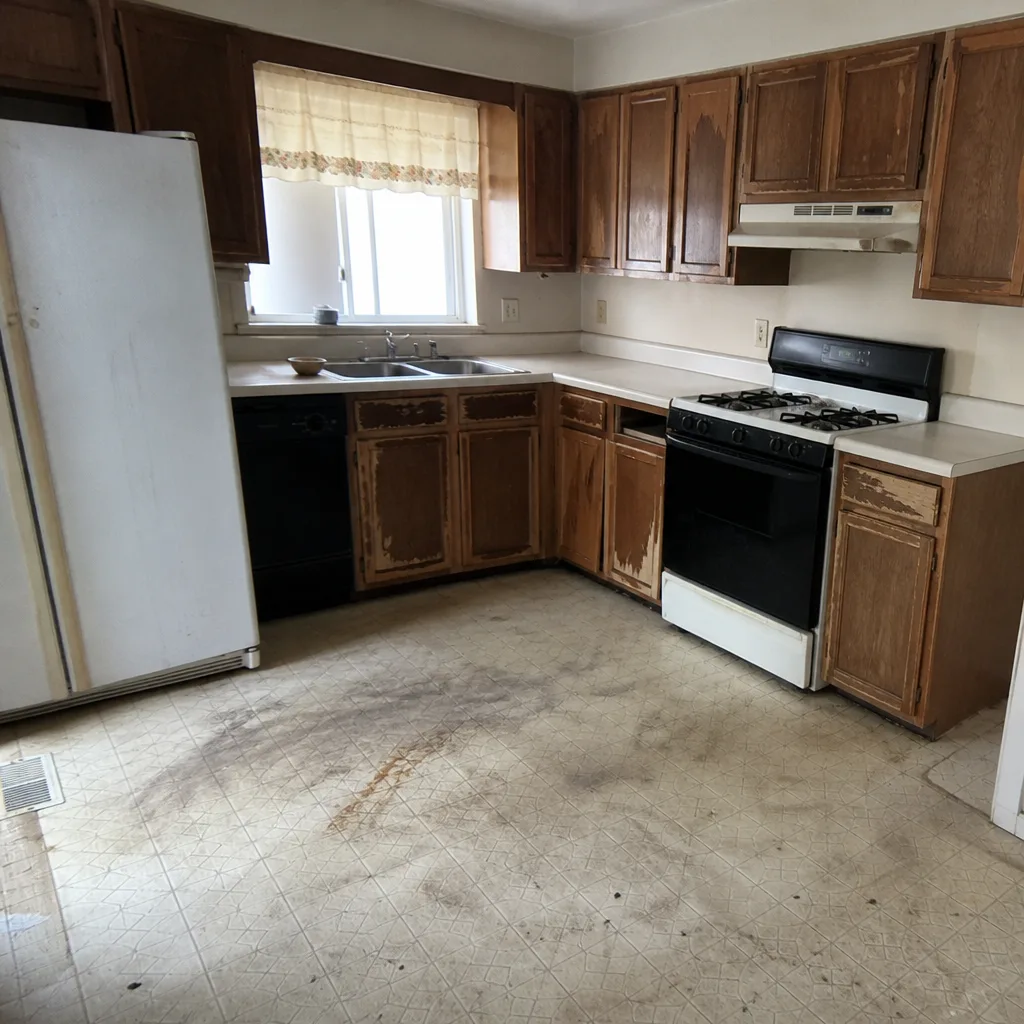 Before
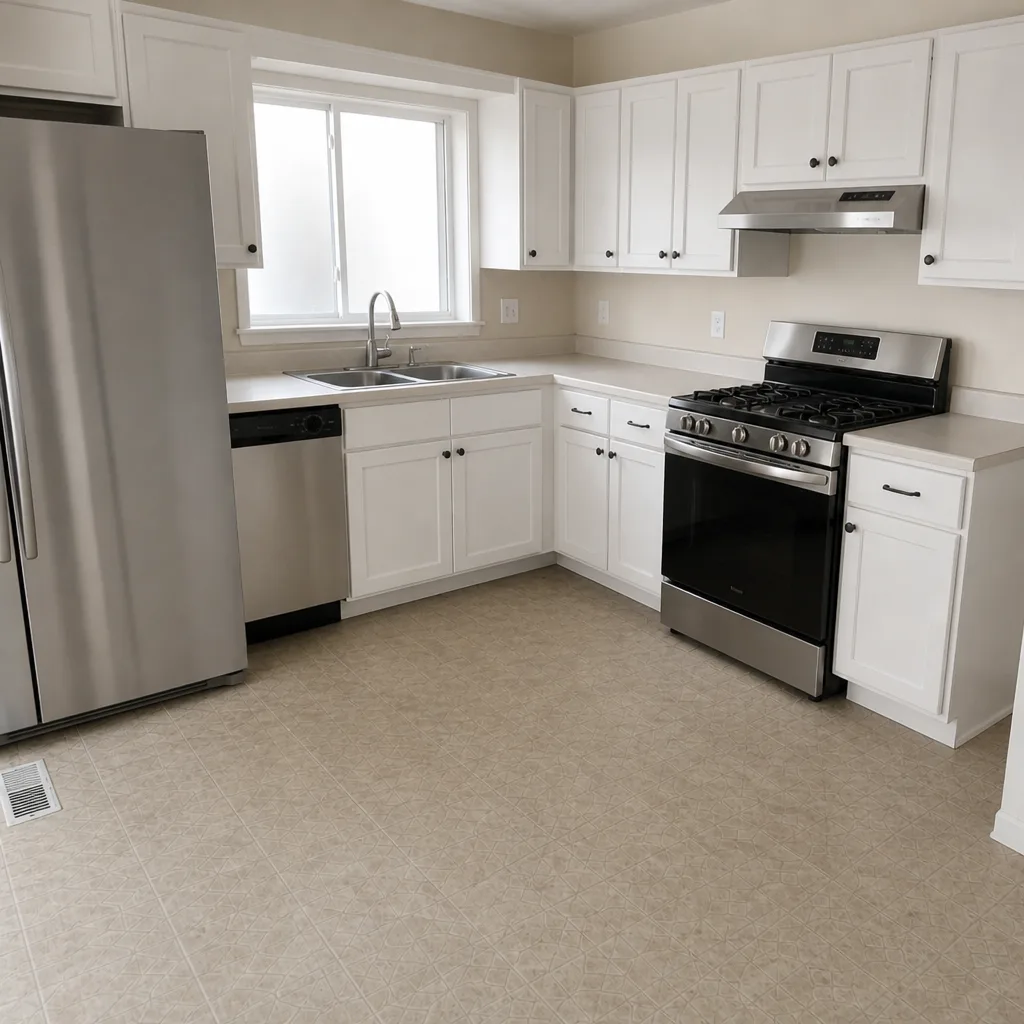 After
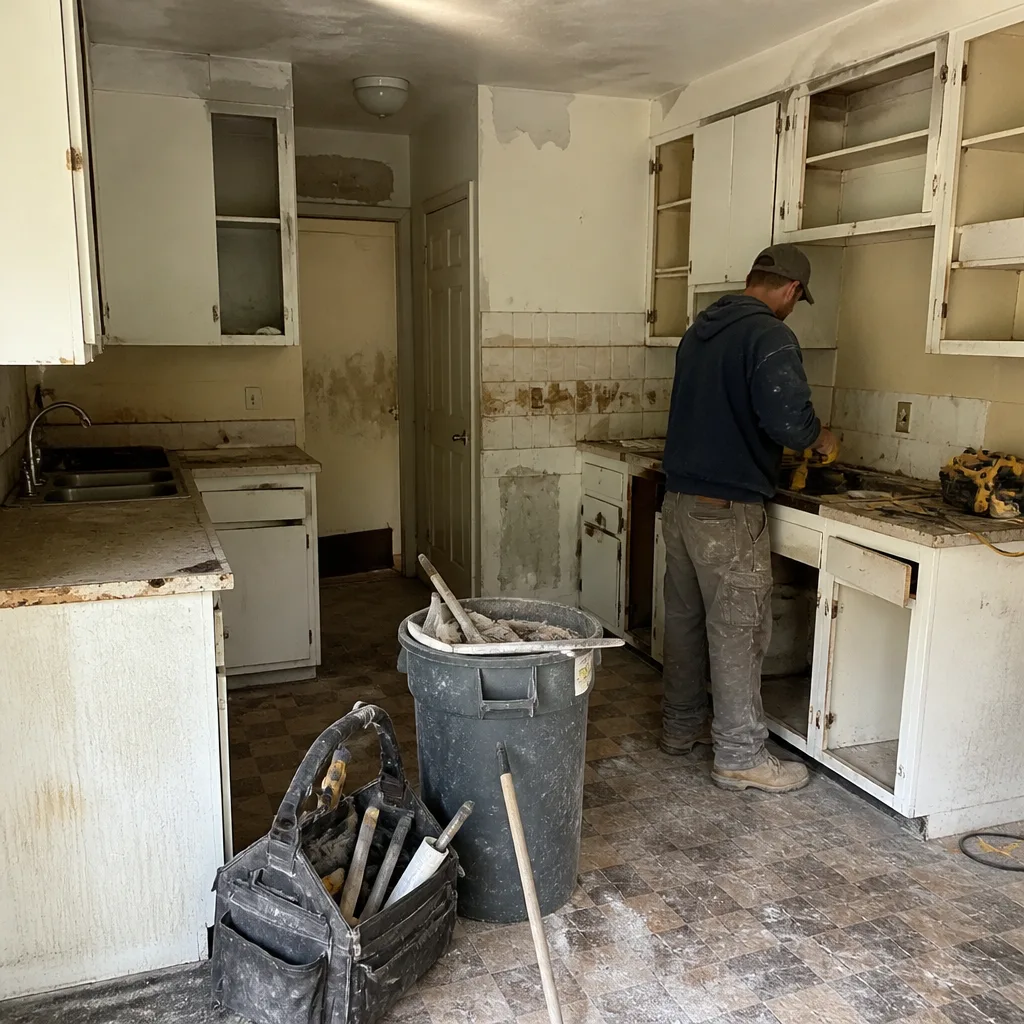 Before
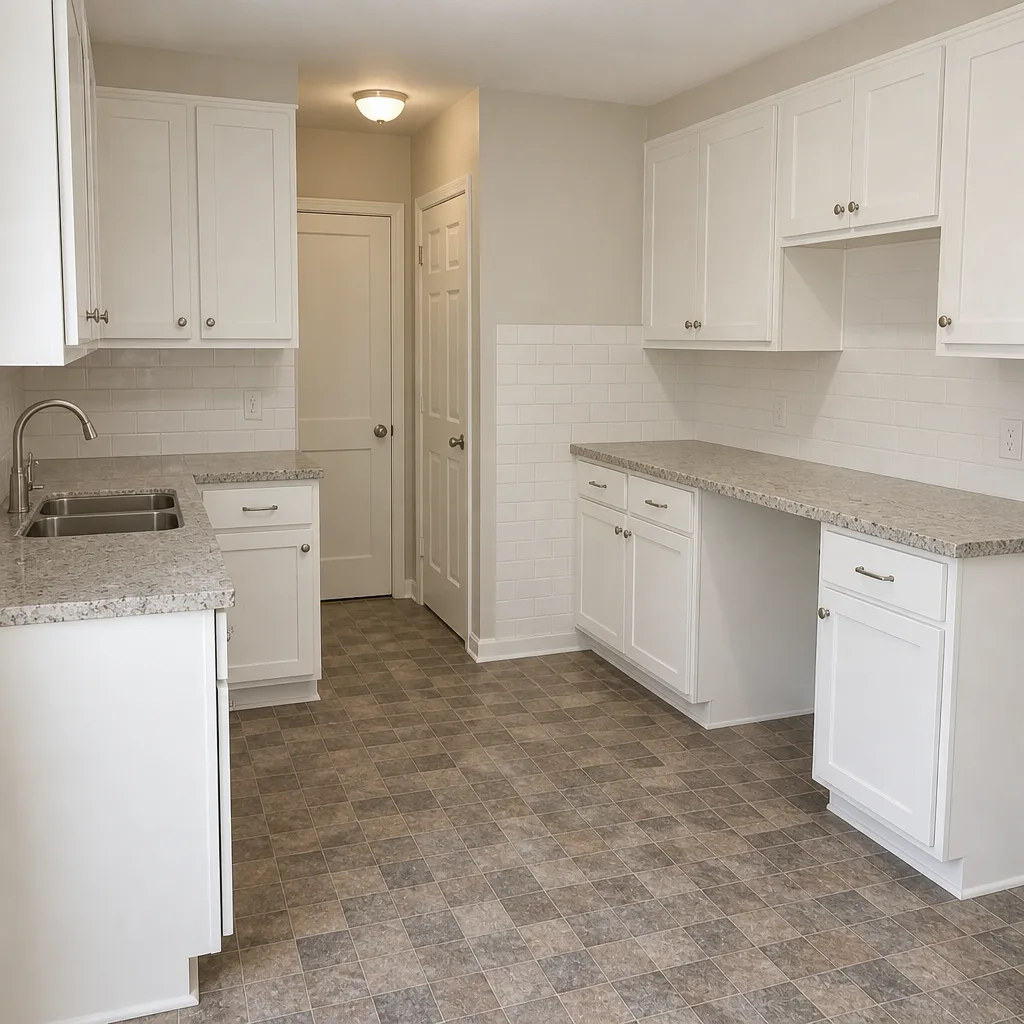 After
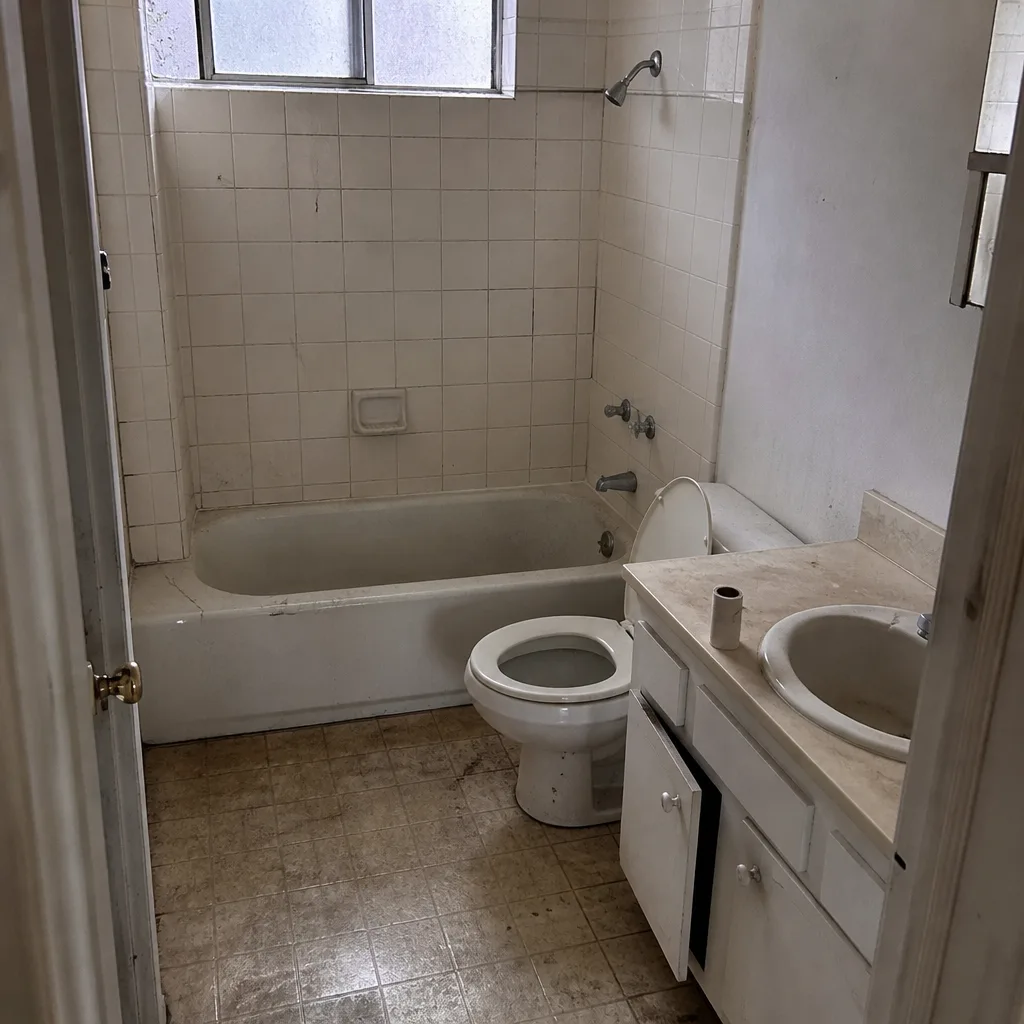 Before
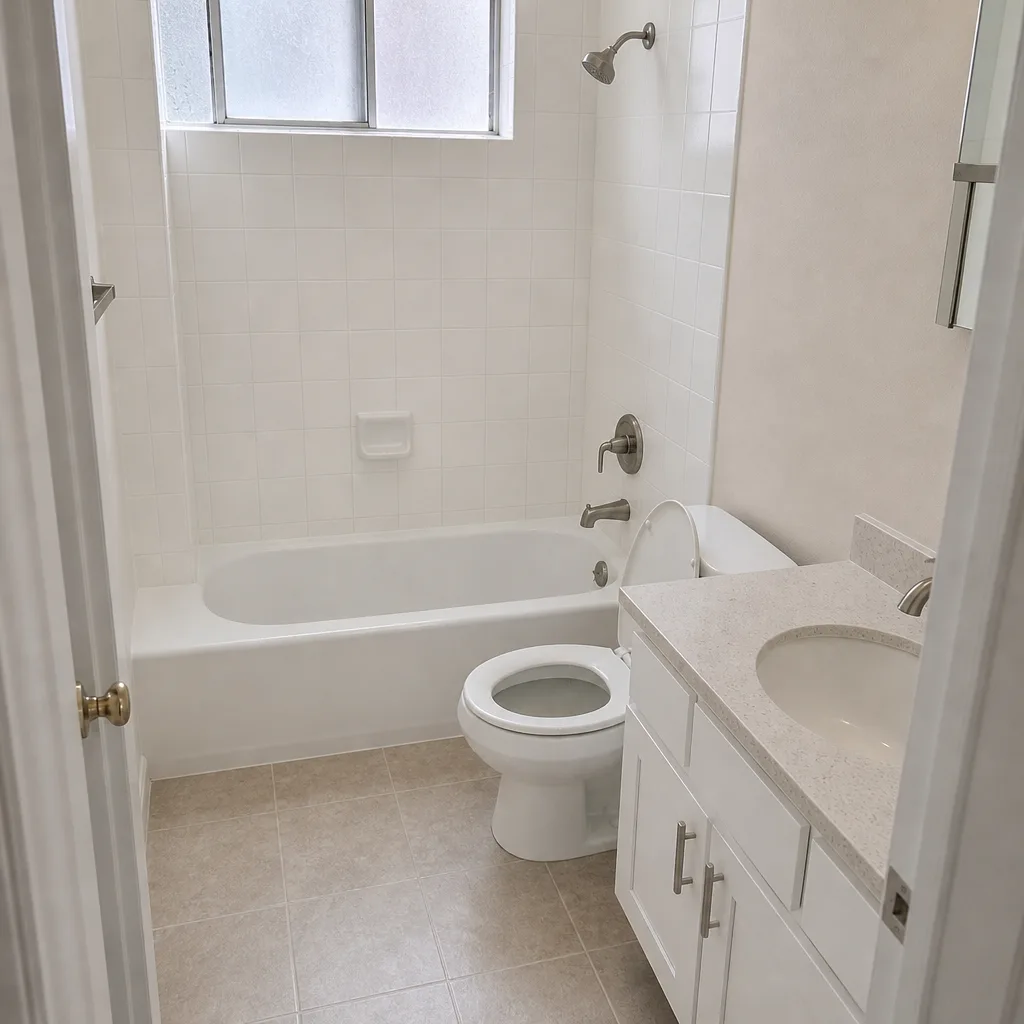 After
Home Addition vs ADU in Enterprise, NV: Pick the Addition Unless Your Lot and HOA Both Clear a Detached Unit
For most Enterprise homeowners, a home addition is the better choice. It costs less, gets through HOA architectural review more reliably, and adds directly to your primary home’s appraised value. Choose the ADU only if your lot has real buildable room left after grading, retaining walls and setbacks, and your HOA CC&Rs already allow a detached structure. That’s the short answer. The longer one depends on your specific lot, which is exactly where most comparison articles stop and the real decision starts. Call Groundwork Construction Co. of Enterprise at (844) 797-4406 for a free estimate and a straight read on which path your property can carry.
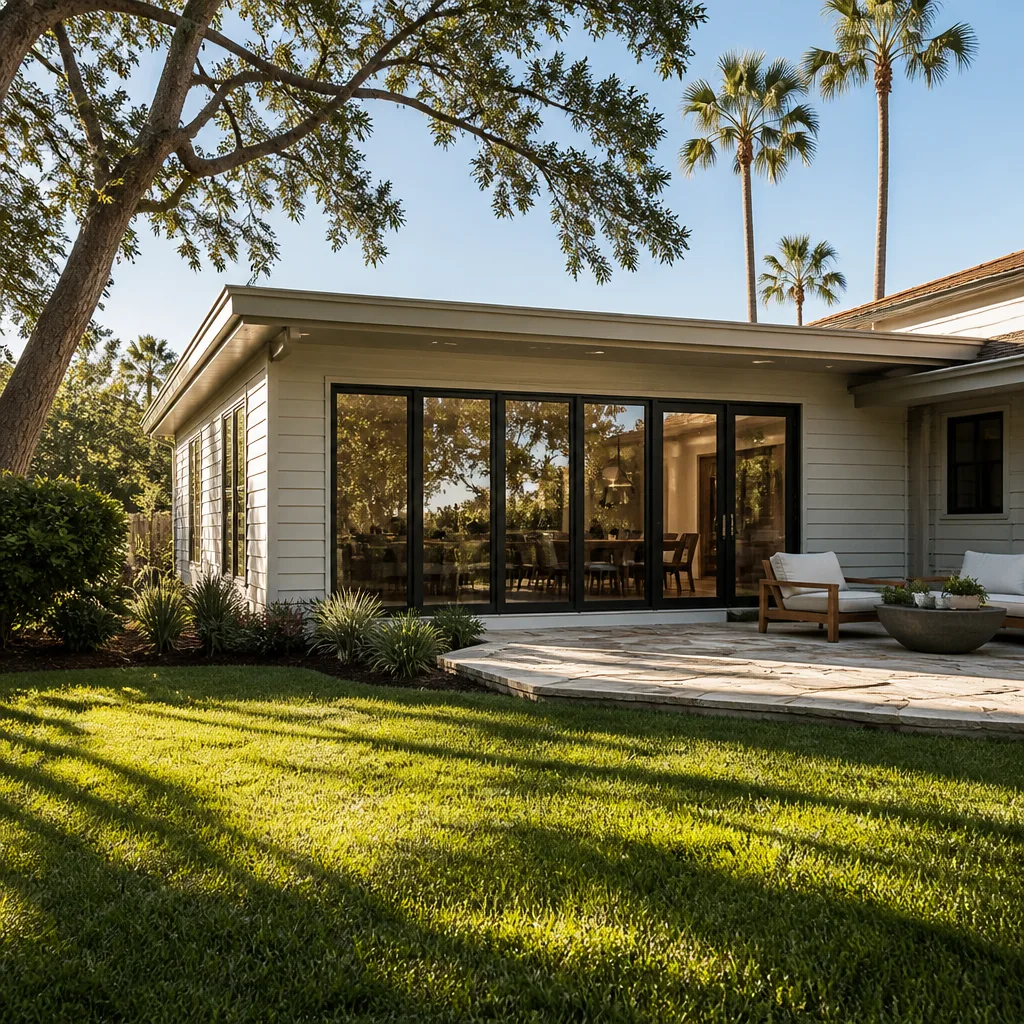
Why This Decision Is Harder in Enterprise Than Anywhere Else in the Valley
Enterprise grew outward toward the Sloan and Blue Diamond foothills, and that growth pattern left a fingerprint on every lot. Homes here sit on graded, engineered-fill pads with retaining walls holding back the slope, and most subdivisions back onto open desert. Mountain’s Edge and Southern Highlands CC&Rs were written years ago to control neighborhood aesthetics: rooflines, stucco color, tile profile, visible mass from the street. Nevada’s newer ADU allowance didn’t rewrite those documents. It just gave homeowners a legal path the HOA never planned for.
So the friction shows up in review, not in construction. A home addition reads to an architectural committee as a modification to something already standing. Match the existing stucco-and-tile aesthetic, keep the roofline consistent, and approval tends to move. A detached ADU has to stand on its own against CC&R design standards as a brand-new structure, and that’s where projects die before a shovel touches dirt. We’ve watched homeowners spend months and thousands on design work for an ADU that was never going to clear the committee.
The Lot Geometry Nobody Warns You About
Here’s the operator detail that changes the math. On Enterprise’s foothill-edge lots, the buildable envelope is almost always smaller than the lot size suggests. Setbacks, retaining walls, drainage swales for monsoon runoff, and the graded pad’s actual flat area all eat into the usable footprint before you place a single wall. A detached ADU needs its own pad, its own foundation, and clearance from property lines on every side. On many engineered-fill lots in Enterprise, that envelope is tight enough that a room addition becomes structurally simpler and cheaper than a detached unit.
Slope also drives cost in ways quotes rarely show upfront. A detached structure on fill may trigger a soils review the addition never faces. Add the separate utility hookup for a second dwelling – water, sewer, power, sometimes a second meter – and the ADU route accumulates line items that comparison articles leave out entirely.

What Each Route Actually Costs in Enterprise
Both paths are priced with upfront numbers, no surprises, so you can compare them side by side before committing. These are the ranges we work with in Enterprise:
| Project type | Typical Enterprise range |
|---|---|
| Home addition | $45,000-$130,000 |
| Detached or attached ADU construction | $90,000-$220,000 |
| Garage conversion (a middle path) | $30,000-$80,000 |
The garage conversion deserves a mention most comparisons skip. If you already have a garage you don’t park in, converting it captures much of the ADU’s flexibility at a fraction of new-construction cost, and it usually faces an easier review because the structure already exists.
Fire Code, Appraisals and the Details That Split the Two
Both routes in Enterprise sit near the wildland-urban interface, so both need ember-resistant roofing and noncombustible exterior detailing – part of the defensible-space standards that come with backing onto open desert. The difference is process. An ADU triggers its own standalone fire-code review as a new structure, an extra permitting step the addition doesn’t face. That’s weeks of timeline and real money in plan review.
The value story splits too, and this one surprises people. A home addition adds square footage to your primary home’s appraised value immediately. An ADU creates rental income potential, but it’s assessed differently and carries the separate utility costs mentioned above. If your goal is resale value, the addition usually wins. If your goal is monthly income or housing a family member, the ADU can pay for itself over time, provided the lot and HOA cooperate.
- Cleanest approval path: home addition that matches existing architecture
- Most flexible result: detached ADU, if the buildable envelope allows
- Best value per dollar: garage conversion on an underused garage
- Biggest hidden risk: an ADU denied at CC&R review after design money is spent
Common Enterprise Scenarios
A Southern Highlands home with a shallow back pad. Retaining wall at the property line, maybe 15 feet of flat grade. The addition fits. The detached ADU doesn’t pass the envelope check, and we say so at the first visit, not after you’ve paid a designer.
A Mountain’s Edge lot backing onto open desert. Ember-resistant detailing is a given either way. Here the HOA design review is the gate, and an ADU that reads as a second house from the street tends to stall. An addition that follows the existing roofline usually clears.
A newer tract home with an oversized three-car garage. The garage conversion often delivers the extra living space at a cost well under either new-construction route, and existing-structure review is simpler.
Every one of these comes down to the lot, the CC&Rs and the setback math. Not a general rule. That’s why we run the numbers on both paths before you commit, with the all-in cost of each option in front of you – see our Home Additions & ADU in Enterprise page for the full scope of what we build, and our Home Additions & ADU overview for the broader playbook.
Why Groundwork Construction Co. of Enterprise
Our technicians have up to 12 years of experience building on exactly these sloped, engineered-fill lots, and every job is background-checked, uniformed and covered by the 730-Day Done Right Promise – if it’s not done right, we make it right. We use proven brand partners on doors, windows and exterior detailing, including Therma-Tru and Barrette, because on foothill-edge homes the exterior envelope is what holds up against 105°F summers and UV that eats cheap materials. Calls are answered by a live person, 24/7. And our standing offers – 0% financing for 18 months, $1,000 off projects over $10,000, and a free project estimate and design consult – apply to both the addition and the ADU path, so the comparison stays honest.
FAQs
A home addition is cheaper, typically $45,000-$130,000 versus $90,000-$220,000 for an ADU. The gap widens once you add the ADU’s separate utility hookups and standalone fire-code review. Call (844) 797-4406 for an exact quote on your lot – estimates are free.
Sometimes, but it’s the biggest reason these projects stall. The CC&Rs were written to control neighborhood aesthetics, not to accommodate detached units, so an ADU has to independently satisfy design standards while a matched addition usually moves through more easily. We’ll review your CC&Rs and lot at the first visit.
Yes, and it’s most of what we do here. The key question is the buildable envelope left after setbacks, retaining walls and drainage, which often decides between an addition and a detached unit. Call (844) 797-4406 and we’ll walk your lot.
Often, yes – a detached structure on fill can trigger one where an addition wouldn’t. That’s a cost most comparisons leave out, and it’s one of the reasons the lot matters more than the general rule. We’ll flag it before you commit.
If you’d rather have it looked at, Groundwork Construction Co. of Enterprise offers a no-pressure assessment in Enterprise – call (844) 797-4406. We’ll tell you which path your lot can actually carry, with the numbers in writing.
Written by the team at Groundwork Construction Co. of Enterprise, serving Enterprise, NV.