






Free written scope consultation - allowances, timeline, and change-order rules on paper before a single trade is scheduled
Styles & brands we work with
- Kitchen remodeling
- Bathroom remodeling
- Home additions & ADU
- Roofing
- Windows & doors
- Driveway & pavers
- Fence
See the difference
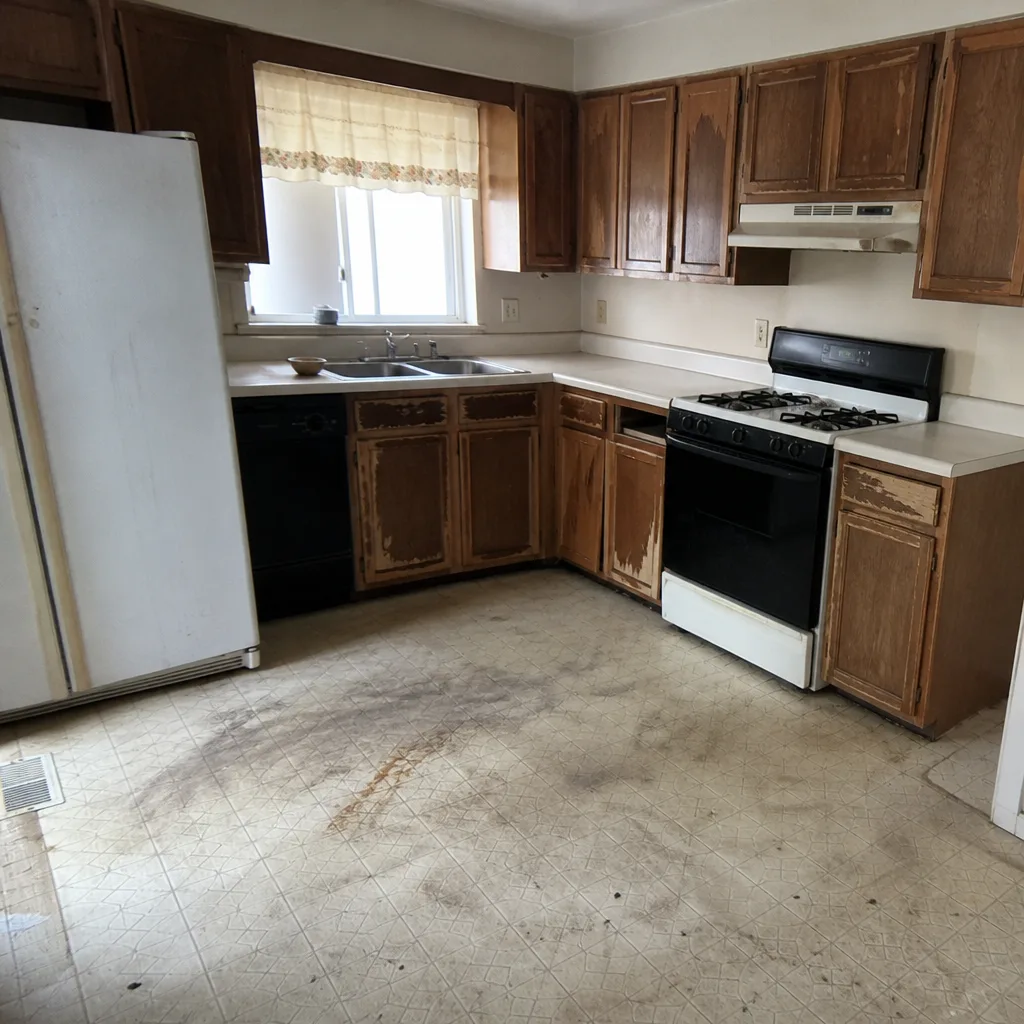 Before
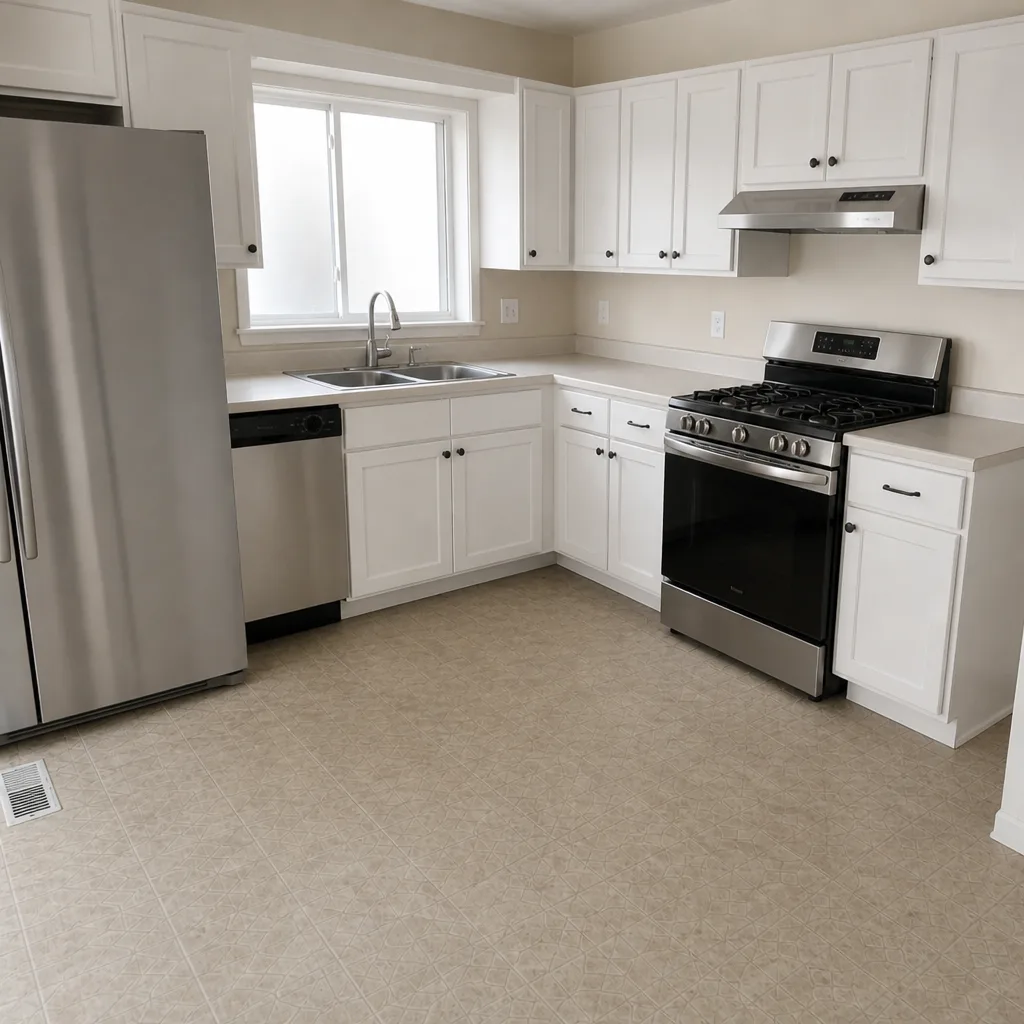 After
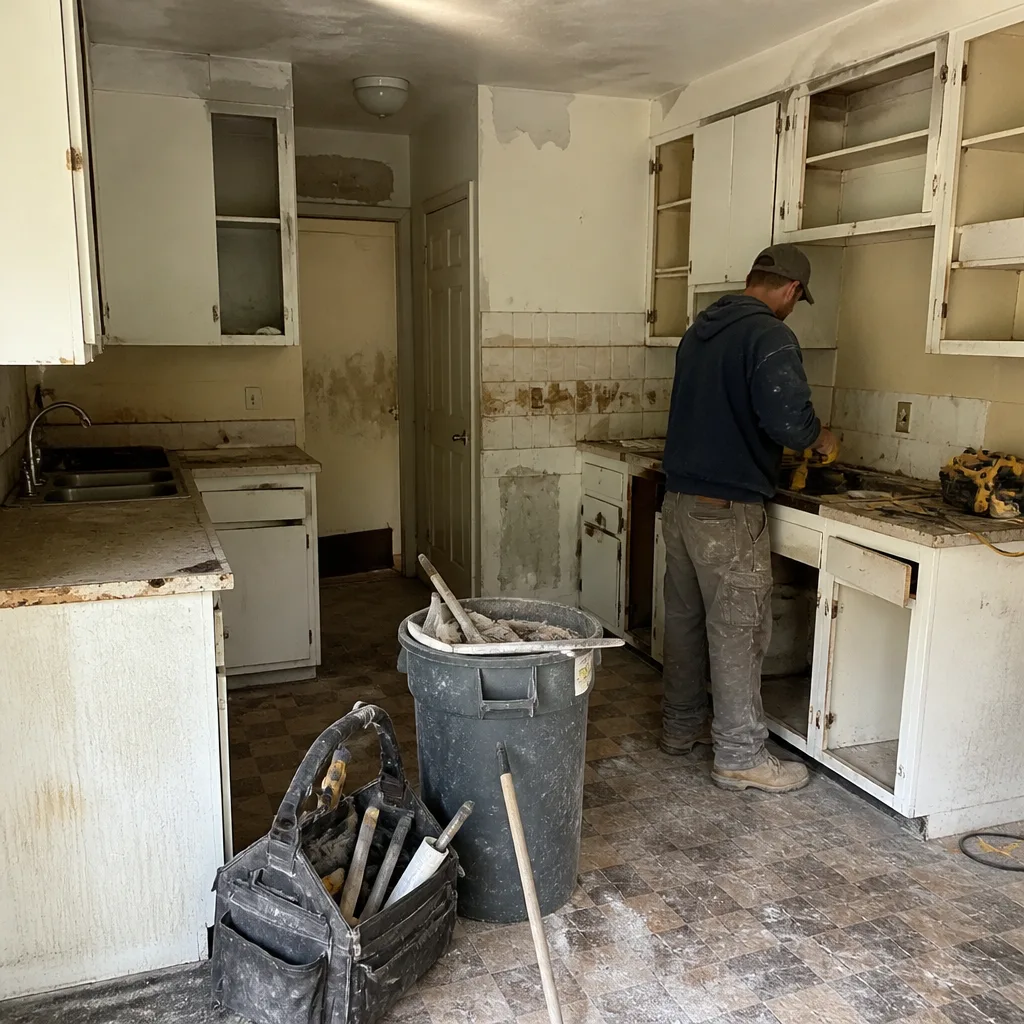 Before
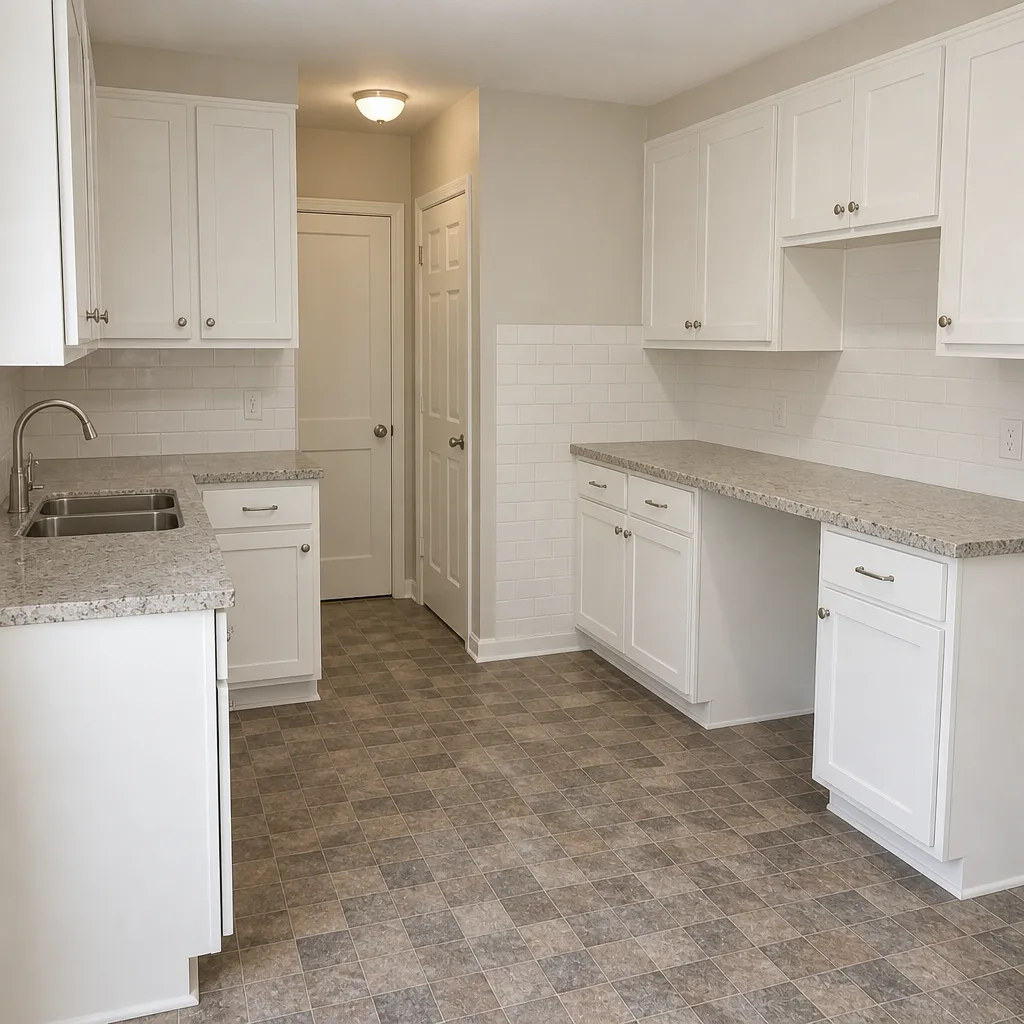 After
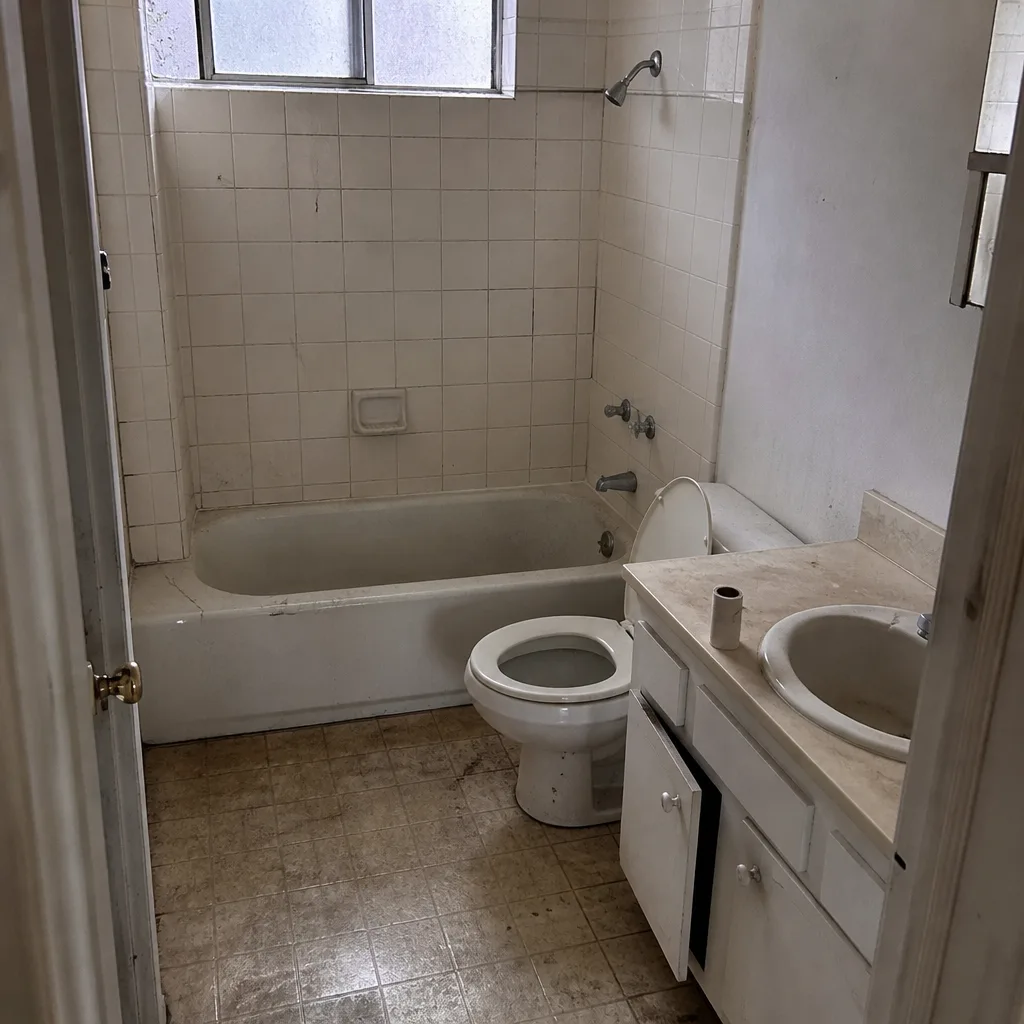 Before
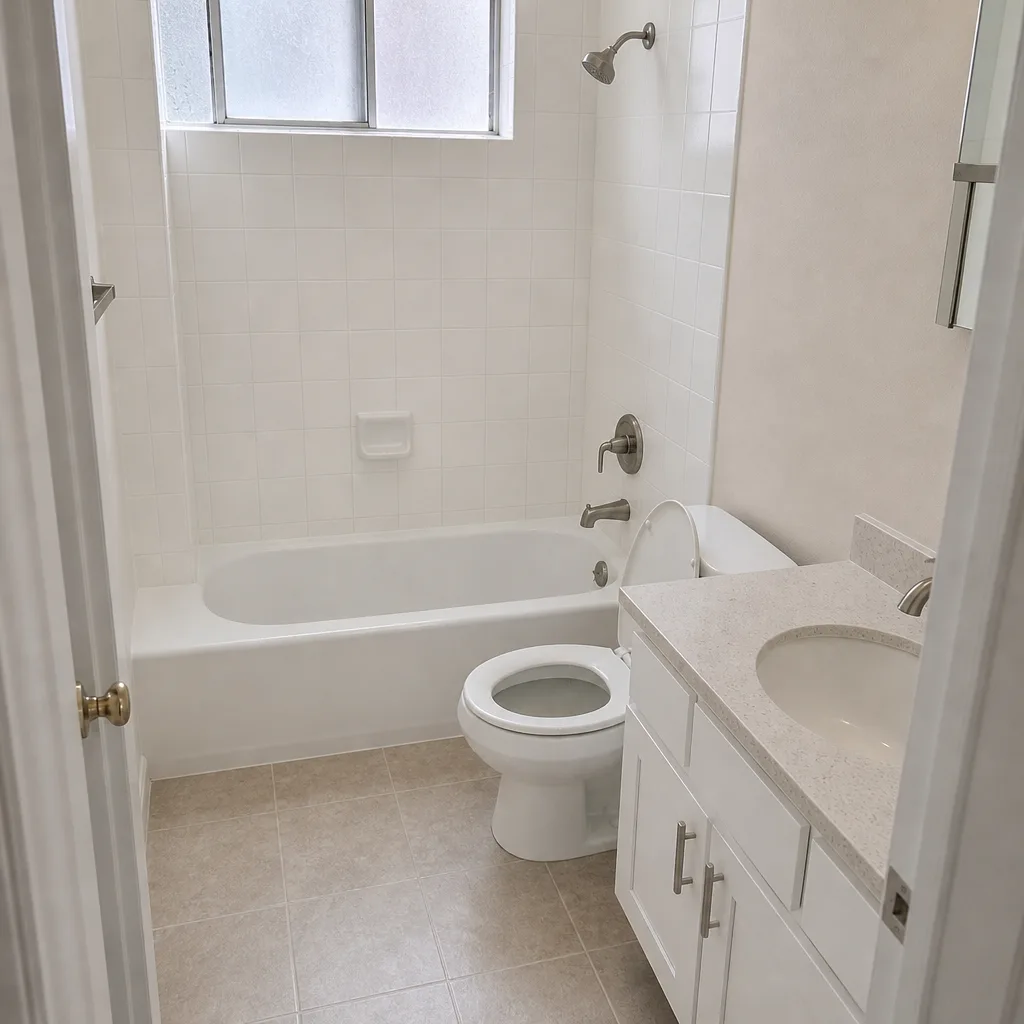 After
How to Find a Roof Leak in Enterprise, NV: A Tile-Roof Tracing Guide
The fastest way to find a roof leak in Enterprise is to stop chasing the ceiling stain and start mapping the tile above it: on a concrete tile roof, water entering at a cracked hip, failed mortar joint, or penetration flashing can travel 10 to 15 feet horizontally along the tile channel and underlayment before it ever lands on your drywall. Stains tell you where water arrived, not where it got in. If you’re reading this after a monsoon storm rolled through Southern Highlands or Mountain’s Edge, call (844) 797-4406 and our team can schedule a same-day assessment while the evidence is still wet.

Why Standard Leak-Tracing Logic Fails on Enterprise Tile Roofs
Most “how to find a roof leak” advice online was written for asphalt shingle or wood shingle homes, where tracking water up a rafter to its entry point is a reasonable method. That logic breaks down on the stucco-and-tile subdivisions that make up nearly all of Enterprise’s housing stock. Here’s why.
Concrete tile is a rain screen, not a sealed surface. The underlayment beneath the tile is the actual waterproofing membrane. When a tile cracks at a hip, or the mortar at a ridge or valley fails from the extreme thermal cycling that Enterprise summers deliver (routine highs above 105°F, followed by cool winter nights), water slips beneath the tile field. It then follows gravity along the channel between courses and travels sideways along the underlayment until it finds a low point or nail penetration and drips through.
That means the entry point and the drip can share a wall, a hip line, or nothing at all. Before you conclude anything, map the stain pattern across multiple rafters. A single round stain usually points to a nail pop or small penetration. A long horizontal smear or a cluster of stains across a wide span is the signature of water running along the underlayment after entering well away from where you’re standing.
What to Record Before You Head Up
- The exact location of the stain relative to exterior walls, then follow that line up the roof slope
- Whether the stain grows during a specific wind direction (driving rain on a south or west face is common here)
- Any penetrations in that vertical line – plumbing vents, HVAC curbs, exhaust caps, satellite mounts
- Where stucco walls meet the roof plane (the wall-to-roof junction)
The Real Monsoon Entry Points in an Enterprise Roof
Field tiles get the blame, but they’re rarely the culprit. After the storm cycles that hit Enterprise each July through September, the entry points we see most often are flashings, not tile fields:
Penetration flashings. Vent pipes, HVAC curbs, and exhaust caps are sealed with sealant that expands and contracts through hundreds of Enterprise heat cycles. The bond breaks before the flashing itself fails, so you get a hairline gap that only leaks under wind-driven rain. Counter-flashing at stucco-to-roof junctions. Where the stucco wall meets the sloped roof plane, the metal counter-flashing and the stucco’s sealant joint are both at the mercy of UV breakdown. This is the single most-missed entry point on Southern Highlands two-story homes. Valleys and hip mortar joints. Failed mortar at valleys and hips lets water route under the adjacent tiles without ever showing a broken tile from above.
When the diagnosis points to a failing membrane or a wide span of compromised flashing, tile repairs in Enterprise run $600-$2,500 depending on access and how much underlayment has to be opened. If the leak has been active long enough to rot decking or the field is near end of life, roof replacement runs $8,000-$20,000 for the typical Enterprise tract home.
| Diagnostic / Repair Item | Typical Enterprise Cost |
|---|---|
| Professional leak trace and assessment | Free estimate |
| Tile roof repair (flashing, mortar, cracked tile) | $600-$2,500 |
| Roof repair (shingle or general) | $400-$1,800 |
| Full roof replacement | $8,000-$20,000 |
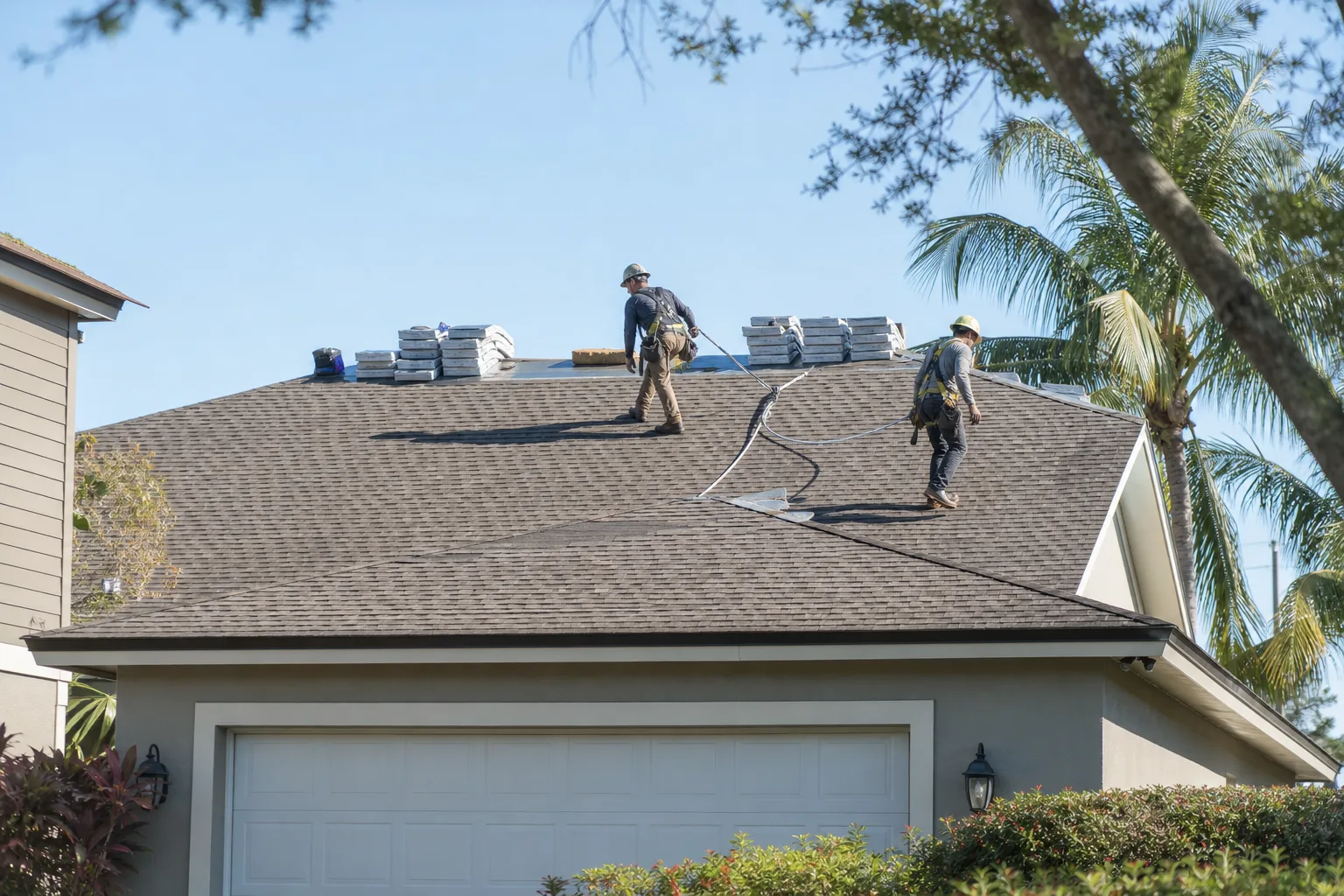
Hose Testing: When You Can Do It and When You Can’t
A garden hose test is a genuinely reliable diagnostic on accessible, low-pitch sections – and it’s free. Work in sections from low to high: have a helper inside watching the stain while you run water gently onto one suspect area for 15 to 20 minutes, then wait 30 minutes before moving upslope. If the stain darkens, you’ve isolated your section.
On the sloped foothill lots common in Mountain’s Edge, roof pitches of 5:12 or steeper make testing from the roof surface a professional job. The engineered-fill pads and graded lots up there don’t give you a safe ladder footing, and a fall off a two-story hip roof is not a diagnostic worth attempting. That’s when you call in a pro with proper staging – our background-checked technicians carry the equipment and the training, and the work is covered by the 730-Day Done Right Promise.
The Highest-Yield Timing: Post-Monsoon Attic Inspection
If you want to catch a leak before it reaches your ceiling drywall, get into the attic in August or September. That’s when moisture intrusion from the prior storm cycle shows up as dark staining or a visible wet outline on the roof deck sheathing – long before it migrates through the insulation and out your ceiling. Bring a flashlight and look for:
- Dark or discolored streaks on the underside of the decking
- Rust on nails or fasteners that shouldn’t be wet
- Water-stained trusses or rafters
- Daylight at penetrations or the wall-to-roof junction
Pair this with what your roofer finds from above. Our Roofing crews routinely combine attic inspection with a topside tile walk so the entry point and the drip trail are confirmed together – no guesswork passed to the next storm.
Common Local Scenarios We See in Enterprise
The stain that won’t quit after a “fixed” leak. Homeowners who patched a field tile near the stain often find the leak returns next monsoon. On a tile roof, that’s expected – the patch was 10 feet from the actual entry point. We trace the underlayment channel, not the tile field. The HVAC curb leak on a tract home. Post-2010 tract subdivisions in Southern Highlands have HVAC penetrations sealed with roof cement that fails within a decade. Rapid thermal cycling finishes the job. The stucco-to-roof junction on a two-story. UV degradation of the sealant joint at the wall-roof transition is the most common monsoon leak entry we find in Enterprise after a heavy August storm.
Because Enterprise subdivisions back onto open desert along the Sloan and Blue Diamond edges, some roofs carry ember-resistant detailing and wildfire-defensible-space requirements. When we repair flashing or re-cover a section, we spec GAF and Owens Corning materials and restore those perimeter details to standard, so the next storm and the next fire season are both accounted for.
FAQs
Yes – and on Enterprise tile roofs it usually does. Water entering at a cracked hip or penetration flashing travels 10 to 15 feet along the underlayment before dripping through, so trace the vertical line above the stain, not just the stain itself.
Most monsoon-related repairs here run $400-$1,800, with tile-specific flashing and underlayment work landing in the $600-$2,500 range depending on access and how much deck has to be opened. Call (844) 797-4406 for a free estimate – the number you see is the number you pay, no-hassle upfront pricing.
Within the first few dry days after the storm cycle, and again during an attic inspection in August or September – that’s when dark staining on the deck sheathing is most visible in Enterprise before it works through the insulation. Waiting until Monday to schedule a trace means waiting for the next monsoon to find out whether your patch held.
Only on a low-pitch, safely accessible section with proper ladder footing – and never on the 5:12 or steeper pitches common on Mountain’s Edge foothill lots. Sloped engineered-fill lots and two-story heights make rooftop hose testing a job for trained professionals.
Let Us Trace It for You
If you’d rather have it looked at, Groundwork Construction Co. of Enterprise offers a no-pressure assessment in Enterprise – call (844) 797-4406, answered by a live person 24/7, including same-day scheduling after a storm. We bring the trained eyes, the staging, and the 730-Day Done Right Promise to every trace and repair. Check our Enterprise service area for full coverage, or learn more about home construction and improvement services we provide across the valley.
Written by the team at Groundwork Construction Co. of Enterprise, serving Enterprise, NV.