Free written scope consultation - allowances, timeline, and change-order rules on paper before a single trade is scheduled
Styles & brands we work with
- Kitchen remodeling
- Bathroom remodeling
- Home additions & ADU
- Roofing
- Windows & doors
- Driveway & pavers
- Fence
See the difference
 Before
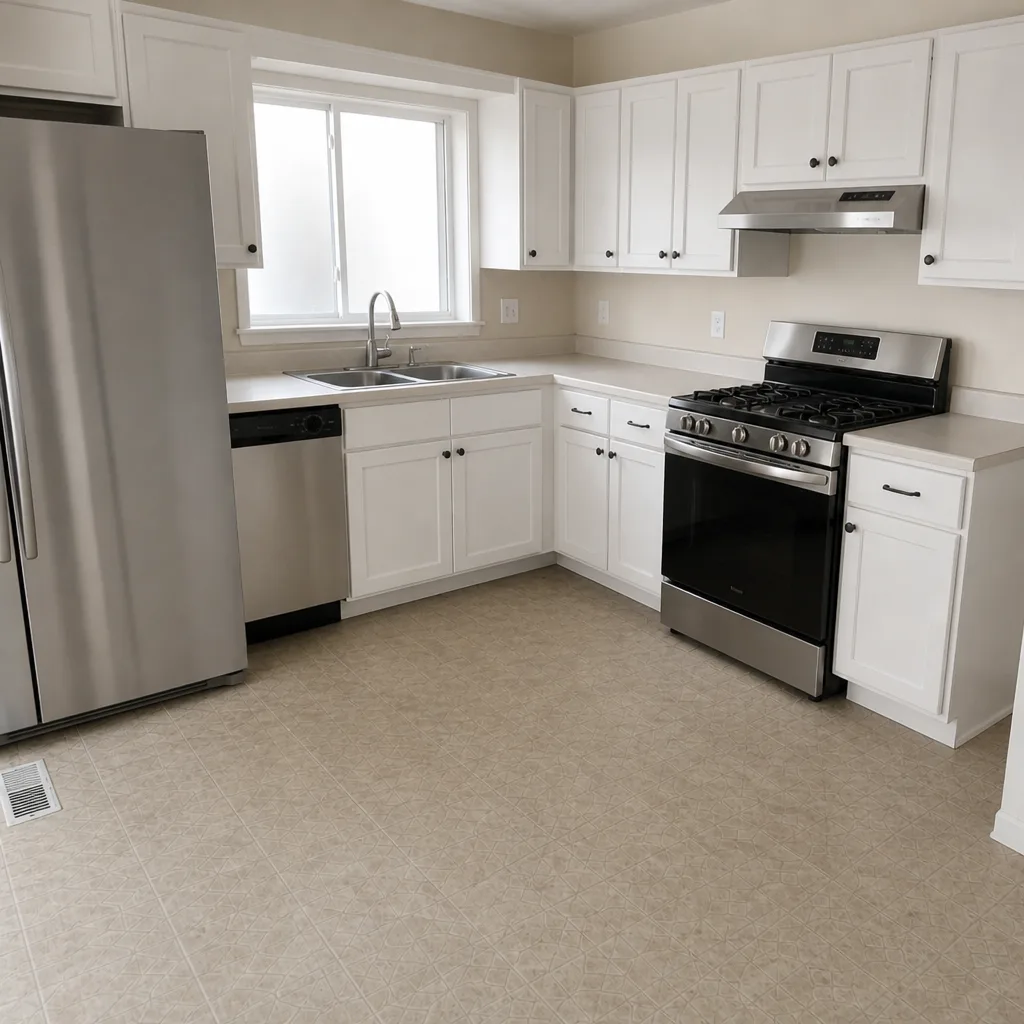 After
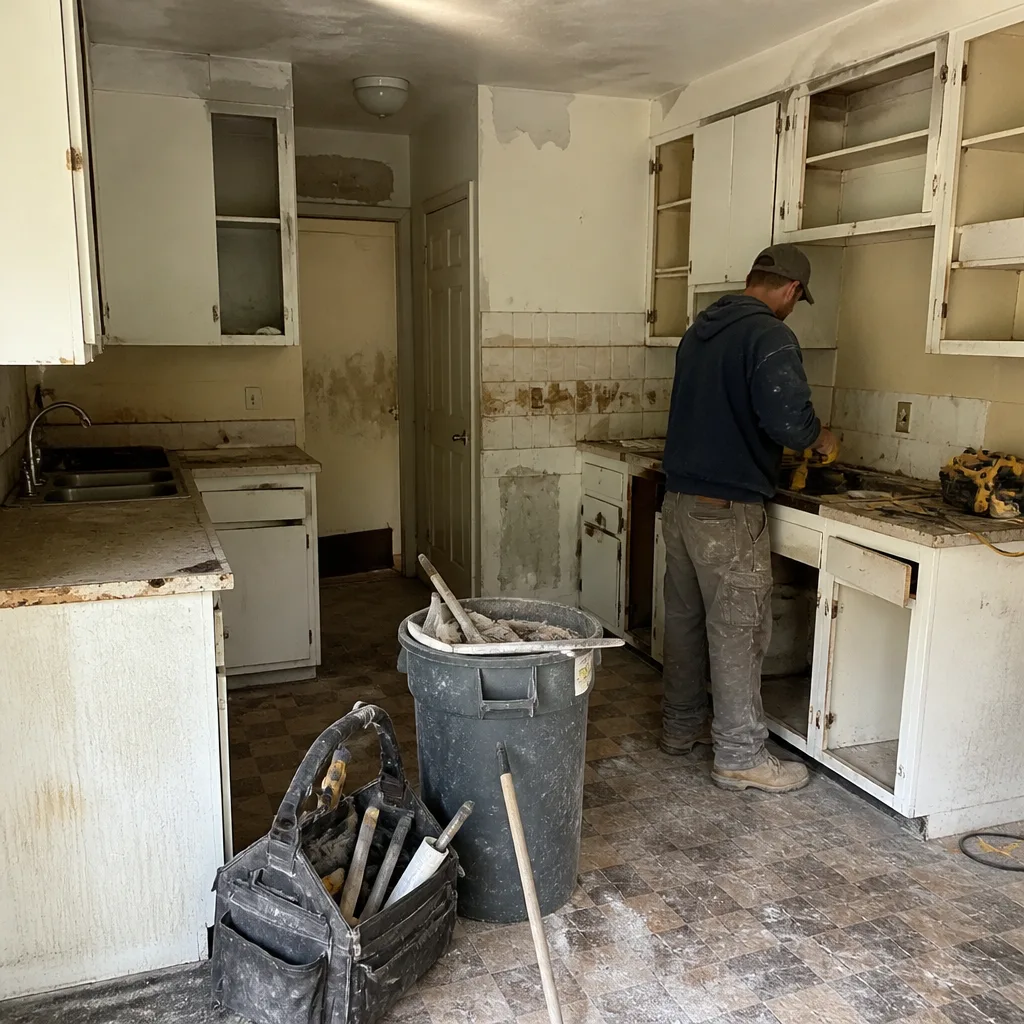 Before
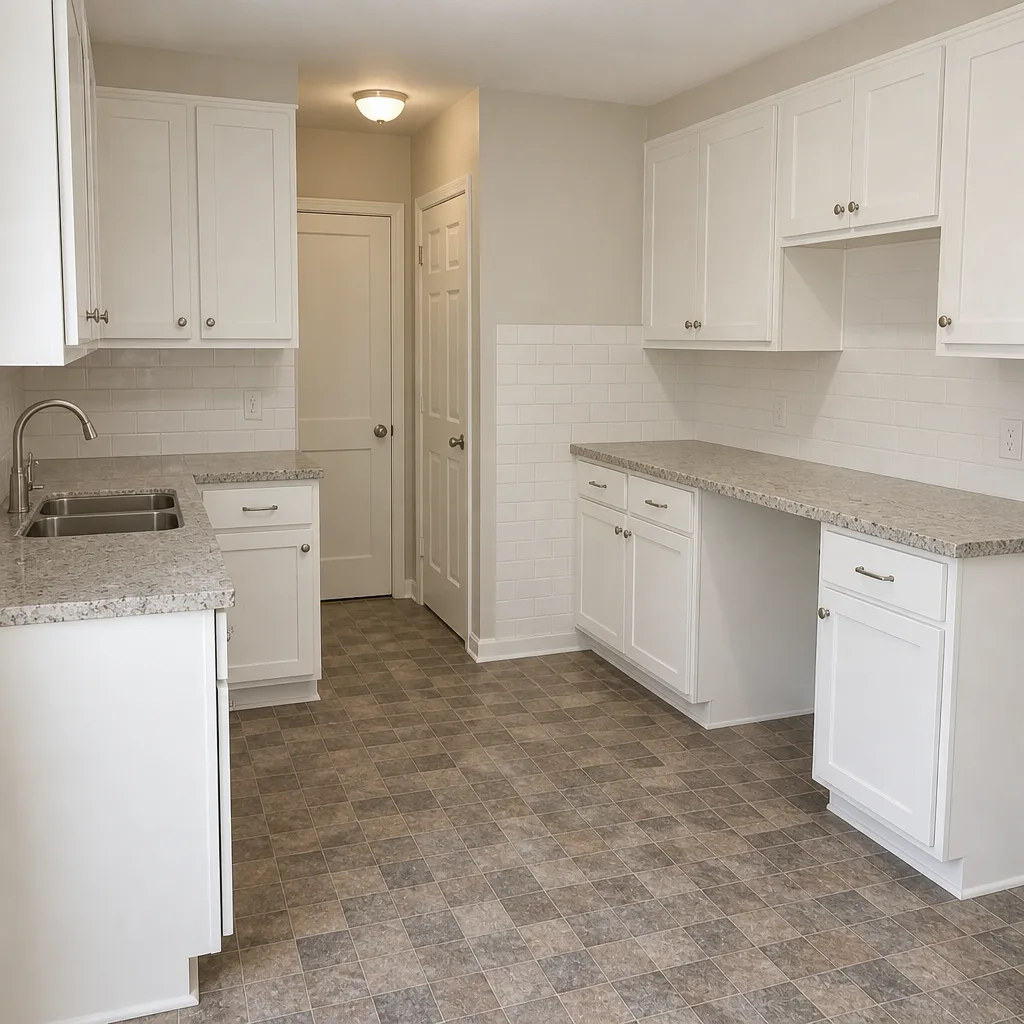 After
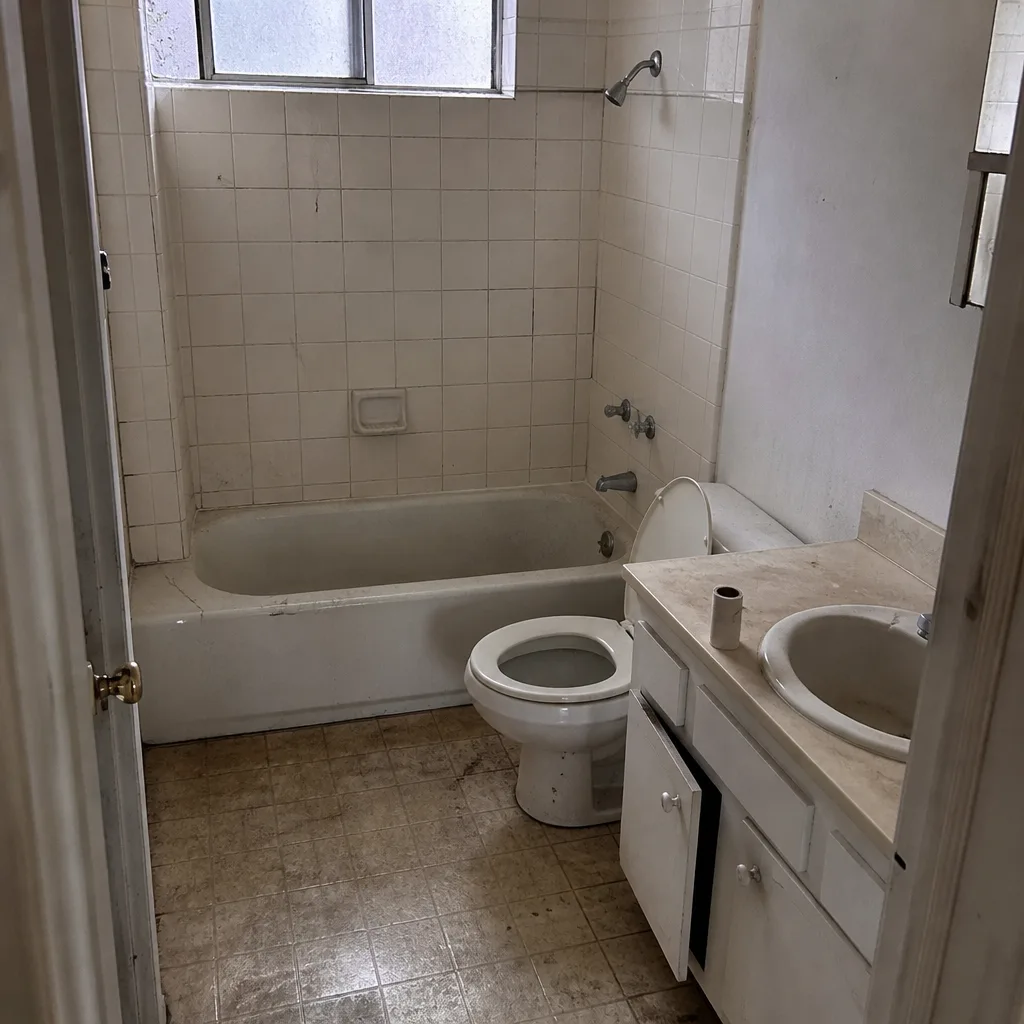 Before
 After
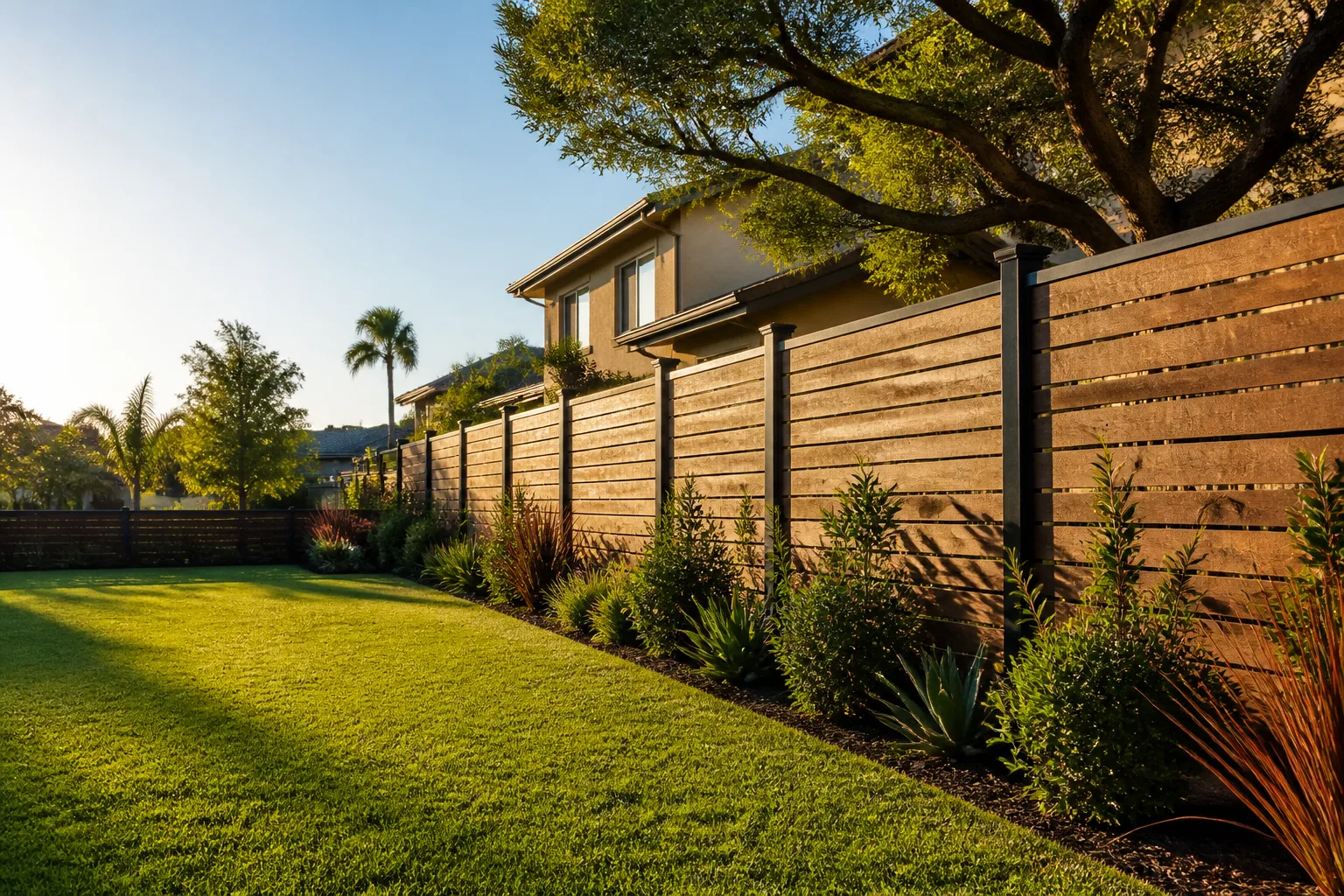
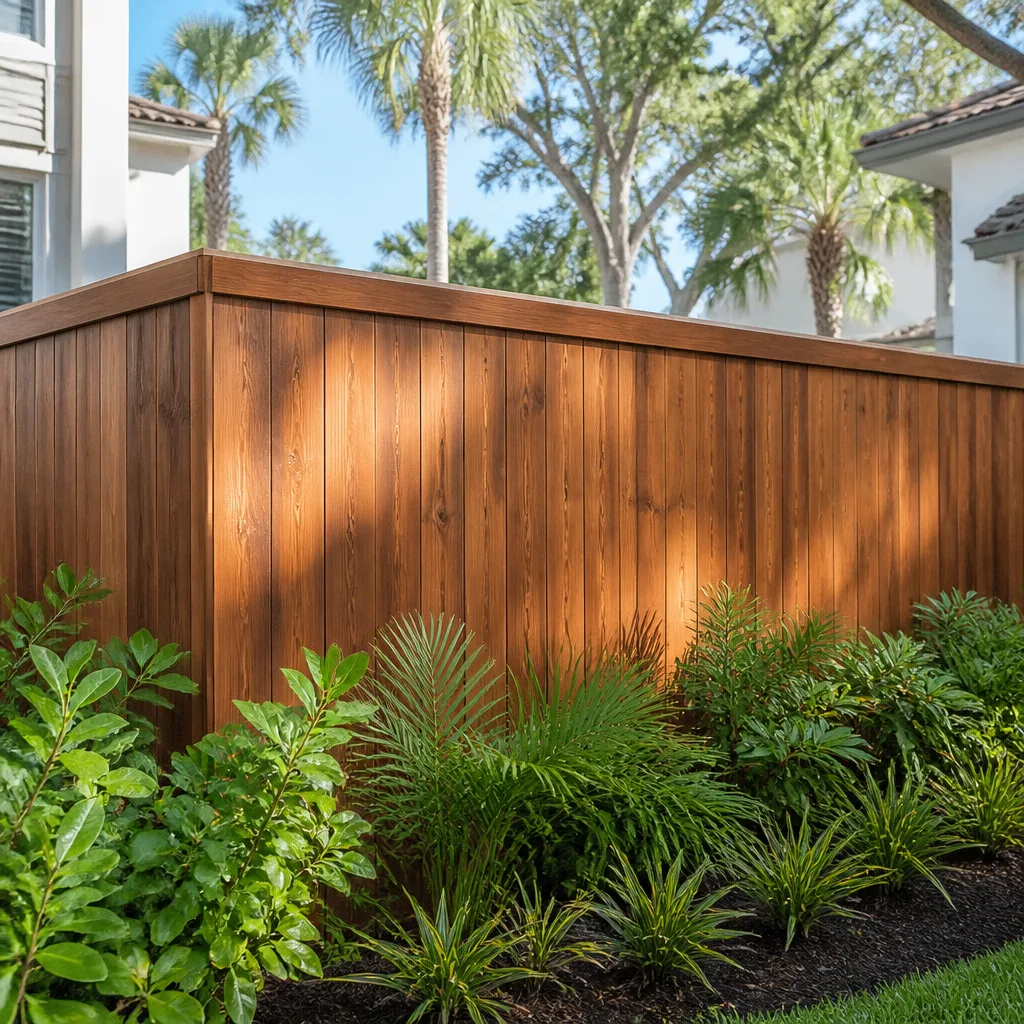
How to Stain a Wood Fence in Enterprise, NV (And Why Timing Beats Technique)
Stain a wood fence in Enterprise by working only in two narrow windows – late February through April, or October through early November – applying a UV-rated, alkyd or paraffin-oil base stain when board surface temperature stays below 90°F, after an oxalic-acid wash to strip caliche dust and efflorescence. Get the timing wrong and the Mojave sun will cook an underspecified coat into a peeling, lapping-striped mess within a single summer. That’s the whole game here. Everything below is about protecting the money you spend on stain. If you’d rather hand the job to someone who does this weekly, call (844) 797-4406 for a free estimate on prep-and-stain or full fence work.
This isn’t a mild-climate job. Southern Highlands and Mountain’s Edge backyards bake at surface temps that can hit 140°F by June, and that changes what products work, when you can apply them, and how much prep the boards actually need. Generic guides written for the Pacific Northwest will get you peeling by September.
Key Takeaways
- Only two viable windows: late Feb-April (before sustained heat) and Oct-early Nov (after monsoon humidity drops).
- Surface temp target is below 90°F at application – that’s board temp, not air temp.
- Desert-rated stains need a UV-inhibitor rating of 15+ years, paraffin-oil or alkyd base, and a mildew additive.
- Lower boards wick up mineral deposits from alkaline soil – an oxalic-acid wash is mandatory, not optional.
- South- and west-facing boards take 30-40% more UV dose and need heavier mil coverage or a second coat.
Why the Season Matters More Than the Product
Wood takes stain by absorbing it into open pores. When a board’s surface temperature climbs past roughly 90°F, the wood dries faster than the stain can penetrate. You end up with a film sitting on top of the board instead of soaked into it. In Enterprise, that film fails fast – sun exposure strips it within months, and the next coat can’t bond to a chalky surface. You’ll see the telltale lapping stripes where a wet edge dried before you reached it with more material.
The spring window is the one most homeowners miss. Late February through April delivers the combo you want: daytime highs that let you work without pushing board temps into the danger zone, low humidity, and enough seasonal warmth that the stain cures before the first real heat wave. October through early November is the second window – once monsoon humidity settles down and the boards have dried out from summer storm activity. Staining in June or July is a money pit, and staining right after a heavy monsoon week traps moisture under the coat.
One more scheduling detail: watch the surface temp with a cheap infrared thermometer, not your hand. Air temp of 85°F on a south-facing board in April can read well above 100°F by mid-afternoon. Early mornings are your friend.
Desert-Rated Stain: What the Label Should Say
You can’t walk into any hardware store and grab the same can of stain that works in Ohio. The Mojave sun degrades underspecified exterior finish fast, so the product has to be built for desert exposure. Look for these three specs before you buy:
- UV-inhibitor rating of 15+ years – this is the headline number. Anything lower won’t survive an Enterprise summer on a south-facing board.
- Paraffin oil or alkyd base – these stay flexible with the board’s seasonal movement. Latex acrylics crack when boards expand and contract with the extreme day-night temperature swing we get here.
- Mildew-resistance additive – yes, even in the desert. Monsoon season delivers brief but intense humidity spikes, and that’s when mold and mildew get a foothold on unsealed lower boards.
We lean on brands homeowners know for exterior durability, and the same instinct applies here – you want material rated for the climate, not just the shelf. A product that carries a solid UV rating and a flexible base is doing the heavy lifting. The applicator matters less than the spec sheet.
Prep Specific to Enterprise Soil and Dust
Here’s what most guides skip. Enterprise lots sit on engineered fill and graded pads, and that fine caliche dust blows onto every fence face in reach. The alkaline soil also pushes mineral deposits up through the ground and into the lower boards – the white, chalky film called efflorescence. Both inhibit stain absorption. Both have to come off before a single drop of product goes down.
An oxalic-acid wash handles the efflorescence and brightens the wood back to its natural tone. Follow it with a rinse and let the boards dry for 48 to 72 hours minimum – longer if you’re staining after monsoon activity. Skip this step and the stain sits on mineral deposits instead of wood fiber, and you’ve wasted the product and the weekend.
For homeowners whose fencing was installed by Groundwork, the 730-Day Done Right Promise gives you a clear workmanship baseline for post-stain inspection. Any board failures under warranty are documented and addressed, which makes it easy to tell the difference between a staining problem and a material problem.
Directional Exposure: The Detail That Separates a Good Job From a Great One
Not every face of the fence is under the same stress. South- and west-facing boards in Enterprise absorb 30 to 40 percent more UV dose than north-facing boards. That’s not a minor difference – it’s the reason a fence can look uneven a year after a uniform stain job. The fix is straightforward: apply a heavier mil coat to south and west faces, or build in a second-coat schedule for those boards alone. North and east faces often do fine with a single, standard application. This is the kind of detail you can only plan around if you walk the fence and note the exposure before you start.
If you’re staining a new fence that hasn’t gone up yet, knowing the orientation matters more. That’s where a pro assessment pays for itself – the finished look is set by the planning, not the brush work. Our Fence Installation in Enterprise page covers how we plan exposure and material together. And for the full range of what we build, from foundation-to-finishline construction through every exterior trade, we’re the single partner on the job.
Common Scenarios We See in Enterprise
A Southern Highlands backyard with a sun-blasted west fence. Boards read 130°F-plus by noon from May onward. The stain has to land in the spring window with a heavier coat on that face, or it’s down to bare wood by next summer.
A foothill-edge property backing open desert. Wind-blown dust and caliche film on the exposed side slow prep considerably, and the boards need a full acid wash on the weather-facing run before anything else.
A homeowner who stained last July and is frustrated it’s already peeling. Almost always heat during application or an underspecified product – sometimes both. Strip, prep, and restain inside a proper window and the second job holds.
What Staining Costs in Enterprise
A strip, prep, and restain of an average residential run in Enterprise typically runs $3,500 to $9,000 depending on linear footage, board condition, and how much exposure the fence takes. New fence installation with stain as part of the finish covers that range for standard residential work. We price it upfront – the number you see is the number you pay, with no surprises after the first coat.
Windows and doors around the yard follow the same exposure logic, and our Window Replacement in Enterprise page covers impact and UV-rated units if you’re planning exterior work at the same time. If you’re coordinating with other exterior projects, our Roofing in Enterprise and Driveway & Pavers in Enterprise teams work on the same schedule.
FAQs
You apply in the right seasonal window with a desert-rated product – late February through April, or October through early November, when board surface temperature stays below 90°F. Use a stain with a UV-inhibitor rating of 15+ years and a paraffin-oil or alkyd base. Do the oxalic-acid wash first. Get those three right and the coat holds. Call (844) 797-4406 for an exact quote on your fence – estimates are free.
Late February through April is the best window, with October through early November as the second option. Both keep board surface temps below the 90°F threshold where stain stops penetrating. June through September is off the table. Call (844) 797-4406 to get on the spring schedule before it fills.
That’s efflorescence – mineral deposits wicking up from Enterprise’s alkaline soil into the lower boards. It’s a wood-surface layer, not a wood problem, and it needs an oxalic-acid wash before stain will bond. Skipping it is the most common reason lower boards fail first. Call (844) 797-4406 and we’ll assess whether the boards are salvageable or need replacement.
Staining is almost always cheaper if the boards are structurally sound – a strip, prep, and restain runs $3,500 to $9,000 versus full replacement. If boards are warped, split, or rotted through, replacement is the better spend. Call (844) 797-4406 for a free estimate and we’ll tell you which is the right call.
If you’d rather have it looked at, Groundwork Construction Co. of Enterprise offers a no-pressure assessment in Enterprise – call (844) 797-4406. We’ll walk the fence, check exposure, and tell you exactly what a strip-and-restain needs before you spend a dollar on stain.
Written by the team at Groundwork Construction Co. of Enterprise, serving Enterprise, NV.