Free written scope consultation - allowances, timeline, and change-order rules on paper before a single trade is scheduled
Styles & brands we work with
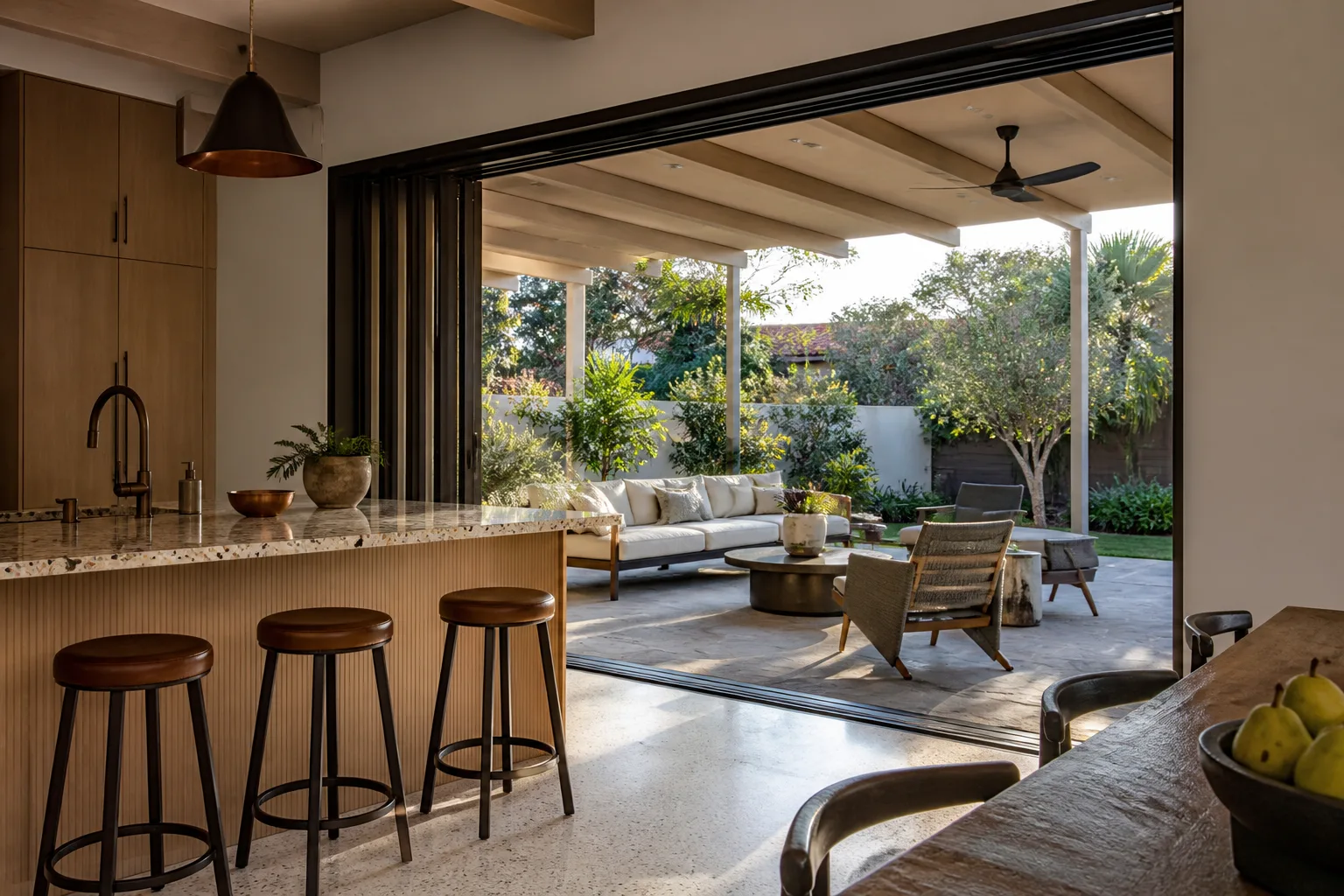
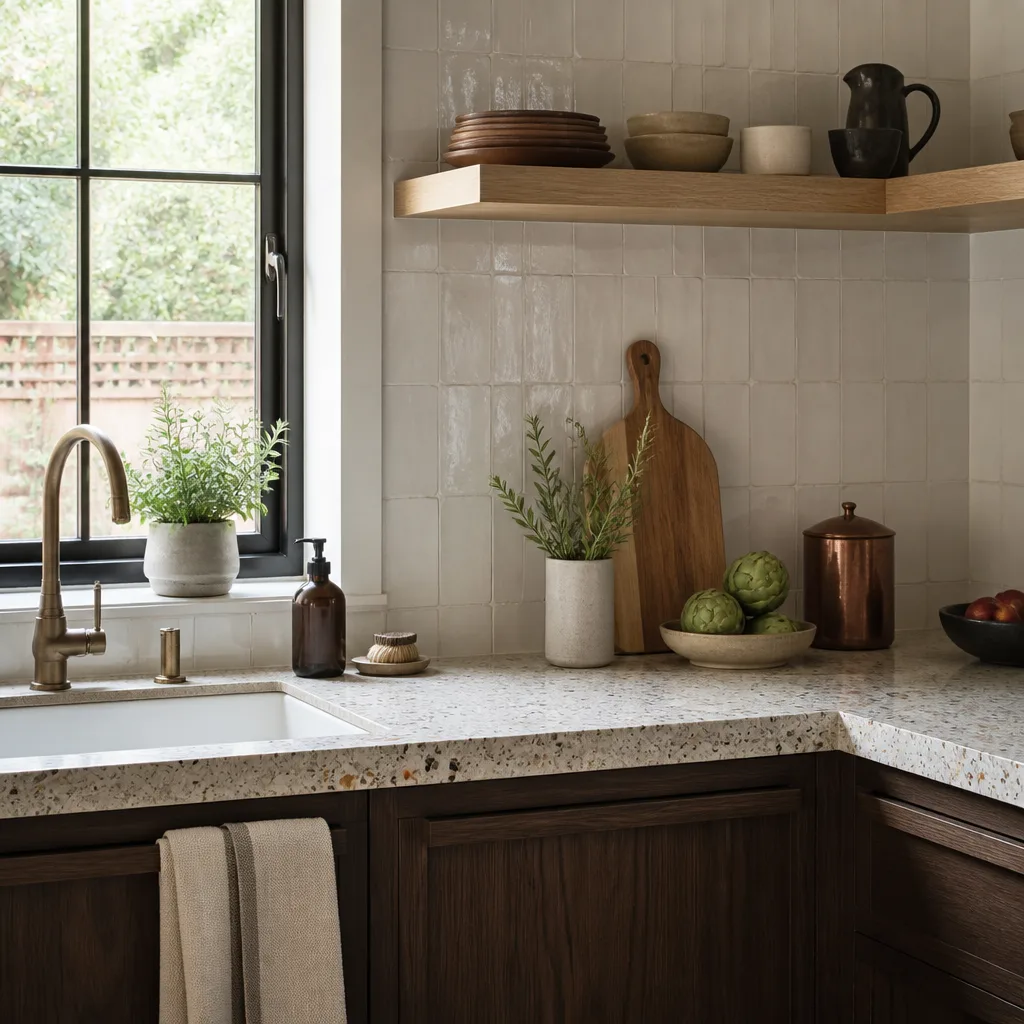
- Kitchen remodeling
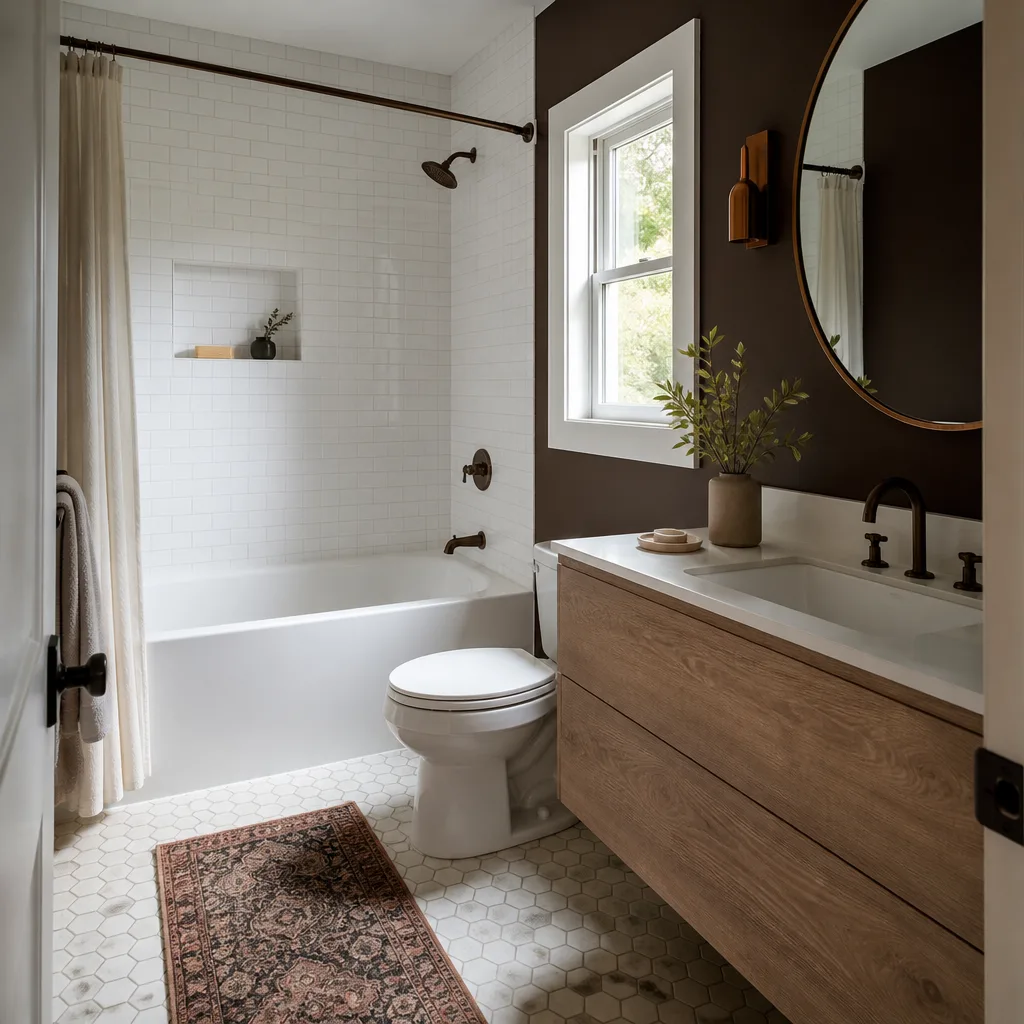
- Bathroom remodeling
- Home additions & ADU
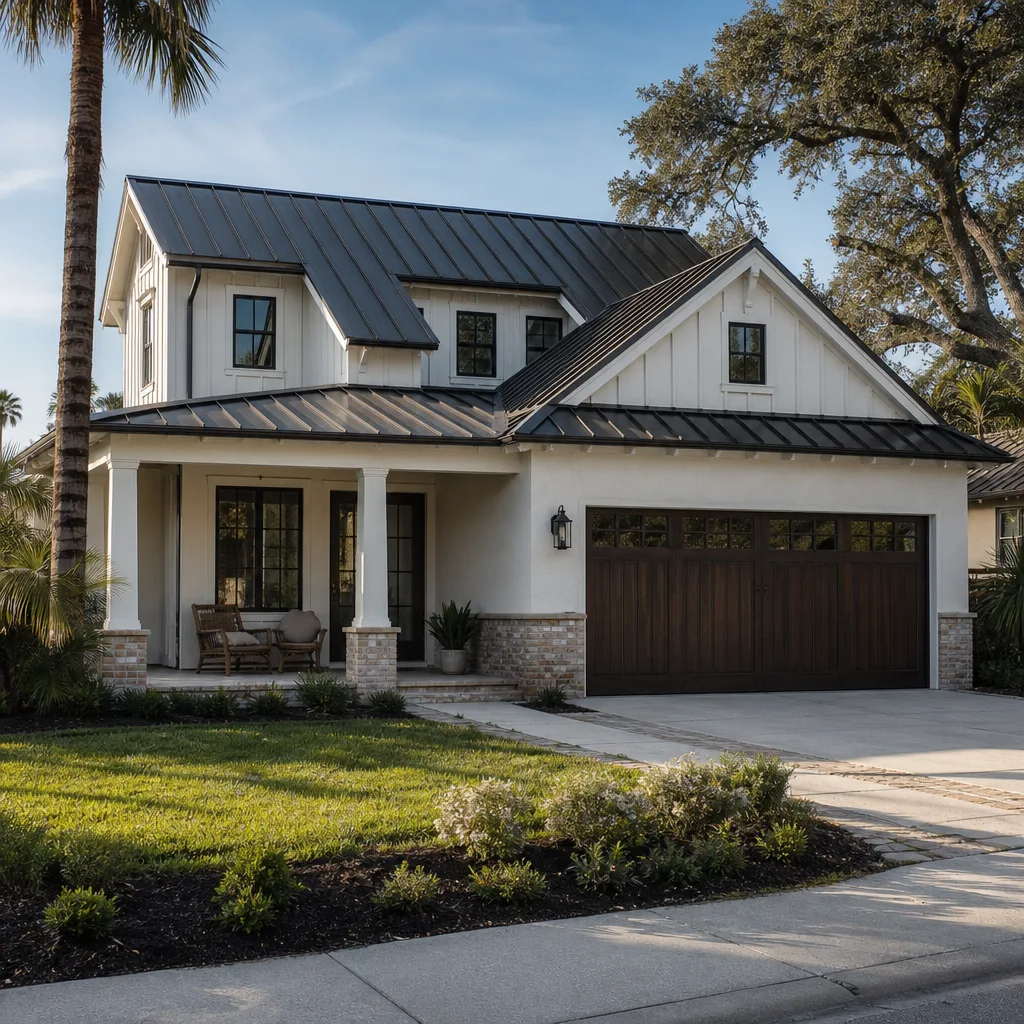
- Roofing
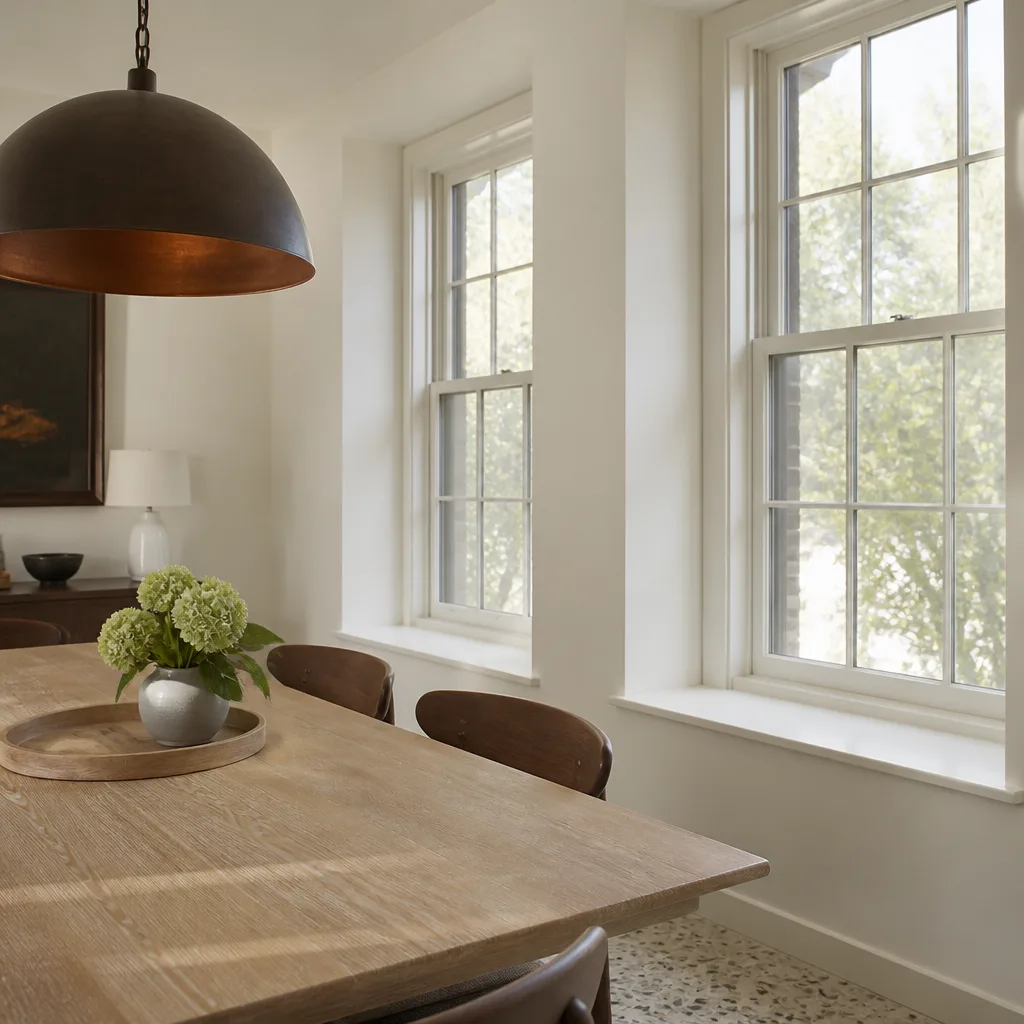
- Windows & doors
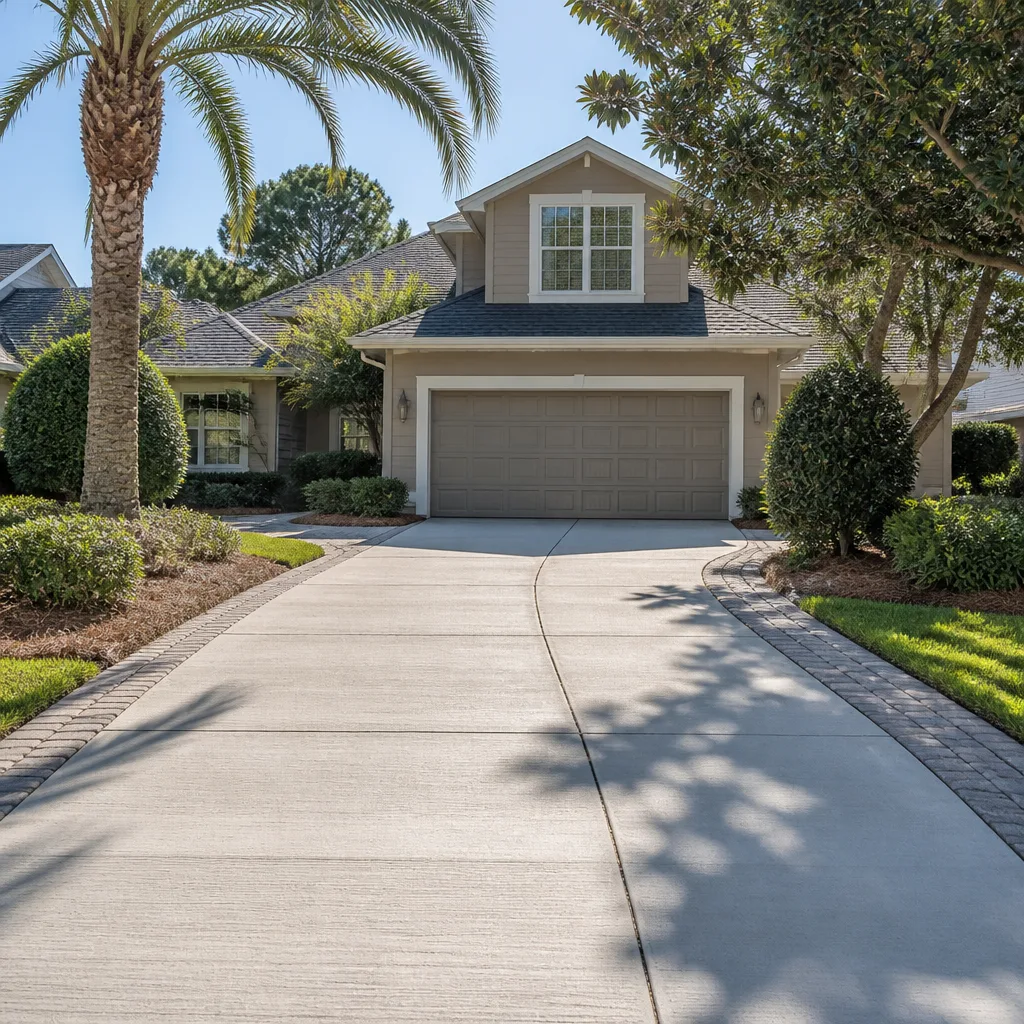
- Driveway & pavers
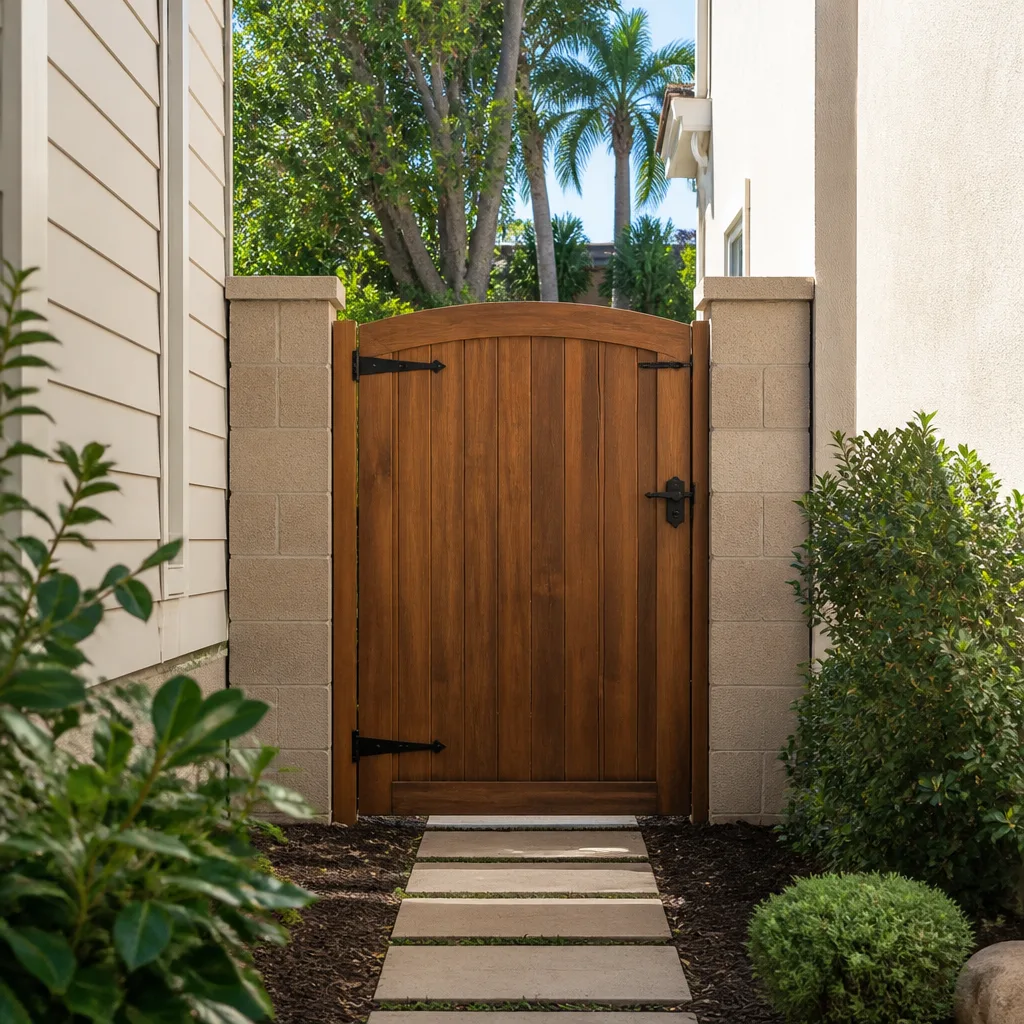
- Fence
See the difference
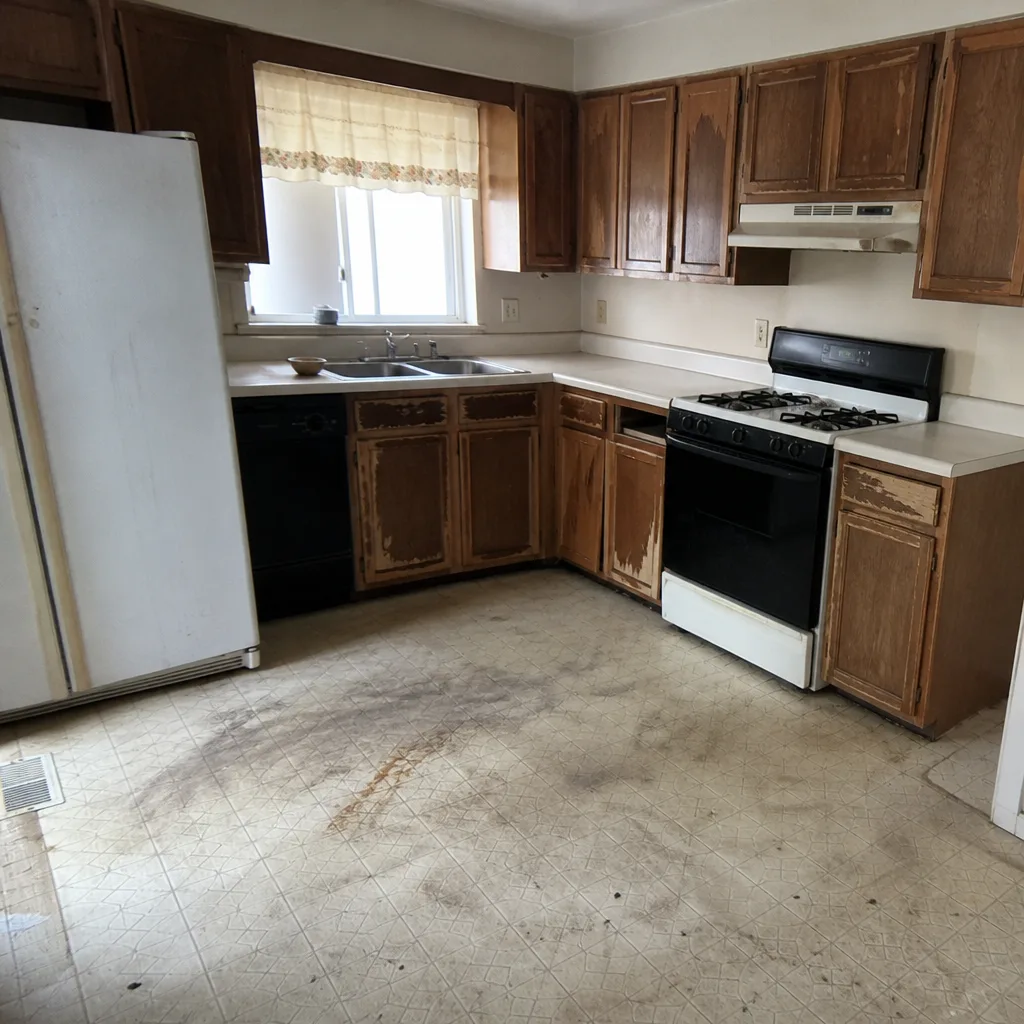 Before
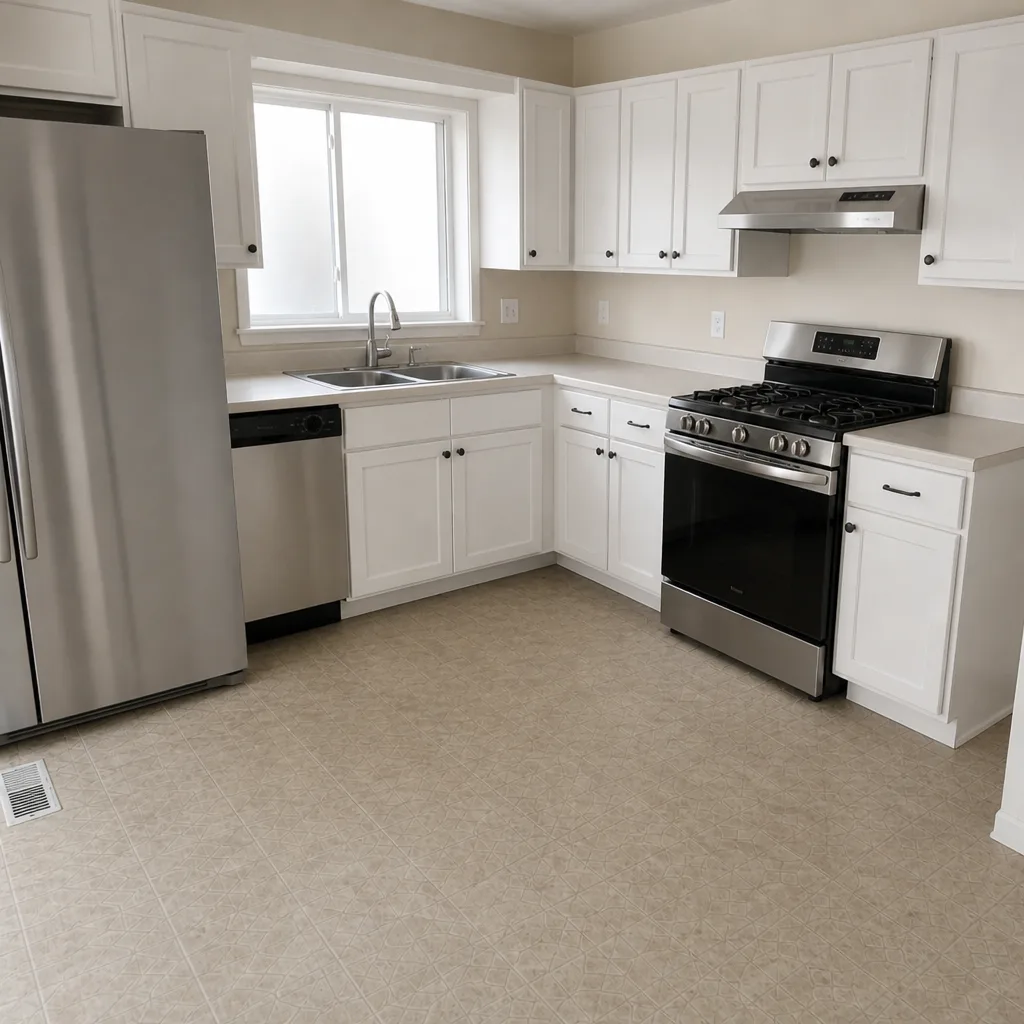 After
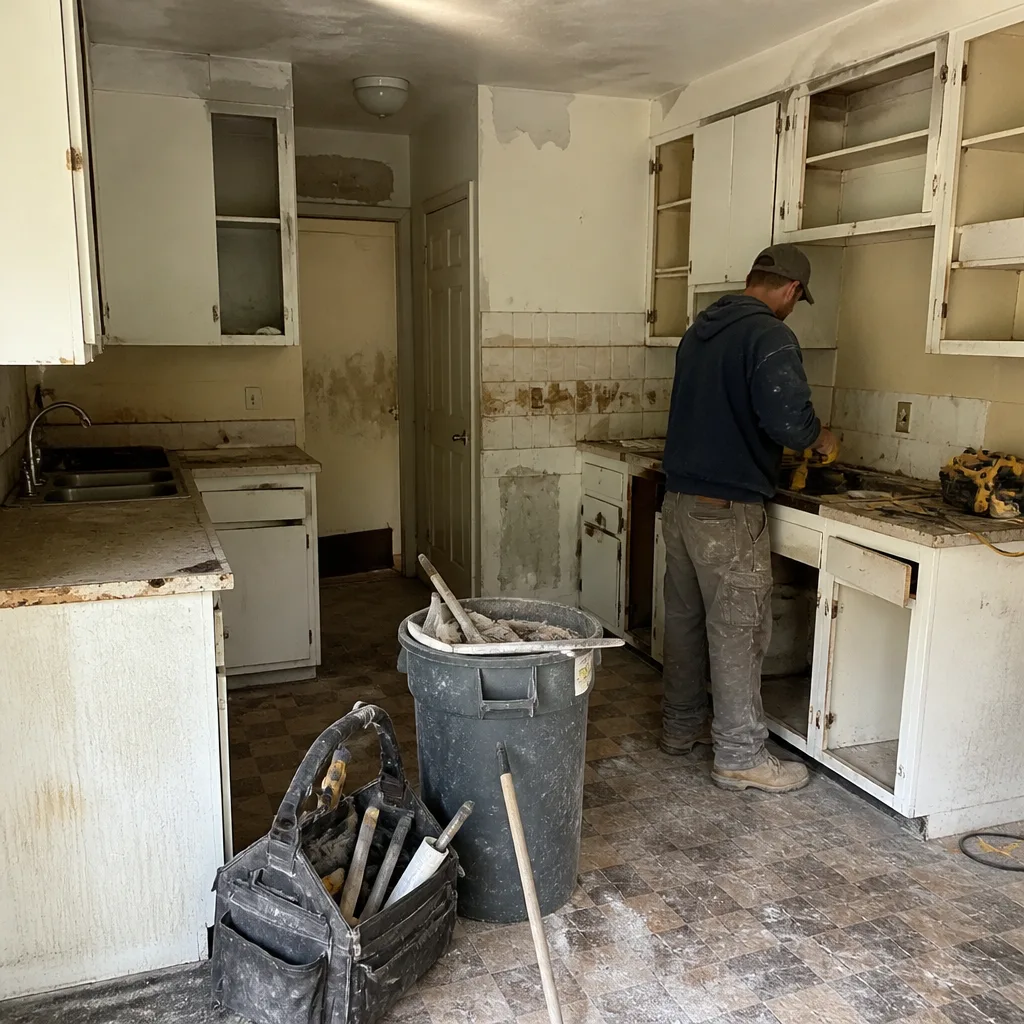 Before
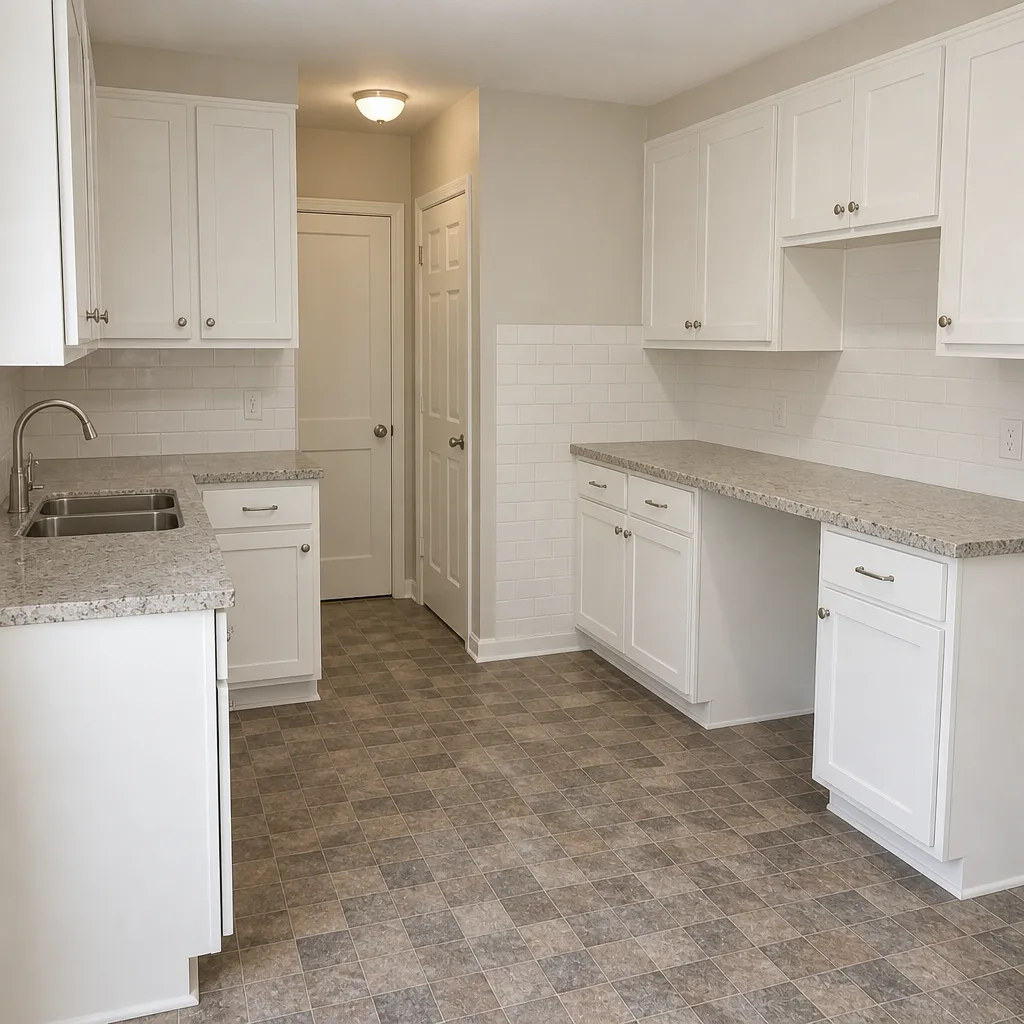 After
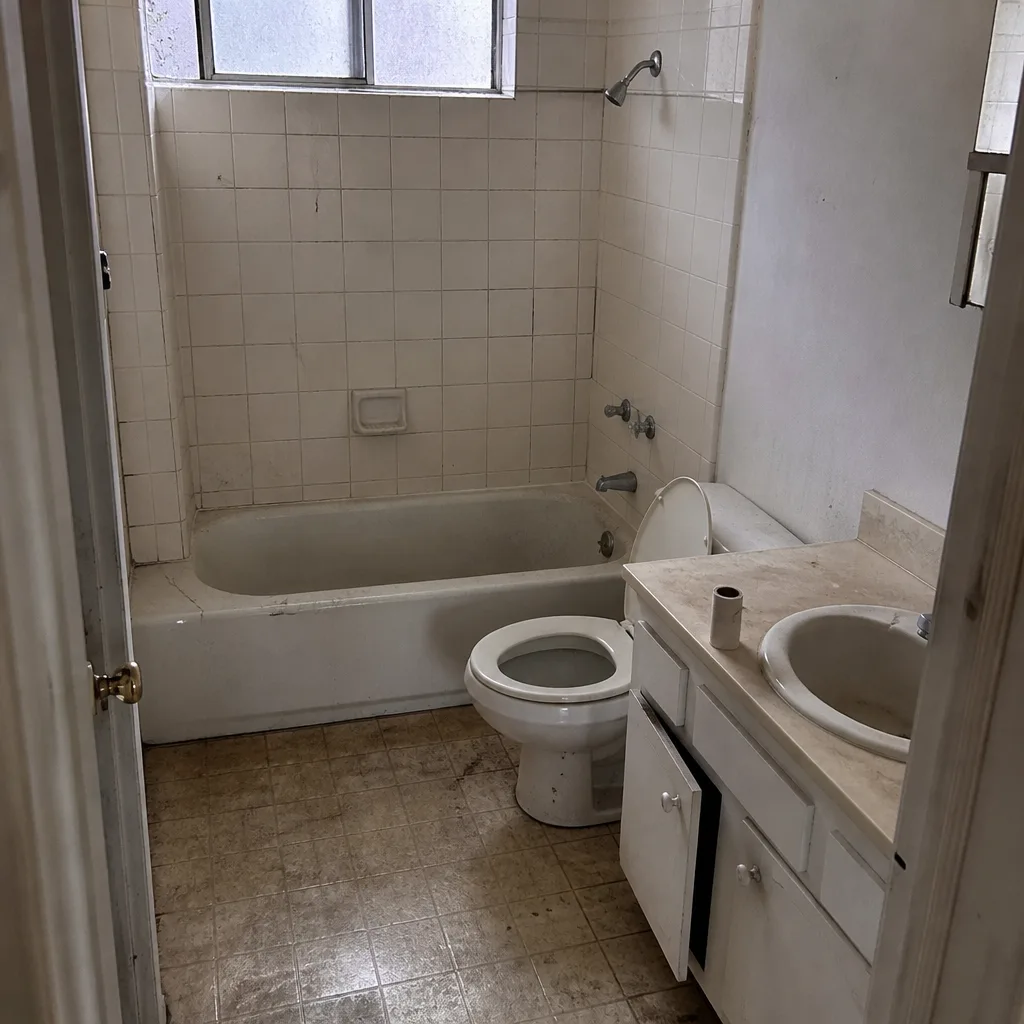 Before
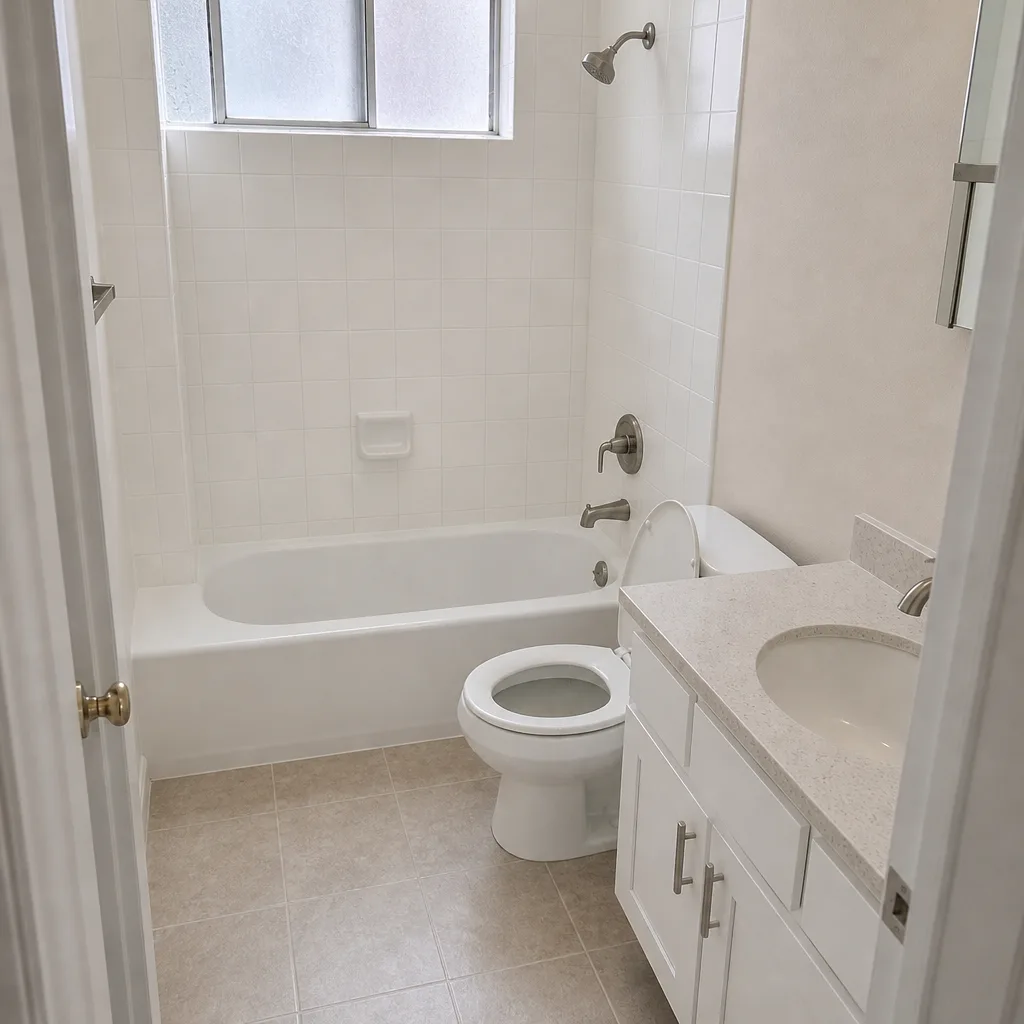 After
HVHZ Window Requirements Explained for Enterprise, NV Homeowners
HVHZ stands for High-Velocity Hurricane Zone, a Florida Building Code designation that applies only to Miami-Dade and Broward counties. It has no legal force in Nevada, and no window product sold or installed in Enterprise, NV is required to carry an HVHZ approval. If a bid mentions HVHZ compliance as a local code requirement, ask the contractor to point to that language in the Clark County code. It’s not there. Call (844) 797-4406 and we’ll walk you through what Enterprise windows actually need to meet.
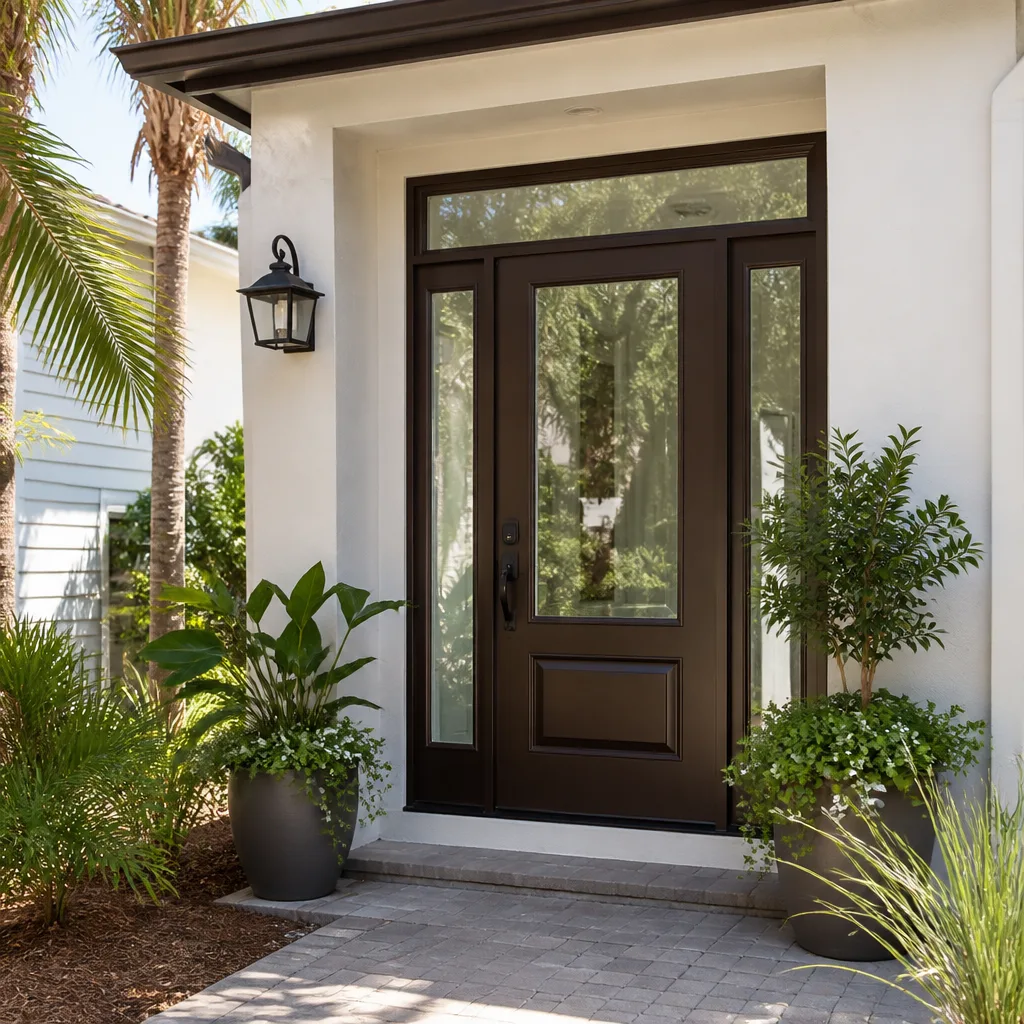
What HVHZ Actually Is (and Why It Covers About 2,000 Square Miles of South Florida)
HVHZ is a geographic boundary inside the Florida Building Code, drawn to cover the Miami-Dade and Broward coastline where open Atlantic hurricane exposure is highest. Products installed inside that zone must pass a testing protocol that doesn’t exist anywhere else in U.S. residential construction. Enterprise is roughly 1,800 miles from that coastline. The wind, the soil, the sun angles, and the building department are all different.
What the HVHZ Testing Protocol Demands
The HVHZ protocol is genuinely tough, which is why the phrase sounds impressive in a sales pitch. It requires three things a typical window never faces:
- Large missile impact: a 9-pound 2×4 fired at 50 feet per second at the glass, simulating wind-borne debris in a hurricane.
- Small missile impact: gravel and roof-tile projectiles striking at higher velocity.
- Cyclic pressure loading: thousands of positive-and-negative pressure cycles designed to simulate repeated hurricane-force gusts, not a single wind event.
Nevada’s wind load design requirements are built on ASCE 7 calculations for the Las Vegas Valley, which are a different problem entirely. Our wind gusts are real, but they aren’t sustained hurricane loading, and the design approach reflects that.
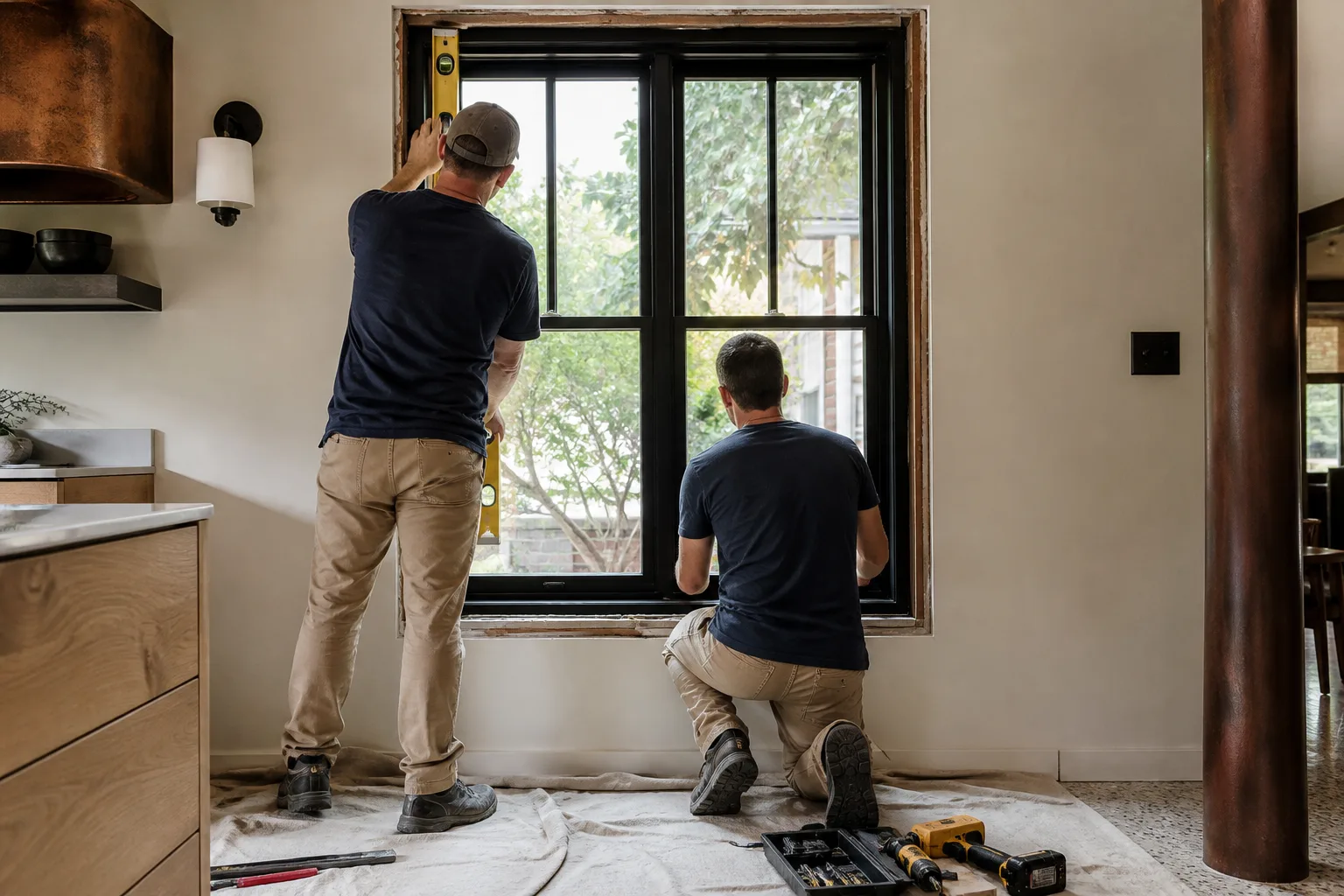
What Clark County Actually Requires for Enterprise Windows
Residential window replacement in Enterprise follows the International Residential Code as adopted by Nevada, plus ENERGY STAR glazing performance for the Southwest climate zone. The practicals that matter:
- Site-specific Design Pressure (DP) ratings calculated from ASCE 7 wind maps for your address
- ENERGY STAR Southwest zone glazing: low-e coatings, argon fill, and Solar Heat Gain Coefficient tuned for a Mojave Desert summer
- Permitting through Clark County for structural or size changes, with egress and safety glazing requirements for bedrooms and wet areas
That’s the compliance baseline. Everything above it is a specification decision, and this is where a real conversation starts. Our Windows & Doors team builds recommendations from the code minimum up, then layers in your lot’s exposure, sun orientation, and existing stucco detailing. You get the reasoning in writing before you sign anything.
Where HVHZ-Spec Products Do Add Real Value in Enterprise
Even without a code mandate, higher-impact-rated glazing earns its keep on certain Enterprise lots. The southwest growth corridor pushes subdivisions toward the Sloan and Blue Diamond foothills and the mountains’ edge, where homes sit on sloped, engineered-fill pads at the urban-wildland interface. Monsoon microbursts roll through those washes with airborne debris that interior valley blocks never see. On a lot backing open desert near Mountain’s Edge, upgraded impact glass is a defensible elective spec. On an interior Southern Highlands street, it’s usually overkill for the price.
We document the exposure reasoning for each address. That’s part of why our technicians carry up to 12 years of experience with desert installations, and why we price the recommendation transparently rather than bundling it into a package.
How Much Do Enterprise Window Projects Cost?
Standard replacement windows in Enterprise typically run $4,500 to $15,000 depending on window count, frame material, and glazing upgrades. Impact-rated installation, when the lot calls for it, runs $8,000 to $25,000. Here are the ranges we quote across our window and door work:
| Project | Typical Enterprise Range |
|---|---|
| Window Replacement | $4,500 – $15,000 |
| Impact Window Installation | $8,000 – $25,000 |
| Roof Replacement (if wind-driven leaks surfaced) | $8,000 – $20,000 |
| Roof Repair | $400 – $1,800 |
Every quote is upfront pricing with no surprises, and we back workmanship with the 730-Day Done Right Promise. Large window packages can run on 0% financing for 18 months, and projects over $10,000 take $1,000 off. We work with Andersen, Pella, and Marvin, so you’re choosing between quality options rather than whatever’s in stock. If you want the full picture of our window and door capability, our Enterprise service area page lays out how we scope projects address by address.
What Should Enterprise Homeowners Actually Ask a Window Contractor?
Ask for the DP rating calculation for your specific address, not a generic “hurricane-rated” claim. Ask which ENERGY STAR zone the glazing is rated for. Ask whether the bid references a Florida code designation by name. If it does, ask them to show you the Clark County equivalent. A confident contractor answers all three without flinching.
Beyond spec questions, ask about process. Ours starts with a free project estimate and design consult, continues with background-checked uniformed technicians, and closes under the 730-Day Done Right Promise. Calls are answered by a live person 24/7, so if you’re mid-project and want a second opinion on what a competitor quoted, you can reach us the same day.
FAQs
No. HVHZ is a Florida Building Code designation limited to Miami-Dade and Broward counties, and it has no jurisdiction in Nevada. Enterprise windows follow the International Residential Code as adopted by Nevada and Clark County, with ENERGY STAR Southwest zone performance and site-specific DP ratings. If a bid lists HVHZ compliance as a local requirement, that’s a red flag about the contractor, not a bonus spec.
A product can be impact-rated without an HVHZ approval. HVHZ requires the full Florida protocol including large and small missile impact plus cyclic pressure loading. Impact-rated windows sold in Enterprise generally meet other testing standards (often AAMA or ASTM impact criteria) but aren’t required to pass the HVHZ cycle count. Impact glass is still worth considering on exposed foothill lots, it’s just an elective spec rather than compliance.
Often yes, if your home backs open desert near Mountain’s Edge or the Sloan foothills. Monsoon microbursts in those areas generate wind-driven debris that urban interior blocks rarely see. On an interior Southern Highlands lot, standard ENERGY STAR glazing with a properly calculated DP rating typically does the job. We document the exposure reasoning for each address before the contract is signed, so you know why the recommendation fits your lot.
Yes. Engineered-fill pads, retaining walls, and stucco-to-window flashing on sloped lots are routine for us. Our technicians carry up to 12 years of experience, arrive background-checked and in uniform, and back every installation with the 730-Day Done Right Promise. Free estimates and design consults are available.
Get a Straight Spec for Your Enterprise Windows
If a bid is full of Florida jargon and no Nevada specifics, it’s worth a second look. Groundwork Construction Co. of Enterprise offers a no-pressure assessment in Enterprise, with a written recommendation grounded in Clark County code and your actual lot exposure. Call (844) 797-4406 to schedule a free estimate.
Written by the team at Groundwork Construction Co. of Enterprise, serving Enterprise, NV.