Free written scope consultation - allowances, timeline, and change-order rules on paper before a single trade is scheduled
New Detached ADU in Sandy Valley, NV: What It Takes and What It Costs
A new detached ADU in Sandy Valley usually runs $45,000 – $130,000 and takes five to nine months from the first site walk to the final inspection, depending on whether you’re building on a bare parcel or tying into existing well, septic, and power. The low end is a compact single-story unit on a lot that’s already serviced. The high end is a full second dwelling with its own well hookup, septic approval, and solar. Call (844) 797-4406 and we’ll walk your parcel and give you a written, line-item estimate – free.
How We Build a Detached ADU in Sandy Valley, Stage by Stage
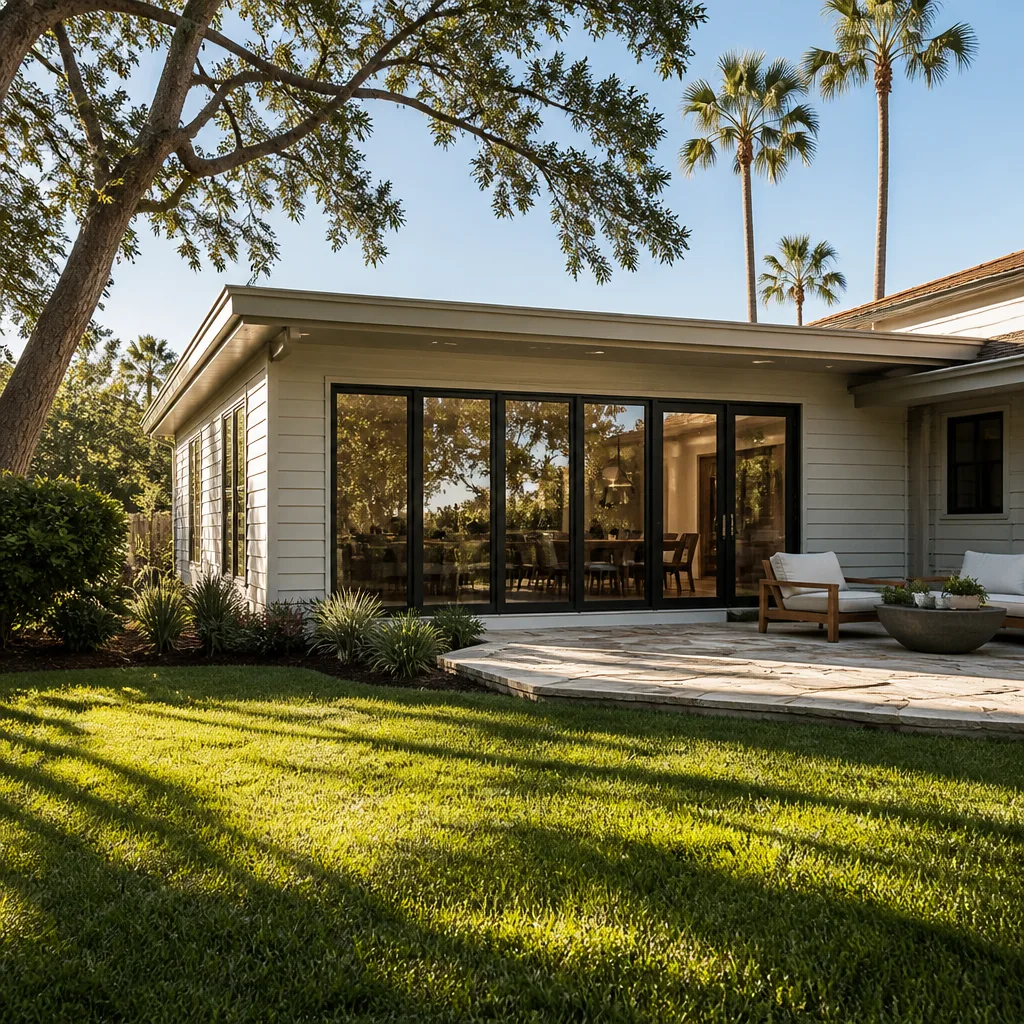
Detached means the unit stands on its own foundation, meters, and systems. That changes the sequence compared to an attached addition, and on Sandy Valley parcels it changes it again because water, power, and waste are usually private rather than municipal.
Stage 1 – Site walk and feasibility (week 1)
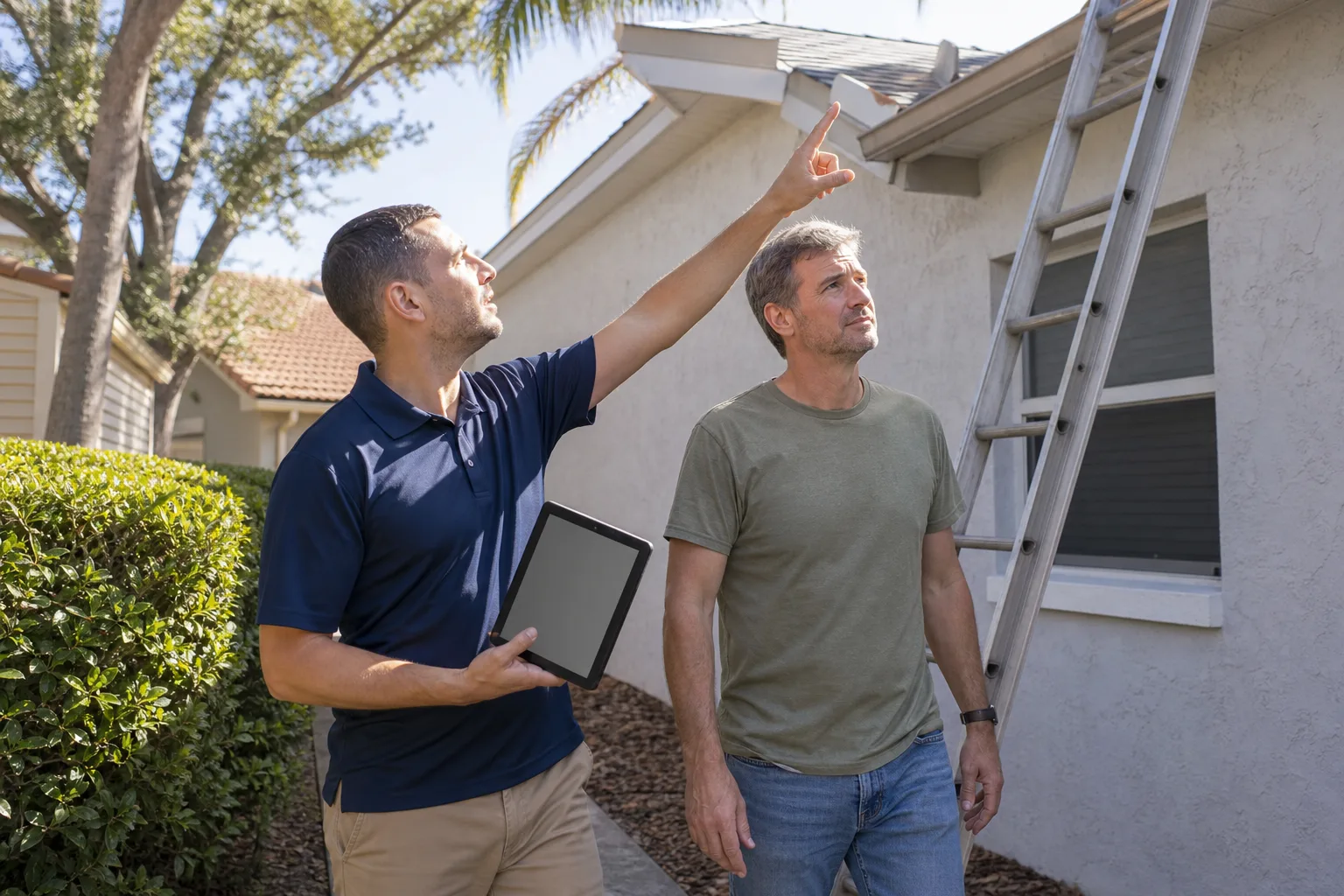
We visit the parcel, look at setbacks, the well and septic locations, and where power comes in. You decide the footprint and how many bedrooms and bathrooms the unit needs. We flag anything that will need a separate approval before we draw.
Stage 2 – Design, engineering, and Clark County permitting (weeks 2 – 8, sometimes longer)
Clark County processes these remotely from a low-population area, so plan review can take longer than a valley subdivision job. You approve the floor plan, exterior materials, and window and door schedule. We handle the submittal and the back-and-forth with the county. This is the stage where delays live, and it’s the stage you have the least control over – so we tell you that upfront instead of pretending it moves faster than it does.
Stage 3 – Site prep, utilities, and foundation (weeks 9 – 14)
Clearing, grading, the trench for power and water, and the foundation. On Sandy Valley lots this often means coordinating with a well driller and confirming the septic approval before we pour. You sign off on utility routing and the septic location. If drainage across the lot matters – and in the washes it does – we set the pad elevation here, not later.
Stage 4 – Framing, envelope, and rough-in (weeks 15 – 24)
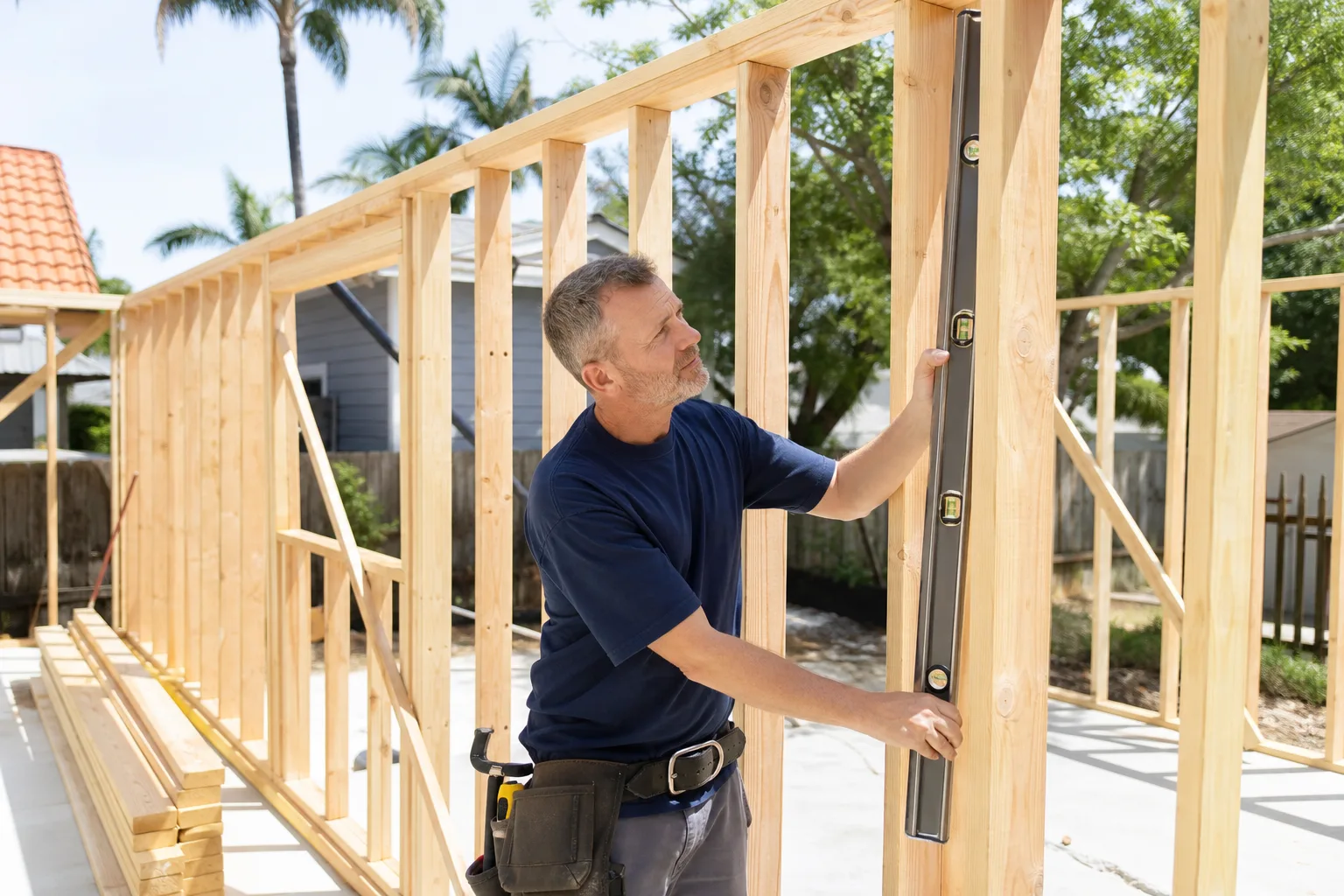
Walls go up, the roof goes on, and plumbing, electrical, and HVAC get roughed in before the drywall. You make your interior finish picks during this window: flooring, cabinets, fixtures, paint. Inspections happen along the way, and because inspectors make the long drive out from Las Vegas, we prep and schedule them in batches rather than one at a time.
Stage 5 – Finishes, final inspection, and walkthrough (weeks 25 – 36)
Drywall, cabinets, counters, trim, fixtures, and the punch list. Final inspection closes the permit. Then we walk it with you room by room. Our technicians have up to 12 years of experience, and every project is backed by the 730-Day Done Right Promise – if it’s not done right, we make it right.
Styles & brands we work with
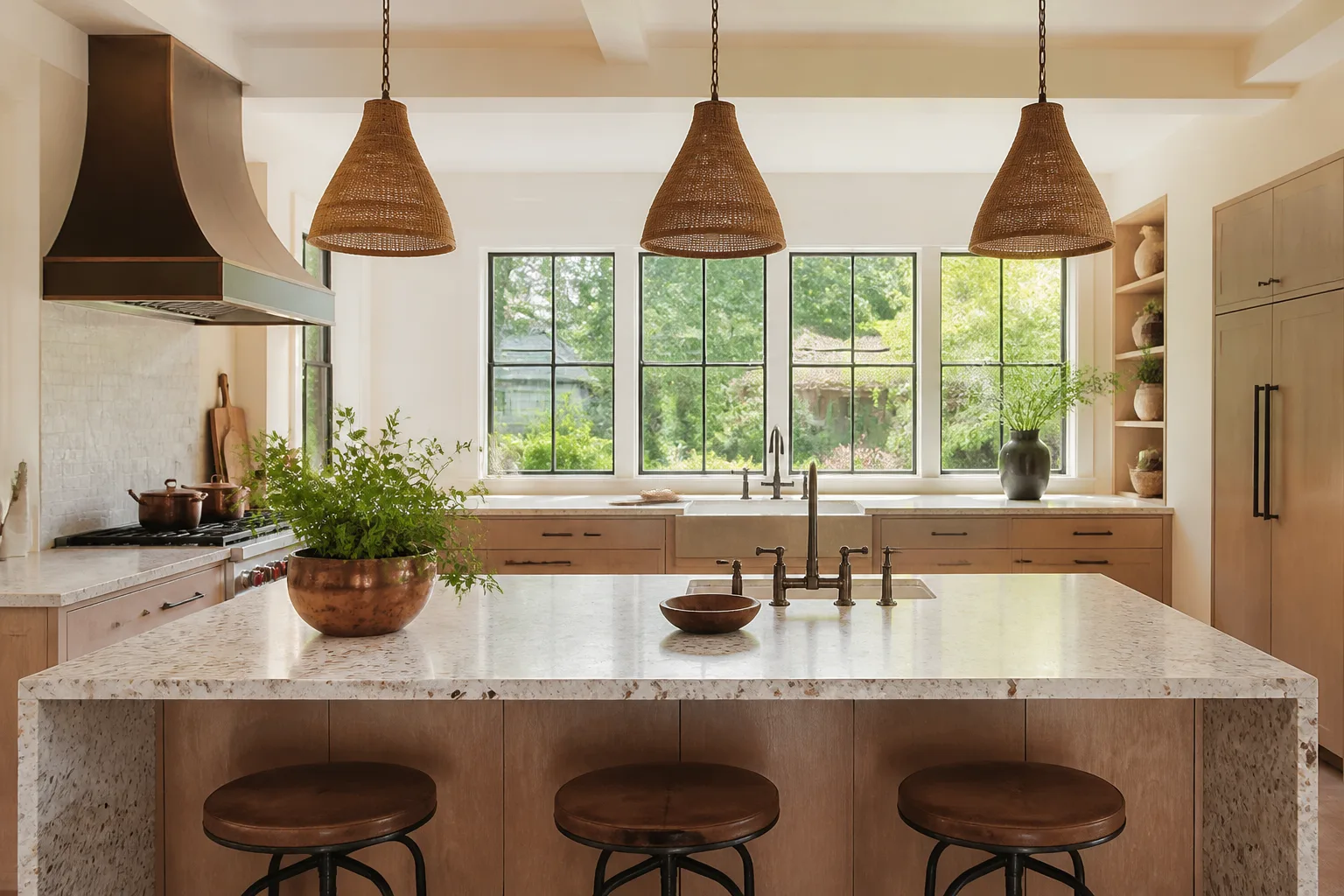
- Kitchen remodeling
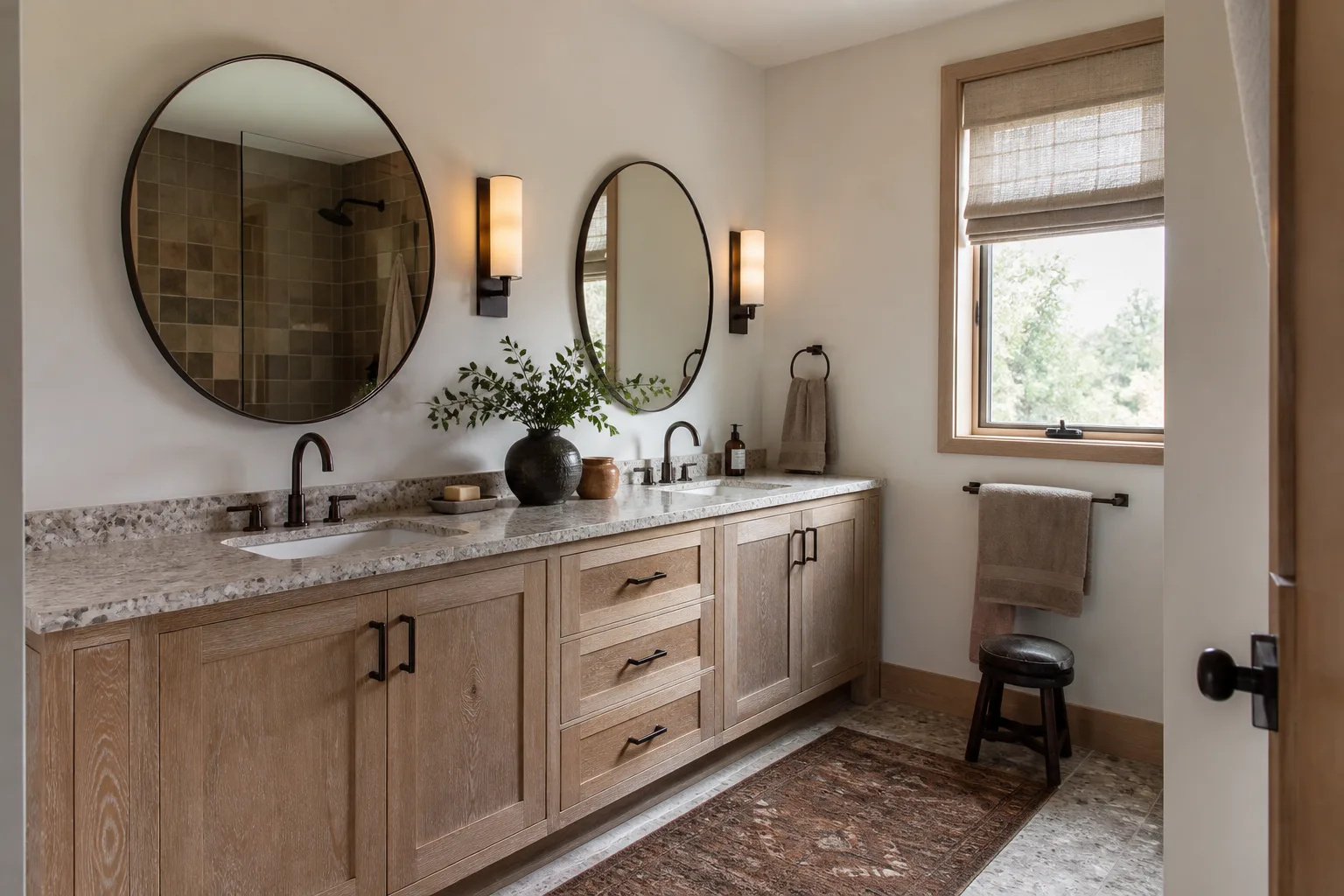
- Bathroom remodeling
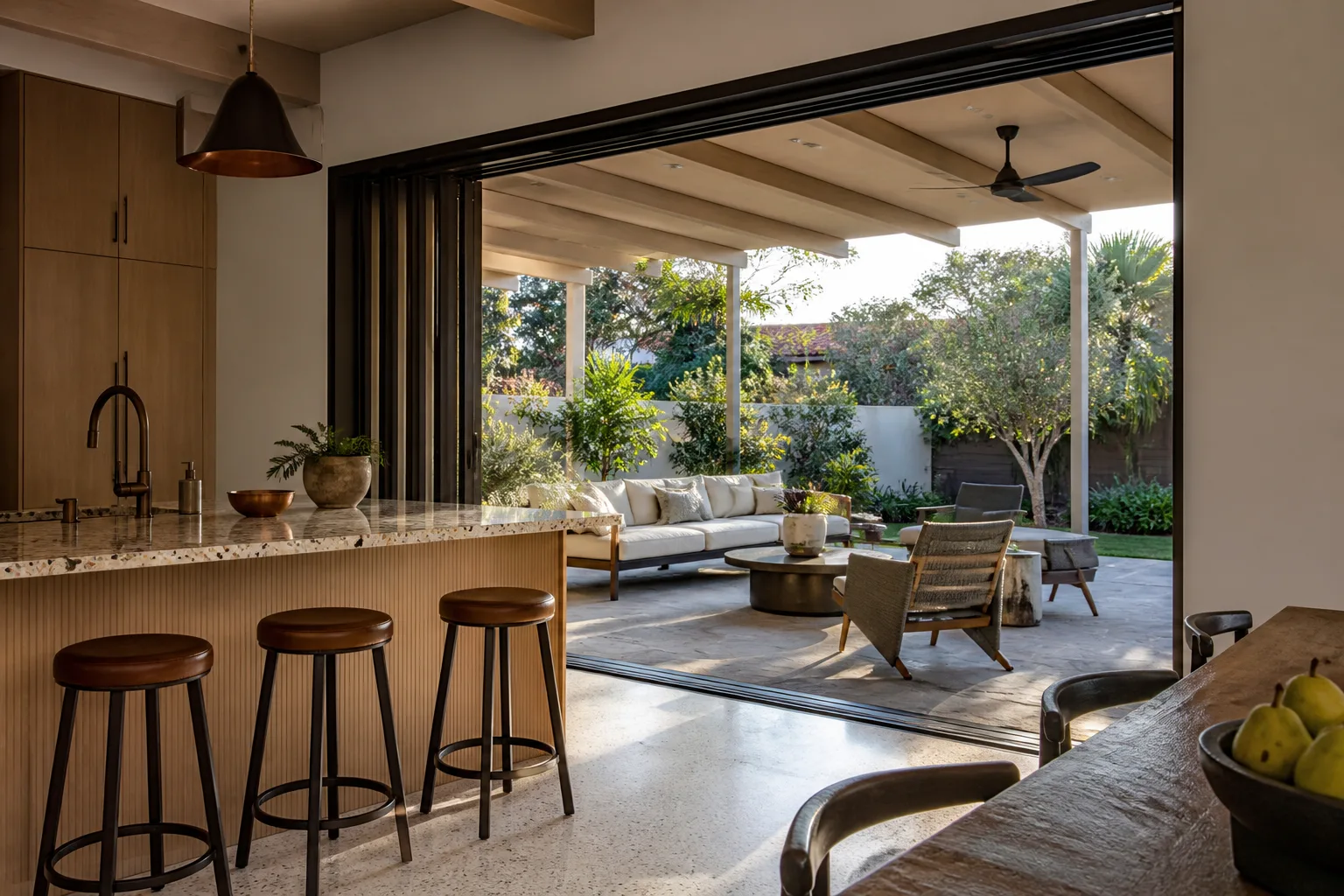
- Home additions & ADU
- Roofing
- Windows & doors
- Driveway & pavers
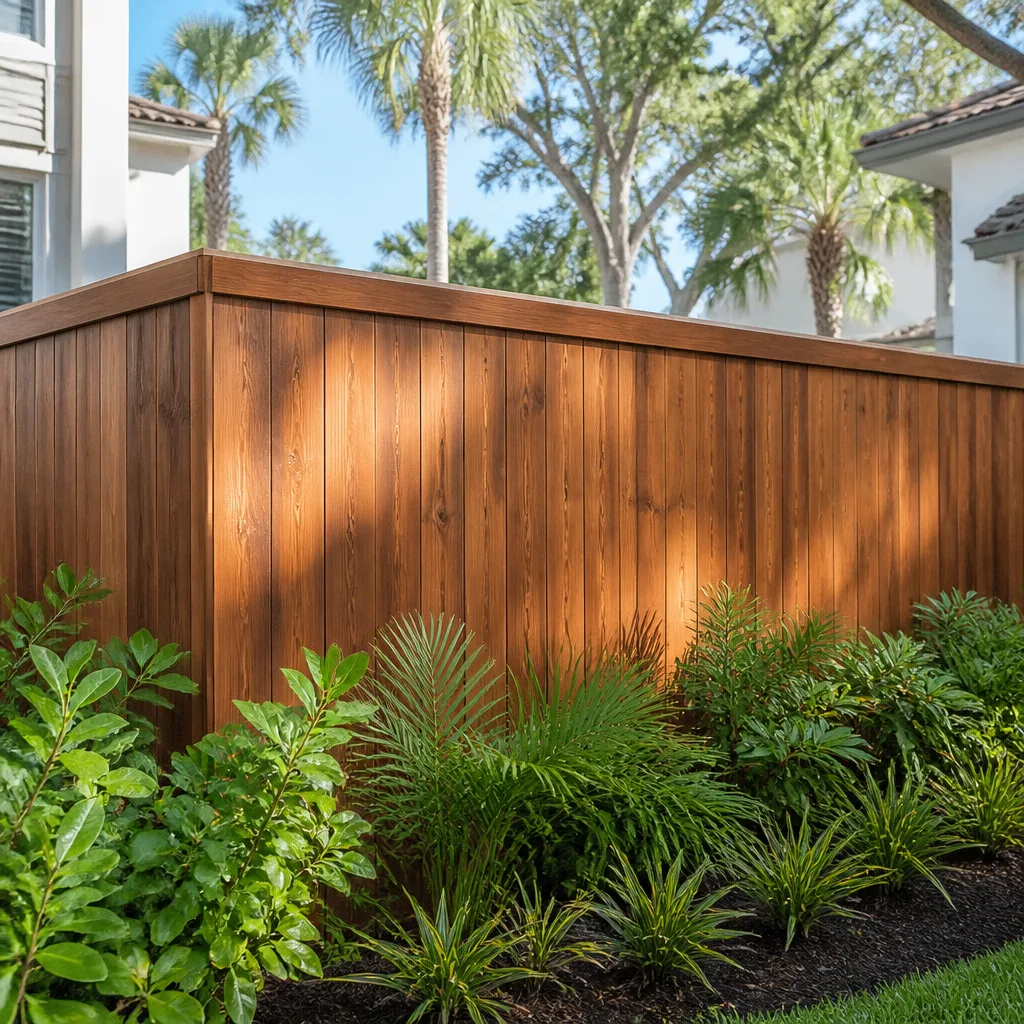
- Fence
The Options You’ll Choose Between for a Detached ADU
Most of the real decisions come down to how the unit is built and how it’s powered. Here’s what buyers actually weigh in Sandy Valley:
- Stick-built on site vs. a prefab module. Site-built gives you any footprint and finish you want. A module from a maker like Dvele or Mighty Buildings ships faster and predictable, but you’re limited to their sizes and you add transport and crane cost to a remote desert lot. For a big parcel with a custom floor plan, stick-built usually wins; for a tight timeline, a module can.
- Roof: asphalt shingle vs. metal. Shingle costs less up front. Metal handles high-desert UV, wind uplift, and thermal cycling better and lasts longer, but it adds to the budget. On an exposed Sandy Valley lot with strong winds, metal earns its price.
- Power: grid-tied vs. off-grid solar. If the pole is close, grid-tied is simpler. If it’s not, a solar and battery system – or a propane generator – keeps the unit self-sufficient and avoids a long, costly line run.
- Water and waste. A well shared with the main house is cheapest. A separate well and a new septic system add real money but keep the ADU independent, which matters if you plan to rent it.
- Foundation: slab vs. stem-wall. A slab suits a simple single-story plan. Stem-wall or a raised floor handles uneven ground and lets us fine-tune drainage; it costs more.
- Windows and doors. Andersen and Marvin are the go-to quality picks. High-desert sun and wind make dual-pane, low-E glass and impact-rated options worth the spend.
What a New Detached ADU Costs in Sandy Valley, NV
Plan on $45,000 – $130,000 for a detached ADU here, before the extras that come with a raw desert parcel. Here’s where the money goes and what pushes a job from the low end to the high end:
- Size and layout. A studio or one-bedroom sits near the bottom. Two bedrooms, two baths, and a full kitchen push toward the top.
- Utility situation. A lot already serviced is cheapest. Drilling a well, approving a new septic, and running power from a distant pole – or going solar – add significant cost.
- Foundation and site work. Level ground keeps it simple. Grading, drainage, and the long haul distance for materials all add up on a remote parcel.
- Material grade. Standard finishes land low; upgraded cabinets, counters, and metal roofing land high.
- Permit scope. A straightforward plan clears review faster. Anything that needs extra engineering or a variance adds time and fees.
A written estimate from us lists line items – foundation, framing, roof, utilities, finishes – and the number you see is the number you pay. What it typically doesn’t include: the cost of drilling a well or a septic system if the parcel doesn’t have one, and any owner-supplied appliances. We call those out before you sign, not after. Call (844) 797-4406 for an exact quote – estimates are free.
See the difference
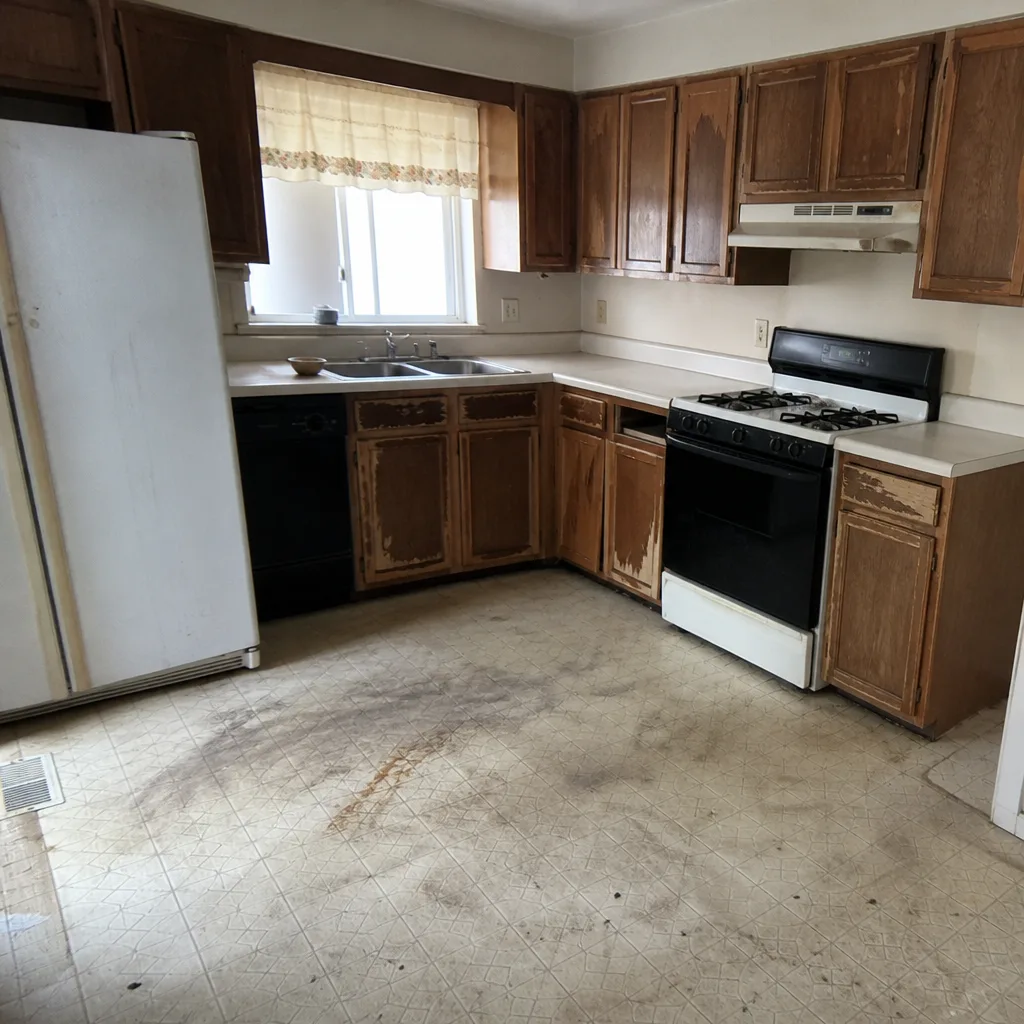 Before
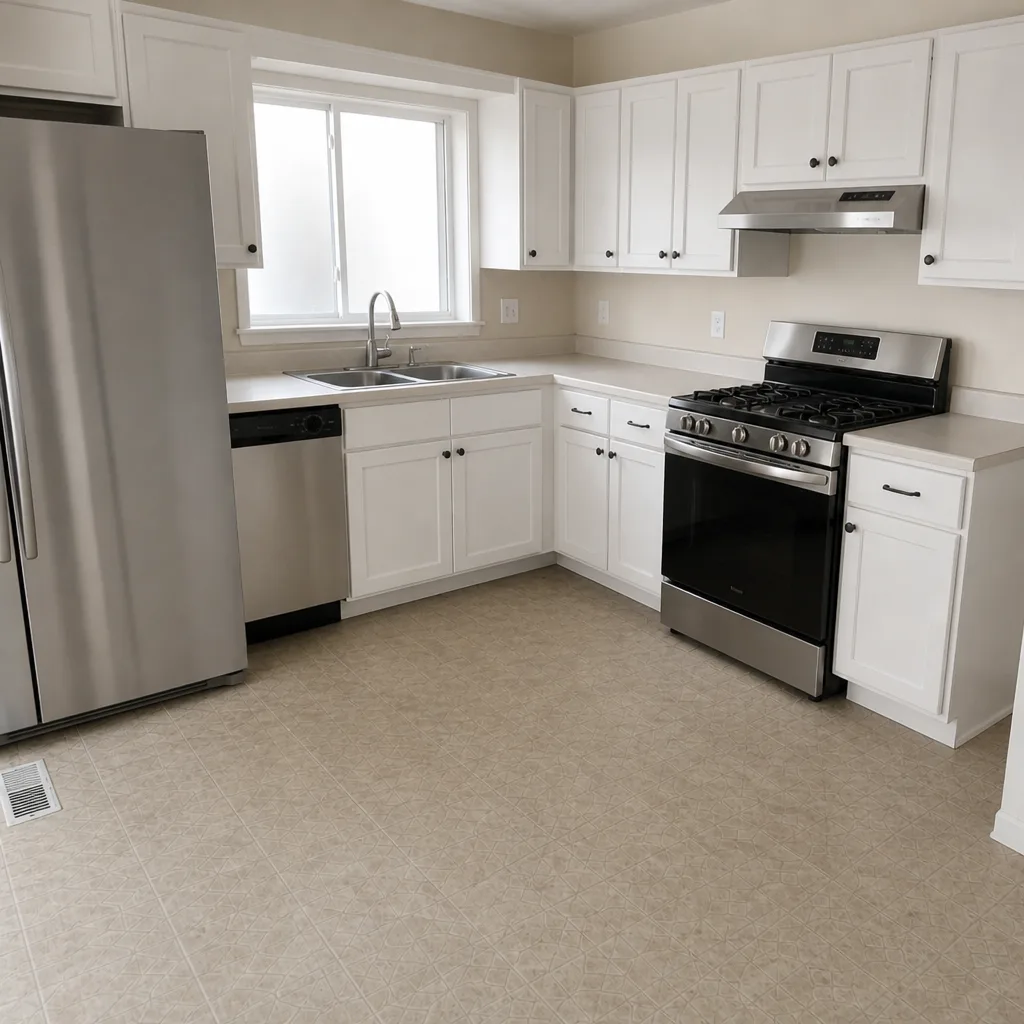 After
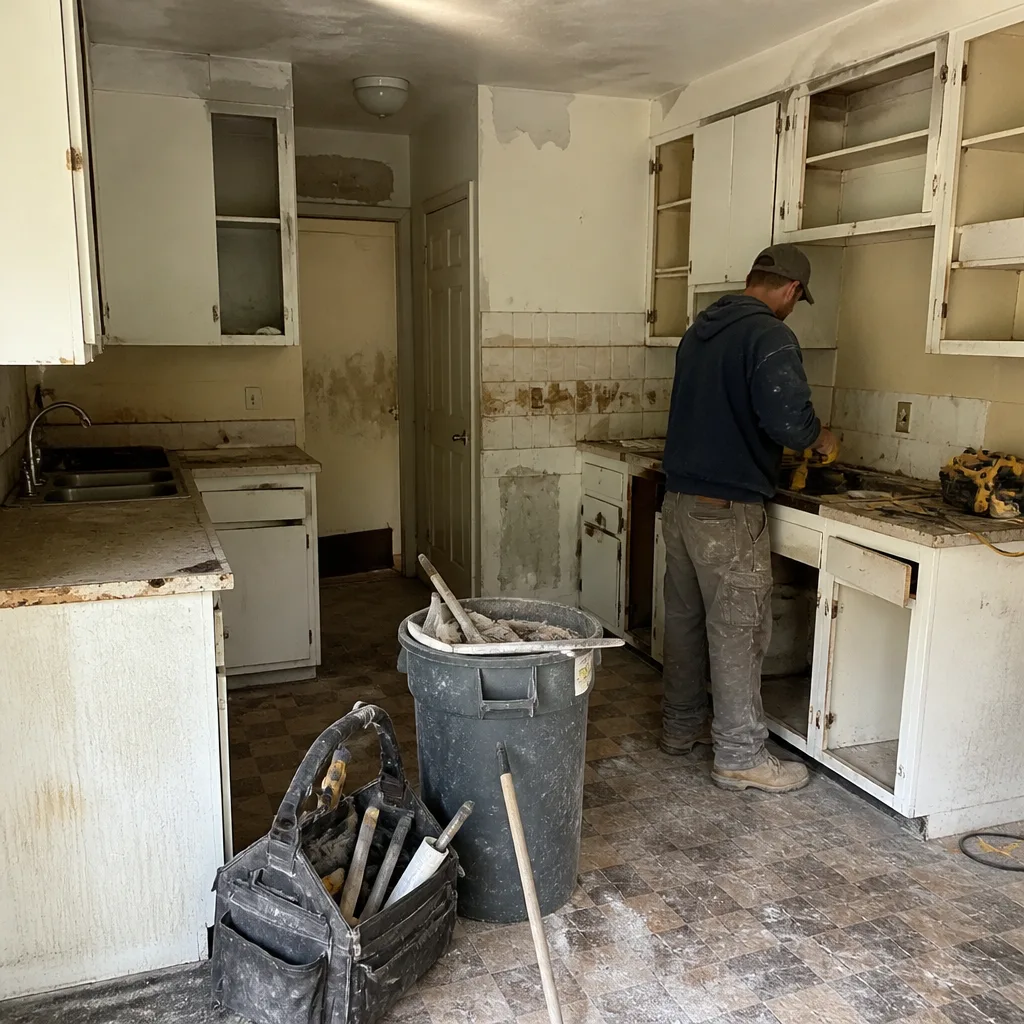 Before
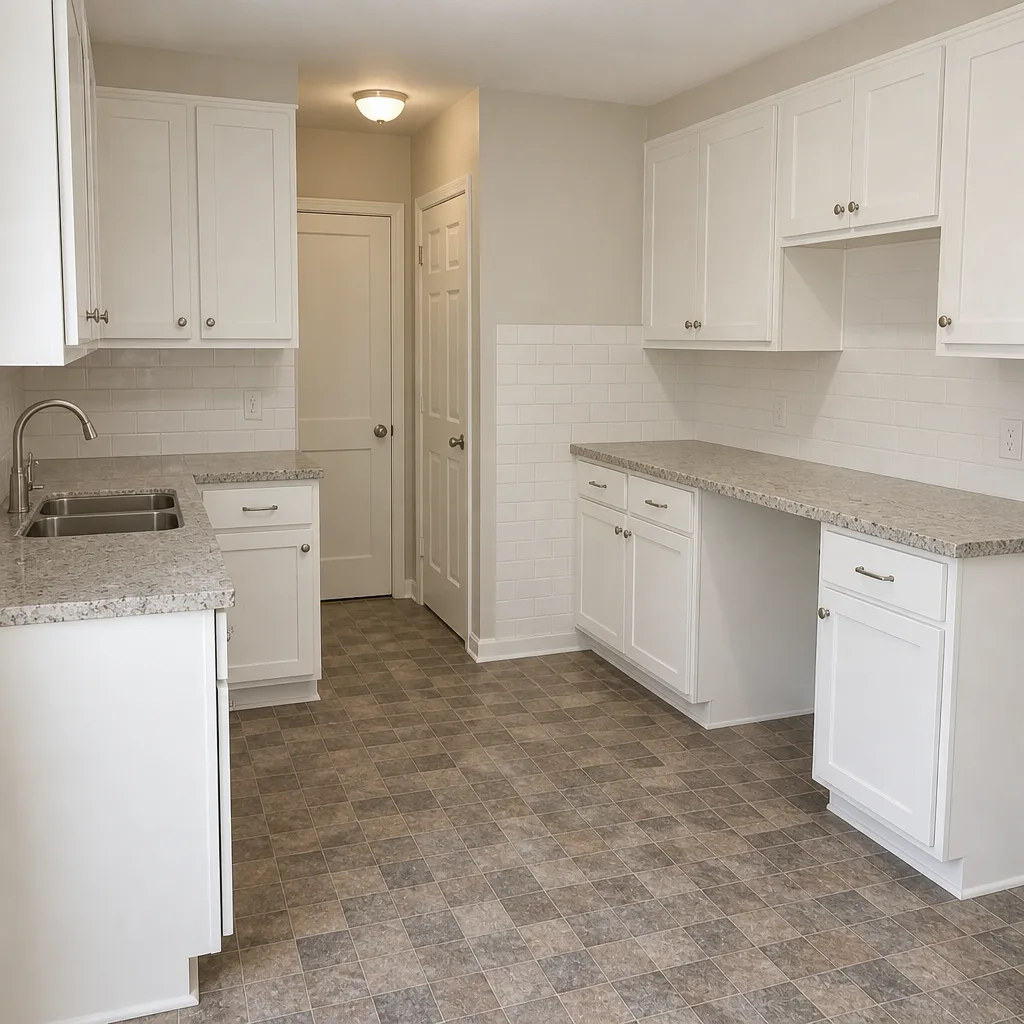 After
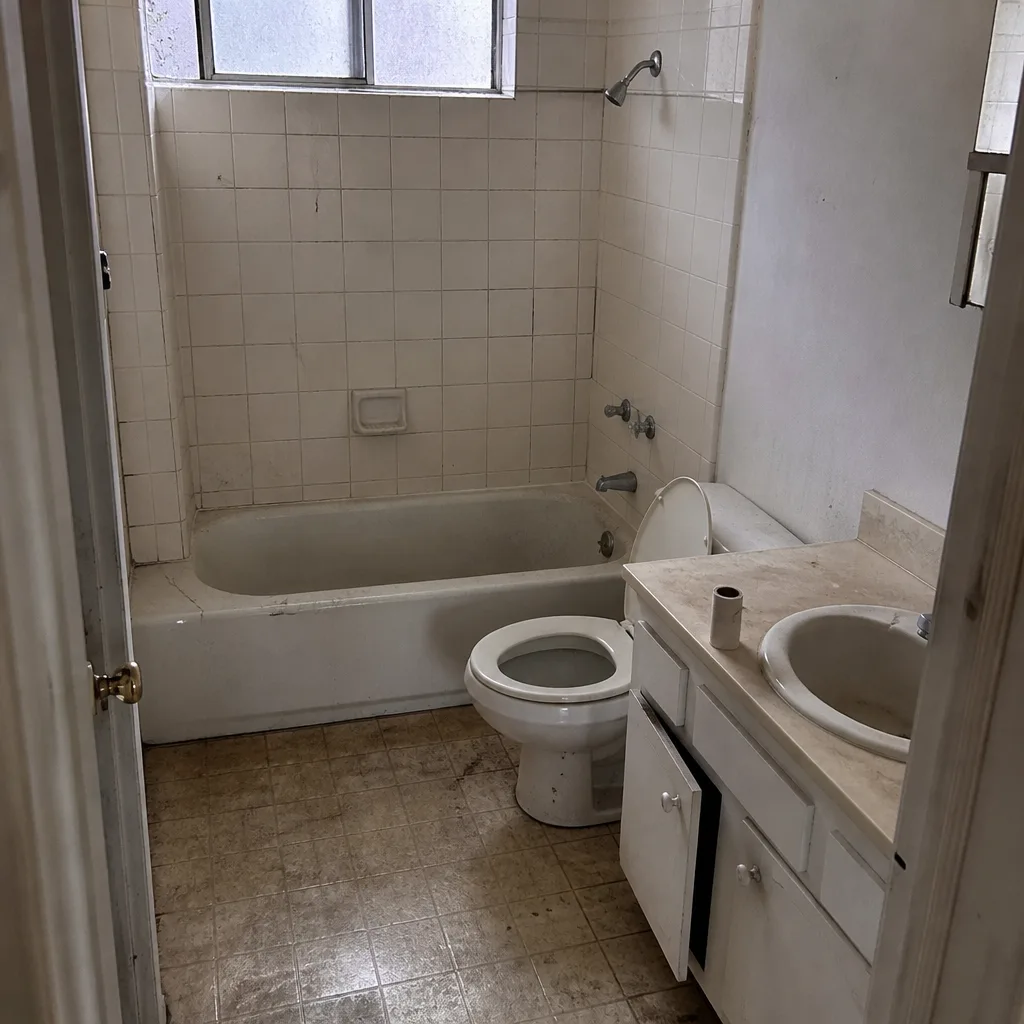 Before
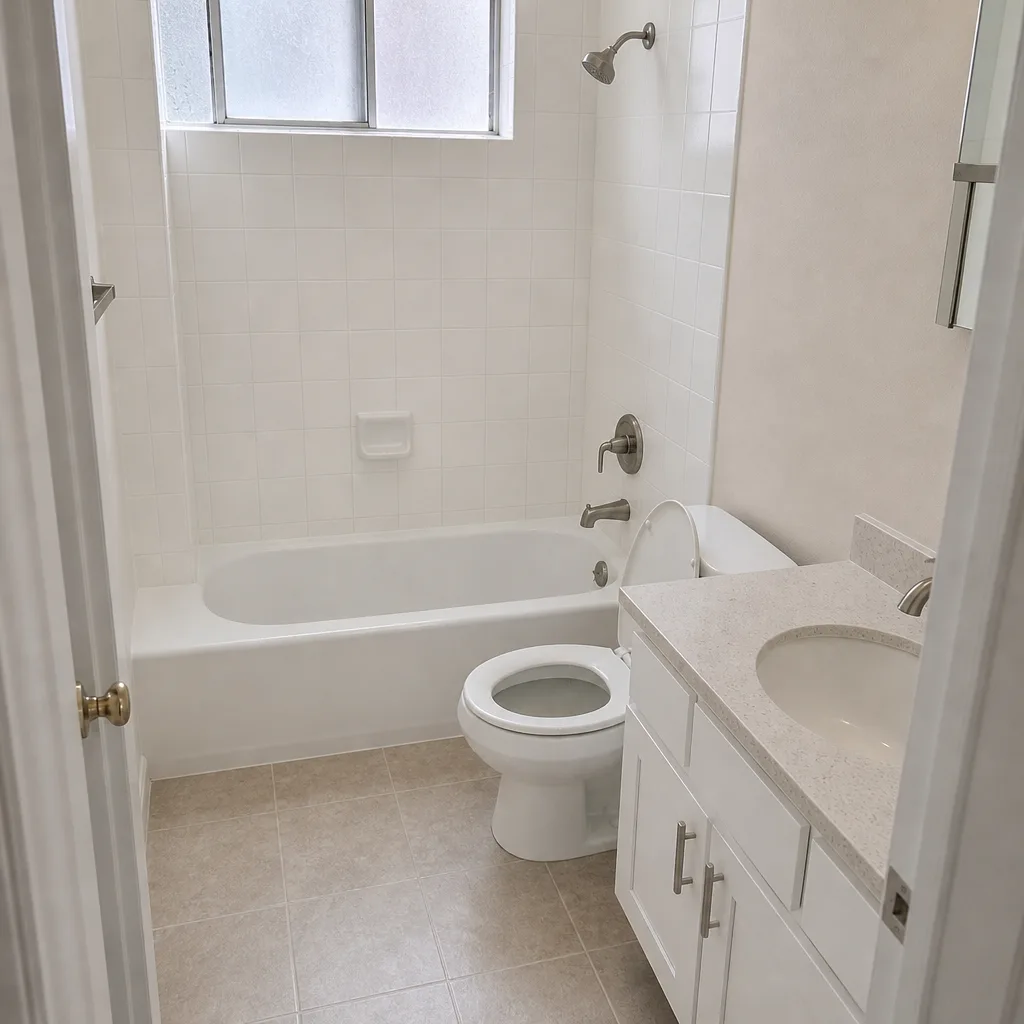 After
What Sandy Valley Homes Specifically Do to This Job
Sandy Valley is an unincorporated, off-grid-leaning community at the foot of the Spring Mountains, and most building happens on large rural parcels with private wells, septic, and often solar or generator power instead of municipal service. That means a single ADU build here often means coordinating well drilling, septic approval, and off-grid power alongside the structure itself. Permitting runs through Clark County from a remote, low-population area, and inspectors make the long drive out from Las Vegas – so scheduling and pre-inspection prep matter more than they do on a subdivision job. The housing stock is scattered single-family and manufactured homes plus custom and owner-builder places on multi-acre lots, many older and self-built, so we’re frequently working alongside ad-hoc wiring and foundations rather than standard tract plans. High-desert Mojave conditions – intense summer heat, strong winds, flash-flood risk in the washes, extreme UV and thermal expansion, and occasional hard winter freezes – shape the roof, foundation, and drainage choices. We cover all of Sandy Valley, and this usually fits inside a wider Home Additions & ADU in Sandy Valley plan if you’re adding to the property overall.
Serving Sandy Valley, NV – Our Local Coverage Area
We serve Sandy Valley and nearby communities. Use the map below to see the area we cover. If you’re nearby, we can almost certainly help.
Frequently Asked – New Detached ADU in Sandy Valley
Plan on five to nine months. Permitting through Clark County and coordinating well and septic are the two biggest variables – a serviced lot moves faster than a raw parcel. Call (844) 797-4406 and we’ll give you a realistic timeline for your specific lot.
Yes. Clark County requires permits for a detached dwelling unit, and that includes the utility work. We pull the permits and handle the inspections. Call (844) 797-4406 to talk through your parcel.
Yes – a detached unit stands on its own, so it doesn’t touch the main house’s plumbing or structure. It may need its own well tie-in, septic, and power feed, which we scope separately. Call (844) 797-4406 for a walkthrough.
Most projects run $45,000 – $130,000 depending on size and whether the parcel is already serviced with well, septic, and power. Call (844) 797-4406 for a written, line-item estimate – it’s free.
Every project is covered by our 730-Day Done Right Promise – if it’s not done right, we make it right. That’s one of the longest workmanship guarantees in the residential construction space. Call (844) 797-4406 with questions about coverage.
Get a Free Estimate for Your Detached ADU in Sandy Valley
Start with a free on-site estimate for your new detached ADU in Sandy Valley. Call (844) 797-4406 and a live person answers, day or night – we’ll look at your parcel, talk through well, septic, and power, and follow up with a written line-item quote and a design consult at no charge. Our Home Additions & ADU service covers the full scope from foundation to finish line. Homeowners often pair the ADU with Concrete Driveways & Concrete Work in Sandy Valley or Paver Driveways in Sandy Valley for the new access road.
Written by the team at Groundwork Construction Co.