

Free written scope consultation - allowances, timeline, and change-order rules on paper before a single trade is scheduled
Styles & brands we work with
- Kitchen remodeling
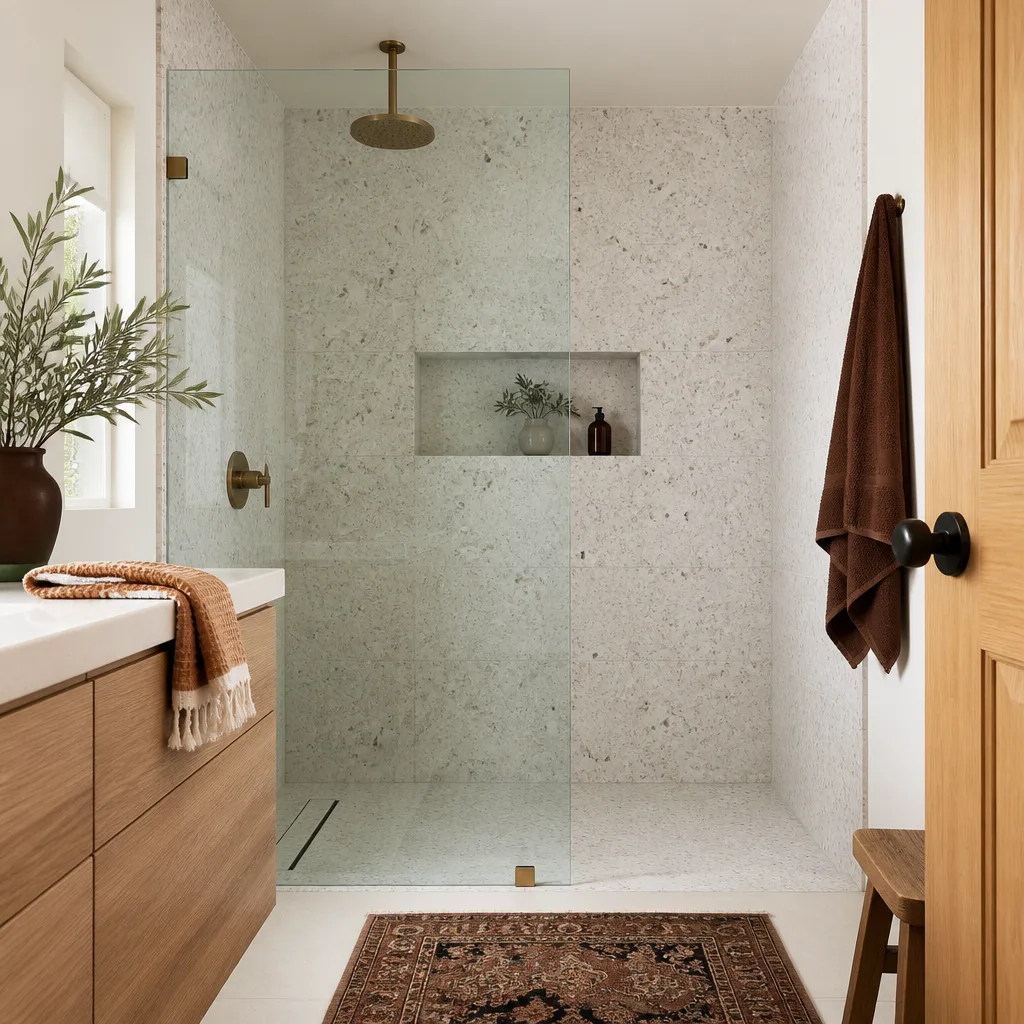
- Bathroom remodeling
- Home additions & ADU
- Roofing
- Windows & doors
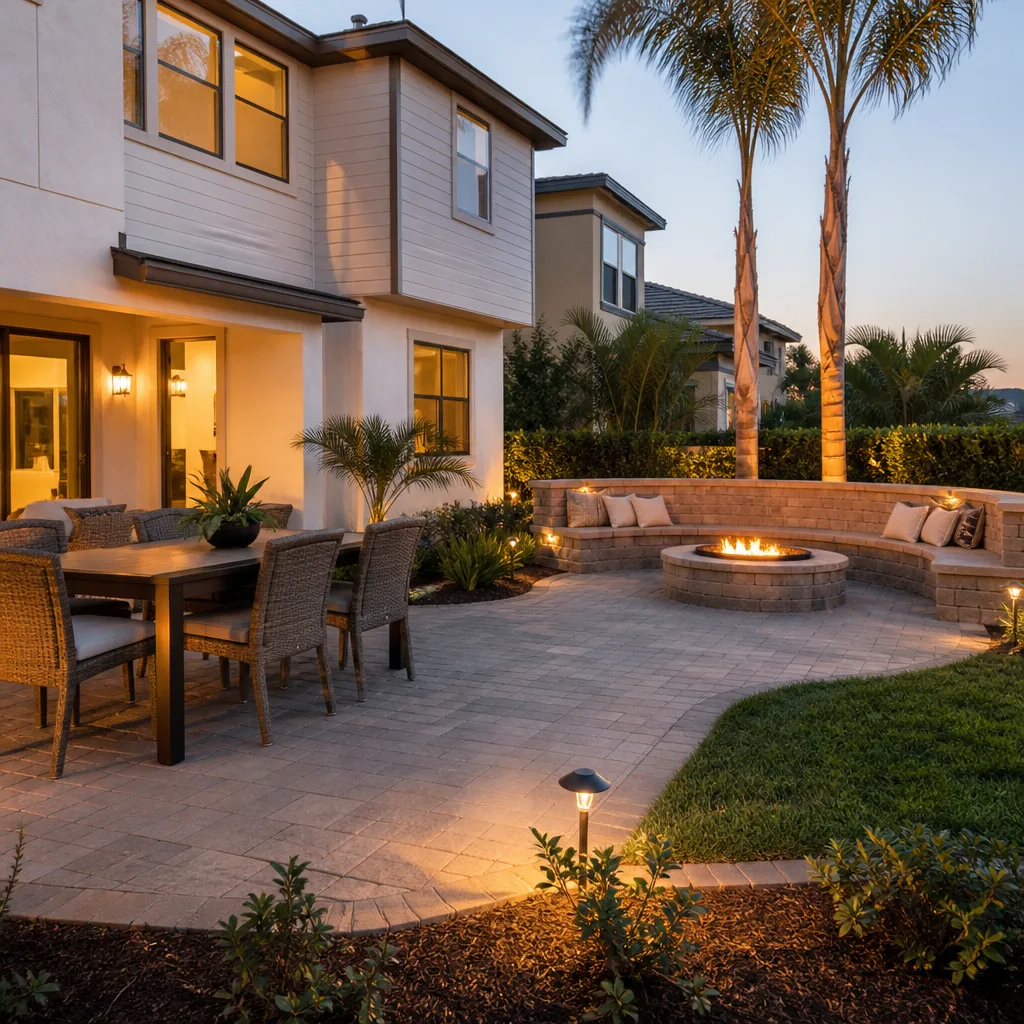
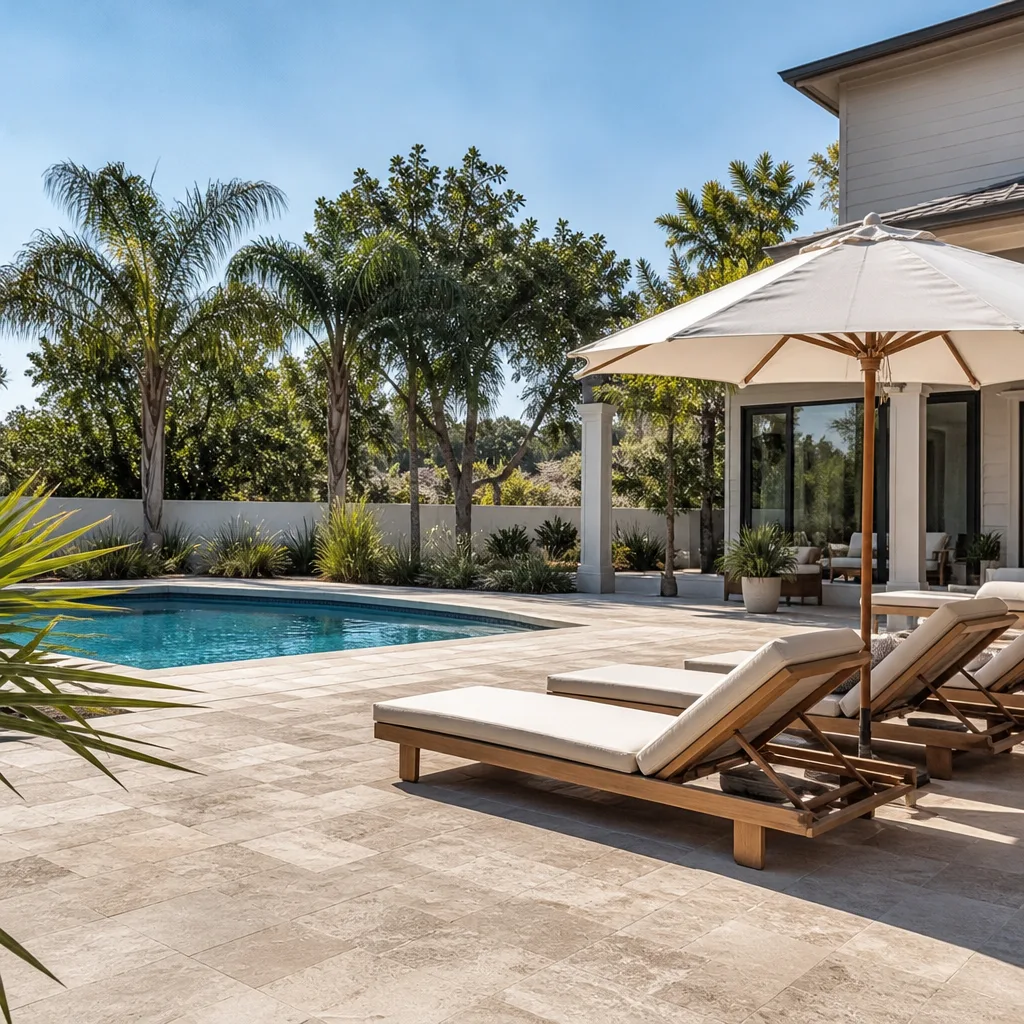
- Driveway & pavers
- Fence
See the difference
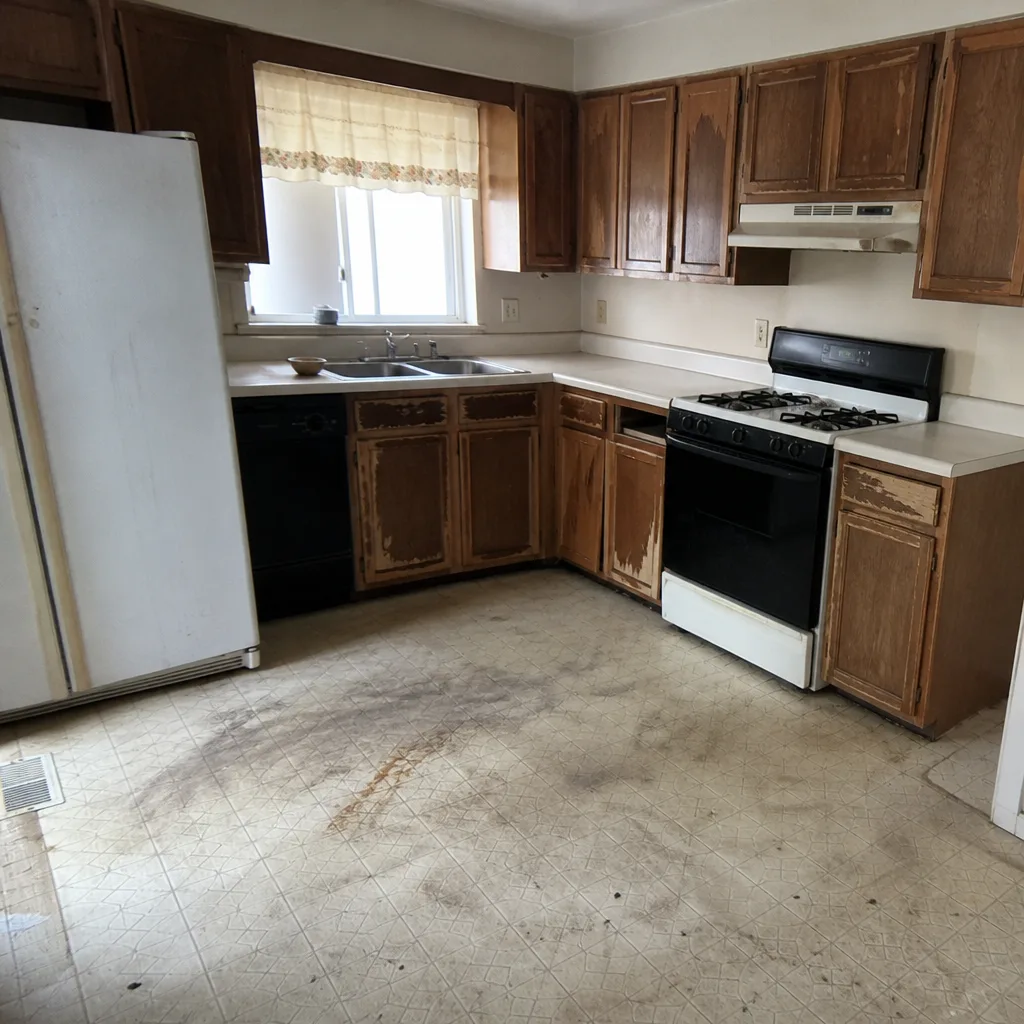 Before
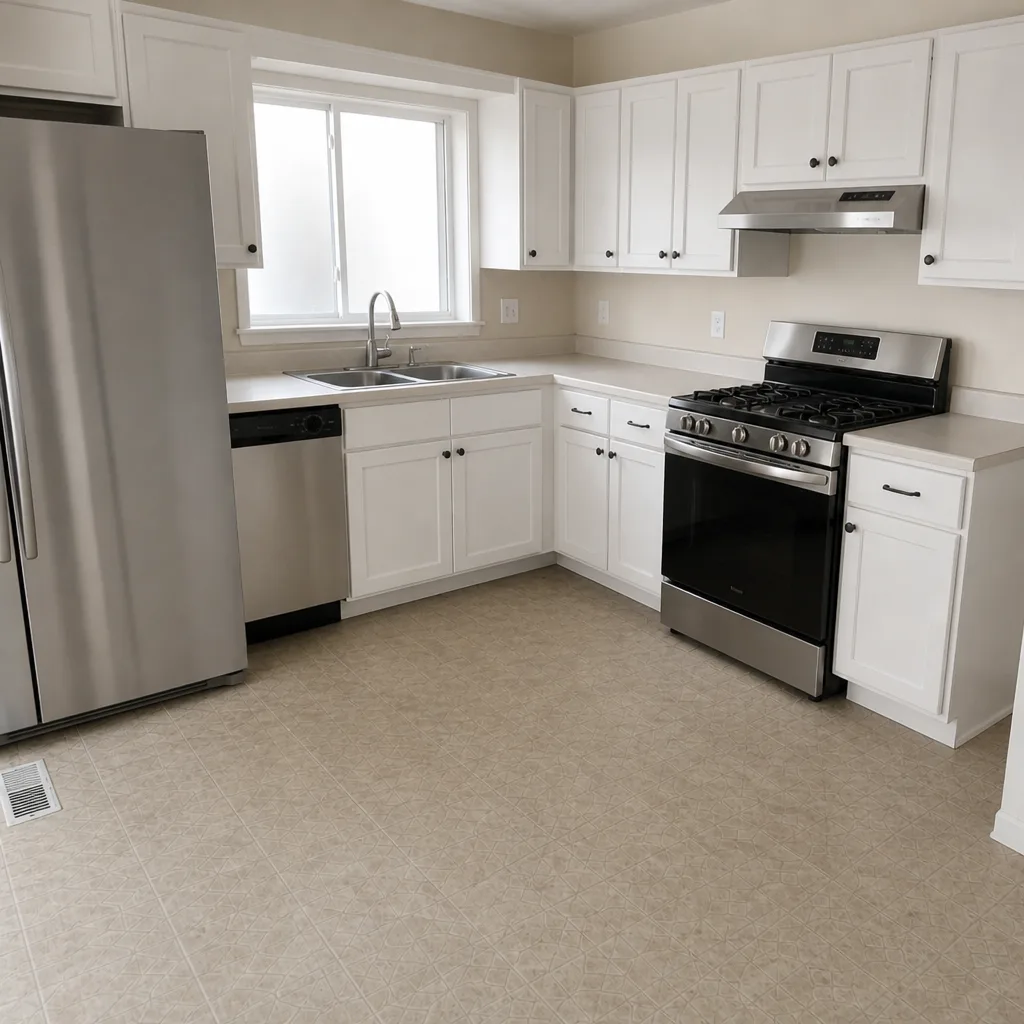 After
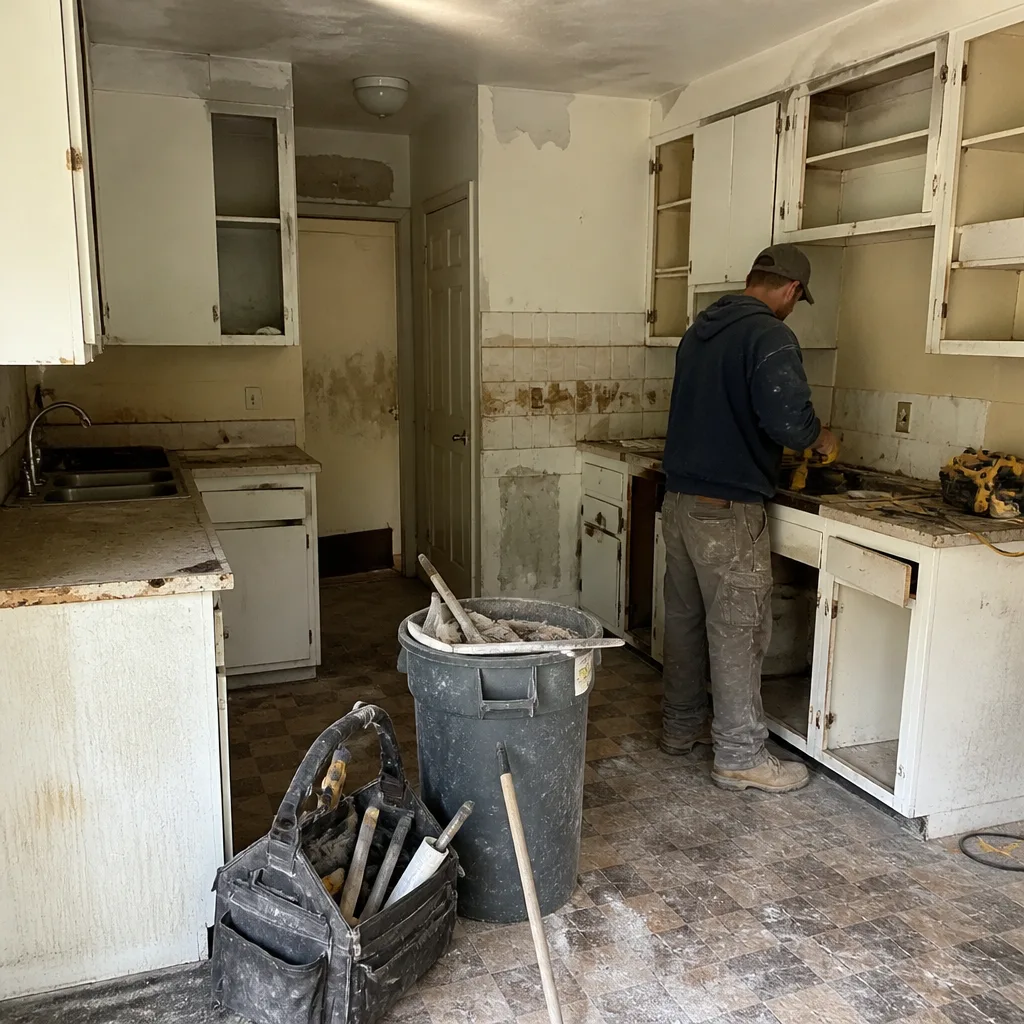 Before
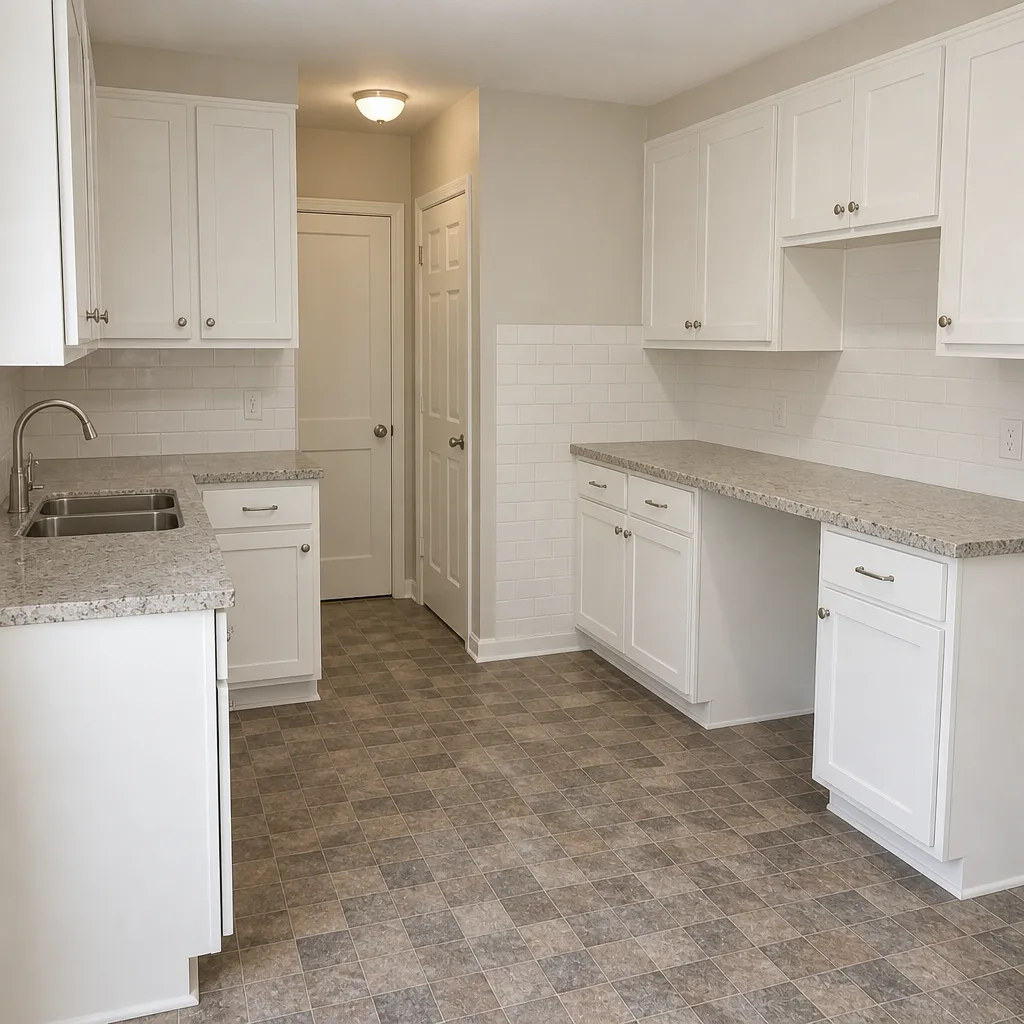 After
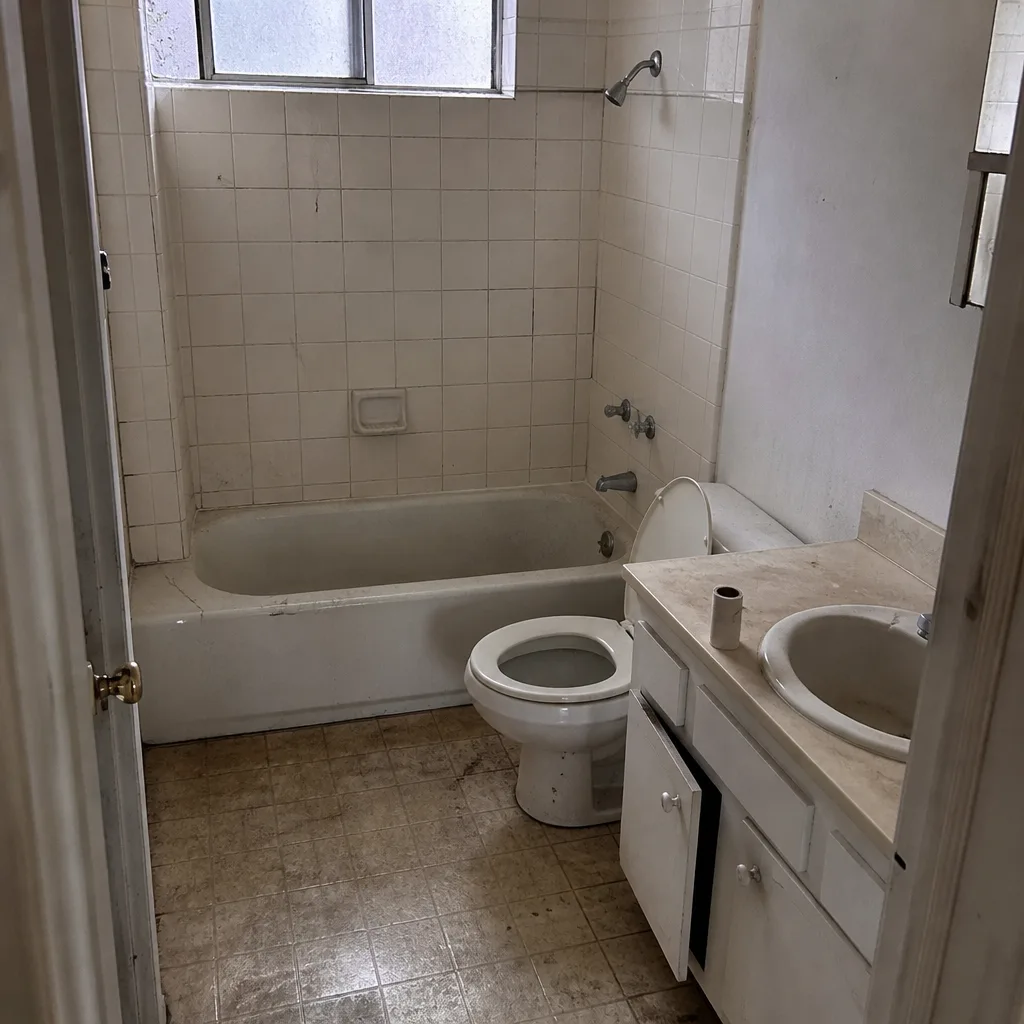 Before
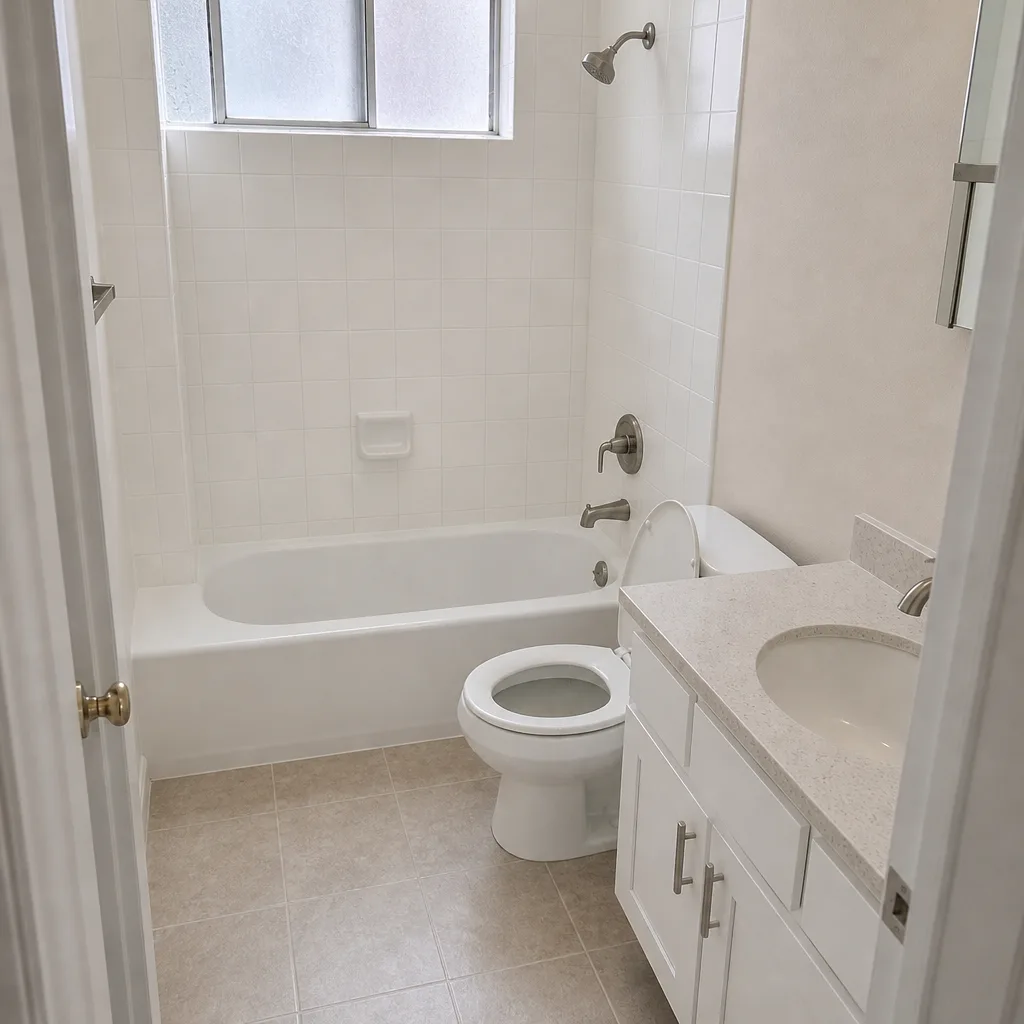 After
Pavers vs Concrete Driveway in Enterprise, NV: Which One Survives This Ground?
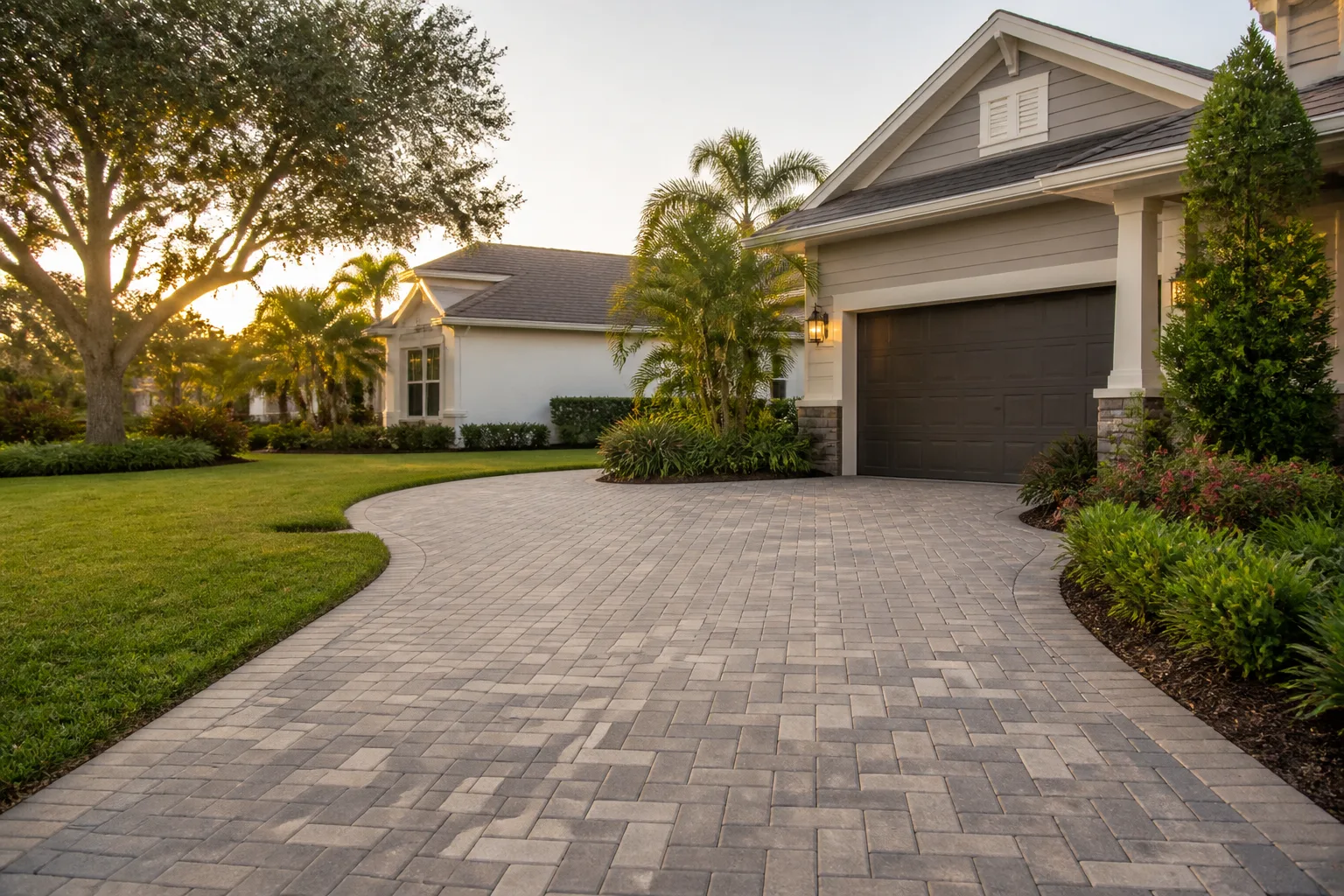
Choose interlocking pavers over a poured concrete slab if your Enterprise driveway sits on engineered fill or a graded foothill lot. Choose concrete only if you’re on stable, flat ground and the lower upfront price is the deciding factor. That’s the short answer, and it holds up against how the ground actually behaves here. Concrete driveways crack, and not because crews do bad work. A single monolithic slab on a lot that settles even a quarter-inch has nowhere to flex, so the crack finds the weakest point and opens. Pavers move with the ground, unit by unit. In Enterprise’s foothill neighborhoods, that difference decides which driveway is still solid a decade out.
Groundwork Construction Co. of Enterprise installs both materials and prices them upfront: paver driveways run $7,000-$18,000 and concrete runs $4,500-$12,000. Call (844) 797-4406 for a free on-site assessment, and a live person answers whether it’s a weekday morning or a Sunday night.
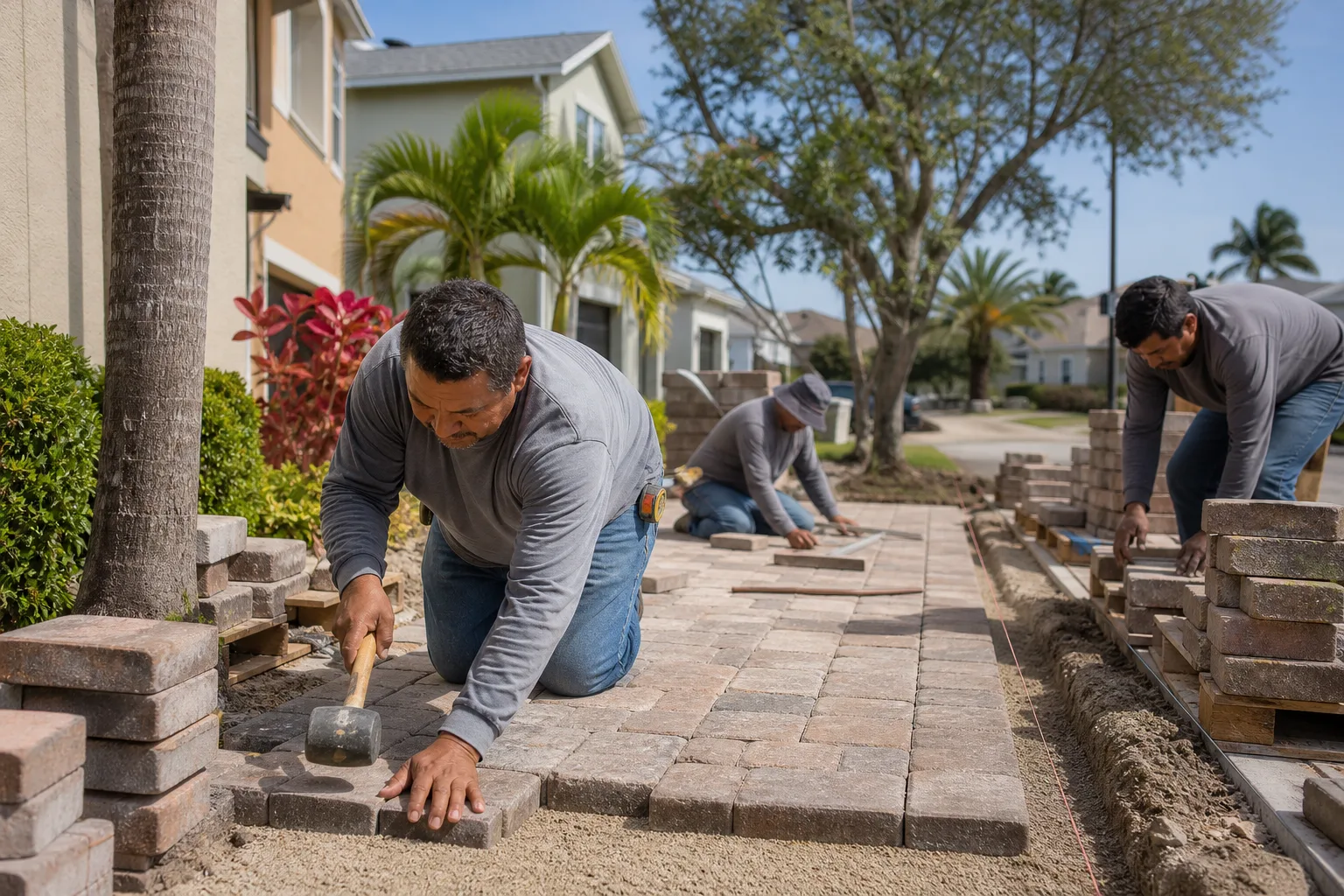
Why Enterprise Lots Stress a Driveway Differently Than the Rest of the Valley
Enterprise is Las Vegas’s southwest growth corridor, and the construction here looks nothing like the flat infill in older parts of the valley. Most of what we pour and lay sits in master-planned subdivisions like Southern Highlands and Mountain’s Edge, pushing toward the Sloan and Blue Diamond foothills at the mountains’ edge. Builders grade those lots into pads, import engineered fill, and hold the soil back with retaining walls. A driveway on that surface is riding on ground that was moved and compacted, not ground that settled over thousands of years.
Layer on the Mojave climate and the problem sharpens. Summer highs run past 105°F, so the slab or the pavers expand hard through the day and contract overnight. Then the monsoon arrives and dumps rain fast, and on a sloped lot that water wants to run. Where it runs along the edge of a concrete apron, it undermines the base and the slab loses support from below. Soil moves, the concrete can’t follow, and you get a crack or a heaved section. Pavers flex at the joints, let some of that water infiltrate through the surface, and stay where you set them.
That’s the whole argument in one line: on sloped, engineered-fill lots, pavers outperform concrete over a 10-year horizon because individual units absorb micro-settlement that a monolithic slab cannot.
What to Look For Before You Commit to Either Material
Before you pick a side, walk your own driveway and check four things. They tell you more than any brochure.
- Slope and drainage path. Where does water go when it leaves the roof and the street? If it crosses your driveway on the way downhill, drainage design matters more than the surface material.
- Existing cracks or settling. A crack that’s widened over a season is a base problem, not a surface problem. Paving over a failing base just hides it.
- HOA rules. Many Southern Highlands and Mountain’s Edge HOAs have approved paver profiles that match the community’s look. Get the approval list before you shop.
- Tree roots and utility trenches. A trench dug across your drive leaves a seam. Pavers handle that seam gracefully; concrete tends to crack right along it.
One operator detail worth knowing: on foothill lots we routinely find the compacted fill near the garage apron is looser than the rest of the pad, because that’s where equipment turned and traffic concentrated during the build. That’s usually where a concrete driveway fails first, and it’s why we probe the base before quoting either material. Upfront pricing, no surprises means we know what’s under your driveway before we name a number, not after.
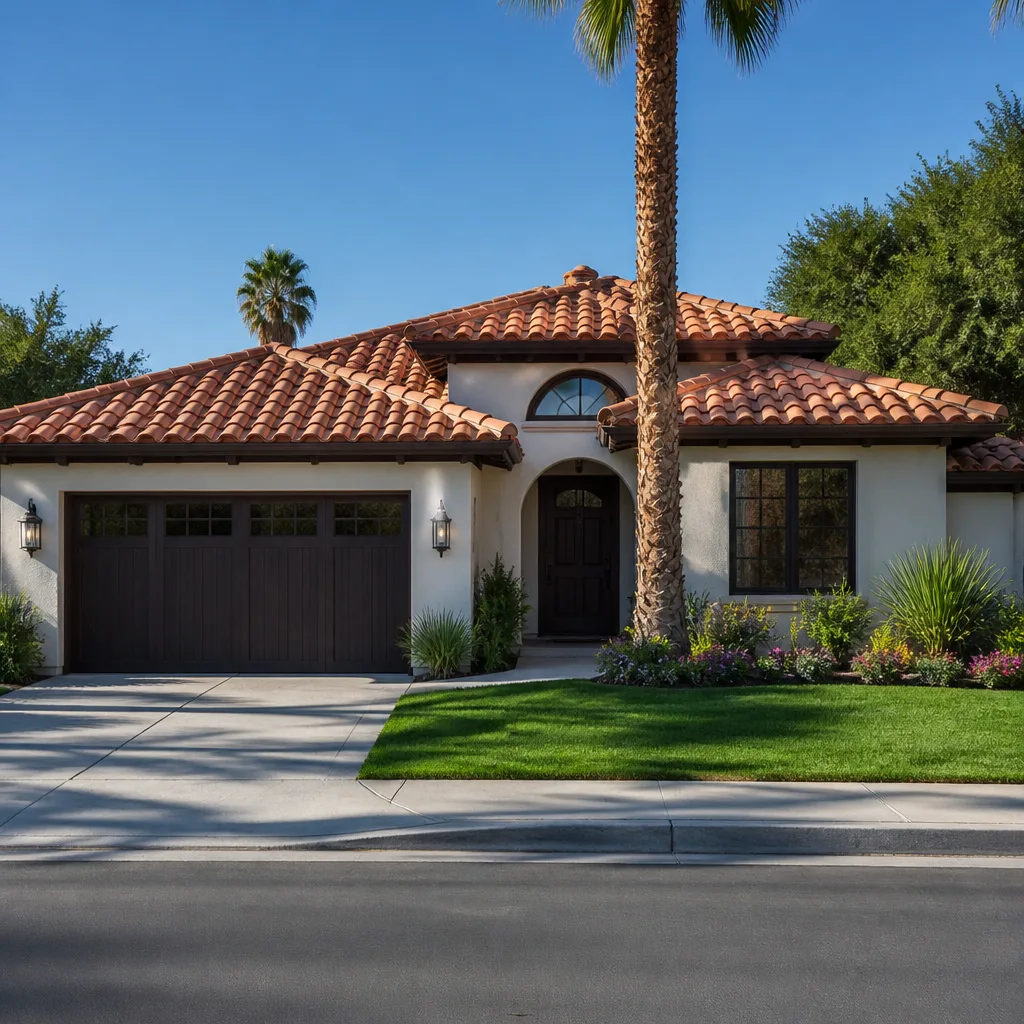
Pavers vs Concrete: A Straight Side-by-Side
| Factor | Interlocking Pavers | Poured Concrete |
|---|---|---|
| Installed cost in Enterprise | $7,000-$18,000 ($12-$20/sq ft) | $4,500-$12,000 ($6-$10/sq ft) |
| Movement on engineered fill | Flexes at joints, accommodates micro-settlement | Rigid slab, cracks when the base moves |
| Monsoon runoff | Permeable systems let water infiltrate, easing edge undermining | Water runs to edges, can undermine the apron |
| Repair after damage | Lift and reset individual units | Cut out and replace a whole section |
| Heat retention | Retains more radiant heat than light concrete | Lighter finishes stay cooler underfoot |
| HOA friendliness | Belgard and EP Henry profiles approved in many communities | Often restricted or requires approval |
The honest caveat on heat: pavers do hold more radiant heat than a light-colored concrete finish, and on a west-facing drive that’s real. The tradeoff is that permeable paver systems let monsoon water soak in rather than sheet off, which cuts the flash runoff that eats away at concrete edges. If shade and heat are your top concern, tell us and we’ll steer the color and finish. If long-term durability on a settling lot is the concern, the table already made the case.
The Lifecycle Math Most Contractors Skip
Concrete wins on day one. Pavers win on year seven, usually. Here’s how that plays out on a settled Enterprise lot.
A concrete driveway that cracks across a main section often needs that section cut out and repoured, and if the base under it moved, the fix is bigger than the crack. Stack a major repair against the original install and the gap between the two materials narrows fast, sometimes closing inside seven years. Pavers, by contrast, get lifted and reset one unit at a time. A shifted paver is an afternoon, not a demolition.
Then there’s the guarantee. Both materials fall under the 730-Day Done Right Promise, one of the longest residential workmanship guarantees you’ll find. If pavers shift or concrete cracks within two years of our install, we make it right. Most competitors won’t put that in writing for either material. That’s a commitment, not a sales line, and it’s why we can recommend the material that fits your lot rather than the one that pads the invoice.
How Much Does a Paver or Concrete Driveway Cost in Enterprise?
A paver driveway in Enterprise runs $7,000-$18,000 installed, while a concrete driveway runs $4,500-$12,000. Full replacement of an existing drive lands at $5,000-$14,000, and sealing either surface afterward runs $250-$700. The range within each depends on square footage, base prep, slope, and how much old material has to come out.
Two things move the number more than material choice. First, base prep: a sloped foothill lot with engineered fill needs more excavation and compaction than a flat pad, and that’s labor you can’t skip. Second, access. A tight side yard or a retaining wall at the property line changes how equipment gets in and out. We quote all of it upfront, which is why the number you see is the number you pay. Financing through 0% for 18 months and $1,000 off projects over $10,000 make the paver option easier to reach than the sticker suggests. For the full scope of what we install, see our Driveway & Pavers page.
Why the HOA Detail Matters More in Enterprise Than Anywhere
In Southern Highlands and Mountain’s Edge, your driveway is part of a community aesthetic the HOA enforces, and paver profiles are frequently on the approved list while plain concrete isn’t. That flips the usual conversation. Instead of asking whether pavers are worth it, the question becomes which approved paver matches your home and your neighbors. Our material line includes Belgard and EP Henry profiles built for exactly this, and we help you assemble the documentation your HOA wants before a single unit goes down. Concrete suppliers like Quikrete and Sakrete make a fine base mix, but the surface decision in a covenant-controlled community is often made for you, and pavers are usually the answer that clears review.
This is the same full-scope thinking we bring from foundation to finish line on every project. If your driveway project grows into a wider exterior plan, we handle it under one roof.
FAQs
Repair is cheaper short-term, but on a settled lot replacement usually wins within a few years. A single section repour runs a fraction of a full replacement, but if the base under the slab moved, the new section cracks along the same line. If cracks keep returning, pavers over a properly compacted base stop the cycle.
Yes, on the specific axis of ground movement, which is the bigger threat on foothill lots. Pavers expand and contract at their joints and tolerate the quarter-inch settlement that cracks a rigid slab. They do retain more radiant heat than light concrete, so we balance that with color and finish selection.
In most Southern Highlands and Mountain’s Edge cases, yes. Many HOAs there already list approved paver profiles, and Belgard and EP Henry make profiles that match community standards. We help you gather the documentation your board needs before install. Call (844) 797-4406 and we’ll walk through your HOA’s list.
Most paver driveways take a few days once base prep and material are set, and concrete typically cures over about a week before you drive on it. Slope, access, and old-material removal affect the timeline. We give you the schedule upfront so you can plan around it.
If you’d rather have it looked at, Groundwork Construction Co. of Enterprise offers a no-pressure assessment in Enterprise. We’ll check your base, your slope, and your HOA list, then tell you straight which material fits your lot. Call (844) 797-4406 for a free estimate. Our technicians have up to 12 years of experience, and every call is answered by a live person, 24/7.
Written by the team at Groundwork Construction Co. of Enterprise, serving Enterprise, NV.