




Free written scope consultation - allowances, timeline, and change-order rules on paper before a single trade is scheduled
Styles & brands we work with
- Kitchen remodeling
- Bathroom remodeling
- Home additions & ADU
- Roofing
- Windows & doors
- Driveway & pavers
- Fence
See the difference
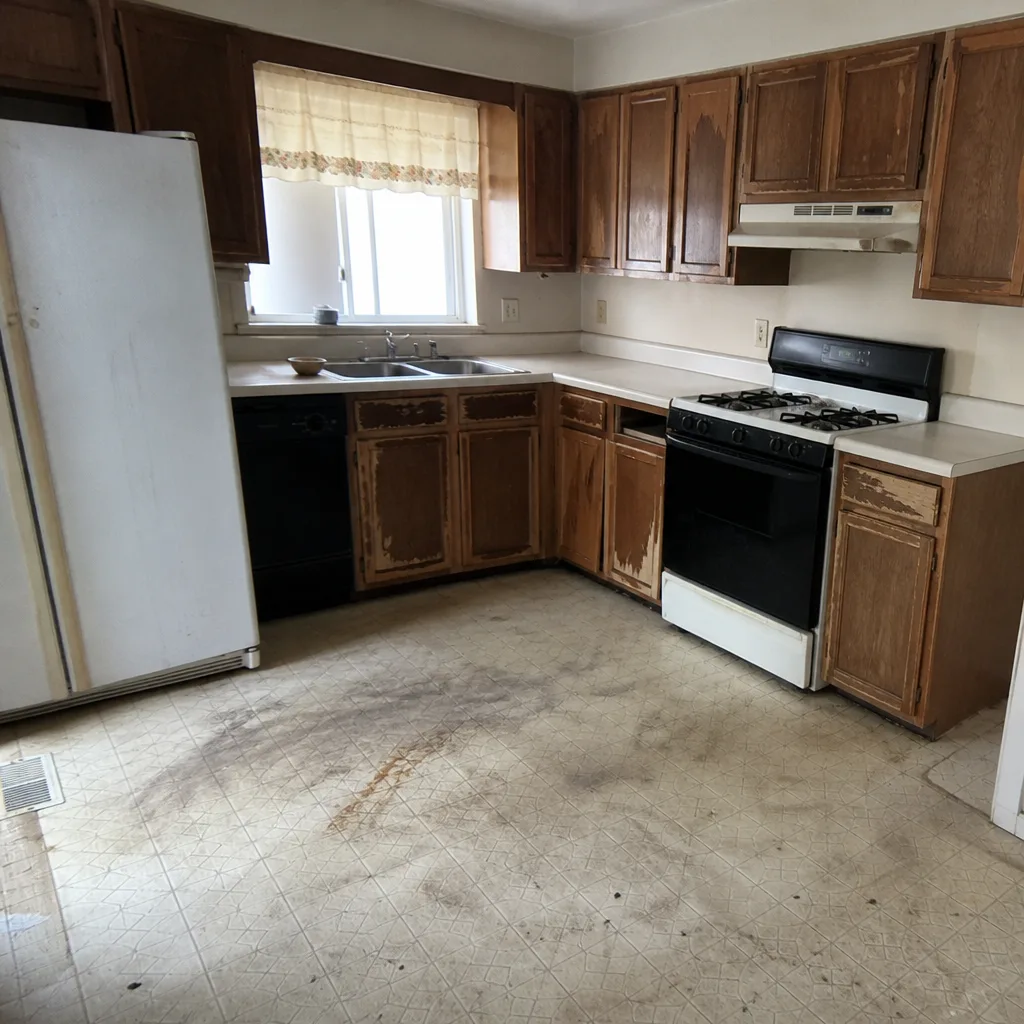 Before
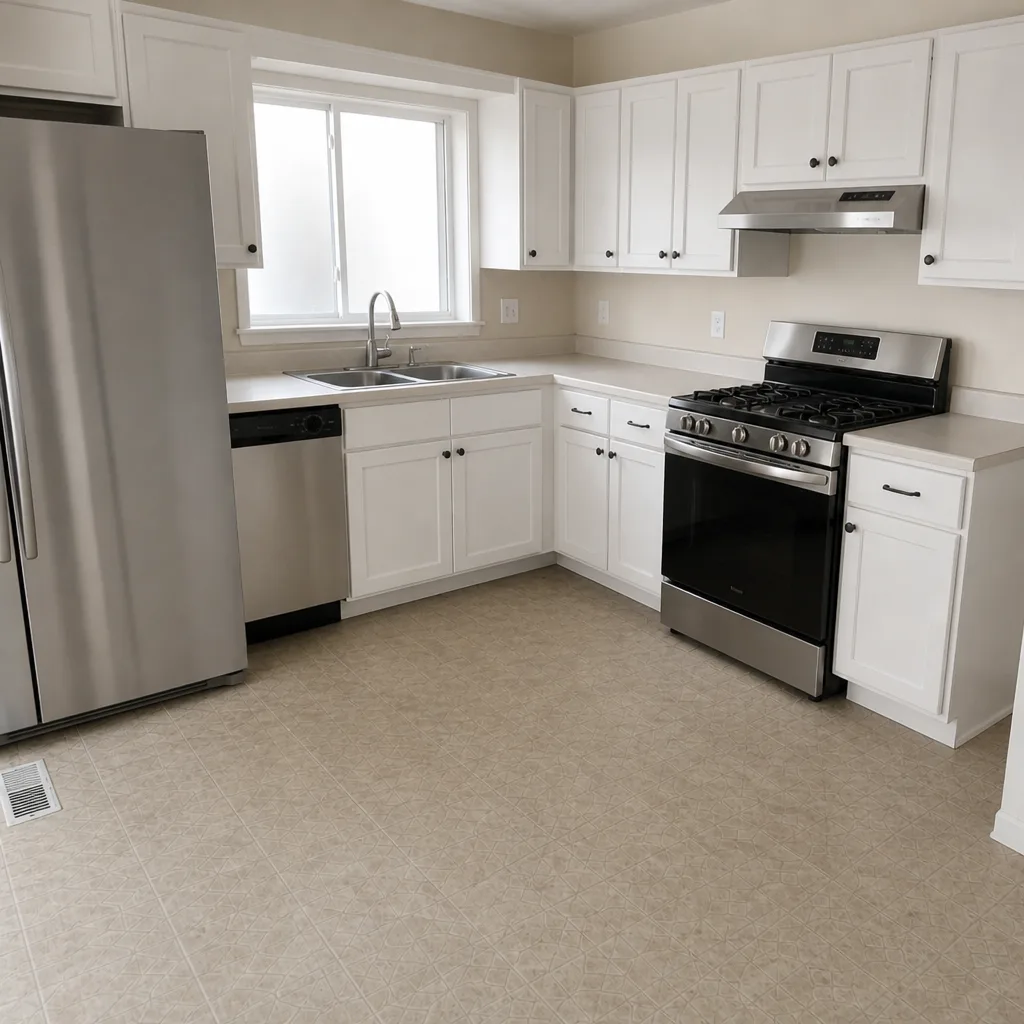 After
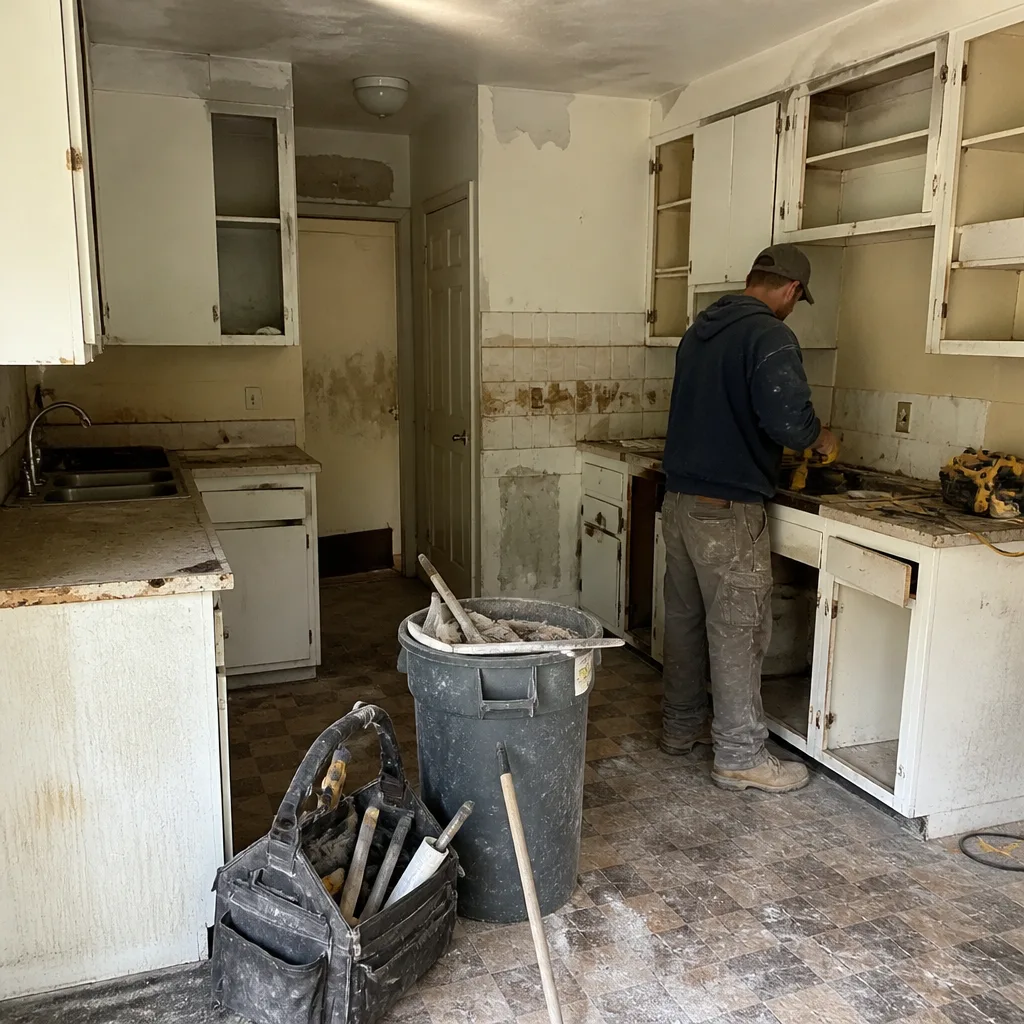 Before
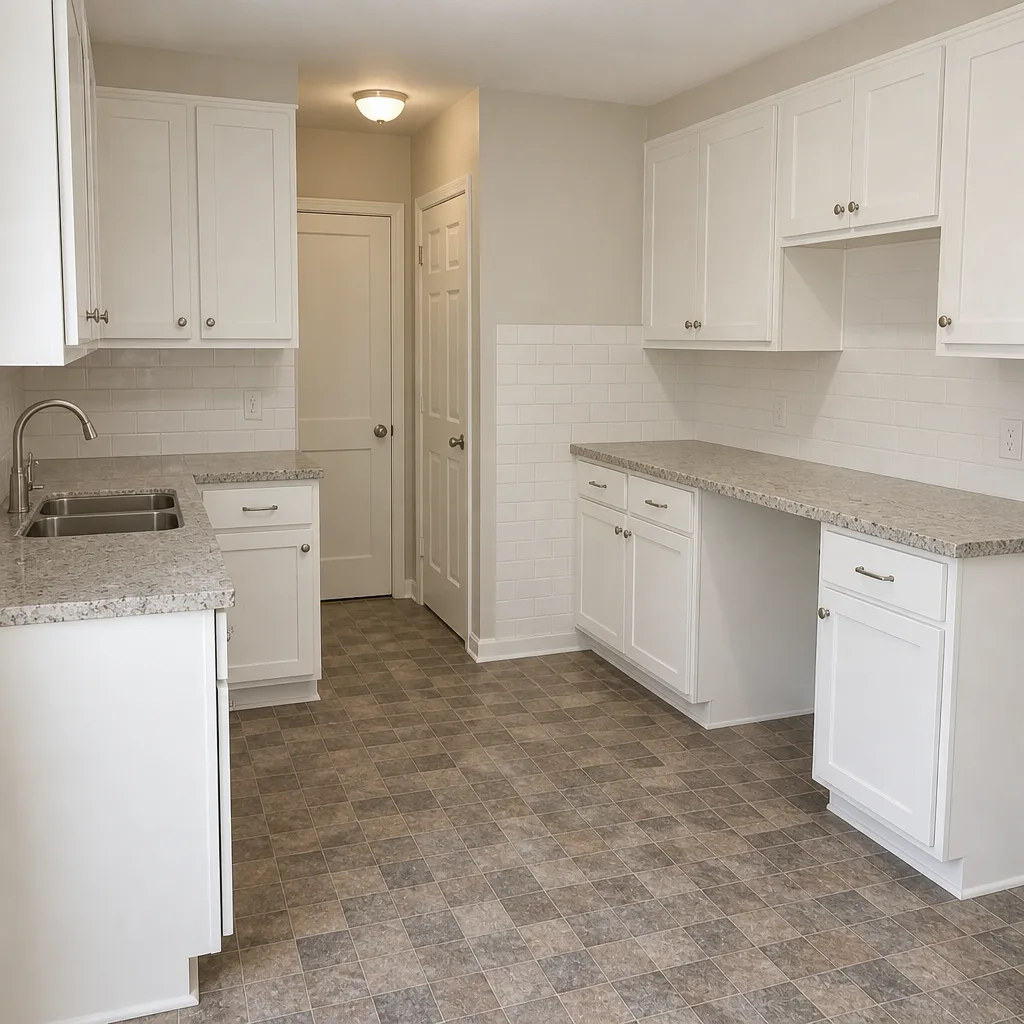 After
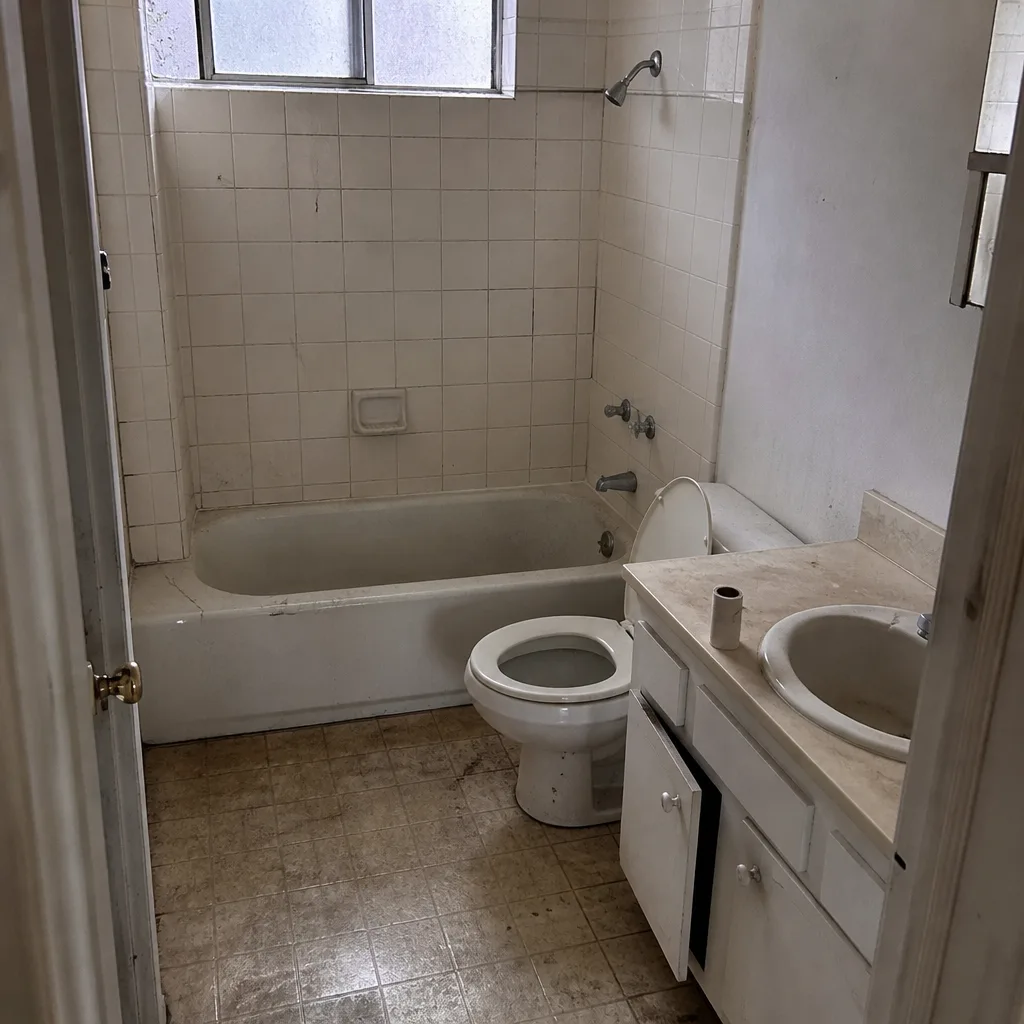 Before
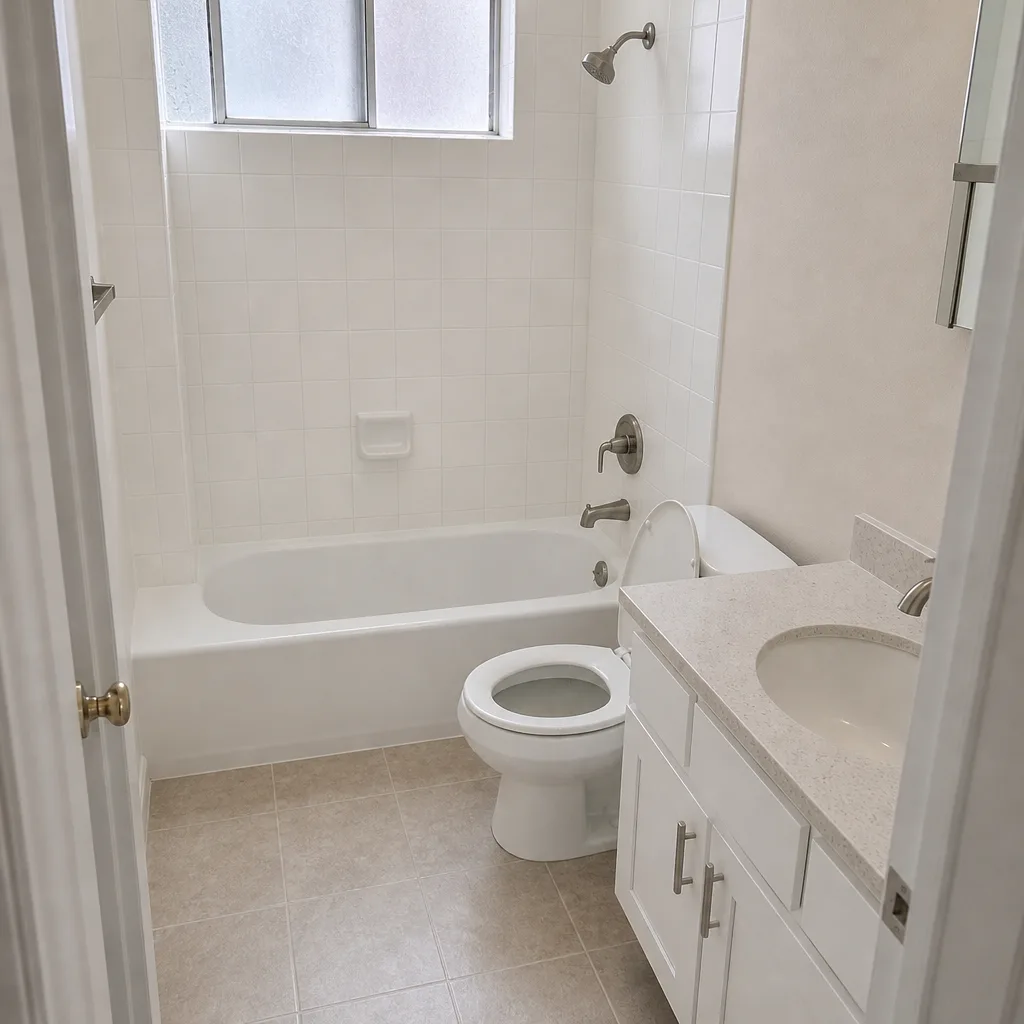 After
What Causes Roof Leaks in Enterprise, NV? The Real Failure List for Stucco-and-Tile Homes
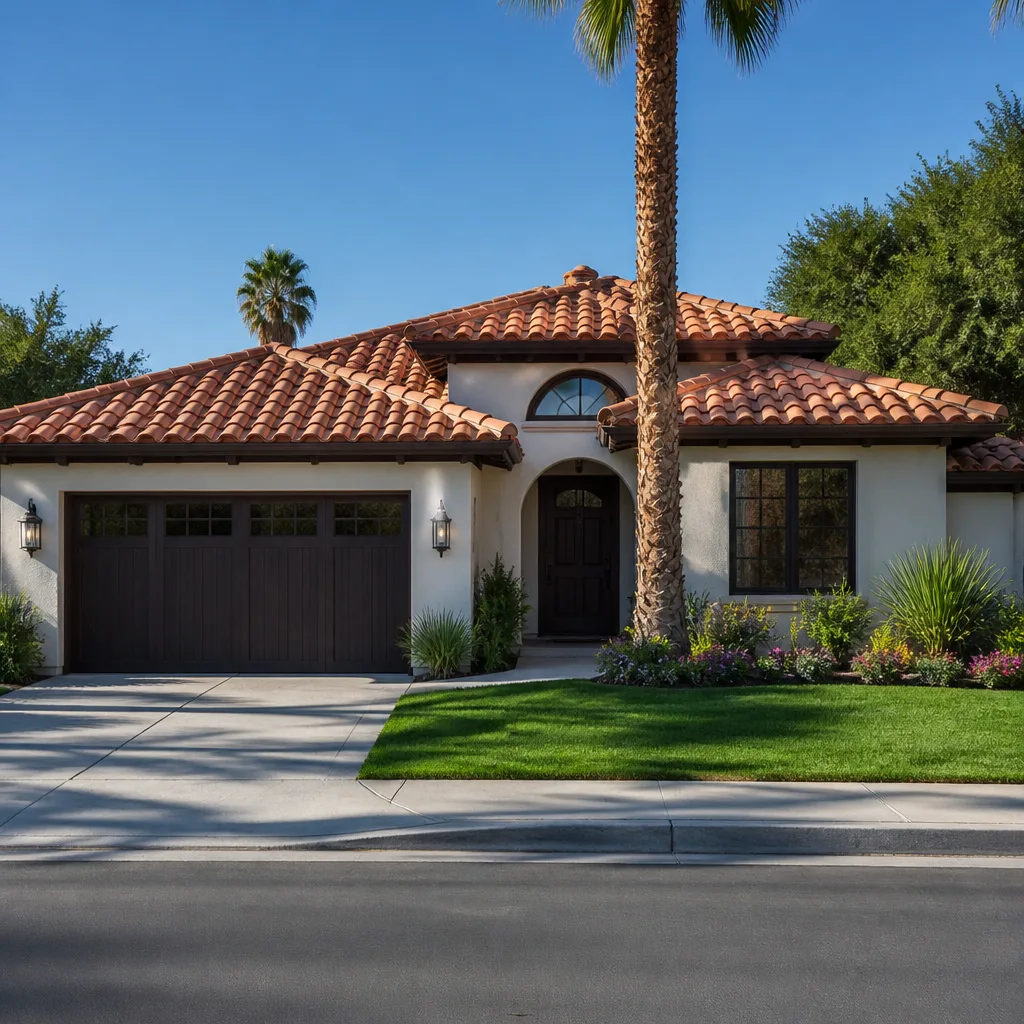
Roof leaks in Enterprise, NV usually aren’t caused by missing shingles or clogged gutters. The short answer: most leaks on local stucco-and-tile homes trace to failed sealant at pipe boots, skylights and HVAC penetrations baked by sustained 105°F-plus heat, then monsoon debris damming valley channels, then underlayment on 1990s tile roofs reaching the end of its design life. The national top-10 leak list reads like it was written for a New England cape cod. Our roofs are different, so the failure order is different. Groundwork Construction Co. of Enterprise has spent years diagnosing leaks across Southern Highlands, Mountain’s Edge and the foothill lots toward Sloan, and the pattern holds. If water’s already coming in, call (844) 797-4406 and we’ll get eyes on it.
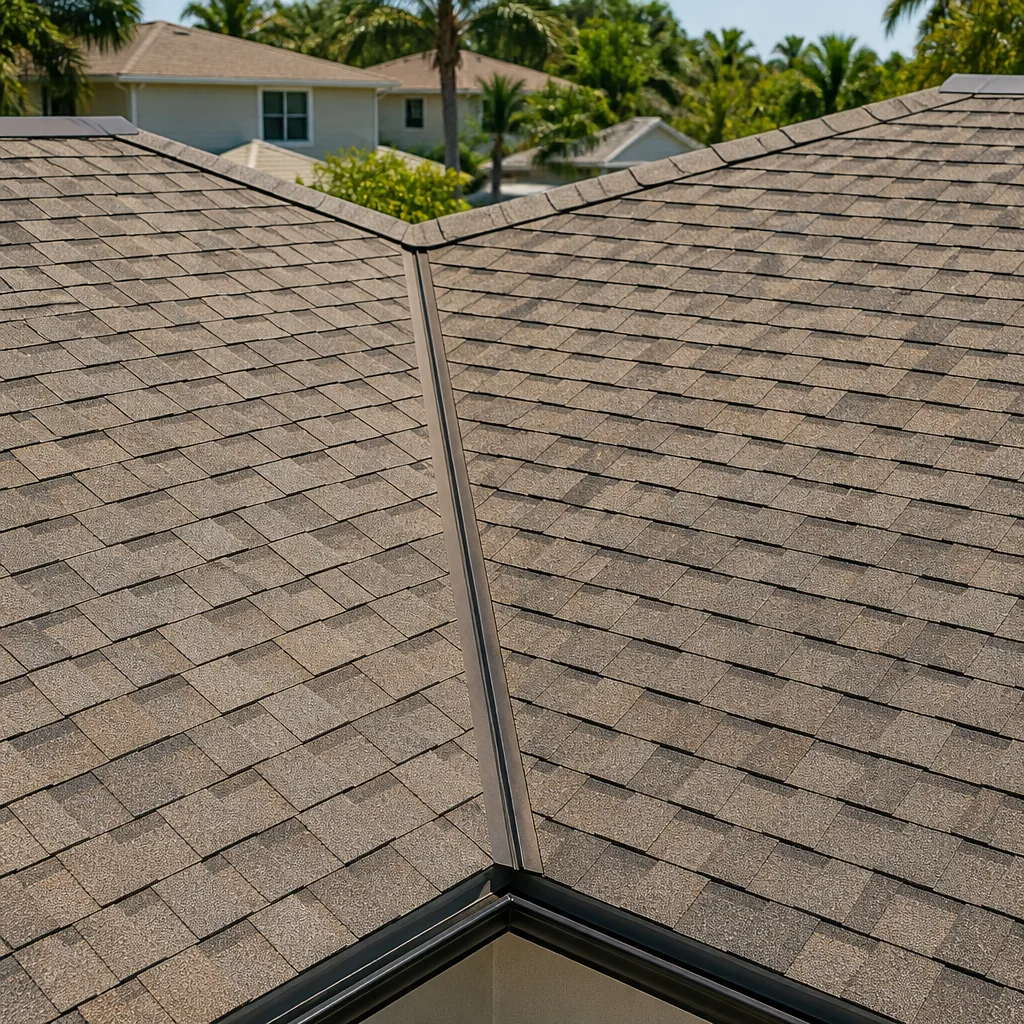
The Actual Failure Hierarchy on Enterprise Roofs
Generic content lists the same causes everywhere: wind-lifted shingles, ice dams, gutter clogs. Ice dams don’t exist here. Gutter clogs happen, but they’re rarely the source. On an Enterprise tile roof, here’s the order we actually find leaks in when we tear into them.
1. High-heat sealant failure (the leading cause)
Standard silicone and butyl sealants around pipe boots, skylight curbs and HVAC penetrations were never formulated for weeks of sustained ambient temperatures above 105°F combined with surface temps that run far hotter. The sealant shrinks, cracks, and pulls away from the penetration. Water gets behind the boot. This failure mode barely shows up on most generic leak-cause lists, but it’s the number one thing we find on Enterprise roofs. It also tends to fail quietly: the penetration looks sealed from the ground, and the first sign is a ceiling stain after a driven-rain event.
2. Monsoon debris loading at valley channels
Enterprise sits at the edge of open desert, and the vegetation here is flat and dry: brush, palm fronds, gravel kicked up by wind. During monsoon season, all of it blows onto the roof and settles into the valley channels. Once a valley dams, water backs up under the tile courses instead of routing to the gutter. That’s a drainage failure specific to desert climate, and it’s why a valley that clears fine in a spring drizzle can pour water into the house during a single hard August storm. Our technicians have up to 12 years of experience and know exactly which valley geometry on these tract homes collects first.
Why Foothill Lots Leak Differently Than Flat-Valley Neighborhoods
Enterprise is Las Vegas’s southwest growth corridor, and a big share of it was built on sloped, engineered-fill lots with graded pads and retaining walls. Even the newest subdivisions back onto open desert. That development pattern produces a leak cause flat central-valley neighborhoods never deal with: differential foundation movement.
When fill settles unevenly, it opens micro-gaps at wall-to-roof junctions and around chimney-to-roof flashings. You can’t see them at the surface. They don’t leak in a straight-down rain. But in a driven-rain event, with wind pushing water sideways against those junctions, they let water in. We’ve pulled apart junctions on foothill homes where the flashing looked intact until we got a probe under it. This is a site-specific cause tied directly to how Enterprise was built.
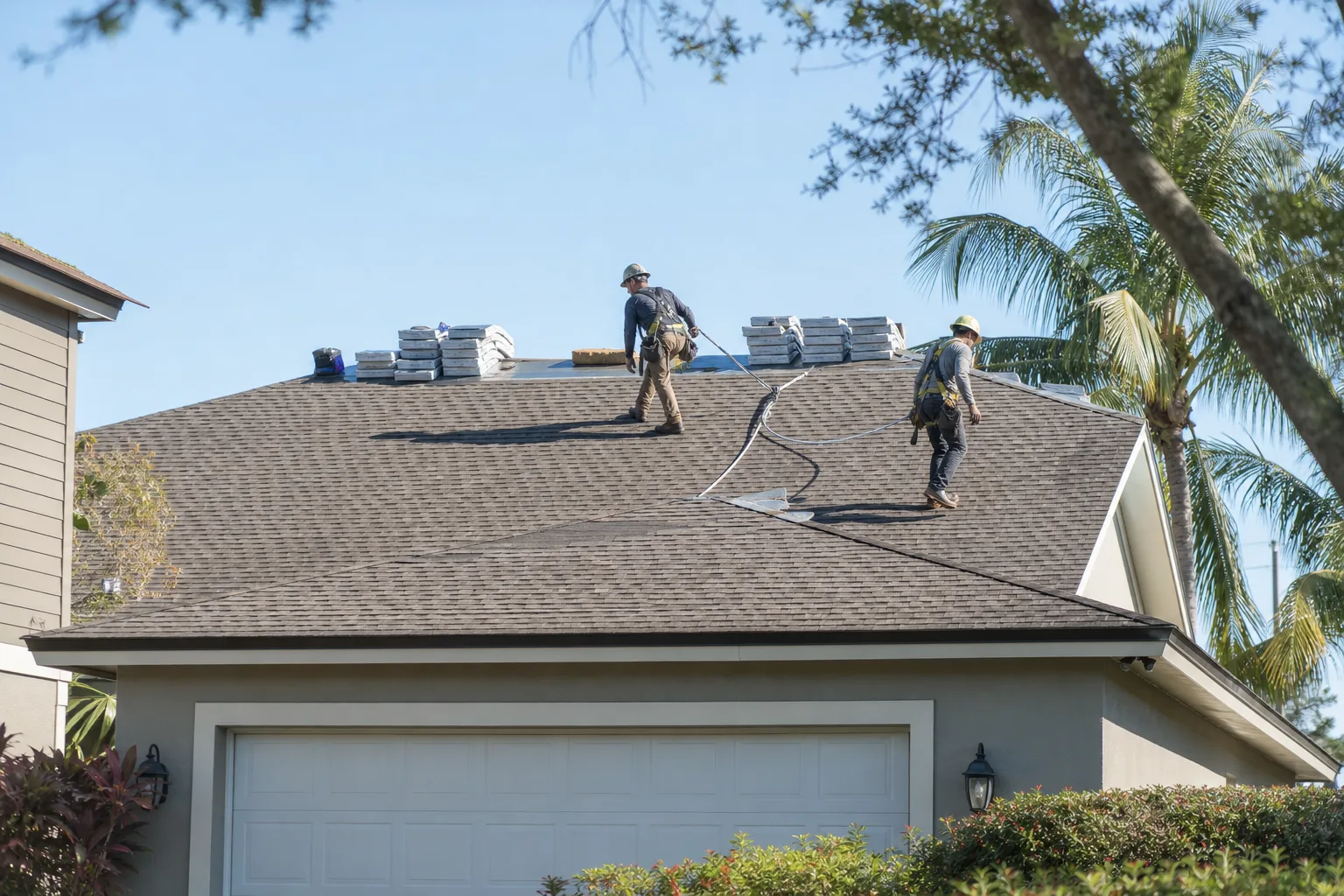
The 1990s Underlayment Problem Hiding Under Good-Looking Tile
A lot of Southern Highlands and Mountain’s Edge tract homes went up in the 1990s and early 2000s with 30-lb felt underlayment under the tile. That felt has a roughly 25-year design life, which means many of these roofs are at or past it right now. The tile looks fine from the street. Here’s what homeowners miss: on a tile roof, the underlayment is the actual waterproofing layer. The tile is just the rain screen and the sun screen.
When the felt degrades, water gets past it and shows up as a leak well away from any obvious damage. We’ve traced ceiling stains three rooms over from the actual failure point for exactly this reason. If your Enterprise home was built between about 1990 and 2005 and has never had the underlayment replaced, that’s worth a look regardless of how the tile appears.
- Sealant age: penetrations sealed more than 8-10 years ago in this heat are prime suspects.
- Valley debris: check valley channels after every monsoon blow, not just before rainy season.
- Junction gaps: wall-to-roof and chimney flashings on fill lots deserve a probe, not a glance.
- Underlayment vintage: tile roofs built pre-2005 are likely past felt design life.
What Leak Diagnosis and Repair Actually Costs in Enterprise
Most homeowners want a number before they call, so here are the ranges we work from in this market. Upfront pricing, no surprises: the number you see is the number you pay.
| Service | Typical Enterprise Range |
|---|---|
| Roof repair (localized leak, flashing, sealant) | $400-$1,800 |
| Tile roof repair | $600-$2,500 |
| Full roof replacement | $8,000-$20,000 |
| Metal roof installation | $15,000-$40,000 |
A single failed pipe boot is a smaller job than a valley that’s been damming for three seasons and rotted decking underneath. That’s why diagnosis comes before a quote. When a repair makes sense, we fix it. When the underlayment has aged out across the whole field, we’ll say so plainly rather than patch one leak and let you find the next one after the monsoons. Projects over $10,000 qualify for $1,000 off, and 0% financing for 18 months makes a full replacement manageable.
Our Roofing service covers the full scope from diagnosis to replacement, using curated brand partners like Boral and PGT tile systems that hold up to Mojave UV. The work is backed by our 730-Day Done Right Promise, which specifically covers the penetration and flashing failure points described above, because that’s where workmanship variation actually shows up and where low-bid contractors cut corners you won’t discover until the next monsoon season. Built to last, backed in writing. For a broader look at how we work across the area, see our Enterprise service area page.
When a Roof Leak Needs a Pro (and Why We Say So)
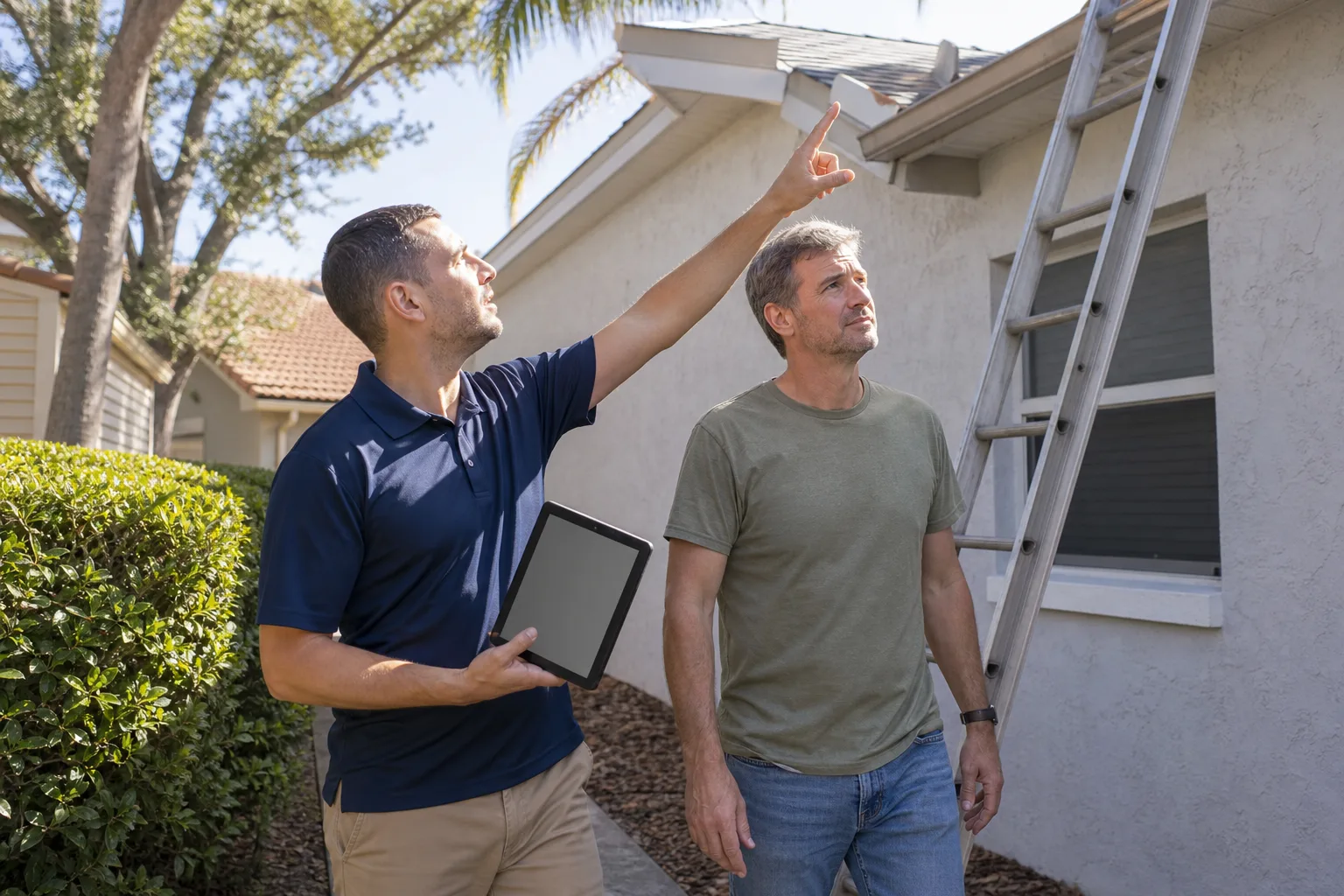
Tracing a leak on a tile roof means walking a pitched surface in desert heat, lifting courses, and probing underlayment and flashing. It’s genuinely risky work, and a misdiagnosis means water keeps coming in. We recommend a trained professional for anything beyond a visual check from the ground. If you’re seeing a ceiling stain, a bubbling paint line, or dampness at a wall junction after a storm, that’s the point to get it looked at rather than climb up yourself.
Frequently Asked Questions
Failed sealant at pipe boots, skylights and HVAC penetrations is the most common cause in Enterprise, because standard silicone and butyl sealants break down faster under sustained 105°F-plus heat than anywhere in a milder climate. That’s followed closely by monsoon debris damming valley channels. Call (844) 797-4406 for a diagnosis if you’re seeing water inside.
Driven rain during monsoon season pushes water sideways against wall-to-roof junctions and valley channels in a way ordinary rain doesn’t, exposing micro-gaps at flashings and dammed valleys that stay hidden in light weather. This is why an Enterprise roof can seem fine for months and then leak in a single August storm. Estimates are free if you want it checked.
Because on a tile roof the underlayment, not the tile, is the waterproofing layer, so aged 30-lb felt from 1990s construction can fail completely while the tile still looks intact from the street. This is common across Southern Highlands and Mountain’s Edge homes built in that era. Call us for an honest assessment before the next storm.
Often yes, since we answer calls with a live person 24/7 and same-day assessments are usually possible for active leaks. Call (844) 797-4406, describe what you’re seeing, and we’ll get you on the schedule. Estimates are free.
If you’d rather have it looked at, Groundwork Construction Co. of Enterprise offers a no-pressure assessment in Enterprise. We diagnose the actual leak, explain what’s causing it, and quote upfront so there are no surprises. Call (844) 797-4406 for a free estimate.
Written by the team at Groundwork Construction Co. of Enterprise, serving Enterprise, NV.