


Free written scope consultation - allowances, timeline, and change-order rules on paper before a single trade is scheduled
Styles & brands we work with
- Kitchen remodeling
- Bathroom remodeling
- Home additions & ADU
- Roofing
- Windows & doors
- Driveway & pavers
- Fence
See the difference
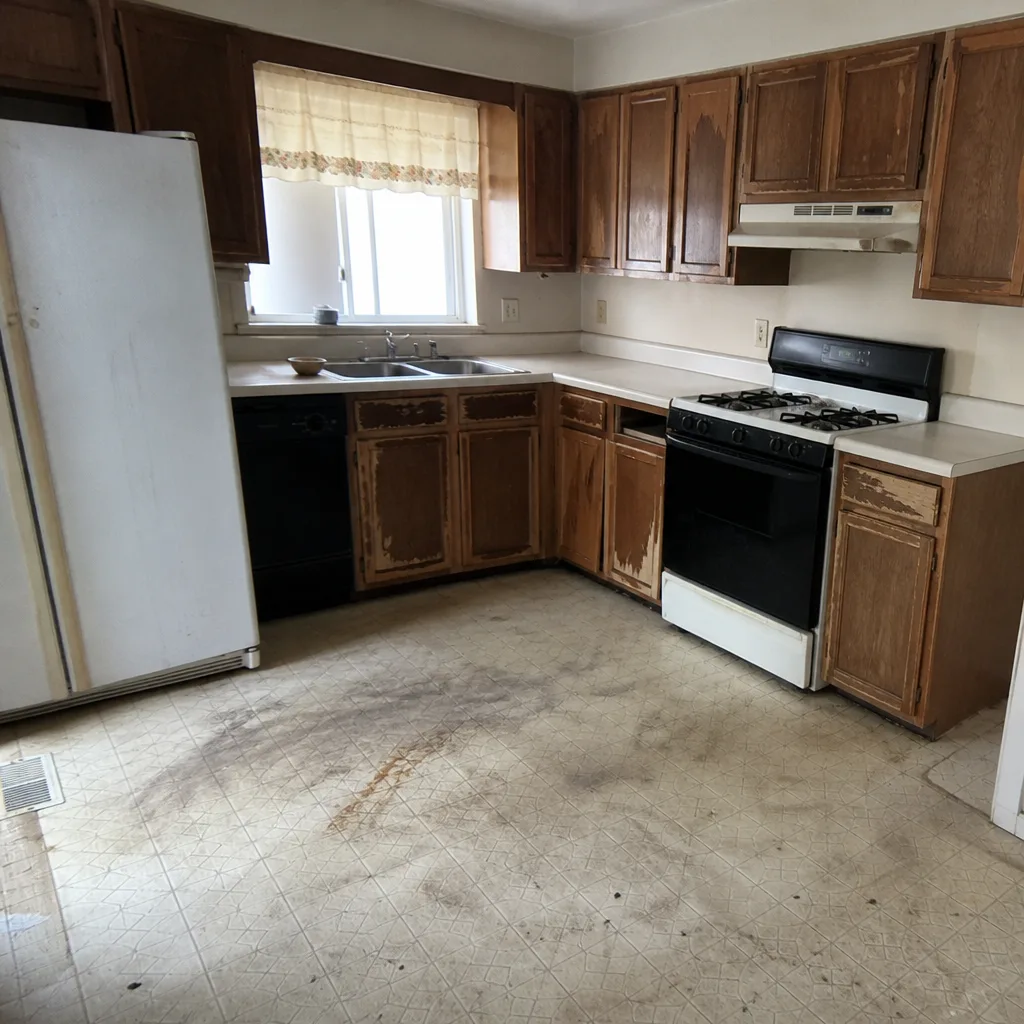 Before
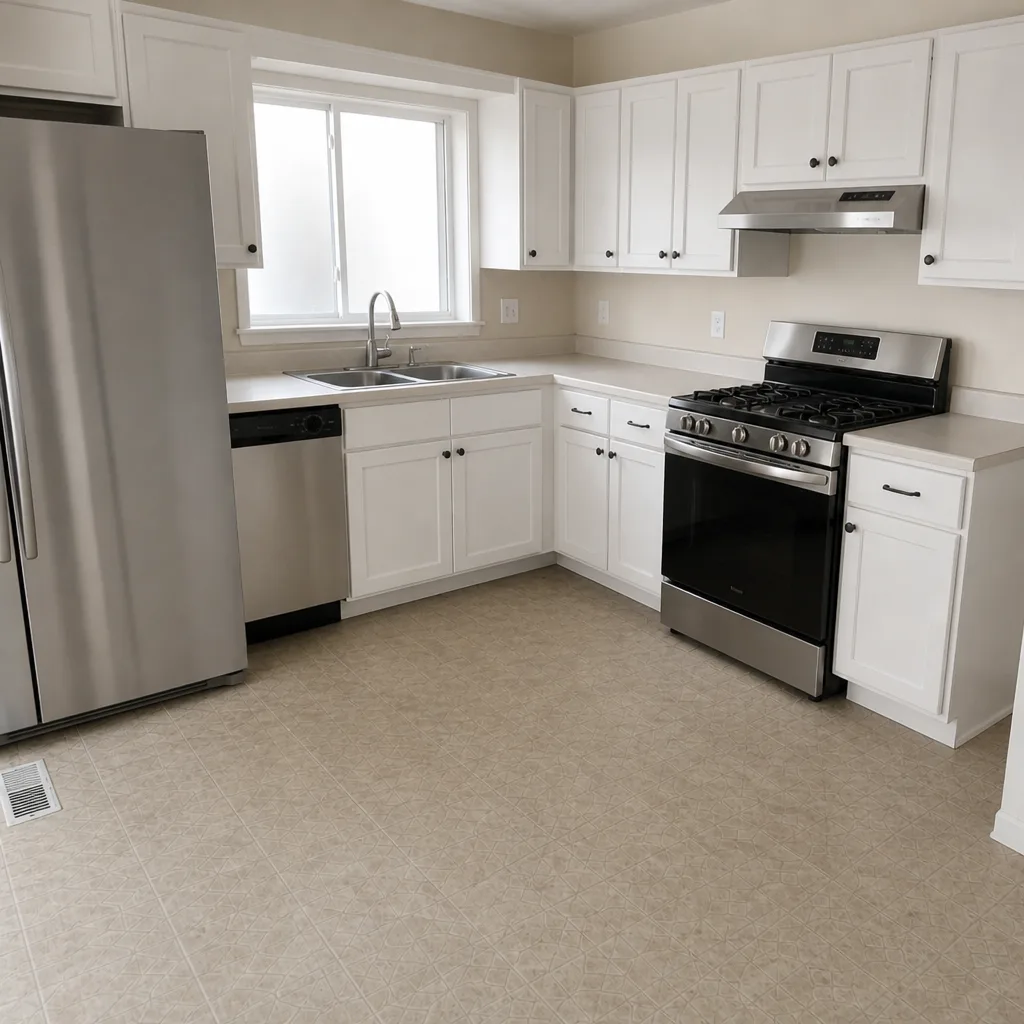 After
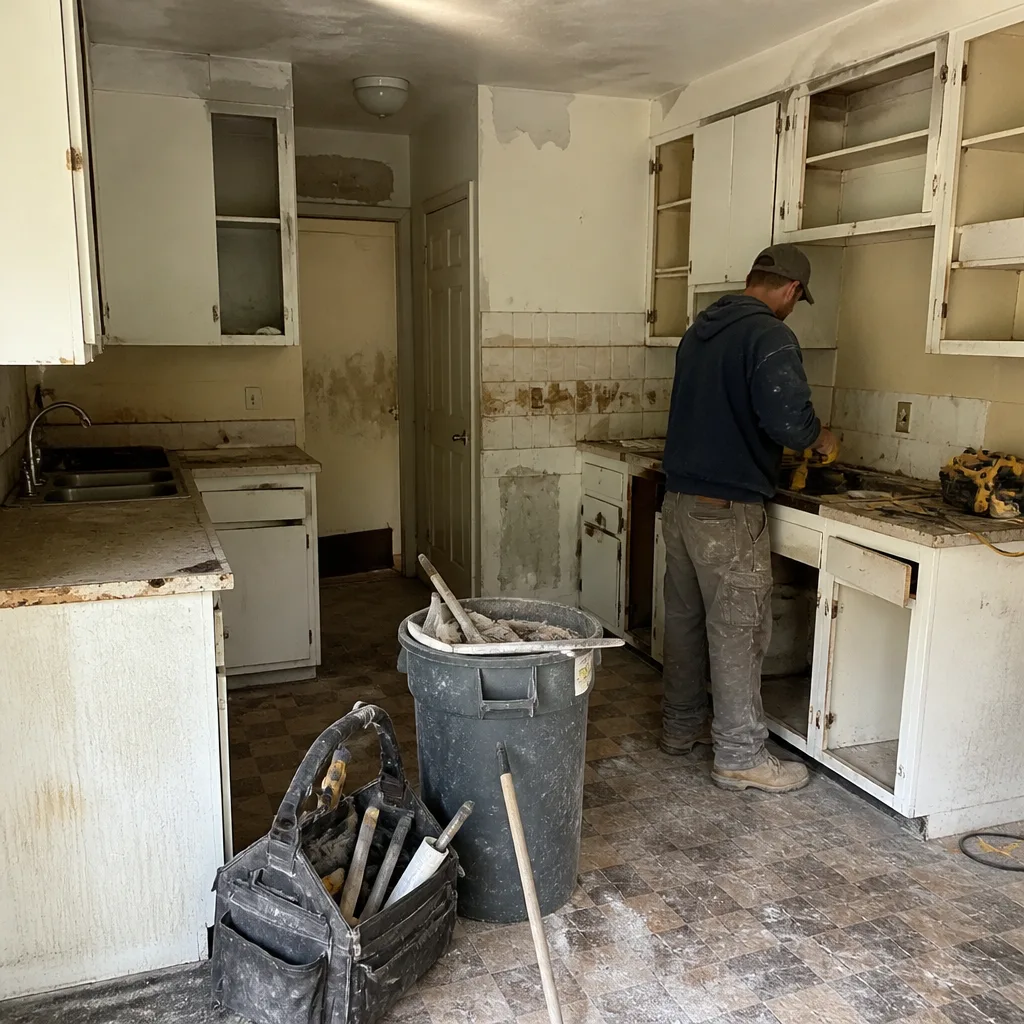 Before
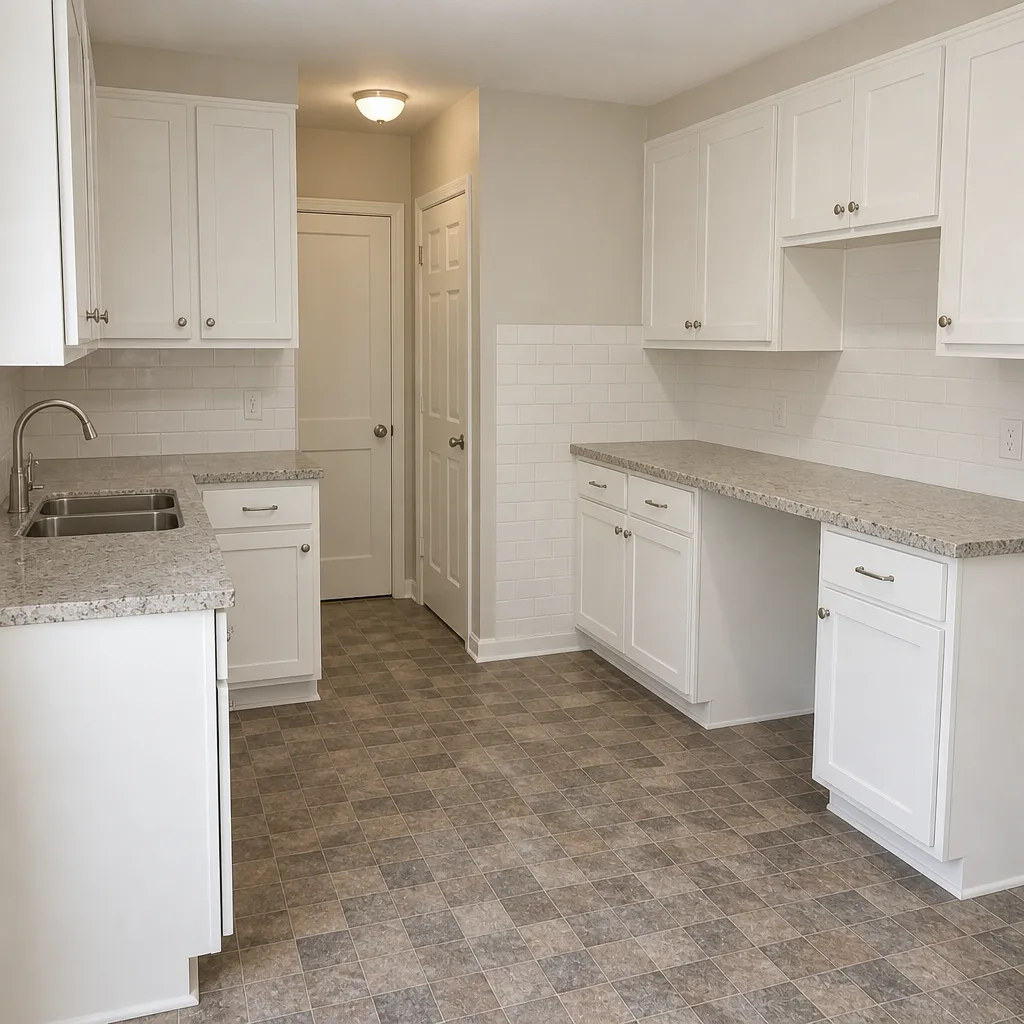 After
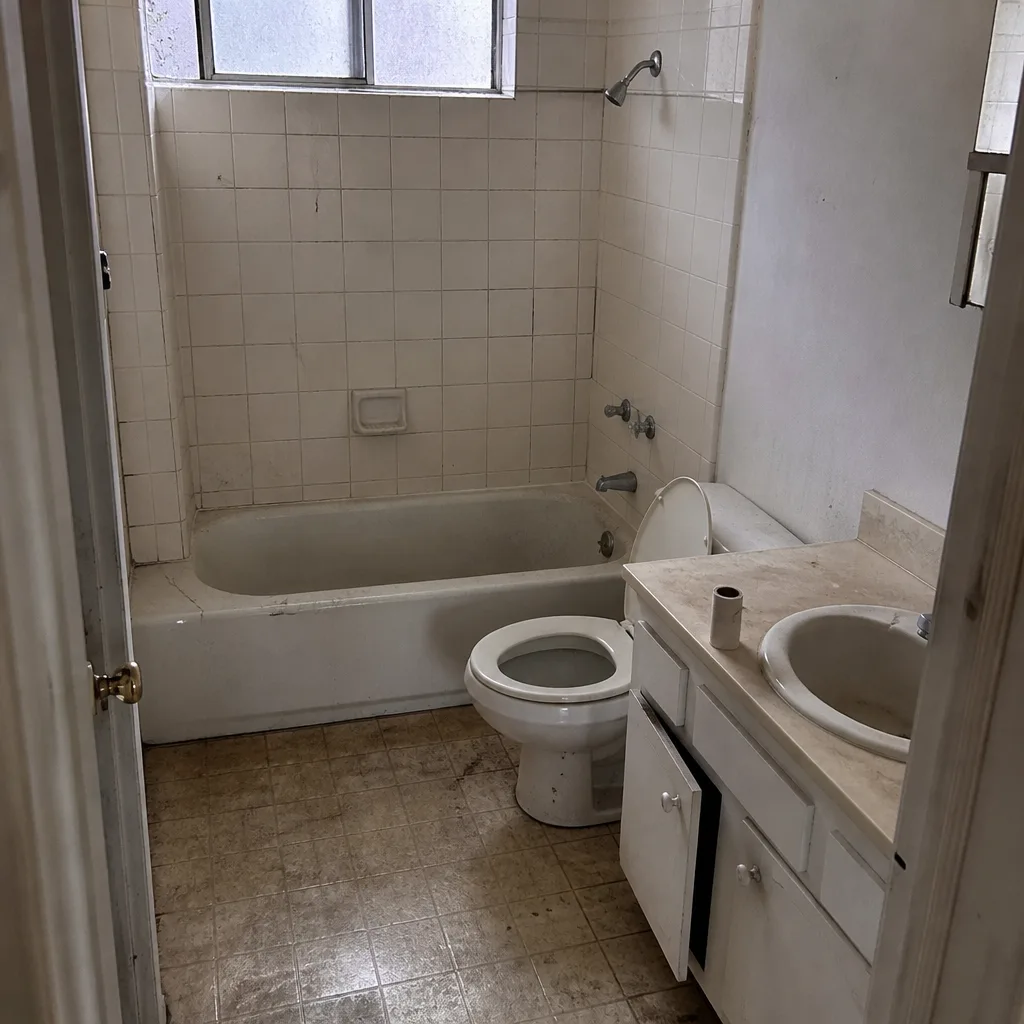 Before
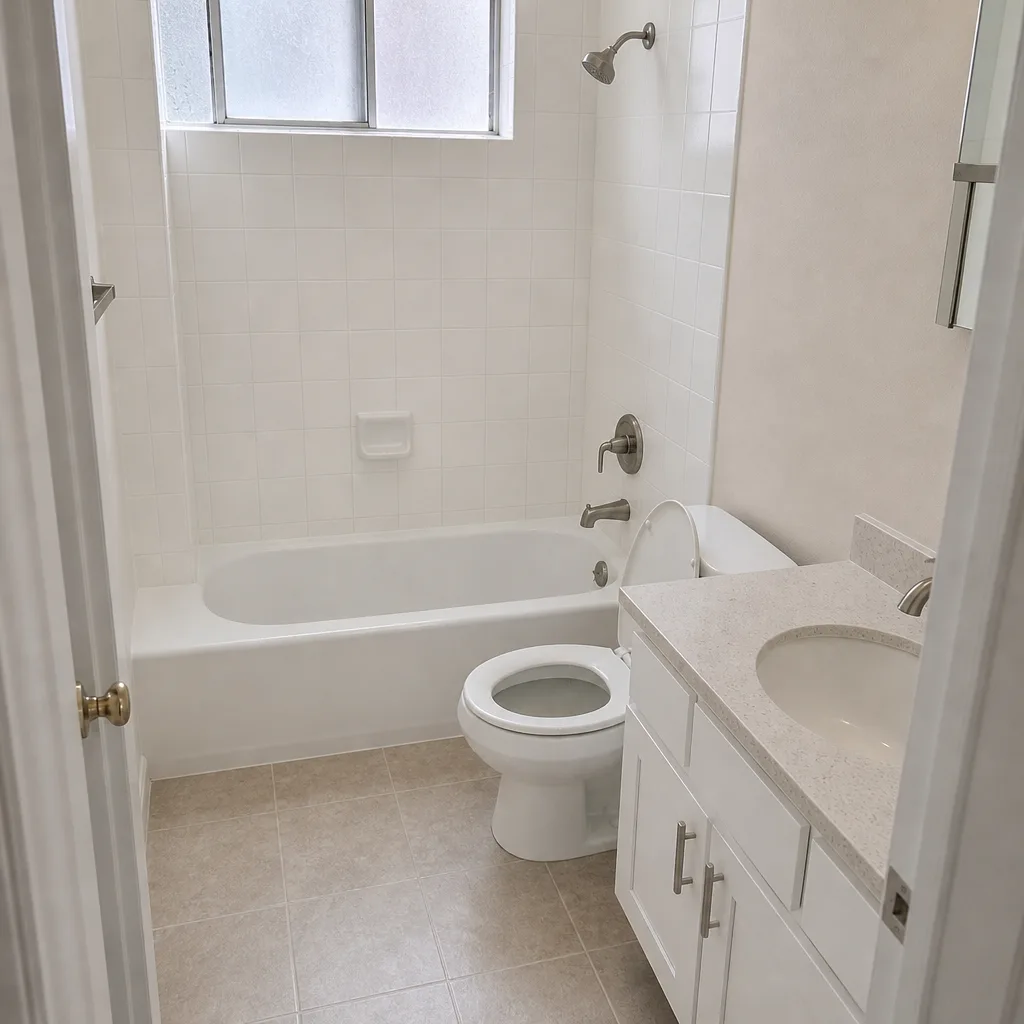 After
What Does a General Contractor Do in Enterprise, NV?
A general contractor in Enterprise, NV plans and runs your entire construction project: hiring and sequencing licensed trade subcontractors, pulling the right Clark County permits, passing inspections, and carrying the warranty when the work is done. In this southwest valley community, the job goes further than that short answer suggests, because your lot may sit on engineered fill, your HOA reviews the plans, and summer heat reshapes the work schedule. Groundwork Construction Co. of Enterprise handles all of it under one roof, from foundation to finish line, with a live person answering at (844) 797-4406, day or night.
Enterprise is Las Vegas’s southwest growth corridor, and construction here is dominated by master-planned subdivisions expanding toward the Sloan and Blue Diamond foothills. That means work happens on sloped, engineered-fill lots at the urban-wildland interface, not flat infill like older parts of the valley. Homes are overwhelmingly 1990s-to-present stucco-and-tile builds in communities like Southern Highlands and Mountain’s Edge. When a homeowner asks what a GC actually does, the honest answer starts with the ground the house sits on.
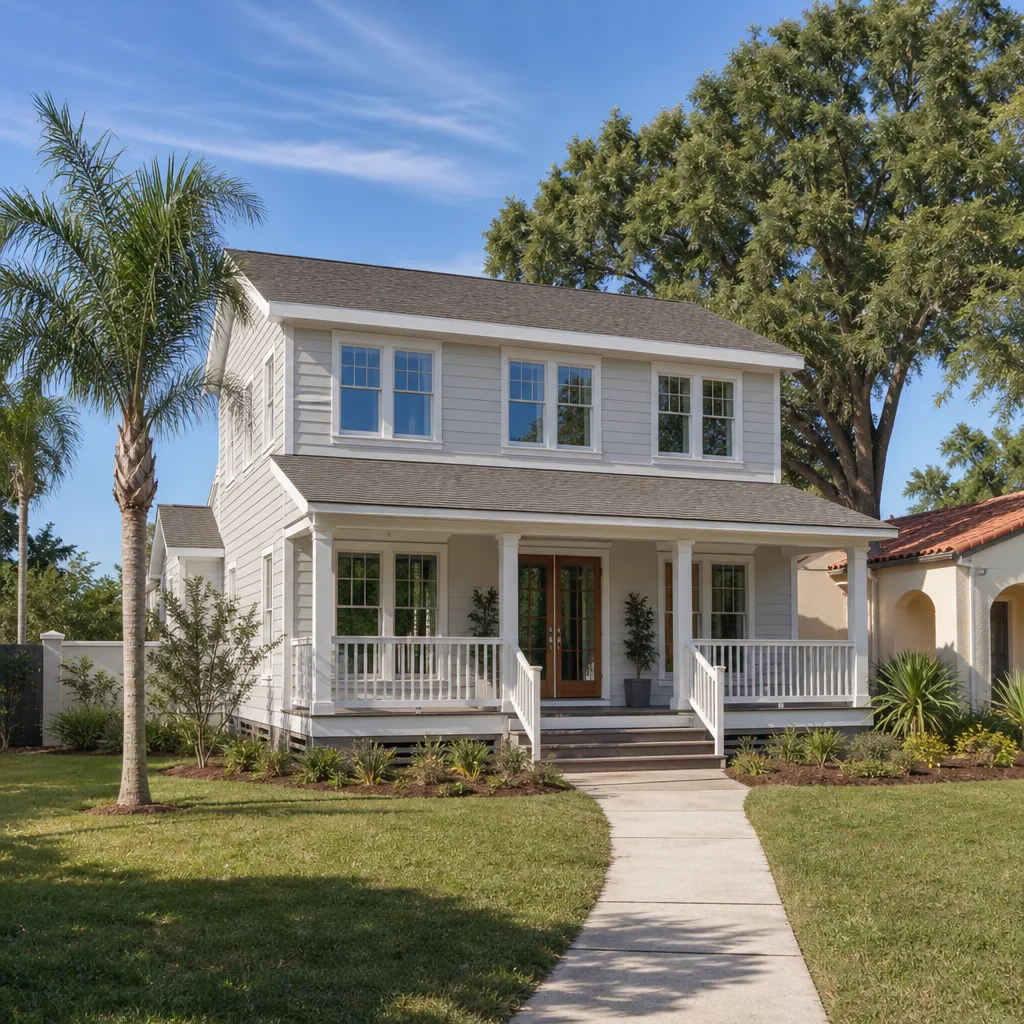
A GC in Enterprise Wears Three Hats at Once
In most markets, a general contractor coordinates trades and keeps the project moving. Here, the role splits into three jobs that run simultaneously, and skipping any one of them is how budgets and timelines fall apart.
- Site engineer. Foothill-edge lots often sit on graded pads and engineered fill with retaining walls. A GC reads the site before dirt moves, checking drainage on slopes and how a monsoon wash will behave against an addition or a paver driveway.
- Regulatory navigator. Clark County permit coordination plus HOA architectural submission happens in parallel, not in sequence. An HOA design review runs on its own clock and can stall a project for weeks if it’s treated as an afterthought.
- Schedule enforcer. Trade sequencing has to account for Mojave heat-safety windows. When summer highs push past 105°F, outdoor work shifts to early morning, and the GC rebuilds the calendar around crew safety rules so the exterior framing and roofing don’t collide with interior finish work.
No single trade does this. A general contractor holds the whole picture and is the one person accountable when the pieces don’t line up.
What “Pulling Permits” Actually Means in the Southwest Corridor
Pulling permits is not a form you hand over once. In this part of Clark County it’s a sequence: the initial submittal, plan review comments, corrections, then inspections at defined hold points, with documentation required at each one. The common places an inexperienced GC loses weeks are predictable:
- Plan review corrections. Missing or mismatched drawings come back as comments, and each round adds time.
- Hold-point inspections. Framing, rough-in electrical, and rough-in plumbing each have to be inspected and signed off before the next trade covers the work. A crew scheduled too early sits idle and bills for it.
- Defensible-space and ember-resistant detailing. Where a subdivision backs onto open desert, exterior work has to meet fire-resistance standards on the walls, vents, and roof edge. A GC who hasn’t built to those standards will miss them on the first submission.
This is where a contractor with an established permit history in this jurisdiction earns their keep. Knowing the inspection sequence and the documentation each stage demands keeps a project from stalling at a hold point while a less familiar contractor waits on a re-review. If your project touches an HOA, a title, or a structural change, it’s the right moment to bring in the pros rather than try to file it yourself. Call (844) 797-4406 for a free estimate and a straight read on what your specific project will require.
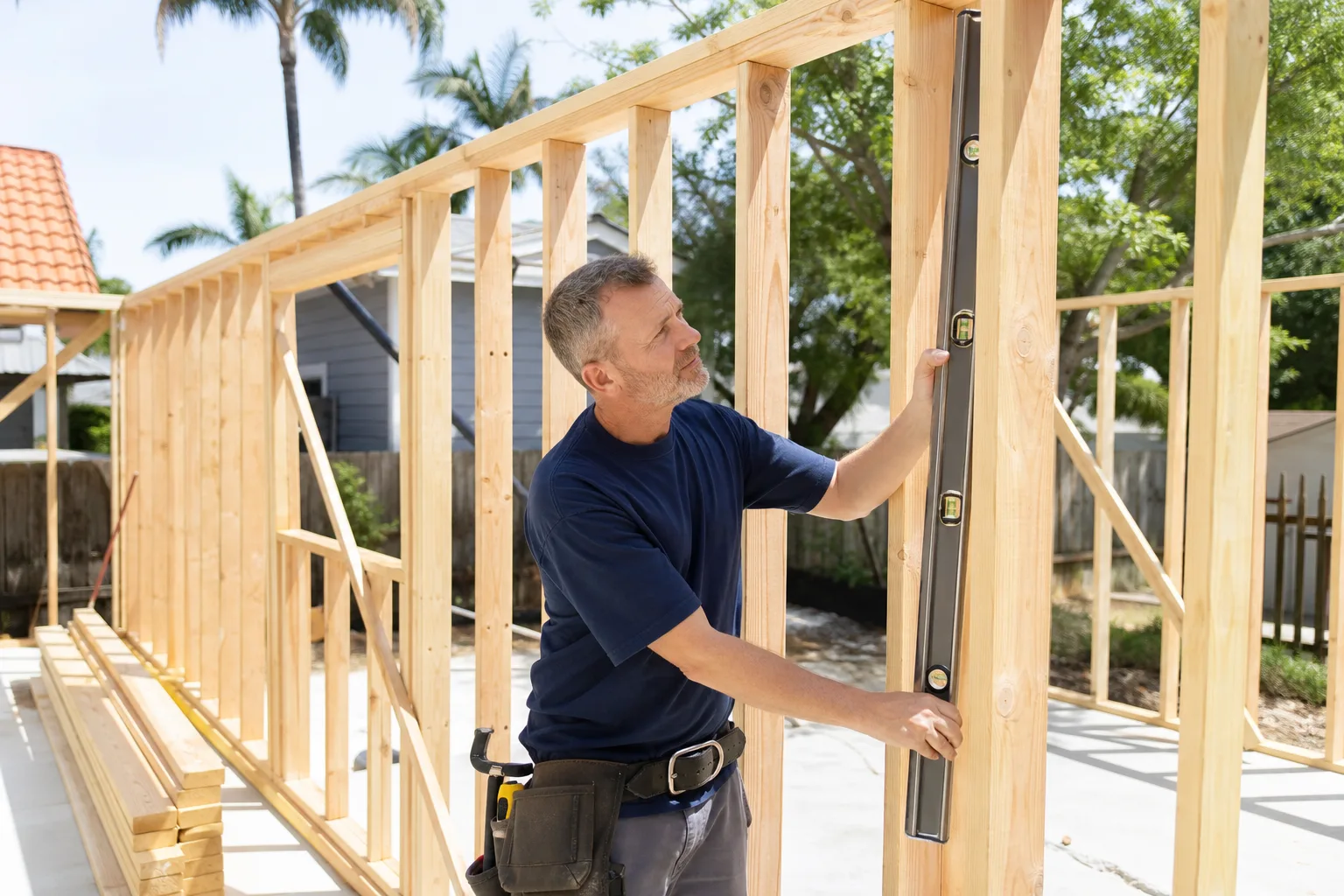
How a GC Sequences Trades When Neighbors and HOA Rules Set the Limits
Trade coordination in a large master-planned remodel is a scheduling puzzle with constraints few homeowners see. HVAC, electrical, plumbing, and framing don’t run in whatever order is convenient; they follow inspection windows, material lead times, and neighborhood access rules. In a community like Mountain’s Edge, HOA rules on work hours, dumpster placement, and gate access mean the GC is coordinating with the association as well as the crews, and lot proximity means noise and material staging affect neighbors directly. Groundwork technicians have up to 12 years of experience reading those constraints before the first crew arrives.
Sequencing also connects to what you choose, not just when it’s installed. A well-run GC brings brand partners into the plan early, so a kitchen remodel built around Kohler fixtures or Moen rough-in valve selections has the plumbing rough-in inspected once, not twice. Bringing material decisions forward protects the schedule, and that’s the kind of detail that separates a managed project from a managed mess.
What a GC Does That Managing Your Own Subs Can’t Replicate
Homeowners sometimes weigh acting as their own general contractor to save money. What that path can’t replace is the structure a licensed GC brings to the job:
- Vetting and licensing. The GC confirms each trade is properly licensed before they set foot on site, so the homeowner isn’t footing the bill for an unlicensed sub’s mistake.
- Coordinated insurance. Coverage is documented across every trade, and when something goes wrong there’s a paper trail, not finger-pointing.
- Accountability leverage. A GC has an ongoing working relationship with each sub and the standing to hold them to the schedule and standard. A single homeowner hiring a sub for the first time simply doesn’t have that.
- One point of contact. When a question comes up, the GC answers it, so the homeowner is fielding one call instead of five.
One point of accountability is what makes the warranty meaningful. Our 730-Day Done Right Promise backs every project for one of the longest workmanship guarantees in residential construction, and calls are answered by a live person 24/7, so the “who do I call when something goes wrong?” question has an answer before work starts. Upfront pricing pairs with 0% financing for 18 months and $1,000 off projects over $10,000, and all technicians are background-checked and arrive in uniform.
Typical Enterprise Project Costs a GC Manages
| Project | Typical Range |
|---|---|
| Kitchen remodel | $14,000-$45,000 |
| Bathroom remodel | $9,000-$28,000 |
| Roof replacement | $8,000-$20,000 |
| Window replacement | $4,500-$15,000 |
| Paver driveway installation | $7,000-$18,000 |
| Home addition | $45,000-$130,000 |
| ADU construction | $90,000-$220,000 |
These ranges reflect what projects actually run in Enterprise, not national averages. The GC’s job is to hold that number and keep it from drifting. For a closer look at the individual trades, see our kitchen remodeling, bathroom remodeling, and roofing pages, or start at the home page for the full scope of what we handle.
FAQs
A general contractor manages the whole project, while a subcontractor performs one specific trade and works under the GC. The GC handles permits, scheduling, inspections, and the warranty; the subs do the electrical, plumbing, framing, and finish work. When something goes wrong, your call goes to the GC, not the individual trades.
Yes. HOA architectural submission is part of the pre-construction work, and it runs in parallel with Clark County permitting, not after it. Because Enterprise’s master-planned communities like Southern Highlands and Mountain’s Edge carry architectural review authority, the GC files the design package early so review time doesn’t stall the build.
Project costs in Enterprise range from a $400-$1,800 roof repair to a $220,000 ADU build, depending on scope. A kitchen remodel typically runs $14,000-$45,000, and a bathroom remodel $9,000-$28,000. Upfront pricing means the number you see is the number you pay. Call (844) 797-4406 for an exact quote, with financing and $1,000 off projects over $10,000 available.
Summer highs that push past 105°F restrict outdoor work hours for crew safety, so the GC shifts exterior framing and roofing to early morning and sequences interior work around those windows. That planning keeps the schedule honest without cutting corners, and it’s factored into every Enterprise build from the start.
If you’d rather have it looked at, Groundwork Construction Co. of Enterprise offers a no-pressure assessment in Enterprise. Call (844) 797-4406 for a free estimate and design consult, and we’ll walk you through exactly what your project needs before any work begins.
Written by the team at Groundwork Construction Co. of Enterprise, serving Enterprise, NV.