Free written scope consultation - allowances, timeline, and change-order rules on paper before a single trade is scheduled
Styles & brands we work with
- Kitchen remodeling
- Bathroom remodeling
- Home additions & ADU
- Roofing
- Windows & doors
- Driveway & pavers
- Fence
See the difference
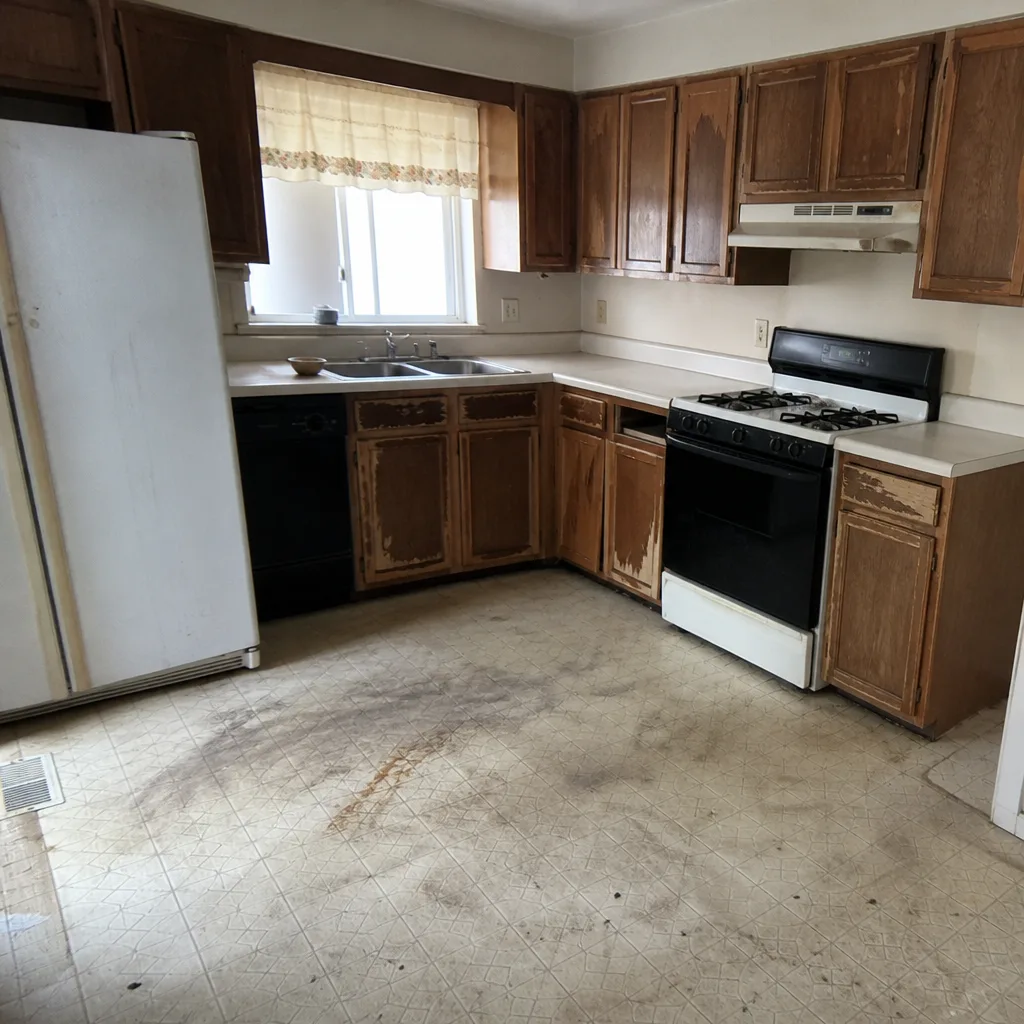 Before
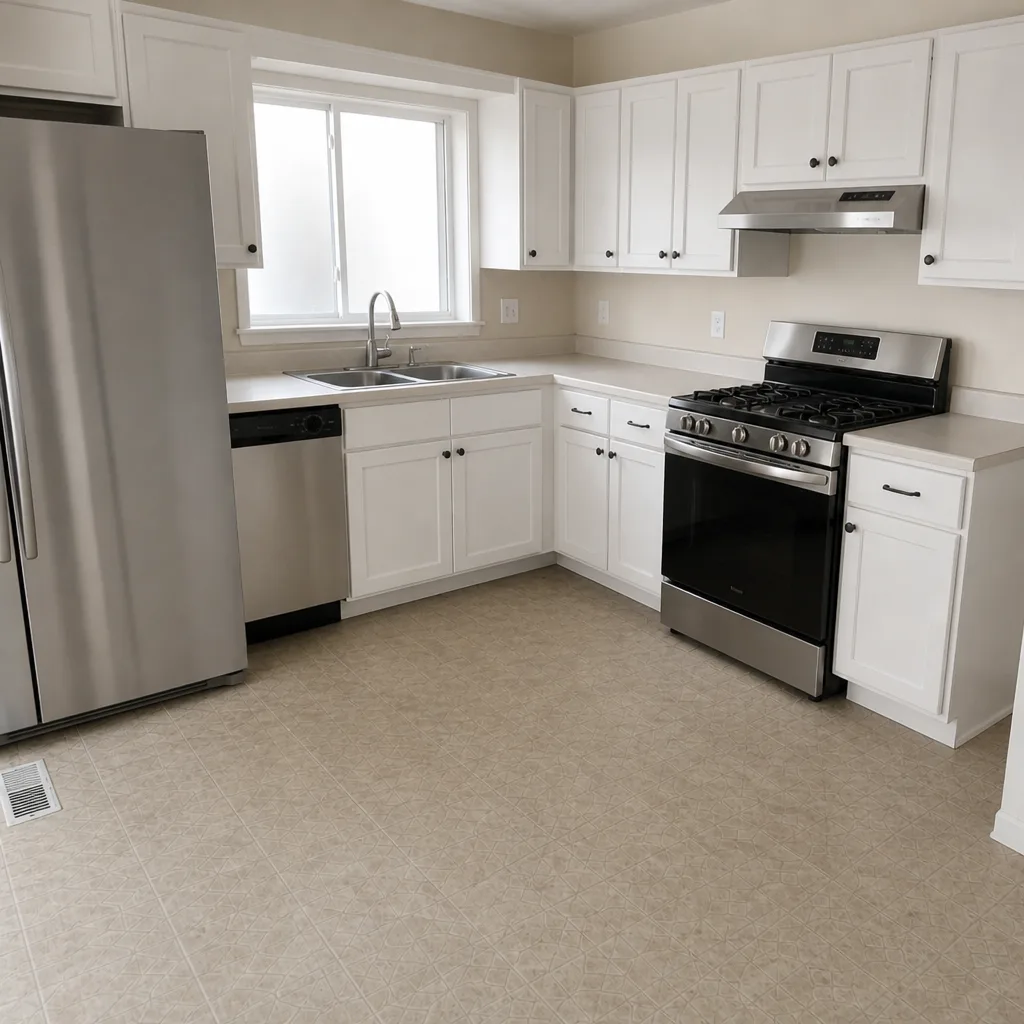 After
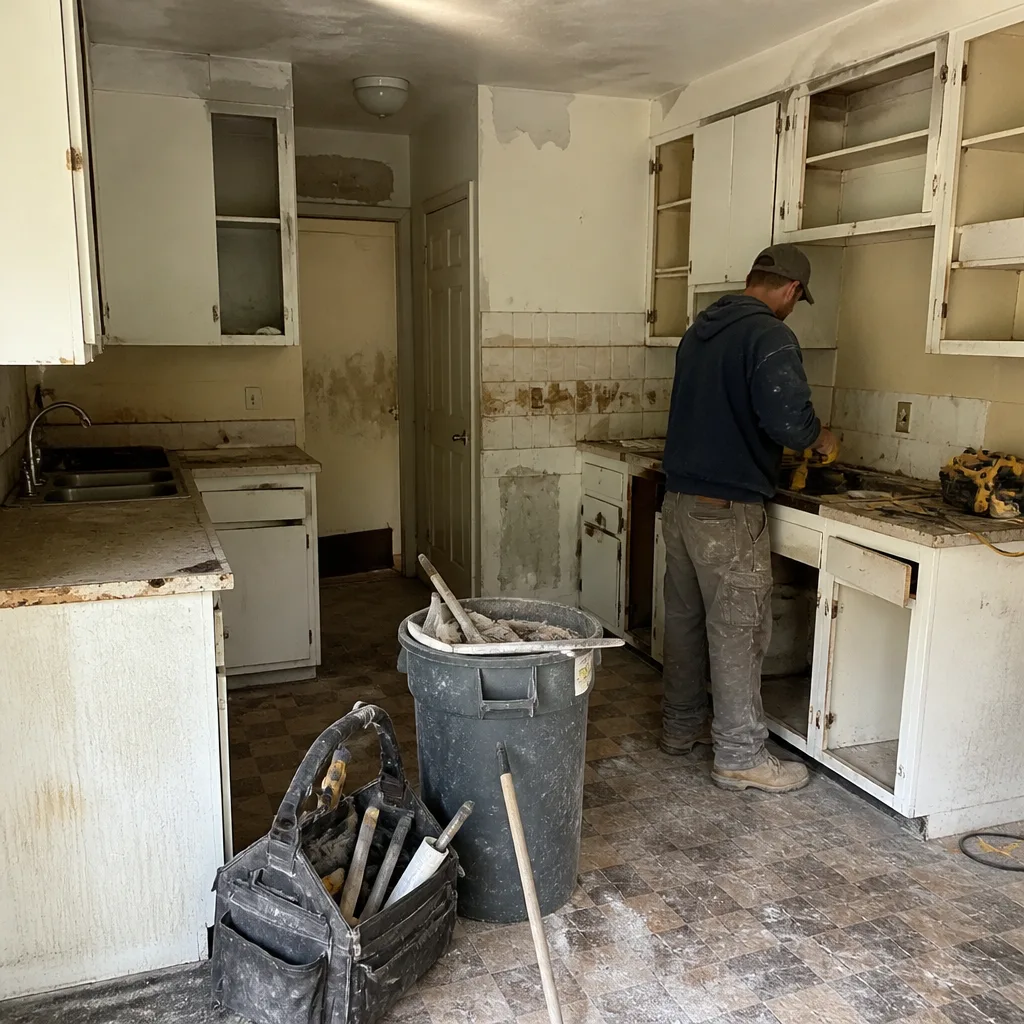 Before
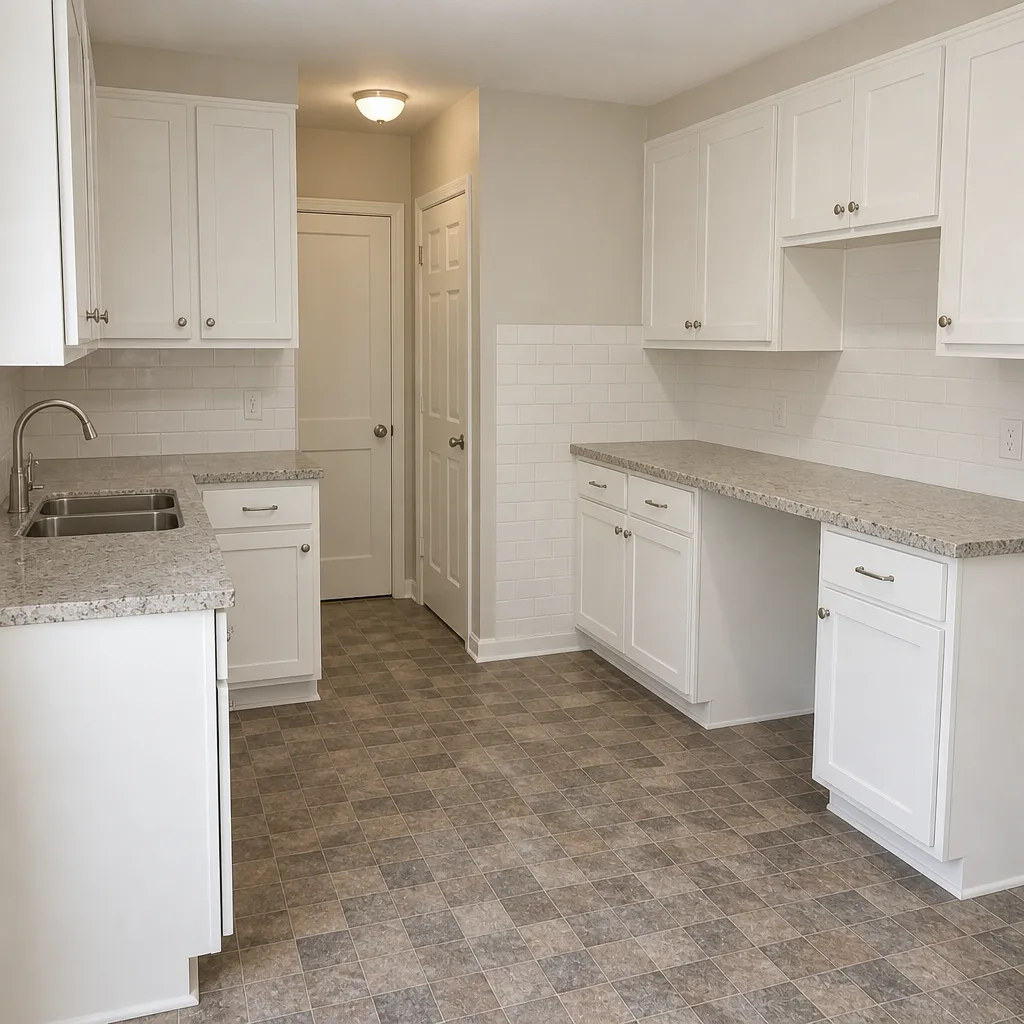 After
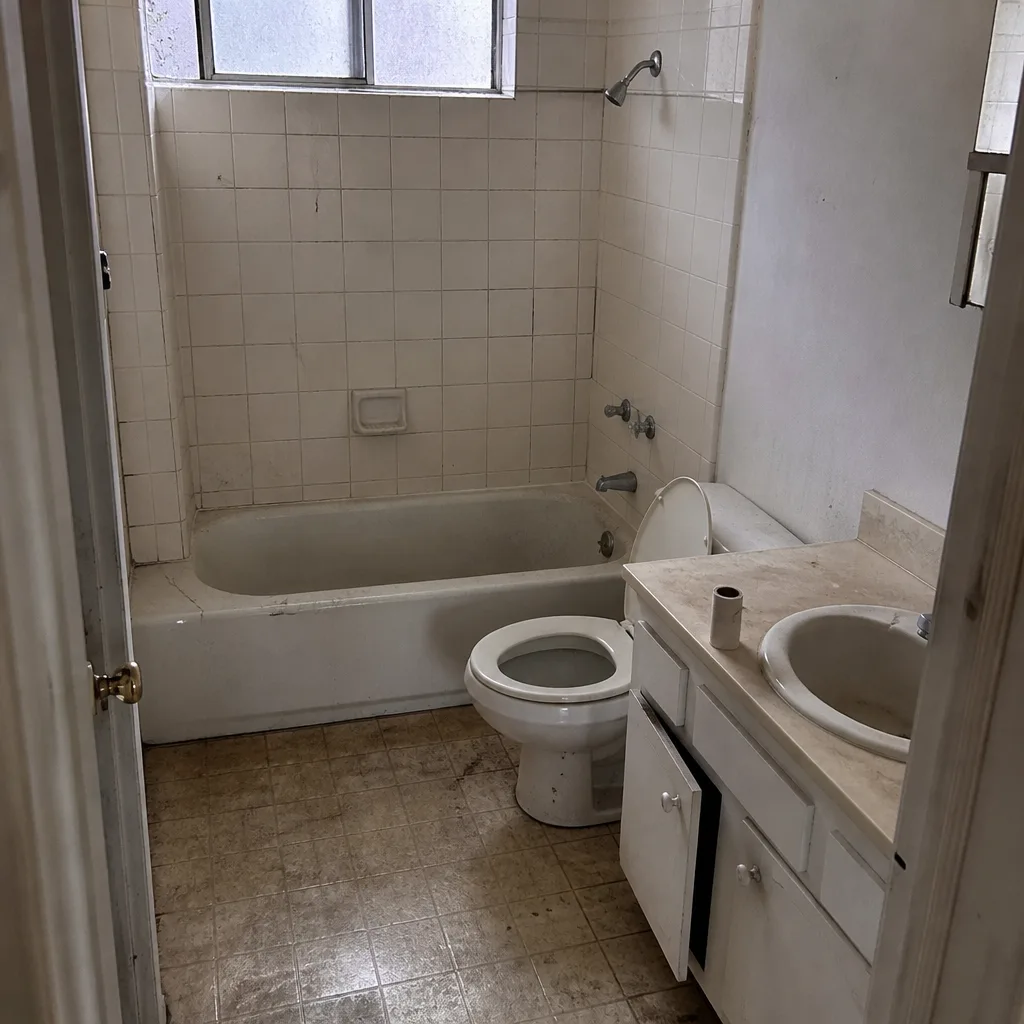 Before
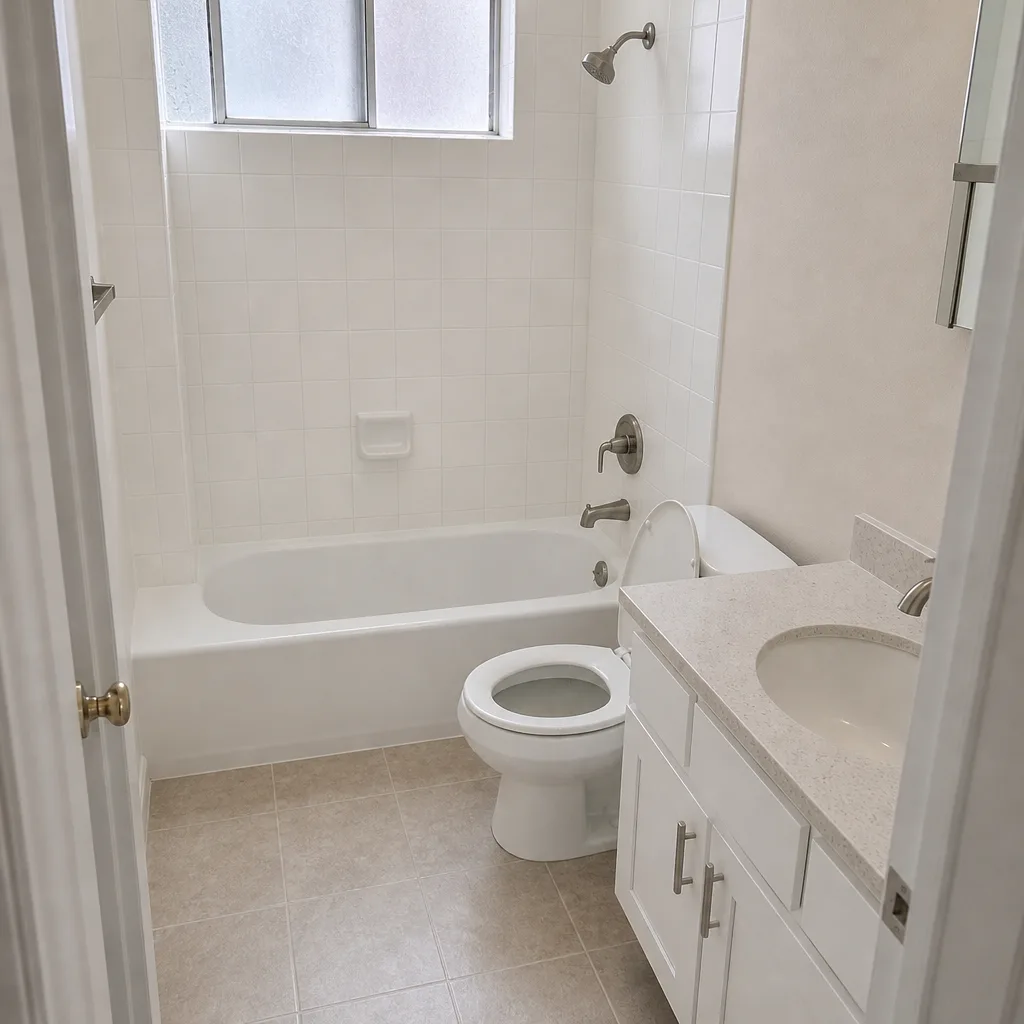 After
What Is Low-E Glass? A Straight Answer for Enterprise, NV Homeowners
Low-E glass is window glass with an invisible, microscopically thin metallic oxide coating that reflects radiant heat while letting visible light through. It isn’t one product, though; it’s a family of coatings, and the type that cuts a heating bill in Minnesota will trap heat inside an Enterprise living room if it gets specified wrong. Most window salespeople won’t slow down long enough to explain that distinction, which is exactly why we wrote this page. If you’d rather just have someone walk your windows and tell you what’s actually installed, call (844) 797-4406.
Key takeaways:
- Low-E is a coating, not a brand. Performance depends entirely on which coating gets put on which pane.
- Hot-climate homes need low-solar-gain Low-E; cold-climate homes want the opposite.
- Enterprise sits in the ENERGY STAR Southwest zone, and a window rated for the Northern zone does not automatically qualify here.
- Coating choice should be made per orientation (south and west exposures first), not picked from a dropdown menu.
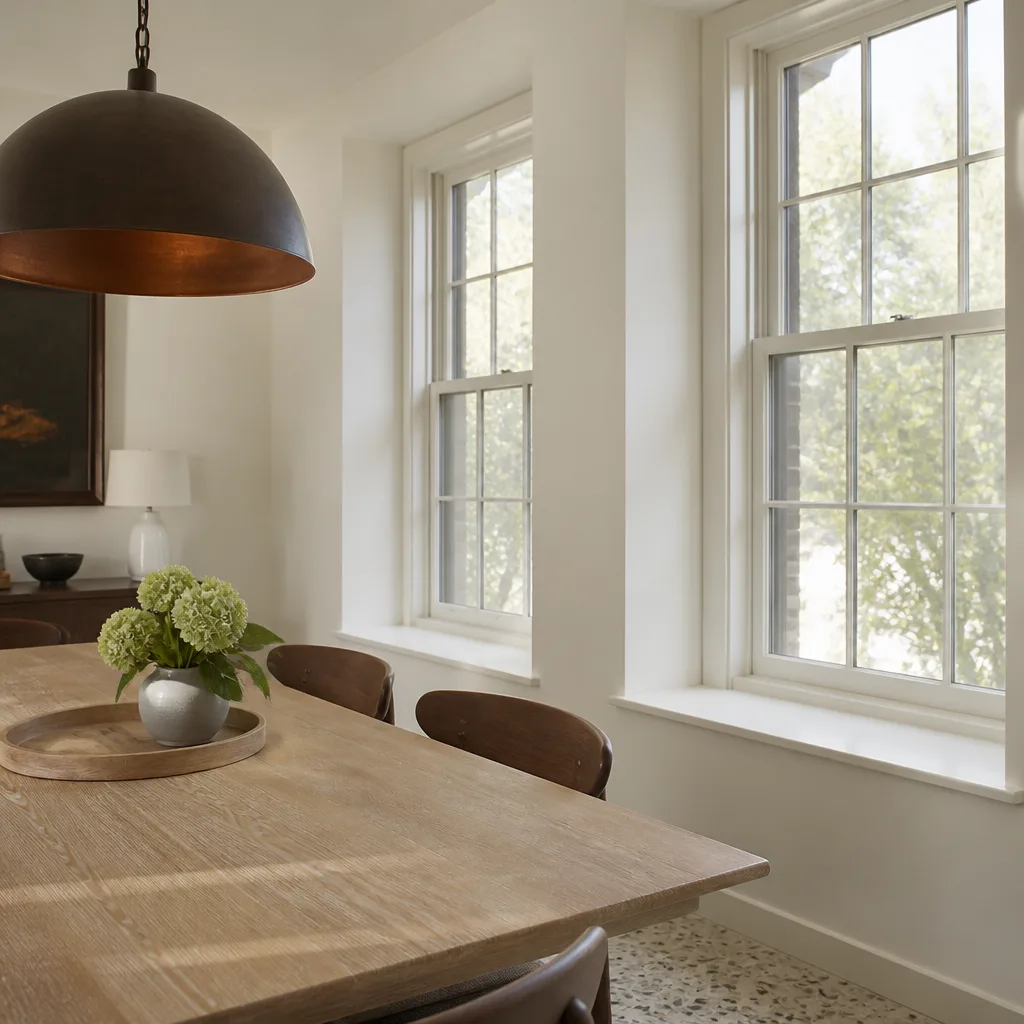
Why Enterprise’s Mojave Climate Changes the Low-E Conversation
Enterprise is Las Vegas’s southwest growth corridor, and the housing stock tells the story. Mostly 1990s-to-present stucco-and-tile homes spread across Southern Highlands and Mountain’s Edge, with custom homes climbing toward the Sloan and Blue Diamond foothills. Summer highs here run past 105°F with regularity, and the sun load that hits a west-facing wall in July is not a mild thing.
On the foothill-edge lots, south and west walls often face open desert with nothing between the glass and the horizon. No neighboring structure shades them. That changes the math on Low-E coating selection, because a window tuned for “average” performance will underperform badly when it’s collecting direct desert sun for six hours a day. In Enterprise, we treat coating selection per orientation as a specification-stage decision, not a checkbox.
High-Solar-Gain vs. Low-Solar-Gain: The Two Families That Matter
The coatings split into two broad camps, and picking the wrong camp is a more expensive mistake than skipping Low-E altogether.
| Low-E Type | Designed For | What It Does | Right for Enterprise? |
|---|---|---|---|
| High-solar-gain | Cold climates | Lets passive solar heat in to reduce winter heating load | Rarely, and only on specific shaded exposures |
| Low-solar-gain | Hot climates | Blocks radiant heat from entering, keeps rooms cooler | Yes, especially south and west glass |
How the coating works is simpler than the lab jargon suggests. A thin metallic oxide layer reflects long-wave infrared back outward in summer, which reduces the radiant heat transfer across the glass. Visible light still passes through, so the room stays bright while the heat load drops. That’s the job-site-level version.
What happens if you get it backward?
Put high-solar-gain glass on a west-facing wall in Enterprise and you’ve installed a solar oven. The glass does its job, just the wrong job for this climate. Cooling bills climb, the room becomes uncomfortable by mid-afternoon, and the only fix is replacing the units. We’ve seen it in remodeled homes where the previous glazing got ordered from a catalog without anyone asking which way the window faces.
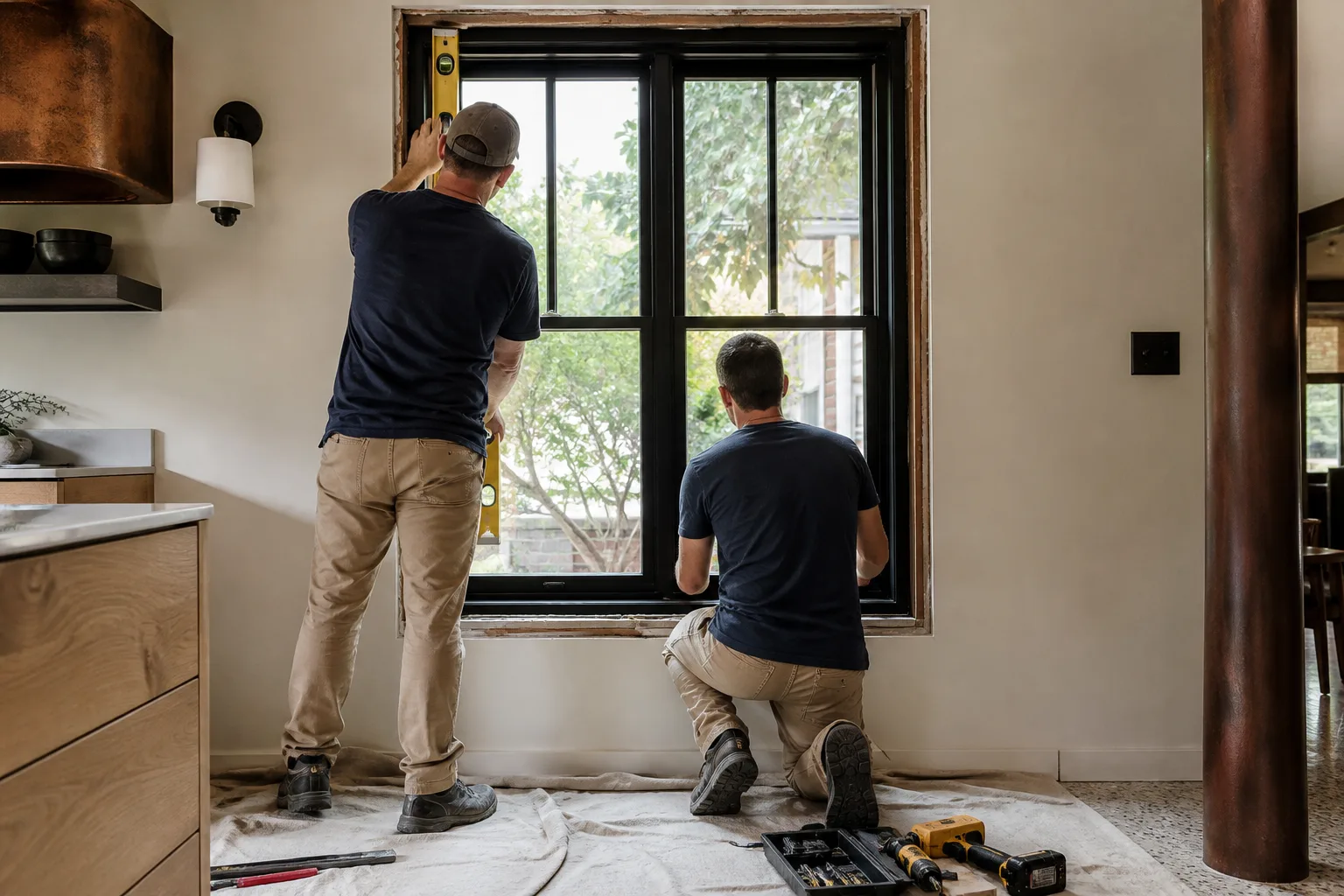
UV Load and Coating Durability in the Desert
Here’s the part the manufacturer spec sheets tend to gloss over. Enterprise’s UV intensity is harder on exterior materials than a temperate-climate data sheet reflects, and that applies to glazing systems too. Coating integrity, sealant life, and edge-seal performance all get tested by the same sun that fades stucco and dries out weatherstripping.
This is where brand choice earns its keep. Andersen and Marvin both build glazing systems engineered for high-UV desert exposure, not just thermal performance on paper. When we quote a Windows & Doors package for an Enterprise home, we’re matching the glazing spec to the exposure, and the brand partnerships we carry let us do that without compromise. You’ll also see the same material discipline on roofing, where brands like Owens Corning and IKO handle UV degradation the same way.
ENERGY STAR Southwest: The Zone Requirement People Miss
Enterprise falls under the ENERGY STAR Southwest climate zone, which sets different performance thresholds than the Northern zone. A window that clears ENERGY STAR in Chicago does not automatically qualify for a Nevada home, and a lot of online explainers never mention the zone at all. When you’re comparing bids, ask which climate zone the window is rated for. If the answer is vague, that’s your sign.
Beyond certification, watch for these when comparing window quotes in Enterprise:
- Orientation-specific specs: Does the bid show different coatings for south/west glass versus north/east?
- UV-rated glazing: Does the manufacturer publish desert-exposure performance, not just thermal numbers?
- Zone certification: Is the window ENERGY STAR-qualified for the Southwest zone specifically?
- Installation detail: Flash and seal quality matter as much as the glass itself, especially on foothill lots where wind-driven dust is a factor.
- Warranty clarity: What’s covered, for how long, and by whom?
That last one is where we lean hard. Every project we run is backed by our 730-Day Done Right Promise. If the workmanship isn’t right, we make it right. Window replacements in Enterprise typically run $4,500 to $15,000 depending on unit count and glazing spec, and impact-rated units land higher at $8,000 to $25,000. Windows and sliding doors combined often push past $10,000, which means the $1,000 off projects over $10,000 offer applies. 0% financing for 18 months is available too, so the whole package doesn’t have to land in one hit.
Does Low-E Glass Actually Save Money in Enterprise?
Yes, when the right coating gets put on the right exposure. A low-solar-gain unit on west-facing glass in an Enterprise home cuts radiant heat gain through that glass, and that shows up on the summer cooling bill. High-solar-gain glass, on the same wall, can make the bill worse.
We don’t promise a specific percentage because every home is different. Orientation, window count, shading, existing insulation, and HVAC age all move the number. What we can say is that proper selection matters more here than in most of the country, because the desert heat load is bigger. Our technicians have up to 12 years of experience, and background-checked, uniformed crews handle every install. We answer the phone around the clock with a live person, so you’re never stuck waiting until Monday for an answer.
FAQs About Low-E Glass in Enterprise, NV
Low-E glass is glass with an invisible metallic oxide coating that reflects long-wave infrared heat while allowing visible light through. In a hot climate, that means radiant heat bounces back outside instead of soaking into the room. The coating is thin enough that you won’t see it, and it doesn’t change the look of the window in any meaningful way.
Low-solar-gain is almost always the right call for Enterprise, particularly on south and west exposures. It’s designed to block radiant heat rather than invite it in, which fits a Mojave Desert climate with summer highs above 105°F. High-solar-gain coatings are built for cold climates where passive heat is a benefit, and they work against you here. Call (844) 797-4406 for a free estimate and we’ll walk your exposures unit by unit.
Window replacement in Enterprise typically runs $4,500 to $15,000, with impact-rated installations ranging from $8,000 to $25,000 depending on size and spec. The Low-E coating itself isn’t the big cost driver; unit count and frame material usually are. We quote upfront with no surprises, and estimates are free. Call us today to schedule.
You can, but we don’t recommend it for an Enterprise home. Low-E selection should account for which way each window faces, whether the exposure is open desert, and which ENERGY STAR zone the unit is certified for. A dropdown can’t see your house. Groundwork Construction Co. of Enterprise builds the spec per orientation before anything gets ordered.
Ready to Stop Guessing on Window Specs?
If you’d rather have someone look at your actual windows than sort through manufacturer data sheets, Groundwork Construction Co. of Enterprise offers a no-pressure assessment in Enterprise. We’ll check what’s installed, what it’s rated for, and whether the coating matches your exposures. Call (844) 797-4406 for a free estimate, and don’t forget the $1,000 off projects over $10,000 if your scope qualifies.
Written by the team at Groundwork Construction Co. of Enterprise, serving Enterprise, NV.