Last updated November 18, 2026






Free written scope consultation - allowances, timeline, and change-order rules on paper before a single trade is scheduled
DIY vs Professional Construction: The Enterprise Homeowner’s Decision Guide
Nevada is one of 18 states where a homeowner can legally act as their own general contractor on their own property. That permission is real, and it trips people up. It voids most manufacturer warranties on the materials you install, can disqualify a home from some title insurance products, and it shows up automatically in an inspection report when you go to sell. In our experience around Enterprise, the homeowners who get hurt worst aren’t the ones with weak skills. They’re the ones who never priced the risk. This guide covers where Nevada’s owner-builder permission actually ends, which warranties die on a DIY install, and how to run the real math before you pick up a hammer.
Quick Answer
DIY makes financial sense in Enterprise only for cosmetic, permit-free work where a failed result costs under a few hundred dollars to fix and no manufacturer warranty is on the line. Anything structural, electrical, gas, roofing, or involving a permitted inspection belongs with a licensed professional, because in Nevada an unpermitted or non-licensed install can void your material warranties and create a disclosure problem at resale. The decision isn’t about how handy you are. It’s about permit exposure, warranty voidance, and what the work costs you the day you sell.
Styles & brands we work with
- Kitchen remodeling
- Bathroom remodeling
- Home additions & ADU
- Roofing
- Windows & doors
- Driveway & pavers
- Fence
Table of Contents
- What Nevada Actually Lets You Build Yourself
- Where Owner-Builder Permission Ends in Enterprise
- The Warranty Void Matrix: What DIY Actually Cancels
- How to Calculate the True Cost of DIY
- Project Categories Where DIY Makes Sense in Enterprise
- What You Must Disclose at Resale in Nevada
- Common Mistakes to Avoid
- When to Call a Professional
What Nevada Actually Lets You Build Yourself
Nevada’s owner-builder exemption lets a homeowner pull permits and perform construction on a residence they own and occupy, without holding a contractor’s license. It exists so people can build their own house or improve their own property, not so they can run a side business. The exemption is narrower than most Enterprise homeowners assume. It applies to a single-family residence you’ll live in, and it does not travel to rental property, flip projects, or second homes.
The exemption also has a paperwork side. When you pull an owner-builder permit in Clark County, you’re attesting that you personally will do or directly supervise the work. That means you carry the liability for code compliance, the inspection failures, and the corrections. If a subcontractor you hire to help causes a defect, the county still looks at you. That’s the part people skim past. You’ve signed as the responsible party, and the responsible party is on the hook.
There’s a practical limit baked into the system too. Lenders and title companies treat owner-builder projects with more scrutiny because the work history isn’t documented by a licensed firm. Some title insurance products and some mortgage programs ask specifically whether unpermitted or owner-performed work exists on the property. When it does, they may require disclosure, inspection, or an exception before closing.
- Allowed: Permitted work on a single-family home you own and occupy, with you as the responsible party.
- Not allowed: Using the exemption on rental property, investment property, or properties you intend to sell within a short window.
- Not allowed: Acting as an unlicensed contractor for neighbors, family, or anyone paying you for construction work.
- Key constraint: You personally supervise the work and carry the code-compliance liability, even if you hire helpers.
Contrast that with what a licensed firm provides. When work is pulled and inspected under a licensed contractor, the permit file itself becomes a record of who did what and that it passed. In Enterprise, that record matters at resale. If you’re weighing adding square footage, our breakdown of Home Additions & ADU in Enterprise covers how permitted additions differ from owner-built projects in the eyes of an appraiser.
Where Owner-Builder Permission Ends in Enterprise
The owner-builder exemption is a permit-issuance rule. It isn’t a blanket license to touch anything on the property. Plenty of work still requires a licensed trade, a formal inspection, or a utility sign-off regardless of who owns the home.
Electrical, gas, and plumbing are the clearest examples. Pulling a permit as an owner-builder doesn’t make it legal to sign off on your own gas line or your own panel work. A licensed electrician or plumber still has to perform or certify certain steps, and the county inspector expects to see that trade’s involvement. Gas work in particular carries real danger – a poor connection or an improperly sized line can leak, and a leak isn’t a fix-it-later problem. We recommend a licensed plumber for anything on the gas side, every time.
Structural work is its own category. Removing a load-bearing wall, cutting a beam, or reworking a header needs engineered specifications and inspection. The county will not accept an owner’s hand calculation for a structural change. High-tension garage door springs, roof work at height, and panel upgrades carry the same duty of care: the consequence of getting it wrong is injury, not a callback.
- Gas lines and meter work: Licensed trade required. A mistake is a safety hazard, not a cosmetic defect.
- Electrical panel and new circuits: Requires licensed electrician and inspection sign-off.
- Structural changes: Enginered specs and permits. No owner sketch substitutes.
- Roofing at height and garage-door torsion hardware: Trained professionals only. High injury risk.
- Water heater replacement: Permit plus licensed install in most Enterprise jurisdictions.
- Any work on rental or investment property: Owner-builder exemption doesn’t apply.
What’s left over is genuinely yours to handle: painting, interior trim, cabinet hardware, tile work on a backsplash, landscaping beds, and similar cosmetic surfaces. That’s the honest boundary line. Everything past it starts carrying warranty and disclosure risk that most homeowners don’t price until it’s too late.
The Warranty Void Matrix: What DIY Actually Cancels
Here’s the part that rarely makes it into a DIY vs professional conversation. Most of the warranty language on the materials you buy is conditional on professional installation. That’s not fine print hiding in a footer. It’s in the warranty terms, and it’s the reason a failed window, a leaking roof, or a buckled paver job can turn into a total loss instead of a covered repair.
Manufacturer warranties on roofing, windows, siding, and pavers commonly require installation by a licensed or manufacturer-certified installer to stay active. In our experience, the warranty is often the largest line item nobody puts on the budget sheet. A premium architectural shingle system carries decades of coverage that exists only because a certified roofer installed it. Install the same shingles yourself, and the coverage typically reduces to a fraction or drops away entirely. The material is the same. The protection is not.
- Roofing systems (GAF, Owens Corning, CertainTeed): Full material and labor warranties typically require certified installation. DIY install usually voids or reduces the coverage.
- Windows and doors (Andersen, Marvin, Pella): Performance warranties on sealing and operation often require professional installation to stay active.
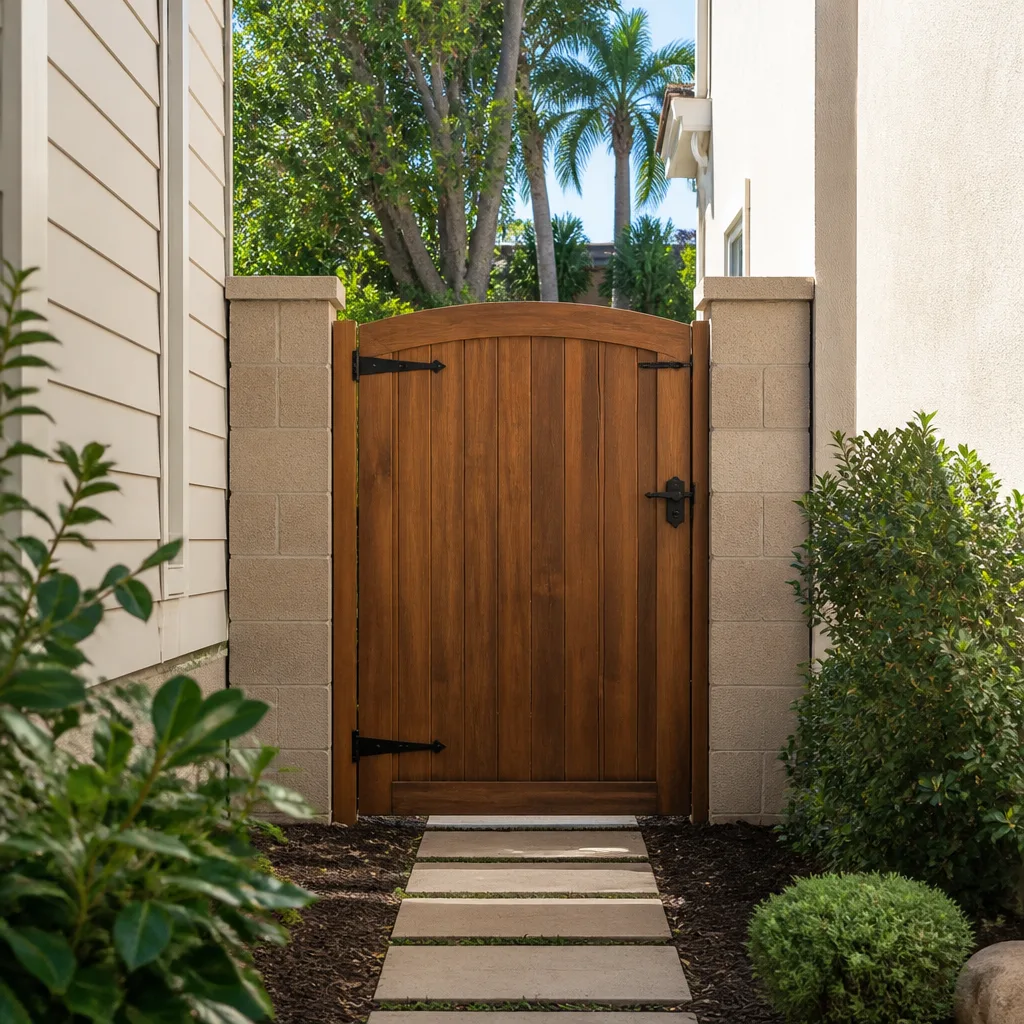
- Fence systems (Bufftech, ActiveYards): Fade, structural, and wind warranties commonly condition on professional install.
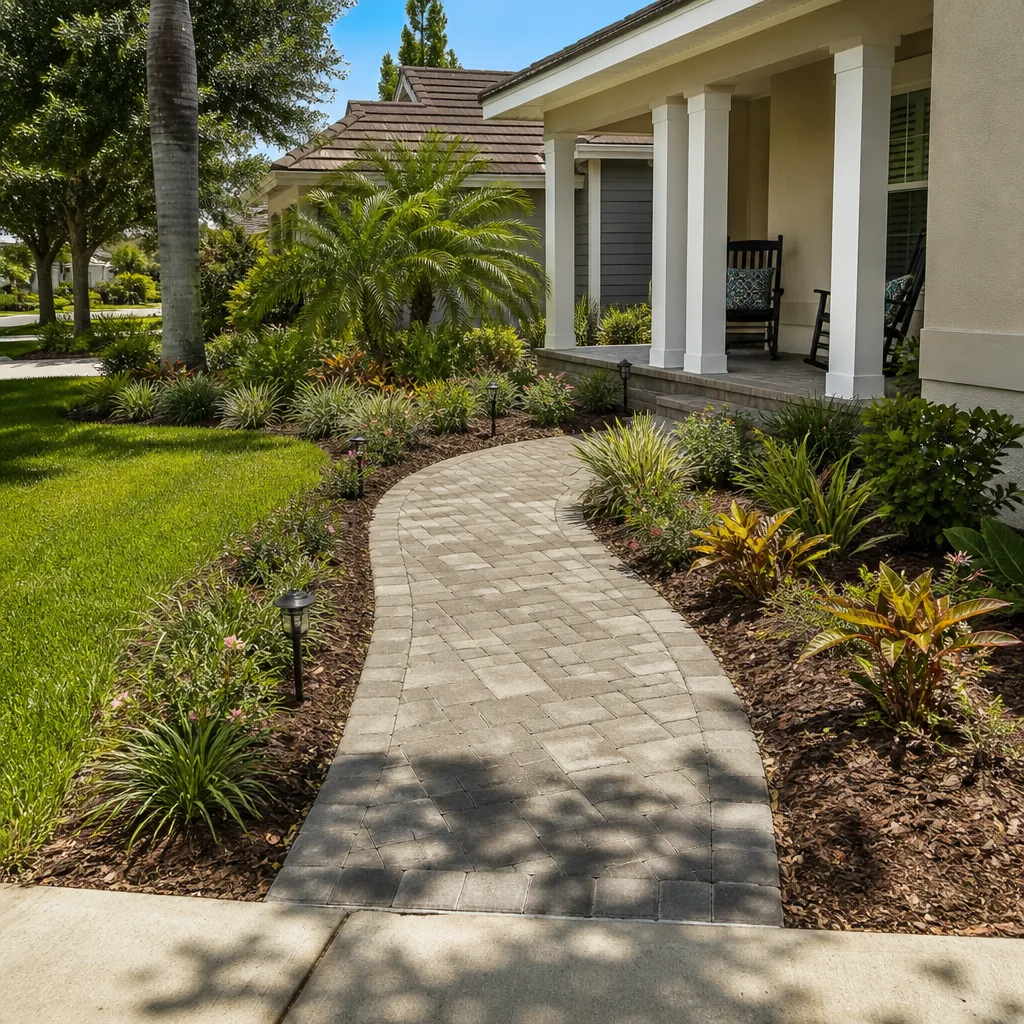
- Paver systems (Belgard, Unilock): Base prep and installation by a qualified installer keep the product warranty valid.
- Workmanship coverage: A manufacturer warranty covers the material. Only the installing contractor’s workmanship guarantee covers the installation. DIY has none.
That last point deserves its own paragraph. A material warranty and a workmanship warranty are two different things. The manufacturer only stands behind the product, assuming it was installed correctly. The contractor stands behind the installation – the flashing detail, the slope, the base compaction. When you DIY, you become the installer and you become responsible for every one of those details. If the job fails, you have a manufacturer warranty pointing at your install and no workmanship coverage at all.
This is where a written guarantee earns its keep. The 730-Day Done Right Promise exists precisely because workmanship is the part that fails first – if it’s not done right, the company makes it right, in writing, for the full term. That’s the difference between a warranty on a box and a warranty on a finished job. When the warranty void matrix is the deciding factor, that’s the trade you’re weighing.
How to Calculate the True Cost of DIY
The DIY budget most people run is materials plus maybe a tool or two. That number is fiction. The real number includes permit fees, tool rental, material waste from overbuying and miscuts, disposal, your own time, and the resale discount an inspector will eventually apply. Running the math honestly is the single most useful thing you can do before deciding.
Time is the biggest missing line item. A permit can take weeks to issue. A weekend job stretches across multiple weekends once you hit a snag. And every hour you spend is an hour not spent on the work you actually get paid for. Enterprise homeowners with demanding schedules often discover the “savings” evaporate the moment they price their own hours at their earning rate.
Here’s a simple worksheet for one project – a paver patio, a fence run, or a small addition – so you can see how the numbers actually stack:
- Materials with waste factor: Add 10-15% overage for cuts, breakage, and future repairs. Skimp and you’ll be ordering under deadline.
- Permit and inspection fees: Look these up for the specific Enterprise project type before you commit. Missing a permit is not a savings.
- Tool rental: Compactors, trenchers, saws, and specialty fastening tools add up fast. List every tool you don’t already own.
- Disposal and haul-away: Dumpster rental, tipping fees, and the time to haul old material.
- Your hours times your hourly value: Be honest. Multiply realistic hours (double your optimistic estimate) by what your time is worth.
- Correction allowance: Every first-time project has rework. Budget 10-20% for mistakes and re-dos.
- Warranty and resale discount: Price what you’re giving up in coverage and what an inspector flag might cost at sale.
Then put the certified professional bid next to it. “Upfront pricing, no surprises” means the number on the estimate is the number you pay – the waste, the permits, the tool rental, and the disposal are all inside it, and the workmanship promise goes with it. In most Enterprise cases, once the DIY number is honest, the gap between it and a fixed professional bid is smaller than expected. And on the higher-risk trades, the gap usually inverts once you factor in warranty loss.
Cost is the second half of the story. Safety is the first. On any job involving height, gas, electrical panels, or high-tension springs, the trained and background-checked technician isn’t a luxury line item – he’s the reason the project ends the way it was planned.
Project Categories Where DIY Makes Sense in Enterprise
We’re not going to pretend nothing is DIY-able. Enterprise has plenty of homes with owner-suitable projects, and knowing which is which keeps the decision honest. The dividing line is simple: does a failed result cost under a few hundred dollars to fix, and is any manufacturer warranty on the line? If both answers are “yes,” DIY is on the table.
Cosmetic and non-permitted work tops the list. Interior paint – especially the desert-toned repaint Enterprise’s climate punishes with UV fade – is a clean DIY win. Cabinet refacing or hardware swaps, interior trim, baseboards, and a tiled backsplash all qualify. So does landscaping bed prep without retaining structures, and small repairs like replacing a faucet or swapping a light fixture (with the breaker off and the proper skill). These are the jobs where an error is an afternoon, not an insurance claim.
Then there’s the category where it genuinely pays to hire out. Roofing in a desert climate is unforgiving – UV, heat, and monsoon rain all test the flashing and underlayment details that a certified installer gets right and a novice often doesn’t. Windows and doors fail on sealing and operation, and the performance warranty that matters requires a professional install. Anything that touches a permit, a structural load, or a manufacturer warranty moves to the hire side.
- DIY makes sense: Paint, trim, hardware, backsplash, landscaping beds, minor faucet and fixture swaps.
- Hire it out: Roofing, windows and doors, fence systems that carry wind warranties, pavers, additions, and anything requiring a permit or inspection.
- Grey zone: Patio covers and pergolas that may or may not need a permit – confirm with the county before you buy materials.
If your project lands on the hire side – a new fence, a paver driveway, or an added square footage – pricing it early gives you a baseline. Our pages on Fence Installation in Enterprise and Driveway & Pavers in Enterprise show how a certified install keeps the product warranty intact and what the pricing looks like with the warranty included.
What You Must Disclose at Resale in Nevada
Nevada sellers fill out a disclosure form that asks, directly, about unpermitted work and known defects. A homeowner who pulled owner-builder permits and did a project themselves will have that history recorded in the county’s permit file – which is exactly what a buyer’s inspector pulls before closing. This is the part nobody warns you about.
Inspectors find it. A DIY addition with an uncovered permit, a wiring change without a sign-off, a bathroom tile job over unaddressed moisture – these show up on the inspection report, and the report becomes a negotiating lever. Buyers ask for credits, ask for corrections, or walk. Title companies may flag unpermitted or owner-performed work, and some title insurance products exclude or require an exception for it. The cost of the original DIY “savings” can reappear as a price reduction or a last-minute correction bill years later.
Here’s what neutralizes the problem. Permitted, inspected, licensed work has a paper trail – and that record is an asset, not a liability. A licensed contractor pulled the permit, the county signed the inspection, the warranty lives in writing. When you list the property, you hand the buyer a documented, warrantied project. The disclosure form is easy to fill out because there is nothing to hide. That is the resale math: the value of a documented job is a buyer who doesn’t ask for a discount or a repair credit. From foundation to finish line, documentation becomes part of the sale.
Every Enterprise homeowner planning a major project should know this step before it, not after. It’s the single biggest hidden cost of unpermitted DIY, and it’s the reason the permit question leads nearly every serious client conversation we have. If you want the documented, warrantied route, our team at the Groundwork Construction Co. of Enterprise home page can walk you through what that looks like on your property.
Common Mistakes to Avoid
- Skipping the permit to save a fee. A missing permit is not a savings; it’s a disclosure liability that resurfaces at resale. In Enterprise, unpermitted work is exactly what buyer inspectors flag first.
- Bumping into the owner-builder exemption on the wrong property. The exemption covers only a home you own and occupy. Using it on a rental or a flip risks fines and can invalidate your insurance coverage on the work.
- Buying premium materials without a certified installer. A top-tier shingle system or a Bufftech fence installed without the certified process loses the warranty that made it worth buying. You paid for the coverage and left it on the shelf.
- Running the budget in materials only. Permit fees, tool rental, dumpster costs, and your own time turn a DIY “win” into a pile of receipts if you don’t price them before you start.
- Assuming the desert climate is forgiving. Enterprise’s UV, heat, and monsoon patterns punish bad flashing, weak base prep, and thin finishes – the errors most likely on a first-time attempt, and the ones that fail fastest.
- Forgetting the workmanship warranty is separate. The manufacturer covers the material; only the installer covers the installation. DIY leaves you as both, and the loss when something fails comes out of your own pocket.
- Not getting the warranty terms in writing before hiring. A verbal “we guarantee it” is worth nothing at year two. Get the promise in a document with a clear term before the first truck rolls.
When to Call a Professional
Call a licensed professional whenever the project touches a gas line, an electrical panel, a structural load, a roof at height, a manufacturer warranty, or a permit. That covers more than most homeowners expect. If your job is a full roof, a window and door package, a fence or paver system with a product warranty, or any addition, the reasoning in this guide lands squarely on the hire side of the ledger.
The call itself should be low-stakes. Groundwork Construction Co. of Enterprise offers free estimates in Enterprise – call (844) 797-4406. Upfront pricing means the bid you get is the number you’ll pay, with no change orders hiding a surprise. Our technicians have up to 12 years of experience, arrive background-checked and uniformed, and stand behind the work under the 730-Day Done Right Promise.
For homeowners weighing a larger project, the starting point is a conversation, not a commitment. When you’re ready to run the real numbers against the DIY math in this guide, one free estimate settles it in under an hour.
See the difference
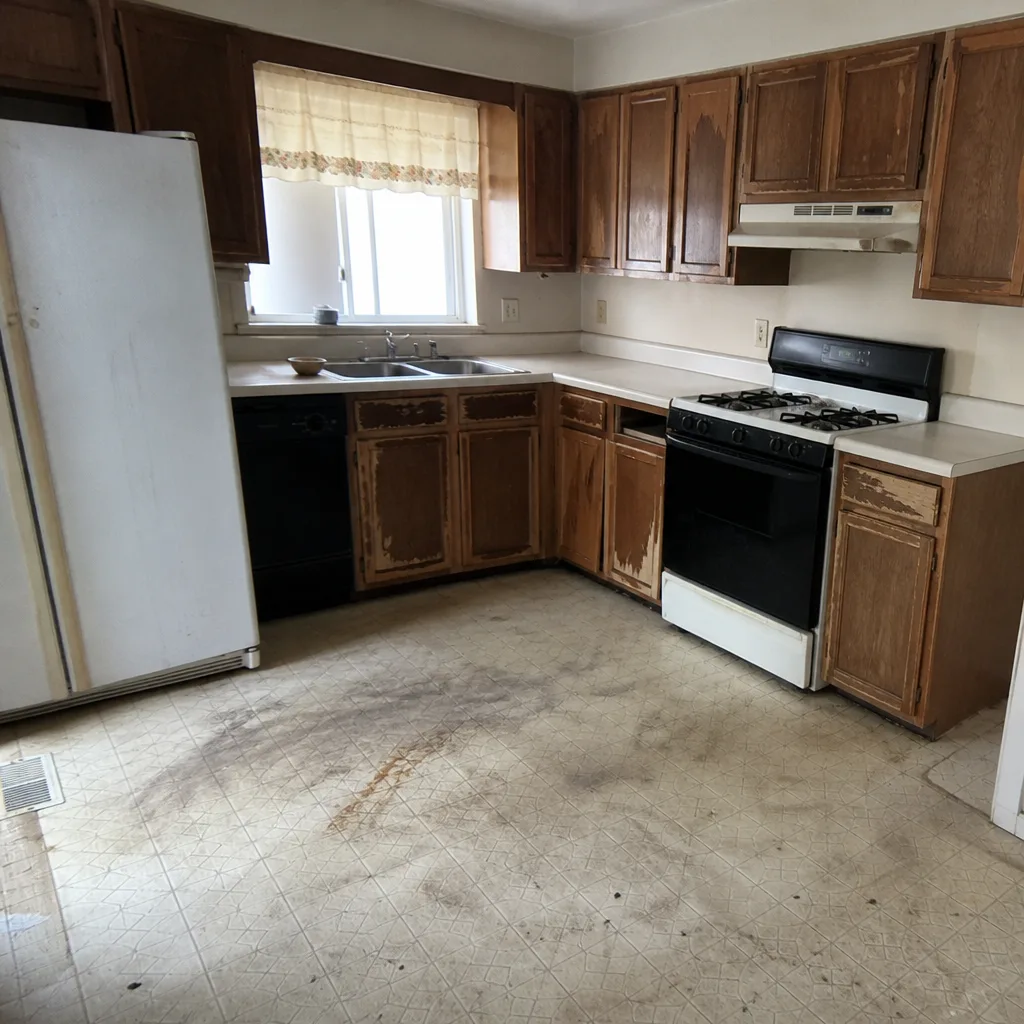 Before
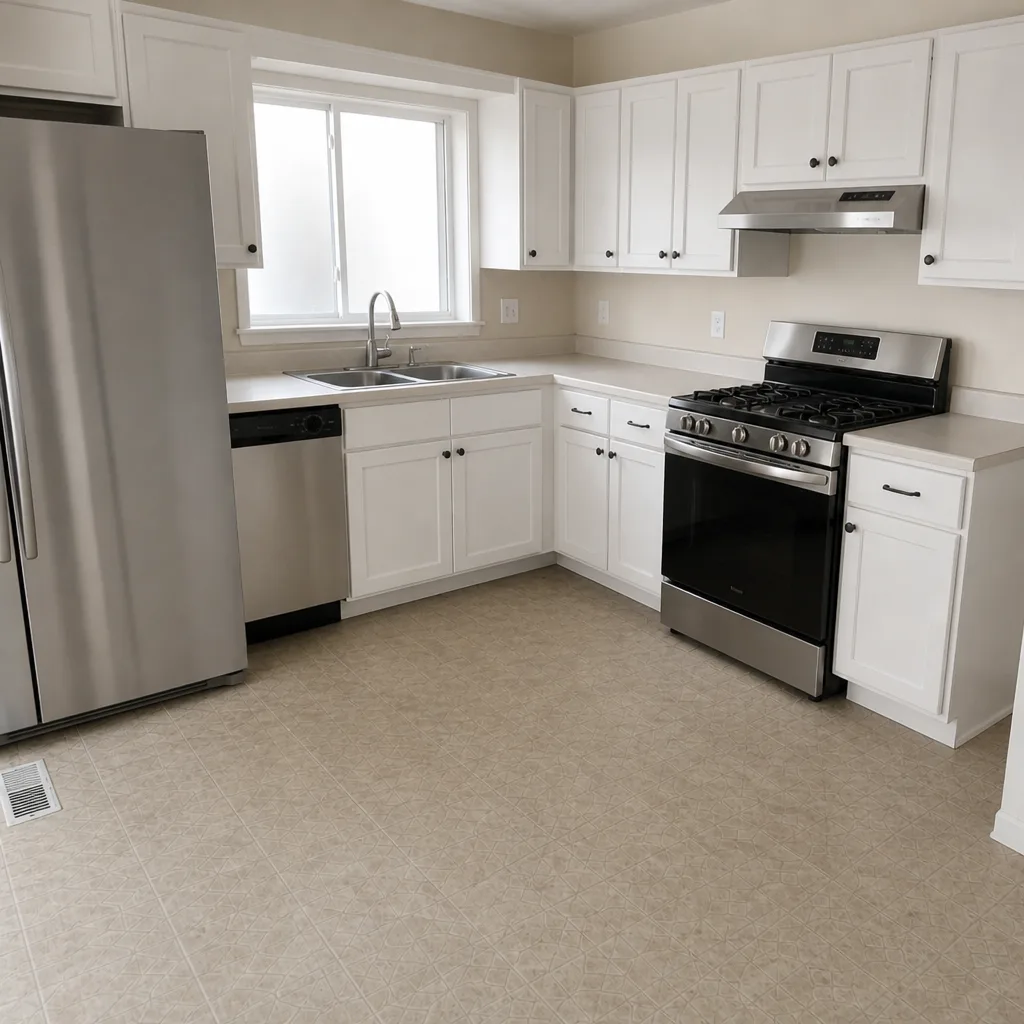 After
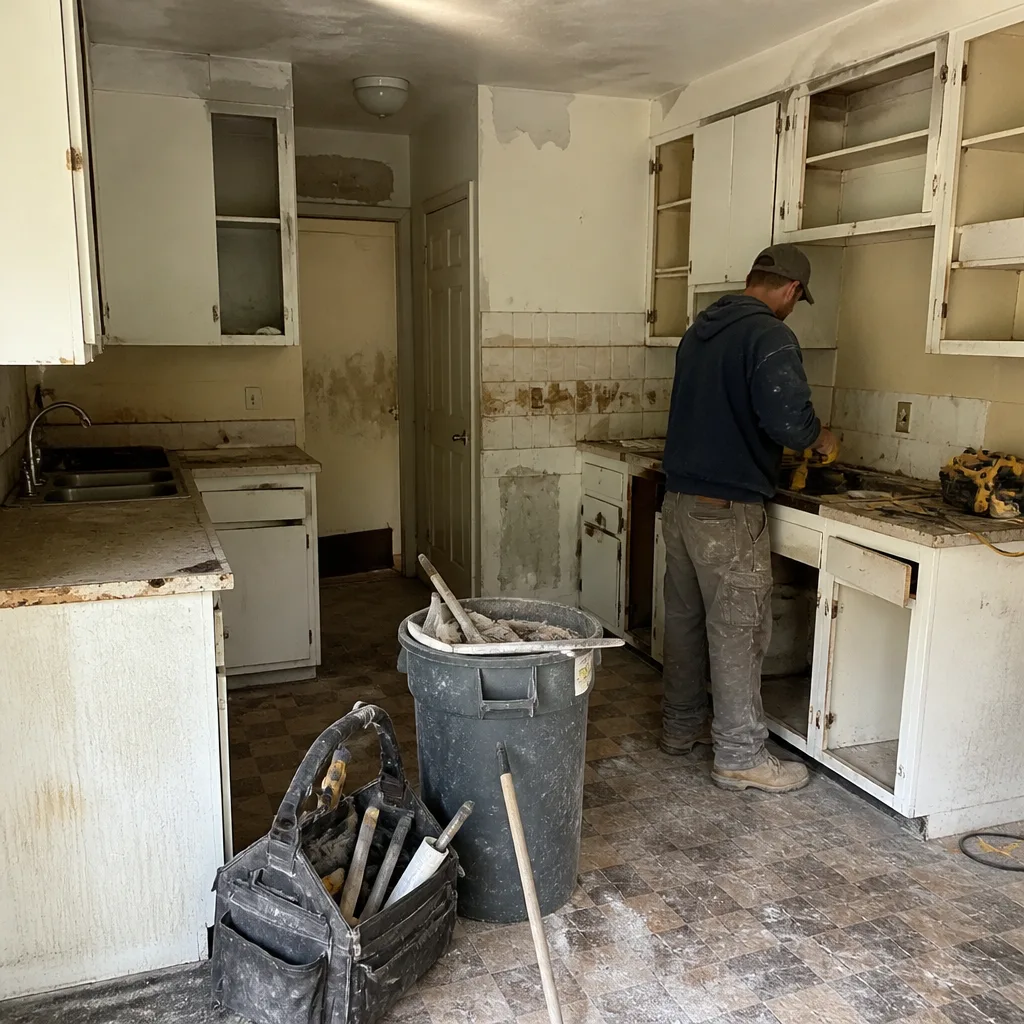 Before
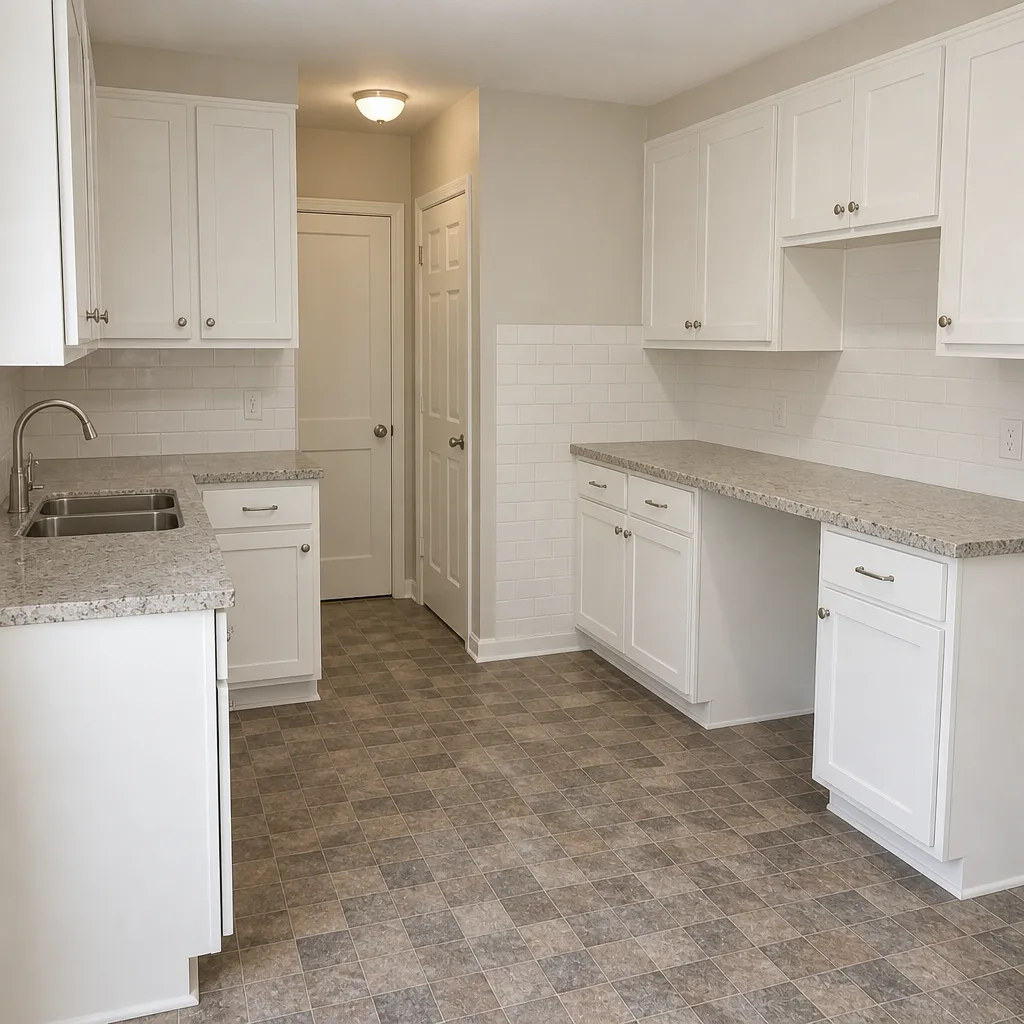 After
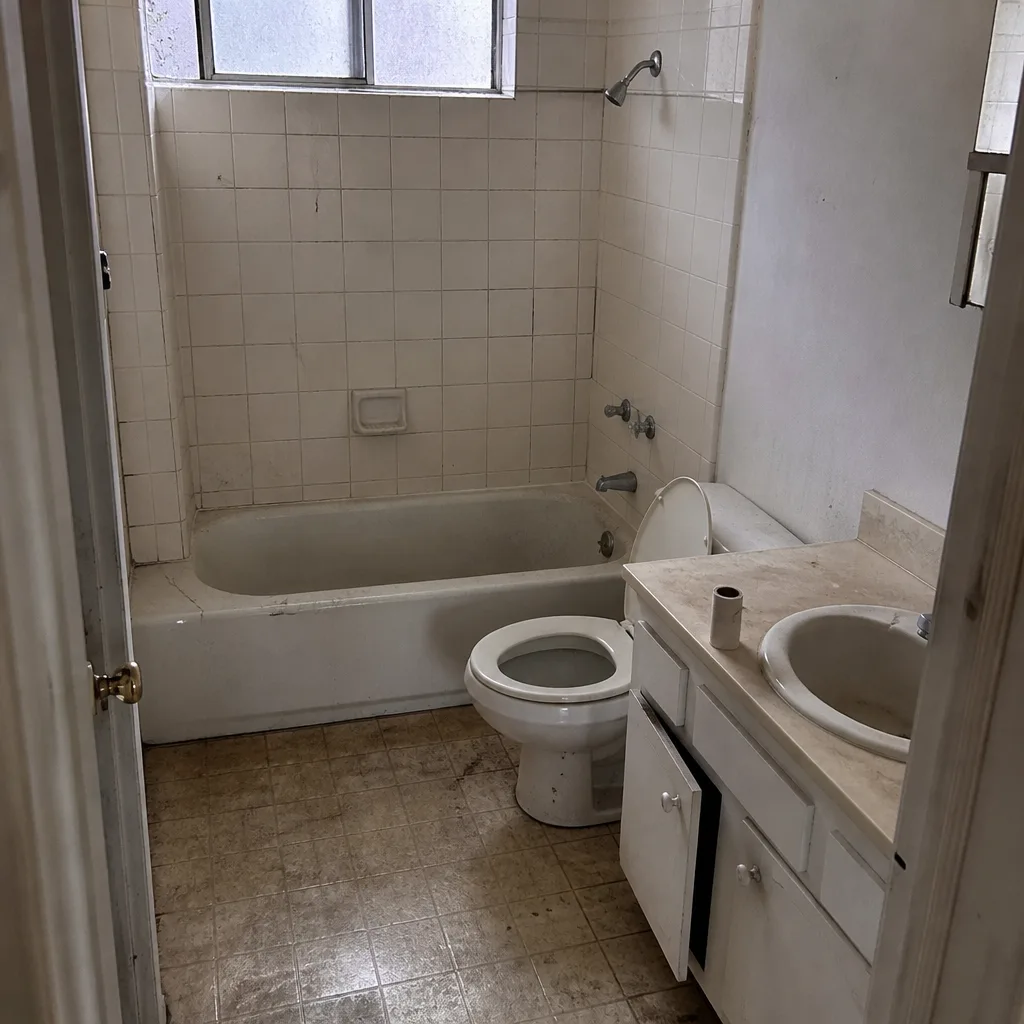 Before
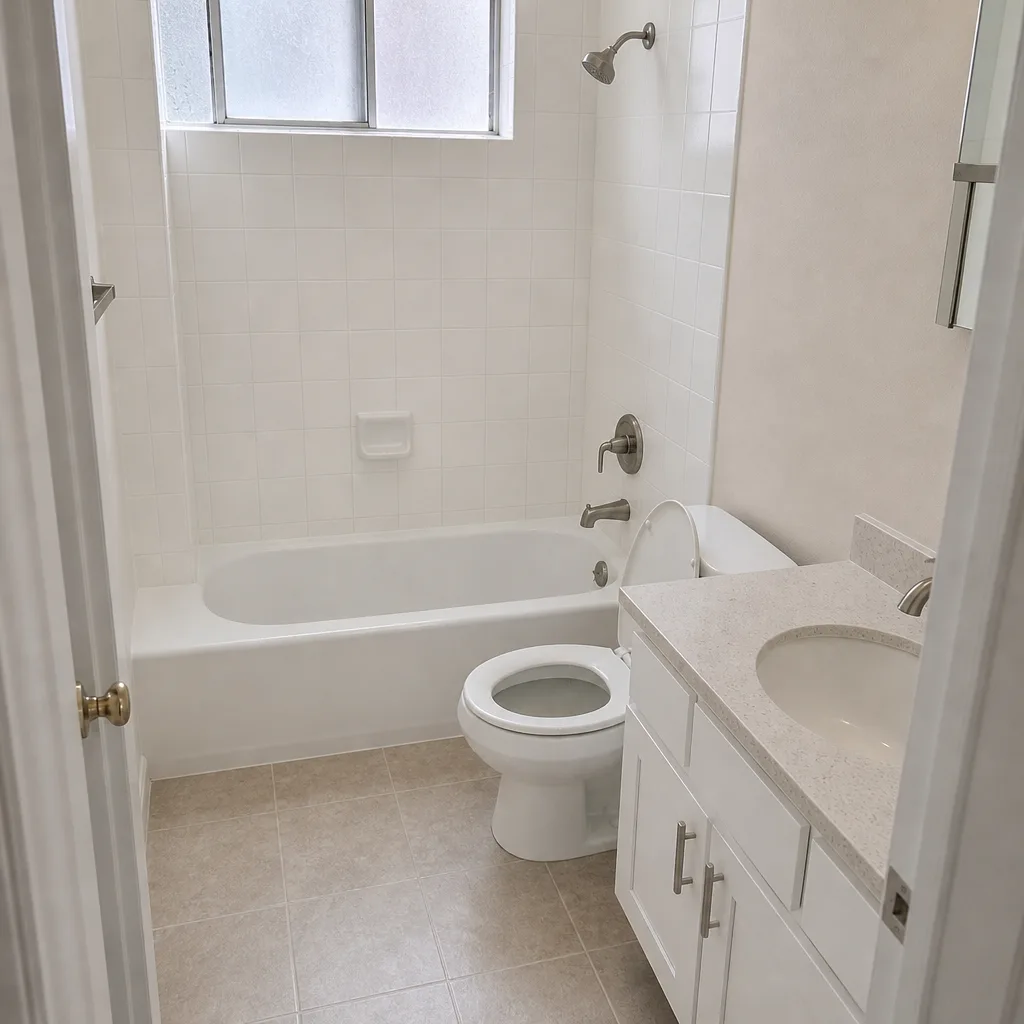 After
Frequently Asked Questions

Yes, within limits. Nevada’s owner-builder exemption lets you pull permits and perform construction on a single-family home you own and occupy. It does not extend to rental property, investment property, or work for anyone else, and you remain the responsible party for code compliance even if you hire helpers.
Very often, yes. Most manufacturer warranties on roofing, windows, siding, fence systems, and pavers require professional or certified installation to stay valid. Install the same product yourself and the warranty typically reduces or drops entirely. Always read the warranty terms before you buy, because for many products the warranty is the most valuable part of the purchase.
Nevada’s seller disclosure form asks directly about unpermitted work and known defects, and a buyer’s inspector will pull the county permit file. Unpermitted or owner-performed work often shows up on the inspection report and becomes a negotiating point. Permitted, inspected work with a licensed contractor creates a paper trail that avoids the problem entirely.
It depends entirely on how honest you are with the DIY number. When you add permits, tool rental, material waste, disposal, your own time, correction allowance, and the value of the lost warranty, the gap to a fixed professional bid is usually smaller than expected – and on higher-risk trades, DIY often costs more once warranty loss is priced in.
Anything on gas, electrical panels, structural changes, roofs at height, and high-tension garage-door hardware. These carry genuine safety risk and require a licensed or trained professional – the consequence of a mistake is injury, not a callback. Water heaters and any permitted work also belong with a licensed contractor.
Two things: the manufacturer’s material warranty, which stays active because a qualified installer did the work, and the contractor’s workmanship warranty, which covers the installation itself. The 730-Day Done Right Promise covers the workmanship for the full term – if it’s not done right, the company makes it right. Call (844) 797-4406 for a free estimate and the exact terms in writing.
The Bottom Line
The DIY-or-hire decision in Enterprise comes down to three numbers, not your skill level: the permit exposure, the warranty void, and the resale record. Cosmetic, permit-free work is genuinely yours to handle. Everything that touches a gas line, electrical panel, structural load, roof, or manufacturer warranty belongs with a licensed professional – because the warranty, the inspection record, and the resale value all depend on documented, qualified installation. When you run the true cost of DIY – permits, tools, waste, time, corrections, and lost coverage – a fixed professional bid closes the gap. Call (844) 797-4406 for a free estimate in Enterprise and get the numbers on paper before you decide. Upfront pricing, no surprises, and the 730-Day Done Right Promise to back the work.
Written by the team at Groundwork Construction Co. of Enterprise.