Last updated November 18, 2026






Free written scope consultation - allowances, timeline, and change-order rules on paper before a single trade is scheduled
Driveway & Pavers Warning Signs Every Homeowner Should Know
A paver that rocks when you step on it isn’t just annoying. It’s your driveway telling you that water is undermining the base beneath it right now, and every rain event is making it worse. The homeowners we meet across Enterprise usually call us about the wobble long after the cheap fix window has closed. Here’s the part almost nobody explains: most paver failures don’t start at the surface. They start underneath, and the surface is just the last thing to give. This guide walks through the five physical signs that separate surface wear from base failure, what your edge and pooling patterns are actually telling you, and how to build a photo file the day your driveway is finished so a warranty claim never becomes your word against a contractor’s. Read it before you call anyone, including us.
Quick Answer
The main warning signs of paver problems are rocking or loose pavers, edge pavers lifting or spreading, pooling water along the perimeter, uneven dips you can feel underfoot, and sand washing out of the joints. Each one points to either a surface issue or a base issue, and base issues are the ones that get expensive because they spread. If pavers are rocking or your edges are lifting, it’s usually a base or restraint problem, not a cosmetic one, and it’s worth a professional look before the next rainy season.
Styles & brands we work with
- Kitchen remodeling
- Bathroom remodeling
- Home additions & ADU
- Roofing
- Windows & doors
- Driveway & pavers
- Fence
Table of Contents
- The Five Physical Signs That Matter Most
- Surface Wear vs. Base Failure: How to Tell Them Apart
- Why Edge Pavers Lift Before the Interior Does
- What Water Pooling Patterns Reveal About Grading
- Normal Settling vs. Premature Failure
- Building a Photo Documentation File From Day One
- How Enterprise Conditions Stress Pavers
- Repair or Replace? Reading the Cost Signals
The Five Physical Signs That Matter Most
Not every crack in a driveway needs a contractor. But five specific signs carry real information about what’s happening under the pavers, and each one comes with a different level of urgency. We’ve walked enough driveways in Enterprise to know that homeowners often group all of them together as “normal wear.” They’re not. Here’s how we read each one.
- Rocking pavers. If a paver shifts when you step on it, the sand bedding under it has likely washed out or the base beneath has settled unevenly. This is the highest-urgency sign because it means water is actively moving under the surface. Treat it as a warning that the problem is growing, not fixed in place.
- Edge pavers lifting or spreading. When the pavers along the driveway edge start walking away from the field, the edge restraint has failed or was never set correctly. This wants attention soon, because once the edge opens up, water gets a direct path into the base.
- Pooling water after rain. Low spots that hold water for more than a day point to a grading problem. Standing water accelerates everything else on this list. Moderate urgency, but the clock is running.
- Dips and humps you feel underfoot. These read as base settlement. If you can feel a gentle roll where you used to walk flat, the base has moved. Worth a professional assessment before it turns into a rocking paver.
- Sand washing out of the joints. A little joint sand loss over years is normal. Sand disappearing fast, or joints that empty out after every rain, means water is channeling through the surface and into the base. Track how often you’re refilling.
One of these in isolation might be surface wear. Two or more together, especially rocking plus edge lifting, is a pattern that says base failure. If you want a sense of what a proper repair or rebuild involves, our Driveway & Pavers in Enterprise service page lays out the process from base prep to finish.
Surface Wear vs. Base Failure: How to Tell Them Apart
This is the distinction that saves homeowners the most money, and it’s the one most people get wrong. Surface wear is cosmetic and slow. Base failure is structural and fast. They look similar from standing height, so you have to test at ground level.
Surface wear shows up as color fading from sun exposure, small chips at the paver corners, efflorescence (that white powdery bloom that comes from salts in the material), and surface scratches or stains. None of these affect how the driveway performs. You can seal, clean, or leave them, and the driveway will still work exactly as it should.
Base failure shows up differently. The pavers themselves are fine, but they can’t stay flat because what’s under them won’t hold. The telltale signs:
- Pavers that rock or shift when you step on them
- Joint lines that widen or stop lining up evenly
- Edges that creep outward over months
- Depressions that hold water in a specific spot
- A hollow sound when you tap a paver with a screwdriver handle
The hollow sound is worth explaining. Tap a paver that’s sitting on properly compacted base and bedding sand and you’ll hear a dull, solid thud. Tap a paver that’s bridging a void underneath and it rings hollow. That sound is your best low-tech diagnostic, and it costs nothing to try. If you walk a driveway in Enterprise and half the taps ring hollow, you’re looking at base movement, not fading color.
Why does the distinction matter? Because sealing a driveway with base failure hides the problem for a season and then makes the repair harder. Sealing is a surface treatment. It can’t fix what’s moving underneath. If a contractor offers to seal over rocking pavers without talking about the base, that’s a signal to ask harder questions. Our Groundwork Construction Co. of Enterprise home page covers how we approach these assessments from the ground up, literally.
Why Edge Pavers Lift Before the Interior Does
If you ever see edge pavers lifting while the middle of the driveway stays flat, don’t write it off as random. That specific pattern is diagnostic. It means your edge restraint has failed, and understanding why tells you exactly how the problem is spreading.
Every properly built paver driveway has an edge restraint running along the perimeter, typically a concrete curb or a spiked plastic edge. This restraint does two jobs: it holds the outside pavers in place against lateral pressure, and it gives water a defined path to drain off the surface rather than into the base. When the restraint fails, both jobs stop being done.
How edge restraint fails in Enterprise conditions:
- Spikes pull out. Plastic edge restraint is held down by long spikes driven into the base. If the base softened from water intrusion, those spikes lose their grip and the restraint lifts.
- Concrete curb cracks. A concrete edge curb can crack at the joints and then move.
- Frost heave in winter. Enterprise sits high desert at about 2,600 feet, so we do get cold snaps. Water in the base freezes, expands, and pushes the edge up. This is more of a problem at the perimeter where water collects.
- Original installation errors. Sometimes the restraint was never spiked deep enough or set on improperly compacted base. It holds for a year, then starts migrating.
Once the edge opens, the field pavers start spreading outward, one row at a time. The joints widen, sand drains out, and water pours into the exposed base. That’s why addressing edge restraint early is one of the cheapest fixes in paver maintenance. Replacing a lifted edge section is a small job. Rebuilding the field is not. If you’re also planning a perimeter change, a Fence Installation in Enterprise project can coordinate with the driveway edge work so one crew sets the whole boundary correctly.
What Water Pooling Patterns Reveal About Grading
Water pooling on a driveway is not a “wait and see” situation. Where water sits after a rain tells you exactly where the grading is wrong, and grading problems almost never fix themselves. They get worse because pooling water accelerates base erosion and, in colder months, freeze-thaw damage at the spot that holds it.
Here’s how to read the patterns:
- Pooling along the garage door. The driveway grades toward the house instead of away. This is the worst version because water is being invited to the foundation, not just the driveway. Get this assessed promptly.
- Pooling at the street end. The pitch toward the street has flattened or reversed. Sometimes this is a base settlement issue, sometimes it was never graded correctly at installation. Either way, water needs a defined exit.
- Pooling along one side only. One edge was set lower than the other, or the edge restraint has dropped on that side. This is the pattern most often missed, because the middle looks fine.
- Pooling in a specific dip in the field. That’s a single base settlement point, usually tied to a soft spot under the pavers or a paver that’s rocking.
What we look for on an assessment is the direction water actually wants to go versus the direction the surface sends it. A driveway that drains correctly will be dry 24 hours after a rain, except maybe a small amount in the lowest point. A driveway that holds water in several places is telling you the grading was either wrong or has moved. In Enterprise, where we get concentrated summer monsoon rains, an improperly graded driveway goes from a small nuisance to a base-destroying problem fast.
When we’re assessing a paver driveway, we also flag whether an addition or detached structure is likely to impact runoff. If you’re planning a Home Additions & ADU in Enterprise, the driveway regrading should be part of the early planning, not an afterthought after the build.
Normal Settling vs. Premature Failure
Some paver movement in the first year is expected. A properly installed driveway will still settle slightly, and the trade standard allows for a small amount of movement as the base consolidates. The question is where the line sits between that normal settling and premature failure that’s the contractor’s responsibility.
Normal settling looks like this:
- Very slight, even dips in a few spots, less than half an inch
- Joint lines stay aligned, with maybe a small widening at a corner
- Pavers stay firmly seated when you step on them
- The overall surface still drains correctly
- No edge movement
Premature failure looks like this:
- Rocking pavers within the first year
- Edge pavers spreading or lifting
- Dips deeper than about half an inch, especially holding water
- Joint lines that visibly drift out of alignment
- Sand washing out of joints on every rain
The distinction matters because the first list is normal and the second list is a workmanship problem. A failed installation usually comes down to one of five mistakes: base not compacted enough, base not deep enough (pavers need roughly 4 to 6 inches of compacted base, more in high-traffic areas), improper drainage under the pavers, edge restraint improperly set, or pavers laid over unstable soil without stabilization. Every one of those is on the contractor, not on the homeowner.
This is where a written workmanship guarantee does the work. Our 730-Day Done Right Promise is a two-year commitment: if a driveway we built shows premature failure within that window, we make it right. That’s one of the longer warranties in the residential construction space, and it exists because the biggest failure mode we see isn’t pavers cracking. It’s bases failing early.
Building a Photo Documentation File From Day One
The single best thing you can do for a future warranty claim is something you can start on installation day. Build a photo file from the first day of the job, and keep it in one folder. If a problem shows up later, you won’t be arguing about what happened. You’ll have a timeline.
Here’s the documentation process we recommend to every homeowner we work with:
- Day one before any work begins. Photograph the full site, including the existing driveway, the lawn, and the house edge at the driveway. These are your baseline shots.
- During excavation and base prep. Photograph the excavated area at each stage: bare soil, first base lift, second base lift, compacted base. Include a tape measure in at least one shot showing base depth. This matters more than any other photo in the file.
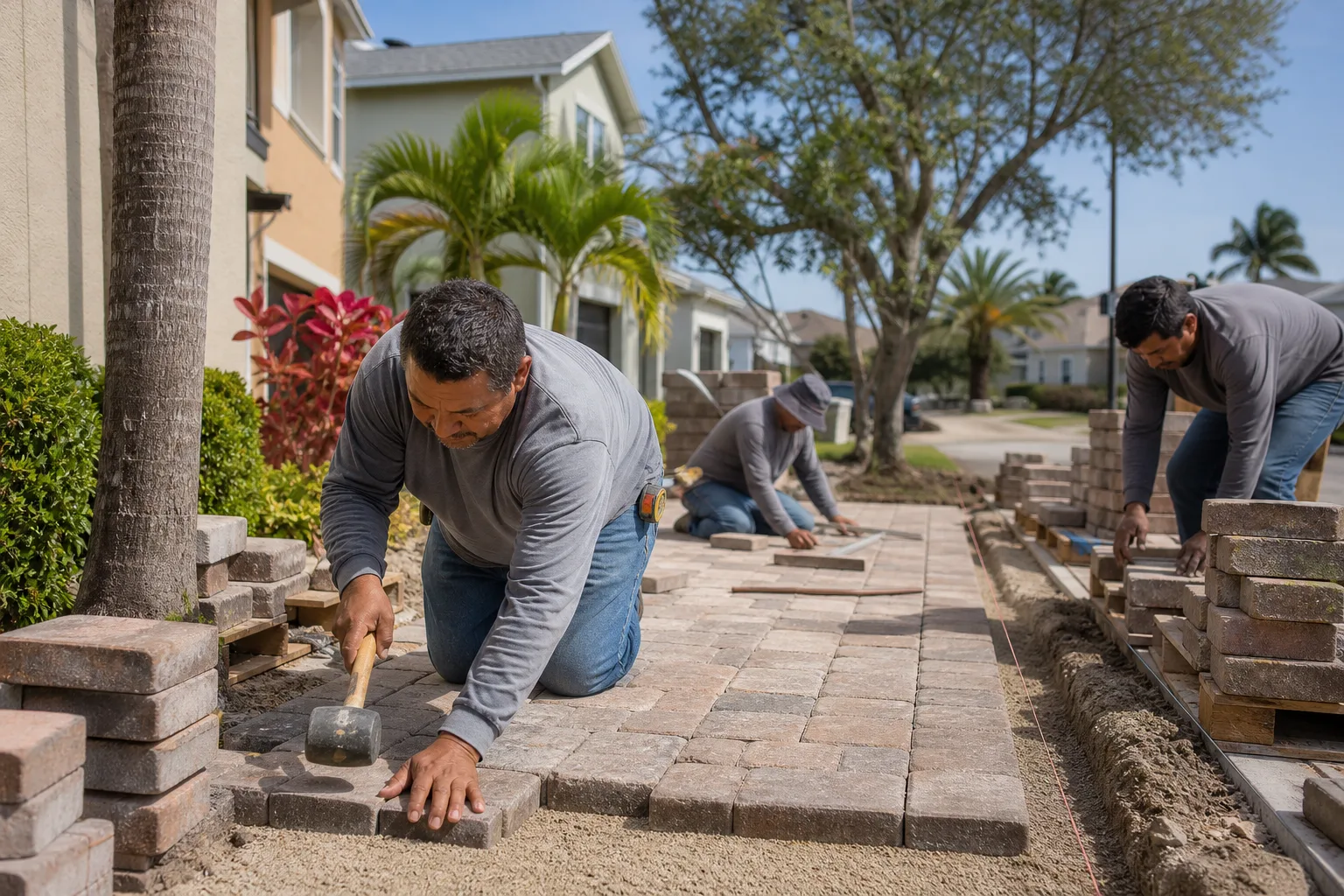
- During paver installation. Photograph the edge restraint before it’s covered, the paver pattern, and the finished joint sand. Include the product name on any packaging left on site.
- Final walkthrough. Take a wide shot from the same angle as your day-one shot, plus a close-up of each corner and every elevation.
- After the first rain. Photograph any pooling. Note the date and how long the water stayed. This establishes your drainage baseline.
- Every six months. Take the same shots from the same angle. A dated series catches slow movement that a single photo would miss.
- Any sign of failure. Photograph it in place with the tape measure included, note the date, and hold onto the file. Do not patch or re-sand before photographing.
The reason this matters: warranty claims get denied when the homeowner can’t demonstrate when a problem started. A file with dated photos from installation day through the first failure shots is much harder to dismiss. If you’re weighing a driveway project now, our Driveway & Pavers in Enterprise page covers what a documented install looks like from the homeowner’s side.
How Enterprise Conditions Stress Pavers
Paver driveways in Enterprise live in a specific environment, and that environment shapes which failure modes come first. Understanding the local conditions helps you know what to watch.
Enterprise sits in the Las Vegas Valley at roughly 2,600 feet, and it’s high desert. That means:
- Summer heat. Surface temps on unshaded pavers can exceed 140°F. That’s hard on sealant but not usually the cause of failure. It matters for aesthetics and topcoat life.
- Monsoon rains. Late summer brings short, heavy rain. Grading problems that drain slowly in normal rain back up fast in monsoon rain. This is the biggest driver of base erosion in Enterprise.
- Winter freeze-thaw. Enterprise does get freezing nights in December through February. Water that’s pooled against an edge restraint can freeze and pop the edge upward. This is a smaller issue than in higher elevations but real at the perimeter.
- Caliche soil. Parts of the valley have caliche, a hard calcium-rich soil layer. It doesn’t drain well, and when driveway base is placed over it without adequate compaction, water backs up. This is one of the base-prep mistakes we see most often in Enterprise-area installs.
- Wind-driven dust. Fine dust settles in joints. In the dry season, joint sand can blow out faster than in wetter climates, which is one reason paver maintenance looks different here than in coastal regions.
The pattern we’ve observed in Enterprise is that base failures show up about 12 to 18 months after installation rather than the 3 to 5 years we see in wetter climates. The rain events are less frequent but more intense, which means a base defect gets hit hard and fast. If your driveway is younger than 18 months and showing the failure patterns we described earlier, take it seriously.
Repair or Replace? Reading the Cost Signals
The hardest question in paver ownership is when a repair stops being worth it. We can’t give you an exact price without seeing the driveway, but we can give you the decision framework. Simply put, the closer you can confine the failure, the cheaper the fix.
Repairs that tend to be small and targeted:
- A single rocking paver with sand bedding loss. Lift the paver, re-sand the bedding, reset, re-sand the joint. This is cheap and fast.
- A short section of edge restraint that’s lifted. Resetting the edge section and re-sanding is a small job.
- Re-sanding the joints. This is routine maintenance, not a repair. Some driveways need it once every few years in Enterprise.
Repairs that start to run into real money:
- Replacing a perimeter section including edge restraint.
- Rebuilding the base under a specific zone (say, one-third of the driveway).
When replacement is the more sensible path:
- Base failure across more than half the driveway
- Multiple rocking pavers plus edge lifting plus pooling that resists repair
- A driveway where grading was wrong at installation and has to change
- Underlying soil that’s soft in multiple locations
The reason we talk about this as a cost signal, not just a decision, is that mismatching the fix to the failure wastes money. Sealing over a base problem, or patching one paver while ten are feeding the problem, gets expensive fast. Groundwork offers upfront pricing with a written line-item estimate, so you know what you’re buying before any work starts. Our 730-Day Done Right Promise backs the work when it’s a rebuild. If you want to compare against the full build cost, our Driveway & Pavers in Enterprise page has the project scope laid out. We’re also proud to work with brand partners like Belgard on hardscape materials, which means you have real finish choices when a rebuild is the right answer.
If the driveway project is one part of a larger plan, the scope often overlaps with other work. Coordinating a driveway rebuild alongside Home Additions & ADU in Enterprise or Fence Installation in Enterprise gets better results than treating each as a separate job with a separate crew handing off to the next.
Common Mistakes to Avoid
- Sealing over a base problem. Sealant locks in the surface and hides the rocking paver for one season. Then the paver rocks harder, the sealant cracks, and now you’re paying for both a seal and a repair. Diagnose before sealing, always.
- Refilling joint sand without checking drainage. In Enterprise, joints empty because water is channeling through them, not because of wind alone. Refill the sand and skip the drainage check and you’ll be refilling every few months.
- Ignoring edge lifting. Homeowners sometimes tap lifted edge pavers back into place with a rubber mallet. It works for a few weeks. What it actually does is delay the edge restraint repair until the field starts moving too.
- Waiting through one more monsoon season. The cheap fix window is measured in months, not years. A driveway that starts pooling in spring often looks dramatically worse by fall.
- Not photographing during base prep. The single most useful photo for a warranty claim is the excavated base with a tape measure in it. Most homeowners never take it, and they can’t recreate it later.
- Comparing quotes without comparing scope. A low paver quote often excludes base depth, compaction, or edge restraint. Two quotes aren’t comparable until you check what’s under the pavers.
- Assuming normal settling for the first 3 to 5 years. In Enterprise’s climate, failure shows up faster than in wetter regions. If your driveway is showing failure signs inside 18 months, don’t let it ride.
See the difference
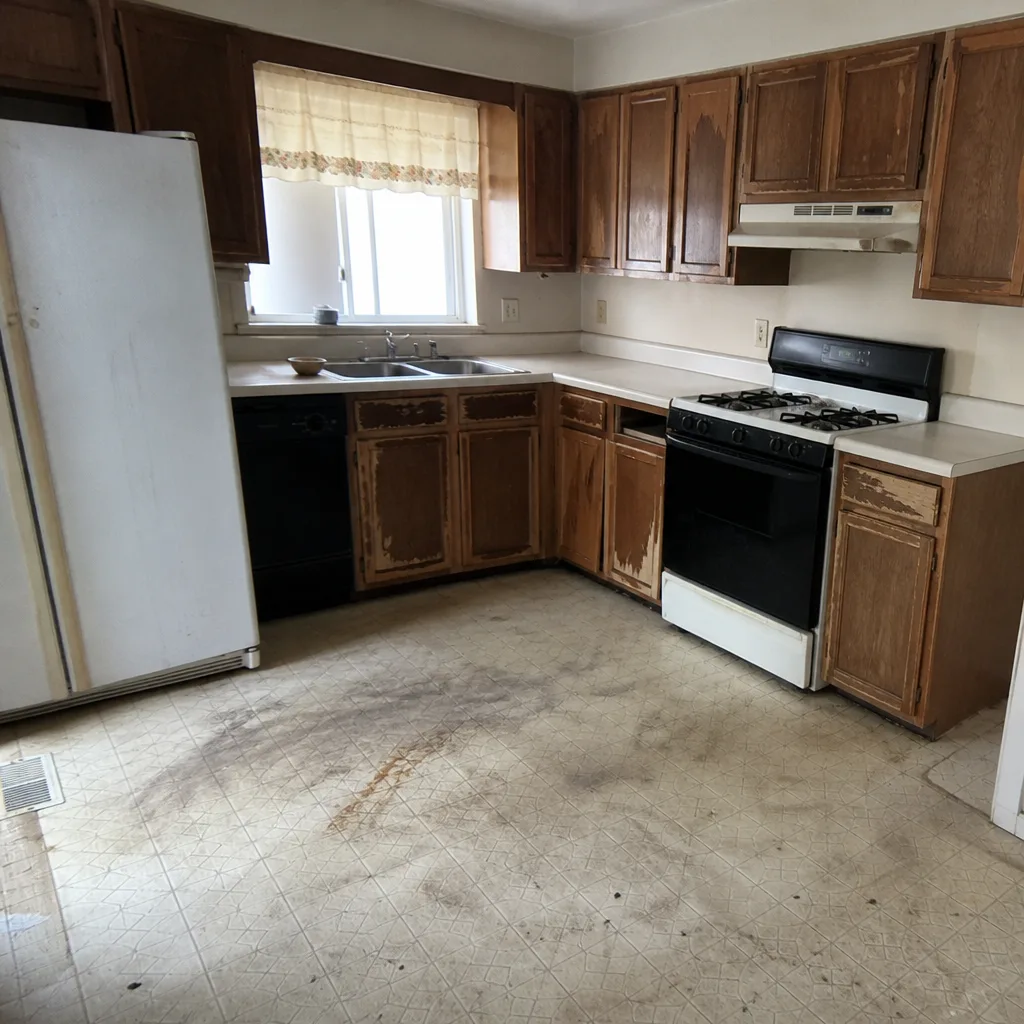 Before
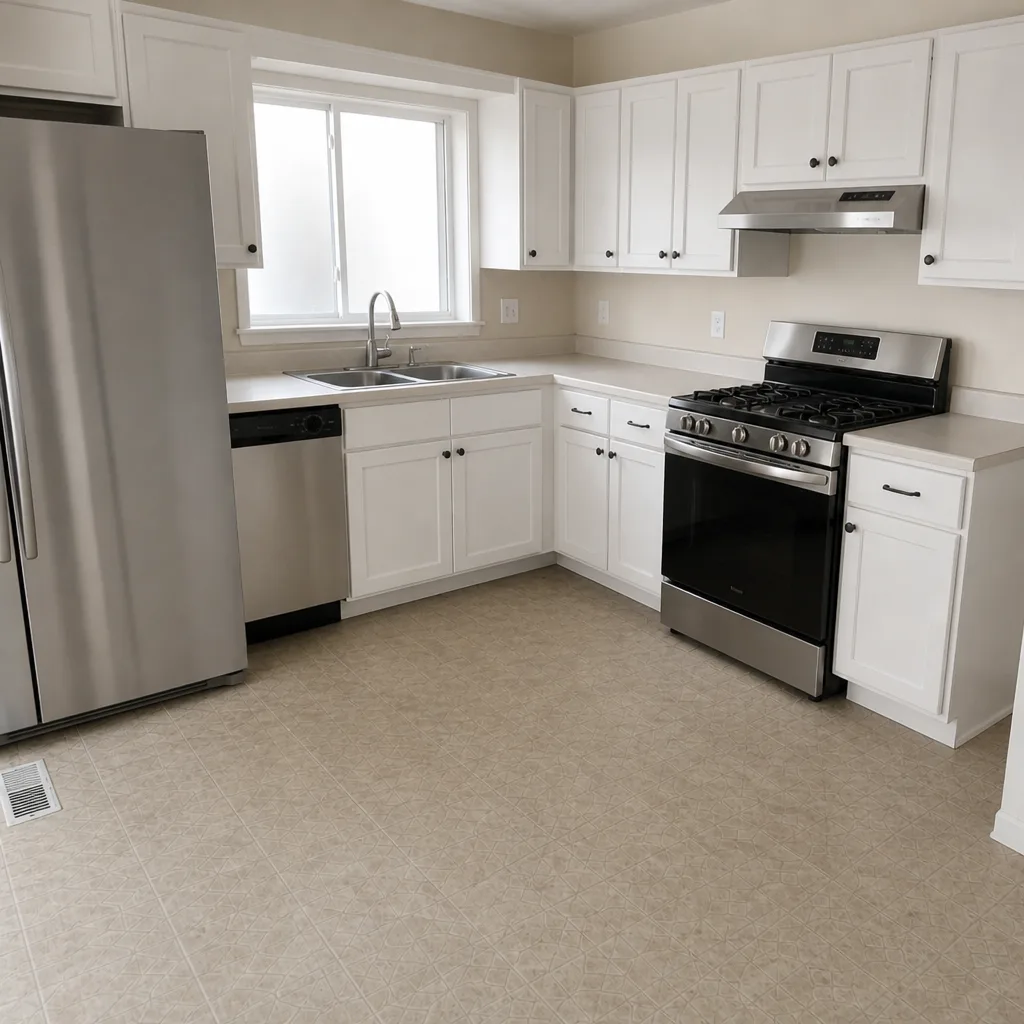 After
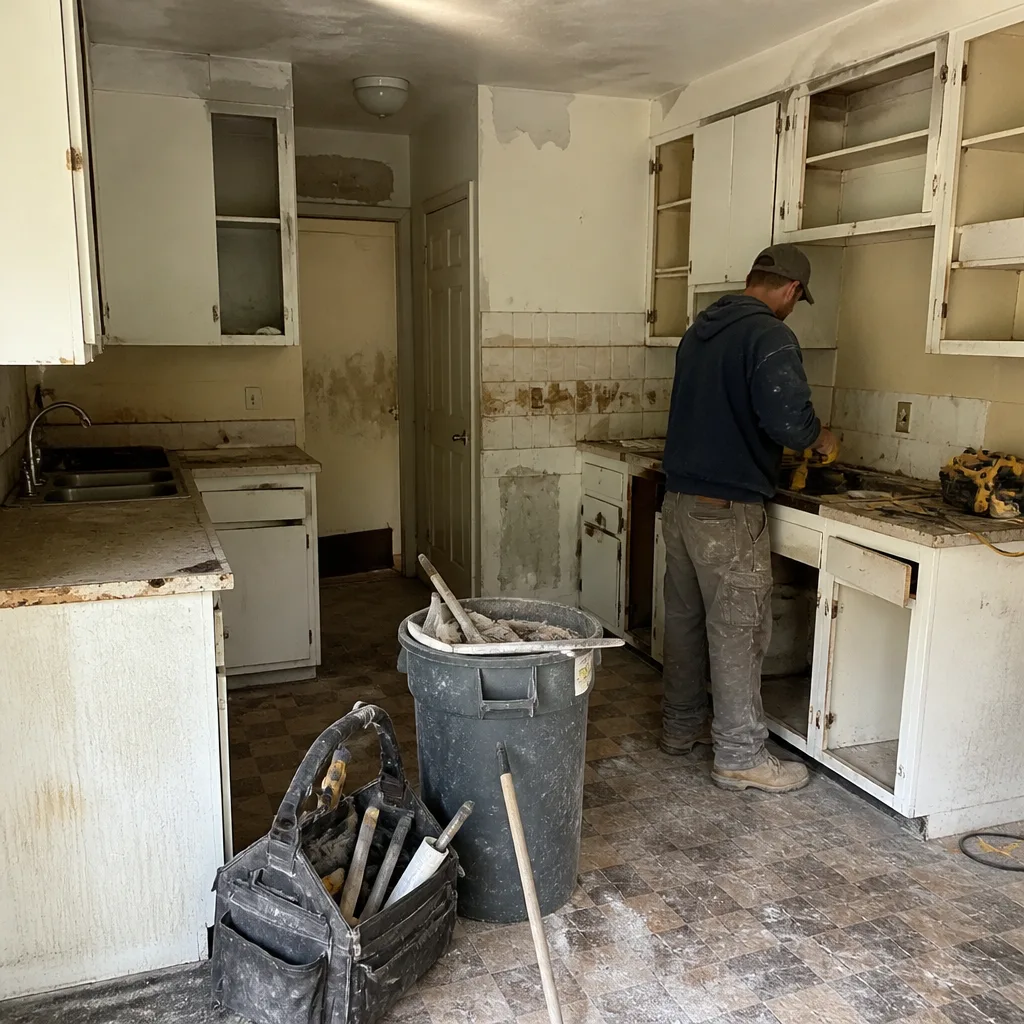 Before
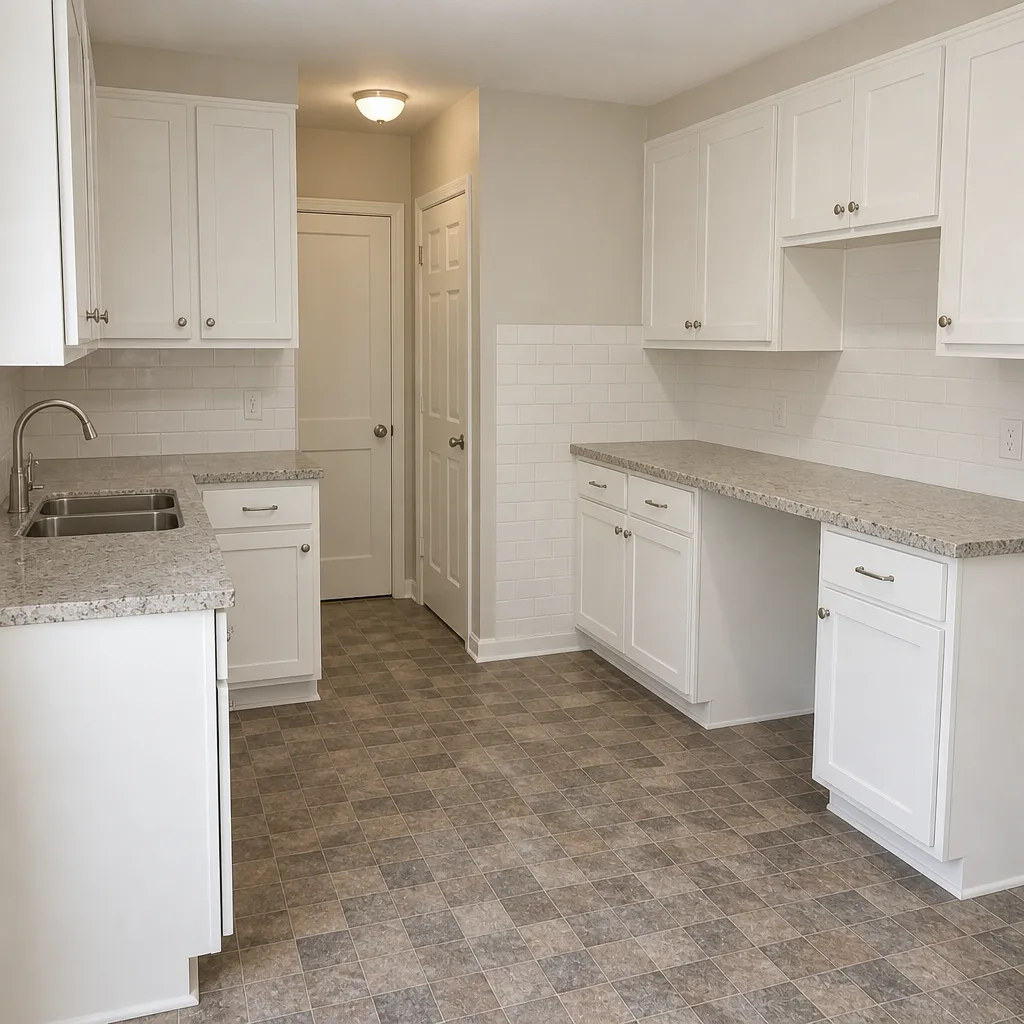 After
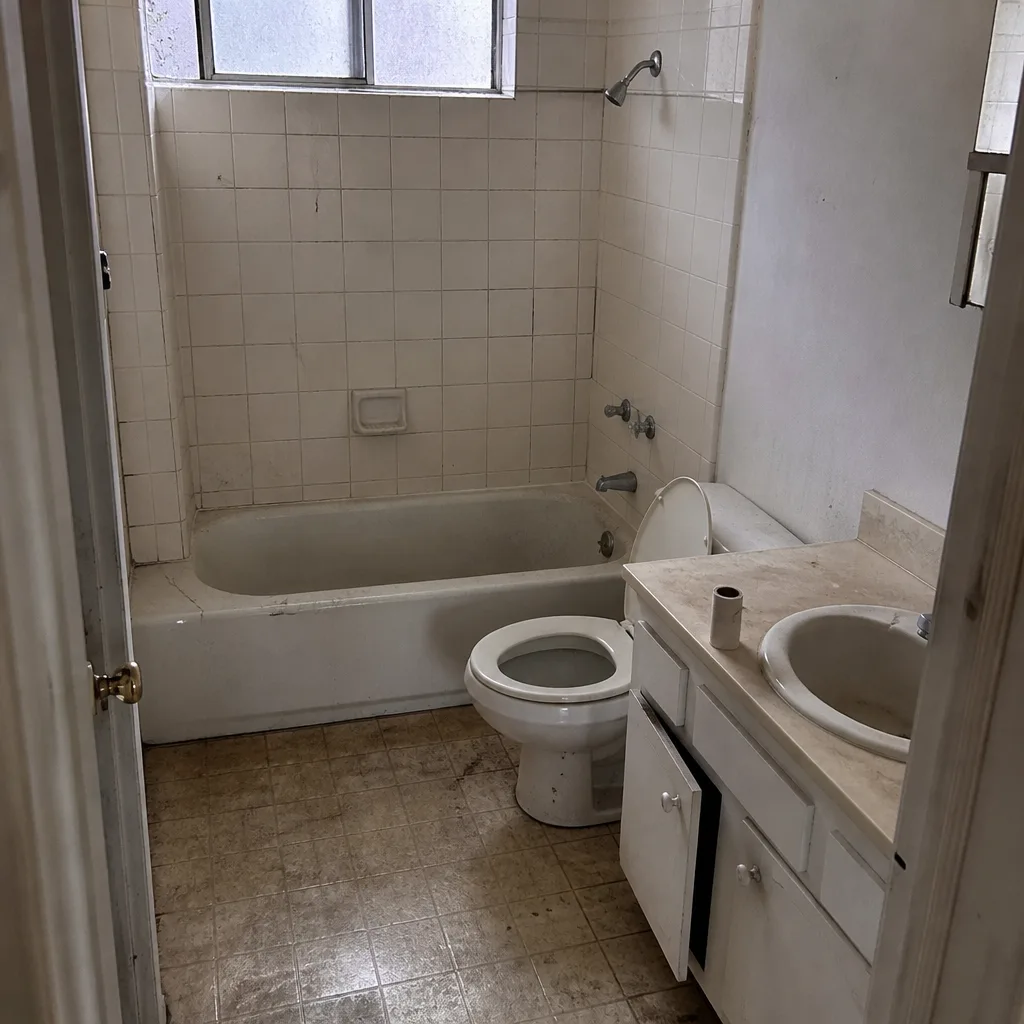 Before
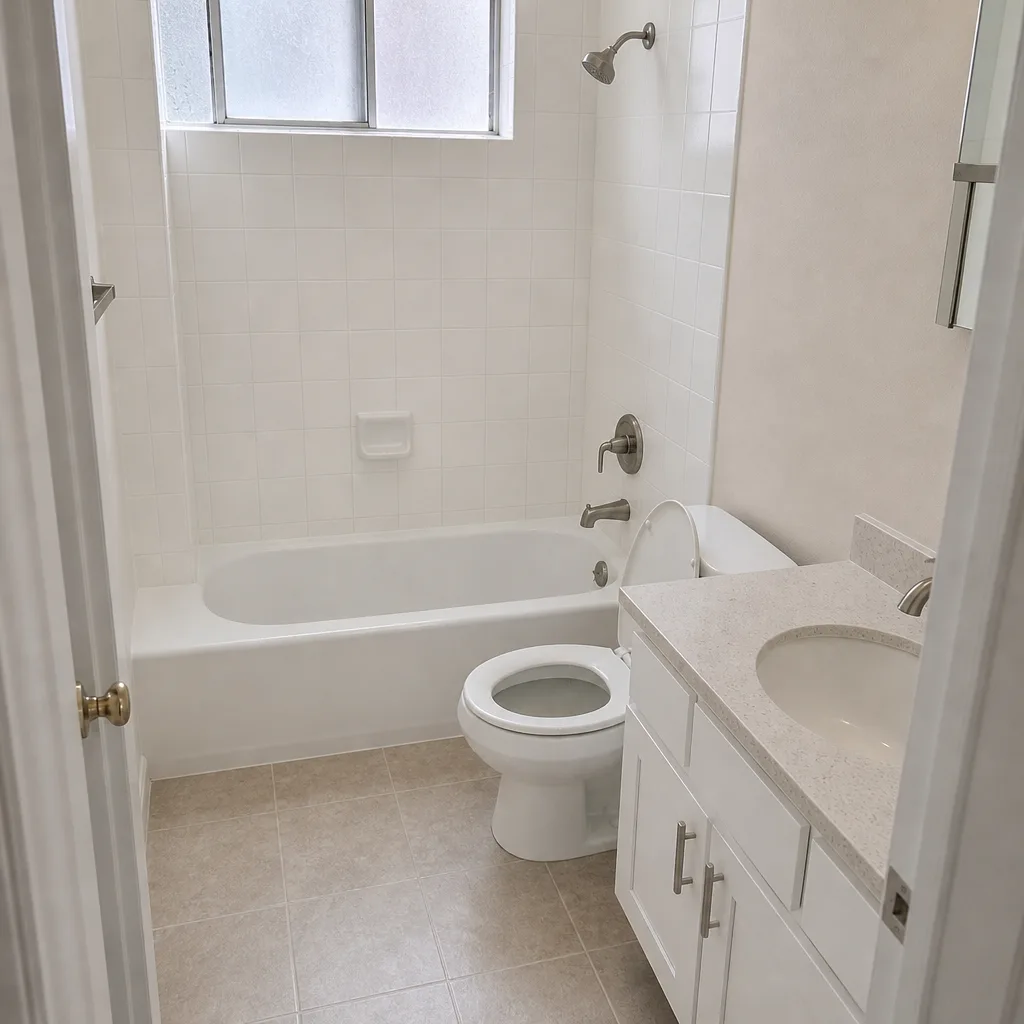 After
When to Call a Professional
Some paver maintenance is homeowner territory: refilling joint sand, cleaning, maybe resetting one paver. The signs that call for a professional are the ones that point to what’s underneath. Call us if you have rocking pavers, edge pavers lifting or spreading, water pooling that stays more than a day, a hollow sound under multiple pavers, or sand that empties from the joints after every rain. Also call if your driveway is under 18 months old and showing any of those patterns. That’s a workmanship question and it needs a driveway pro, not a handyman. Groundwork Construction Co. of Enterprise offers free estimates in Enterprise, answers calls with a live person 24/7, and sends background-checked, uniformed technicians on every project. Call (844) 797-4406 to schedule yours.
Frequently Asked Questions
A paver that rocks when you step on it and edge pavers that start spreading are typically the first signs. Both are early indicators of base movement or edge restraint failure, and both tend to worsen quickly once they start. Joint sand washing out after rain often shows up alongside them. Call (844) 797-4406 for a free assessment if you’re seeing any of these.
Repair costs in Enterprise range from a small target fix (resetting a single paver or a short edge section) to a large rebuild. Target repairs tend to be a modest budget item; base rebuilds across a large share of a driveway are the most expensive because it’s essentially a new driveway. We give written line-item estimates after an on-site look. Call (844) 797-4406 for a free estimate – estimates are free.
It shouldn’t. With a written, line-item estimate before any work begins, the number you sign for is what you pay. Groundwork’s pricing is upfront with no surprises; if we discover something under the base that wasn’t visible during the estimate, we bring it to you before we change scope or price. Call (844) 797-4406 for an estimate with a real scope behind it.
Some driveway rebuilds in Enterprise require a permit; which ones depends on scope, grading changes, and proximity to the street or slope. When a permit is needed, we handle pulling it and having the work inspected. If you’re not sure whether your project requires one, ask during the estimate. Call (844) 797-4406 to schedule.
A typical driveway rebuild is a multi-day job, and the exact timeline depends on size, base depth required, and whether new edge restraint or drainage corrections are involved. Some jobs finish in a few days, larger ones take longer. We give you a realistic schedule in writing before we start. Call (844) 797-4406 for a project-specific timeline.
Frequently, yes. A short section of edge restraint and the pavers on it can be reset without rebuilding the whole driveway, as long as the field pavers and the base under them are sound. If edge failure has already spread into the field, the repair scope grows. An on-site look tells the difference. Call (844) 797-4406 and we’ll tell you which category your driveway falls into.
The Bottom Line
Your driveway is telling you what’s happening underneath it right now. Rocking pavers, lifting edges, pooling water, hollow spots, and fast-draining joint sand are your early warnings, and they’re cheaper to act on this month than next season. The difference between a $400 fix and a five-figure rebuild usually comes down to whether you caught the base problem before it spread. Photograph your install, watch the edges, read the pooling, and don’t let “we’ll get to it” turn into a rebuild. Groundwork Construction Co. of Enterprise backs every project with the 730-Day Done Right Promise, upfront pricing, and background-checked, uniformed technicians on every job. If you’re seeing any of these signs, let us take a look before your driveway decides for you.
Call (844) 797-4406 to schedule your free estimate. A live person answers 24/7, and our technicians are ready to look at your driveway, not just quote a repair over the phone.
Written by the team at Groundwork Construction Co. of Enterprise.