Last updated November 18, 2026


Free written scope consultation - allowances, timeline, and change-order rules on paper before a single trade is scheduled
Fence Installation Maintenance Schedule: What to Do and When
Enterprise’s UV index averages higher than Miami’s. That single fact rewrites the maintenance playbook. Most fence care guides are written for humid climates where rot is the enemy; here in the Mojave, the sun is. A wood fence that never gets sealed in Enterprise doesn’t just fade to silver – it loses structural integrity from the outside in, checking and splintering years before a humid-climate fence would. This guide gives you a material-by-material maintenance calendar built for desert cycles: what wood, vinyl, and iron each need and when, which tasks belong in fall rather than spring, and how to spot post-base moisture damage after a wet season. You’ll also see what “low maintenance” honestly costs in hours and dollars over ten years.
Quick Answer
In Enterprise, a wood fence needs inspection every six months, a full clean and re-seal every 12 to 18 months (with fall the best window), and hardware lubrication twice a year. Vinyl needs a wash one to two times a year and a hardware check annually. Ornamental iron needs rust inspection annually and touch-up painting every two to three years. The desert shortens wood sealant life and lengthens vinyl life compared to humid climates, so national schedules don’t transfer cleanly.
Styles & brands we work with
- Kitchen remodeling
- Bathroom remodeling
- Home additions & ADU
- Roofing
- Windows & doors
- Driveway & pavers
- Fence
Table of Contents
- Why a Desert Fence Ages Differently Than in Humid Climates
- Wood Fence Maintenance Calendar: What and When
- Vinyl Fence Maintenance Calendar: The Genuinely Low-Effort Option
- Iron and Metal Fence Maintenance: Rust Is the Whole Story
- Why Fall Is the Right Window for Staining and Sealing in Enterprise
- How to Inspect Post Bases for Moisture Intrusion
- Gate Hardware: The 18-Month Check That Saves a $400 Repair
- What “Low Maintenance” Actually Costs Over 10 Years
Why a Desert Fence Ages Differently Than in Humid Climates
The maintenance advice you find online was mostly written in places where the enemy is moisture. In Enterprise, the failure mode runs in the other direction. Wood dries, the grain opens, and UV radiation breaks down the lignin that holds the fibers together. That process is faster here than in nearly any humid market, and it happens year-round rather than seasonally.
Two forces work together. First, UV exposure: Enterprise sits at high elevation with clear skies on most days, so your fence receives intense solar radiation for more hours per year than a coastal fence in a comparable latitude. Second, the swing between day and night temperatures: our dry air lets surfaces heat up fast in the afternoon and cool quickly after sunset, and wood expands and contracts with that cycle. A sealed fence that becomes unsealed starts checking – those small cracks along the grain – sooner than homeowners expect.
But the desert isn’t all working against you. Lower average humidity means fungal rot is a smaller concern than it is in, say, the Southeast. Vinyl holds up better here than in climates with heavy freeze-thaw cycling, and metal fencing rarely rusts from the inside the way it does in salt-air coastal markets. The maintenance calendar just has to match the actual threats:
- Primary threat to wood: UV degradation and drying, not rot
- Primary threat to vinyl: sun yellowing and dirt film, not cracking
- Primary threat to iron: scattered rust at weld points and ground contact, not widespread corrosion
- Primary seasonal threat to all: the brief wet season, when water sneaks into post bases and hardware
That last point matters more than most guides admit. When the desert does get rain, it tends to arrive in concentrated bursts, and the water sits in places it wouldn’t sit in a humid climate – low spots under gates, the crotch where a post meets a concrete footing, the bottom rail of a wood panel. Brief and intense is a different problem from steady and damp. Your inspection schedule should account for it.
If you’re still deciding what material to install in the first place, our guide to Fence Installation in Enterprise walks through how each material performs on our soil and in our climate. The rest of this page assumes the fence is up and covers what keeps it standing.
Wood Fence Maintenance Calendar: What and When
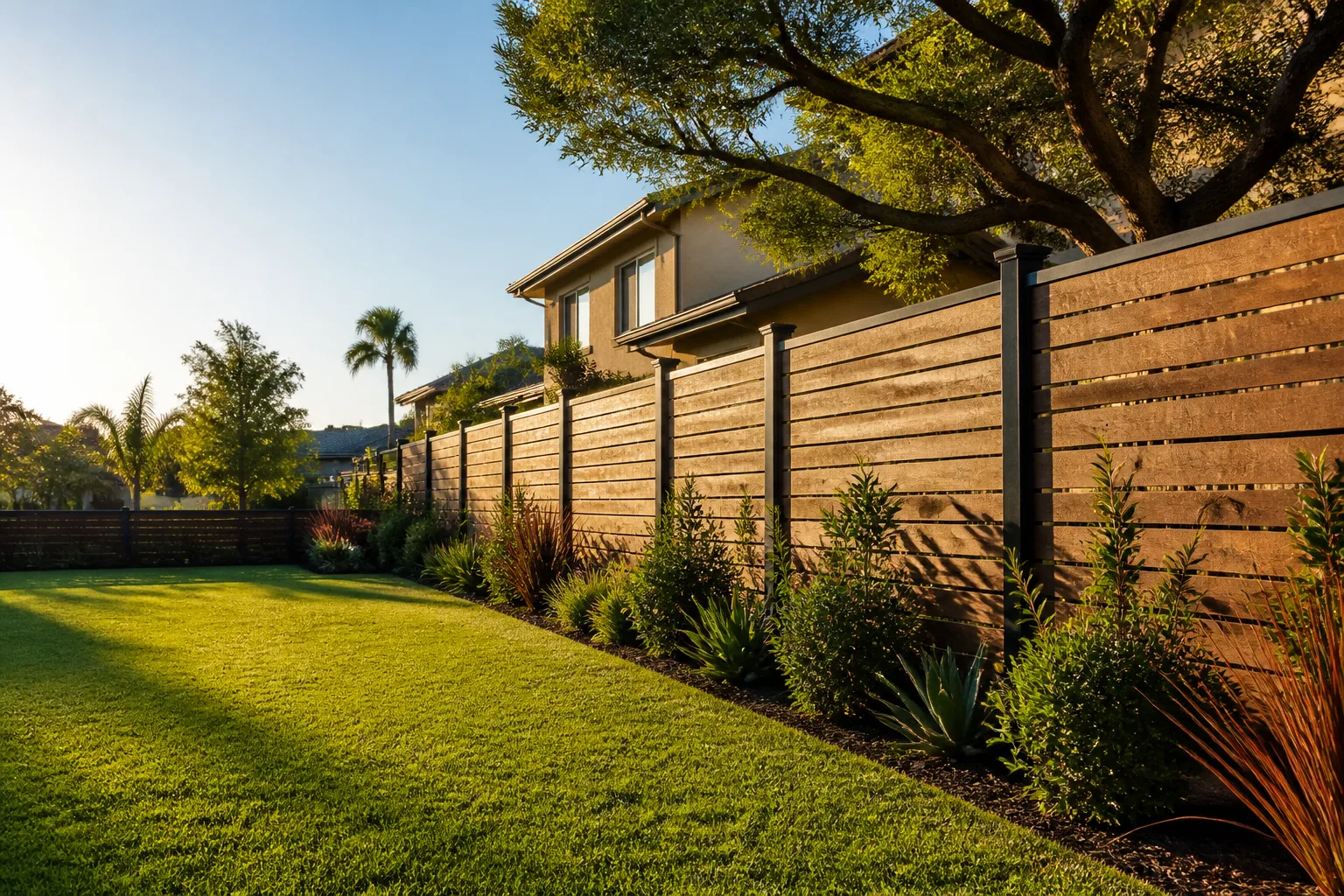
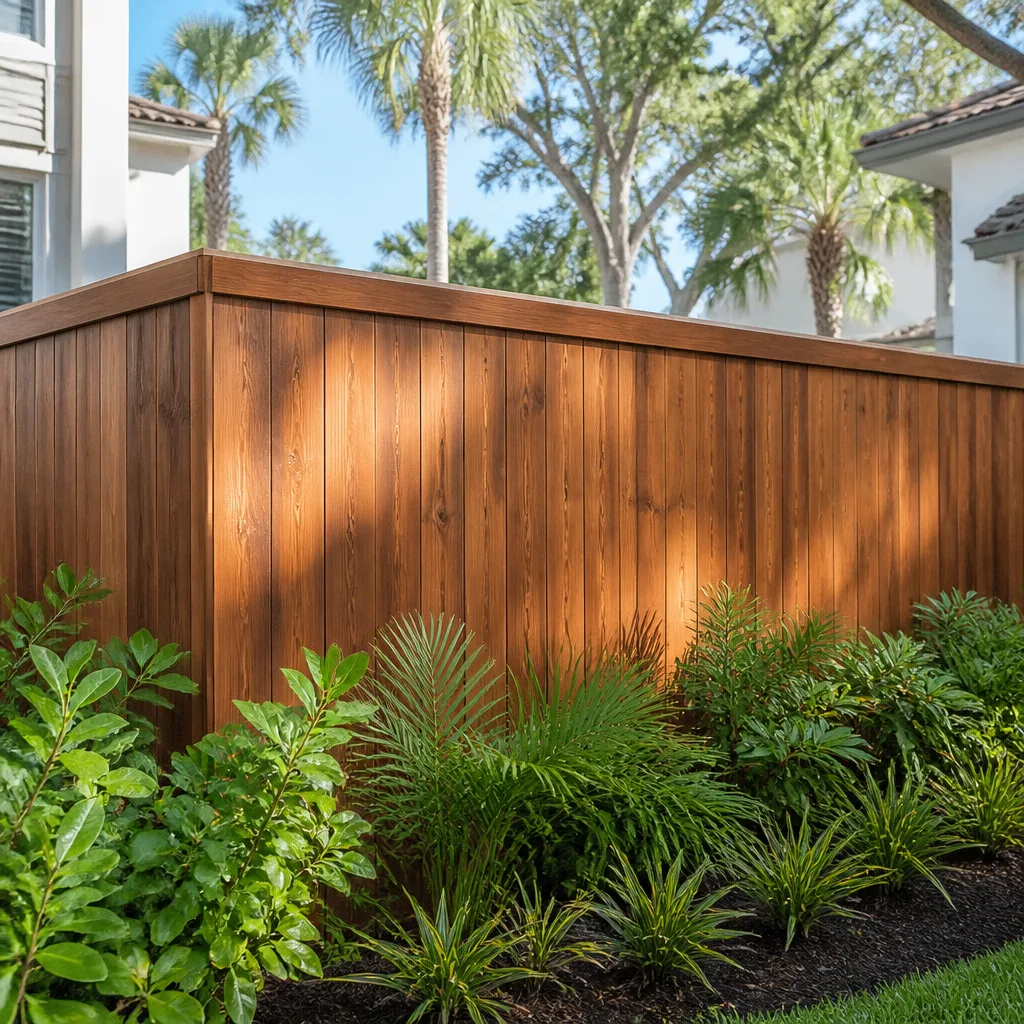
Wood is the highest-maintenance material in Enterprise, and the gap between a maintained wood fence and an ignored one is dramatic. An annual-sealed pine or cedar fence in this climate can last 15 to 20 years. An unsealed one may need full replacement or significant repair in 7 to 10. The calendar below reflects the desert cycle, not the humid-climate default.
- Twice a year (spring and fall): Walk the full fence line and inspect for popped nails, loose boards, cracked rails, and posts that move when you push on them. Spring is a structural check; fall is a structural check plus prep for sealing.
- Fall (best window, ideally October or early November): Clean the wood – a light wash with a wood-safe cleaner, then let it dry completely for several days. Refinish with a penetrating oil-based stain or a UV-blocking sealer. This is the seal that carries the fence through the following summer.
- Annually (typically late spring): Spot-check the sealer. Sprinkling a small amount of water on the surface tells you plenty: if it beads, the sealer is holding; if it absorbs within a minute or two, the protection is gone and you’re looking at a re-seal sooner than planned.
- Annually: Check gate hardware, hinges, and latches for looseness and lubrication needs (see the gate section below).
- Every 2 to 3 years: Full re-stain or re-seal, depending on what your sealer check showed. Desert wood in direct sun often needs re-staining every 2 years rather than the 3 or 4 that humid-climate guides suggest.
Wood fence posts deserve their own inspection cadence because they carry the structure. Push firmly on each post, especially corner and gate posts. Any movement beyond a small flex means the footing or the post base has a problem. In our experience across Enterprise neighborhoods, the posts that fail first are the ones that got no sealer at the base – water collects in the grain end where it meets the footing, the wood softens, and the movement starts. Caught early, that’s a repairable issue. Caught after a wind event, it’s a new fence.
If your fence is wood and you’re planning repainting or staining, understand what the finish layer is doing. It’s not decoration, it’s structural protection. Choose a penetrating stain with UV blockers; film-forming finishes crack in desert sun and give water a place to get under. We partner with James Hardie for exterior cladding products, and while their siding isn’t fence material, the same principle applies: sun exposure demands a finish built to block UV.
Vinyl Fence Maintenance Calendar: The Genuinely Low-Effort Option
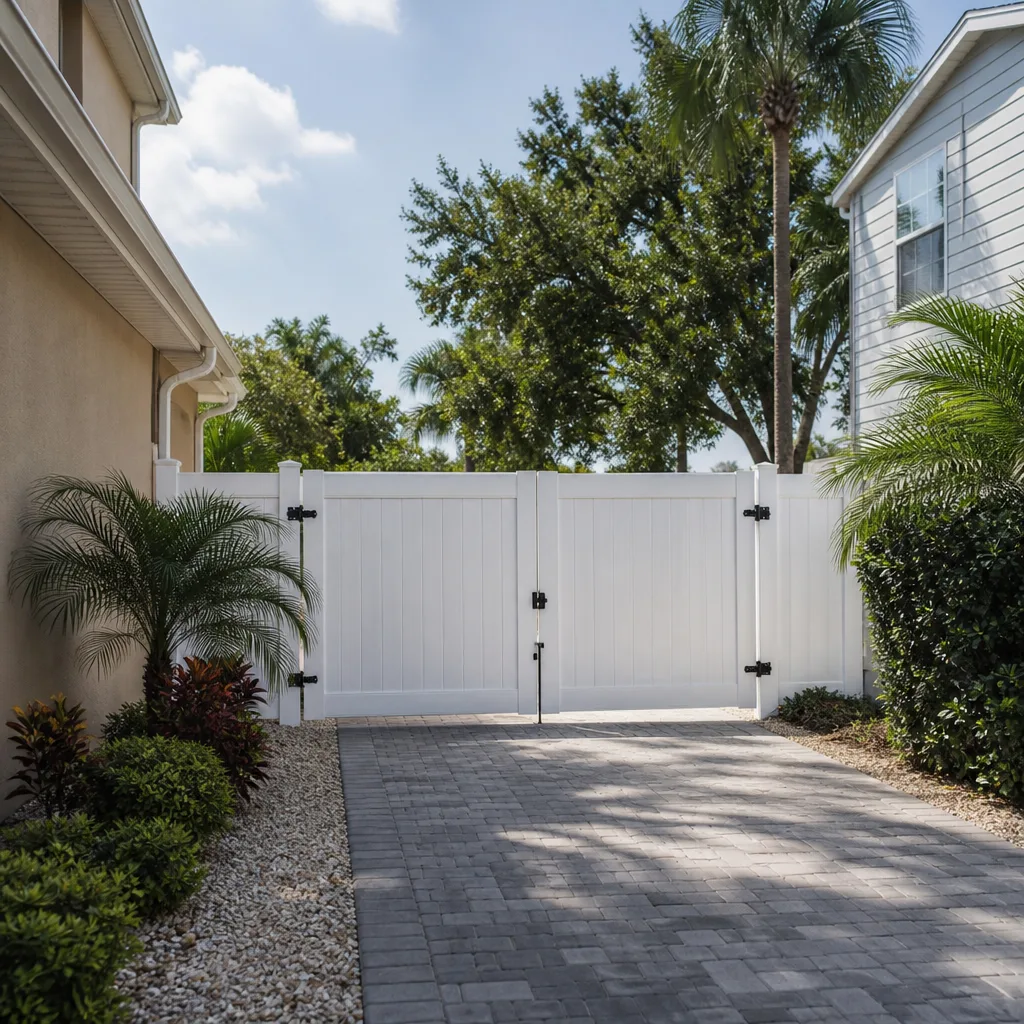
Vinyl is where the “low maintenance” claim is closest to true. In Enterprise’s climate, vinyl fences can go 15 to 25 years without replacement or significant repair, and the ongoing labor is far lower than wood. That said, “low” isn’t “none,” and the tasks that do matter are worth doing on their own schedule.
- One to two times a year: Wash with a garden hose and a mild soap solution. Dust and grime film builds up without rain to wash it off. In Enterprise, the first wash of the year is often the difference between a vinyl fence that reads white and one that reads gray.
- Annually (typically spring): Inspect hardware – gate hinges, latches, and post caps. Vinyl panels don’t generally degrade from sun at the rate wood does, but hardware and hinge screws do loosen from gate swing.
- Annually: Check posts post-wet-season. Vinyl posts don’t absorb water, but the footing and hardware can. Any wobble means the post footing has a problem, and it’s better to catch it early.
- Every 3 to 5 years: Inspect for UV yellowing, especially on south- and west-facing panels. Most quality vinyl has UV inhibitors built in, but the desert tests that protection harder than anywhere. If yellowing starts, cleaning with a vinyl-appropriate cleaner often slows it, though nothing reverses it fully.
One nuance for Enterprise homeowners: vinyl fences in high-wind-exposed neighborhoods sometimes loosen at the panel seams over the years. During your annual inspection, look at each panel attachment and check that the rails are fully seated and the connections hold. Loose connections stay functional longer in calm conditions, but a wind event on a loose section can turn a minor repair into a panel replacement.
For homeowners considering vinyl over wood, compare the ongoing cost honestly. Vinyl’s lower maintenance doesn’t mean free; it means fewer hours and fewer dollars across the fence’s life. In our experience, the TCO (total cost of ownership) comparison usually favors vinyl in Enterprise over a 10 to 15 year horizon, even if the initial price is higher.
Iron and Metal Fence Maintenance: Rust Is the Whole Story
Wrought-iron and ornamental metal fencing holds up beautifully in Enterprise’s low-humidity climate. The maintenance tasks are almost all about rust, and the good news is that rust is rare unless a few specific conditions exist. The bad news is that those conditions are predictable, so ignoring them costs you.
- Annually: Inspect weld points, especially at panel-to-post connections and gate frames. Welds are where water accumulates and where rust often starts first.
- Annually: Inspect the base of each post, where steel meets concrete or soil. This is where rust is most likely in a desert climate because water from the wet season collects there and sits.
- Every 2 to 3 years: Touch-up painting on any rust spots, scuffs, or areas where the factory finish has worn. Sand the rust down, apply a rust-inhibiting primer, then repaint with a matching metal paint. Small touch-ups preserve the whole panel; a neglected patch of rust can spread across 18 months.
- Annually: Check gate alignment and lubrication (same as wood and vinyl – covered in the gate section below).
- Every 3 to 5 years: Full integrity inspection on both sides of the fence, checking for loose fasteners, bent pickets, and sagging sections.
When iron fails in Enterprise, it’s usually a weld point – not the main panel. A 6-inch section at a post connection rusts through and the section becomes cosmetic rather than structural. Catching that requires the full perimeter walk, not just a glance at the fence from the driveway.
One thing worth mentioning: the wet season in Enterprise is short but concentrated. Water that collects at an iron post base can accelerate rust development because the high temperatures this time of year dry it quickly on the outside but don’t always dry the underside of the post collar. That’s precisely why the post-base inspection is on an annual calendar, not a multi-year one.
Why Fall Is the Right Window for Staining and Sealing in Enterprise
The humid-climate advice says stain in spring. In Enterprise, that advice reverses. Fall is the optimal window for wood staining and sealing, and here’s the reasoning.
Spring in Enterprise puts you on the doorstep of 100-degree-plus summers. A sealant applied in spring is immediately blasted by peak UV and peak heat, and the finish degrades under maximum load from day one. A sealant applied in October or early November, on the other hand, cures in moderate temperatures, then carries the fence through the following summer – which is exactly when the protection is needed most. Fall application is a build-a-buffer approach, not a catch-up-after-the-damage approach.
One more example of why timing matters: April in Enterprise is already nudging 90 degrees on some days. Sealing in that heat creates a finish that can dry unevenly, and in our experience the finish adhesion suffers. In October, temperatures settle into a range where both the wood and the sealant behave predictably.
The calendar for a fall sealing project:
- Early October: Inspect and repair damage first. Sealing over cracked, loose, or moisture-damaged boards just seals the problem in.
- Mid-October to early November: Clean the wood and let it dry fully – usually 3 to 7 days in the dry desert air. Then apply the stain or sealer.
- After application: Avoid touching the finish for 24 to 48 hours. Fall temperatures let it cure without the baking effect of summer sun.
If your fence is new, don’t seal it immediately. New wood needs a few weeks to season before the finish goes on. A fence installed in spring has often had enough time by mid-fall; a safe rule is to wait at least 30 days after installation. And if the fence was installed by our crew, your project is covered by the 730-Day Done Right Promise – if anything’s not done right, we make it right – which means the install itself is protected; the sealing is a separate homeowner maintenance item, and worth doing on time.
How to Inspect Post Bases for Moisture Intrusion
Post-base moisture intrusion is the most underreported fence maintenance issue in Enterprise, and it’s the one that turns a small repair into a full replacement. The wet season is short, but when water sits where a post meets its footing, wood soaks it in and iron rusts. Catching the early signs takes fifteen minutes.
- Look at the dirt around the base of each post. Any depression or hollow that pools water during rain is a problem spot. In Enterprise, this happens more often than you’d expect because the soil doesn’t drain evenly after hard rain.
- Wiggle test. Push the post at chest height. Small flex is normal; movement at the footing is not. If the post moves, water has already compromised the footing or the wood at the base.
- Inspect the wood of the post itself. Look for a dark ring or softened area near the ground line. That dark ring is moisture wicking into the grain and it’s the first visible sign of long-term damage.
- For iron posts, look at the base for rust staining. Orange-brown rings where the post meets the concrete mean water is collecting. Address it with rust primer and ensure water drains away from the base.
- Check post caps and top-of-post surface. Water pools on top of uncapped posts too – a lesser-known problem. Add a post cap if the wood is bare on top.
- During and after the wet season, do a focused inspection. Shortly after significant rain is the best time to see where water sits and where the trouble starts.
If inspection turns up a problem, address the drainage first: re-grade soil to slope away from posts, or install a small concrete collar around the base. Then repair the post. Replacement of a single post is a far smaller project than replacement of a full fence.
Gate Hardware: The 18-Month Check That Saves a $400 Repair
Gate hardware is the most overlooked maintenance item on any fence, and in Enterprise the consequences are specific: a hinge that starts loosening in month 1 can develop into a $400 hinge replacement – or worse, a cracked gate post – within 18 months if it’s never checked. The labor is a couple of hours a year.
The 18-month timeline is not arbitrary. A heavy gate on a fence in Enterprise faces a specific load pattern: wind every season, plus daily use, plus a sun-driven expansion and contraction cycle that works on every screw and bolt. Each cycle loosens hardware a fraction, and a fraction accumulates. On a schedule:
- Every 6 months: Check and tighten all hinge and latch screws. Loose screws worsen fast because a gate swings against the screw as well as against the hinge.
- Every 6 months: Lubricate the hinges – a silicone spray or a proper hinge lubricant. Lubrication is not just convenience; dry hinges wear faster and require replacement sooner.
- Every 6 months: Check gate alignment. Open the gate and look for sagging, dragging, or scraping on one side. A sagging gate is a warning about hinge or post problems, not a cosmetic issue.
- Annually: Check the gate post itself for movement. If the post is loose, the hardware will keep coming loose no matter how many times you tighten it.
- Every 2 to 3 years: Replace worn hinge bearings or hardware if the gate is starting to sag even after adjustments.
The ladder logic matters: a slow loosening from one cycle becomes a heavier loading on the gate, which loads the hinge further, which loosens the hinge further – and by the time the gate starts scraping, the cost has grown from $20 in hardware to a hinge or post repair. Keep the lubrication and tightening on a twice-a-year calendar, and you’ll never reach the expensive stage. For homes where gates are used multiple times a day by family members and vehicles, consider bumping the hardware inspection to quarterly.
If your existing fence gates are past the tightening stage and need significant repair or replacement, our team can assess the whole fence and give you a straight answer about what’s worth fixing versus replacing. For a wider project like a full fence rebuild or a matching gate in a different style, the Groundwork Construction Co. of Enterprise home page lays out the company’s full scope of services beyond fencing.
What “Low Maintenance” Actually Costs Over 10 Years
Every fence material is sold as “low maintenance.” The honest way to compare is a 10-year cost of ownership that counts both the labor and the materials. Here’s what our experience in Enterprise suggests, based on typical residential fence sizes and local labor.
- Wood (cedar or pine): A 6-foot privacy fence of 100 linear feet typically requires one full re-seal every 2 years in this climate – materials run roughly $350 – $550 per re-seal, with a weekend of labor if the homeowner does it, or roughly $400 – $700 for professional application. Over 10 years, that’s roughly $2,000 – $3,000 in maintenance plus repairs. The fence may last 15 to 25 years with that care.
- Vinyl: Wash one to two times a year – a few hours and under $100 per year in materials. Hardware replacement maybe once over 10 years. Total maintenance budget: roughly $500 – $800, and the fence lasts 20 to 30 years in our climate.
- Ornamental iron: Annual inspection is free; touch-up painting every 2 to 3 years runs roughly $100 – $250 for a residential fence. Hardware replacement every 2 to 3 years adds another $50 – $150. Total over 10 years: roughly $1,000 – $1,500, and the fence outlives all of the above.
The takeaway: wood’s lower initial price is real, but its total ownership cost is higher. Vinyl and iron cost more up front and cost less to keep. If you’re installing from scratch and want the true lifetime cost picture, the team at Groundwork can walk you through material comparisons and give you a written line-item quote. For homes considering a larger yard project at the same time – pavers, a patio, or an outdoor living area – browse our Driveway & Pavers in Enterprise page to see how those projects pair with fence work.
Common Mistakes to Avoid
- Sealing wood in spring. A spring-applied sealer hits peak summer UV on day one and fails early. Fall sealing is the right cycle for Enterprise, and skipping it costs you a re-seal cycle you didn’t have to pay for.
- Ignoring gate hardware for the first two years. The hinge-loosening cycle builds silently. By the time the gate scrapes or sags noticeably, you’re already looking at a hinge or post repair rather than a ten-minute tightening.
- Skipping the post-base check after the wet season. Water sitting at the base of a post is the single most common hidden cause of fence failure in Enterprise. The post looks fine from the driveway; the footing has already begun to give.
- Sealing over moisture-damaged wood. Trapping water under a fresh sealer is worse than no sealer at all. Inspect and repair first, then seal.
- Waiting to touch up iron rust spots. A small rust spot at a weld point spreads quickly because the damage exposes more of the steel. Touch-up painting every 2 to 3 years prevents the issue from becoming a panel replacement.
- Assuming “low maintenance” means no maintenance. Every fence material has some annual tasks. The owners who ignore vinyl cleaning still save over wood, but the fence that never gets washed yellows and stains after a few desert summers.
- Not checking the fence after a high-wind event. Wind loading in Enterprise can pop boards or shift connections in a single event. A quick walk after a windstorm catches damage before a small repair becomes a larger one.
See the difference
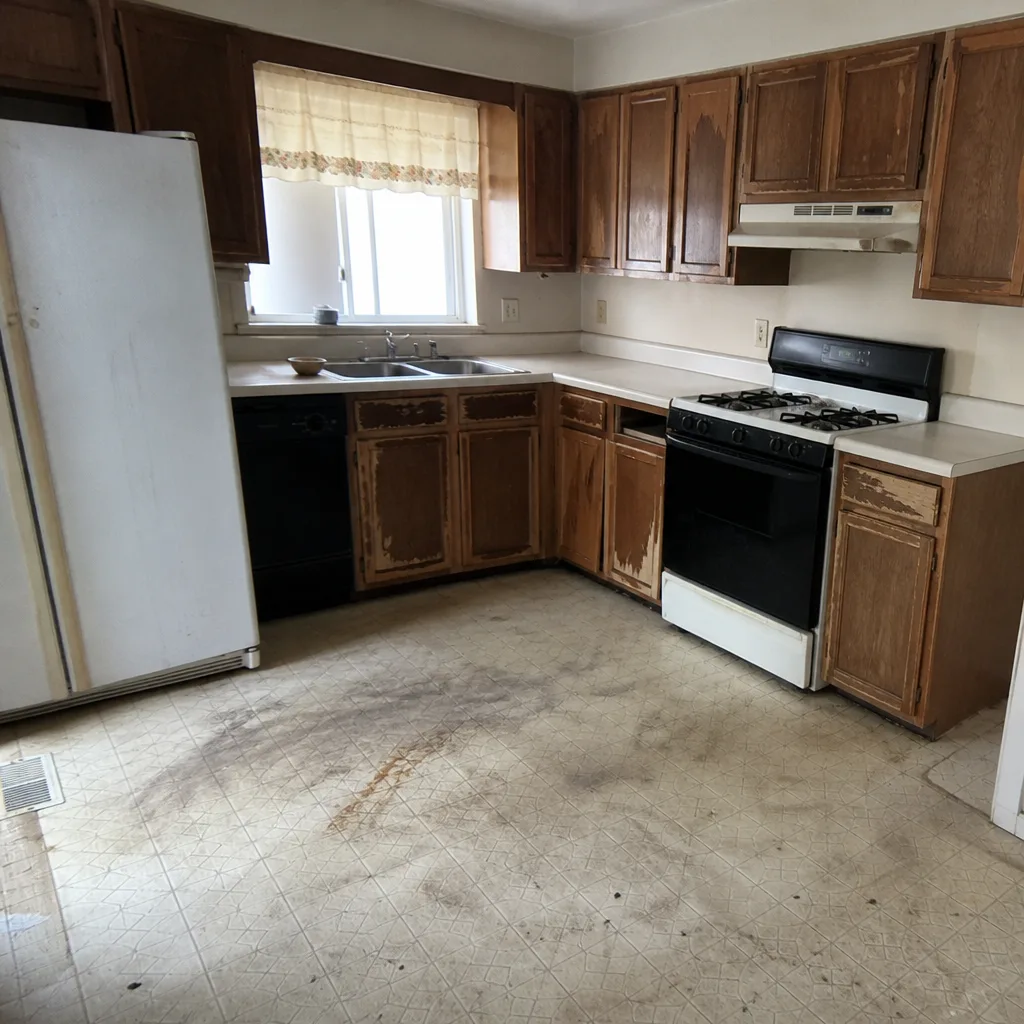 Before
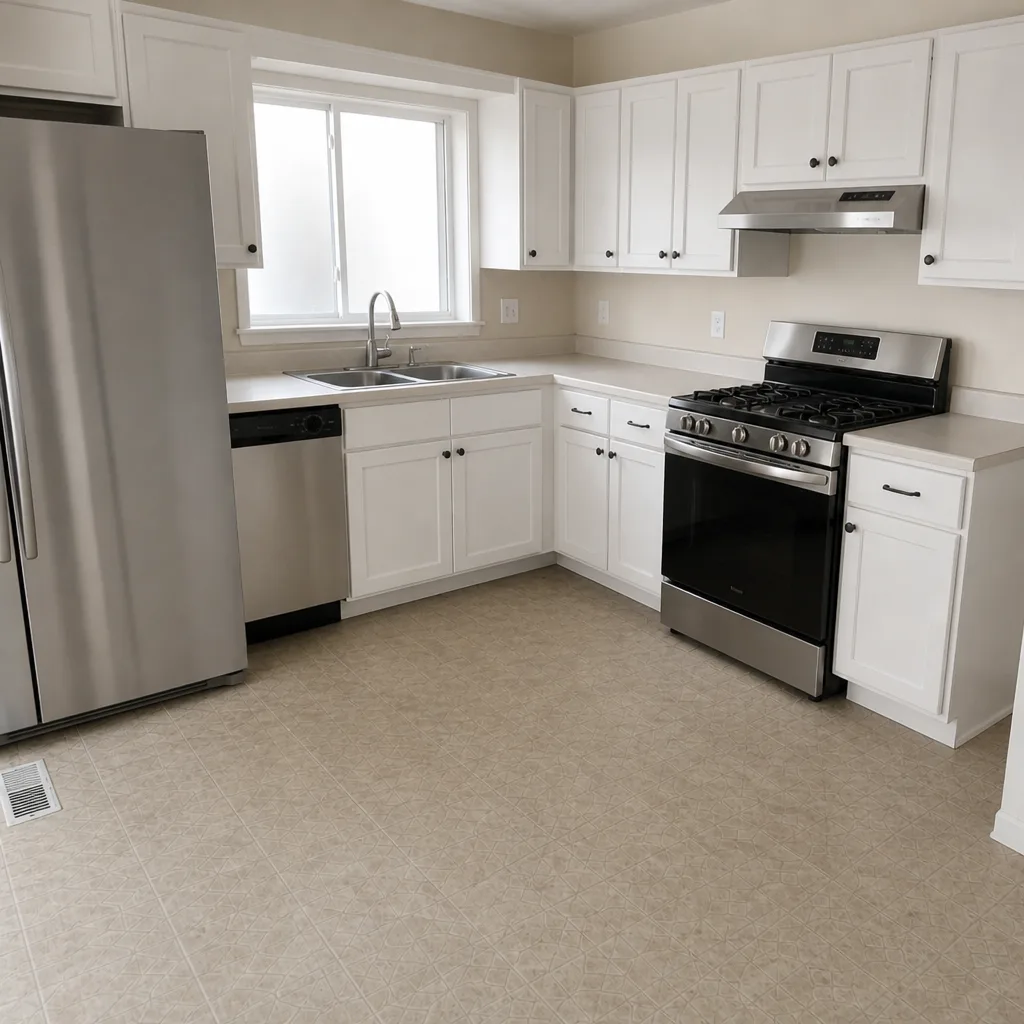 After
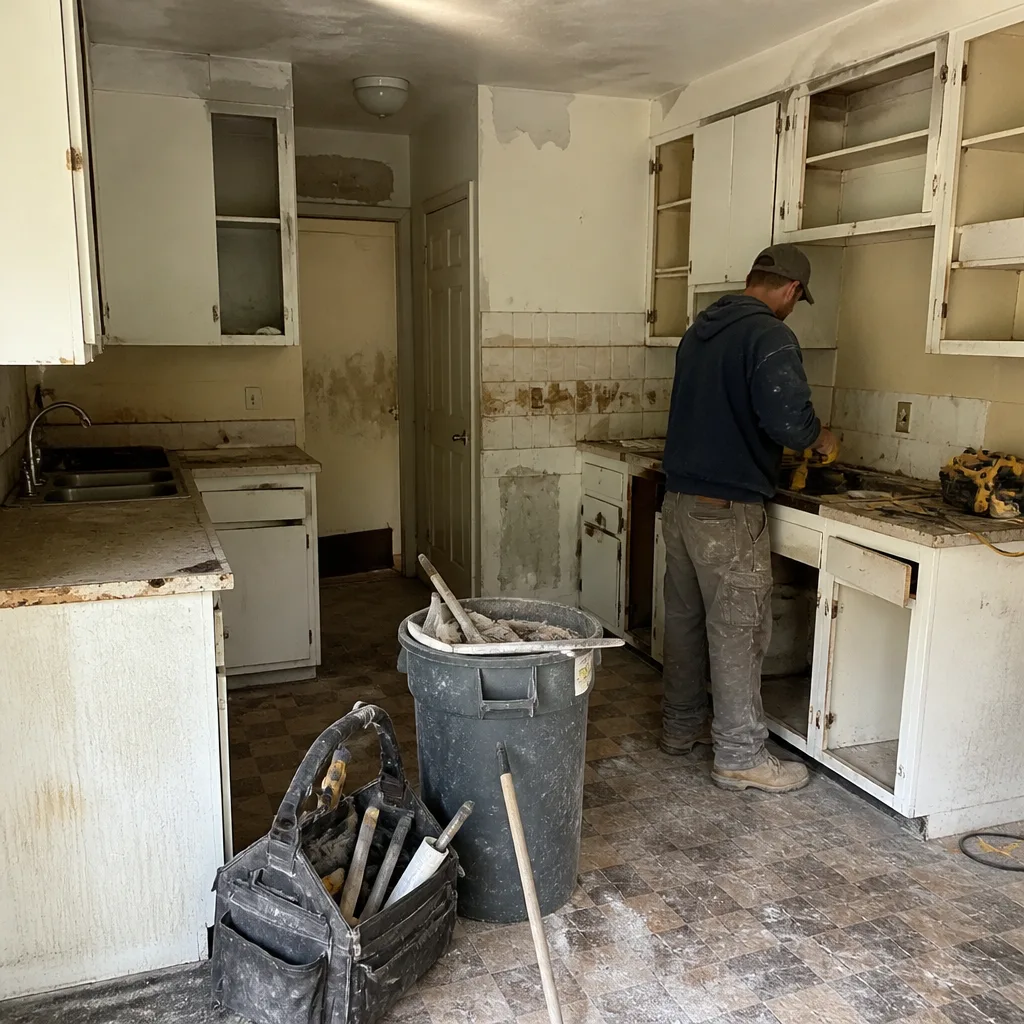 Before
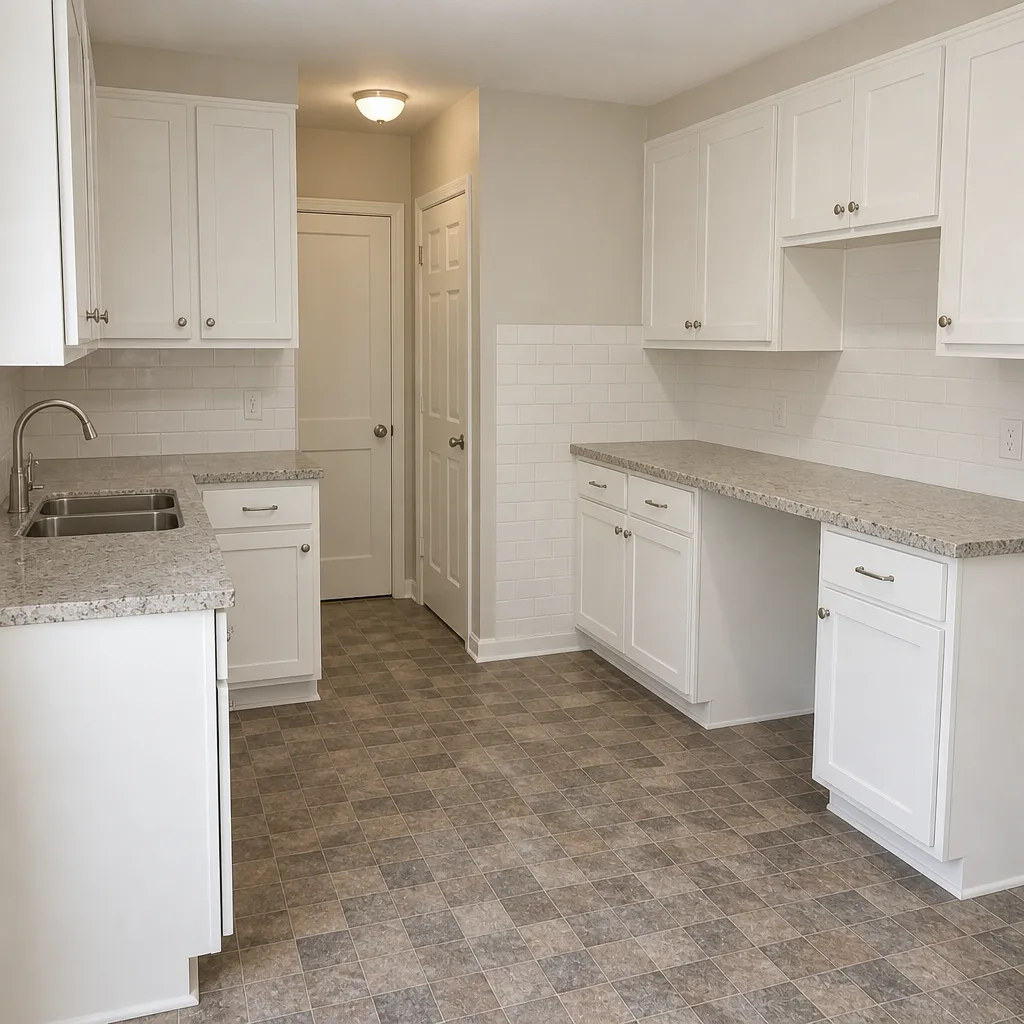 After
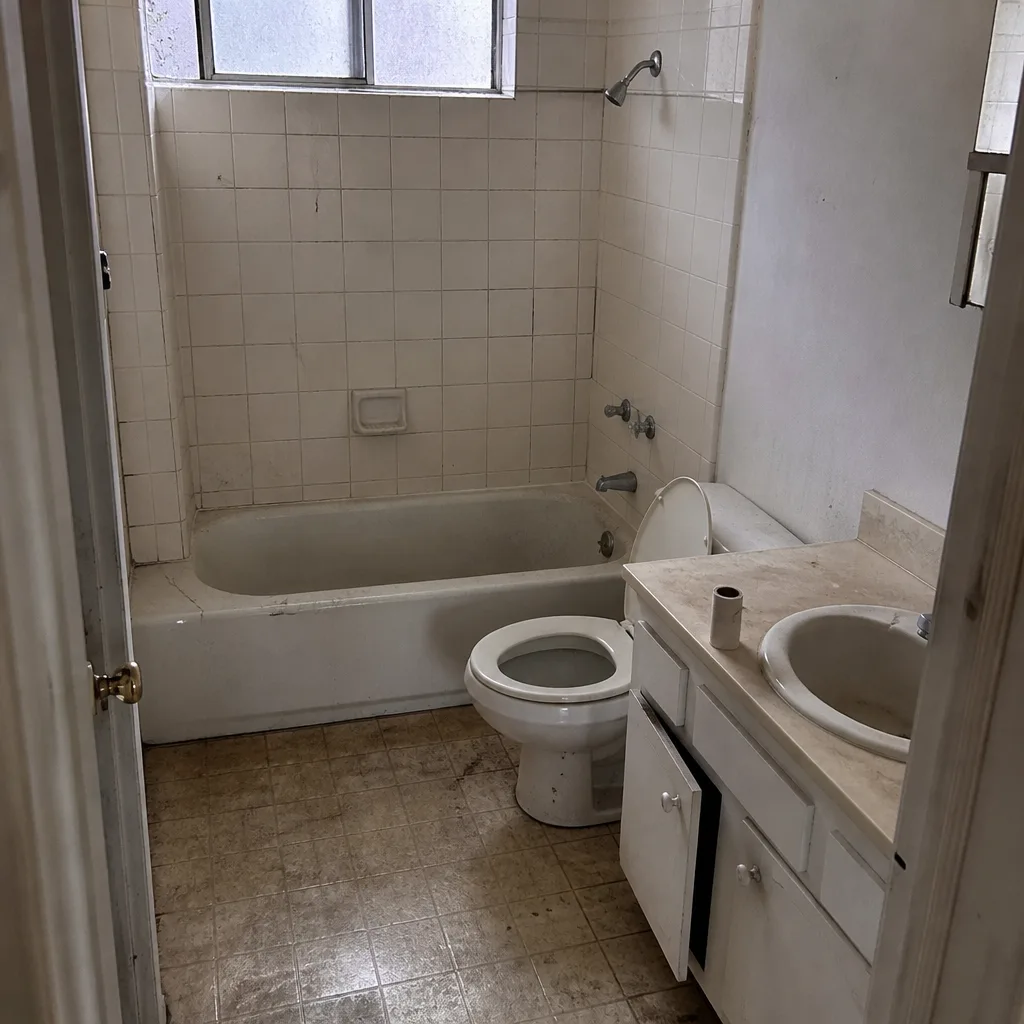 Before
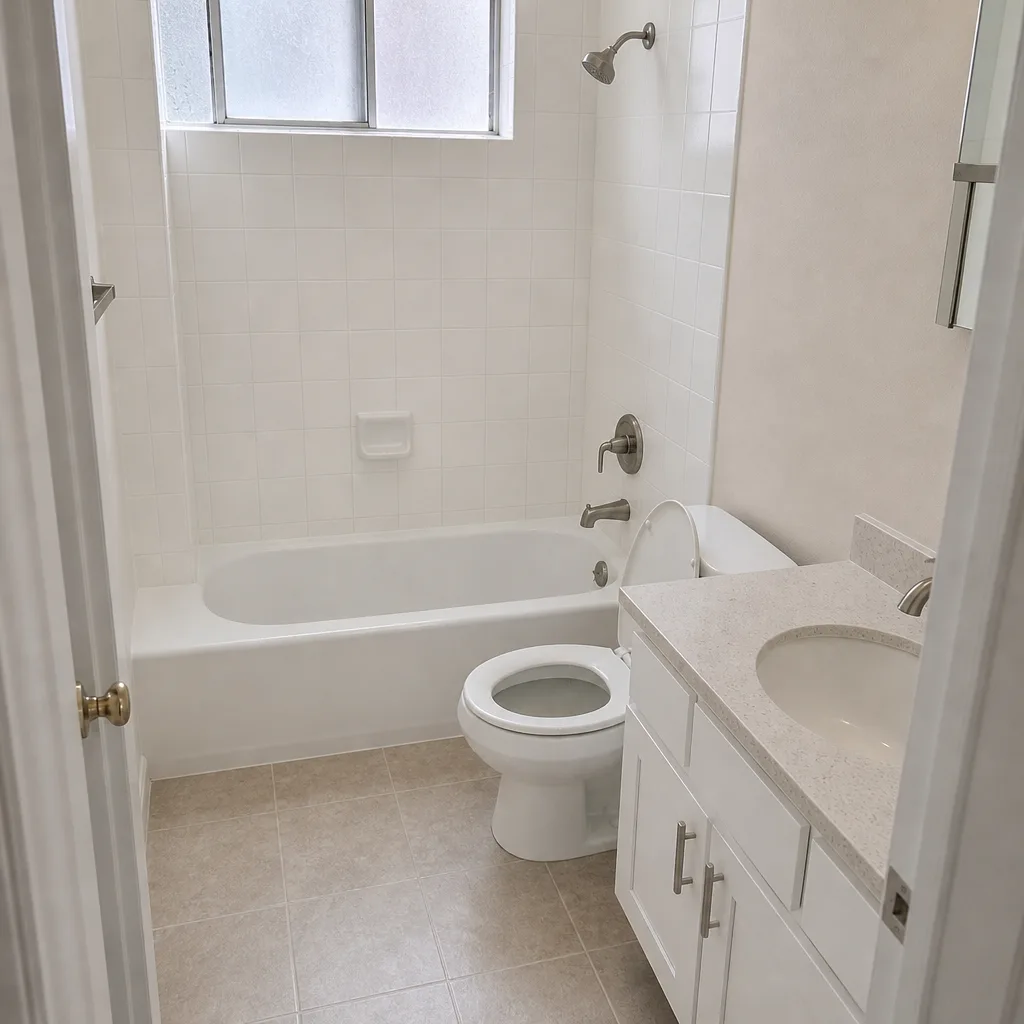 After
When to Call a Professional
Most of the tasks in this guide are homeowner-appropriate: the inspection walk, hardware tightening, washing, lubrication. There are specific situations where the work is better handled by an experienced crew, both for safety and for the live load on a fence structure. Lifting and resetting a fence post isn’t a one-person job. Uncovering and evaluating a footing problem, or repairing stress damage in a load-bearing fence section, involves structural judgement that matters for the fence’s long-term performance. Deep staining on a large fence – more than a couple hundred linear feet – is also a job where the tools matter more than the time. And any situation where a project involves permits or hoa requirements should start with a professional conversation.
Groundwork Construction Co. of Enterprise offers free estimates in Enterprise – call (844) 797-4406 and we’ll come out, give you a straight assessment, and write the number down. If you’re also considering larger yard or home projects in the future, our Home Additions & ADU in Enterprise page shows how fence work often fits into a bigger scope.
Frequently Asked Questions
Every 12 to 18 months in the desert, with a full re-stain every 2 years as a practical rule. The UV exposure in Enterprise breaks down sealant faster than in humid climates, so the standard “every 3 to 4 years” advice you’ll read elsewhere runs short here. Call (844) 797-4406 for a free fence assessment if you’re unsure what shape yours is in.
October or early November is the best window. Sealing in fall lets the finish cure in moderate temperatures and carry the fence through the following summer, when UV peaks. Spring sealing hits peak summer exposure immediately and typically fails earlier.
Yes – wash it one to two times a year and check hardware annually. Vinyl is genuinely low effort here, but dust film builds up since there’s little rain to wash it off, and hardware loosens from gate swing regardless of material. Call (844) 797-4406 if you want a quick professional inspection of a vinyl fence you’ve had for a few years.
Push the post at chest height and look for movement at the footing, and check for a dark ring or softened area where the post meets the ground. That dark ring is moisture wicking into the wood from the base. Iron posts show the same problem as rust staining at the concrete base. If any of those signs are present, have it looked at before the next wind event.
Many homeowners handle a small fence themselves. Above 200 linear feet, or on a fence with damage to repair first, the prep work and even finish are worth professional help – uneven prep is the most common reason a DIY seal fails early. Call (844) 797-4406 for a free estimate if you want to compare.
Hours and dollars. Wood needs annual inspection plus a re-seal or re-stain cycle; vinyl needs a wash and a hardware check. Over 10 years, a wood fence typically costs $2,000 – $3,000 more in maintenance than vinyl, but a wood fence costs less up front. Neither difference is huge if you keep to the calendar. Call (844) 797-4406 for a material comparison.
The Bottom Line
Maintenance in Enterprise is about sun, not rot – which means your calendar has to match the desert rather than the humid-climate guides. Wood needs a fall re-seal every 12 to 18 months and a post-base check every wet season; vinyl needs a wash twice a year and annual hardware checks; iron needs annual rust inspection and a touch-up paint every 2 to 3 years. Whatever material you have, gate hardware deserves a twice-a-year tightening and lubrication cycle, and post-base moisture checks protect against the most common hidden failure in Enterprise. The schedule is small. The fence that skips it never is.
If you’re done guessing about your fence and want a straight answer, call Groundwork Construction Co. of Enterprise at (844) 797-4406 for a free estimate. Every project we touch is backed by our 730-Day Done Right Promise – if it’s not done right, we make it right – and we’ll always show you upfront pricing before we start.
Written by the team at Groundwork Construction Co. of Enterprise.