Last updated November 18, 2026



Free written scope consultation - allowances, timeline, and change-order rules on paper before a single trade is scheduled
Fence Installation Troubleshooting: Common Problems and How to Fix Them
A leaning fence post two years after installation isn’t a weathering issue. It’s an installation issue. And the difference between a repair and a full reset comes down to whether the footing depth was right the first time. Here in Enterprise, where caliche sits under half the lots and monsoon gusts hit 50 mph most Julys, we’ve pulled enough failed posts to know the pattern: nine out of ten fence problems trace back to two mistakes made on day one, footing depth and post sizing. This guide shows you how to diagnose what’s actually failing, when a fix is a weekend job, and when your contractor owes you a warranty call.
Quick Answer
Most leaning, sagging, or cracking fences in Enterprise come from shallow footings that don’t reach below the frost-and-erosion line and undersized posts carrying gate spans they were never engineered for. A single leaning wood post can often be reset by digging out the old concrete, deepening the hole to at least 36 inches, and re-pouring with proper drainage. But if the footing was shallow, the boards are cupping, or a gate post is pulling away at the base, that’s a workmanship failure you should document and take back to your installer, not patch yourself.
Styles & brands we work with
- Kitchen remodeling
- Bathroom remodeling
- Home additions & ADU
- Roofing
- Windows & doors
- Driveway & pavers
- Fence
Table of Contents
- How to Diagnose a Leaning Fence Post
- Resetting a Single Leaning Wood Post
- What Gate Sag Tells You About the Installation
- Board Cupping and Cracking in Desert Climates
- Workmanship Warranty vs. Material Warranty
- Material Failures: What Different Fence Types Get Wrong
- How to Prevent the Two Big Installation Mistakes
- When to Stop Patching and Call a Pro
How to Diagnose a Leaning Fence Post
Not every lean is the same failure, and the fix changes entirely depending on which one you have. Before you dig anything, rock the post by hand and watch the base. Here’s how we sort it on a service call.
1. Footing failure (the most common)
The post wobbles at the soil line and the concrete plug moves with it. That means the footing was too shallow, too narrow, or set without any gravel drainage. In Enterprise, we commonly see 18-inch holes where the texture of the caliche fooled someone into stopping early. The post never had a chance. This is a workmanship problem, and if the fence is inside its warranty window, it’s your contractor’s to fix.
2. Soil erosion or washout
The hole around the base has opened up, and you can see daylight or a gap between the soil and the concrete. Enterprise’s hard summer downpours run off surrounding hardscape and cut channels under fence lines, especially on lots that slope toward the street. Sand or gravel backfill near a post makes it worse. This is fixable by regrading, adding drainage, and re-packing the base, sometimes without a full re-pour.
3. Wind damage
The whole section leans in one direction, often after a gust event, and the panel is still rigid. The post may be sound but the lateral bracing failed or the rails pulled loose. This usually means the section needs re-bracing or re-setting, not replacing.
- Wobbles at base + concrete moves: footing failure
- Gap around base, soil washed out: erosion
- Whole panel leans rigidly after a storm: wind damage
- Post bows in the middle: undersized post or rot
- Post is straight but boards sag: rail spacing or fastener failure
Label the problem before you touch a shovel. If it’s footing failure on a fence that isn’t old enough to be out of warranty, the next call should be to your installer, not a hardware store.
Resetting a Single Leaning Wood Post
If the diagnosis is footing failure and the fence is out of warranty, or erosion has undermined a single post, a reset is a real fix. Here’s how the job runs when we handle one. Wood posts in particular tolerate a reset better than they do a half-repair, so do it once and do it right.
- Brace the panel first. Attach a temporary brace to the adjacent post so the section stays upright when you remove the footing.
- Expose the old concrete. Dig down the full depth of the existing plug. If you hit it at 18 inches, that’s the diagnosis confirmed.
- Break out the old footing. A digging bar and a sledgehammer handle this in a few minutes. Pull the old plug clear.
- Dig the new hole. At least 36 inches deep, and at least three times the post width wide. In caliche-heavy Enterprise lots, a breaker bar or a small auger cuts through the hardpan faster than a shovel.
- Add a gravel base. Four to six inches of 3/4-inch crushed gravel in the bottom for drainage. This is the step most DIY installs skip and the reason posts fail again.
- Set the post with a proper mix. Use a fast-setting concrete mix rated for posts, not a bag of general-purpose concrete. Check plumb on two faces with a level and brace it while it cures.
- Cure, then re-attach. Let it set per the mix instructions before you reconnect rails or boards.
Wood posts that already show rot at the base are a different job. If the post is soft to a knife point, reseting it just buries a dying board. Replace it with a pressure-treated post rated for ground contact, not a standard 4×4. For a full look at how a proper install is scoped, our Fence Installation in Enterprise page walks through post depth, concrete specs, and drainage before a single board goes up.
What Gate Sag Tells You About the Installation
A sagging gate is the single most reliable early warning sign of an install problem, and it’s usually telling you three things at once. When we inspect a sagging gate in Enterprise, we check hinge selection, post size, and span.
Hinge selection
Most sagging gates were hung on light-duty hinges meant for a 3-foot walkway gate, then loaded with a 5-foot driveway gate. The hinge takes the load, the screws back out, and the gate drops. Sag is rarely a hinge “wearing out” problem. It’s a hinge “never matched the gate weight” problem.
Gate post sizing
The post the gate swings from carries enormous lateral load. A gate hung on a 4×4 post, especially one set at 24 inches, will twist and lean within a season or two. A proper gate post for a golf-cart or RV gate starts at 6×6 with a deeper footing, often tied into the adjacent section for bracing. If yours is a 4×4, that’s the root cause.
Span engineering
Any gate wider than about 4 feet needs a diagonal brace or a metal frame to resist racking. A wooden gate without one will sag, every time, in Enterprise heat cycling. Check the inside of the gate for a diagonal from the top hinge side down to the bottom latch side. If it’s missing, that’s an install gap.
- Sagging hinge side, screws loose: undersized hinges
- Leaning gate post: undersized post or shallow footing
- Gate racking out of square: no diagonal brace
- Gate drags on ground: hinge height or footing settlement
- Latch won’t align: cumulative issue above
If the gate post is leaning, the fix is a reset plus a post upgrade, not a new gate. For projects that combine fencing with hardscape, our Driveway & Pavers in Enterprise guide shows how gates and driveways are planned together so the swing and clearance work from day one.
Board Cupping and Cracking in Desert Climates
Every wood fence in Enterprise will develop some cracks. The question is whether the cracking is cosmetic and expected, or a sign of structural failure. We split the difference the same way on every call.
When it’s cosmetic
Thin surface checks, one-sided cupping on the sun-facing side, and tight hairline splits along the grain are normal for wood in Enterprise’s low humidity. The desert extracts moisture from wood fast, and a pressure-treated pine board will show checking within the first year. That’s not a warranty issue. It’s the material doing what wood does in dry heat. A periodic stain slows it and is well worth doing.
When it’s structural
Reach for the worry column when you see:
- Full-thickness splits running through a board end
- Boards pulling loose from two or more rails
- Cupping severe enough that the board edge stands proud of its neighbor by more than about a quarter inch
- Cracks wider than a pencil, especially at the fastener holes
- Rot or soft spots at the bottom six inches of any board
Those are the signs you’re buying boards again, not staining them. And they usually point back to an install decision: the wrong board grade, insufficient rail spacing, or fasteners set without a gap for expansion. The heat cycling here also makes hardboard and composite behave differently. Boral’s composite profiles are popular in Enterprise for exactly this reason, and they resist the cupping wood shows. If you’re specifying materials now, our Groundwork Construction Co. of Enterprise home page is where our material library lives, including GAF, CertainTeed, James Hardie, and others we factor into fencing projects.
Workmanship Warranty vs. Material Warranty
This is where homeowners leave money on the table. A fence problem almost always falls into one of two warranty buckets, and the fix depends on which one applies. Get this wrong and you may pay for a repair your contractor was obligated to cover.
The material warranty
It covers the product, not the labor. If a board is defective from the mill, or a composite plank fails within the manufacturer’s stated period, the manufacturer will usually replace the material, and the labor to swap it may be yours. Keep your receipts and photo documentation.
The workmanship warranty
It covers installation. Footing depth, post sizing, concrete mix, drainage, gate hardware, and fastener spec are all workmanship issues. If your fence leans because the post went 18 inches deep, that’s a workmanship failure whether it’s year one or year five. Groundwork Construction Co. of Enterprise backs workmanship under our 730-Day Done Right Promise – if it’s not done right, we make it right, one of the longest workmanship guarantees in the residential construction space. That covers footing, post, gate, and hardware problems caused by installation, not by weather events or vehicles backing into the fence.
How to tell them apart
- Is the material itself sound? Check the failed board or post for original manufacturing defects (warp, delamination, knots that failed). If yes, material warranty.
- Is the position or attachment wrong? If the material is fine but the post leaned, the gate sagged, or the boards pulled loose, that’s workmanship.
- What’s in your contract? Look for footing depth, post size, and concrete spec in writing. If your contractor didn’t put those in writing, that’s already a red flag.
Photograph the failure from three angles, pull out your contract and receipts, and call the installer. If they won’t answer, that tells you what you need to know about your next contractor.
Material Failures: What Different Fence Types Get Wrong
The material choice changes which problems you’ll actually see. We’ve handled enough repairs across Enterprise to know each fence type fails differently, and the fix sometimes means switching materials rather than patching the same one.
Wood
Wood is the most forgiving to repair and the most demanding to install. Most failures trace to boards hung too tight without a gap for expansion, or rails placed too far apart for the board span. In Enterprise’s dry heat, wood boards also check and cup quickly. A quality wood fence needs proper rail spacing, a drainage gravel base at every post, and a stain schedule that respects the local climate.
Vinyl
Vinyl holds up well in desert heat but fails at the post and rail connections if the installer used the wrong sleeves or didn’t allow for thermal expansion. The result is a vine that looks “cheap” but is really an install gap. Look for sagging rails and popped post caps. Vinyl repairs are usually straightforward, and the failure pattern tells the installer exactly what to fix.
Composite and metal
Composite profiles like Boral’s resist the cupping wood shows, but they still depend on correct footing depth and post spacing. Metal, including CGI and Tamko products in our supplier library, fails when posts are undersized for wind load or the fence is built without expansion joints on a long run. Tamko and CGI material quality is reliable; the install is what separates a 15-foot panel that stays square from one that waves by year two.
PGT windows and doors partner with our fencing work on projects where the home envelope and fence line are planned together, and the same “build it right or don’t build it” standard applies. If you’re choosing material quality over availability, the brand partners behind every service line on our Home Additions & ADU in Enterprise page reflect that same standard on the build side.
How to Prevent the Two Big Installation Mistakes
Nearly every fence failure in Enterprise comes back to two things: footings that are too shallow and posts that are undersized. Both are preventable at the planning stage, and both are things you can demand in writing before a crew shows up.
Mistake one: shallow footings
The footing hole needs to reach at least 36 inches in most soil, deeper in caliche or near grade slopes. The hole needs to be at least three times the post width. And it needs a gravel base for drainage so the bottom doesn’t sit in trapped water. If your quote doesn’t specify footing depth and concrete mix, that’s the clause to add.
Mistake two: undersized posts
A 4×4 post is fine for a short, non-load-bearing section. It is not fine for a gate post, a corner, or a high-wind span. Gate posts need 6×6 or larger and a deeper footing tied to the adjacent section. Corner posts on a long run need bracing. The material cost difference is modest; the labor to redo it isn’t.
- Ask for the footing spec in the quote: depth, width, concrete type, gravel base
- Ask for the post size by location: line posts vs. gate posts vs. corners
- Ask about drainage: how runoff from hardscape and grade is managed at the fence line
- Ask about the warranty in writing: workmanship coverage period and what it includes
Those four questions separate a fence that survives a decade of Enterprise summers from one that leans by year two. Any contractor who can’t answer them in writing hasn’t thought it through.
See the difference
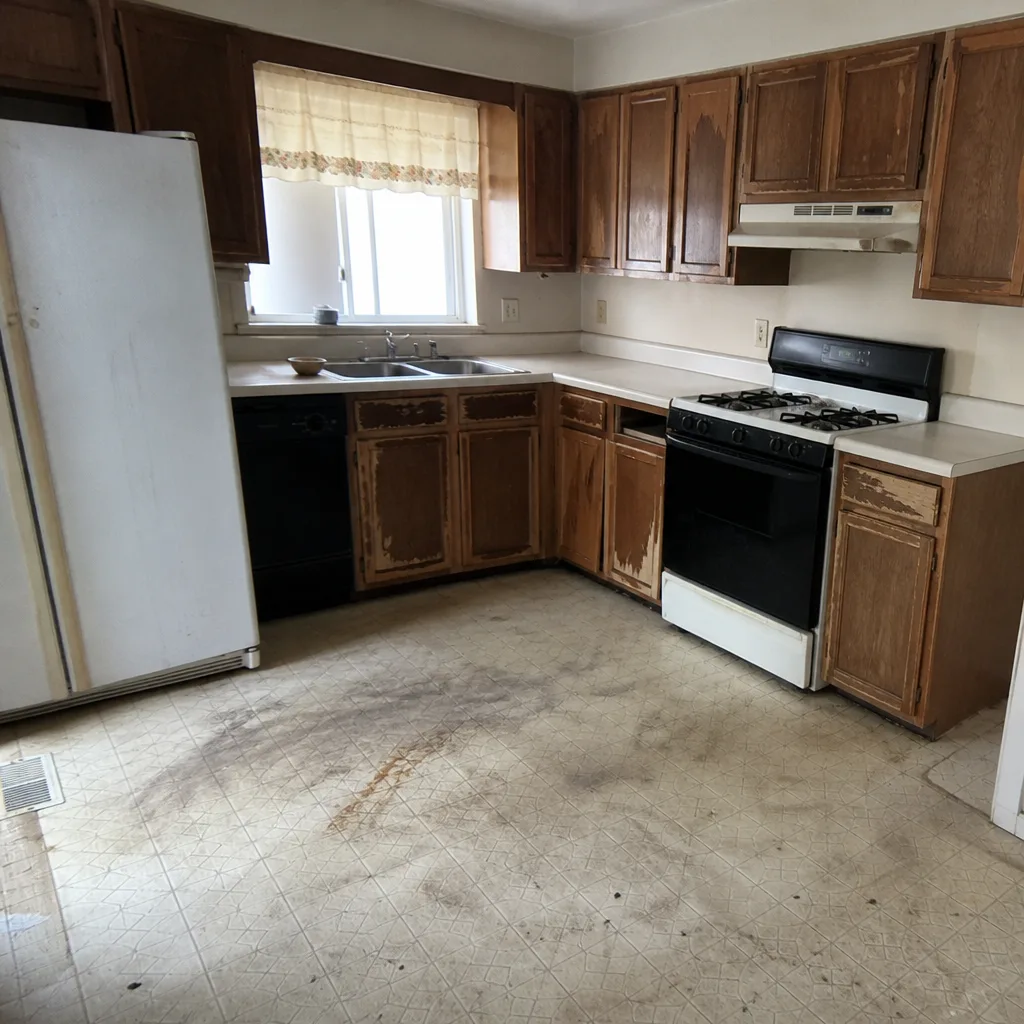 Before
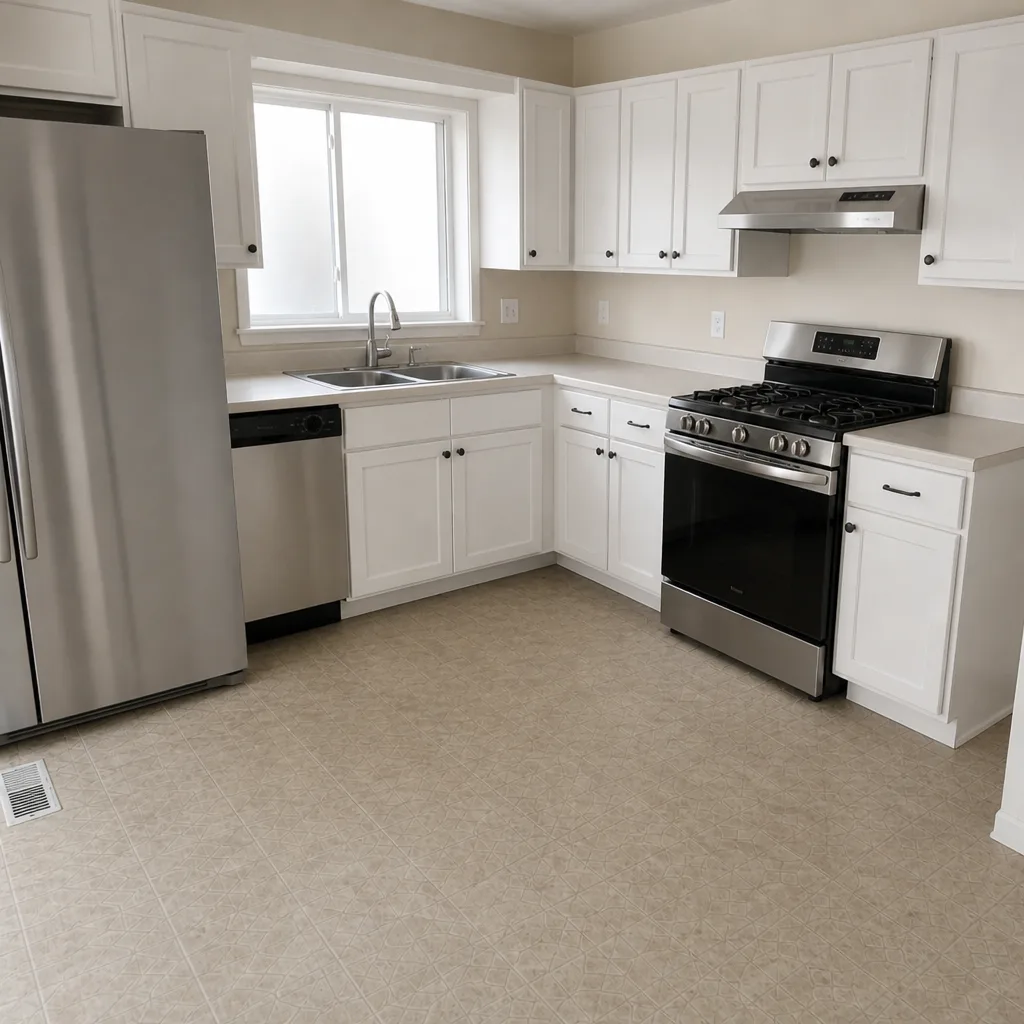 After
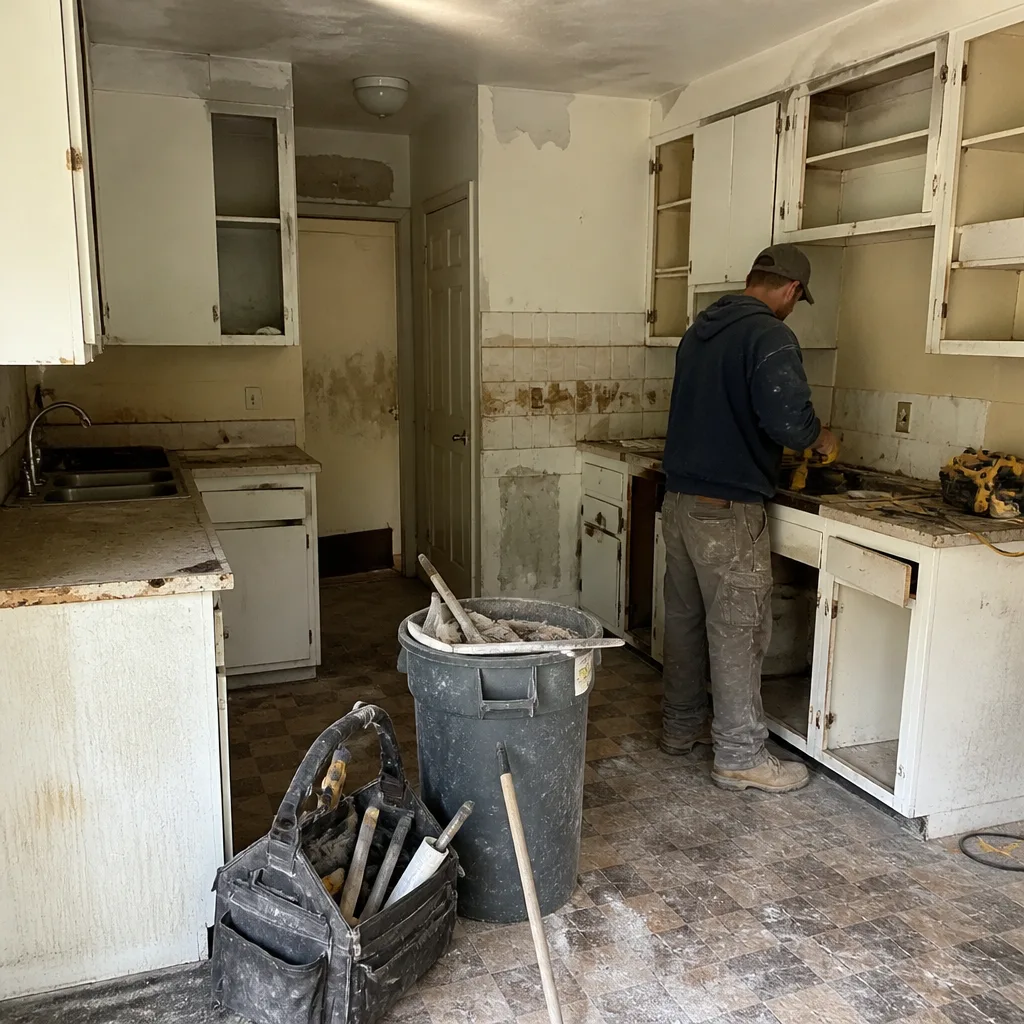 Before
 After
 Before
 After
Common Mistakes to Avoid
- Filling a leaning post hole with concrete without fixing the footing. Patching the top of a shallow hole just masks the failure and hides it from your warranty claim. Diagnose first.
- Burying a swollen or rotten wood post instead of replacing it. If the post is soft at the base, resetting it is wasted work. Replace it with a ground-contact-rated post.
- Hanging a heavy gate on light-duty hinges. It’s the most common gate failure we see. Match the hinge to the gate weight and size from the start.
- Setting a 4×4 gate post. It will twist and lean within a few seasons in Enterprise heat. A proper gate post starts at 6×6.
- Skipping the gravel base under the footing. Without drainage, the bottom of the hole traps water and the soil softens. That’s an erosion failure waiting to happen.
- Assuming “the material warranty covers this.” Most leaning and sagging failures are workmanship, not material. Read both warranty documents before you assume.
- Staining or sealing a board that’s structurally cupped or cracked. Surface treatment won’t fix a board that’s failing from underneath. Replace the board, then finish it.
When to Call a Professional
Call a professional when the post fails the wobble test and the footing moves with it, when a gate post is leaning more than a few degrees, when two or more posts in a run are leaning, or when the boards are cracking at the fasteners and pulling loose from the rails. Those are the signs a repair isn’t a repair, it’s a reset plus a post upgrade. And if your fence is still inside its workmanship warranty, call the installer before you touch it, because DIY work can void the coverage.
The jobs we’d never tell a homeowner to attempt: resetting a gate post on a span over 4 feet, replacing a post in caliche without the right digging tools, and any repair where the adjacent ground is sloped or near a utility line. Groundwork Construction Co. of Enterprise offers free estimates in Enterprise – call (844) 797-4406. We answer live, 24/7. Background-checked, uniformed technicians on every job, and our 730-Day Done Right Promise on workmanship.
Frequently Asked Questions
Resetting a single leaning wood post in Enterprise typically runs a few hundred dollars when it’s a straightforward dig-and-re-pour, and more if the post or a gate needs to be replaced or the footing has to be deepened in caliche. Call (844) 797-4406 for an exact quote – estimates are free, and our pricing is upfront with no surprises once work starts.
It shouldn’t. A proper estimate includes the footing depth, concrete type, post size, and any material replacement before a crew arrives. If a contractor adds charges mid-job for “unexpected” conditions they could have inspected up front, that’s the wrong contractor. Groundwork quotes are fixed, and our upfront pricing means the number you see is the number you pay.
Fence repairs usually don’t require a permit, but new fence installs in Enterprise may cross a height threshold or easement that does. We check the permit requirements before we start and pull what’s needed. Ask this question of any contractor; the one who can’t answer it in writing is a risk.
A single post reset with a proper footing usually takes a few hours, plus cure time for the concrete. If we’re replacing multiple posts or upgrading a gate, it can stretch into a full day. You’ll get a clear timeline in your estimate, not a vague “sometime this week.”
A well-installed, pressure-treated wood fence in Enterprise typically holds up a decade or more with proper staining, while neglected boards cup and check much faster. The single biggest factor isn’t the wood – it’s whether the footings were deep enough and the design allowed for heat expansion. Our technicians have up to 12 years of experience installing and repairing fences in this climate.
A workmanship warranty covers the installation – footing depth, post size, concrete mix, and gate hardware – while a material warranty covers the product itself. Most leaning, sagging, and gate failures are workmanship problems, so they fall under your installer’s guarantee. Groundwork backs all workmanship under our 730-Day Done Right Promise.
The Bottom Line
Fence problems in Enterprise mostly trace back to two installation decisions made on day one: footing depth and post sizing. If you’re looking at a single leaning post, diagnose it first – footing failure, erosion, and wind damage all need different fixes. Resetting one wood post is a real weekend job with the right tools and a proper gravel base. But a sagging gate, a leaning gate post, or multiple posts failing at once points to workmanship, and that’s the installer’s responsibility. Document it, check your warranty, and don’t patch over a footing failure you’ll be paying for again in two years.
Groundwork Construction Co. of Enterprise builds fences from foundation to finish line, backed by a 730-Day Done Right Promise and a curated library of brand partners. Calls are answered by a live person, 24/7. Call (844) 797-4406 for a free estimate. Upfront pricing, written workmanship terms, and background-checked, uniformed technicians on every job.
Written by the team at Groundwork Construction Co. of Enterprise.