Last updated November 18, 2026






Free written scope consultation - allowances, timeline, and change-order rules on paper before a single trade is scheduled
DIY vs Professional Bathroom Remodeling: What’s Safe to Do Yourself
A YouTube tutorial can teach you to tile a wall. It can’t teach you to identify whether the existing subfloor can hold the weight of the tile you just bought, and that’s the mistake that turns a $2,000 refresh into a $12,000 remediation. In our work across Enterprise, we’ve pulled up plenty of DIY showers that looked fine on the surface and were quietly rotting the framing underneath for two years. This guide draws a hard line: the tasks a confident homeowner can safely own, the work that legally or structurally cannot go sideways, and the exact math on what DIY actually costs when a mistake hides behind the tile. You’ll finish knowing what to keep and what to hand off.
Quick Answer
Painting, swapping hardware, replacing a vanity top, and re-caulking are safe for a careful homeowner to do themselves. Waterproofing, drain and supply plumbing, electrical work in wet zones, structural changes, and anything requiring a permit are not, regardless of your skill level. In Enterprise, most plumbing and electrical changes inside a bathroom are permit-required, which means the risk isn’t only water damage; it’s work that’s illegal to do unpermitted and can void the warranty on adjacent work you paid a pro to install.
Styles & brands we work with
- Kitchen remodeling
- Bathroom remodeling
- Home additions & ADU
- Roofing
- Windows & doors
- Driveway & pavers
- Fence
Table of Contents
- The Real Line Isn’t Skill. It’s What Happens When You’re Wrong.
- What’s Actually Safe to Do Yourself
- What Isn’t Safe to DIY, Period
- Nevada Permits: The Rules That Make DIY Illegal
- How DIY Voids Insurance Claims and Contractor Warranties
- The Hidden Cost Math: What DIYers Actually Spend
- How to Split Scope With a Contractor Without Liability Gaps
- Enterprise-Specific Considerations
The Real Line Isn’t Skill. It’s What Happens When You’re Wrong.
Most remodel advice tells you to DIY if you’re “handy enough.” That’s the wrong test. The right question is: if this step goes wrong, how long until you find out, and what does it cost to fix?
Painting a wall wrong shows up in a day. You sand it and repaint. Cheap fix. Waterproofing a shower wrong doesn’t show up for six months, by which time the water has crept through the cement board, softened the framing, and started growing mold inside the wall cavity. You don’t see any of that from the pretty tile on the outside.
That’s the entire case for splitting DIY vs professional bathroom remodeling along a “failure visibility” line instead of a “skill” line. In Enterprise, where we get hard water and dramatic temperature swings between summer afternoons and cool desert nights, that failure visibility shrinks even further. A shower pan that leaks a little slowly is much harder to spot when the surrounding air is already dry and the moisture evaporates fast.
Here’s the framework we use:
- Visible failure, cheap fix: DIY is fine.
- Hidden failure, expensive fix: Hire a pro.
- Legally regulated work: Always a licensed pro, no exceptions on skill.
Most homeowners who try to DIY a full bathroom don’t fail because they lack hand skills. They fail because they never had a reason to know what a properly sloped shower pan feels like, or what a weep hole does, or how much a subfloor deflects under load. Those are knowledge gaps, not talent gaps, and they don’t close by watching one weekend of videos. If you want the full-scope view of how a pro sequences a remodel from framing through final trim, our Groundwork Construction Co. of Enterprise home walks through the seven service lines we run and how they overlap on bigger projects.
What’s Actually Safe to Do Yourself
Here’s where a competent homeowner genuinely saves money without putting the house at risk. Every task in this list has two things in common: if it goes wrong, you can see it, and fixing it costs less than paying someone else to do it right.
- Interior painting. Walls, ceiling, and trim. Prep work (tape, drop cloths, sanding) is where the quality lives, and you can do that as carefully as anyone. A gallon of quality bath-rated paint in a semi-gloss or satin finish handles Enterprise’s low humidity better than flat finishes, which trap moisture streaks.
- Hardware swaps. Faucets (on existing supply lines, no sweating pipes), showerheads, towel bars, cabinet pulls, toilet seats, and mirrors. These are bolt-on changes with no hidden failure mode.
- Vanity top replacement. If you’re swapping a pre-cut top onto an existing vanity base with existing plumbing stubs in the right place, you can do it. The moment you need to move a supply line or a drain, it’s no longer a DIY task. Kohler makes a good line of pre-fit vanity tops that are simple to drop in.
- Re-caulking. Any joint between tub and tile, sink and counter, or surround and wall. Do this every 18-24 months in Enterprise, because the dry air cracks sealant faster than humid climates do. Use a 100% silicone bath caulk, not latex.
- Accessories and storage. Shelving, medicine cabinet swaps (on existing framing), toilet paper holders, robe hooks. Simple attach-and-go work.
- Regrouting tile with sound grout underneath. If the grout is cracking and the tile underneath is solid, you can dig out the old grout and redo it. If the tile is loose, stop, because that’s a sign of a bigger problem.
That list is longer than most “hire a pro” articles will admit, and shorter than most “you can do it!” articles pretend. A confident homeowner who owns the tasks above and hands off everything else usually saves $1,500-$4,000 on a mid-size Enterprise bathroom remodel without touching anything that can void insurance or a warranty.
What Isn’t Safe to DIY, Period
This list is where “handy” stops mattering. Every item here has a hidden failure mode, a code requirement, or a safety risk that can’t be managed by watching instruction.
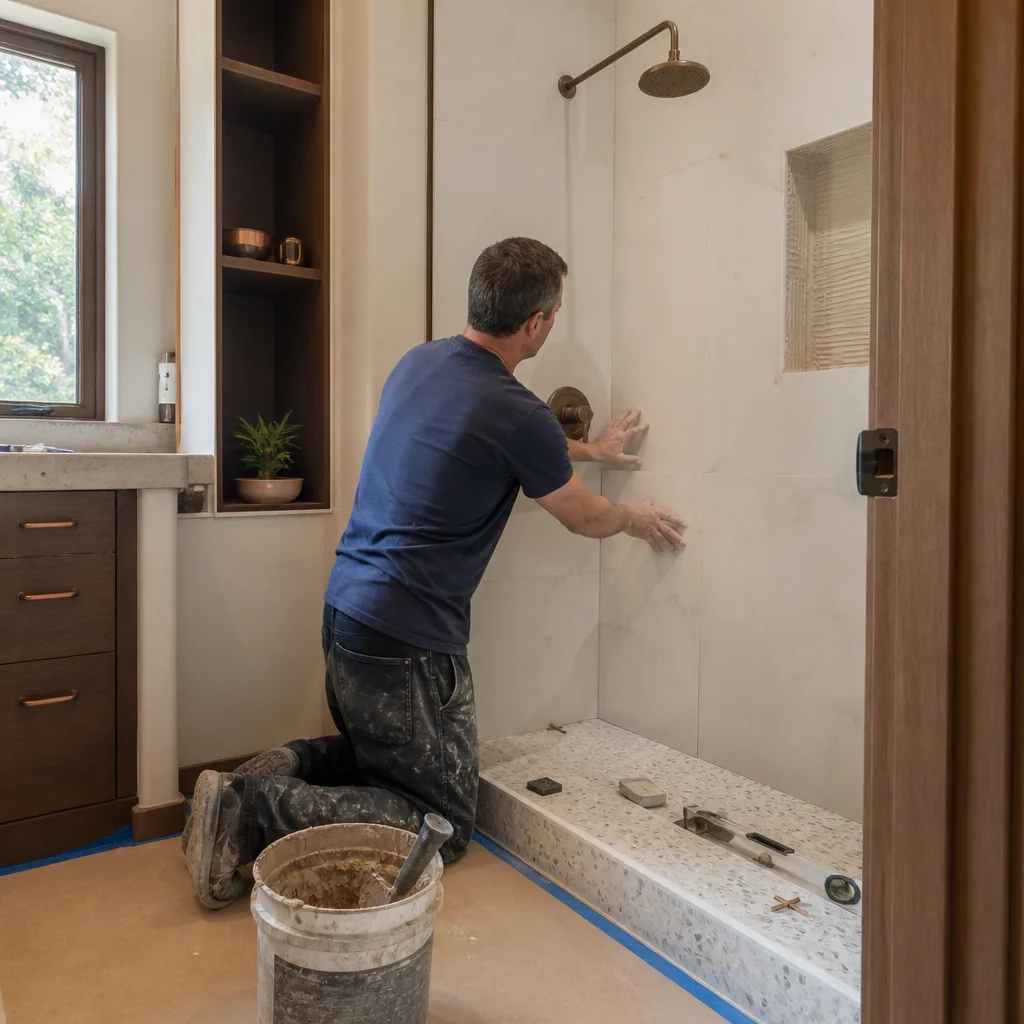
- Waterproofing. Shower pan liners, cement board seams, RedGard or Schluter membrane systems, and the critical slope to the drain. Get this wrong and the failure is invisible for months. The correct waterproofing method depends on the substrate, the shower type (tiled pan vs. pre-fab), and the local code, which is why this step alone is where most DIY shower failures begin.
- Drain and supply plumbing. Moving a drain inside a slab-on-grade bathroom (common in Enterprise) means cutting concrete. Soldering or pressing supply lines inside a wall means a leak you won’t find until the drywall stains. There’s no safe halfway here.
- Electrical work in wet zones. GFCI receptacles, exhaust fan circuits, in-floor heat, lighting over the shower. Any electrical work in a bathroom needs a licensed electrician and a permit. Full stop.
- Moving or removing walls. Even a “non-load-bearing” wall in a bathroom can contain plumbing, HVAC, or electrical runs. Load-bearing walls need a structural engineer’s sign-off, which we’ve coordinated in Enterprise plenty of times when a homeowner wanted to expand a bathroom into an adjacent closet.
- Subfloor repair or replacement. This is the one that starts the $2,000-to-$12,000 story. You can’t tell whether the existing subfloor can carry the weight of the tile or stone you bought until you either test it or install it and watch it crack. Proper subfloor work means knowing joist spacing, deflection, and the tile manufacturer’s minimums.
- Gas fixture changes. If you’re adding a gas-fired towel warmer or moving a gas line to a new vanity, that’s not a homeowner task anywhere.
- Structural venting and roof penetrations. If your bathroom exhaust fan needs a new roof vent, that’s roof work. Step-back safety and proper flashing are the reason.
If you want a fuller picture of what a professional bathroom remodel covers from start to finish, and where each of these lines gets crossed, see our Bathroom Remodeling in Enterprise page for the scope breakdown.
Nevada Permits: The Rules That Make DIY Illegal
This is the part that catches most DIYers off guard. It isn’t about whether you can do the work. It’s that some of the work is illegal to do without a permit and a licensed contractor, and the inspection process is designed to catch unpermitted work after the fact.
In Enterprise and the broader Clark County jurisdiction, the following bathroom tasks typically require a building permit:
- Any new or relocated plumbing rough-in (moving a drain, moving a supply line, adding a fixture).
- Any electrical work beyond a straight fixture swap on an existing circuit.
- Any structural change, wall removal, or header installation.
- Any change to the bathroom’s mechanical ventilation system that penetrates the building envelope.
- Tankless water heater additions (common upgrade we see in Enterprise renovations).
- Shower conversions from a tub to a walk-in, which changes the drain location and the waterproofing plan.
What matters more than the list is what happens if you do the work without the permit. In Clark County, unpermitted work discovered during a later sale inspection can force the homeowner to tear out walls to prove the work, or to retrofit to current code. That’s not a fine; that’s a full redo. We’ve walked into Enterprise houses where a previous owner’s DIY shower had to be gutted because a buyer’s inspector flagged the lack of permit history, and the seller was on the hook for the remediation.
Another wrinkle: many manufacturer warranties on materials (tile, waterproofing membranes, shower valves) require installation by a licensed contractor to stay valid. So even when you do the work well, you can lose the warranty on the materials you paid for. That’s a hard fact and it’s why we tell homeowners to check the box before they buy, not after.
How DIY Voids Insurance Claims and Contractor Warranties
Insurance companies are in the business of pricing risk. A homeowner doing plumbing work in a wet zone is a risk that wasn’t priced into the policy. That’s the entire reason most homeowner policies exclude water damage caused by faulty workmanship, whether you did the work or hired someone unlicensed to do it.
Here’s what that looks like in practice. A supply line inside the wall starts weeping. It’s your own sweat-soldered joint that failed. Two months later, that weep has soaked through a couple feet of drywall. Your policy likely denies the water damage claim on the basis that the loss resulted from faulty workmanship, not an accident. You pay the water damage remediation out of pocket, and nobody’s warranty covers the failed joint because you installed it.
The same logic runs the other way. If a licensed contractor installs a shower waterproofing system and you then install your own tile on top of it and nail through the membrane, you’ve likely voided the contractor’s workmanship warranty on that system. The pro can’t warrant work that a homeowner has unintentionally compromised. Most written warranties on adjacent work are voided by homeowner alterations, and most homeowners never read that clause.
This is why our Bathroom Remodeling in Enterprise projects establish a clear scope line in writing at the contract stage. If you want to own the tile and we own the waterproofing, both of us need to know exactly where that line sits, and the warranty has to be written to match. That’s where the 730-Day Done Right Promise gets complicated on split-scope jobs, and it’s the conversation we have before anyone buys a bag of thinset.
The Hidden Cost Math: What DIYers Actually Spend
Homeowners consistently estimate their DIY time and material cost at 60-70% of what it actually turns out to be. Here’s a realistic breakdown of a mid-size bathroom remodel in Enterprise, comparing the typical DIY estimate against what we actually see.
- Painting (walls and ceiling): Estimated $250-$400 in materials. Actual with proper prep, primer, two coats, and painter’s tape: $400-$600. DIY savings vs. pro: roughly $800-$1,200, real and reliable.
- Vanity and top swap: Estimated $600-$1,200. Actual: $800-$1,800 (vanity, top, faucet, plumbing adapters, dumping the old one). Savings vs. pro install: about $500. Reasonable DIY win if the plumbing stays put.
- Tile work: Estimated $1,200-$2,000 in materials. Actual: $2,000-$3,500 (tile, thinset, backer board, trim, tools: wet saw rental, notching trowel, spacers, leveling clips). Savings vs. pro: about $2,000-$3,000, IF the substrate is sound. If the substrate needs work, you’re into the next line item.
- Waterproofing: Estimated $300-$500 in materials. Actual correction if done wrong: $6,000-$12,000. The savings disappear the moment you have to open the wall.
- Plumbing moves: Estimated $400 for parts. Actual with permit, licensed plumber, inspection, and slab access: $1,800-$4,500. This is not actually a DIY line item; it’s listed here because homeowners routinely mis-estimate it.
- Electrical: Estimated $200 for a fixture swap. Actual with permit, licensed electrician, GFCI upgrade, and exhaust fan work: $800-$2,200.
The overall pattern is consistent. The tasks on the DIY-safe list are the ones where the estimate holds. The tasks on the pro-only list are where the estimate explodes, either because the work turns out to be more complicated than expected or because the correction after a failure is 3-5x the original scope.
When you add it up, a homeowner who DIYs only the safe items saves about $2,000-$3,500 on a $15,000-$20,000 Enterprise bathroom remodel, and keeps every warranty and insurance path intact. A homeowner who DIYs the shower waterproofing to save $800 often ends up spending $8,000-$12,000 on remediation, which is the entire story of this guide in one number.
How to Split Scope With a Contractor Without Liability Gaps
Splitting scope is legitimate and we do it on plenty of Enterprise jobs. What makes it work or fall apart is how the handoff is documented. Here’s the process we recommend, and the one we walk clients through before work begins.
- Define the cut line task by task, in writing. Not “homeowner does finishes” but “homeowner installs tile, grout, and trim; contractor installs backer board, waterproofing membrane, and drain.” The specific handoff point matters because it determines who owns a failure.
- Sequence the handoff so inspections happen at the right moment. In Clark County, the waterproofing inspection has to pass before tile goes on. If the homeowner is doing the tile, that means the contractor has to schedule the inspection, the homeowner has to wait for the inspection to clear, and the contract needs to reflect that pause.
- Write the warranty to match the split. Any work the homeowner takes on is outside the contractor’s warranty. The 730-Day Done Right Promise on our work stays intact on our portion, but a homeowner-installed tile job that compromises the waterproofing underneath is a warranty conversation, not a warranty claim.
- Document material ownership. If the homeowner buys the tile, keep the receipts and the manufacturer’s installation instructions, because the tile warranty is handled between the homeowner and the manufacturer.
- Keep a shared written timeline. Most split-scope disputes come from scheduling, not quality. If the homeowner holds up the tile phase a week, the contractor can’t hold the next phase to the original date, and someone has to sign off on the shift.
- Do a joint walkthrough at the handoff. The contractor confirms their work is complete and correct, the homeowner confirms they’re ready to take over, and both sign. This single step prevents most “you should have caught that” disputes.
The contractors who won’t put a split-scope agreement in writing are usually the ones who will also disappear when a warranty question comes up. Upfront pricing on both sides of the split is what keeps the arrangement honest. If you want to see how full-scope pricing compares to split-scope on a bigger renovation, our Home Additions & ADU in Enterprise page shares the scope-based pricing approach we use across projects.
Enterprise-Specific Considerations
Enterprise sits in a specific climate band that has real consequences for bathroom remodeling. Three things you’ll see here that you won’t see in most of the country:
- Hard water. Enterprise water is mineral-heavy. Faucets, shower valves, and even the inside of the toilet tank take a harder hit than they do in softer-water regions. That shortens valve life and increases the value of a whole-house softener loop if you’re already remodeling the bathroom. It also means re-caulking every 18 months, not every 3 years.
- Dry air and dramatic temperature swings. The exterior walls of an Enterprise bathroom can hit 40°F overnight in winter and 100°F inside a wall cavity facing the sun in summer. Sealant and grout both crack faster here than in steady climates. Correctly installed vapor management matters, especially if the bathroom shares a wall with the exterior.
- Slab-on-grade construction. Most Enterprise bathrooms sit on a post-tension or conventional slab. Moving a drain means cutting the slab, and in post-tension slabs, that requires an engineer’s approval to avoid cutting a tension cable. This is exactly the kind of task that looks like it’s in the DIY zone until you understand what’s beneath the floor. It’s why we never recommend a homeowner touch drain location in Enterprise.
If you’re also planning exterior work alongside a bathroom remodel, we handle Driveway & Pavers in Enterprise and Fence Installation in Enterprise with brand partners like Belgard, Barrette, and Master Halco. Sequencing exterior and interior projects together is a common way to reduce per-trade mobilization costs.
Common Mistakes to Avoid
- Installing tile over an untested subfloor. In Enterprise slab-on-grade bathrooms, this looks like the safest step in the job until the tile pops. Test joist deflection and substrate condition before you buy tile, not after.
- Waterproofing with the wrong membrane for the substrate. Cement board plus a liquid membrane is not the same as a Schluter Kerdi system on a foam pan. Mixing systems voids every material warranty involved and usually leaks at the drain seam.
- Moving a drain “just a little.” In post-tension slab construction, cutting even a few inches off the drain line can hit a tension cable. That’s not a cost overrun, it’s a structural issue.
- Doing plumbing work without a permit because “it’s inside the wall.” Clark County inspectors are trained to look for unpermitted work at resale, and the buyer’s inspector will catch the missing permit records. The cost of retroactive permitting is usually the entire scope redone.
- Buying materials the contractor won’t warranty. Some tiles and waterproofing systems require licensed-installer certification for the manufacturer warranty to apply. Ask before you buy at a box store.
- Re-caulking with latex instead of silicone. In Enterprise’s dry air, latex bath caulk fails within 6 months. That’s the most common leak source we find in “newly remodeled” DIY bathrooms.
- Skipping the exhaust fan upgrade. A 50-CFM fan in a 60-square-foot bathroom isn’t enough. Without adequate CFM and proper venting to the exterior (not the attic), moisture accumulates and mold follows. This is a permit-required change in Enterprise for a reason.
See the difference
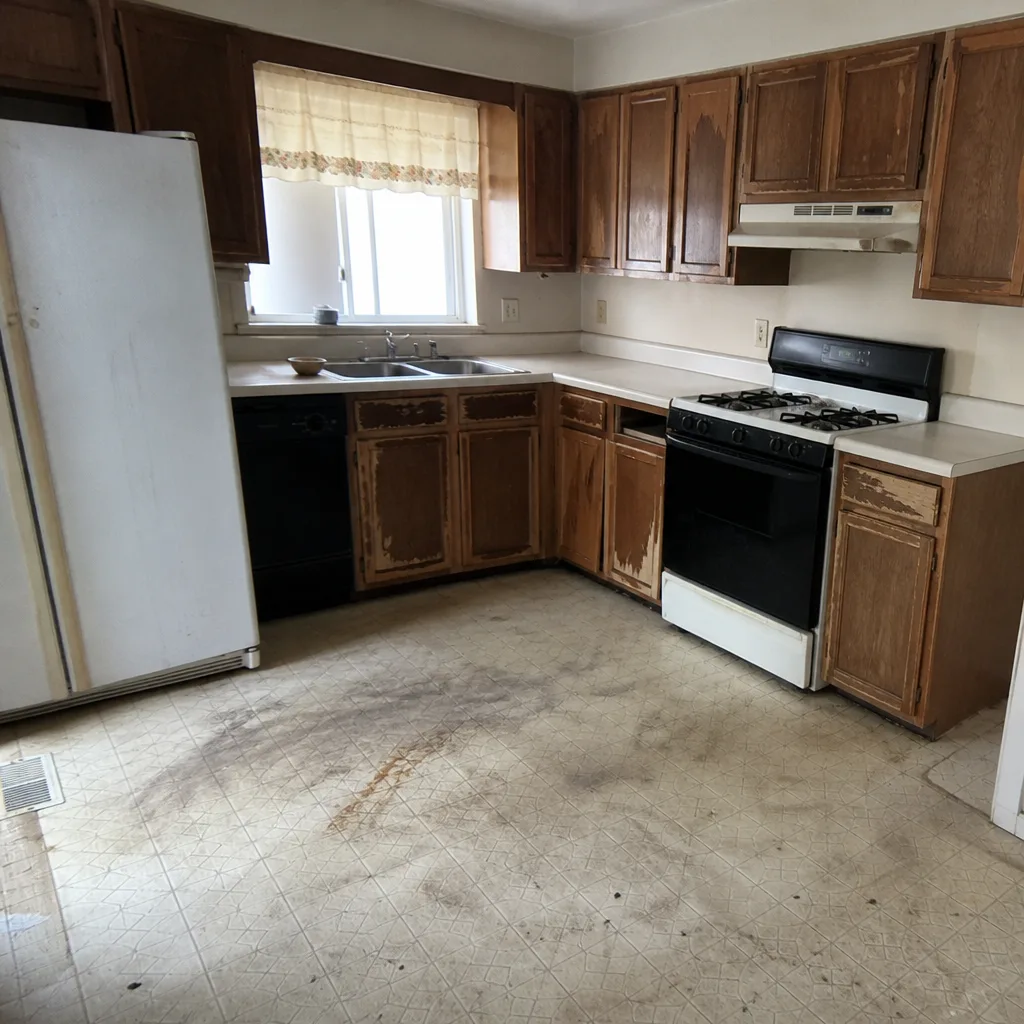 Before
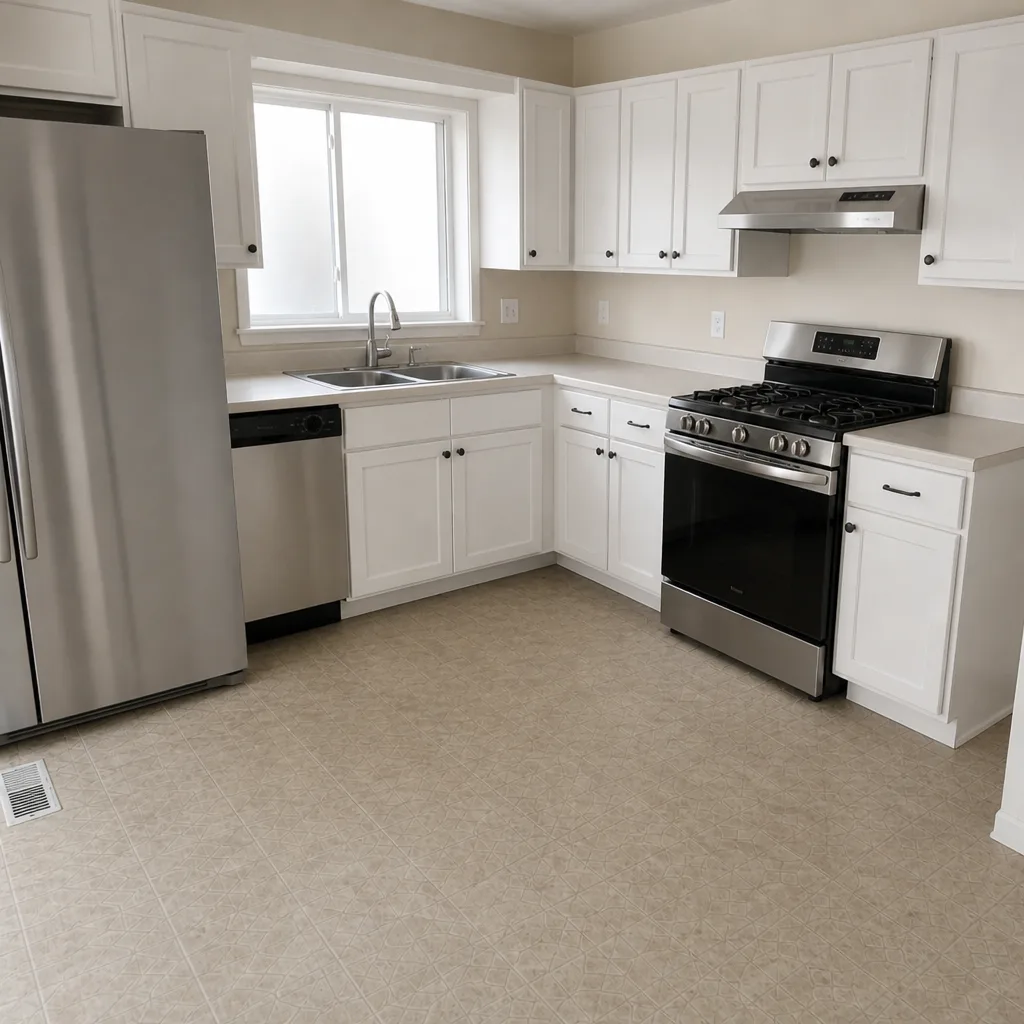 After
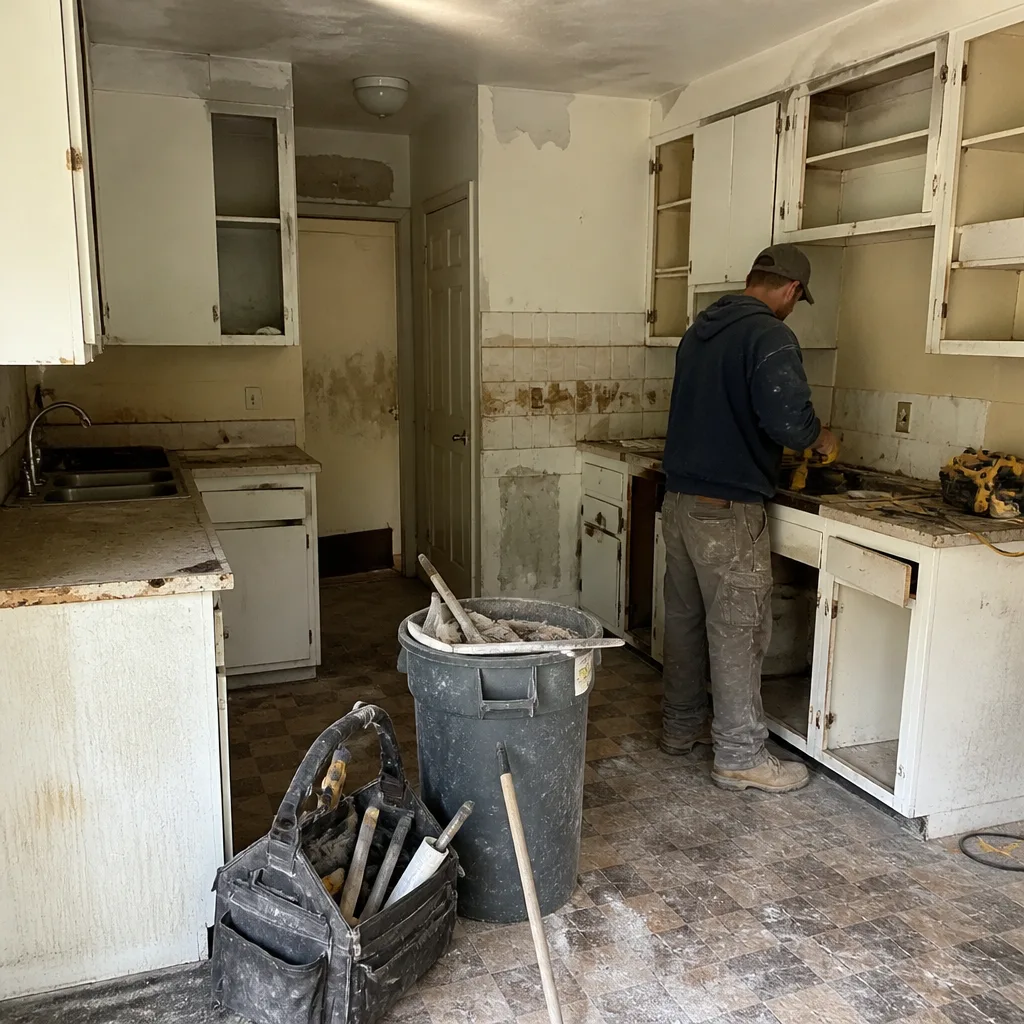 Before
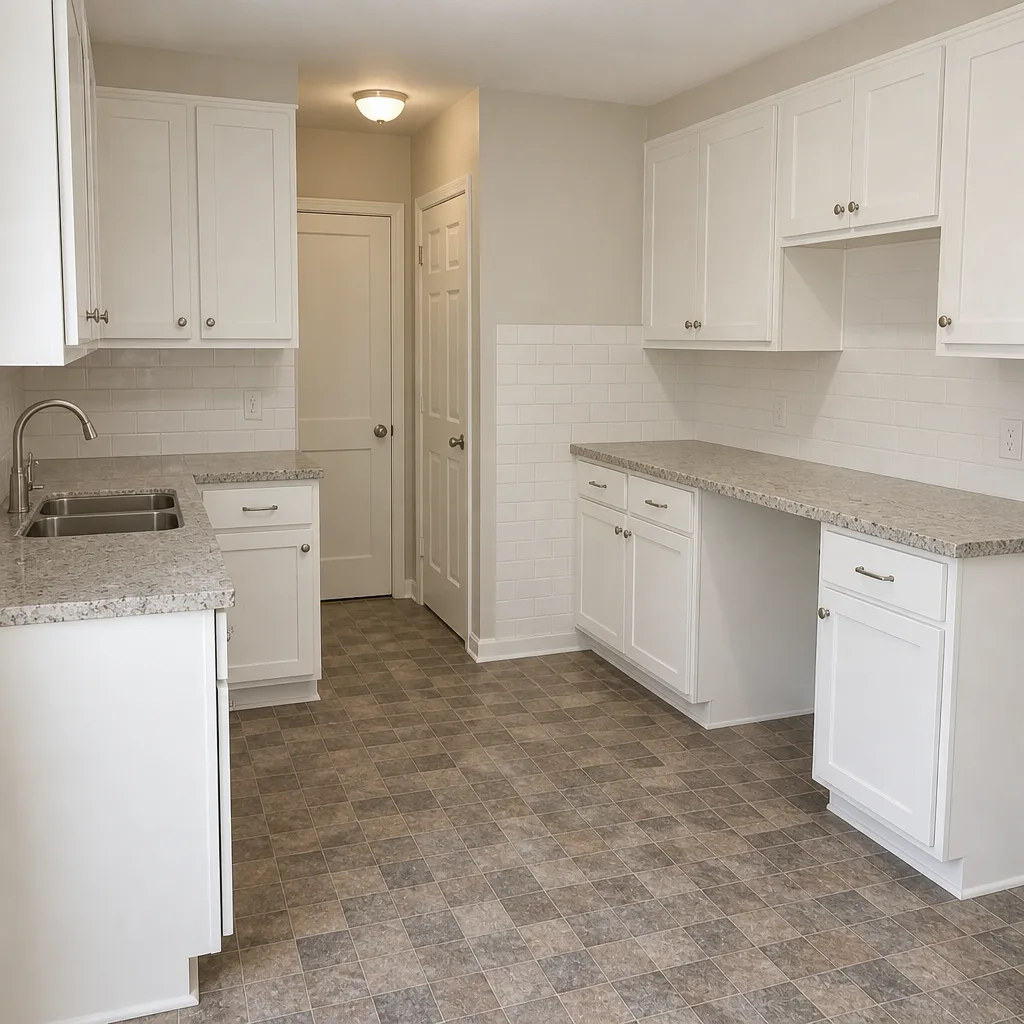 After
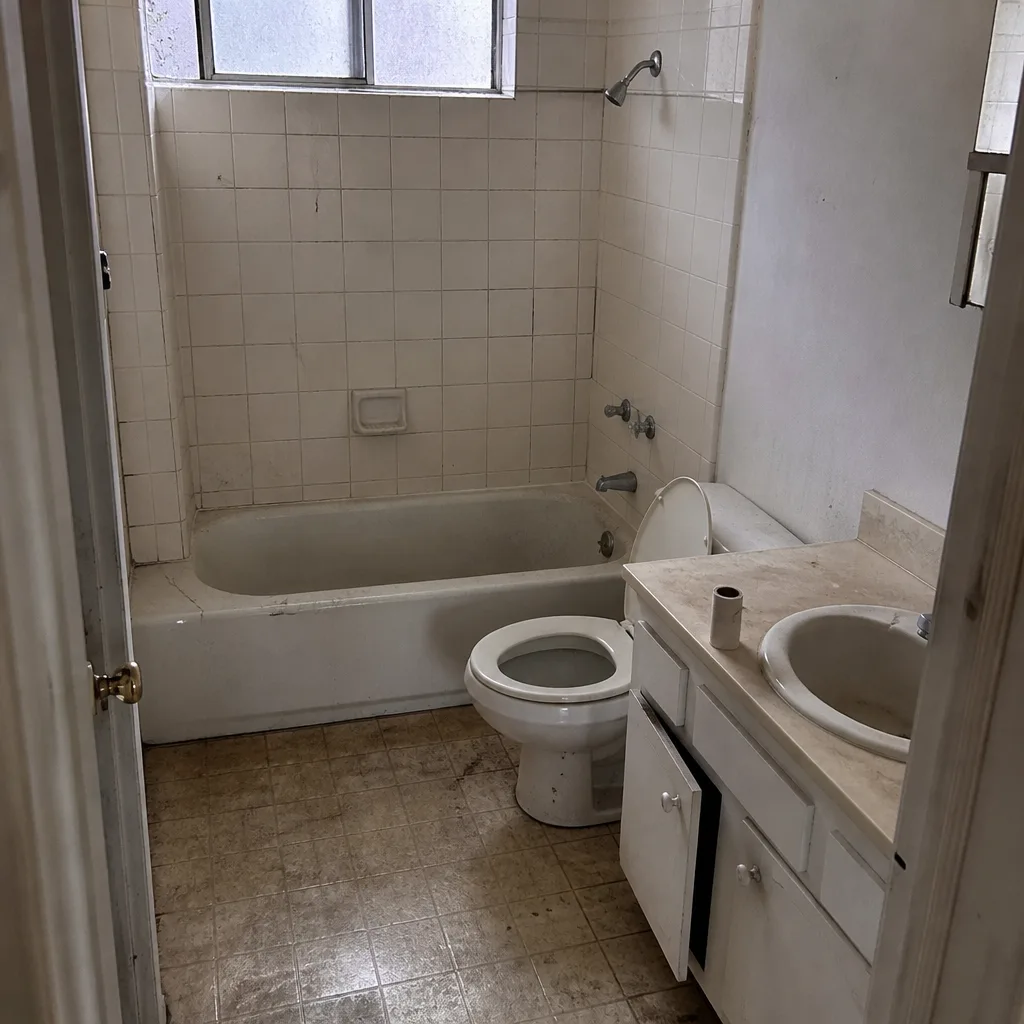 Before
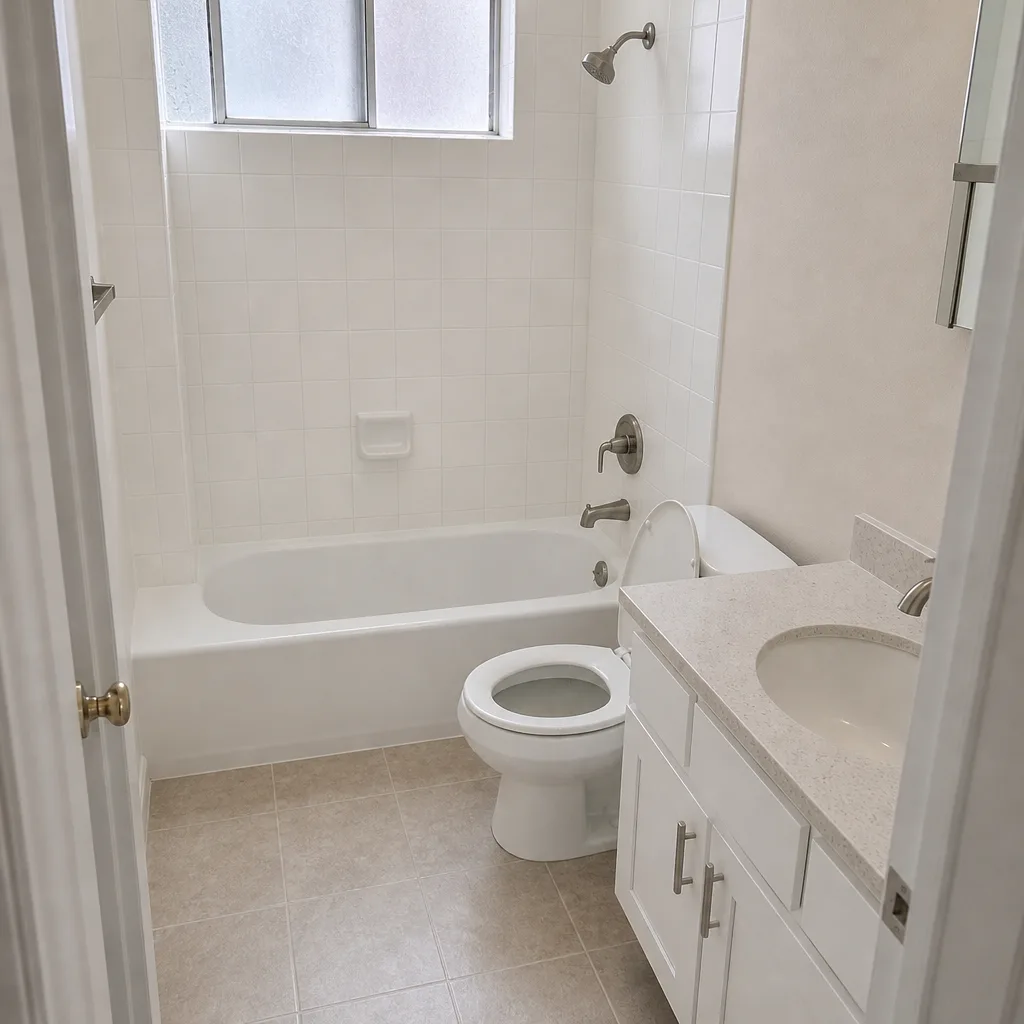 After
When to Call a Professional
Call a licensed pro the moment your project involves any of these: moving a drain or supply line, changing a shower or tub configuration, cutting a subfloor, adding electrical in a wet zone, moving a wall, or doing anything that requires a Clark County permit. That’s not a skill question; it’s a legal and insurance question, and no amount of YouTube hours answers it.
Also call when the scope is bigger than one weekend of work. A full bathroom remodel in Enterprise usually runs 3-6 weeks of active work, and the sequencing (demo, rough-in, inspection, waterproofing, tile, trim, fixtures) doesn’t compress easily. Doing pieces out of order creates the liability gaps we described above.
Groundwork Construction Co. of Enterprise offers free estimates in Enterprise. That conversation is where the split-scope plan gets written down. Call (844) 797-4406 and we’ll walk through what you can own, what we should own, and where the 730-Day Done Right Promise applies.
Frequently Asked Questions
You can legally do some of it, but not all. Painting, hardware, vanity top swaps, and re-caulking are generally homeowner-safe and don’t require a permit. Plumbing changes, electrical work in wet zones, structural changes, and shower or tub conversions require a permit and a licensed contractor in Clark County. Doing permit-required work yourself, even if done well, can trigger a redo at resale. If you’re unsure where your scope lands, call (844) 797-4406 for a free estimate that includes a scope review, so you know which tasks are in the DIY zone before you start.
A typical full bathroom remodel in Enterprise runs $15,000-$30,000, depending on size, whether you’re moving plumbing, and finish level. A cosmetic refresh with paint, hardware, and a new vanity top can land at $3,000-$6,000, much of which you can do yourself. Costs go up sharply when a drain moves (post-tension slab cutting), when a tub becomes a walk-in shower, or when tile scope expands. Call (844) 797-4406 for an upfront-priced estimate on your specific bathroom. Estimates are free.
Often no. Most homeowner policies exclude damage caused by faulty workmanship, whether the workmanship is yours or a contractor’s. A slow leak from a homeowner-soldered joint that shows up six months later is typically a denied claim. The correction cost usually falls to the homeowner. That’s the risk to weigh before doing any plumbing inside a wall. Calling a licensed plumber for the rough-in phase, and DIYing everything visible, is usually the safer insurance math. Call (844) 797-4406 if you want to talk through which tasks to keep and which to hand off.
Yes, and this is one of the most common split-scope arrangements we set up in Enterprise. The key is that the waterproofing must be inspected and signed off before any tile goes on, and the tile installer has to avoid penetrating the membrane (no nails, no screws through the shower pan). The waterproofing is the “cannot go sideways” step; the tile is a “visible failure, fixable” step. We put that split in writing so both sides know where the warranty line sits. Call (844) 797-4406 to schedule a free estimate and we’ll document the split.
Most contractor warranties exclude homeowner alterations to adjacent work, and most manufacturer warranties require licensed installation to stay valid. If you nail through a waterproofing membrane to hang a shelf, the contractor’s warranty on that membrane is usually void, and the material warranty likely is too. The fix is to define homeowner scope in writing at contract stage, so both parties agree up front what’s covered and what isn’t. Our 730-Day Done Right Promise applies to our scope; documenting the split is what keeps that promise meaningful on hybrid jobs. Call (844) 797-4406 for a free estimate and we’ll walk through the warranty terms line by line.
Yes, if you stick to the safe list. Painting, hardware swaps, vanity top replacement, and re-caulking typically save $2,000-$3,500 on a full Enterprise bathroom remodel, and none of them put a warranty or insurance claim at risk. The savings evaporate the moment you touch waterproofing, plumbing, or electrical, because the correction cost after a hidden failure is 3-5x the original scope. A confident homeowner who owns the finish work and hands off the hidden systems usually wins the cost math. Call (844) 797-4406 for a free estimate that maps out the split.
The Bottom Line
The DIY question for bathroom remodeling isn’t about how handy you are. It’s about which mistakes you’ll see in a day, and which ones hide behind tile and drywall for six months while they cost you five times what you saved. Keep the finish work: paint, hardware, vanity top, caulk. Hand off the hidden systems: waterproofing, plumbing, electrical, structural, anything permit-regulated in Clark County. Document your split-scope agreement in writing, and keep the insurance and warranty paths intact. That’s how a confident homeowner saves real money on an Enterprise bathroom remodel without gambling on the parts that can go sideways. When you’re ready to price the pro side of the split, Groundwork Construction Co. of Enterprise offers free estimates and upfront pricing so the number you see is the number you pay. Call (844) 797-4406 to schedule yours.
Written by the team at Groundwork Construction Co. of Enterprise.