Last updated November 18, 2026



Free written scope consultation - allowances, timeline, and change-order rules on paper before a single trade is scheduled
How Long Does Bathroom Remodeling Take? Timelines and What to Expect
The industry average for a full bathroom remodel is 3 to 5 weeks. The average homeowner-reported timeline is 6 to 10 weeks. That gap isn’t bad luck, and it isn’t a slow crew. It’s what happens when planning gets rushed and the schedule absorbs decisions that should have been made before demo day. In this guide, we break down exactly where the time goes on a bathroom remodel in Enterprise, phase by phase, so you can look at any contractor’s schedule and tell a realistic one from a sales pitch. You’ll learn which decisions cause the most slippage, when to make them, and what you can do before the first hammer swings to protect your calendar.
Quick Answer
A standard full bathroom remodel takes 3 to 5 weeks of active construction, and a realistic project calendar from signed contract to final inspection runs 5 to 8 weeks once design, material lead times, and permit approval are factored in. Larger primary bathrooms with layout changes, custom tile, and relocated plumbing can run 8 to 12 weeks. The single biggest variable isn’t crew speed. It’s how completely the project was scoped before work started.
Styles & brands we work with
- Kitchen remodeling
- Bathroom remodeling
- Home additions & ADU
- Roofing
- Windows & doors
- Driveway & pavers
- Fence
Table of Contents
- The Two Clocks: Active Construction vs. Project Calendar
- Phase-by-Phase Timeline: Where the Days Actually Go
- The Decisions That Cause the Most Schedule Slippage
- Why “We Can Start Monday” Should Raise Your Eyebrows
- Size, Scope, and Condition: What Moves the Timeline
- What You Can Do Before Demo Day to Shave Real Time
- Enterprise-Specific Factors That Affect Your Schedule
- Common Mistakes to Avoid
The Two Clocks: Active Construction vs. Project Calendar
Most of the confusion around bathroom remodel timelines comes from two different clocks being quoted as if they were the same thing. The first clock is active construction: the days a crew is actually in your house cutting, plumbing, waterproofing, tiling, and setting fixtures. The second clock is your project calendar: everything from the day you sign the contract to the day the final inspection passes. Those two numbers are never the same, and any contractor who quotes you only one of them is either inexperienced or managing your expectations down.
For a typical hall bathroom in Enterprise, active construction runs 15 to 25 working days. The project calendar runs 35 to 55 days. The difference is a combination of design time, material lead times, permit review, and the small gaps between trades that nobody plans for but everybody experiences. When we quote a bathroom project in Enterprise, we give you both numbers in writing, because a homeowner who only hears “three weeks” and then waits eight is a homeowner who feels misled, even when the work is flawless.
Here’s the distinction that matters most: the active construction clock is the contractor’s responsibility, and the project calendar is a shared responsibility. A well-run crew can hit its construction days almost every time. The project calendar depends on how fast decisions get made, how quickly materials ship, and how quickly the city signs off. Understanding that split is the first step toward an honest schedule.
Phase-by-Phase Timeline: Where the Days Actually Go
Below is a realistic breakdown for a full bathroom remodel in Enterprise with a layout that stays roughly where it is. If plumbing or electrical is being relocated, add days to the rough-in phase. If the tile is custom or imported, add days to the tile phase. These are working-day estimates from a crew that does this regularly, not a best-case sales figure.
- Design and selections (5 to 15 days, before construction): Final measurements, layout drawings, and material selections. This phase runs parallel to permit submission where possible. Bathroom remodels stall here more than anywhere else, because tile, vanity, and fixture selections affect plumbing rough-in locations and drain placement. Every day of indecision here is a day the crew can’t be scheduled.
- Permit review (5 to 15 business days, in parallel): Most full bathroom remodels that move plumbing or electrical require a permit. In Enterprise, review times vary by scope and season. This phase overlaps design, so it rarely adds the full duration to your calendar, but it does gate the start date.
- Demo (1 to 2 days): Tear-out of the old tile, vanity, toilet, tub or shower, and drywall as needed. A single crew can usually strip a standard bathroom in a day. Unexpected rot or old plumbing surprises can add a day or more, which is why a contractor should inspect behind the walls before finalizing a schedule.
- Rough-in plumbing and electrical (2 to 4 days): New supply lines, drain relocation, valve installation, exhaust fan wiring, and outlet and lighting rough-in. This is where relocation work pays for itself in time or costs you days. Keep fixtures where they are and this phase is short. Move the shower drain across the room and it’s not.
- Inspection of rough-in (1 to 3 days): The city inspects plumbing and electrical before the walls close. This is a scheduled visit, and the wait is a real part of the calendar. A contractor who plans for it loses nothing. A contractor who doesn’t loses a few days of crew time.
- Insulation, drywall, and prep (2 to 3 days): New cement board or drywall, taping, mudding, and sanding. Drywall mud needs time to cure before waterproofing goes on, and rushing that step is how you get tile failures later.
- Waterproofing (1 to 2 days): This is the phase homeowners underestimate and contractors who care about their warranty never skip. A proper shower waterproofing system, such as a Schluter system, needs a full membrane application and a flood test in many jurisdictions. The flood test alone typically runs 24 hours. That day isn’t wasted. It’s the reason your shower doesn’t leak into the ceiling below in year three.
- Tile (3 to 6 days): Wall tile, floor tile, grout, and cure time. Large-format tile and intricate patterns take longer. Mosaic shower floors take longer than a standard field tile. Grout needs a full cure before heavy traffic, so this phase usually ends with a buffer day.
- Fixtures and finishes (2 to 4 days): Toilet, vanity, faucets, shower trim, mirror, lighting, and hardware. This phase moves quickly when all materials are already on-site. It drags when half the order is still in transit.
- Final inspection and punch list (1 to 3 days): The city signs off, and the crew works through the punch list: caulk lines, touch-up paint, and any trim adjustments.
Add those working days up and you land in the 15-to-25-day active construction window for a standard Enterprise bathroom. Add the calendar gaps and you land in the 5-to-8-week project window. Both are accurate. Both should be in your contract.
The Decisions That Cause the Most Schedule Slippage
In our experience, almost every bathroom remodel that runs long was already behind schedule before the first tile was set. The delays weren’t caused by a slow crew. They were caused by decisions made late, or not made at all. Here are the decisions that cause the most slippage, ranked by how many days they typically add.
Tile selection (adds 5 to 20 days if late)
Tile is the single biggest schedule risk in a bathroom remodel, and it has nothing to do with the tile itself. It has to do with how many tiles are special-order, how long the manufacturer’s lead time is, and whether the order arrives complete or in three shipments over two weeks. A tile chosen from a showroom floor with stock on hand can be on-site in a few days. A tile special-ordered from overseas can take four to six weeks. Choose tile before the contract is signed, and lock the order the same week.
Fixture lead times (adds 3 to 15 days if late)
Vanities, freestanding tubs, and specialty shower valves are the most common late-arriving items. A vanity that’s back-ordered six weeks turns a four-week project into a nine-week project, even if every other phase finishes on time. Brands like Grohe and Sterling generally have reliable stock, but availability still varies by SKU. Have your contractor confirm lead times on every order before scheduling demo.
Permit approval (adds 0 to 15 days depending on timing)
Permit review times vary by scope and jurisdiction. A contractor who submits the permit application the day after contract signing and schedules demo while review is in progress loses almost nothing. One who waits for selections to finalize before submitting the permit adds the full review time to the front of the project. In Enterprise, this is one of the most avoidable multi-day losses on a bathroom remodel.
Layout changes mid-project (adds 5 to 15 days, every time)
Moving the toilet or shower drain after the rough-in inspection has already passed means opening walls, re-plumbing, and re-inspecting. It’s not that moving a fixture is impossible. It’s that moving it after construction has started means redoing work and paying for it a second time. Lock the layout before demo. The conversations you have at the design table are cheap. The ones you have with a saw in hand are not.
Why “We Can Start Monday” Should Raise Your Eyebrows
When a contractor tells you they can start your bathroom remodel Monday, your first instinct might be relief. We get it. Waiting is frustrating. But a start date that comes that fast usually means one of three things, and none of them are good for you.
- They haven’t pulled the permit yet. A full bathroom remodel with plumbing work requires a permit in almost every jurisdiction. A contractor who can start tomorrow either isn’t pulling one, which puts you at risk of failed inspection, forced tear-out, or a resale problem, or they’re planning to start demo and pull the permit after. Either way, you’re the one holding the risk. A properly permitted Enterprise bathroom remodel takes a few business days of review before demo can legally begin.
- They haven’t ordered the materials. Even a stocked vanity and standard tile need to be confirmed and delivered. If the crew shows up Monday and the tile hasn’t shipped, the job turns into a stage-by-stage improv exercise where the crew sits idle for a week. That idle week is often invisible in the contract but very visible in your calendar.
- They’re squeezing you in between other jobs. A contractor with a genuinely full schedule can’t produce an instant start date. Someone who says yes to every Monday either has no schedule at all, or is about to bump another homeowner’s job, or is about to bump yours. A contractor operating a real promise-driven business should be able to offer a scheduled start date with a written scope.
A realistic start date is typically 2 to 4 weeks out for a quality contractor, and that lead time is a signal of health, not a warning. Groundwork Construction Co. of Enterprise backdates scheduling to permit submission and material lead times, so the start date you get in writing is the one the crew can actually hit. If the number is far out, that’s the calendar working properly, not the contractor stalling.
Size, Scope, and Condition: What Moves the Timeline
Bathroom size, project scope, and existing conditions each move the timeline on their own axis. Understanding how they multiply is the difference between a fair comparison across bids and an apples-to-oranges mess.
Bathroom size
A hall bathroom of roughly 40 square feet takes 15 to 25 working days in a standard scope. A primary bathroom of 100 to 120 square feet with a walk-in shower, freestanding tub, and double vanity typically runs 25 to 40 working days. The extra time concentrates in tile work, plumbing rough-in, and the extra framing and drywall. It’s not a linear multiplier. The larger project simply has more phases where a small delay compounds.
Scope level
A cosmetic refresh, meaning new vanity, fixtures, and paint without moving plumbing, runs 7 to 12 working days. A full gut remodel with layout changes runs 20 to 35 working days. The gap between those two numbers is almost entirely plumbing rough-in, waterproofing, and inspection. Every scope step up roughly doubles the number of trades who need to coordinate.
Existing condition
Behind the walls, old bathrooms hide surprises: cast-iron drains that crack during demo, galvanized supply lines that fail a pressure test, and subfloor that’s been soft for years. In older Enterprise homes, these surprises show up more often than in newer construction. A contractor who inspects before quoting will price these risks into the bid. One who quotes a cosmetic-scope price for a whole-bath remodel will discover the surprises mid-job and come back for a change order, and both the price and the calendar will move.
If your bathroom project is part of a larger whole-home scope, it may make more sense to bundle it with other structural work. See our guide to Home Additions & ADU in Enterprise for how remodel timelines combine when more than one area is under construction, and how coordinating trades across overlapping work saves time overall.
What You Can Do Before Demo Day to Shave Real Time
Homeowners can’t speed up a crew’s work without cutting corners, which is exactly what we don’t want. But there are real, defensible ways to compress the project calendar before demo day without compromising any phase. Here’s what we tell our Enterprise clients to do.
- Make every material selection before the contract is signed. Tile, vanity, faucets, shower valve, toilet, lighting, and hardware. Every item. Not “we’ll pick later.” Locked and ordered. This alone removes one to three weeks of potential slippage from most bathrooms.
- Confirm lead times in writing on every order. Get an expected delivery date from your contractor for each item and keep it. Any item with a lead time longer than 10 days should be ordered before the permit is even submitted.
- Approve the layout and elevations in writing. Moving a fixture during construction costs days and real money. Sign off on final measurements and fixture locations before demo begins. This is what separates a 4-week project from an 8-week one.
- Pre-stage your home for construction. Clear the hallway, remove items from the bathroom, protect flooring in adjacent rooms, and identify where the crew can stage materials. A crew that doesn’t lose an hour a day to logistics gets an extra week of work done across a four-week project.
- Make yourself reachable during construction. Decisions like “which side does the shower valve go” need a fast answer. When we call a homeowner for a quick decision and get a reply in ten minutes, the schedule doesn’t miss a beat. When it takes two days, the crew has already moved on to another room.
None of these steps involves doing any work yourself. They involve planning work, and it’s the planning work that keeps your calendar honest.
Enterprise-Specific Factors That Affect Your Schedule
Every market has its own quirks, and Enterprise is no exception. Local factors like climate, housing stock, and inspection schedules each add or subtract days from your bathroom remodel in Enterprise.
Climate and drying time
Southern Nevada’s dry air is your friend during a bathroom remodel. Drywall mud dries faster than in humid climates, which can shave a day off the drywall phase. Grout cures quickly too. The flip side is that you can’t skip the flood test on your waterproofing just because the air is dry. Water damage doesn’t care about the climate, and the waterproofing and cure phases should not be compressed in an Enterprise bathroom any more than anywhere else. In fact, our dry climate makes the membrane-to-tile bonding window more sensitive, not less. A proper wait time between Schluter membrane installation and tile setting is non-negotiable.
Seasonal scheduling
Spring and fall are the busiest seasons in Enterprise for remodeling, and crews book out further during those windows. Winter tends to open up faster because homeowners defer projects. If your bathroom remodel can be scheduled in the cooler months, you may find a shorter lead time from a quality contractor and a more predictable permit review.
Older housing stock in certain neighborhoods
Enterprise has a mix of older homes and newer construction. Bathrooms in older neighborhoods more often contain cast-iron drains, galvanized supply lines, and subfloors that have been repaired with plywood patches. Any of those can add a day or two to the rough-in phase when discovered. A contractor who inspects the crawl space or subfloor before quoting prices that work into the schedule instead of discovering it mid-demo. Homes in newer areas of Enterprise typically move through rough-in faster because the materials behind the wall are more predictable.
Materials availability and brand partners
Local availability varies by brand. A curated brand partner network like the one we use with GAF on roofing work and Grohe and Sterling on fixtures and trim gives a set of products that can be sourced with reliable lead times. When a homeowner insists on a custom SKU from a manufacturer with no local distribution, the schedule almost always pays for it. Stick with available product where you can.
If you’re planning other exterior upgrades alongside the bathroom remodel, our guide to Fence Installation in Enterprise covers a service line with a much shorter timeline, which can be scheduled around the interior work without stepping on the crew’s calendar.
Common Mistakes to Avoid
- Scheduling demo before selections are locked. A demo date without a material order date is a schedule built on hope. If you demo before the tile is confirmed, you’ve started the clock on a project that can’t finish on time.
- Trusting a verbal start date. Every date in a bathroom remodel should be in writing, with a scope that spells out what happens on which day. A verbal “about three weeks” is worth exactly what you paid for it, which is nothing.
- Skipping the pre-construction inspection. A contractor who quotes without inspecting behind the walls is guessing. In older Enterprise homes, those guesses come back as change orders and schedule slips. Insist on an inspection before final bid.
- Moving plumbing after construction starts. Layout changes mid-project are the most expensive and slowest decision you can make. Lock the layout before demo and hold it.
- Choosing a contractor on price alone. The lowest bid is almost always the least detailed bid. A vague scope hides the labor that gets added later, which is exactly why so many bathrooms run long and over budget. Compare detailed written scopes, not totals.
- Ignoring permit status. Any contractor who starts demo without a pulled permit is putting the inspection schedule in your hands, not theirs. In Enterprise, a failed inspection can add two to three weeks and real tear-out cost to the project.
- Treating “fast” as a feature. A bathroom remodel can’t be rushed. Speed on a bathroom project means the waterproofing, cure times, or inspection steps were skipped, and those shortcuts show up in year three, not week three.
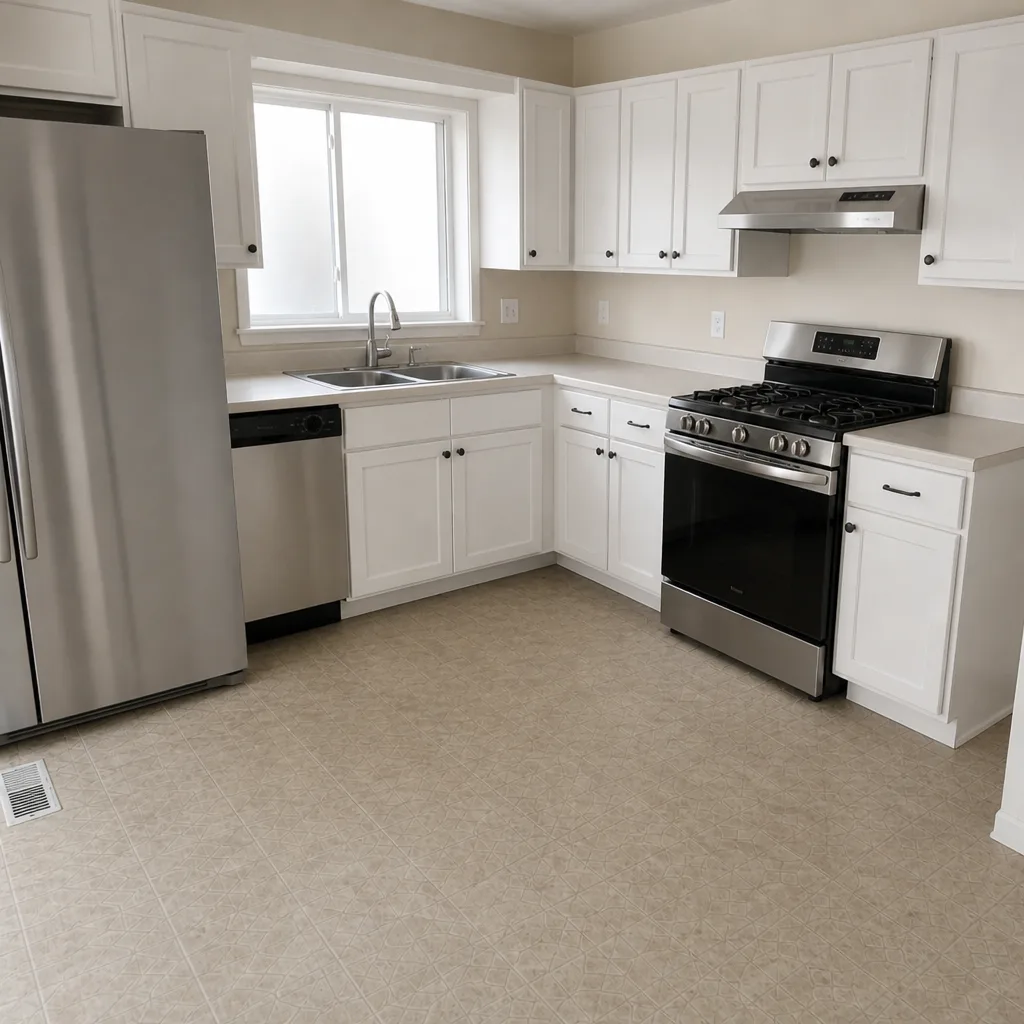
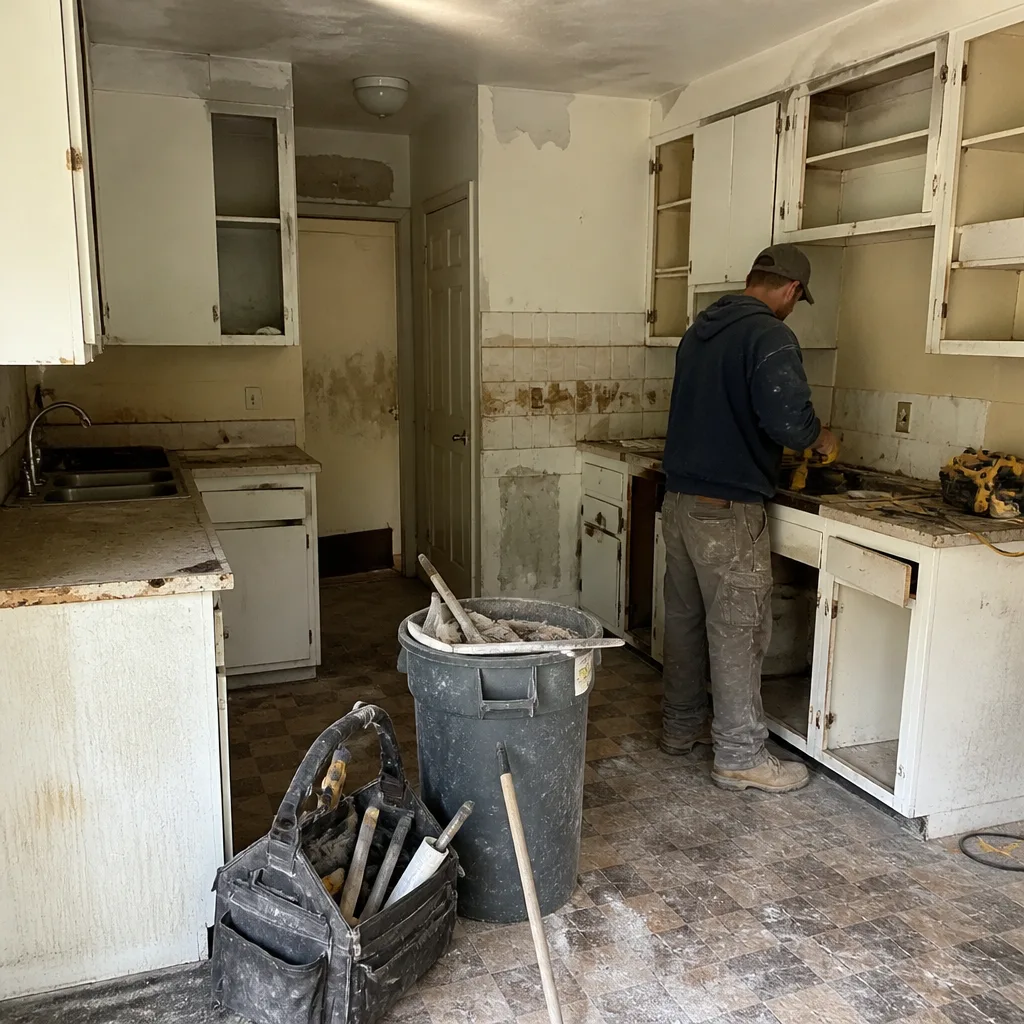
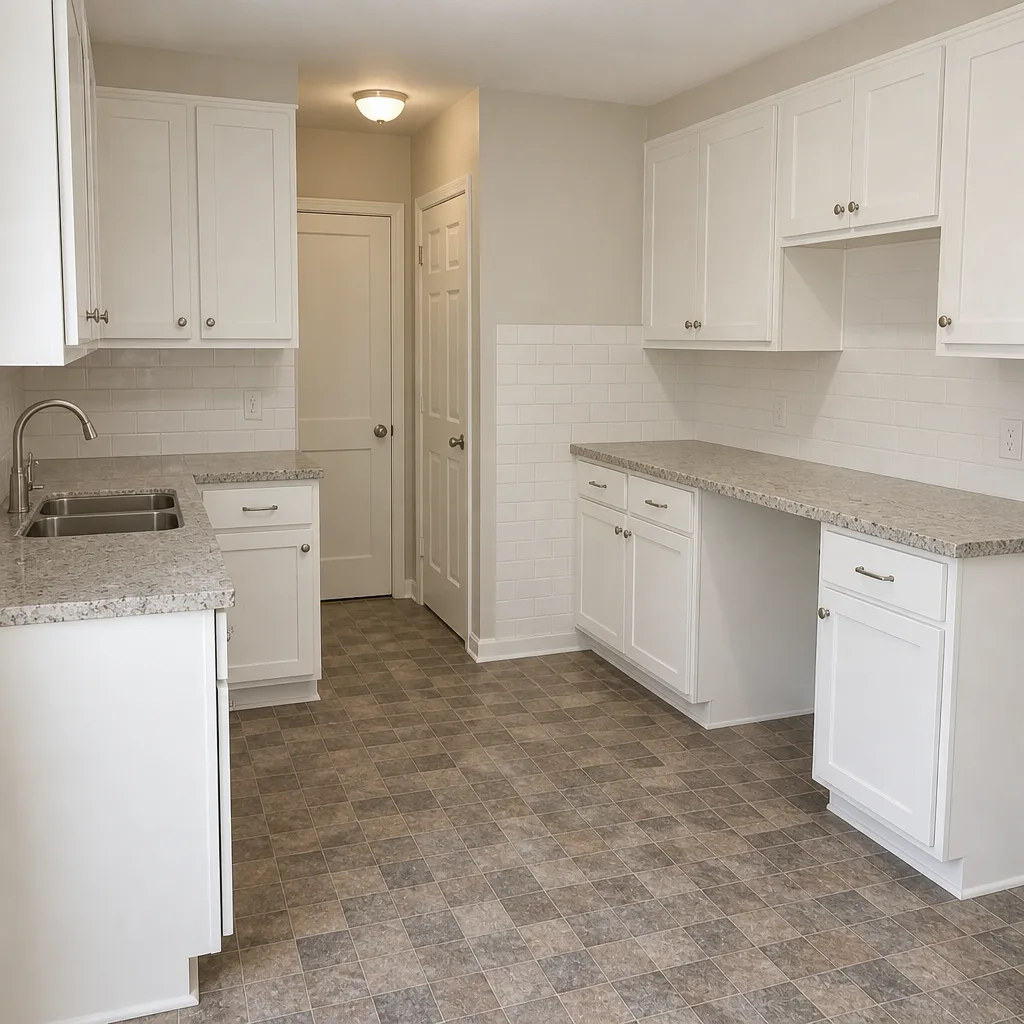
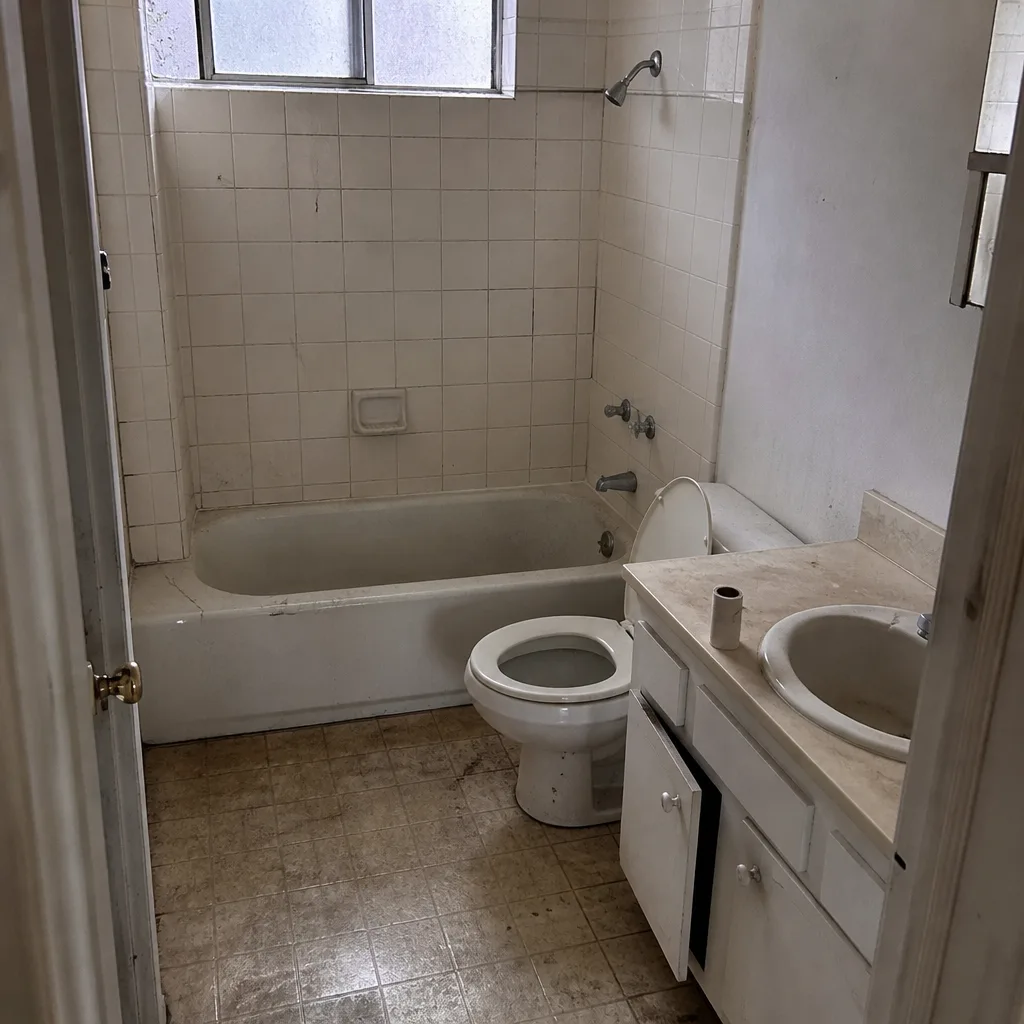
See the difference
 Before
 After
 Before
 After
 Before
 After
When to Call a Professional
If your bathroom project involves moving plumbing or electrical, relocating a shower drain, replacing a tub with a walk-in shower, or opening walls, it’s time to call a licensed contractor. These are the exact phases where an error turns into a leak, a failed inspection, or a floor that needs to come back up. Cosmetic work like swapping a vanity or faucet is within reach for a careful DIYer, but layout changes, waterproofing, and tile setting over a gutted shower floor are best left to a professional crew. Groundwork Construction Co. of Enterprise offers free estimates in Enterprise and works from a written line-item scope, so you know exactly what your project looks like before anyone picks up a tool. Call (844) 797-4406 to schedule your free estimate. All projects are covered by our 730-Day Done Right Promise, and calls are answered by a live person 24/7.
Frequently Asked Questions
A full bathroom remodel in Enterprise takes 3 to 5 weeks of active construction and 5 to 8 weeks on the full project calendar once design, permit review, and material lead times are included. Larger primary bathrooms with layout changes can run 8 to 12 weeks. Call (844) 797-4406 for an exact estimate on your project; estimates are free.
No. Our bids are written line-item scopes at an upfront price, and our commitment is the number you see is the number you pay. Change orders only happen when you request a scope change mid-project, which is why we lock the layout, materials, and finishes before demo. If a hidden condition behind the wall turns up during demo, we document it, show you the finding, and quote any additional work before proceeding. Call (844) 797-4406 to schedule a free estimate and get an upfront scope in writing.
Yes. Any bathroom remodel that involves moving plumbing or electrical needs a permit, and we pull the permit, schedule the rough-in inspections, and get the final inspection to pass before we close out the project. Doing it the other way, meaning starting demo without a permit, is how homeowners end up with failed inspections, forced tear-outs, or resale complications. Call (844) 797-4406 and we’ll walk you through the permit scope on your specific project.
A cosmetic refresh without moving plumbing or electrical typically runs 7 to 12 working days from demo to final punch list. This scope involves a new vanity, fixtures, lighting, paint, and possibly tile without changing the layout. It’s the fastest version of a bathroom remodel, and it’s the version where homeowner prep makes the most difference. Call (844) 797-4406 for a free estimate tailored to a cosmetic-scope project.
Yes, for most projects. A hall bathroom remodel is disruptive but manageable. A primary bathroom remodel means you’ll use the hall bath for the duration, and for the 2 to 4 working days of demo and rough-in, expect noise, dust, and limited access to the hallway. If your project involves extensive dust or a whole-home water shutoff, planning which days you’ll be out during demo helps. Call (844) 797-4406 to talk through the day-by-day expectations for your specific scope.
The 3-week quote is almost certainly active construction days only and excludes permit review, material lead times, and inspection scheduling. The 6-week quote is the full project calendar. The two numbers aren’t in conflict, they’re measuring different things. A fair bid states both clocks, in writing, with a scope that shows exactly where the days go. Call (844) 797-4406 for a free estimate that includes the full project calendar, not just the crew’s working days.
The Bottom Line
Bathroom remodel timelines aren’t about how fast a crew swings a hammer. They’re about how completely the project was scoped before the first tile is ordered. Plan for 3 to 5 weeks of active construction and 5 to 8 weeks of project calendar on a standard Enterprise bathroom. If a contractor tells you otherwise, ask them which clock they’re quoting. The right answer will include permits, materials, and a written scope. Get the design, permit, and material order locked before demo, and you’ve removed the most common delays before they ever hit your calendar.
If you’re ready for an upfront scope with a realistic calendar, our team at Groundwork Construction Co. of Enterprise home is ready to help. For exterior work like Driveway & Pavers in Enterprise, the planning timeline and the construction timeline follow a different pattern, but the same principle applies: locked scope, locked calendar, locked price.
Contact Groundwork Construction Co. of Enterprise to schedule your free estimate. Call (844) 797-4406 today, or reach out any time. Calls are answered by a live person 24/7. All projects are backed by our 730-Day Done Right Promise, and we offer 0% financing for 18 months plus $1,000 off projects over $10,000.
Written by the team at Groundwork Construction Co. of Enterprise.