Last updated November 18, 2026
Free written scope consultation - allowances, timeline, and change-order rules on paper before a single trade is scheduled
How Long Does Fence Installation Take? Timelines and What to Expect
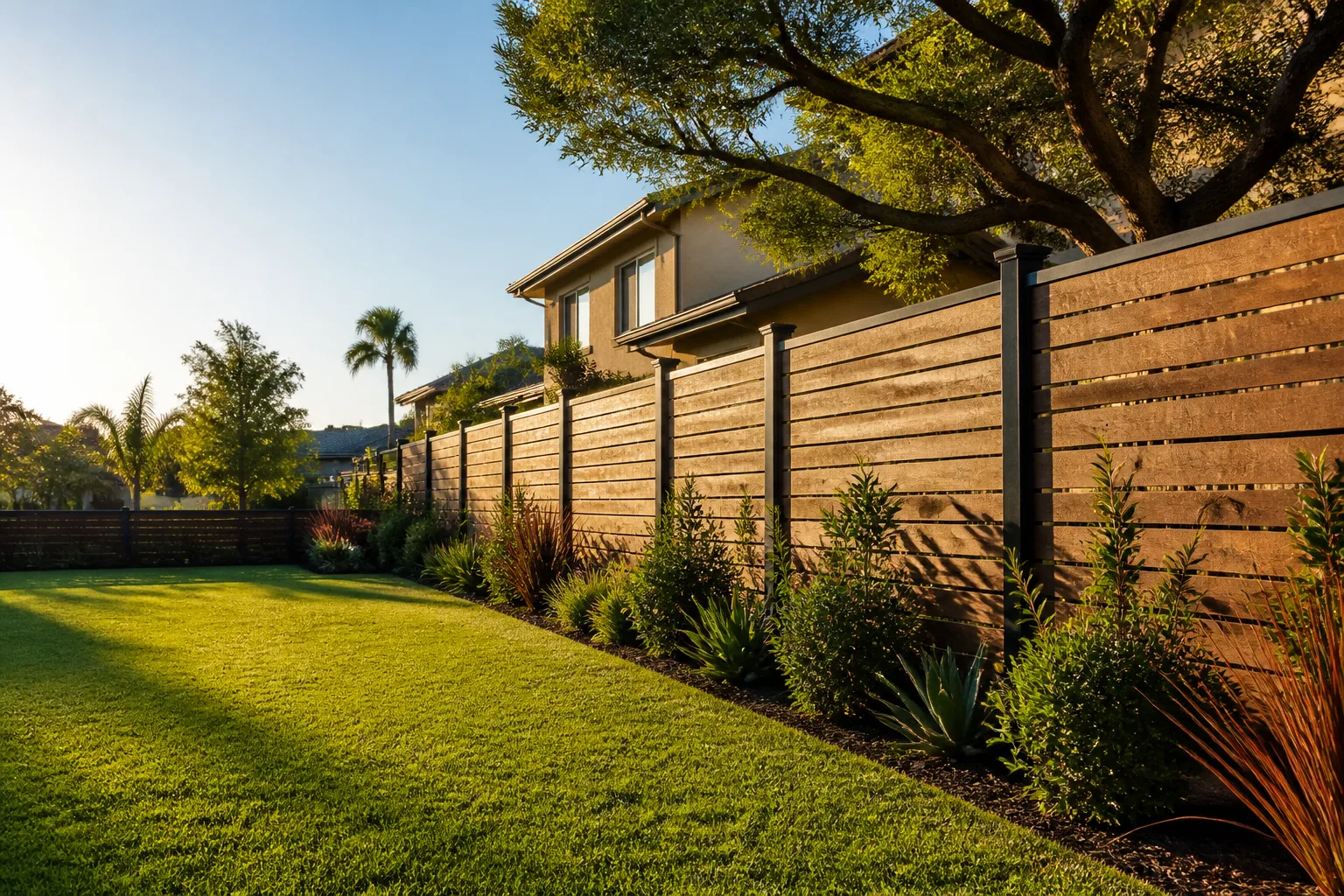
Here’s the part nobody warns you about: the average residential fence takes 1 to 3 days to install, but the average homeowner waits 2 to 4 weeks before that crew ever shows up. The installation itself is the shortest chapter in a much longer book. Permits, utility locates, material lead times, and the ground itself all happen before the first post goes in. In Enterprise, NV, that pre-build clock runs on its own rhythm thanks to caliche hardpan, desert heat, and the 811 locate requirement. This guide walks the full project clock, start to finish, so you can plan around reality instead of a sales pitch.
Quick Answer
Fence installation in Enterprise typically takes 1 to 3 days of on-site work for a standard residential yard, but the complete project timeline from signed contract to finished fence runs 2 to 5 weeks once permits, the Nevada 811 utility locate wait, and material delivery lead times are counted. Complex jobs with grade changes, multiple gates, or specialty materials can push the full timeline to 6 weeks. The installation days are fast; the runway before them is what surprises people.
Styles & brands we work with
- Kitchen remodeling
- Bathroom remodeling
- Home additions & ADU
- Roofing
- Windows & doors
- Driveway & pavers
- Fence
Table of Contents
- The Full Project Clock: What Happens Before the Crew Arrives
- How Long Does the Permit Take in Enterprise?
- The 811 Utility Locate Wait in Nevada
- Material Lead Times by Fence Type
- Enterprise Soil Conditions and Post-Setting Time
- How Southern Nevada Heat Changes the Schedule
- What Adds Days: Gates, Corners, and Grade Changes
- Red Flags in a Contractor’s Quoted Timeline
- Common Mistakes to Avoid
- When to Call a Professional
- Frequently Asked Questions
The Full Project Clock: What Happens Before the Crew Arrives
When a contractor quotes you “2 to 3 days,” they’re quoting only the on-site labor. That’s accurate for the install itself, and it’s also the source of most scheduling frustration. The real project clock starts the day you sign and runs through several sequential phases before anyone touches a shovel. Here’s the sequence, in order.
- Contract and design finalized (1 to 5 days). Fence style, height, material, gate placement, and property line confirmation. If there’s any question about where the property line sits, a survey may be needed first, and that alone can add a week.
- HOA approval, if applicable (3 to 14 days). Many Enterprise neighborhoods have architectural review requirements. Fence height, color, and material often need written approval before a permit is even filed.
- Permit application and issuance (3 to 10 business days). Most residential fences over a certain height require a permit. The clock varies by jurisdiction and how complete the submittal is.
- 811 utility locate (2 to 3 business days minimum, by law). Required in Nevada before any digging. This is non-negotiable and not something a contractor can rush.
- Material order and delivery (3 to 15 days). Depends heavily on fence type, as covered below. This often runs parallel to permitting, which is why a well-run project doesn’t feel like five separate waits.
- Installation (1 to 3 days). The part everyone talks about.
The takeaway is that a professional schedule overlaps phases wherever possible. A contractor who sequences permits, locates, and material orders in parallel can compress the total to around two weeks. One who runs them one at a time will stretch it to a month. When you get an estimate from our team, we build the timeline around that overlap, and the fence installation in Enterprise process we quote includes the full runway, not just the crew days.
How Long Does the Permit Take in Enterprise?
Residential fence permits in the Enterprise area generally take 3 to 10 business days once a complete application is submitted, and the biggest variable is how complete that submittal is. A missing plot plan or an unresolved property line question kicks the file back and restarts the clock. Height matters too: fences at or under the typical 6-foot residential threshold usually move faster than taller privacy fences, which often trigger additional review.
Two Enterprise-specific wrinkles come up repeatedly on our projects:
- HOA design review runs before the permit, not alongside it. Many subdivisions in Enterprise require written architectural approval before the city will issue a fence permit. Skipping straight to the permit application stalls the whole project.
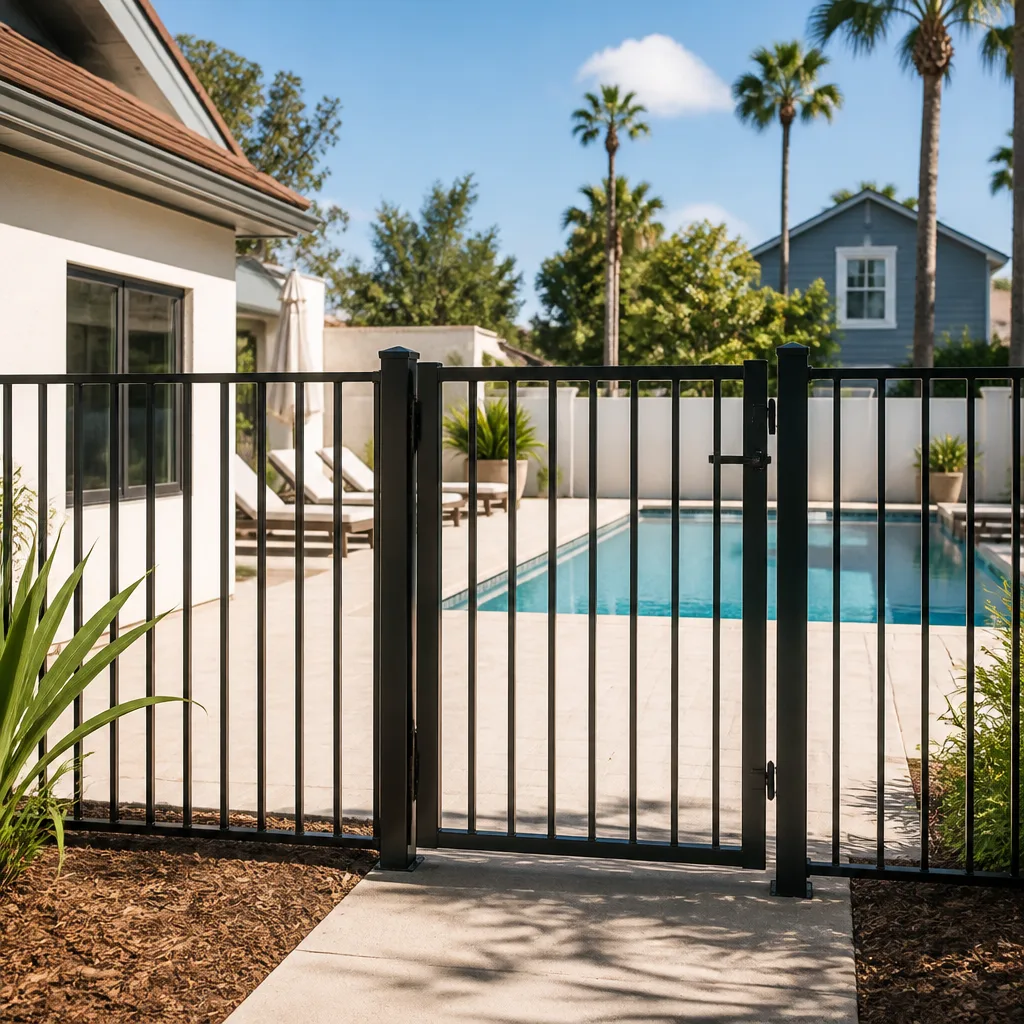
- Pool barriers get extra scrutiny. If the fence encloses a pool, expect additional code compliance review for barrier height, self-closing gate hardware, and latch specifications. Budget extra days for that.
Permits aren’t optional paperwork to grumble about. An unpermitted fence can create problems at resale, and if a fence is ever damaged in a windstorm, an insurance adjuster will ask for the permit record. A contractor who tells you “we don’t bother with permits for a fence” is telling you something important about how they operate. We pull permits and pass inspections as standard practice, and we build that time into the estimate from day one so nothing surprises you mid-project.
The 811 Utility Locate Wait in Nevada
Nevada law requires an 811 utility locate before any digging, and the minimum wait is 2 to 3 business days after the request is filed. There’s no workaround and no expedited option. A contractor who says they’ll “just be careful” and skip the locate is risking a severed gas line, a cut irrigation main, or worse, and they’re leaving you holding the liability. This single step is where a lot of off-the-books fence projects blow up.
The 811 clock itself is short. The real delays come from two things:
- Locate requests filed late. If the contractor waits until the morning the crew is scheduled to arrive, the job slips 2 to 3 days on the spot. On a well-run project, the locate is filed the same week the contract is signed, while permits and materials are still in motion.
- Unmarked private lines. 811 marks public utilities. Private lines on your property, like landscape irrigation runs, low-voltage lighting, or a gas line to an outdoor kitchen, are the homeowner’s responsibility to identify. If you don’t know where they are, a private locate adds time (and cost). Walk your yard and flag anything you know about before the crew shows up.
On a properly sequenced Enterprise project, the 811 window is absorbed into the permit and material wait. You don’t feel it as a separate delay. On a poorly sequenced project, it’s the reason your “3-day fence” just became a 10-day wait with the crew standing around.
Material Lead Times by Fence Type
Material availability is the wild card in most fence schedules. A standard wood privacy fence is often stocked locally and can be delivered in a few days. A specialty composite or ornamental metal fence may need to be fabricated or shipped from out of state, which resets the whole clock. Here’s a realistic breakdown for the Enterprise market.
- Wood privacy fence (pressure-treated pine, cedar): typically 3 to 7 days for material. Most common choice for residential yards in Enterprise, and the fastest to source.
- Vinyl/composite fence: typically 7 to 14 days. Panels and posts ship from regional distribution, and color selections can be backordered.
- Ornamental steel or aluminum: 2 to 4 weeks. Often custom-fabricated to length, with powder-coat color selections that add to the timeline.
- Block/masonry walls with fence infill: 1 to 3 weeks for block, caps, and steel, plus a longer install. If you’re also planning hardscape work, our driveway and pavers in Enterprise guide covers how those timelines run alongside a fence project.
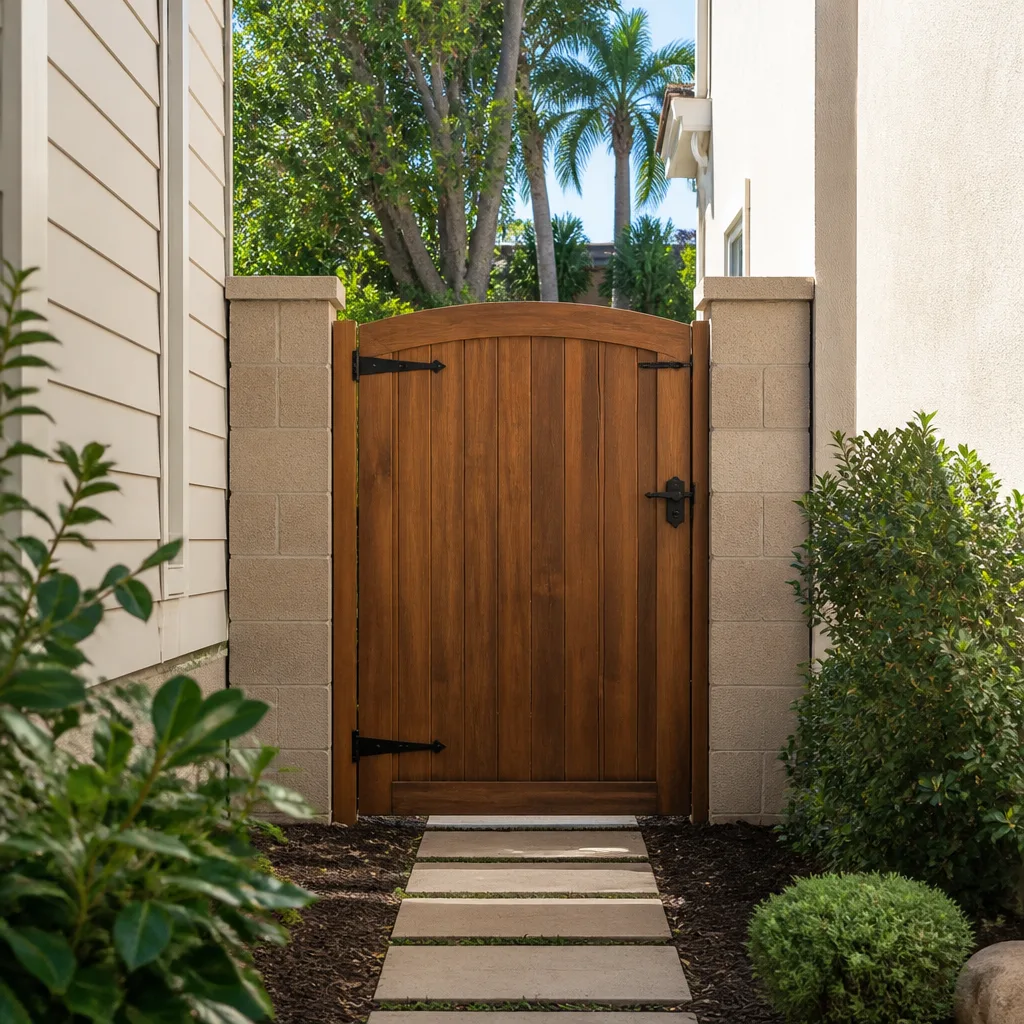
- Custom gate fabrication: 1 to 3 weeks if the gate is welded or cut to a nonstandard width. A stock gate ships fast; a custom one doesn’t.
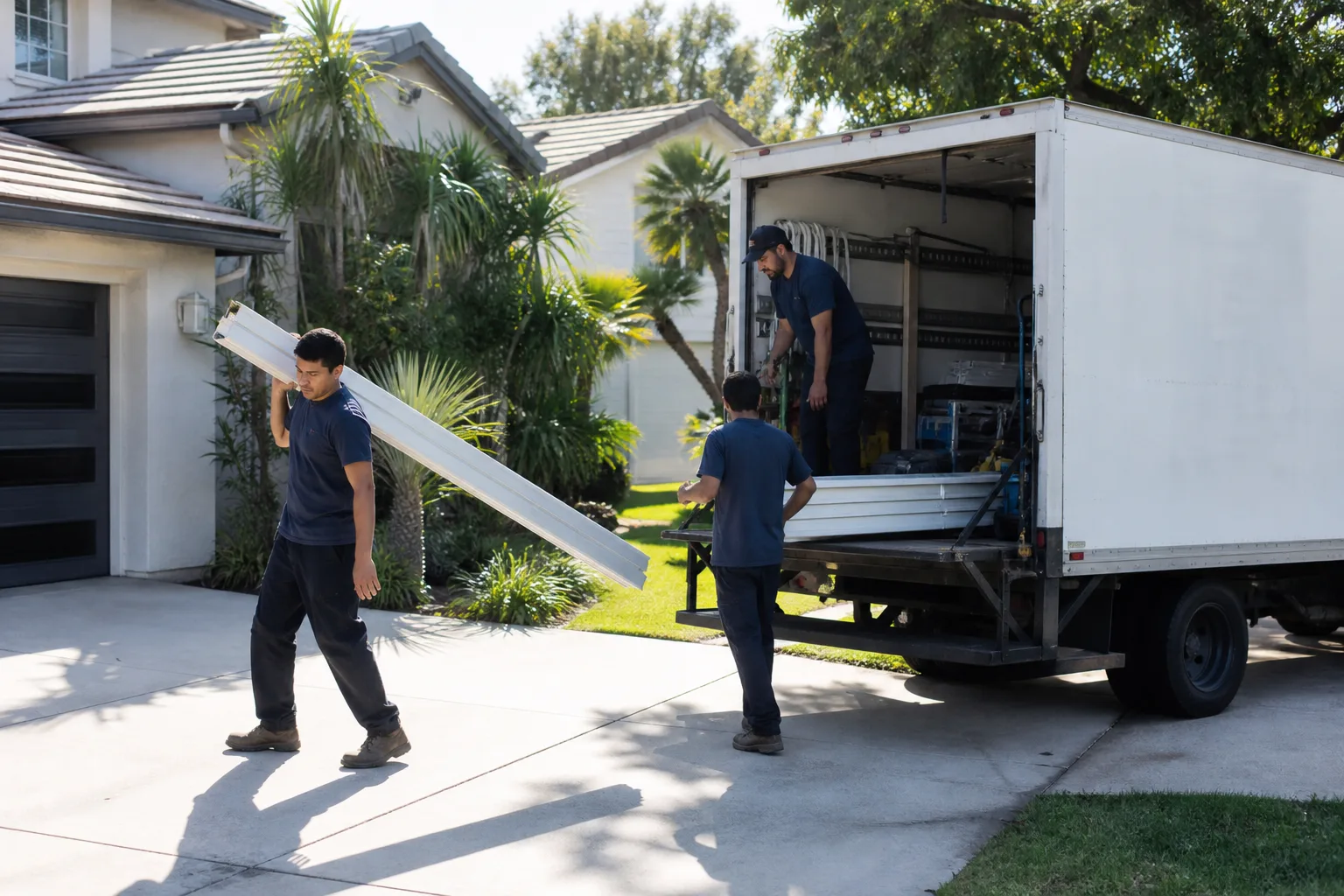
Material lead time is the single easiest variable to control. Pick a fence type early, confirm the color and style before signing, and let the contractor order as soon as the deposit is in. When the material arrives before the permit and the locate are done, the install crew walks onto a job site that’s fully ready. That’s the difference between a 12-day project and a 30-day one.
Enterprise Soil Conditions and Post-Setting Time
Enterprise sits on some of the most stubborn soil in the Las Vegas Valley. Two conditions dominate: caliche, a cemented calcium-carbonate hardpan that can stop a standard post-hole digger cold, and sandy desert substrate that drains fast but doesn’t hold a post without proper concrete. Both affect how long the post-setting phase of a fence takes, and neither shows up in a linear-foot quote.
Caliche. When a crew hits a thick caliche layer, a standard auger often won’t cut through it. The options are a hydraulic breaker, a rock bar, or a specialized auger, and each one adds hours to the post-hole phase. On a yard with heavy caliche, a 1-day post-setting phase can stretch to 2 days. A contractor who has never dug in Enterprise soil will quote a 3-day install and end up on site for 5. We plan for caliche in the schedule up front, so the crew isn’t caught flat-footed on day one.
Sandy substrate and concrete cure. Sandy soil actually helps in one way: it drains fast, so concrete sets predictably. The catch is that posts need enough concrete volume and depth to hold in loose sand, especially on a windy ridge. We set posts at proper depth and let the concrete cure 24 to 48 hours before hanging panels and gates. Skipping that cure window means the posts shift under gate weight and the fence never quite lines up. The cure time is not optional and not compressible in desert heat.
Grade changes. A sloped or rolling yard changes everything. A stepped or racked fence takes longer per linear foot, and each transition point adds a post and extra panel-fabrication time. If your Enterprise yard backs onto a wash or sits on a grade, expect the post phase alone to add half a day.
How Southern Nevada Heat Changes the Schedule
Most generic fence guides ignore weather entirely. In southern Nevada, weather is a scheduling factor that doesn’t look like weather anywhere else. It’s not rain that resets the clock (though monsoon season from July through September does bring occasional disruptions). It’s the heat, and it matters in three specific ways.
- Concrete cure rates accelerate in summer. High temperatures can drive the concrete surface dry too fast if the crew doesn’t adjust the mix or cover it. A good crew manages that. A crew that doesn’t can set a weak post base that fails within a season. In July and August, post-set timing on a full-day heat load runs tighter.
- Thermal expansion on vinyl and composite. These materials expand and contract with temperature swings, and installers adjust gaps and fasteners for the season. In peak summer heat, panels get hung slightly looser to allow for contraction in winter. This is a small timing variable but a real one for crew experience.
- Crew scheduling compresses around heat. A serious crew won’t dig posts at 2 p.m. in July. Work starts early, breaks in the heat of the day, and resumes in the late afternoon. A job that would be one clean day in October can take two shorter days in July. That’s not laziness; it’s how you avoid heat illness on a job site.
This is also why winter and spring are the busiest fence months in Enterprise. Homeowners want the yard done before summer, and crews get booked out. If you’re planning a fence in the spring, expect the schedule to run longer simply because the calendar is full. That’s the honest version of the timeline, and we’d rather you hear it now than wonder mid-project.
What Adds Days: Gates, Corners, and Grade Changes
A standard linear-foot quote assumes a straight fence with one gate. Real yards are rarely that simple, and every complication below adds time to the schedule that a per-foot price never accounts for.
- Each additional gate: adds 1 to 3 hours per gate. A walk gate with a simple latches is fast; a double-drive gate with hinges, stiffeners, and a self-closing mechanism takes longer. Custom-width gates add material lead time on top.
- Corner posts: each true corner needs a braced post, which means a larger hole, more concrete, and more time. A yard with six corners takes longer than a straight run of the same length.
- Grade changes: stepped or racked panels take longer per section, and each transition point needs a set post. A sloping Enterprise yard behind a wash can easily add half a day.
- Removal of an existing fence: a full tear-out and disposal phase adds 2 to 6 hours, plus a dumpster run. If the existing fence was set in deep concrete, expect longer.
- Obstruction crossings: a fence that has to span an irrigation line, a gas line, or a concrete mow strip needs custom workarounds. Each one adds time.
- Painting or staining: many wood fences ship unfinished. Stain and seal can be applied on install or scoped as a separate day.
When you get a written estimate, ask specifically whether gates, corners, removal, and grade changes are included in the labor figure or added separately. The number on the front page is not the number on the final invoice. We give line-item pricing so every gate, corner, and grade transition is priced before the crew arrives, and the number you see is the number you pay.
Red Flags in a Contractor’s Quoted Timeline
The fastest way to spot a bad fence estimate is to listen for an unrealistically short timeline. When a quote sounds too good, it usually means the contractor is skipping steps that protect you.
Red flag 1: “We can start tomorrow, no permit needed.” Most fences over a certain height do need a permit in Enterprise, and every dig needs an 811 locate. A short timeline that skips either step is a liability transfer to you.
Red flag 2: A 2-day timeline with no lead time or sequencing mentioned. Nothing about materials, permits, or locates. That means those phases are being discovered as they go. You’ll be the one waiting when the material is backordered.
Red flag 3: No written timeline at all. An honest schedule lists start date range, permit and locate phases, material delivery window, install days, and the cure window. If it’s not in writing, it isn’t a plan.
Red flag 4: “The material is on our truck.” A residential fence project rarely fits on a truck. Either the material doesn’t exist yet or the contractor is fabricating. Either way, hold the start date loosely.
Red flag 5: No mention of warranty or workmanship terms on the schedule. A serious contractor commits to how long the fence should last and what happens if a post fails or a gate sags. Ours is the 730-Day Done Right Promise. If it’s not done right, we make it right, and that’s written into the project.
Red flag 6: Timeline quoted but no crew names, no crew uniform, no background checks. You should know who’s on your property. Background-checked, uniformed technicians on every project is a baseline, not a bonus.
Common Mistakes to Avoid
These are the mistakes we see most often on fence projects in Enterprise. Each one costs time or money, and most are avoidable.
- Getting a quote before confirming the property line. If you’re unsure where your lot ends, a survey is worth the week it costs. Moving a fence after it’s set is far more expensive than knowing first.
- Assuming a linear-foot price is the whole project. The per-foot number rarely includes gates, corners, tear-out, permits, or grade change work. Ask for a line-item quote that accounts for all of it.
- Waiting until the morning the crew is scheduled to file 811. The 2-to-3-day locate window is state law, and a good contractor files it while permits and materials are still in motion. If you’re managing your own fence, file the locate request the week you sign.
- Skipping HOA approval in Enterprise subdivisions. A fence that doesn’t match the architectural review requirements can be ordered torn down. Get written approval before a single post goes in.
- Ordering materials to save money and arriving short. A single chain of posts, a short panel count, or a backordered gate hinge can pause the whole job for a week. Trust your contractor’s material count, don’t cut it close.
- Not accounting for caliche in the schedule. If your contractor says “3 days, no problem” on a yard in Enterprise soil, ask what happens when they hit caliche. The answer tells you whether they’ve dug here before.
- Hanging gates before the concrete cure window. A gate hung on a green post will sag within weeks. The 24-to-48-hour cure window is non-negotiable, and an honest timeline includes it.
When to Call a Professional
Some fence work is genuinely a DIY weekend project. A short run of low garden fencing, a repair of a single picket, or a fresh coat of stain on an otherwise sound fence are reasonable to handle yourself. The line gets crossed at anything that involves deep post-setting, caliche, gas or electrical crossings, or a fence over the residential height limit that needs a permit. That’s the point where an unpermitted, under-concreted, skip-the-locate build becomes a real liability, not just a weekend story.
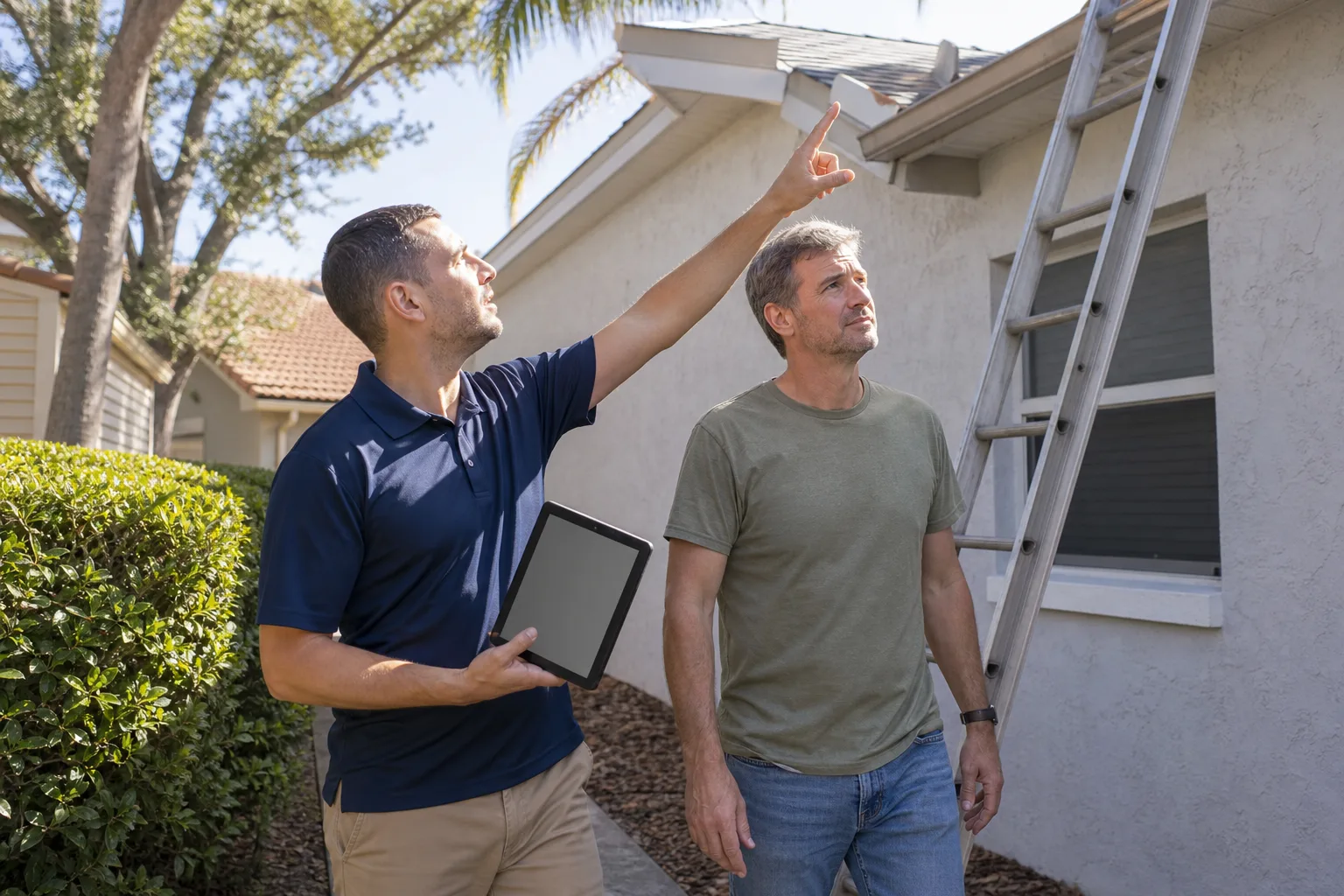
If your fence is going to run a full yard, enclose a pool, span a grade, or cover a line you’re not certain about, get a professional on site. We’ll walk the yard, flag what we see, and give you a written timeline that includes the full project clock, not just the crew days. Groundwork Construction Co. of Enterprise offers free estimates in Enterprise. Call (844) 797-4406 to schedule yours.
Frequently Asked Questions
Fence installation in Enterprise takes 1 to 3 days of on-site labor for a standard residential yard, but the full project from signed contract to finished fence runs 2 to 5 weeks once permits, the Nevada 811 locate wait, and material lead times are counted. Call (844) 797-4406 for an exact quote and timeline for your yard. Estimates are free.
It shouldn’t. On a properly scoped project with line-item pricing, the number you see is the number you pay, and change orders should be the exception, not the rule. We quote gates, corners, tear-out, and grade changes up front so a mid-project surprise doesn’t happen. Call (844) 797-4406 for a written quote you can hold us to.
Yes. Permits and inspections are standard practice on any fence that requires them, and we pull the permit and schedule the inspection as part of the project. Skipping that step creates problems at resale and with insurance. Call (844) 797-4406 and we’ll tell you exactly what your Enterprise project needs.
The 811 locate window in Nevada runs a minimum of 2 to 3 business days after the request is filed, and the wait is required by law before any digging. A well-run project files the locate while permits and materials are still in motion so the wait is absorbed. Call (844) 797-4406 if you’re not sure whether your locate has been filed.
Caliche is a cemented hardpan layer common in Enterprise soil, and a standard post-hole digger often can’t cut through it. Crews need a hydraulic breaker or specialized auger to get through, which can add half a day to a full day to the post-setting phase. If your contractor hasn’t asked about caliche, call (844) 797-4406 for a crew that has dug here before.
A single gate adds 1 to 3 hours, a corner adds a braced post and extra concrete, and a full tear-out of an existing fence adds 2 to 6 hours plus disposal. On a yard with multiple gates and grade changes, expect to add a full day to the install window. Call (844) 797-4406 and we’ll build those factors into your written timeline.
The Bottom Line
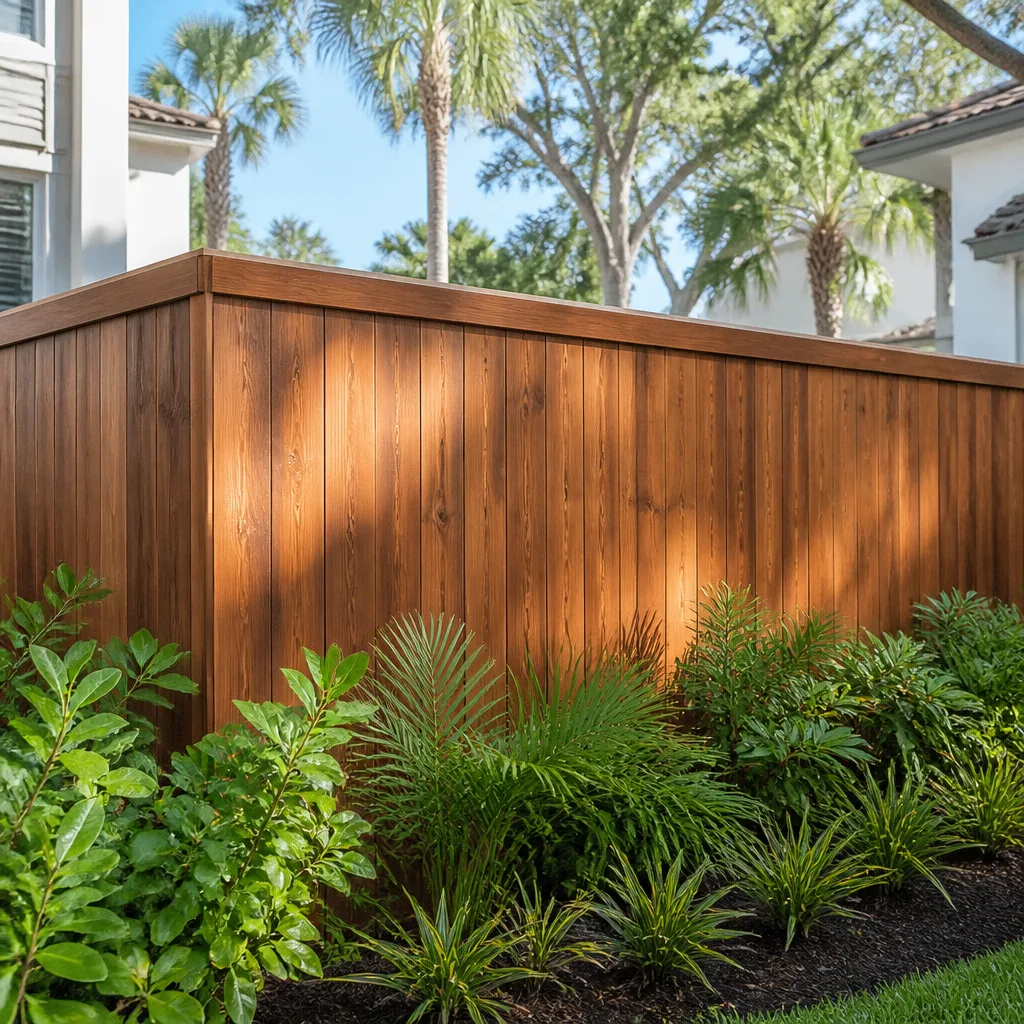
The honest answer to how long fence installation takes is four weeks, not four days. The crew-on-site time is 1 to 3 days, but the full project clock through permit, 811 locate, material lead time, and post cure is what actually determines when your dog can run the yard again. In Enterprise, caliche, heat, and HOA review all factor in, and a contractor who plans around them saves you weeks. Get a written timeline with every phase listed, not just the install days. If you’re planning a fence and want a schedule you can plan around, our Groundwork Construction Co. of Enterprise home team is ready to walk the yard and give you the full picture.
Whether you’re fencing a standard backyard in Enterprise, adding a detached structure that needs its perimeter secured through our home additions and ADU in Enterprise service, or coordinating a fence with new hardscape, we build the schedule with the full project clock in mind. 0% financing for 18 months and $1,000 off projects over $10,000 are available on qualifying projects. Call (844) 797-4406 to schedule your free estimate and design consult.
Written by the team at Groundwork Construction Co. of Enterprise.
See the difference
 Before
 After
 Before
 After
 Before
 After