Last updated November 18, 2026

Free written scope consultation - allowances, timeline, and change-order rules on paper before a single trade is scheduled
How Long Does Windows & Doors Take? Timelines and What to Expect
Custom window orders in 2024 often carry lead times of 4 – 12 weeks depending on the manufacturer and the specification, and most contractors bring that up after you’ve signed, not before. That’s the gap this guide closes. Window and door replacement timelines get undersold in the sales process and run longer in practice, and the delay almost never comes from the actual install. It comes from the weeks before it. In Enterprise, homeowners ask us how long a window and door project really takes, and the honest answer has five distinct phases, each with its own clock. Below we break down real day counts at every stage, the product choices that move the needle most, and what you need to do before the crew arrives to keep the schedule intact.
Quick Answer
Window and door replacement typically takes 4 – 16 weeks total from signed contract to finished trim, but only 1 – 3 days of that is actual installation for an average house. The rest is measurement, ordering, manufacturing, delivery, and finishing. Stock-size windows and doors can move through the pipeline in 3 – 6 weeks; custom sizes and specialty glass can stretch to 12 weeks or more. In Enterprise, weather scheduling for exterior doors adds a small variable that a reputable contractor will plan around upfront.
Styles & brands we work with
- Kitchen remodeling
- Bathroom remodeling
- Home additions & ADU
- Roofing
- Windows & doors
- Driveway & pavers
- Fence
Table of Contents
- The Five Phases of a Window and Door Project
- How Your Product Choice Changes the Timeline
- How Many Windows or Doors Get Installed Per Day
- What to Do Before Installation Day
- How Enterprise Weather Affects Exterior Door Scheduling
- What a Reputable Contractor Tells You Upfront
- Common Mistakes to Avoid
- When to Call a Professional
- Frequently Asked Questions
The Five Phases of a Window and Door Project
Most homeowners think of “the project” as the day the crew shows up. That’s one phase out of five, and the shortest one. Here’s the realistic breakdown for a typical Enterprise house replacing eight to twelve windows and one exterior door.
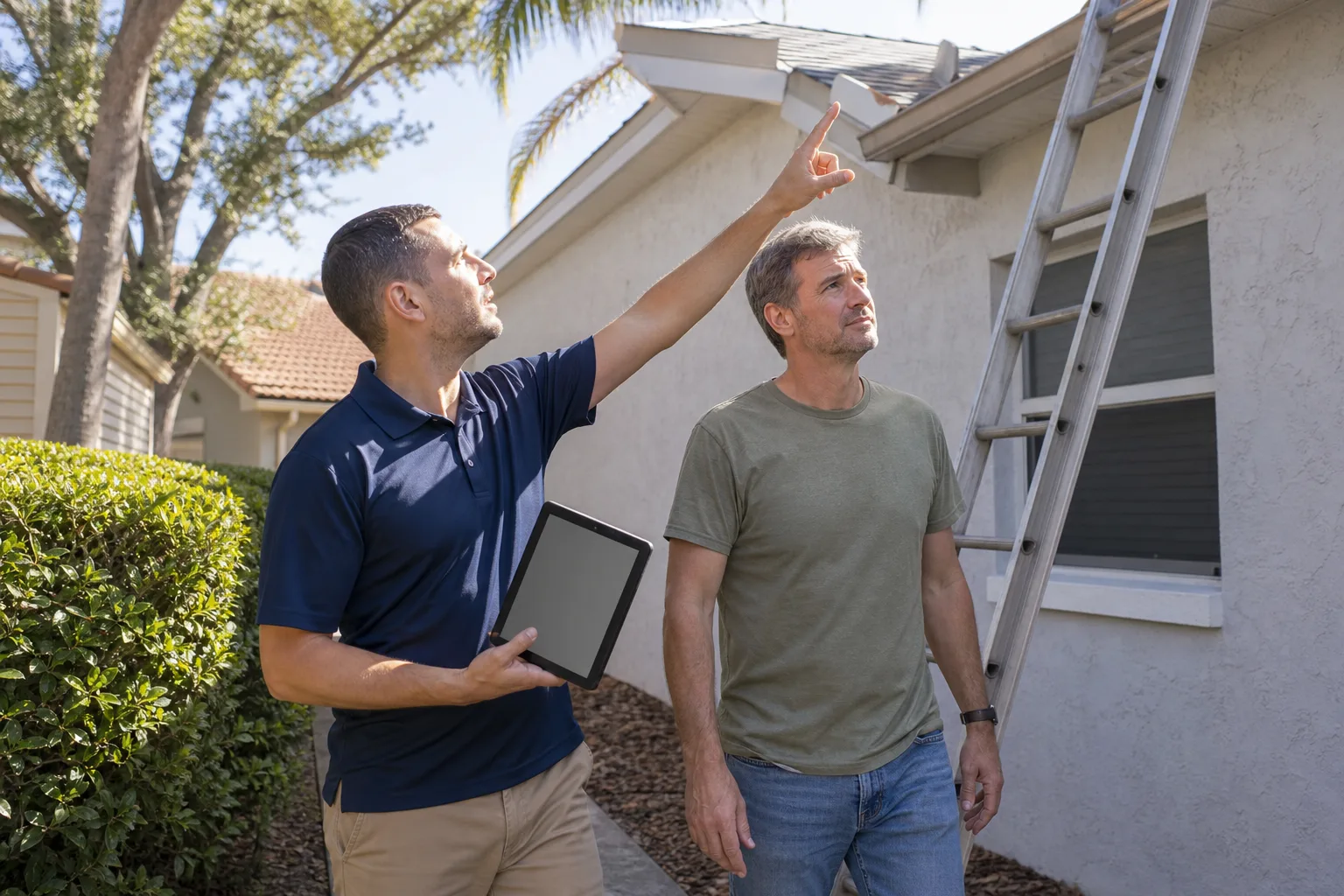
- Measurement and order (1 – 2 weeks). A technician measures every opening, checks the frame condition, and confirms the exact product spec. Once signed, the manufacturer enters the order. For Andersen or Marvin products built to spec, this stage absorbs the manufacturer’s own lead-time clock from day one.
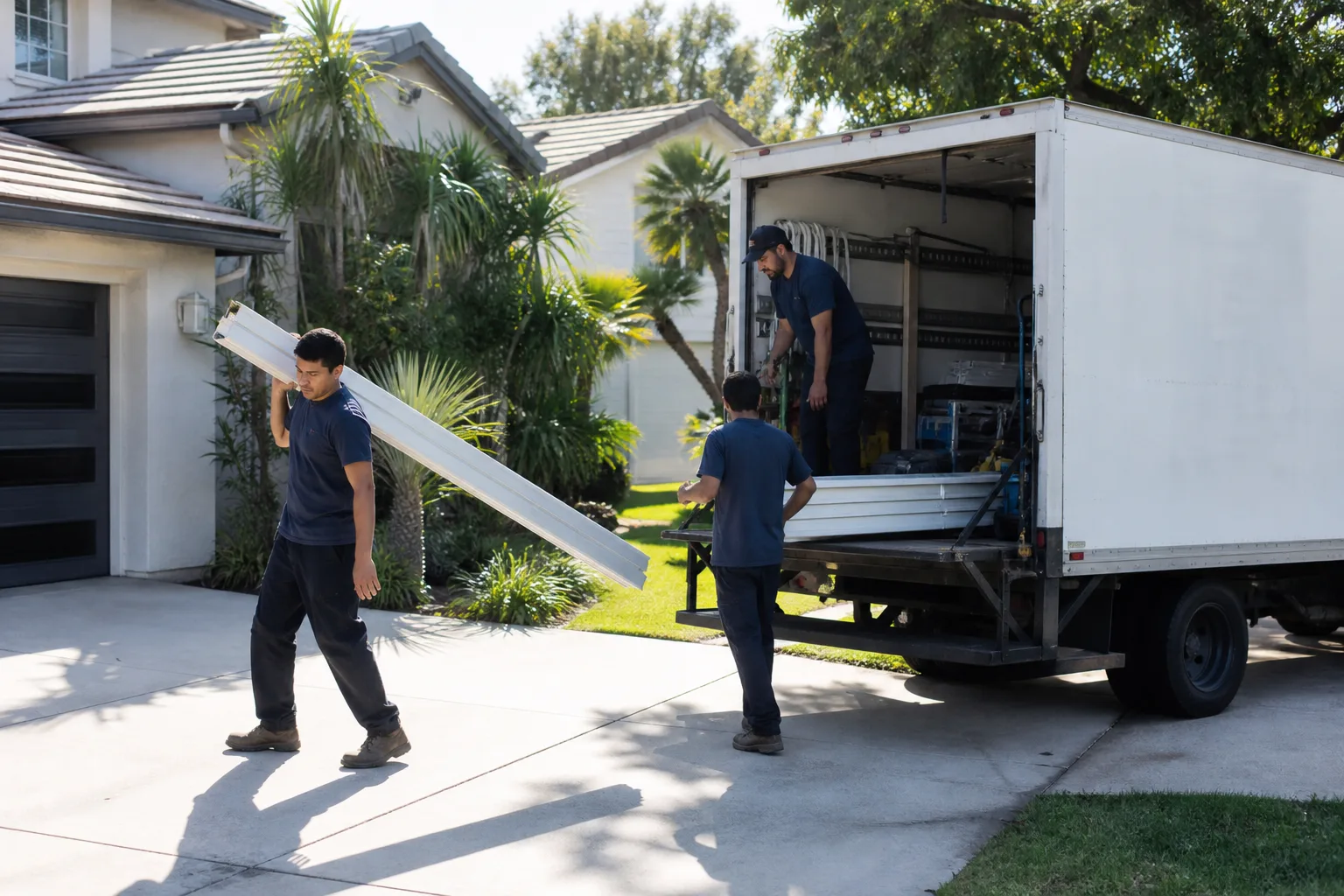
- Manufacturing and delivery (3 – 12 weeks). This is the single largest variable. Stock sizes ship fast. Custom sizes, non-standard colors, and specialty glass do not. Delivery from the manufacturer to the job site usually adds 3 – 7 days.
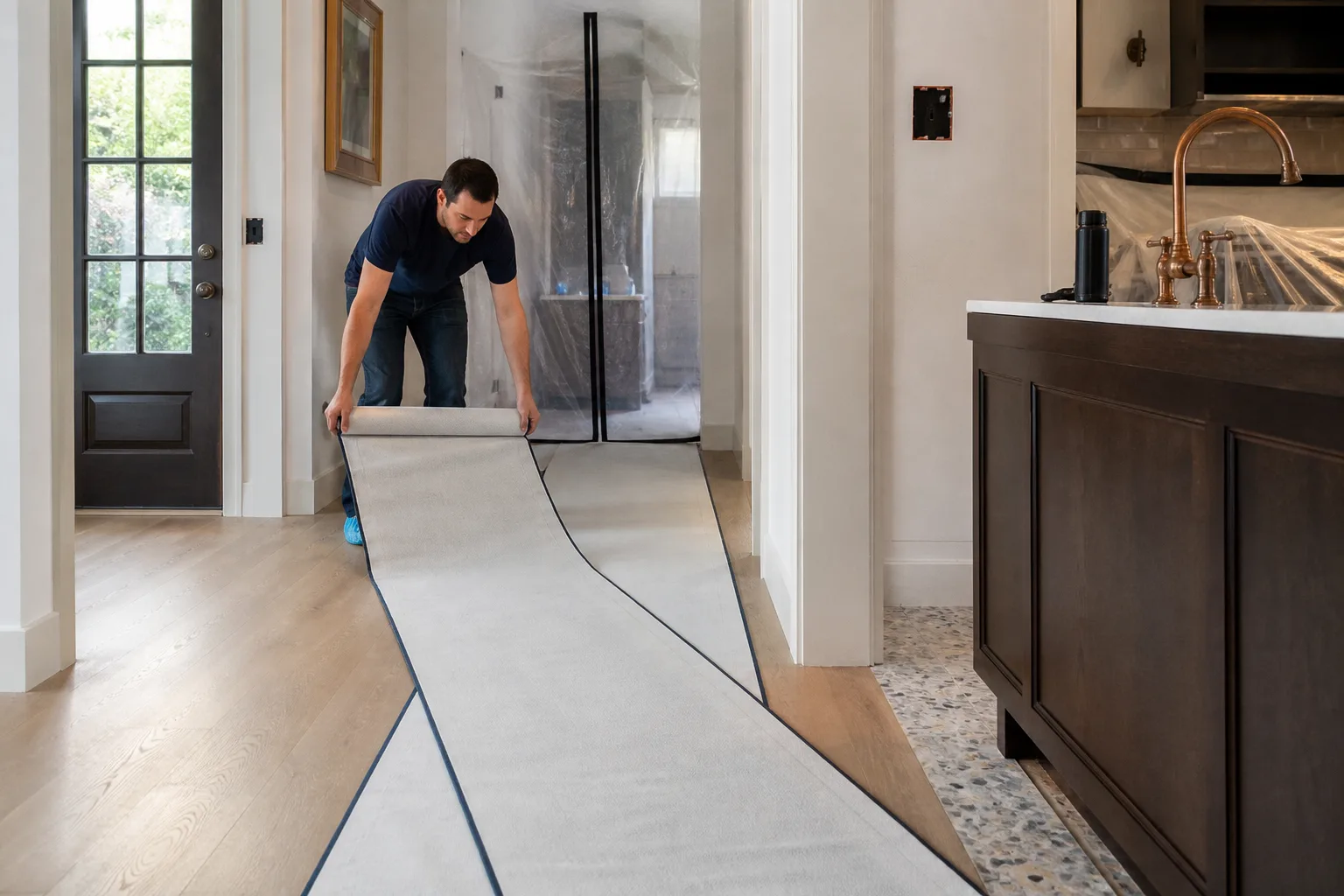
- Pre-installation prep (1 – 3 days). Protective coverings, furniture moving, and site staging. On a well-run job this is quick, but it isn’t zero.
- Installation (1 – 3 days for a typical house). Removal, dry-fit, shimming, insulation, flashing, sealing, and interior trim. This is where the crew does the visible work, and it’s the phase most people picture when they hear “window replacement.”
- Finishing and final walkthrough (1 – 2 days). Caulking, paint touch-up, trim completion, cleanup, and a walkthrough with you to confirm operation, locking, and finishes. On a 730-Day Done Right Promise project, this is also the point where you review what’s covered in writing.
Add it up and you’re looking at 6 – 18 weeks total, with the median landing around 8 – 10 weeks for a mixed window and door order in Enterprise. When a contractor quotes you “next week,” ask what phase they’re actually quoting.
How Your Product Choice Changes the Timeline
Two projects with identical install days can have wildly different total timelines because of the product spec. Here’s where the clock actually moves.
- Stock size vs. custom size. A stock window that matches a standard opening can ship in days. A custom-sized window is built to your wall, which means it waits its turn in a factory queue. Most Enterprise homes built before 1990 have non-standard openings, so expect at least some custom units.
- Standard glass vs. specialty glass. Low-E and argon fill are usually standard in 2024. Impact-rated glass, laminated glass, and custom tints add lead time, and in some markets they add substantial lead time. If you’re replacing windows in Enterprise specifically for heat and solar control, ask whether the spec you’re considering is stocked or built to order.
- Standard colors vs. custom colors. White and common exterior colors ship faster than painted or anodized finishes.
- Brand and plant. National brands like Andersen and Pella maintain regional manufacturing and distribution, which usually compresses lead time compared to smaller regional manufacturers. When we recommend a brand, the lead-time reliability matters as much as the product itself.
- Door complexity. A pre-hung slab door with a standard swing is a fast order. A sidelight-equipped entry system, a custom wood entry door, or a multi-panel slider is not. Sidelights and transoms can double the door lead time versus a single slab.
The practical takeaway: if you have a hard deadline, tell your contractor at the estimate stage, not after the contract is signed. A good contractor will steer you toward specs that hit your date.
How Many Windows or Doors Get Installed Per Day
For standard replacement windows installed from the interior with no framing changes, a two-person crew typically completes 6 – 10 windows per day. Doors run slower: 1 – 2 exterior doors per day is realistic, with entry doors on the lower end if the existing frame is being rebuilt. Here are the variables that change those numbers.
- Window style. Single-hung and double-hung units go fast. Casement, awning, and bay windows take longer because of hardware and operation checks.
- Insert replacement vs. full-frame replacement. Insert windows (fitting into the existing frame) are faster. Full-frame replacement with new jambs, sill work, and trim restoration typically cuts daily output by roughly a third.
- Story height and access. Upper-story windows on a two-story home in the Enterprise foothills neighborhoods slow the day down and often require ladders, staging, or a lift.
- Existing frame condition. Rot, water damage, or stucco damage discovered during removal adds repair time. This is the single most common cause of a “two-day” job turning into four.
- Interior finish expectations. If the plan includes new interior casing and sill trim on every opening, allow an extra day for finishing work.
If your contractor quotes twenty windows in one day on a house with second-story access and full-frame replacement, ask them to walk through the math. A realistic daily count, in writing, is one of the better trust signals you can get from a bid.
What to Do Before Installation Day
Prep work you handle before the crew arrives saves labor hours on the day, and saved hours translate to fewer schedule overruns. Here’s the checklist we hand every Enterprise customer at contract signing.
- Clear a working path. Move furniture at least 4 feet back from every window and door. Crews need to set down tools, move ladders, and stage the removed units.
- Take down window treatments. Blinds, curtains, valances, and hardware come down the day before. This alone can save a half-day on a larger job.
- Clear wall art and fragile items. Anything within 6 feet of an opening on either side of the wall should move. Vibration travels.
- Confirm pets are contained. Doors and windows will be open for hours. A crate or a closed room on the opposite side of the work zone keeps pets and crews safe.
- Decide on interior trim finish now. Whether the crew paints, stains, or leaves the trim bare should be settled before install day. Changing your mind mid-project is the most common source of a one-to-two-day stall.
- Park clear of the driveway on install days. Material deliveries and dumpster placement need the space. In tight Enterprise driveways, this can mean parking on the street the night before.
- Ask about a bathroom and power plan. Confirm which bathroom is available and whether the crew needs a specific outlet for tools. Small answers, real schedule impact.
How Enterprise Weather Affects Exterior Door Scheduling
Exterior door installation requires an open wall. That means the doorway is exposed to the elements for the hours between removal of the old door and final sealing of the new one. In Enterprise, that’s usually a comfortable window, but it isn’t a non-issue.
Enterprise sits in a high-desert climate, which means two weather realities matter. First, summer afternoon temperatures regularly climb into triple digits, and crews working with an open door in July run into adhesive cure issues, foam expansion problems, and heat stress. Second, wind and dust storms sweep through the valley throughout spring and fall with very little warning. Dust intrusion into an open doorway means the new door frame gets installed over grit, and the caulk lines fail earlier than they should.
A reputable contractor will tell you upfront that exterior door installations get scheduled for early morning slots during summer months and get weather-checked the day before. Ask them directly: “What’s your plan if the weather turns on my install day?” If the answer is “we’ll figure it out,” that’s your answer about how the rest of the project will go. The right answer involves a hold-and-reschedule policy, not a halfway-finished doorway.
Interior window replacement is far less weather-sensitive because the old unit comes out and the new one goes in within the same day. That’s why most window replacement work in Enterprise happens regardless of weather, while entry door installs get extra scheduling attention.
What a Reputable Contractor Tells You Upfront
The best predictor of a smooth timeline isn’t the contractor’s speed claims, it’s what they disclose before you sign. Here’s what those disclosures look like in practice.
- A phase-by-phase schedule in the bid. Not “4 – 6 weeks” as a single number, but a written breakdown of measurement, ordering, manufacturing, delivery, install, and finish dates.
- Manufacturer lead time confirmed in writing. Not a general statement about the brand’s reputation, but the specific lead time quoted by the manufacturer for your exact spec.
- A clear scope statement about the existing frames. Whether the bid assumes insert replacement or full-frame replacement, and what happens to the price if rot is found.
- A weather policy for exterior door installs. Early-morning scheduling, hold-and-reschedule terms, and who absorbs the reschedule cost.
- A written workmanship guarantee. Not a verbal promise. Groundwork backs every window and door project with our 730-Day Done Right Promise, which means if the work isn’t done right, we make it right, long after the final walkthrough.
- A fixed, itemized price. Not a rounded number with a “starting at” caveat. No-hassle upfront pricing means the number you see is the number you pay.
- A real phone number answered by a real person. Around-the-clock access matters when a question comes up mid-project. Groundwork answers calls with a live person 24/7.
For a broader view of how we approach full-scope construction across every trade, see Groundwork Construction Co. of Enterprise home. Windows and doors follow the same scheduling discipline as our other service lines, including Fence Installation in Enterprise and Driveway & Pavers in Enterprise, where weather windows and material lead times matter just as much.
Common Mistakes to Avoid
- Trusting a single-number timeline. “Two weeks” without a phase breakdown is almost always a best-case number that ignores the manufacturing queue. Ask for the phase-by-phase schedule in writing.
- Changing the spec after signing. A mid-project color change or size adjustment resets the manufacturer’s clock and can add weeks. Lock the spec before signing and leave it alone.
- Assuming the existing frame will be reusable. In Enterprise homes built before 1990, we routinely find rot and stucco damage behind the trim. Budget a contingency so a full-frame replacement upgrade doesn’t blow the schedule.
- Skipping the interior prep checklist. A crew that has to move furniture and take down blinds burns labor hours on the clock. Handle prep yourself and the job finishes a day earlier.
- Scheduling an entry door installation during a dust storm window. Spring and fall in Enterprise bring fast-moving wind events. Ask your contractor how they weather-check, and be flexible about the morning-of call.
- Not confirming who pulls the permit. Exterior door replacements in many jurisdictions require a permit, and window replacement sometimes does depending on scope. If the contractor doesn’t pull permits, the inspection delay becomes your problem.
- Waiting until the final walkthrough to raise concerns. Flag issues during installation when the crew is still on site. Post-walkthrough fixes get scheduled into the next project window.
When to Call a Professional
Some window and door situations you can plan around at your own pace. Others need a contractor on the phone this week. Call us if you’re dealing with fogged double-pane glass across multiple windows, a door that won’t close squarely after a season of temperature swings, visible rot at a window sill or door frame, or water staining on interior wall surfaces near an opening. Those situations rarely resolve on their own, and delayed water intrusion tends to spread. If you’re planning a larger project that includes an addition, our team also handles Home Additions & ADU in Enterprise, where window and door scheduling gets planned alongside the framing schedule.
Groundwork Construction Co. of Enterprise offers free estimates in Enterprise, with a design consult that includes the phase-by-phase timeline in writing. Call (844) 797-4406 to schedule yours.
Frequently Asked Questions
Total timeline is typically 4 – 16 weeks from contract to finished trim, with 1 – 3 days of actual installation for an average home. The variable is manufacturing lead time, not installation speed. Windows and doors that are stock size can move through in 3 – 6 weeks; custom and specialty-glass units can take 12 weeks or longer. Call (844) 797-4406 for a phase-by-phase estimate based on your specific spec.
Yes, for a small order of 6 – 10 standard replacement windows installed from the interior with no framing changes. For a full-house order of 15+ windows or any full-frame replacement, plan on 2 – 3 days minimum. Ask for the daily completion count in the bid, and ask what variables would change that number for your specific openings.
An exterior entry door install is typically a single day for a standard pre-hung door, or 1 – 2 days if the existing frame is rebuilt or a sidelight is being added. Weather can push it if the install lands during a dust or wind event, which is why most reputable contractors schedule door installs for early morning. Call (844) 797-4406 for a written estimate on your specific door.
Yes. Groundwork pulls the permits and coordinates the inspection for window and door replacement work where it’s required. If a contractor’s bid doesn’t mention permitting, ask directly. Inspection delays are the most common cause of a “finished” project sitting in limbo for an extra week.
Not with our pricing. Groundwork uses no-hassle upfront pricing, which means the number you see on the written estimate is the number you pay for the scope we agreed to. If we find rot or damage behind a frame during removal, we stop and quote the additional work in writing before proceeding. Call (844) 797-4406 for a free estimate.
Spring and fall are the most comfortable windows in Enterprise for exterior door installation because summer heat and seasonal dust events complicate the open-wall window. Interior replacement windows can be installed year-round without much weather exposure. If you have a specific month in mind, call (844) 797-4406 and we’ll help you plan around the manufacturer lead time so your target date is realistic.
The Bottom Line
Realistic window and door replacement timelines run 4 – 16 weeks total, and the bulk of that time is spent waiting on manufacturing, not installation. A typical Enterprise project installs in 1 – 3 days once materials arrive, but 4 – 12 weeks of lead time often precedes it, and stock versus custom spec makes the biggest difference. Prep work you handle before install day saves labor hours. Weather windows for exterior door installs need planning, especially in Enterprise’s dust season. And a contractor who gives you a phase-by-phase schedule in writing, pulls the permits, and backs the work with a 730-Day Done Right Promise is a safer bet than any “two-week” verbal promise. Our technicians have up to 12 years of experience installing windows and doors across every Enterprise neighborhood we serve.
Call (844) 797-4406 for a free estimate. A design consult is included, we offer $1,000 off projects over $10,000, and 0% financing for 18 months is available to make a full-house window and door replacement easier to plan.
Written by the team at Groundwork Construction Co. of Enterprise.
See the difference
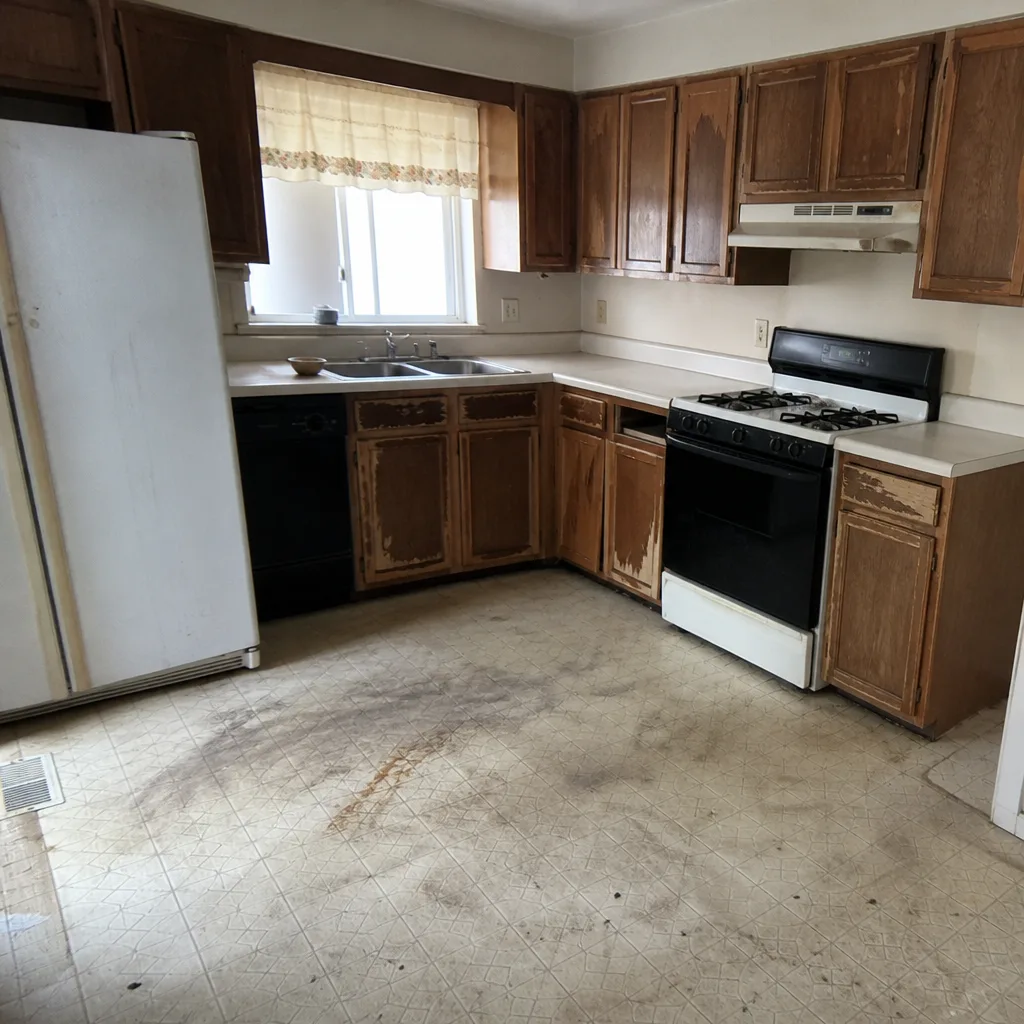 Before
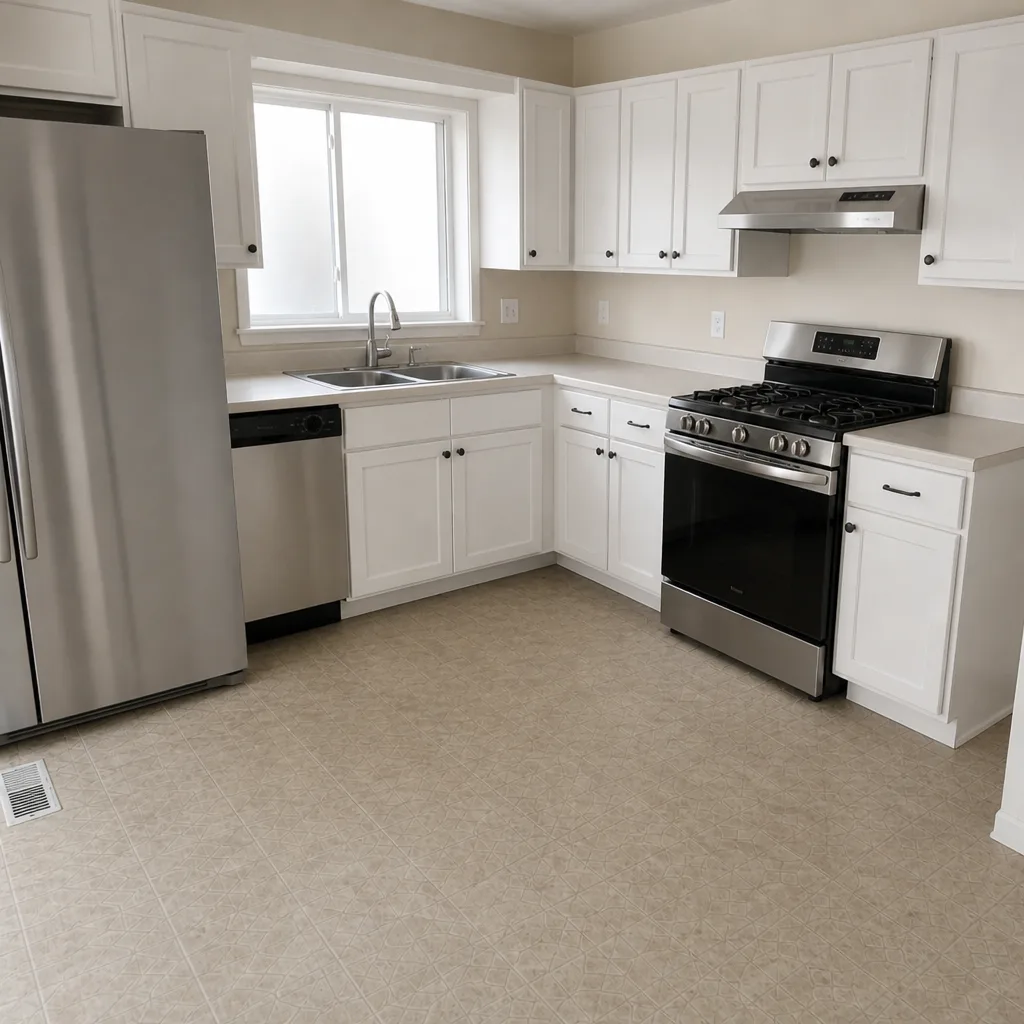 After
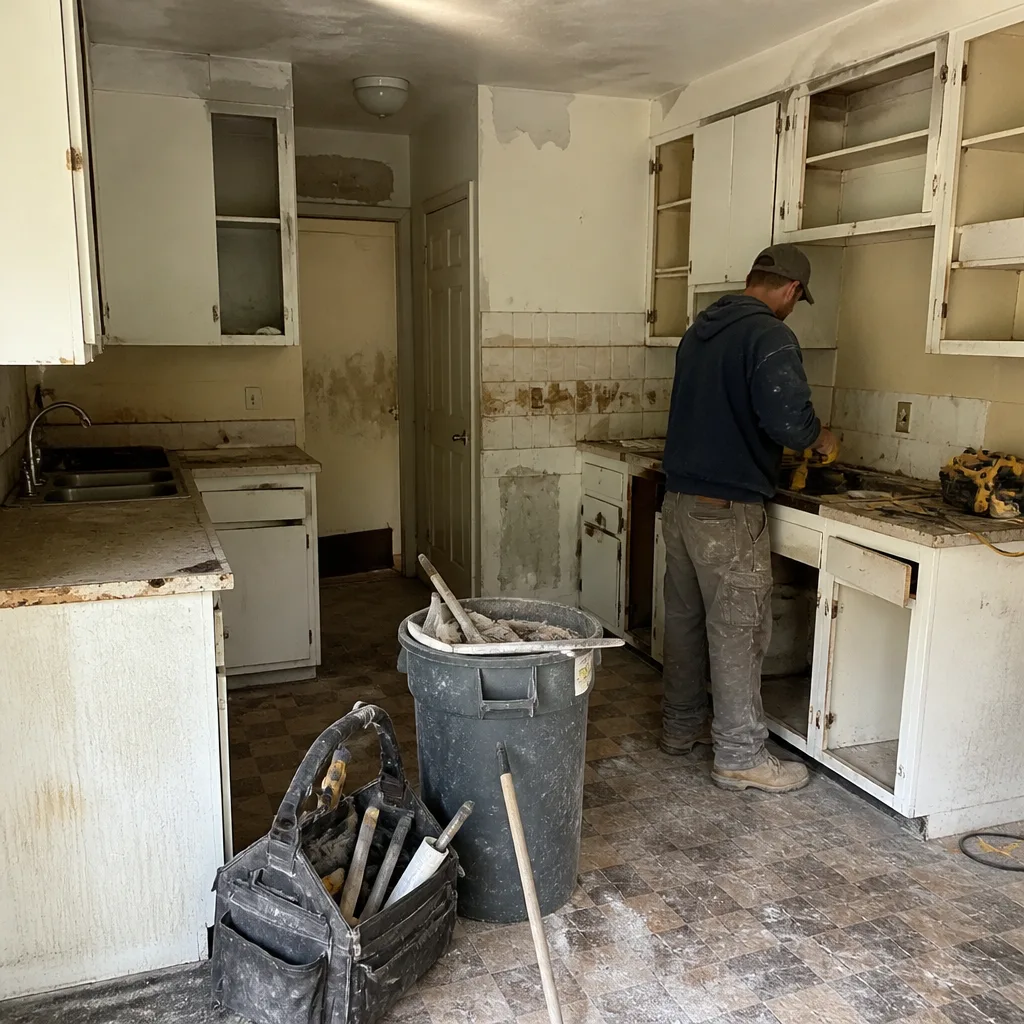 Before
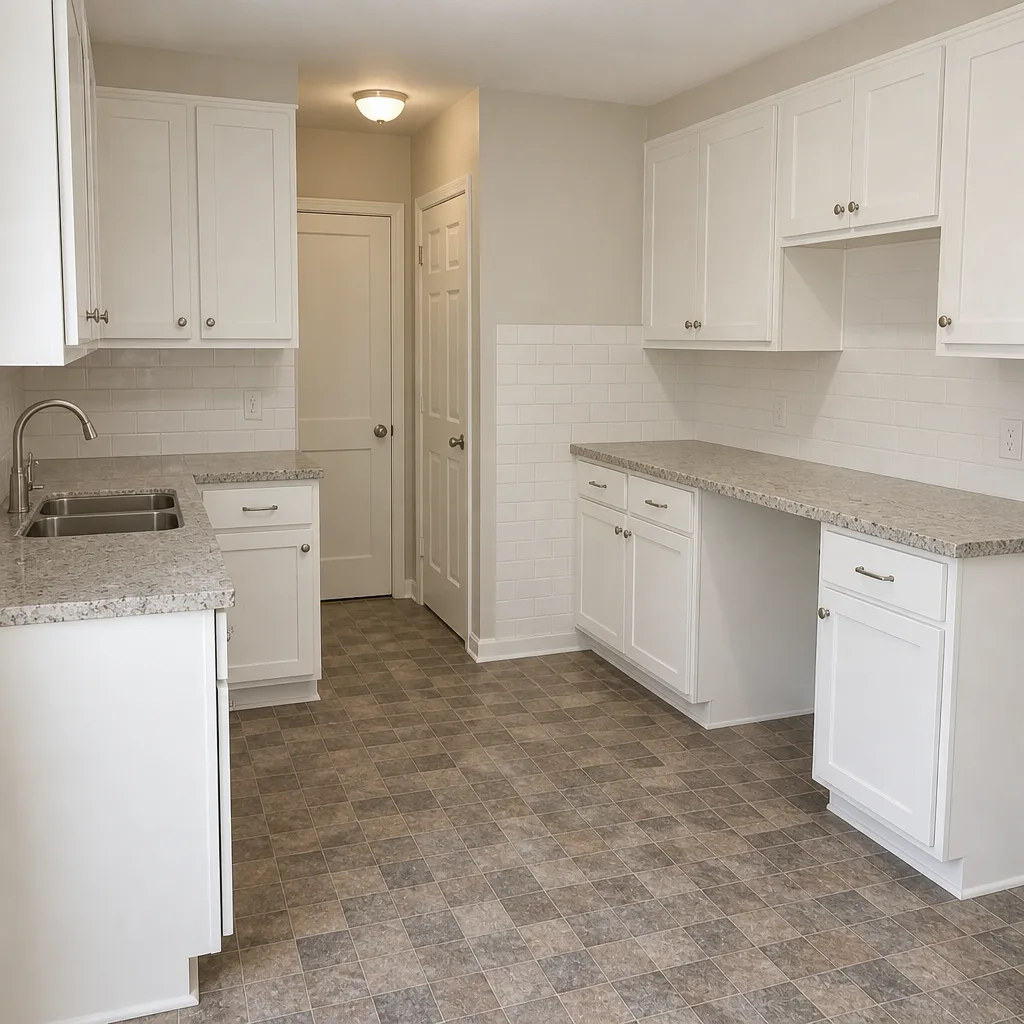 After
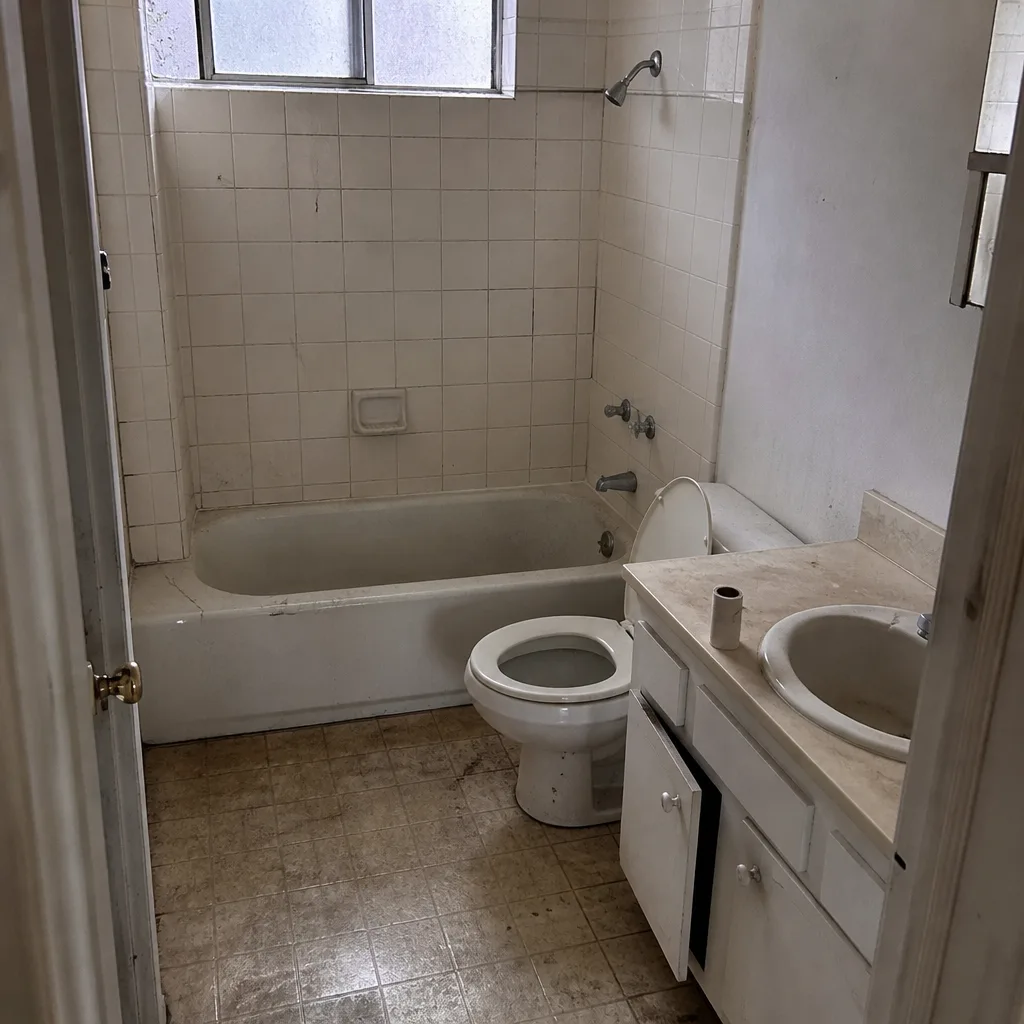 Before
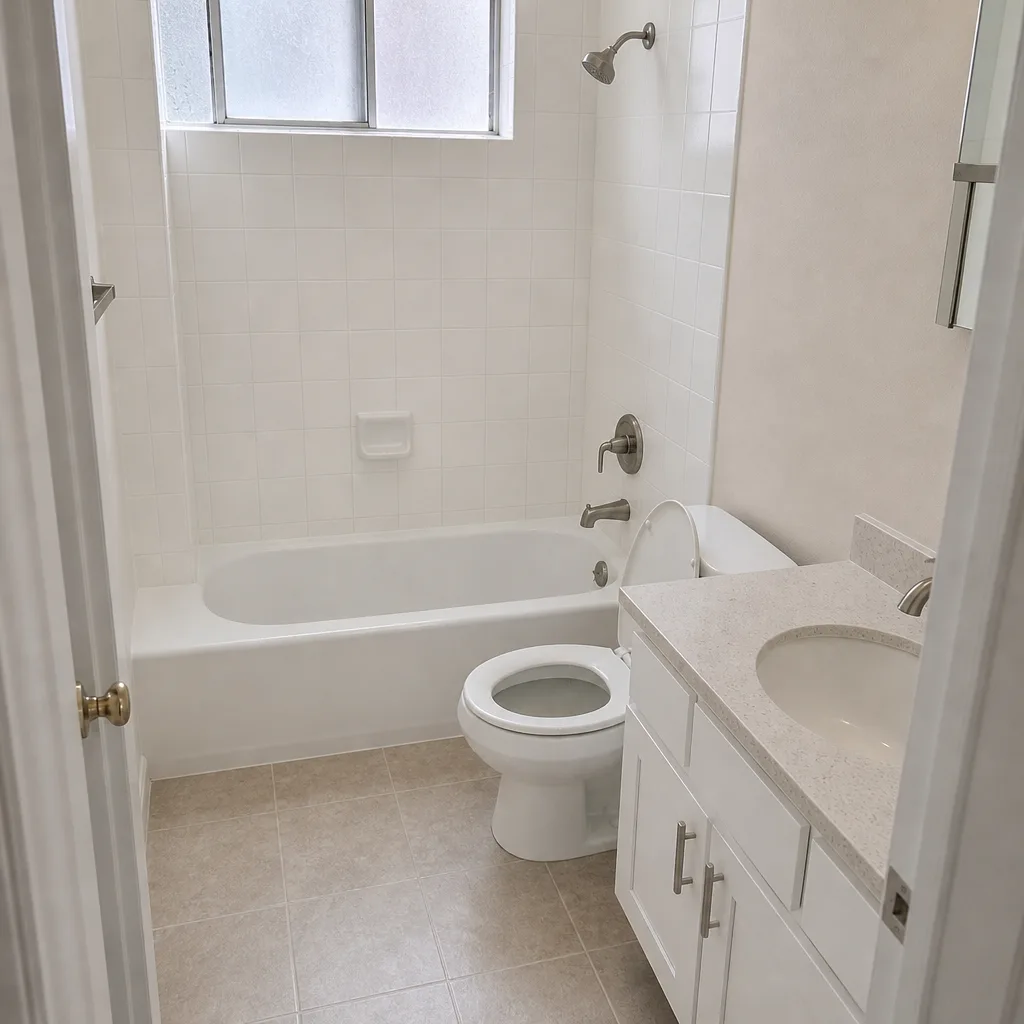 After