
Last updated November 18, 2026







Free written scope consultation - allowances, timeline, and change-order rules on paper before a single trade is scheduled
Seasonal Construction Care for Enterprise: Year-Round Homeowner’s Guide
October and March are the only two months in Enterprise where concrete pours, exterior painting, and roofing replacements reliably meet manufacturer warranty specs. Miss those windows and you’re either baking materials at 110°F or watching monsoon rain undo a fresh seal. Most homeowners in Enterprise don’t know that window exists, so they maintain on a spring-fall schedule borrowed from cooler climates and wonder why their stucco cracks every August. This guide covers Enterprise’s actual construction calendar: what to check in each phase, which tasks are safe to handle yourself, and when the temperature or the material demands a trained crew. We’ll show you what to inspect in March, how to prep for monsoon, and what to look for after peak summer quietly damages surfaces you can’t see.
Quick Answer
In Enterprise, home construction care runs on two narrow work windows (roughly March and October) separated by peak summer heat and monsoon season. Your annual maintenance should focus on sealing and inspecting in March before thermal expansion, clearing drainage and caulking in June before monsoon, and assessing accumulated heat damage in September and October. Concrete, roofing, and exterior coatings done outside those windows risk warranty violations and premature failure.
Styles & brands we work with
- Kitchen remodeling
- Bathroom remodeling
- Home additions & ADU
- Roofing
- Windows & doors
- Driveway & pavers
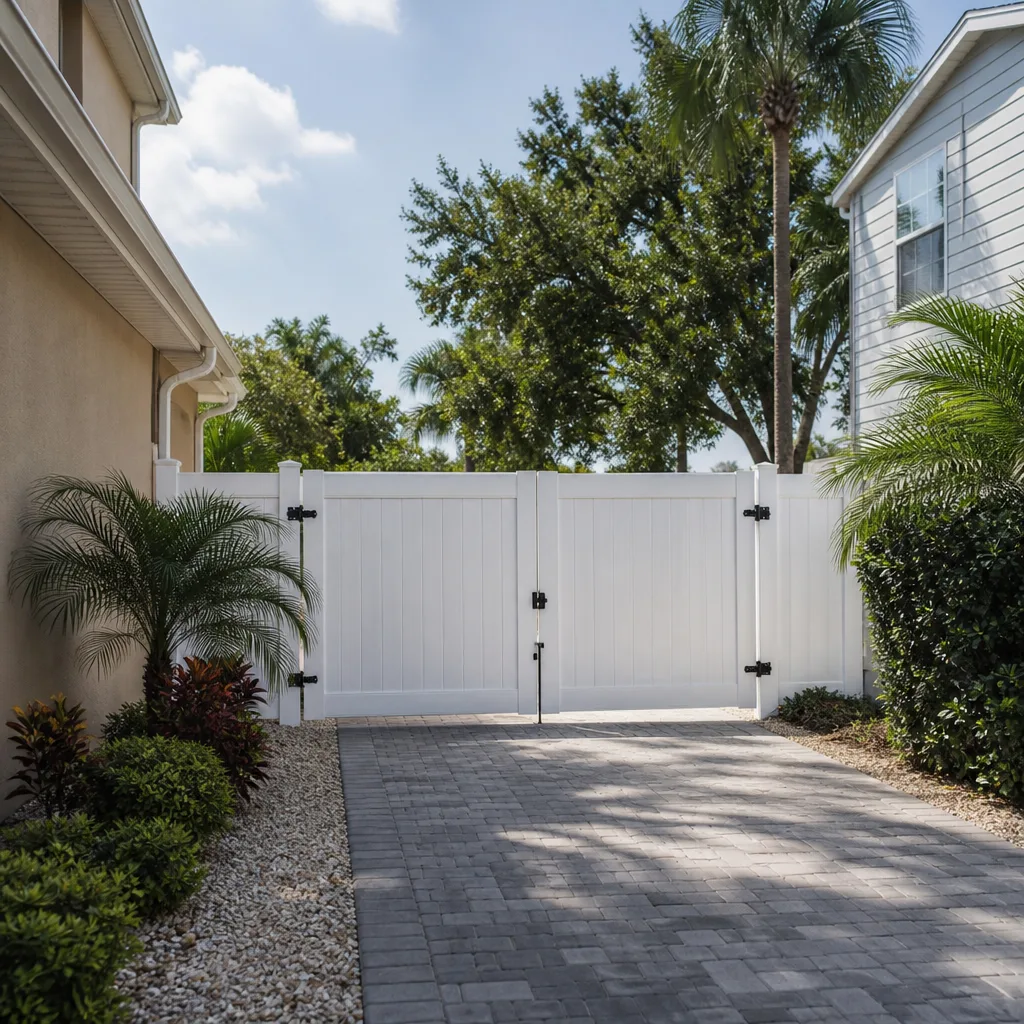
- Fence
Table of Contents
- Enterprise’s Real Construction Calendar (It’s Not Four Seasons)
- March: Pre-Summer Inspection Before Thermal Expansion
- Monsoon Preparation: Drainage, Caulk, and Foundation Perimeter
- Post-Summer Assessment: Finding Silent Heat Damage
- The October Window: What Actually Gets Done Right Now
- Which Tasks Are DIY-Safe in Which Season
- Why Material Specs Matter More in Enterprise Heat
- Your Year-Round Maintenance Calendar
Enterprise’s Real Construction Calendar (It’s Not Four Seasons)
Enterprise doesn’t have spring, summer, fall, and winter the way a Chicago or an Atlanta does. It has pre-summer (February through April), peak heat (May through September), monsoon (July through September, overlapping peak heat), and a narrow mild window (October through November). December and January are cold enough that certain coatings and concrete mixes cure unpredictably, so we treat them as inspection-only months, not repair months.
Why does this matter for construction care? Because every material has a temperature range where it performs as designed. Concrete poured above 95°F sets too fast, loses strength, and cracks within a year. Exterior paint applied above 90°F skins over before it bonds, then peels in sheets six months later. Roofing sealant strips activate on their own schedule, not yours. Manufacturer warranties are written around those ranges, and applying material outside spec voids the warranty even if the installation looks fine on day one.
In Enterprise neighborhoods likeGroundwork Construction Co. of Enterprise home and the surrounding valleys, we’ve watched homeowners pour a driveway in July, have it crack in September, and discover the concrete supplier’s own spec sheet says “do not place above 95°F ambient.” That’s a warranty claim that goes nowhere.
The practical takeaway: plan major exterior work for March or October. Interior work (kitchens, baths, additions) can run year-round because you’re controlling the environment. Anything that touches sun and rain needs the calendar.
March: Pre-Summer Inspection Before Thermal Expansion
March in Enterprise is the single most valuable maintenance month of the year. Temperatures are still workable (typically 60°F to 80°F), the monsoon hasn’t loaded the soil yet, and you have a full two months before the surfaces start expanding under 100°F-plus heat. Anything you seal, caulk, or repair in March has time to cure fully before the stress test begins.
Here’s the specific March inspection sequence we walk through:
- Walk the foundation perimeter. Look for hairline cracks in stucco or block. Measure with a crack gauge. Anything wider than 1/8 inch needs evaluation before summer expansion widens it further.
- Check every exterior caulk joint. Windows, doors, hose bibs, dryer vents, and any penetration through stucco. Caulk that’s cracked or pulled away lets in monsoon water in July, then bakes dry in August. Press a fingernail into it: if it’s brittle, replace it now.
- Inspect roof flashings and sealant. Flashings around skylights and vents are the first thing to fail when thermal cycling stresses them. Look for lifted edges or asphalt cracking along the seal.
- Test the irrigation and drainage. Run the system. Look for pooled water near the foundation. If you find any, correct the slope before the ground dries and hardens, making regrading far more expensive.
- Review the paint on south and west-facing walls. Those surfaces take the most UV load in Enterprise. Chalky, faded, or micro-cracked paint should be recoated in March, not July.
This March sequence is also where we catch the small items before they becomeDriveway & Pavers in Enterprise replacement work. A settled paver edge in March is a 30-minute fix. In October, after a summer of movement, that same edge often needs full re-setting.
Thermal expansion in Enterprise heat is real and measurable. A 20-foot stucco wall expands roughly 1/8 inch across a 60°F temperature swing. That’s why we see the same complaint every August: “It was fine in April, now there’s a crack.” That crack was always going to happen; the March inspection would have caught the weakened joint that allowed it.
Monsoon Preparation: Drainage, Caulk, and Foundation Perimeter Checks
Enterprise monsoon season runs roughly July through September, and the rain doesn’t arrive gently. A single storm can drop an inch in 30 minutes, then nothing for two weeks. That pattern is harder on a house than steady rain because it doesn’t allow slow absorption; it hits dry, hardened soil and runs. Water that runs is water that finds the path of least resistance, and that path is usually your foundation.
Monsoon prep starts in June, before the first storm. Here’s what to actually address:
- Clear every drainage path. Gutters, downspout extensions, French drains, and swales in the yard. In Enterprise, dust and dried plant material clog gutters fast, so a spring cleaning in April won’t hold through July. Do it again in June.
- Inspect caulk after the first heat wave. Caulk that looked fine in March has now been through two months of 105°F days. Re-check the same joints and replace anything that’s cracked or lost adhesion.
- Verify the foundation perimeter slope. Soil should slope away from the house at least 6 inches over the first 10 feet. In Enterprise, irrigation often erodes that slope back toward the foundation. Rebuild it in June.
- Test the sump pump or any site drainage. If your property has a low spot or a drainage channel, run water through it and watch where it goes. If it pools within 24 hours, that’s a monsoon problem waiting to happen.
- Check fence post footings. Wood fence posts in Enterprise clay soil loosen over summer dryness, then monsoon water wicks into the gap. This is one of the top reasons fences lean after monsoon. If you’re seeing post movement, that’s aFence Installation in Enterprise conversation worth having before the next storm.
The foundation perimeter check is the one homeowners skip most. They look at the wall above grade and nothing looks wrong. But the water that damages foundations seeps through the grading at the base, not the wall itself. If you only look at vertical surfaces, you miss the mechanism entirely.
Post-Summer Assessment: Finding Silent Heat Damage
September in Enterprise is when you go find the damage that accumulated without announcement. Peak heat doesn’t announce itself the way a monsoon storm does. It causes slow, silent changes that only show up when you know what to look for.
The post-summer checklist:
- Inspect stucco and exterior wall surfaces for micro-cracking. Use a flashlight at a low angle to reveal hairline cracks that straight-on viewing misses. These are thermal expansion cracks and often look like spiderwebs.
- Check paint for chalking and adhesion loss. Rub a white cloth along a south-facing wall. If it comes away chalky, the paint film is degrading. It survived the summer but won’t survive next summer without recoating.
- Walk the roof surface if you can do so safely; otherwise inspect from the ground with binoculars. Look for lifted shingle edges, cracked sealant around penetrations, and granule loss appearing as bare spots. In Enterprise, a single summer of direct UV exposure can take years off asphalt shingles.
- Examine window and door seals. Sun-facing windows take thermal cycling that loosens frames and hardens weatherstripping. Test by feeling for air movement on a hot day.
- Look at the driveway and patio for new cracks or settling. Concrete that was fine in May often shows hairline cracks by September, especially where the slab was poured against a tree root or utility line. Note them now so the March repair window captures them before they grow.
- Test the AC condensation line and any exterior plumbing penetrations. Heat dries and hardens the sealant around them; a monsoon storm then weeps water in unnoticed.
Silent heat damage is what makesHome Additions & ADU in Enterprise projects pick up hidden repair scope. If the existing structure is peeling and cracked before the addition starts, the new tie-in work has to address that first. Finding it in September makes the October design conversation far cleaner.
The October Window: What Actually Gets Done Right Now
October is the second narrow work window in Enterprise, and it’s often the better one for a simple reason: the ground has cooled after monsoon, ambient humidity is still reasonable, and there’s a full month of good weather before the December cold snaps. If you only do one maintenance push per year and your list is exterior-heavy, October is the month.
Here’s what we schedule in October without hesitation:
- Concrete work – flatwork, driveways, patios, pads for equipment. Poured in October at 75°F to 85°F ambient, it cures slowly enough to reach design strength.
- Exterior painting – as long as the surface is below 85°F and not receiving direct afternoon sun when the paint is applied. Morning shots work better than afternoon in Enterprise.
- Roof replacement – shingles in particular need to be installed when it’s neither freezing nor scorching. Sealants activate at predictable temperatures in October.
- Paver installation and re-sanding – polymeric sand needs temperatures above 50°F and dry conditions.
- Stucco repair – patches cure reliably with October humidity and temperatures.
- Drainage regrading – the soil is soft enough to work but dry enough to shape and compact.
March gets the inspection and sealing push, October gets the actual repairs and replacements. If you’re planning a project with any weather-exposed scope, both months should be on your calendar.
Which Tasks Are DIY-Safe in Which Season
Homeowners in Enterprise ask us all the time: “Can I just do this myself?” The honest answer depends on the task and the month. Here’s a practical breakdown:
DIY-safe in March or October:
- Caulking window and door joints – as long as you use exterior-grade product and temperatures are 50°F to 80°F.
- Cleaning gutters and clearing downspouts.
- Applying touch-up paint to small areas.
- Re-sanding paver joints with polymeric sand.
- Rebuilding foundation perimeter grading.
- Sealing small stucco cracks (under 1/8 inch) with proper exterior sealant.
Not safe to DIY regardless of season:
- Roof work – steep-pitch roofs in Enterprise summer heat are a genuine falling hazard, and heat exhaustion is a documented problem. Call a trained roofer.
- Any structural or foundation repair.
- Electrical work in exterior fixtures or service panels.
- Anything involving gas lines, including dryer vents and grill hookups.
- Full roof replacement or large-scale stucco repair.
Safe at certain times only:
- Painting the exterior – safe in March or October; not safe in peak summer (peeling and blisters) or winter (won’t cure).
- Pouring small concrete pads – safe in October, and usually not safe in Enterprise May through September.
- Replacing door and window seals – safe in October, risky in March if we get an unusually cold front.
The rule: if a task involves height, high voltage, gas, or structural load, call a pro no matter the season. If a task is weather-sensitive, only do it in March or October. Everything else you can handle with the right material and a working thermometer.
Why Material Specs Matter More in Enterprise Heat
The materials used in Enterprise homes aren’t the same ones you’d use in Seattle, and that matters for seasonal care. Two categories specifically:
Exterior coatings. Paint and caulk have rated application temperature ranges, and manufacturer warranties are voided if applied outside those. Most exterior latex paints top out at 85°F surface temperature. In Enterprise, a south-facing stucco wall at 10 a.m. in July is already 130°F. Applied to that surface, paint skins over, the solvent can’t escape, and it blisters within 90 days. We’ve seen entire exterior jobs fail because they were scheduled in June to “beat the heat.” The heat was the problem.
Concrete mix design. Concrete is not universal. A mix designed for Phoenix summer placement includes retarders, cooler aggregate, and sometimes ice. A standard 3000-psi mix poured in Enterprise in July will lose up to 20% of its design strength to flash set. That’s fine for a small utility pad, not fine for a driveway or an ADU foundation.
For roofs, shingle manufacturers like GAF and Owens Corning publish installation spec sheets around sealant activation temperatures. In Enterprise, those strips activate fast in July and slow in March. Roofs installed in peak heat often have sealant strips that never fully bond because the adhesive cooks off before the shingles settle. Roofs installed in October flash-bond properly within a few days and perform as designed.
What this means for your maintenance planning: your material choices and your timing are linked. Use materials rated for Enterprise conditions, and install them in the window that lets them cure properly.
Your Year-Round Maintenance Calendar
Here’s the full Enterprise seasonal calendar, condensed to what matters. Print it, save it, set phone reminders.
January – February: Inspection and planning only.
- Interior walkthrough – check for cold drafts, window seal issues, and any interior water staining from winter rain.
- Review the annual budget for March exterior work.
- Get quotes for any March-April exterior project now, while the calendar has space.
March – April: Pre-summer sealing and inspection window.
- Full exterior inspection (the March sequence above).
- Caulk replacement, painting, stucco repair, and small concrete work.
- Roof flashing inspection and sealant touch-up.
May – June: Monsoon prep push.
- Clear gutters and drainage.
- Re-check caulk after first heat wave.
- Verify foundation perimeter slope.
- Test sump pump and any site drainage.
- Fence post check.
July – September: Do as little exterior work as possible.
- Interior projects only.
- Watch for drainage issues during monsoon; document with photos.
- Do not schedule painting, concrete, or roofing.
September – October: Post-summer assessment and repair window.
- Full post-summer inspection checklist above.
- Schedule repairs for the October window.
- Concrete, roofing, painting, stucco, and paver work all happen here.
November – December: Close-out and winterizing.
- Final exterior inspection before cold sets in.
- Confirm all repairs from October have cured properly.
- Interior prep for next year’s planned projects.
Two or three hours of inspection time per season is the difference between a maintenance plan that works and one that functions as a break-fix cycle. The calendar above is roughly the schedule we advise for any Enterprise homeowner, and it’s what literally every one of our own project managers keeps in their head.
Common Mistakes to Avoid
- Scheduling exterior painting in June to “beat the summer.” The heat is the problem, not the solution. Exterior paint applied above 85°F surface temp will blister and peel within 90 days, and the warranty will not cover it.
- Pouring concrete between May and September. It sets too fast and cracks. We’ve repaired more July-poured driveways in Enterprise than we care to count, and every one of them is a $6,000 to $12,000 fix.
- Skipping the March inspection because “nothing looks wrong.” The whole point of the March walk is catching what isn’t visible yet. By the time stucco cracks in August, the underlying weakness has been there since February.
- Ignoring monsoon prep in favor of peak-summer repairs. Clearing gutters in July during the first monsoon is too late. Do it in June, before the first storm.
- Sealing stucco cracks in peak heat with fresh caulk. The caulk skins over before it bonds to the crack sides, and it fails before the summer is over. Use the October window.
- Assuming roofing can be done any time in Enterprise. Roofing is one of the most temperature-sensitive trades we work with. November through February roofs often have sealant strips that never activate, leading to wind-lifted shingles within two seasons.
- Treating April and October as interchangeable. They’re not. April weather can still produce cold snaps that damage fresh paint, and October is the more reliable exterior repair month after the soil has cooled.
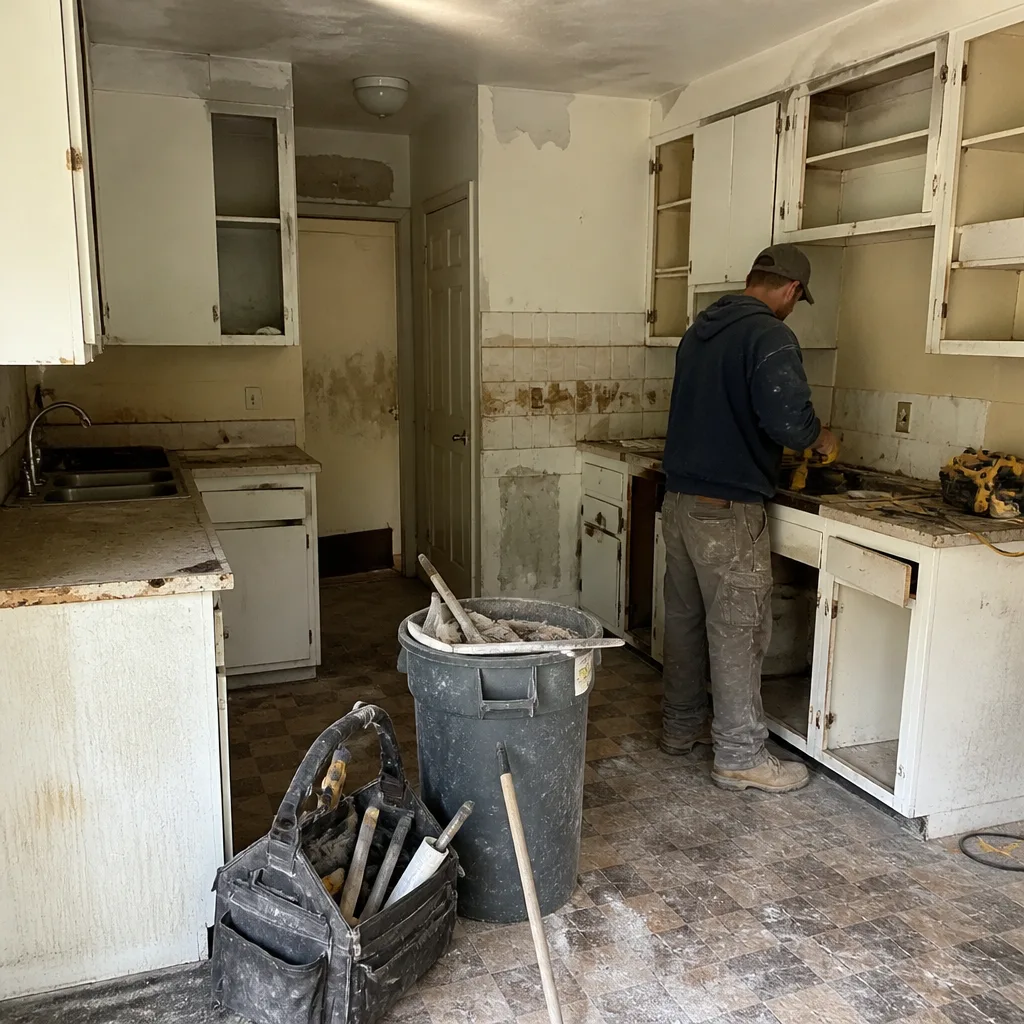
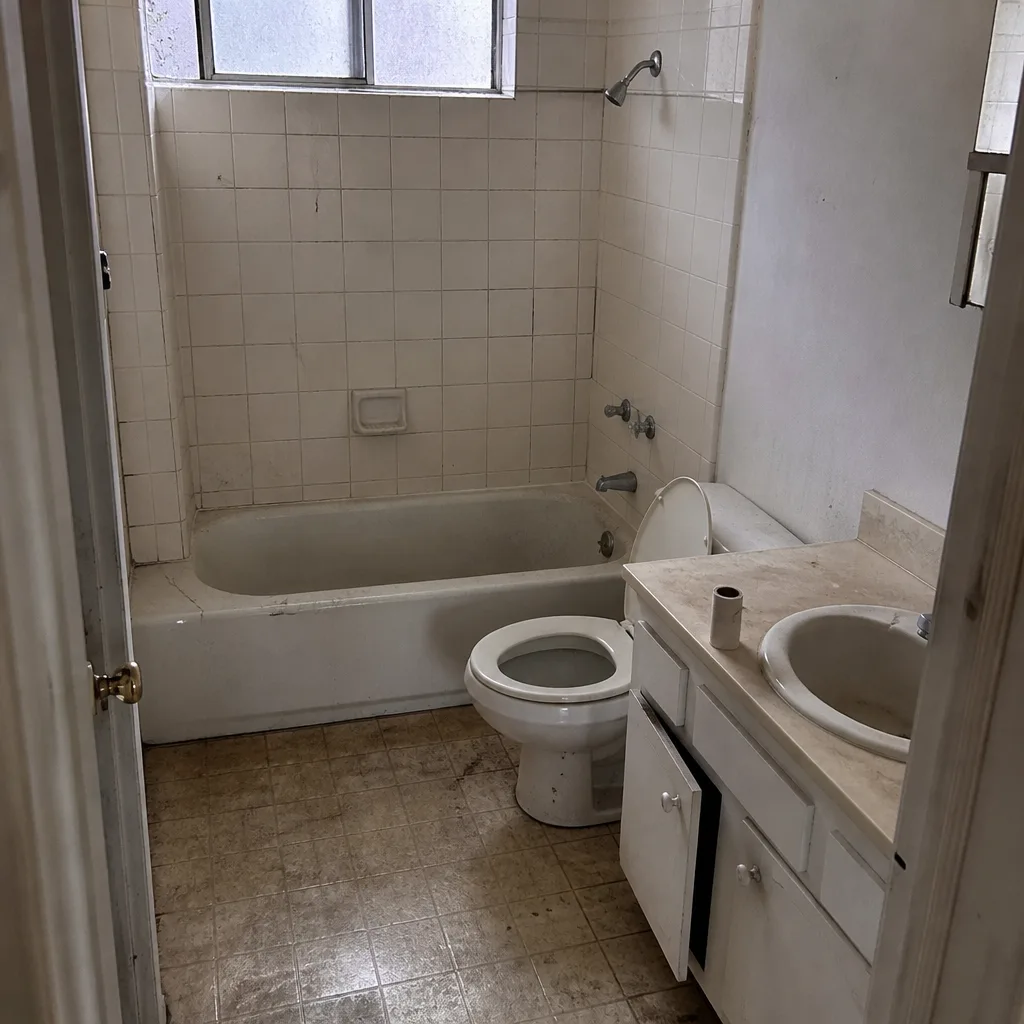
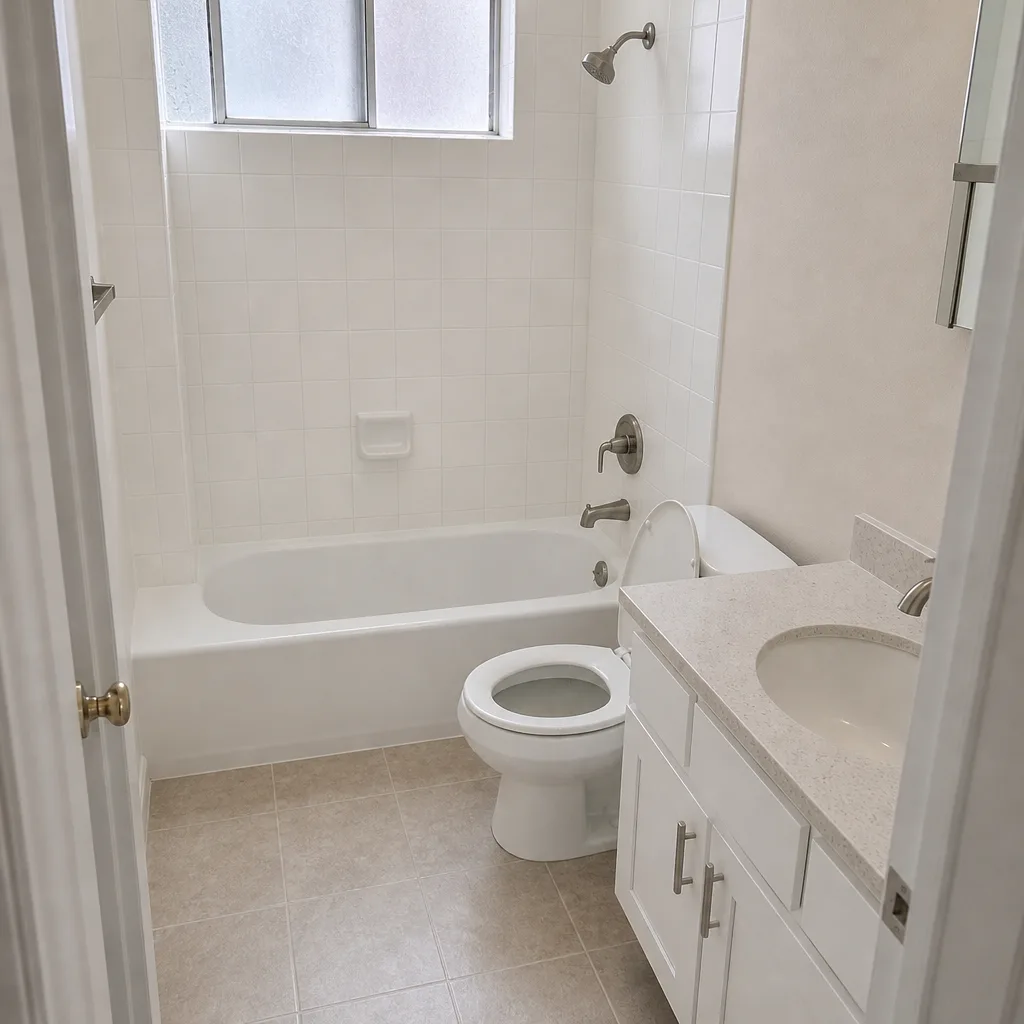
See the difference
 Before
 After
 Before
 After
 Before
 After
When to Call a Professional
You should call a professional for any task involving height, structure, gas, or high voltage – no exceptions. Specific Enterprise scenarios: you’ve spotted stucco cracks wider than 1/8 inch, your roof shows lifted shingles or missing granules after a summer, your foundation perimeter has settled or eroded, your fence posts are leaning after monsoon, or you’re planning a project that touches multiple trades (kitchen, bath, addition, ADU) where sequencing and inspections matter. Groundwork Construction Co. of Enterprise offers free estimates in Enterprise – call (844) 797-4406. Our technicians have up to 12 years of experience, arrive in uniform, and background-check every crew member before they show up to your door.
Frequently Asked Questions

October is the single best month for most exterior construction in Enterprise, closely followed by March. Both months offer temperatures in the 60°F to 85°F range, which is within spec for concrete pours, exterior paint, roofing sealants, and stucco repair. Temperatures outside those windows either cook materials before they cure or slow the cure too much for reliable results. Schedule exterior-heavy projects for those two windows and interior work year-round. Call (844) 797-4406 for a free estimate and we’ll help you find the right window for your project.
Technically yes, but it requires special mix design with retarders, ice, or late-night pours, and the result is a driveway or slab that costs 25% to 40% more than an October pour for the same result. Standard mixes poured at 100°F ambient typically suffer flash-set and lose strength, and they crack within the first year. We don’t schedule standard concrete work in Enterprise between May and September. For a free estimate on concrete work scheduled properly, call (844) 797-4406.
Twice a year – once in March before thermal expansion starts, and again in June before monsoon. The June check catches joints that looked fine in March but have already weathered two months of 100°F-plus temperatures. Exterior caulk in Enterprise typically lasts two to three years before it needs full replacement, but that timeline drops to 18 months for south and west-facing joints that take the most UV load. A quick fingernail test in March and June catches most of it.
Clearing gutters and checking drainage after the first storm rather than before. By the time the first monsoon hits, clogged gutters have already overflowed, water has pooled against the foundation, and the caulk joints around windows have absorbed moisture. All the prep work needs to happen in June, not July. The second-biggest mistake is ignoring the foundation perimeter grading – water pools there because the slope washed out over the previous summer, and most homeowners only look at vertical wall surfaces.
Yes. Any project we complete inside the 730-Day Done Right Promise is covered, including scheduled exterior work like painting, roofing, and concrete. If it’s not done right, we make it right, regardless of when in the year the work was performed. We schedule work in the appropriate window specifically so the guarantee holds; we won’t install paint or roofing outside the manufacturer’s spec and then ask you to trust a warranty that the manufacturer has already voided. For a free estimate on scheduled work, call (844) 797-4406.
Walk the foundation perimeter for stucco or block cracks wider than 1/8 inch, check every exterior caulk joint by pressing a fingernail into it, inspect roof flashings and sealant, run the irrigation and look for pooling, and review south and west-facing paint for chalking. These five checks in March catch the majority of the exterior problems we see by August in Enterprise. If anything looks uncertain, the March inspection is the right time to bring in a pro. Groundwork Construction Co. of Enterprise offers free estimates – call (844) 797-4406.
The Bottom Line
Enterprise construction care isn’t a four-season schedule. It’s two inspection months (March and September), two work windows (March and October), and a monsoon prep push in June. Everything else is either interior work, monsoon monitoring, or winter planning. Anchor your exterior projects to March and October, handle caulk and drainage yourself in the safe seasons, and call a pro for anything structural, weather-sensitive, or high up. Our team at Groundwork Construction Co. of Enterprise walks through this calendar on every estimate because the right timing is the cheapest thing you can do for your home’s longevity. We approach every job the same way: honest assessment, written estimate, work scheduled in the window that makes it last.
For a free estimate in Enterprise, call Groundwork Construction Co. of Enterprise at (844) 797-4406. Our calls are answered by a live person 24/7, our technicians are background-checked and arrive in uniform, and every project is backed by our 730-Day Done Right Promise. No-hassle upfront pricing means the number you see is the number you pay, and we’re offering $1,000 off projects over $10,000 with 0% financing for 18 months available. Built to last, backed in writing – from foundation to finish line.
Related Guides from Groundwork Construction Co. of Enterprise
If your seasonal inspection turns up work that needs a real solution, these project guides outline what to expect:
- Learn how we approachDriveway & Pavers in Enterprise work around the October concrete window.
- Fence condition after monsoon? SeeFence Installation in Enterprise for post-storm replacement planning.
- Planning a project that touches multiple trades? ReadHome Additions & ADU in Enterprise for sequencing and inspection notes.
Written by the team at Groundwork Construction Co. of Enterprise.