Last updated November 18, 2026





Free written scope consultation - allowances, timeline, and change-order rules on paper before a single trade is scheduled
Windows & Doors Troubleshooting: Common Problems and How to Fix Them
A door that sticks every summer isn’t always a sign of frame failure. Often it’s a hinge screw that’s backed out an eighth of an inch – a fifteen-minute fix that plenty of homeowners pay a full service call to diagnose. The same pattern repeats across almost every window and door problem we see in Enterprise: the symptom shows up months before the emergency, and the cost of the fix depends entirely on catching the signal early. A $200 adjustment and a $2,000 replacement can start from the same draft. This guide teaches you to read the symptom, trace it to the most likely cause, and know which fixes are safe to handle yourself and which ones need a pro.
Quick Answer
Most window and door problems fall into five categories – drafts, sticking, fogging, rattling, and water infiltration – and each one traces back to a predictable cause. The single most important distinction is between thermal seal failure, which means replacing the glass unit, and frame failure, which means replacing the whole window. Getting that call right saves thousands. Below, we walk through each symptom, the safe DIY checks, and the point where a professional needs to step in.
Styles & brands we work with
- Kitchen remodeling
- Bathroom remodeling
- Home additions & ADU
- Roofing
- Windows & doors
- Driveway & pavers
- Fence
Table of Contents
- The Symptom-First Diagnostic Tree
- Drafts: Where the Air Is Actually Getting In
- Sticking Doors and Windows: Hardware or Foundation?
- Fogging Glass: Seal Failure vs. Frame Failure
- Rattling and Loose Hardware
- Water Infiltration: The Problem You Can’t Afford to Ignore
- DIY-Safe Fixes vs. Pro-Only Calibration
- When a Temporary Fix Is Acceptable
The Symptom-First Diagnostic Tree
Before you pick up a screwdriver, identify the symptom precisely. Windows and doors rarely fail in one dramatic moment. They tell you what’s wrong through a specific behavior, and matching that behavior to a cause is the whole game. Here’s how we sort it out on a first visit.
- Draft: Feel air moving at the edges. Most drafts trace to worn weatherstripping, a failed sweep, or a sash that no longer seats in its channel – not to a cracked frame.
- Sticking: A door or window that binds in one season and frees in another usually points to humidity-driven wood movement or hardware, not structural failure.
- Fogging between panes: That’s a failed thermal seal in a double-pane unit. The glass needs replacing; the frame is usually fine.
- Rattling: Loose hinge screws, worn rollers, or a shifted strike plate. Almost always hardware.
- Water infiltration: Staining, soft wood, or moisture at the interior sill. This is the one symptom that escalates fastest and needs professional eyes.
In Enterprise, the desert swing between hot afternoons and cool nights works hardware and seals hard. We see weatherstripping compress and crack faster here than in milder climates, and that’s usually the first thing to check on a draft complaint. If you’re planning a bigger change while you’re at it, our Groundwork Construction Co. of Enterprise home page lays out the full scope of what we handle.
Drafts: Where the Air Is Actually Getting In
A draft feels like it’s coming from everywhere, but it’s almost always entering at one of three points: the perimeter weatherstripping, the bottom sweep on a door, or the gap where a sash meets the frame. Finding the actual entry point is the difference between a $15 fix and a service call.
The old trick still works. On a breezy day, hold a lit incense stick or a thin strip of tissue near the edges of the closed window or door. Watch where it flutters. Start at the corners, then work along the bottom, then the sides.
- Weatherstripping: Look for flattened, cracked, or missing foam or felt. This is the most common draft source in Enterprise homes and the cheapest to replace.
- Door sweep: A worn sweep lets air under the door. Hold a piece of paper at the gap – if it slides out easily, the sweep has lost its seal.
- Sash gaps: A window sash that rocks slightly in its channel won’t seat flat, and air slips past. That’s a hardware adjustment, not a replacement.
- Caulk lines: Exterior caulk shrinks and pulls away, especially on south- and west-facing walls that take the afternoon sun. A hairline gap lets in more air than you’d think.
If the draft persists after the weatherstripping and sweep are sound, the window itself may have lost its seal or the frame may have shifted. That’s the point to have someone look at it, and it’s also a good time to consider whether the unit is worth keeping. Andersen and Marvin units, which we install, hold their seals far longer than builder-grade windows, which is why we lean on them for replacements.
Sticking Doors and Windows: Hardware or Foundation?
This is the question that decides whether you’re looking at a $200 adjustment or a much bigger conversation. The good news: the vast majority of sticking doors and windows are hardware problems, not foundation problems. Here’s how to tell them apart before you call anyone.
A hardware issue usually shows up as a door that sticks at one specific point – often the top corner opposite the hinges, or where the latch meets the strike plate. The door itself is square; it just isn’t hanging right or the hardware has drifted.
A foundation or settling issue tends to reveal itself across a larger pattern: multiple doors and windows in the same area of the house stick at once, you notice cracks in drywall near corners, or the floor feels uneven. One door sticking is hardware. Every door on one side of the house sticking is worth investigating.
A few quick checks:
- Open the door halfway and let go. If it swings on its own, the hinge side isn’t plumb.
- Look at the gap around the door. An even gap all around points to hardware; a gap that’s tight at the top and wide at the bottom points to settling or a warped slab.
- Tighten the hinge screws. If the top screws spin freely, the wood behind them may be stripped – an easy fix with a longer screw or a dowel, and often the entire problem.
- In summer humidity, wood doors swell. A door that sticks only in the wet season usually frees up as it dries and needs a light plane at most.
When the pattern points to the frame, that’s when we want eyes on it. Our Home Additions & ADU in Enterprise work often starts with exactly this kind of structural assessment, and it’s how we catch settling before it becomes a remodel.
Fogging Glass: Seal Failure vs. Frame Failure
Foggy glass is the most misunderstood window problem, and misunderstanding it costs homeowners real money. Here’s the distinction that matters: fog between the panes means the thermal seal has failed. Fog on the room side of the glass is just condensation from interior humidity, and that’s a ventilation issue, not a window failure.
A failed thermal seal means the inert gas between your double panes has escaped and moisture has gotten in. The glass unit is shot, but the frame is usually perfectly healthy. You replace the glass unit – often called an insulated glass unit, or IGU – and keep the frame. That’s a fraction of the cost of a full window replacement.
Frame failure is different. You’ll see it as warping, rot, cracked welds at the corners, or a sash that no longer closes flush. Fog plus a failing frame means the whole unit needs replacing.
How to tell them apart:
- Wipe the interior glass. If the fog clears, it’s room-side condensation – check your ventilation.
- Look between the panes. If the fog stays, the seal has failed.
- Inspect the frame corners for cracks, gaps, or soft spots. Sound frame means glass replacement only.
- Check the sash alignment. A sash that won’t seat flat points to frame or hardware trouble beyond the seal.
We see a lot of single failed IGUs in Enterprise homes where the rest of the window is solid. Replacing just the glass is the smart move, and it’s the kind of call that keeps a $2,000 window project down to a few hundred. When the frame is genuinely gone, that’s where CertainTeed and similar quality lines earn their keep – the frame outlasts the glass by years, so the money goes into the part that lasts.
Rattling and Loose Hardware
Rattling is almost always a hardware problem, and it’s usually the easiest to fix. The noise tells you something has loosened – a hinge screw, a roller, a strike plate, or a sash that’s lost its tension.
- Door rattles: Loose hinge screws are the usual culprit. Tighten them, and if a screw won’t hold, replace it with a slightly longer one. A rattling latch often means the strike plate has shifted a millimeter; a screwdriver and a quick realignment fixes it.
- Window rattles: On sliding or casement windows, worn rollers or a loose operator are common. A window that rattles in the wind but seals fine needs hardware, not a new unit.
- Rattle plus draft: If the window rattles and you feel air, the sash isn’t seating. That’s a track or roller adjustment.
- Rattle plus moisture: If water is getting in where it rattles, stop treating it as a noise issue. That’s a seal problem that needs professional attention.
In our experience, most rattling complaints in Enterprise come down to hardware that’s simply worked loose over years of daily use and desert temperature swings. The fix is often under ten dollars in parts and less than an hour of time. The trap is over-tightening a screw into stripped wood, which makes the problem worse. If a hinge won’t hold a tightened screw, that’s the point to bring in help.
Water Infiltration: The Problem You Can’t Afford to Ignore
Of everything on this list, water infiltration is the one that gets worse by the week. A draft is uncomfortable. A sticking door is annoying. Water getting past a window or door is quietly destroying the wood, drywall, and framing behind it, and by the time you see the interior damage, the repair has multiplied.
Watch for these signs:
- Staining or discoloration on the interior sill or the wall below the window.
- Soft or spongy wood at the frame’s bottom corners.
- Peeling paint or bubbling drywall near the opening.
- Moisture or a musty smell after our rare but heavy Enterprise rain events.
Water usually enters at the same weak points every time: failed exterior caulk, a worn sill seal, or a flashing detail that was never right. Caulking a hairline gap is a reasonable DIY fix if you catch it early and the wood behind it is sound. But once water has reached the framing, a temporary caulk job just traps moisture inside. That’s when it needs real repair.
A word of caution: water damage near an exterior opening often means the framing is compromised, and that’s structural, not cosmetic. Don’t chase it with sealant and hope. Get it diagnosed. This is also where we see the difference between a window that’s genuinely failing and one that just needs its exterior seal refreshed – a distinction worth a professional look before you invest in replacement. Our Fence Installation in Enterprise crews see the same water-driven wood rot at fence lines, and it’s the same lesson: catch it early or replace the wood.
DIY-Safe Fixes vs. Pro-Only Calibration
Some fixes are genuinely safe to do yourself. Others look simple and aren’t. Getting this wrong is how a $50 fix turns into a $2,000 replacement. Here’s our honest split.
Safe to handle yourself:
- Replacing weatherstripping and door sweeps.
- Tightening loose hinge screws and realigning a strike plate.
- Re-caulking a sound exterior seam with the right exterior sealant.
- Cleaning window tracks and lubricating rollers.
- Wiping down room-side condensation and improving ventilation.
Looks simple, needs a pro:
- Replacing a thermal glass unit. The measurement has to be exact, the frame has to be sound, and the seal has to be done right or you’re fogging again in a year.
- Adjusting a casement or sliding window’s operator and track. Get the calibration wrong and the sash binds or the seal fails.
- Anything involving water that’s reached the framing. That’s a structural repair, not a caulk job.
- Replacing a door slab or rehanging a door. A door that’s hung out of plumb will stick forever, no matter how many hinge screws you tighten.
Our technicians have up to 12 years of experience, so they’ve seen every version of a fix that started small and grew. If you’re not sure which side of the line a job falls on, the free estimate is the cheapest way to find out. That’s true whether the job is windows and doors or a full Driveway & Pavers in Enterprise project.
When a Temporary Fix Is Acceptable
Sometimes a temporary fix is the right call. Sometimes it’s masking damage that’s getting worse while you wait. Knowing the difference is what separates a smart homeowner from one who pays twice.
A temporary fix is fine when:
- The symptom is cosmetic or a comfort issue, like a draft you’ve blunted with weatherstripping until you can schedule the real repair.
- The weather is extreme and you need to keep water out today, with a plan to address the cause properly within the week.
- You’ve confirmed the underlying structure is sound and you’re buying time before a planned replacement.
A temporary fix is masking a growing problem when:
- You’ve caulked over water damage more than once at the same spot. The moisture is still there, and the wood is still rotting.
- The sticking door got worse after you “fixed” the hinge. That’s a settling pattern, and it won’t stay put.
- You’re caulking fog between the panes. You can’t fix a broken thermal seal from the outside – the unit is sealed, and the seal is gone.
- The draft keeps coming back within weeks of each fix. You’re treating the symptom, not the source.
In our experience, the difference between a $200 adjustment and a $2,000 replacement often comes down to timing. A door that’s been catching for six months is a small fix. A door that’s been catching for six months plus a soft spot in the subfloor is a remodel.
Common Mistakes to Avoid
- Treating a stuck door with brute force. Pushing harder on a binding door bends hinges and strips screws. Diagnose whether it’s hardware or settling first, then fix the actual cause.
- Caulking over water damage. Sealant traps moisture against wood and framing. If the wood is soft, the caulk makes the rot worse, not better.
- Replacing a whole window when the glass is the only failure. A fogged double-pane unit with a sound frame needs a new glass unit, not a new window. The frame is the expensive part, and you’re throwing it away.
- Ignoring a draft because it’s “just a draft.” A draft is often the first sign of a failing seal or shifted sash. In Enterprise’s heat, a bad seal also drives up cooling bills every month you wait.
- Over-tightening screws into stripped wood. A screw that spins freely needs a longer screw or a dowel repair, not more torque. More force just widens the stripped hole.
- Assuming one sticking window means foundation trouble. One window or door is almost always hardware. The settling pattern is house-wide and directional, not isolated to a single opening.
- Waiting through a water leak to “see if it dries out.” Water behind a window or door frame doesn’t dry in place. It keeps working its way into the structure until the repair gets bigger.
See the difference
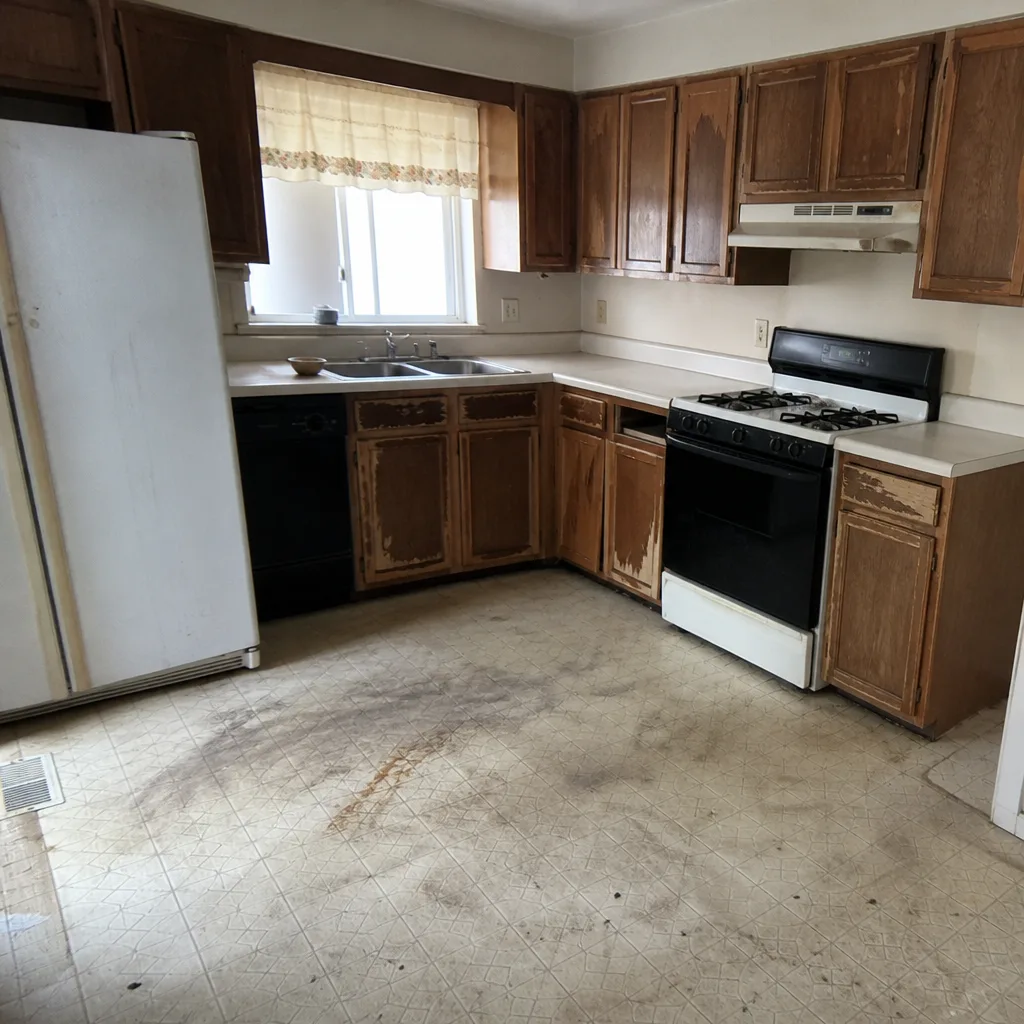 Before
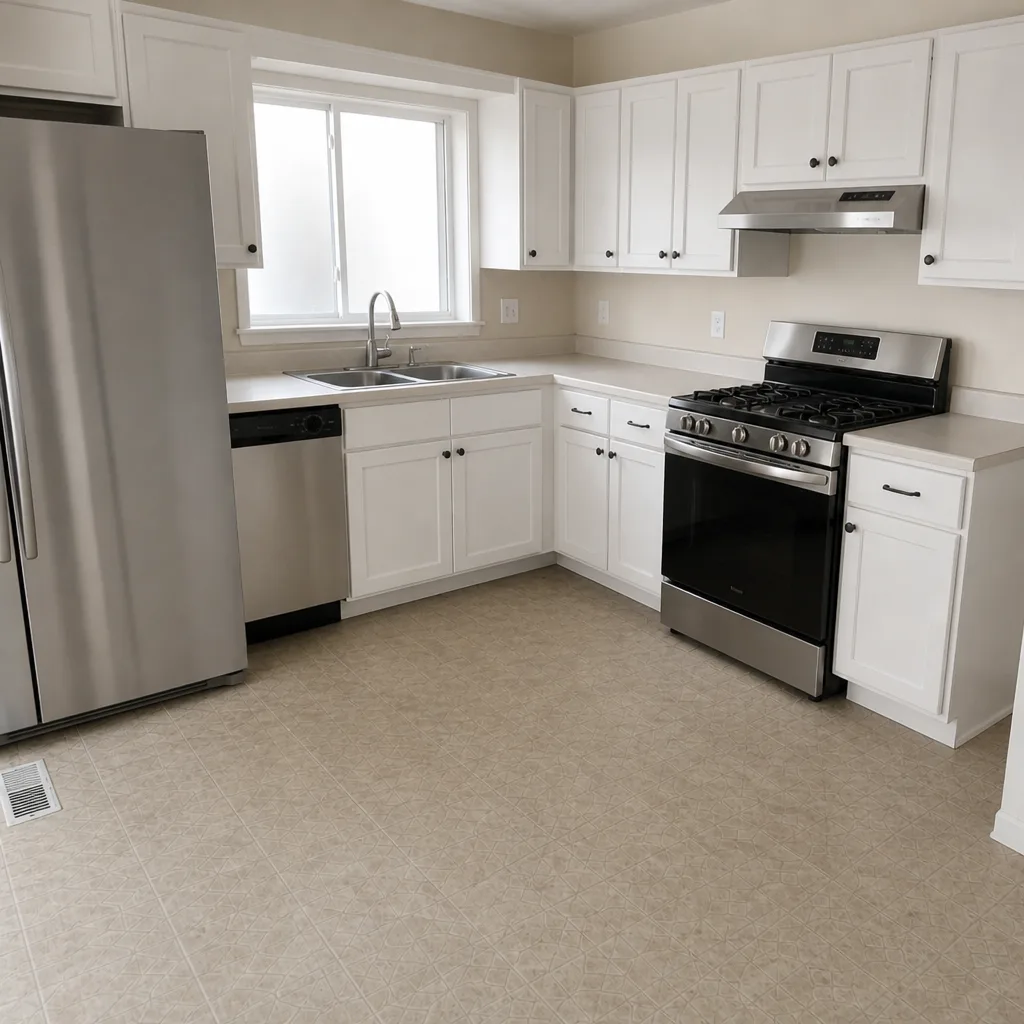 After
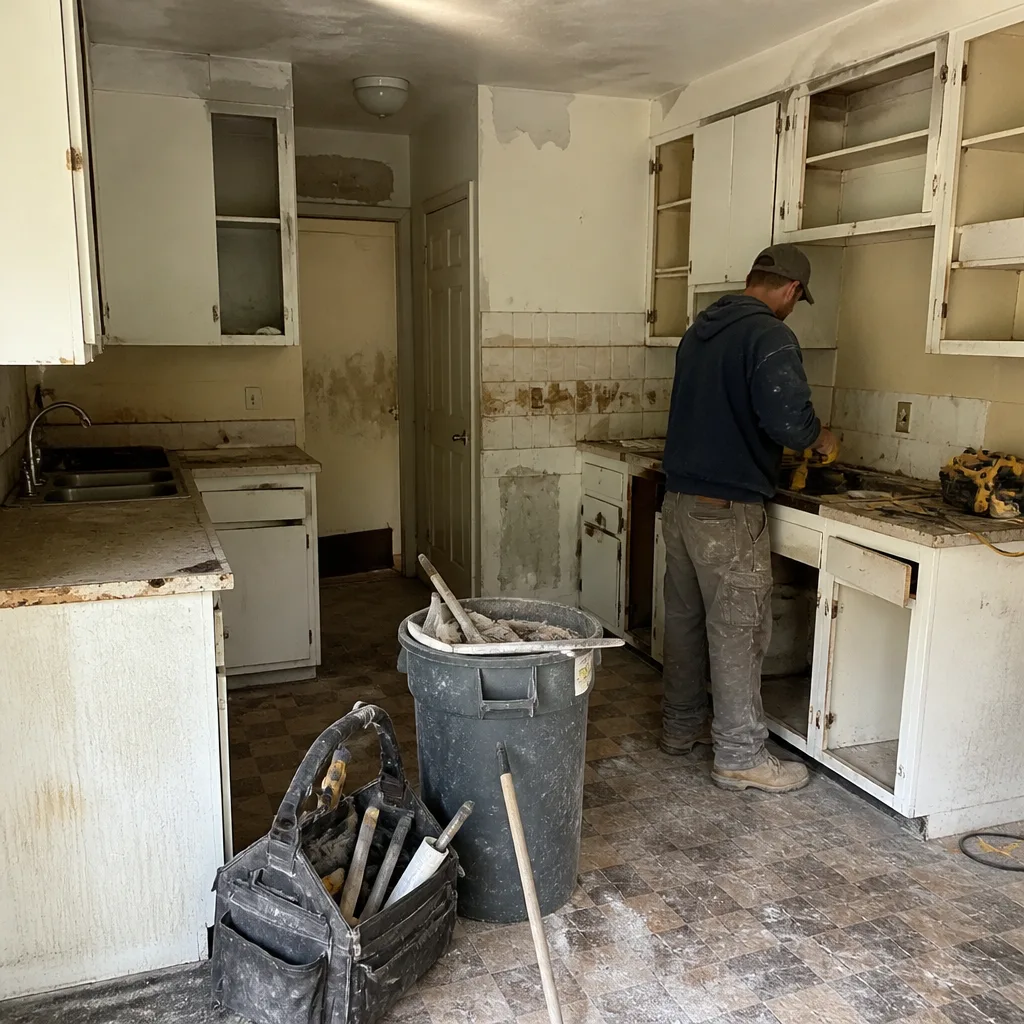 Before
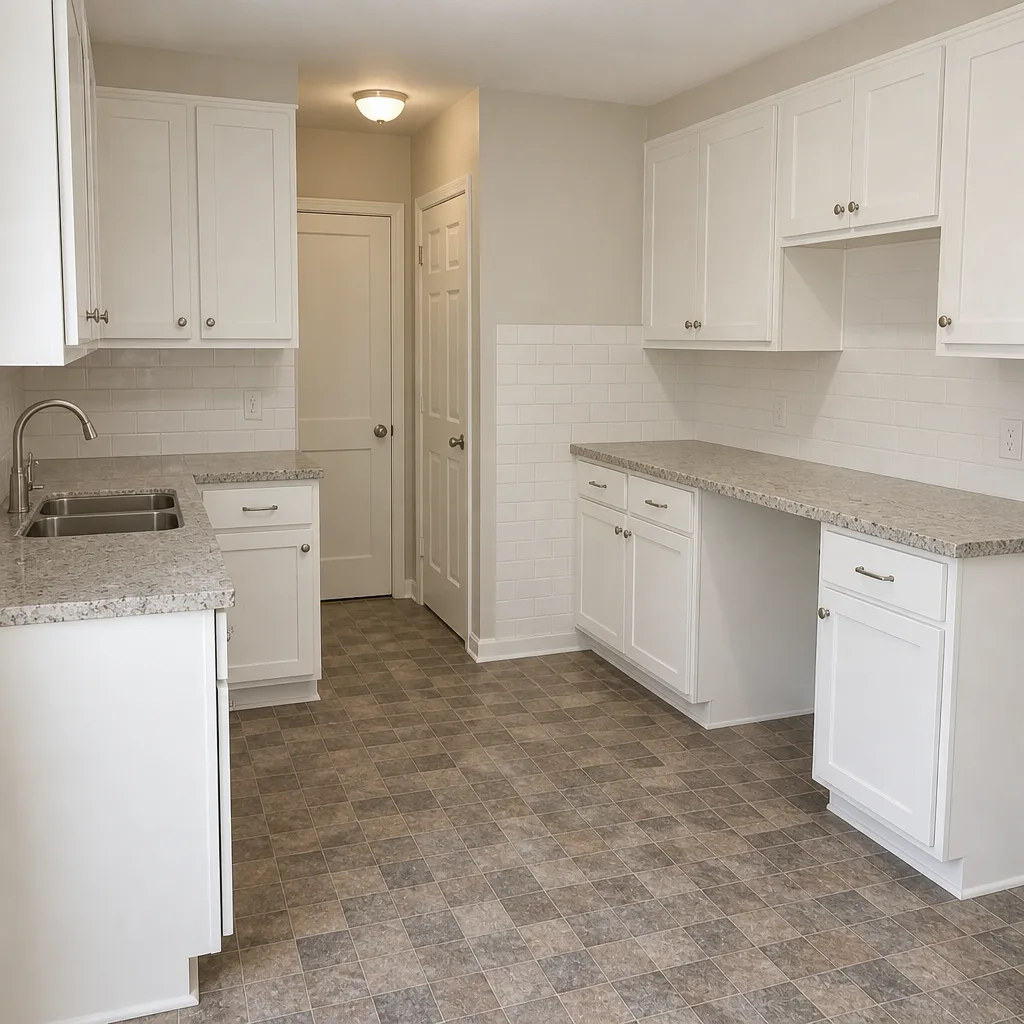 After
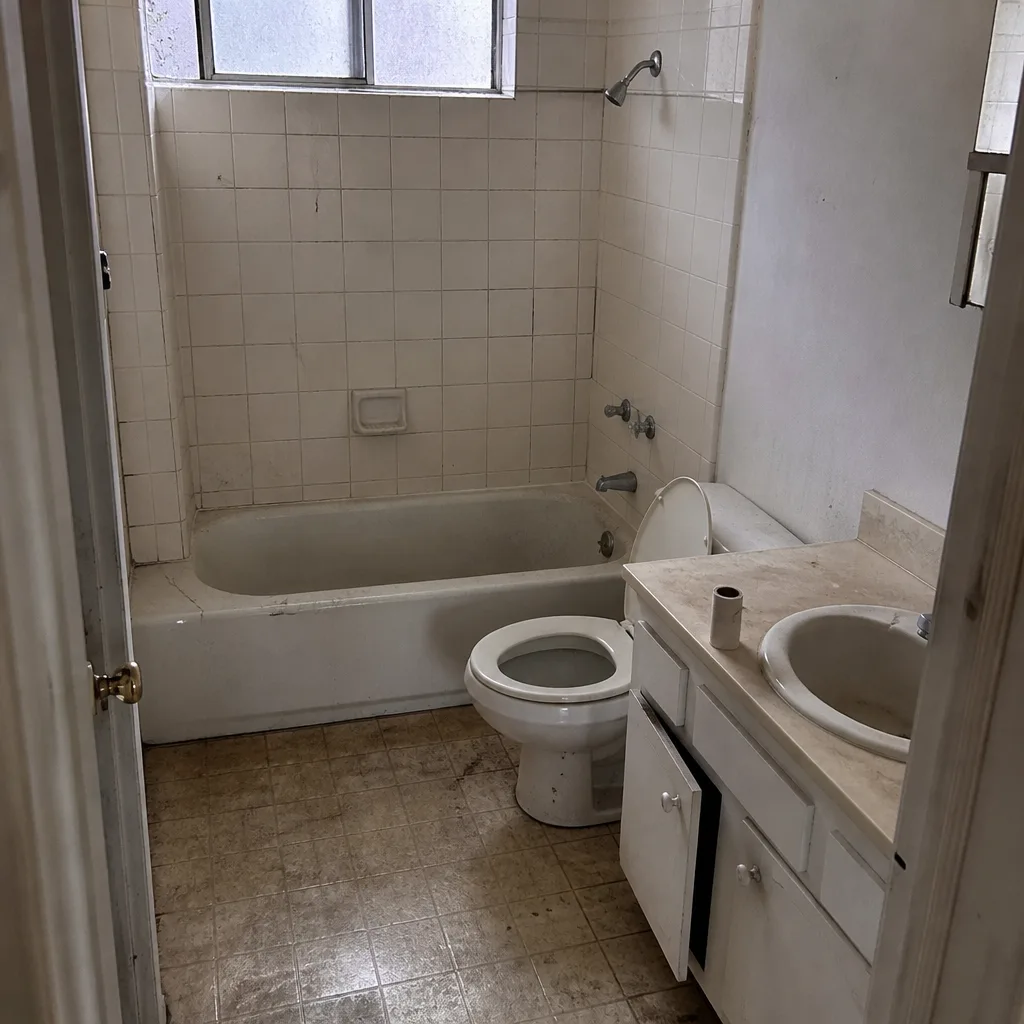 Before
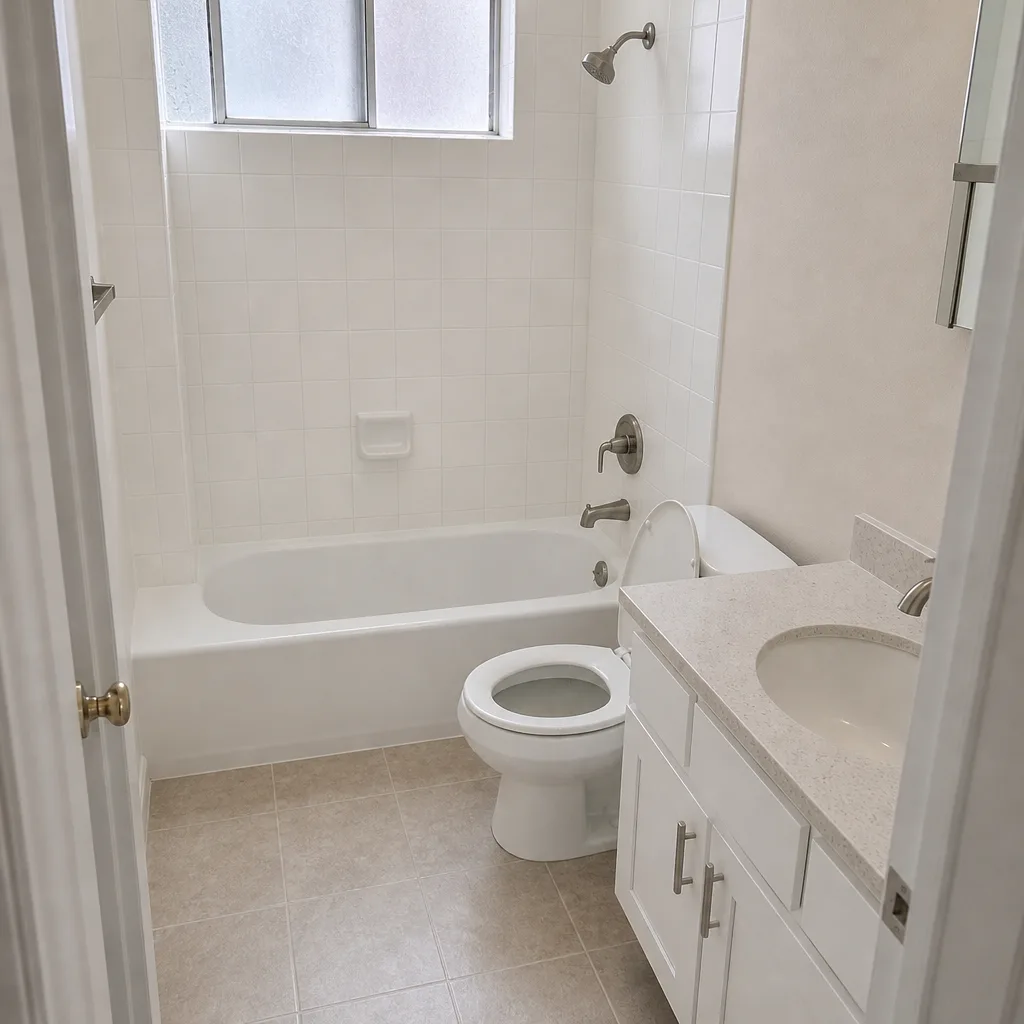 After
When to Call a Professional
Call a professional when the symptom points to structure or water. Specifically: water that’s reached the interior sill or wall, a door or window that’s sticking across a whole side of the house, fogged glass you’re ready to have replaced properly, or any fix that keeps coming back after you’ve treated it. Those situations need a trained eye and the right tools, and the cost of waiting is always higher than the cost of a diagnosis.
Groundwork Construction Co. of Enterprise offers free estimates in Enterprise. We’ll walk the openings, trace the symptoms to their causes, and tell you honestly whether you’re looking at a small adjustment or a replacement – no pressure to spend beyond what the problem actually calls for. The 730-Day Done Right Promise backs every job we take on: if it’s not done right, we make it right. Call (844) 797-4406 to schedule your free estimate, and a live person will answer, around the clock.
Frequently Asked Questions

Most minor repairs – weatherstripping, hinge adjustment, re-caulking – run a few hundred dollars, while replacing a fogged glass unit or rehanging a door sits higher. Full window replacement is a separate, larger investment. The honest answer is that cost follows the cause, and the only way to know which one you’re facing is a diagnosis. Call (844) 797-4406 for an exact quote – estimates are free.
If the fog stays between the panes after you wipe the interior glass, the thermal seal has failed and the glass unit needs replacing. If the frame is sound – no warping, rot, or cracked corners – you can replace just the glass and keep the frame. A fogged window with a damaged frame is the case for a full replacement. We can confirm which one you’re looking at during a free estimate in Enterprise.
Summer humidity swells wood doors, and they shrink back as the air dries. A door that sticks only in the wet season usually needs a light plane at the contact point and a hinge check, not a full rehang. If it sticks year-round, that’s a different problem – hardware or settling – and worth a professional look.
No. One door sticking is almost always hardware – loose hinge screws, a shifted strike plate, or a slightly out-of-plumb hinge side. Multiple doors and windows sticking on the same side of the house, especially alongside drywall cracks, is the pattern worth investigating as settling. Getting that call right before you spend money is the whole point of diagnosing first.
You can caulk a hairline exterior gap if you catch it early and the wood behind it is sound, and that’s a reasonable temporary fix. If water has reached the interior sill or wall, caulk traps moisture and makes the rot worse. That needs a professional to find the entry point and repair the framing, not another layer of sealant. Call (844) 797-4406 for a free estimate – we’ll tell you honestly which situation you’re in.
Minor adjustments and hardware fixes are often done in a single visit. Glass unit replacement and door rehanging depend on lead time for the parts, which we handle for you. We give you an upfront price before work starts – the number you see is the number you pay, with no change orders. That’s how window and door work goes with Groundwork Construction Co. of Enterprise.
The Bottom Line
Most windows and doors don’t fail in a moment. They send signals – a draft, a sticky edge, a foggy pane, a rattle, a drop of water – and the cost of the fix depends on how fast you read the signal. Separating thermal seal failure from frame failure, hardware from foundation, and a cosmetic fix from a masking one is what keeps a $200 adjustment from becoming a $2,000 replacement. Diagnose first, fix the actual cause, and call a professional before water or structure is involved. In Enterprise, our technicians have up to 12 years of experience doing exactly that. From foundation to finish line, built to last, backed in writing.
If you’re ready for a real diagnosis instead of a guess, call (844) 797-4406 to schedule your free estimate with Groundwork Construction Co. of Enterprise. A live person answers around the clock, and every job is backed by our 730-Day Done Right Promise. Ask about 0% financing for 18 months and $1,000 off projects over $10,000 while you’re on the phone.
Written by the team at Groundwork Construction Co. of Enterprise.