
Last updated November 18, 2026




Free written scope consultation - allowances, timeline, and change-order rules on paper before a single trade is scheduled
Windows & Doors Warning Signs Every Homeowner Should Know
Condensation trapped between double-pane glass looks like a cleaning problem you just can’t solve. It’s a failed thermal seal, and every month you don’t replace that unit, you’re paying to heat or cool air that’s leaking straight through it. Here’s the part that stings: in our experience walking Enterprise homes, almost every expensive window and door failure we see was visible six to twelve months before anyone acted on it. A hairline crack. A faint brown ring on the drywall. A door that suddenly sticks in July. This guide sorts those clues by urgency, shows you exactly where to look during your own walk-through, and explains what each finding actually means for your wallet. Enterprise homeowners who learn to read these signs early avoid the five-figure surprises.
Quick Answer
The warning signs that matter most are failed thermal seals (fog or condensation inside double-pane glass), water staining or soft drywall around frames, doors and windows that stick or won’t latch seasonally, visible daylight or draft at the edges, and cracks radiating from frame corners into the wall. Any sign that involves water, daylight, or moving glass needs action now; condensation inside glass and seasonal sticking can usually be scheduled within 90 days; cosmetic paint and caulk wear is watch-and-document territory.
Styles & brands we work with
- Kitchen remodeling
- Bathroom remodeling
- Home additions & ADU
- Roofing
- Windows & doors
- Driveway & pavers
- Fence
Table of Contents
- Sorting Warning Signs by Urgency: Act Now, Schedule in 90 Days, or Monitor
- How to Find Water Infiltration Before It Reaches Drywall
- Using Your Energy Bill as a Diagnostic Tool
- Settling Cracks Around Door Frames: Cosmetic or Structural?
- Doors and Windows That Stick, Swell, or Won’t Latch
- Why Enterprise Homes Age Windows and Doors Differently
- Red Flags in a Contractor’s Window and Door Proposal
- The 20-Minute Homeowner Walk-Through
Sorting Warning Signs by Urgency: Act Now, Schedule in 90 Days, or Monitor
Not every flaw is an emergency, and treating them all the same is how homeowners either panic-spend or ignore real damage. We break every finding into three buckets. Learn the buckets and you’ll know within seconds whether a sign goes on the fridge list or the calendar.
Immediate action required (this week)
- Cracked or broken glass, or a sash that no longer sits square in its frame
- Daylight visible around a closed door or window
- Water actively staining drywall or trim near a frame
- A door that won’t latch, or a lock that no longer engages (a security gap)
- Soft, spongy, or discolored wood at a sill or threshold
- Glass that has visibly shifted or feels loose in the sash
Schedule within the next 90 days
- Fog, haze, or condensation trapped between panes of double-pane glass
- A 15-20% jump in your energy bill with no rate change to explain it
- Doors and windows that stick or drag in one season and free up in another
- Peeling interior paint in a band around a window frame
- Failed caulk lines or weatherstripping that’s compressed flat
Monitor and document
- Hairline cracks in drywall at frame corners with no water present
- Faded or chalky exterior paint on frames and trim
- Minor hardware wobble you can tighten yourself
- Small cosmetic dings on sills and thresholds
Take a photo of anything you file under “monitor” and date it. If the same crack widens or the same condensation returns each winter, the photo timeline tells a professional exactly what’s happening. In Enterprise, where summer swings are brutal on seals, that record often saves a homeowner from guessing whether a problem is new or two years old.
How to Find Water Infiltration Before It Reaches Drywall
Water is the number one reason window and door replacements turn expensive. By the time a brown ring shows up on the drywall, moisture has usually been traveling behind the paint for months. The trick is looking where water actually enters, not where it finally shows.
Where to look and what you’ll see
- Under the sill, on the interior wall. Look for a faint yellow or brown tide-line directly beneath the window sill. That staining pattern is the first visible sign of a leak, often weeks before the drywall softens.
- The corners of the frame. Water pools at the lowest corner. A small darkened patch or bubbling paint at the bottom corner is a classic infiltration clue.
- Soft spots by touch. Press the drywall near the frame with a knuckle. A dull, hollow crunch instead of a firm tap means the paper is wet. Do this around every exterior door and window once a season.
- The threshold and door sweep. Kneel at each exterior door and check the threshold for dark, raised, or swollen wood. If the door drags as it opens, the threshold may already be saturated.
- Along the head and jambs. Look for peeling paint in a straight band that traces the top or sides of a frame. Water travels down the jamb; the paint blister marks its path.
Two things worth knowing in Enterprise specifically: our rare but intense rain events push water hard against the weather side of a frame, so a seal that survived a normal drizzle can fail in a downpour. And our dry air dries out the interior fast, which can hide the evidence between storms. That combination is why water damage around Enterprise frames often goes unnoticed until the drywall gives way. Ten minutes of knuckle-tapping after a rainstorm catches it early.
Using Your Energy Bill as a Diagnostic Tool
Your utility bill is one of the most honest diagnostics you have. A failed thermal seal, worn weatherstripping, or a door that no longer seals to its frame all leak air. The result shows up as a bill that keeps climbing with no matching rate increase.
The benchmark we use: a jump of 15-20% in a single billing cycle with no rate change, no new appliance, and no change in your habits points to the windows and doors first. That’s the range where a failed pane or a lost seal starts to move the needle but is still cheap to fix.
How to run the correlation yourself
- Pull the same month’s bill from last year and this year. Compare kilowatt-hours (for cooling) or therms (for heating), not the dollar total. Rates float; usage tells the real story.
- Note any failed panes you already spotted. Each failed unit in a double-pane window degrades thermal performance noticeably, especially on south and west-facing glass in an Enterprise summer.
- Do a quick airflow test. On a breezy evening, hold the back of your hand near the edges of a closed window or door. A detectable breeze means a seal, weatherstrip, or threshold problem.
- Compare rooms. If one room’s bill contribution seems off – cold in winter, hot in summer regardless of the thermostat – sound around its windows and doors first.
A 15-20% seasonal spike is worth a professional look, not a panic. Sometimes a threshold replacement or fresh weatherstripping solves it. We’ve replaced plenty of failed panes and resealed doors for a fraction of what a full replacement would cost, which is exactly why we want the diagnostic done before the sale. Upfront pricing, no surprises, starts with an honest diagnosis.
Settling Cracks Around Door Frames: Cosmetic or Structural?
A crack near a door frame sends most homeowners straight to worst-case thinking. Good news: most are cosmetic. But you need to know how to tell them apart, because a structural crack ignored for a year is a costly problem, and a cosmetic crack chased by a repair crew is wasted money.
Cosmetic cracks (usually fine)
- Hairline cracks in the drywall, especially at the corners where the frame meets the wall
- Cracks that follow the seam between drywall panels or along the taped joints
- Shrinkage lines that appear in the first year after a home is built, then stabilize
- Cracks with no water, no displacement, and no change over months
Worth a closer look (potentially structural)
- Cracks wider than a credit card’s edge
- Cracks that grow or that you can see daylight through
- Stair-step cracks in the surrounding wall or brick near the frame
- A door frame that has visibly racked out of square (the door no longer sits plumb)
- Cracks paired with a door that suddenly won’t latch or a window that won’t close
In our experience, an out-of-square door frame with a widening crack is the one to escalate. That combination usually points to movement in the wall, not the frame, and a professional evaluation is the right next step. For the hairline stuff, photograph it, date it, and check the width every six months with a small ruler. If the number doesn’t change, you’re fine. If it does, you have your answer. A trustworthy professional will tell you which side of that line you’re on, and the 730-Day Done Right Promise means if we take on a repair, we stand behind it long after the job.
Doors and Windows That Stick, Swell, or Won’t Latch
A door that suddenly sticks in July and frees up by October isn’t broken. It’s telling you something about moisture, movement, and how it was installed. Learning to read that pattern saves a lot of unnecessary replacement.
The four patterns to know
- Sticks in summer, frees in winter. Wood absorbs humidity and swells. Often a seasonal issue, manageable with a slight adjustment – but if it worsens year over year, the frame is probably losing its seal.
- Sticks in winter, frees in summer. Cold contraction is pulling the frame out of alignment. This can point to a settling foundation or a poorly set frame.
- Won’t latch at all. The strike plate and latch no longer line up, which means the door is out of square. This is a security concern as much as a comfort one.
- Drags along the threshold year-round. Usually a threshold that has become saturated or a door sagging on its hinges. Replace the threshold or re-hang before the frame takes punishment.
Enterprise homes sit in a climate of extreme dry heat and occasional monsoon moisture, which swings door frames more than a homeowner expects. If your front door drags only after a wet week, that’s a seal problem. If it drags all year, that’s an installation or frame problem. A professional can adjust, reseal, or re-hang an existing door far cheaper than a full replacement, and that’s usually the first call we’d tell a neighbor to make. Windows & doors work rewards the homeowner who investigates before replacing.
If the sticking is part of a larger renovation plan, the free project estimate and design consult is the right first step. And if your project grows into a bigger addition, our team can take it from foundation to finish line.
Why Enterprise Homes Age Windows and Doors Differently
A window that lasts a decade in a mild climate can show its first failure in Enterprise in half that time. The reason is our environment, and it’s worth understanding because it changes how early you should look for signs.
What’s different here
- Sun load. Constant, intense sun degrades weatherstripping and caulk fast. South and west-facing windows fail first, always. That’s why our list starts there during a walk-through.
- Dust and grit. Fine dust works its way into door tracks and sill seals, wearing them down prematurely. Regular cleaning extends their life more than homeowners expect.
- Temperature swings. Hot days and cool nights stress frames and seals far more than steady climates. Sealed glass units are especially vulnerable to repeated thermal cycling.
- Low humidity plus occasional storms. Dry wood creates small gaps; a sudden wet storm drives water into them. That pattern makes water infiltration more common here after a rain.
We’ve walked enough Enterprise homes to notice that window and door failures cluster by exposure – same side of the house, same room, same direction of glare. Take a moment to notice which side of your home gets the most sun. If those windows show the first signs of haze or cracking caulk, you have your priority list.
Red Flags in a Contractor’s Window and Door Proposal
A proposal tells you almost everything about how the job will go. The danger signs are rarely dramatic; they’re the things left unsaid. Here’s what to look for before you sign.
The three biggest red flags
- No flashing specification. Flashing is the waterproof barrier around a window opening, and it’s the number one failure point in replacement work. A proposal that says “replace windows” but never names the flashing method is a proposal designed to leak.
- No permit line. Pulling a permit and passing inspection is code required for many replacement scopes, and it protects you. If the contractor says “we don’t need a permit,” treat it as a warning. Nobody remodels a window wall today and wants a code question tomorrow.
- Vague product descriptions. “Energy-efficient windows” means nothing. A real proposal names the brand, the glass package, the U-factor, and the model. From Andersen and Marvin to the hardware like Moen and Delta, we only quote names you can verify.
Other proposal red flags to watch
- No written workmanship warranty – a real contract puts the terms in writing, and ours backs it with the 730-Day Done Right Promise
- A price that changes once the crew starts, instead of an upfront, no-surprises number
- No line-item detail on trim, flashings, and disposal
- A crew that shows up without background checks or uniforms
- No follow-up plan for adjustments after installation
If you’re collecting proposals for a broader improvement, our team also handles the surrounding projects – Driveway & Pavers in Enterprise and Fence Installation in Enterprise keep the exterior water management tight around new window systems. And if you’re rethinking the whole room, our kitchen and bath work brings the same craftsmanship inside.
The 20-Minute Homeowner Walk-Through
You don’t need a professional to spot the signs. You need a flashlight, a knuckle, and 20 minutes. Run this sequence once a season and you’ll catch most failures early.
- Start at the sunniest wall. Walk the exterior of that side and look at frames and trim for chalking, peeling paint, and caulk cracks. This is where failures start.
- Touch every sill from inside. Press a knuckle into the drywall just below each window. Any hollow crunch is a red flag.
- Look at the glass. Tip your head to catch the light and scan for fog, haze, or a shimmer that isn’t there. Any trapped condensation means that unit’s thermal seal has failed.
- Open and close every exterior door. Note any drag, any latch that misses, any gap you can see light through.
- Check the corners of each frame. Look for cracks, a discolored ring, or a paint band that traces the frame. Photograph anything new or growing.
- Test for a draft. Run your hand along the edges of a closed window on a breezy evening. A detectable breeze is a seal or weatherstrip issue.
- Log what you found. Date it, list it by urgency, and schedule the “Act Now” items with a pro this week. Pull last year’s bill to compare usage while you’re at it.
Doing this on a schedule is what separates the homeowner who avoids a $6,000 problem from the one who discovers it after the drywall has been destroyed. We’d rather answer your questions early than quote a rescue in Enterprise after a hard rain.
Common Mistakes to Avoid
- Ignoring condensation inside the glass. It’s a cleaning problem you can’t clean, because the fog is behind a broken seal. Every month you wait, that window wastes energy you’re paying for.
- Patching over a wet-frame stain without finding the leak. Paint covers the ring but not the moisture. The leak finds a new path and you’re back where you started, often with soft drywall.
- Blaming a sticky door on the door itself. Seasonal sticking is a frame and seal story, not a hinge story. Adjusting the hinges is treating a symptom.
- Choosing the lowest bid without flashing and permit lines. Cheap quotes save short-term, then leak. Ask for both in writing before comparing prices.
- Skipping the Energy Star comparison. Two quotes can look identical but use very different glass packages. Compare U-factor and model, not just the total.
- Not pulling permits on replacement work. Code exists for your safety; passing inspection is a check on the contractor’s work, not a formality.
- Waiting for “a good time to schedule.” In Enterprise, a small failure can turn into a big one in a single storm season. The best time to fix a warning sign is when it’s still a warning sign.
See the difference
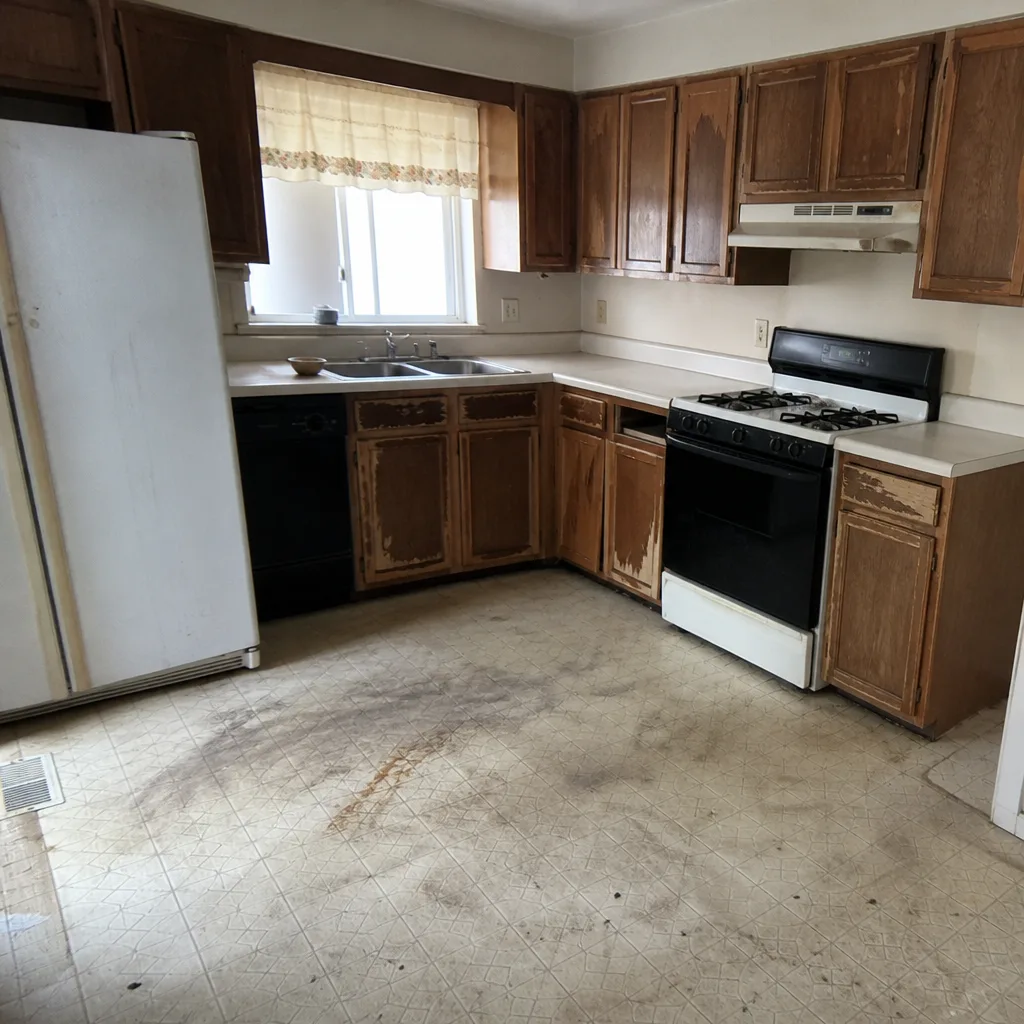 Before
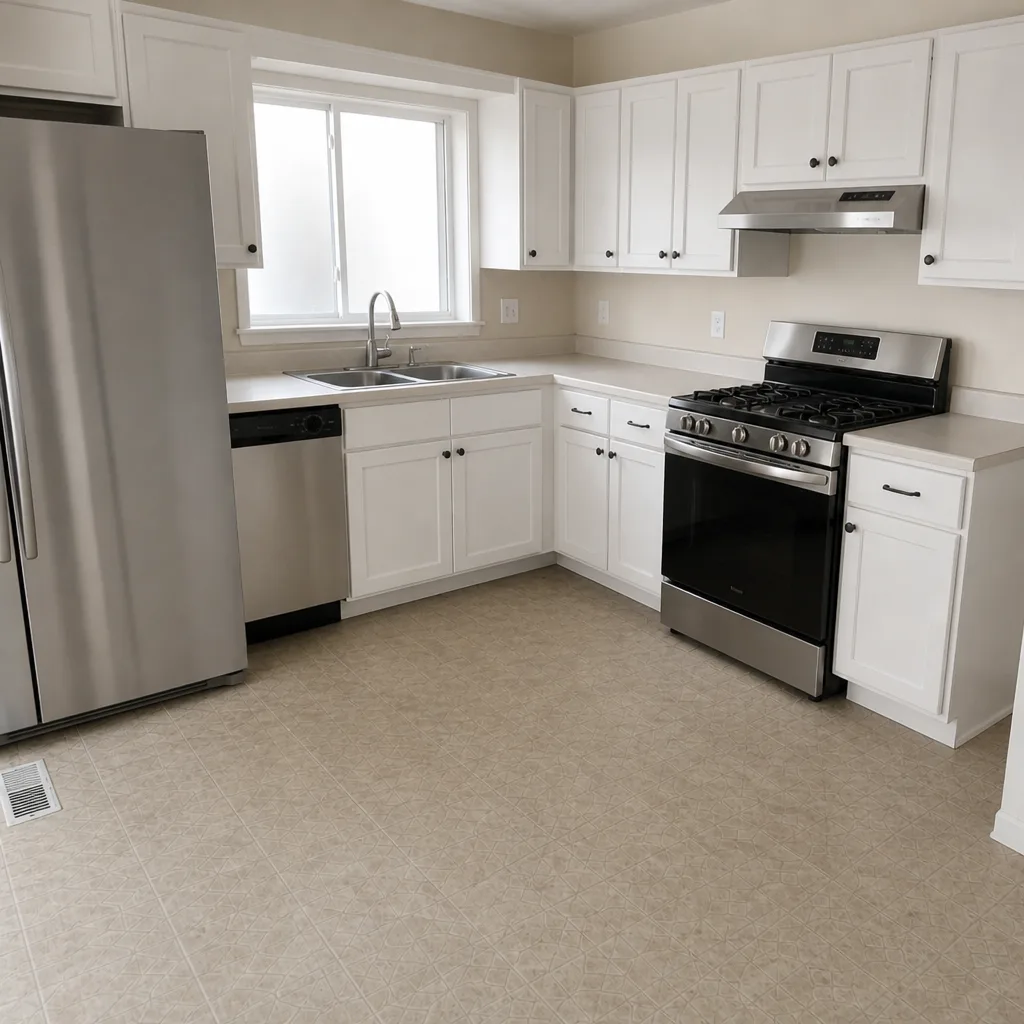 After
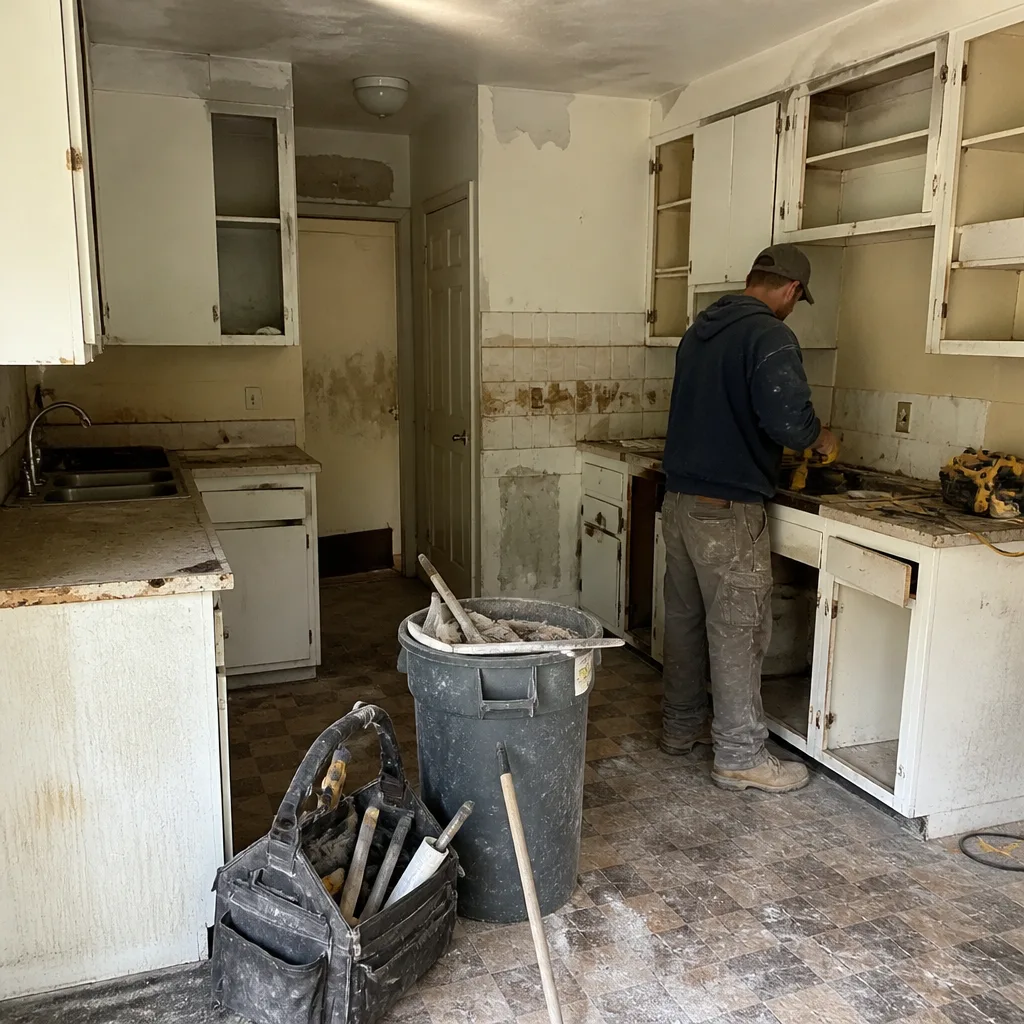 Before
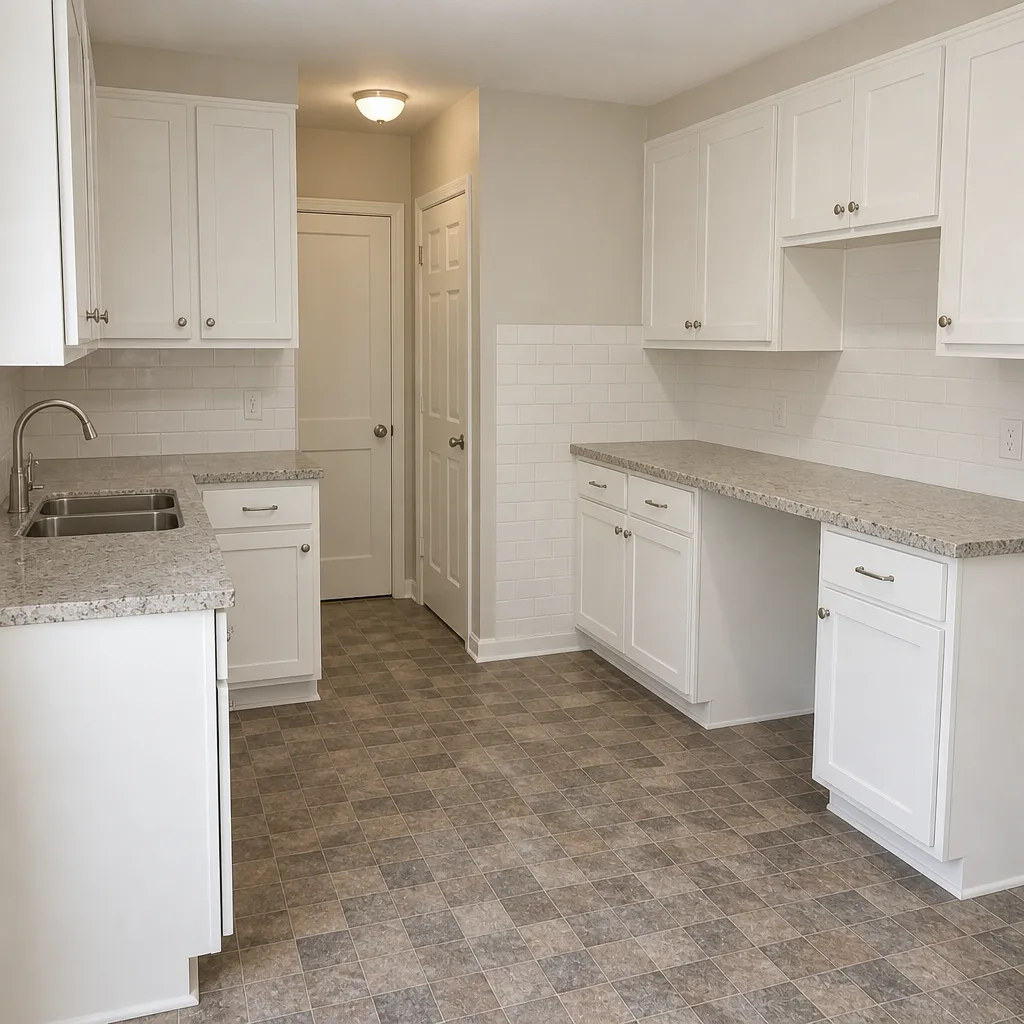 After
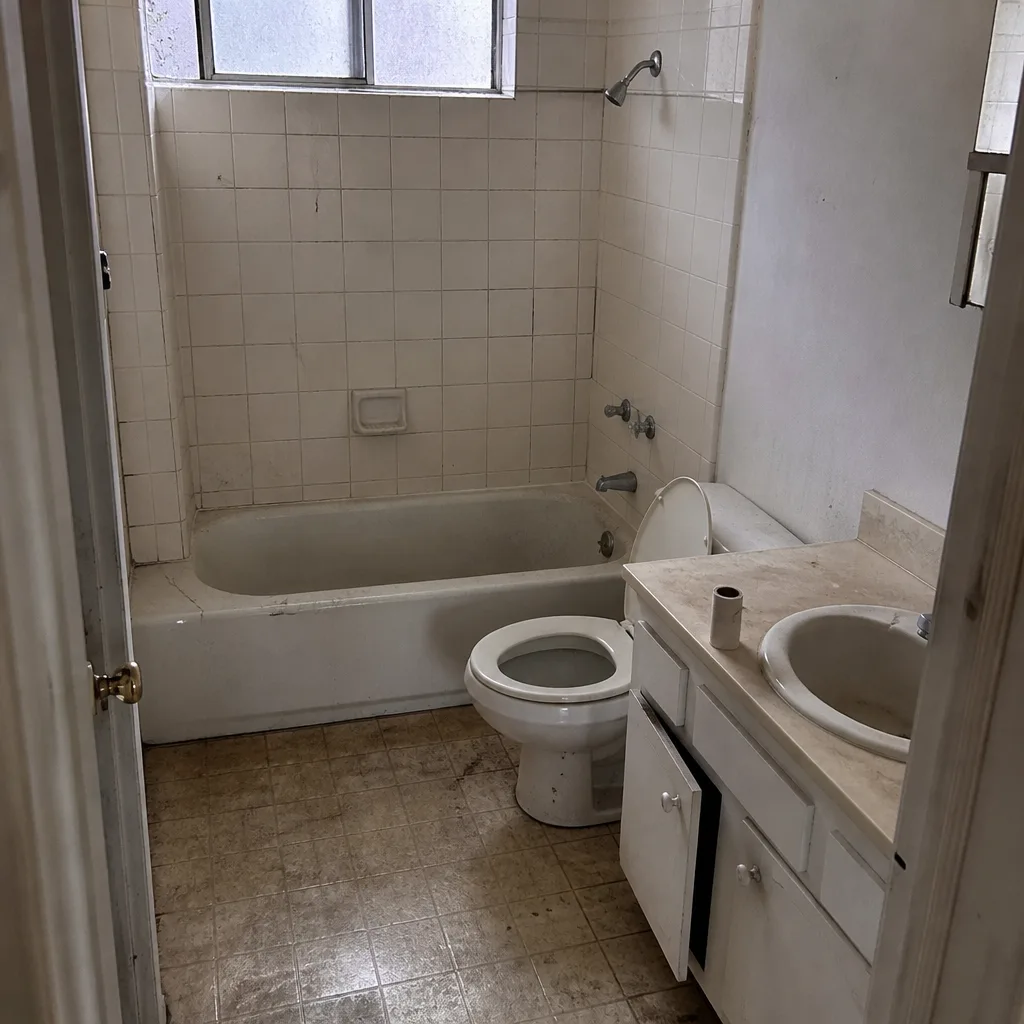 Before
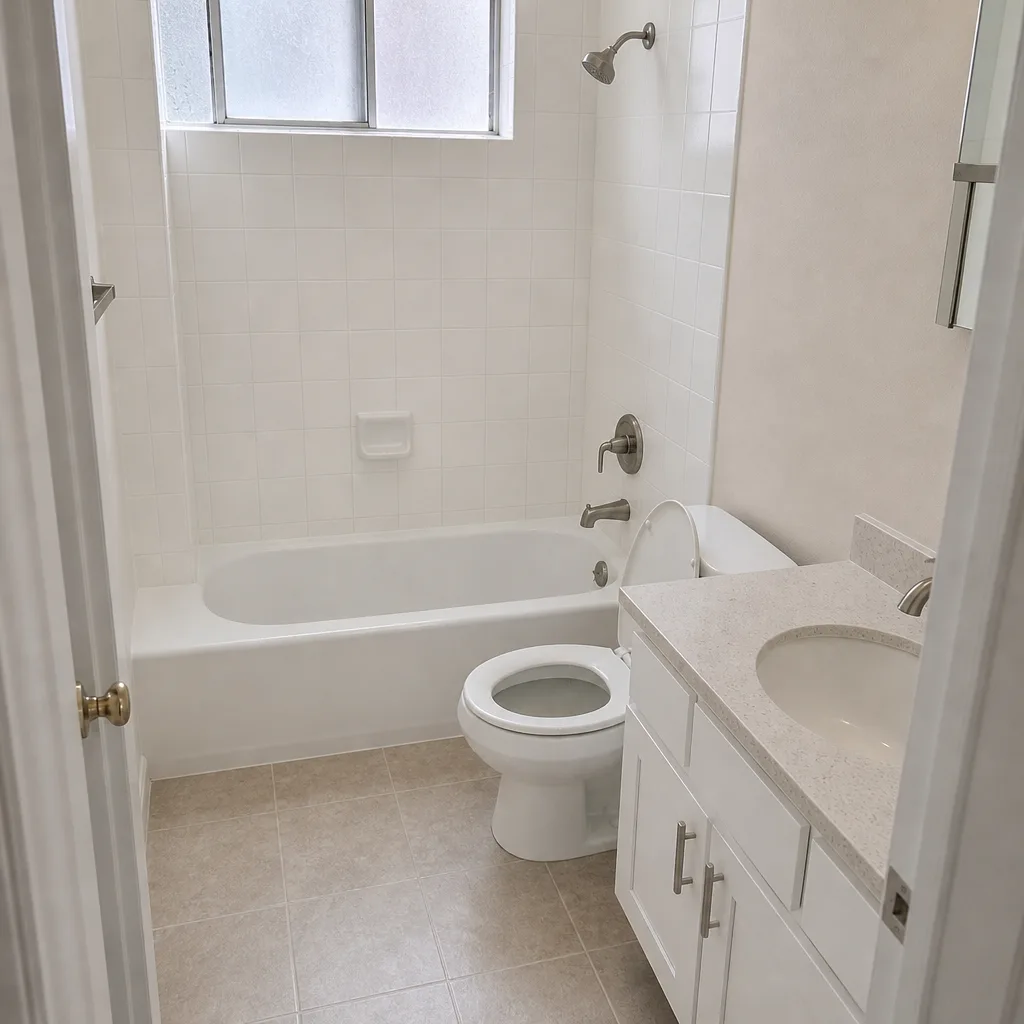 After
When to Call a Professional
Call a professional the moment a sign involves water, daylight, or glass that’s moved. Those three don’t get better with time – they get expensive. If your drywall is soft, your door won’t latch, or a window has fogged or cracked, get eyes on it this week. If the issue looks like a seasonal adjustment or weatherstripping, a pro can still save you from replacing a window that only needed a seal. Groundwork Construction Co. of Enterprise offers free estimates in Enterprise – call (844) 797-4406. Our technicians have up to 12 years of experience, all work is backed by the 730-Day Done Right Promise, and a live person answers the phone 24/7.
Frequently Asked Questions

Condensation or fog trapped between the panes of double-pane glass is the single most common sign, and it means the hermetic seal has failed. Once that seal goes, the insulating gas escapes and the window loses its thermal value. Call us for a free assessment before the seal failure turns into an energy drain.
No, it’s not an emergency, but it shouldn’t wait more than a few months. The failure is gradual, so the energy loss compounds quietly. Treat it as a “schedule within 90 days” item and get a quote for the replacement.
Press the area with a knuckle and check for a brown tide-line. A dull, hollow crunch means the drywall is wet; a firm tap with a faint ring usually means old paint. When in doubt, call us – a free estimate will settle it.
Heat and seasonal moisture make wood swell, so the same frame fits snug in July and loose in January. If the sticking gets worse year over year, the frame’s seal is degrading, and a professional adjustment early keeps you out of a larger repair.
Most single-window replacements land in the few-hundred to low-thousands range depending on size, glass package, and frame type; a full exterior door runs higher. We quote line-item and upfront, with no-hassle pricing you can plan around. Call (844) 797-4406 for an exact number for your home.
Yes. When code requires a permit for a replacement scope, we pull it and pass inspection, and we write the permit line into the proposal up front. That transparency is part of the 730-Day Done Right Promise – if it’s not done right, we make it right.
The Bottom Line
Almost every expensive window and door problem in Enterprise shows up as a quiet, visible clue months before it becomes a bill. Fog inside glass, a faint drywall ring, a door that sticks in one season – these are the early warnings, and knowing how to read them is the whole game. Sort each finding by urgency, run the 20-minute walk-through once a season, and demand flashing specs and a permit line in every proposal you’re handed. Call Groundwork Construction Co. of Enterprise at (844) 797-4406 for a free estimate. Upfront pricing, 0% financing for 18 months, and $1,000 off projects over $10,000 when you’re ready to act.
If you’re planning a larger improvement around the work, our parent team at Groundwork Construction Co. of Enterprise home covers every trade, and a Home Additions & ADU in Enterprise project is a natural time to upgrade the openings that come with it.
Written by the team at Groundwork Construction Co. of Enterprise.