Free written scope consultation - allowances, timeline, and change-order rules on paper before a single trade is scheduled
Styles & brands we work with
- Kitchen remodeling
- Bathroom remodeling
- Home additions & ADU
- Roofing
- Windows & doors
- Driveway & pavers
- Fence
See the difference
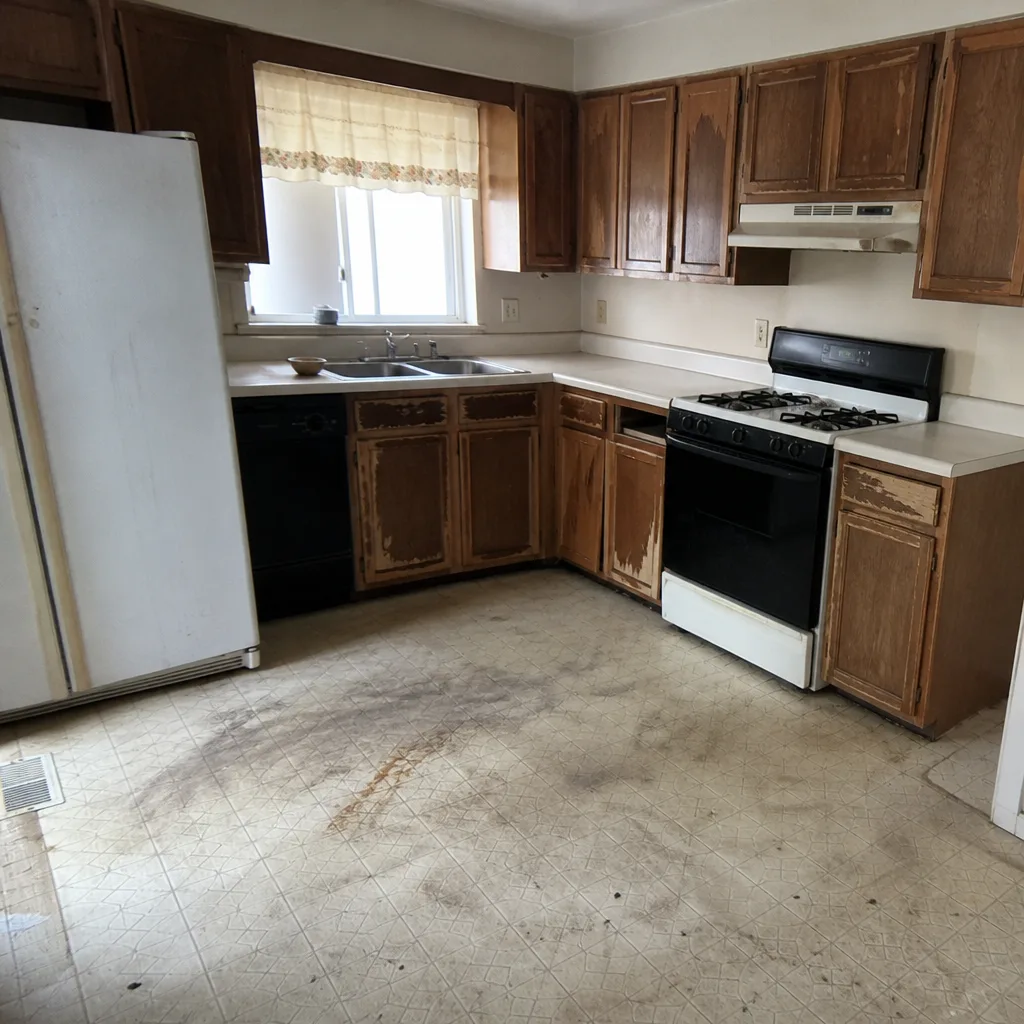 Before
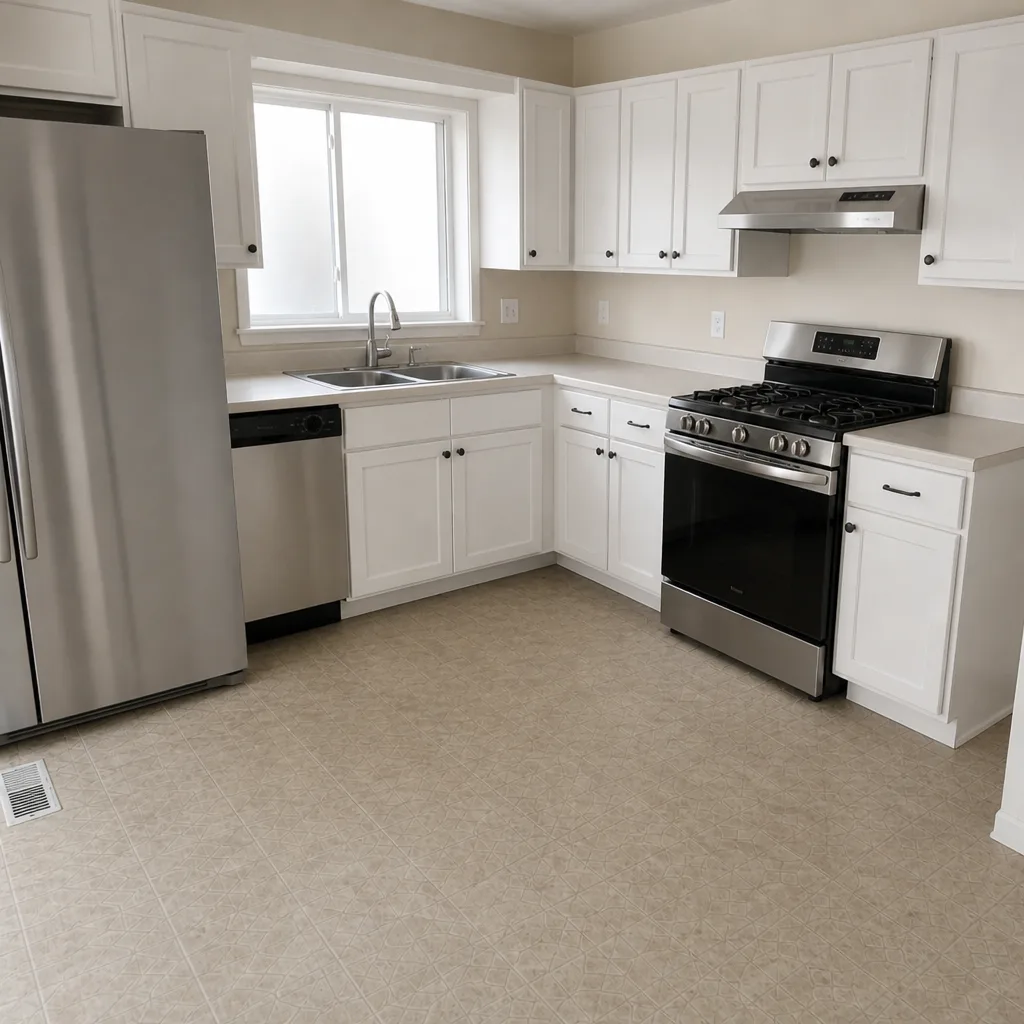 After
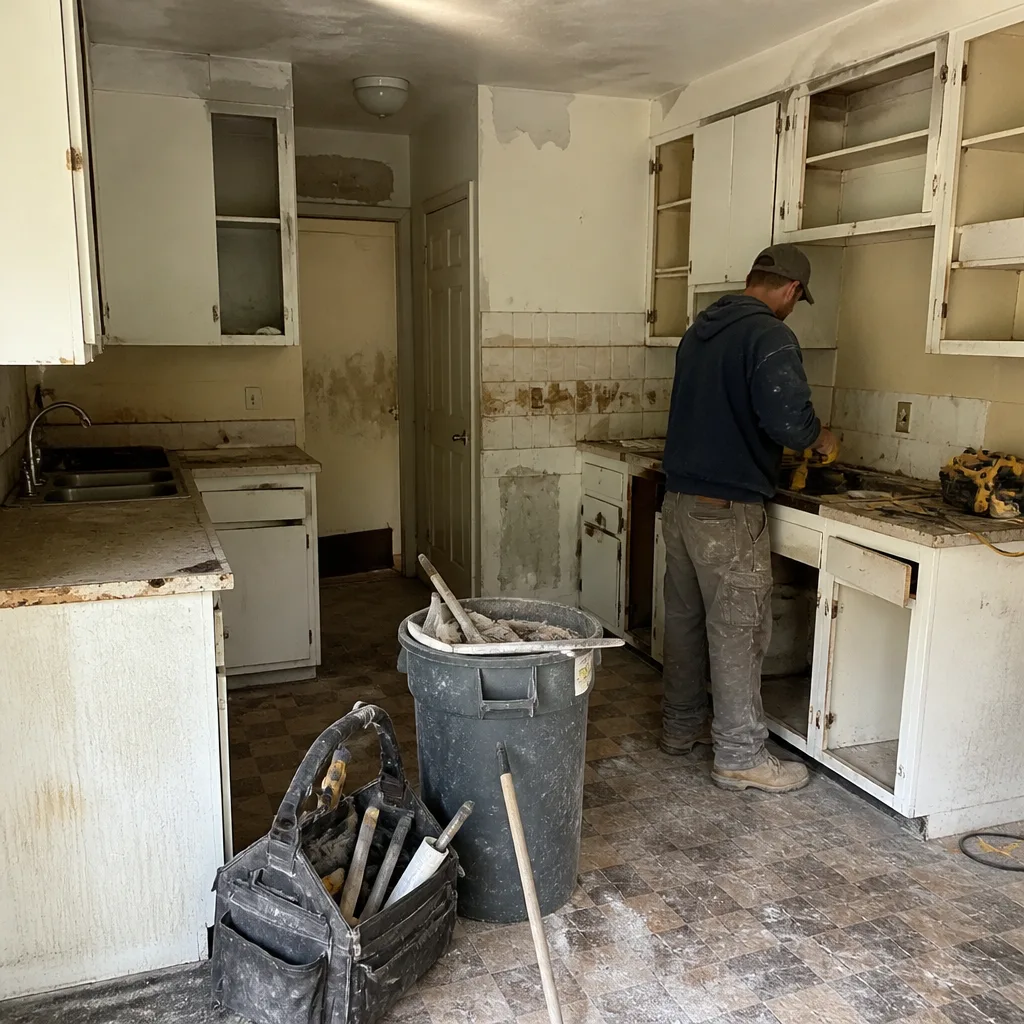 Before
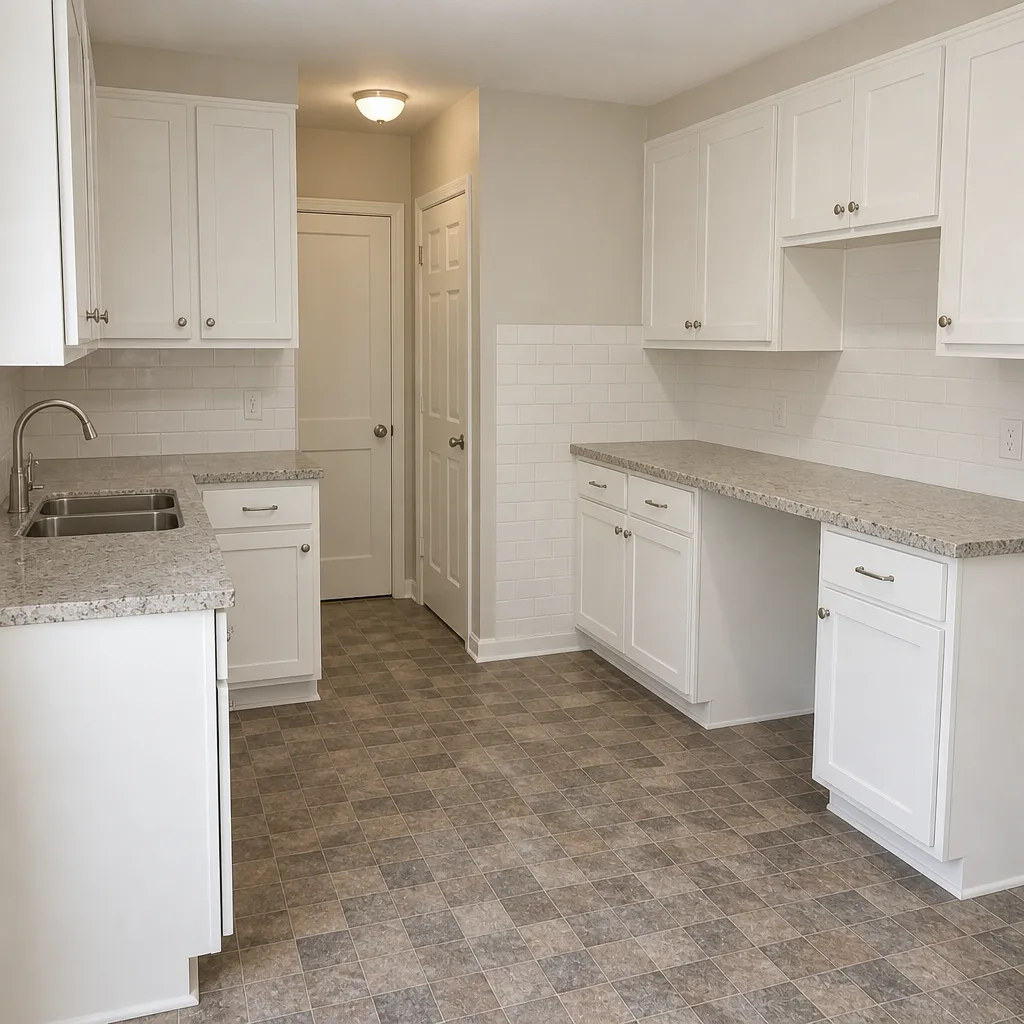 After
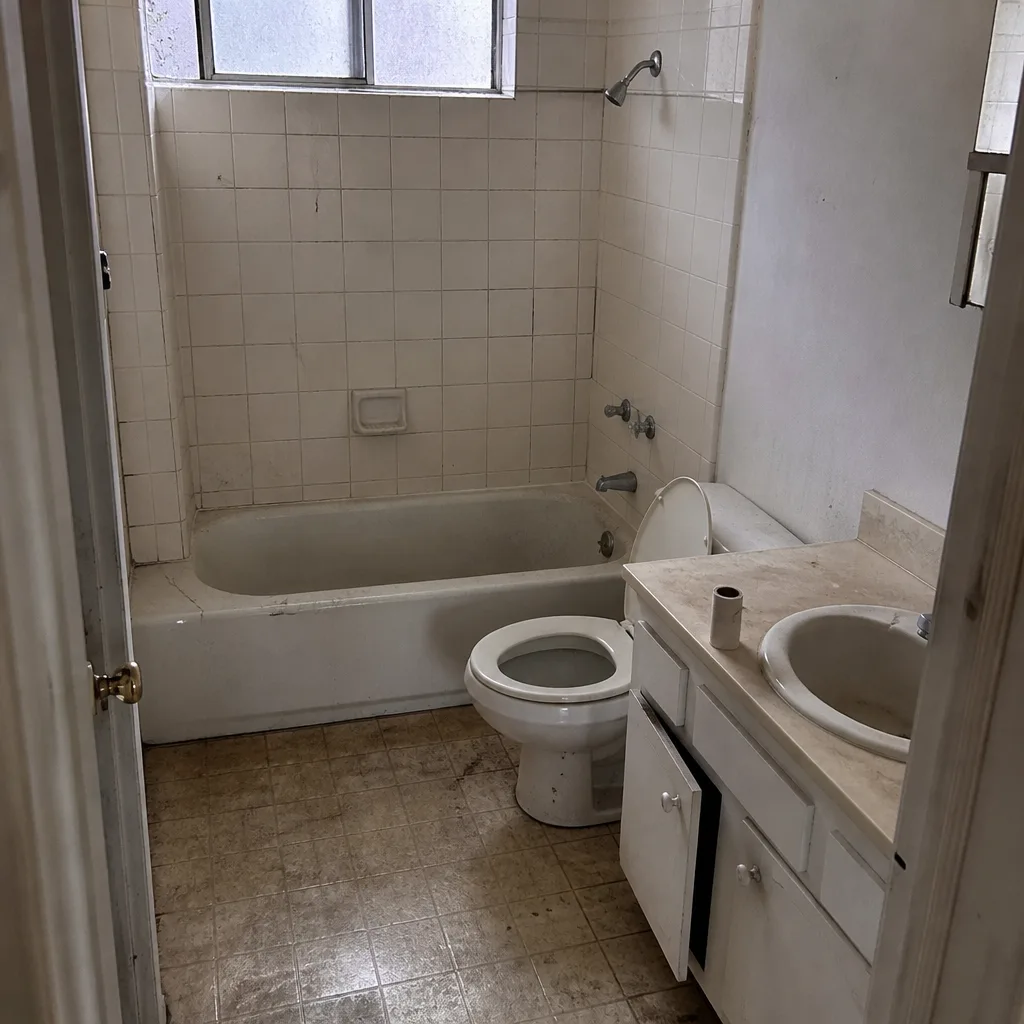 Before
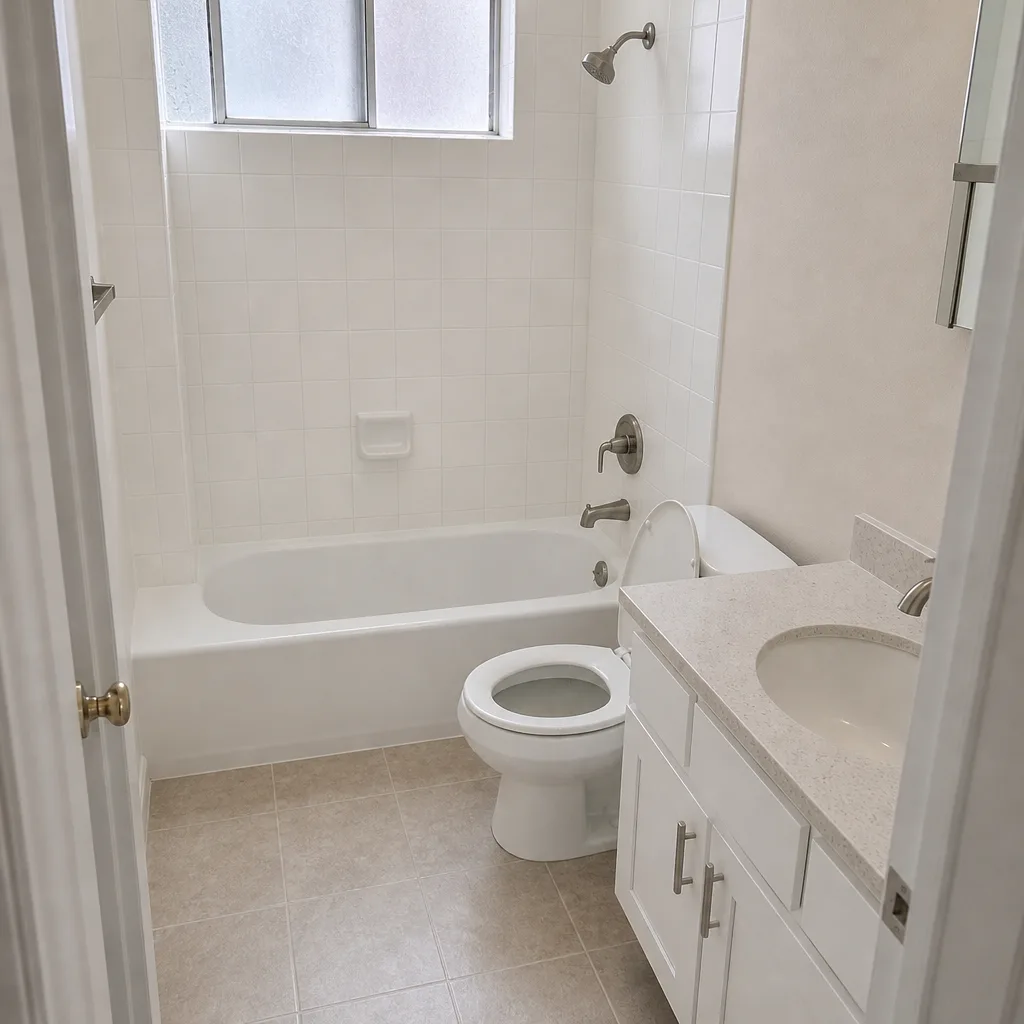 After
Tile vs Vinyl Plank Kitchen Flooring in Enterprise, NV: Choose Porcelain Tile Unless Your Kitchen Stays Cool and Occupied Year-Round
For most Enterprise kitchens, large-format porcelain tile is the better floor. Not because vinyl plank is a bad product, but because the desert installation conditions here break it. Choose luxury vinyl plank only if your kitchen stays climate-controlled and occupied through the summer and you insist on a specific installation protocol that most crews skip. If you leave for California in July and come back in August, choose tile. To talk through your specific kitchen, call Groundwork Construction Co. of Enterprise at (844) 797-4406 for a free estimate.
Key Takeaways
- Porcelain tile expands and contracts roughly 5-8x less than luxury vinyl plank under the same heat load.
- South- and west-facing kitchens in Enterprise sit on slabs that can reach 85-100°F surface temperature in peak summer.
- A floating LVP floor without proper expansion gaps will buckle, gap, or delaminate within 2-4 years in an unoccupied desert home.
- 24×24 rectified porcelain is the standard that holds up in this market.
- Groundwork backs tile installation against grout failure, lippage, and adhesive bond issues under the 730-Day Done Right Promise.
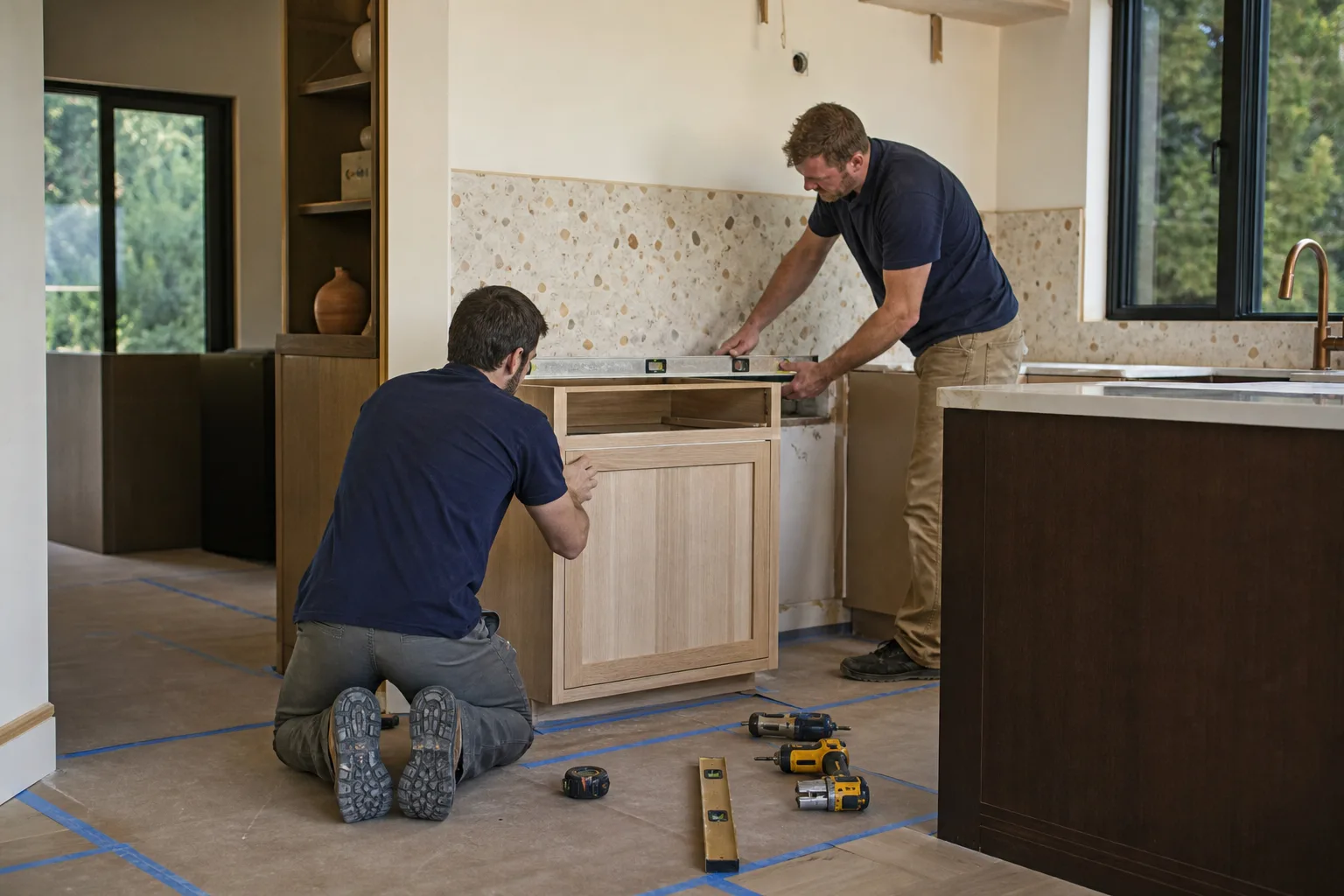
The Problem With Vinyl Plank in an Enterprise Kitchen
Luxury vinyl plank looks great on day one. Then summer comes, your AC is off for a week while you’re visiting family, your slab climbs toward 95°F, and you walk back into a kitchen floor that looks like a topographic map. This is not a product failure. It’s a desert installation failure, and it shows up constantly in Enterprise homes.
Here’s the physics. Concrete slabs in an unshaded Nevada desert reach 85-100°F surface temperature during peak summer, and south- and west-facing rooms run hottest because they catch the afternoon sun full-on. LVP has a thermal expansion coefficient roughly 5-8 times higher than porcelain tile. That means when the slab heats up and the kitchen cools down, the plank is moving far more than the tile ever will. Without a true 1/4-inch expansion gap at every wall and every transition, the planks push against each other, ride up at the seams, and buckle. The edges lift. The wear layer separates from the core.
We see this most in the master-planned subdivisions across Enterprise where homes go unoccupied for weeks at a time during the hottest months. The swing between a 110°F shut-up house and a 72°F air-conditioned living temperature is a stress test that floating LVP simply isn’t built for unless it’s installed correctly, and most crews don’t.
Why Porcelain Tile Wins This Climate
Large-format porcelain tile barely moves in the heat. Its thermal expansion is minimal, its color is UV-stable so it won’t fade under a west-facing window, and it stays cool underfoot in the summer, which is a real comfort benefit in a desert kitchen, not a marketing line. It won’t gap, buckle, or delaminate from the temperature swings that wreck LVP.
In this market, 24×24 rectified porcelain is the standard that holds up. The rectified edge means tighter grout joints and a flatter finished surface, and the larger format cuts down on grout lines, which means less to keep clean and fewer seams to fail. Set over a properly prepped slab with the right mortar, it’s a floor that will outlast the rest of the kitchen.
For the full picture of how a kitchen floor fits into a larger renovation, see our Kitchen Remodeling page, and browse the broader scope of work through our Kitchen Remodeling in Enterprise resource.
When Vinyl Plank Is the Right Call
Vinyl plank has a fair defense, and we’ll give it to you straight. In climate-controlled spaces that never go unoccupied for extended periods, with proper installation protocols, LVP performs adequately and costs less going in.
The difference between a 10-year LVP floor and a 2-year replacement comes down to installation:
- Full-spread adhesive instead of floating. A glued-down plank moves far less than a floating floor. This is the single biggest factor.
- Mandatory expansion gaps. A true 1/4-inch at every wall and transition, not the “close enough” gap many crews leave.
- Substrate flatness. Slabs need to be flat to the manufacturer’s tolerance before a plank goes down. High or low spots telegraph through and start the failure.
- Acclimation. Planks need to sit in the room at install temperature before they’re locked in, and that step gets skipped on fast jobs.
We’re careful about substrate prep because that’s where floors fail, and concrete products from brands like Quikrete and Sakrete are what we reach for when a slab needs leveling or patching before either floor goes down.
Side-by-Side: Porcelain Tile vs Vinyl Plank for an Enterprise Kitchen
| Factor | Porcelain Tile (24×24) | Luxury Vinyl Plank |
|---|---|---|
| Thermal expansion | Minimal | 5-8x higher than tile |
| Risk in unoccupied summer home | Low | Buckling, gapping, delamination in 2-4 years |
| Underfoot in summer | Cool | Neutral |
| UV / color fade | Stable | Can fade near sun-exposed glazing |
| Scratch resistance in high traffic | High; resists grit | Wear layer dulls over 3-5 years |
| Best install method here | Mortar-set over prepped slab | Full-spread adhesive, 1/4″ gaps, flat substrate |
| Typical kitchen floor installed | Higher | Lower |
For a full kitchen remodel in Enterprise, our range runs $14,000-$45,000, and a smaller kitchen scope lands at $9,000-$20,000. Flooring is one line inside that number, and we give you upfront pricing so the number you see is the number you pay.
Maintenance Reality in a Desert Household
Enterprise homes pull in Mojave dust and grit constantly, and that grit acts like sandpaper underfoot. Porcelain’s hard surface resists the micro-scratching that slowly dulls an LVP wear layer over 3-5 years in a high-foot-traffic kitchen. That scratching is cosmetic, but it’s what makes a vinyl floor look old before its time. Tile keeps its finish, and a damp mop handles the dust without any special product.
How Groundwork Handles the Floor
We’ve been building and remodeling in this market since 2014, and our technicians have up to 12 years of experience. Every project is covered by the 730-Day Done Right Promise: if it’s not done right, we make it right. On tile work, that guarantee covers grout failure, tile lippage, and adhesive bond issues for two years. In a climate where thermal stress tests every installation joint, that’s not a throwaway line. It’s the part of the job that actually matters when the summer comes back around.
Calls are answered by a live person 24/7, so you won’t hit voicemail when a floor decides to fail on a Sunday. Technicians are background-checked and arrive in uniform. We also offer 0% financing for 18 months and $1,000 off projects over $10,000, which makes a larger remodel easier to budget.
If the floor is part of a bigger project, we cover the whole scope from the home outward. Groundwork is a full-scope partner across seven trades, so one contractor handles the floor, the cabinets, and the countertop instead of three crews fighting over the same schedule.
Common Local Scenarios We See in Enterprise
Enterprise is Las Vegas’s southwest growth corridor, where the housing stock is overwhelmingly 1990s-to-present stucco-and-tile suburban homes, so the floors we’re replacing are usually original builder-grade, not historic material. A few situations come up again and again:
- The snowbird kitchen. Homeowners who leave for weeks in summer come back to buckled floating LVP. In these homes, tile is the answer almost every time.
- The west-facing kitchen. Afternoon sun through a large slider heats the floor zone fastest. These rooms punish LVP first.
- The high-traffic family kitchen. Grit and constant foot traffic dull an LVP wear layer within a few years. Porcelain holds its finish.
- The tract-home upgrade. Newer homes in the master-planned communities often want the builder floor swapped for 24×24 porcelain as part of a kitchen refresh.
FAQs
Porcelain tile is the better choice for most Enterprise kitchens because it barely expands in the desert heat and won’t buckle or delaminate in an unoccupied summer home. Vinyl plank works only in climate-controlled, continuously occupied kitchens with a proper installation. Call (844) 797-4406 for a free estimate on either option.
Vinyl plank buckles because it expands 5-8 times more than tile when a slab heats up, and without a full 1/4-inch expansion gap at every wall and transition, the planks push against each other and ride up. South- and west-facing kitchens on slabs reaching 85-100°F are the most vulnerable. Call (844) 797-4406 to have your floor assessed.
A full kitchen remodel in Enterprise runs $14,000-$45,000, with a smaller kitchen scope at $9,000-$20,000, and the floor is one line within that total. Groundwork gives you upfront pricing and offers 0% financing for 18 months plus $1,000 off projects over $10,000. Call (844) 797-4406 for an exact quote; estimates are free.
Yes, LVP can last in an Enterprise kitchen when it’s full-spread glued to a flat substrate with proper expansion gaps and acclimation, rather than floated. The difference between a 10-year floor and a 2-year replacement is almost entirely the installation. Call (844) 797-4406 to talk through which method fits your kitchen.
Let’s Get Your Kitchen Floor Right
If you’d rather have it looked at, Groundwork Construction Co. of Enterprise offers a no-pressure assessment in Enterprise. We’ll tell you honestly whether your kitchen needs tile or can handle plank, and we’ll put the workmanship guarantee in writing. Call (844) 797-4406 for a free estimate. Upfront pricing, no surprises.
Written by the team at Groundwork Construction Co. of Enterprise, serving Enterprise, NV.