
Free written scope consultation - allowances, timeline, and change-order rules on paper before a single trade is scheduled
Styles & brands we work with
- Kitchen remodeling
- Bathroom remodeling
- Home additions & ADU
- Roofing
- Windows & doors
- Driveway & pavers
- Fence
See the difference
 Before
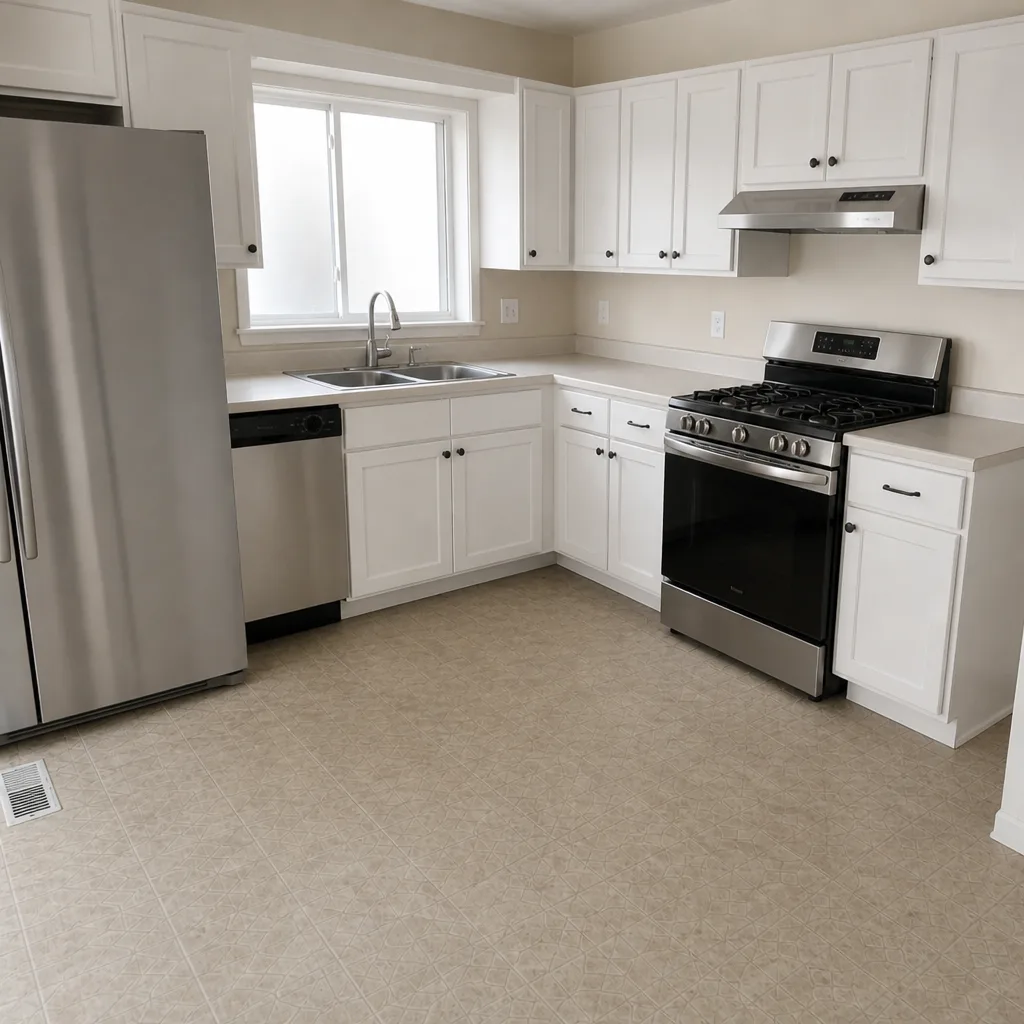 After
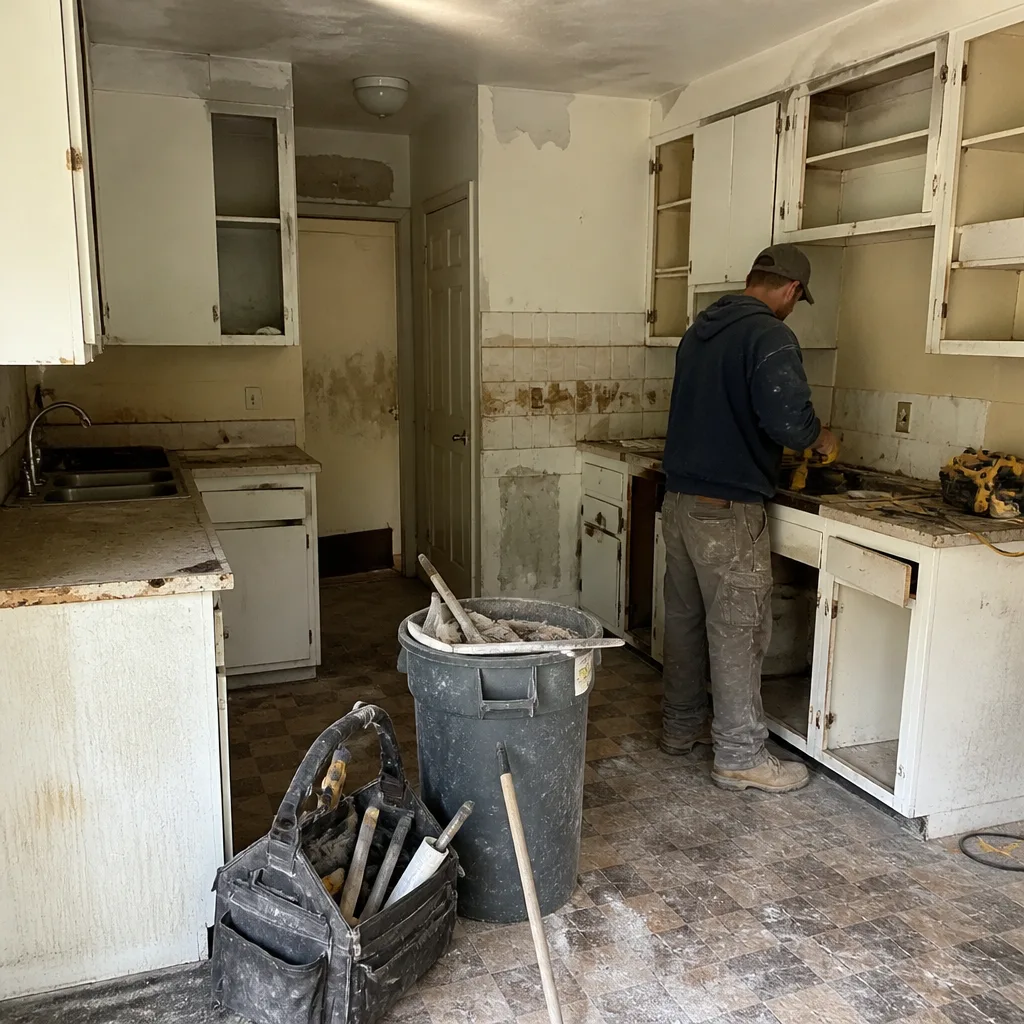 Before
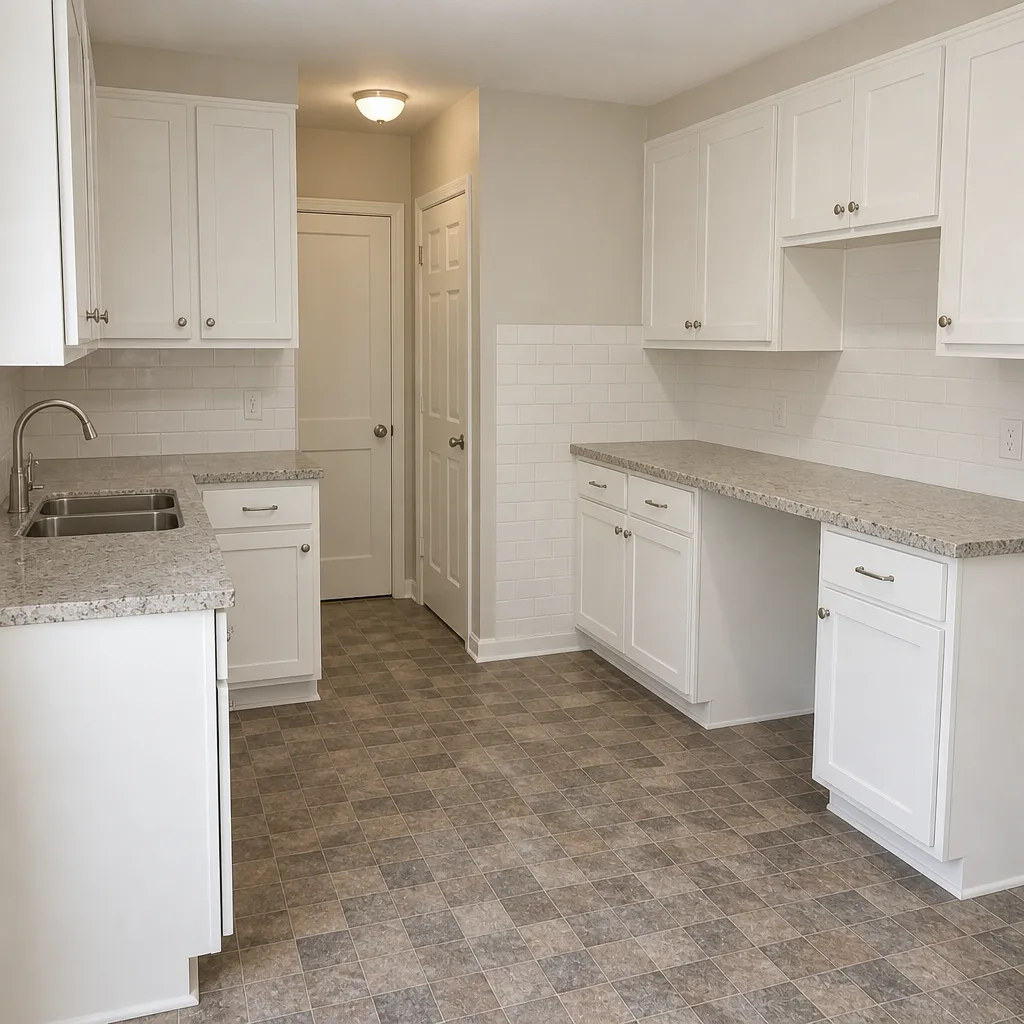 After
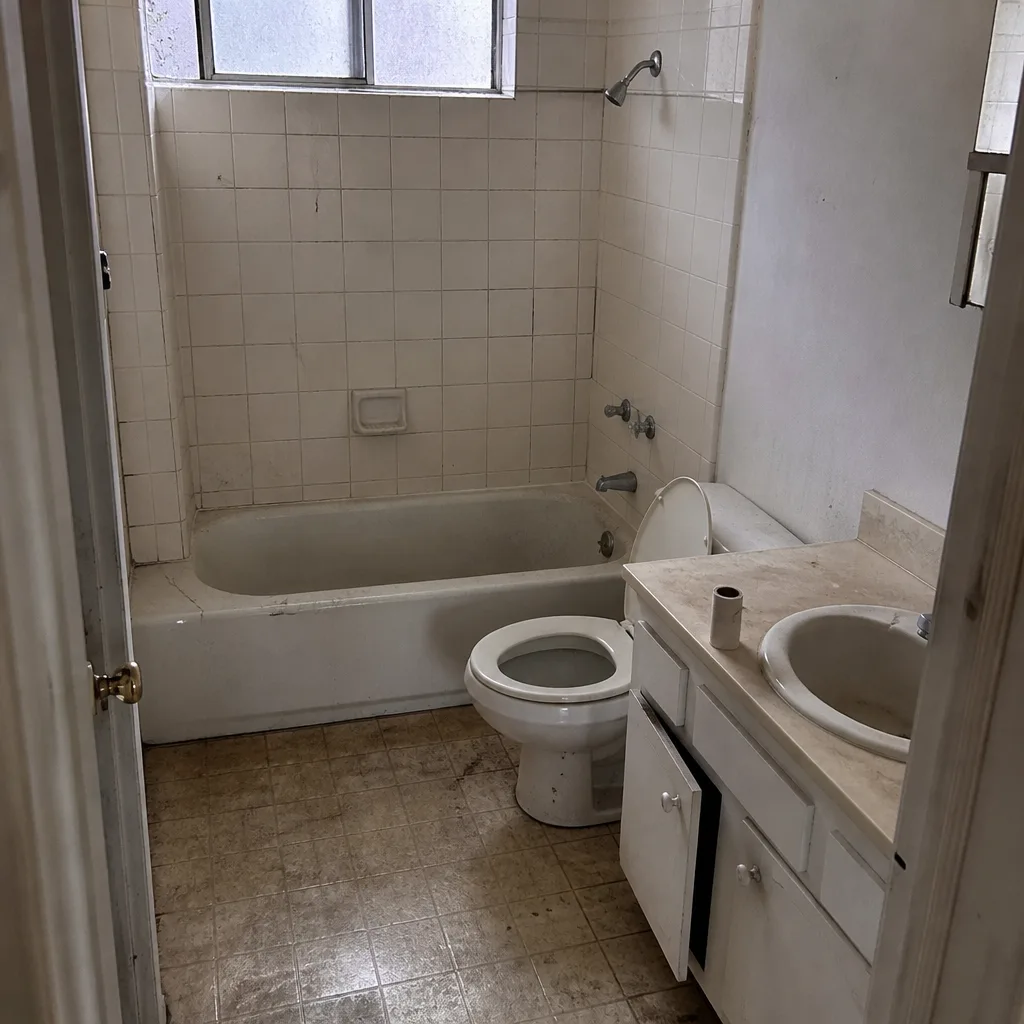 Before
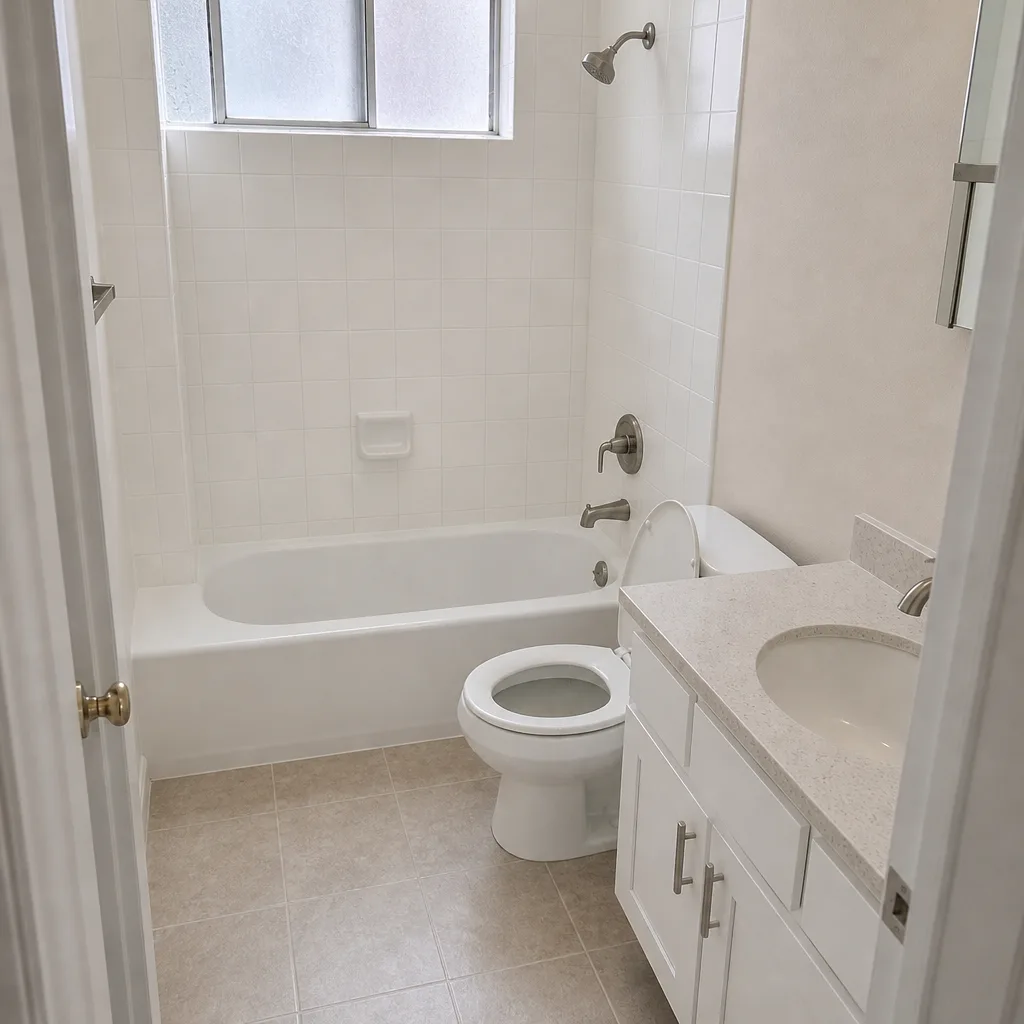 After
How Long Does a Tile Roof Last in Enterprise, NV?
The short answer: a quality clay tile roof lasts 50+ years and a concrete tile roof lasts 30-50 years, but the waterproofing under the tile usually fails long before the tile does. In Enterprise’s stucco-and-tile housing stock, the tile itself often outlives the underlayment beneath it by 15-20 years. If your home was built between 1995 and 2010, the roof you see and the roof that actually keeps water out may be on very different clocks. That’s the conversation the generic lifespan articles never have, and it’s the one we’ll walk through here.
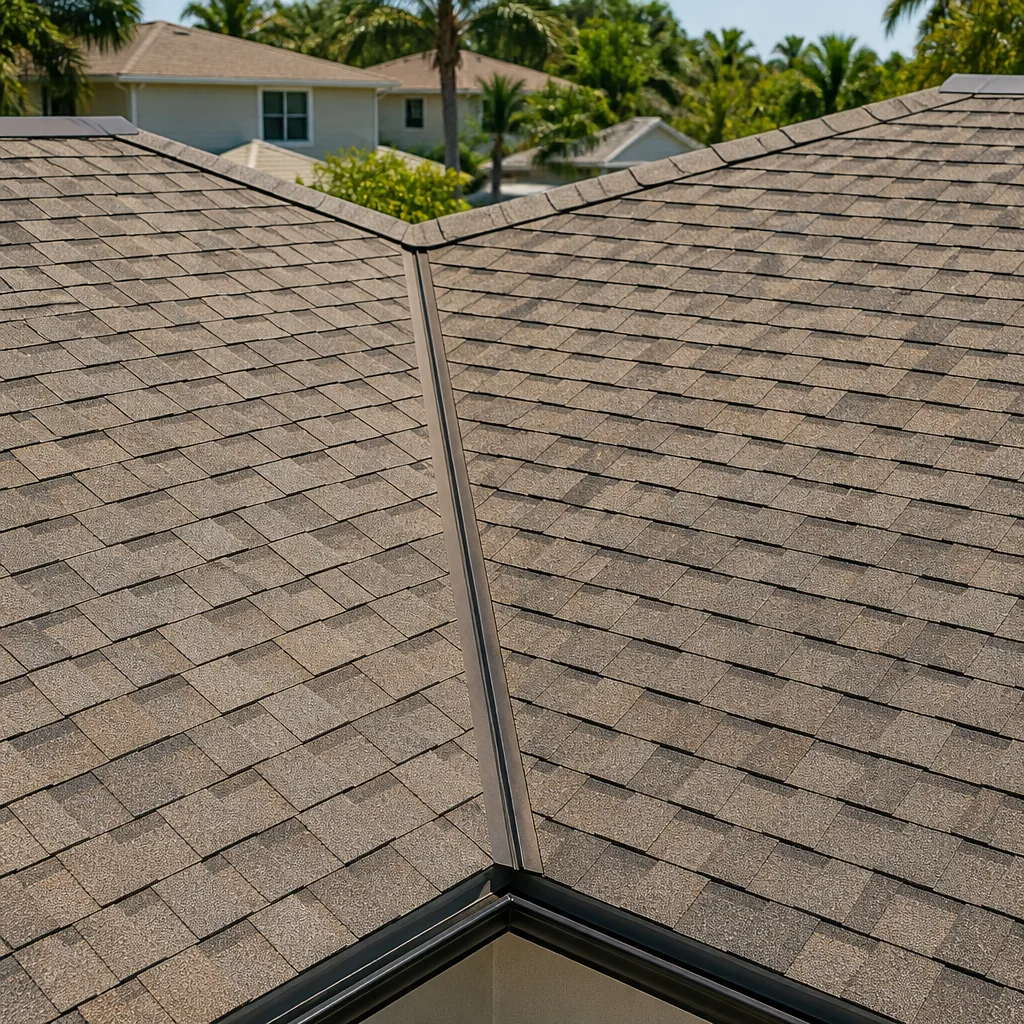
Here’s the system in plain terms. Tile is your first line of defense. It deflects sun, sheds rain, and takes the Mojave UV beating. The underlayment is the actual waterproofing layer, and it’s the part nobody sees. Read one of those “50-year roof” charts and you’ll assume you’re covered until 2045. In a Southern Highlands or Mountain’s Edge home built in 2003, you probably aren’t. Reach us at (844) 797-4406 with your build year and we’ll tell you what we’d want to check first.
Why the Tile and the Underlayment Age on Different Schedules
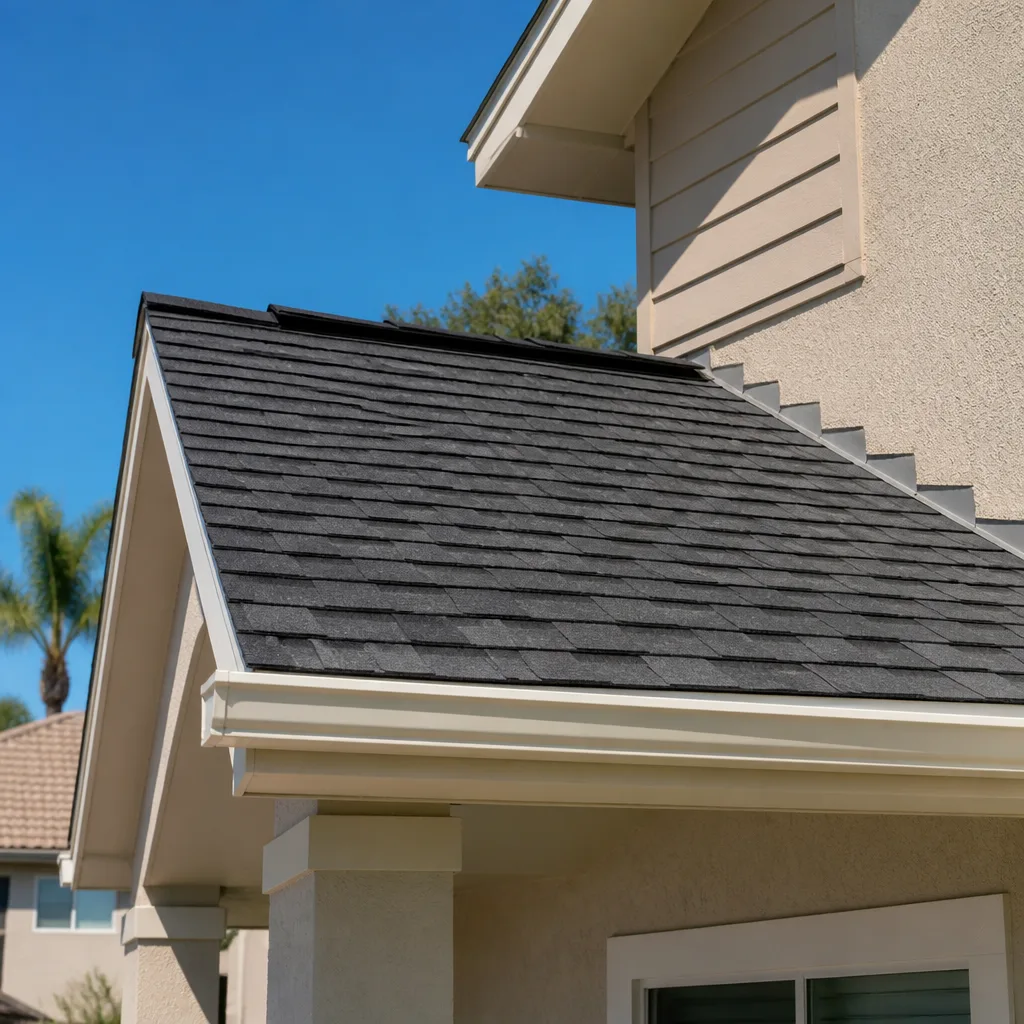
In July, attic air temperatures in Enterprise stucco-and-tile homes routinely hit 160-170°F. That’s the environment your underlayment lives in. Standard ASTM D1970 modified bitumen is rated to 30 years in moderate climates, but in Mojave heat that functional life compresses to 15-25 years on a typical pitch, and closer to 15-20 years on south-facing roof planes that soak up the most afternoon sun. Pull the specs on paper and everything looks fine. Stand in a Nevada attic in August and the timeline resets.
- Clay tile: 50+ years, often longer; the tile itself will outlive the house around it if it isn’t cracked or broken.
- Concrete tile: 30-50 years depending on pigment and surface finish; fades before it fails, which is cosmetic, not structural.
- Modified bitumen underlayment: 15-25 years in the Enterprise heat.
- Metal or tile batten stripping: the oldest layer in many 1990s builds and often the first point of deterioration you’ll see at a valley.
The tile protects the underlayment. The underlayment protects the deck. When the underlayment dries out, cracks at a ridge, or loses adhesion along the valleys, water finds the deck and the interior. That’s why we replace failing underlayment at rates homeowners don’t expect, and why a roof that “looks fine” can leak into a closet at 3 a.m.
Why the Groundwater Layer on Foothill Lots Ages Faster Than Flat Lots
Enterprise isn’t flat central-valley infill. Subdivisions here push toward the Sloan and Blue Diamond foothills, which means sloped, engineered-fill pads and lots that back onto open desert. On a foothill slope, convective rain and monsoon downpours run fast and hard, and gravity doesn’t forgive a loose bitumen seam. That’s a different quality of demand than a house sitting on a flat interior lot. Standard tract homes built in the 1990s and 2000s used underlayment sized for typical rainfall patterns. In a monsoon year, that undersizing shows up as water intrusion along valleys and at the base of fire-defensible-space walls where the roof decks change fascia detail.
The other side of that equation is wildfire-defensible-space and ember-resistant detailing required where subdivisions back onto open land. That code path means ridge and valley flashing, vents, and roof-to-wall terminations on Enterprise slopes are held to a higher standard than most homeowners realize. When the underlayment underneath those details ages out, water can get behind ember-resistant terminations and start damaging the engineered-fill build-up from above.
Why a Tile-Over-Tile Overlay Rarely Makes Sense Here
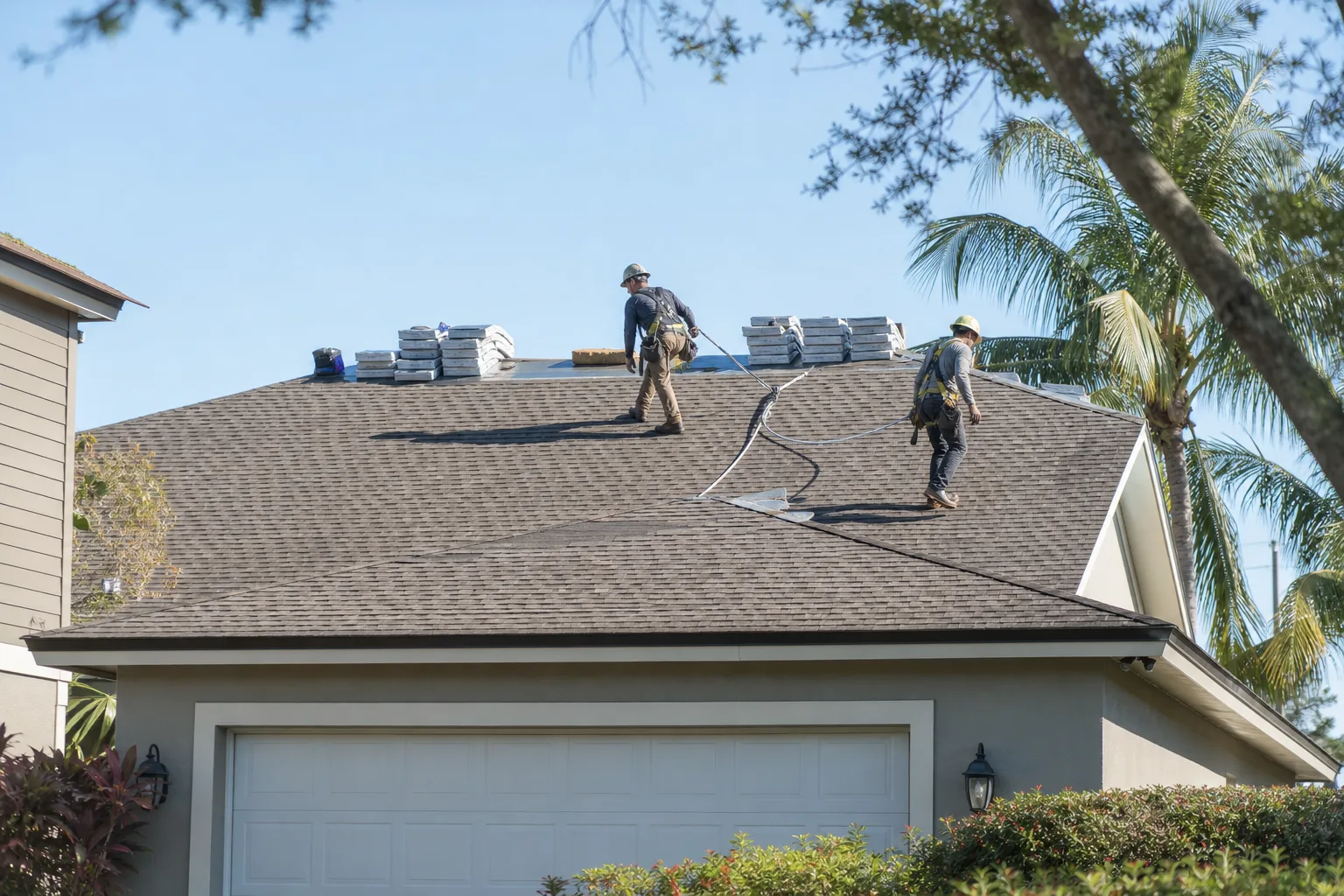
Overlays – laying new tile over the old tile and underlayment – look attractive on the bid and rarely work well in Enterprise. The existing mortar-set ridges and valleys on sloped foothill lots have fixed geometry. A valley that drains poorly at 2003-grade is still going to drain poorly after the overlay. The deck beneath it is the system that matters, and if the underlayment has been failing since 2018, that deck is holding moisture it shouldn’t. We’ve pulled tile on homes built before 2008 and found deck delamination in pockets that nobody suspected, because the tile above the deck looked perfect.
The only safe path on a sloped foothill lot is to strip the tile, inspect the deck for moisture damage, treat or replace the deck, and rebuild with a new underlayment and a code-compliant flashing system. That’s a bigger job but it’s the honest one, and it’s how a Roofing project actually holds. Everything else is a guess with the shingles still on.
What This Costs in Enterprise, and When to Pull the Trigger on Inspection
Here are the ranges Enterprise homeowners should expect, based on the footprint and system replacement scope we see in this market. Every one of these is a written, upfront number – the number you see is the number you pay.
| Roofing work | Typical Enterprise range |
|---|---|
| Tile Roof Repair (cracked/loose tile, flashing) | $600-$2,500 |
| Roof Repair (leaks, valley, gutter line) | $400-$1,800 |
| Roof Replacement (full strip, underlayment, tile) | $8,000-$20,000 |
| Metal Roof Installation (alternate on foothill lots) | $15,000-$40,000 |
The inspection trigger is straightforward. If your Enterprise home was built before 2008 and hasn’t had its underlayment replaced, it’s time to have someone look, not because the tile is failing but because the layer beneath it probably is. Homes built 1995-2010 at Southern Highlands or Mountain’s Edge are the exact profile. And if you’re seeing granules in gutters, dark streaks at valleys, or a faint musty smell in the attic after a storm, the timing has moved up.
Groundwork Construction Co. of Enterprise puts an upfront number on that assessment, so the inspection converts to a written system-replacement quote without guesswork about whether $8,000 or $20,000 is the real number. Our work is covered by the 730-Day Done Right Promise, which covers the full roofing system – including the underlayment, the deck, and the flashing – not just the visible tile. That’s the part most roof warranties go quiet on. Call us for a project on the Enterprise service area page, or reach the home team for the full scoping conversation, and anyone on the team will pick up, 24/7. Our technicians have up to 12 years of experience, and every one of them shows up background-checked and in uniform. If your home was built well before 2008, ask about GAF or Owens Corning system components while you’re at it – those are the brands we trust underneath the tile.
FAQs
A quality clay tile roof in Enterprise lasts 50+ years, and concrete tile lasts 30-50 years. The underlayment beneath the tile is the real limiting factor in Mojave heat, and it typically lasts 15-25 years. Call (844) 797-4406 for a free evaluation – the answer depends on your build year and roof pitch.
Probably yes – at minimum, it’s due for an underlayment inspection. Homes built in the 1995-2010 window at Mountain’s Edge and Southern Highlands frequently need the underlayment replaced before the tile fails. Our upfront pricing makes this a written quote, not a phone estimate – call (844) 797-4406.
Sometimes, if the underlayment is intact and the deck is dry. But on a sloped foothill lot, we recommend a strip-and-inspect before committing, since hidden deck moisture is common on roofs this old. Call (844) 797-4406 and we’ll tell you what the inspection shows – no pressure, no guesswork.
Repair wins on isolated issues; replacement wins when the underlayment is failing across the roof. Our tile repair runs $600-$2,500, and a full roof replacement runs $8,000-$20,000. Call (844) 797-4406 for an exact quote – estimates are free.
If you’d rather have it looked at, Groundwork Construction Co. of Enterprise offers a no-pressure assessment in Enterprise – call (844) 797-4406. We’ll check the tile, the underlayment, and the deck, put the findings in writing, and give you a straight answer about what needs to happen next, backed by the 730-Day Done Right Promise.
Written by the team at Groundwork Construction Co. of Enterprise, serving Enterprise, NV.