




Free written scope consultation - allowances, timeline, and change-order rules on paper before a single trade is scheduled
Styles & brands we work with
- Kitchen remodeling
- Bathroom remodeling
- Home additions & ADU
- Roofing
- Windows & doors
- Driveway & pavers
- Fence
See the difference
 Before
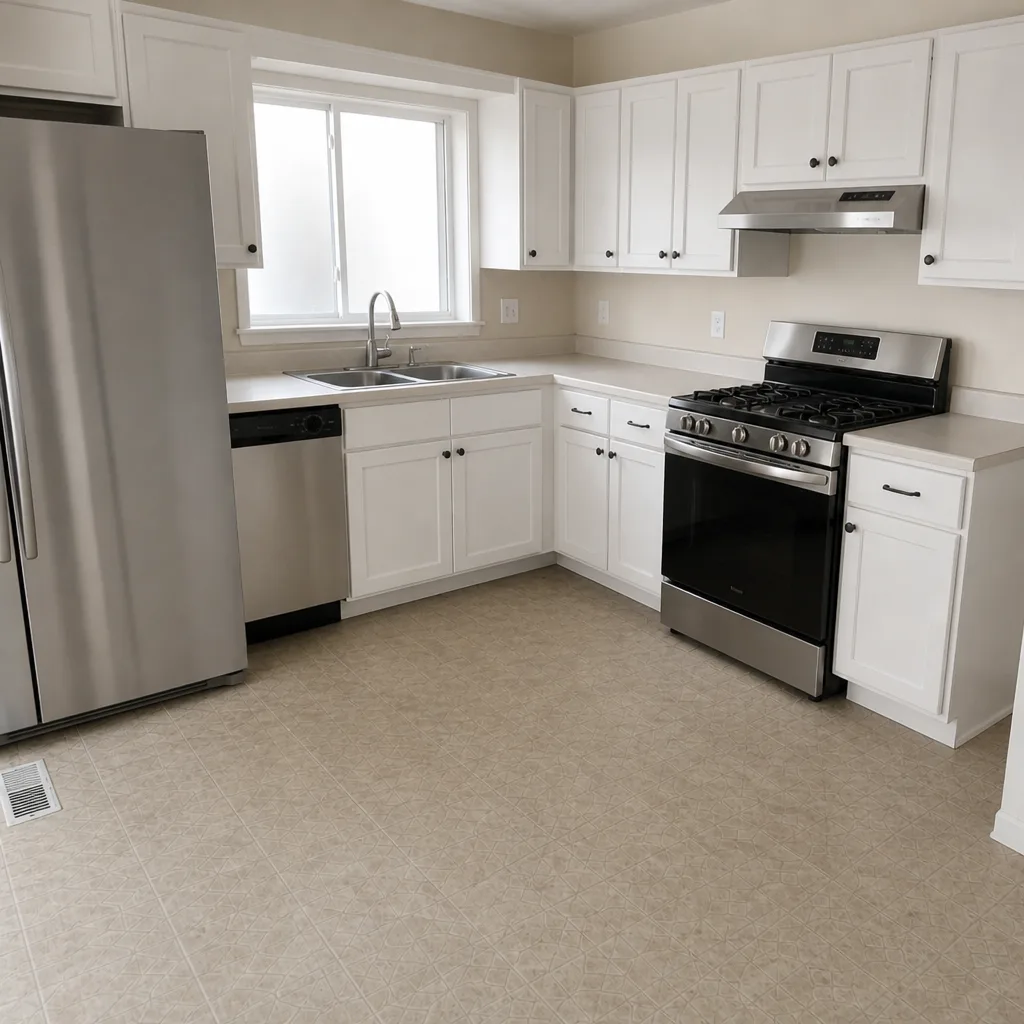 After
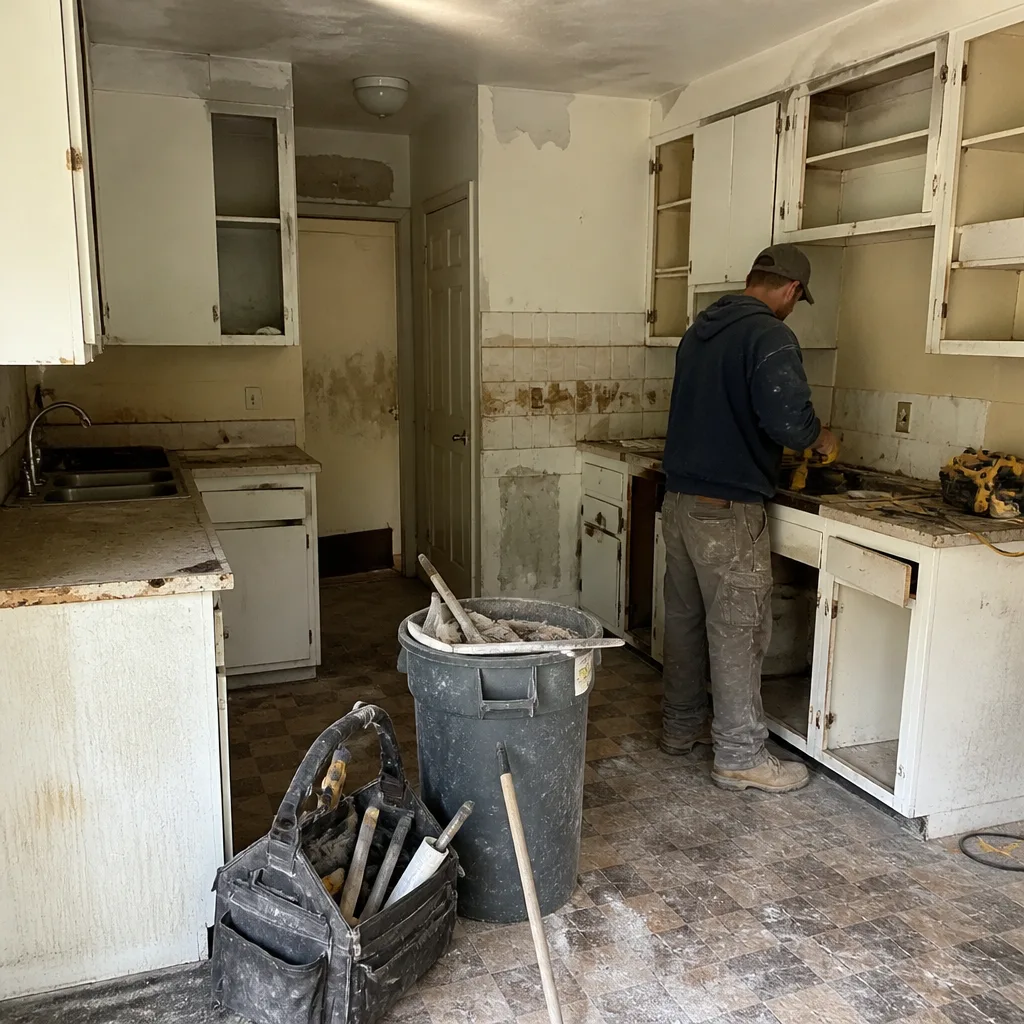 Before
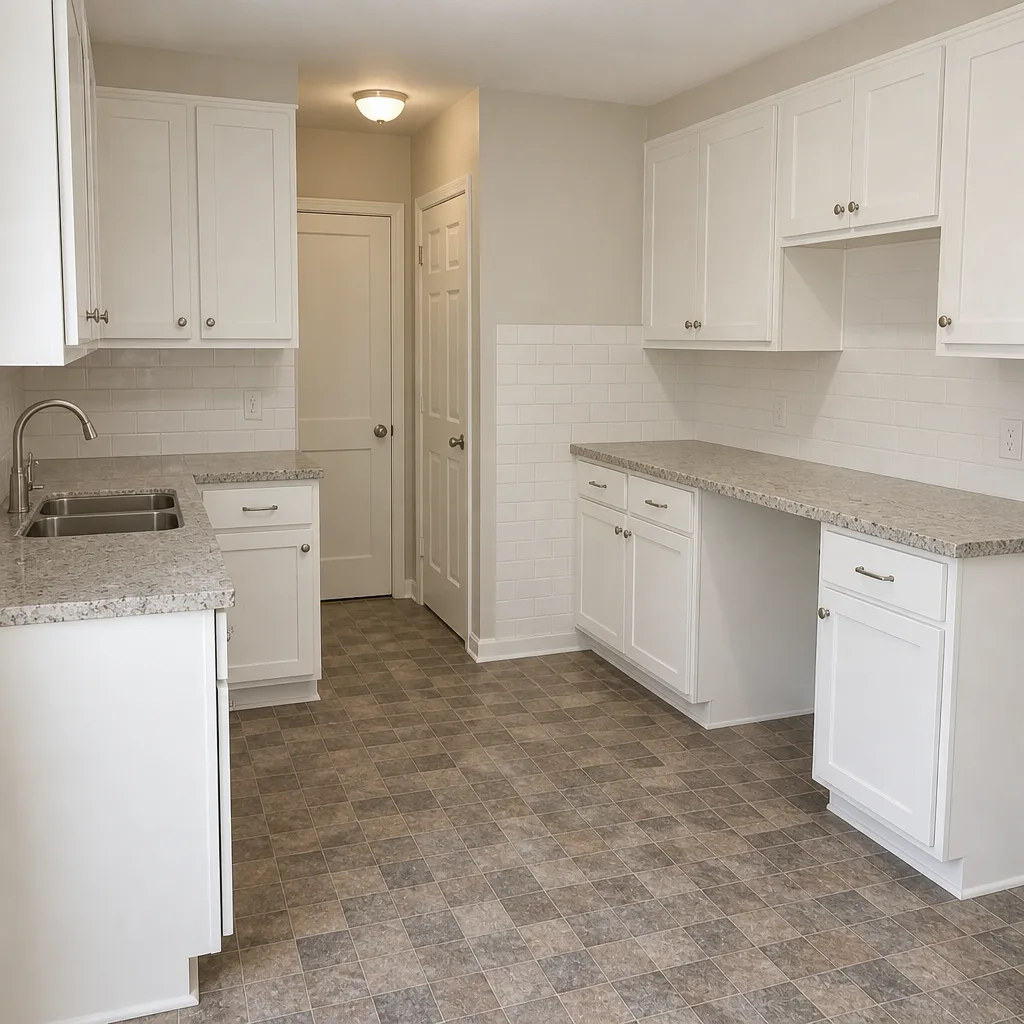 After
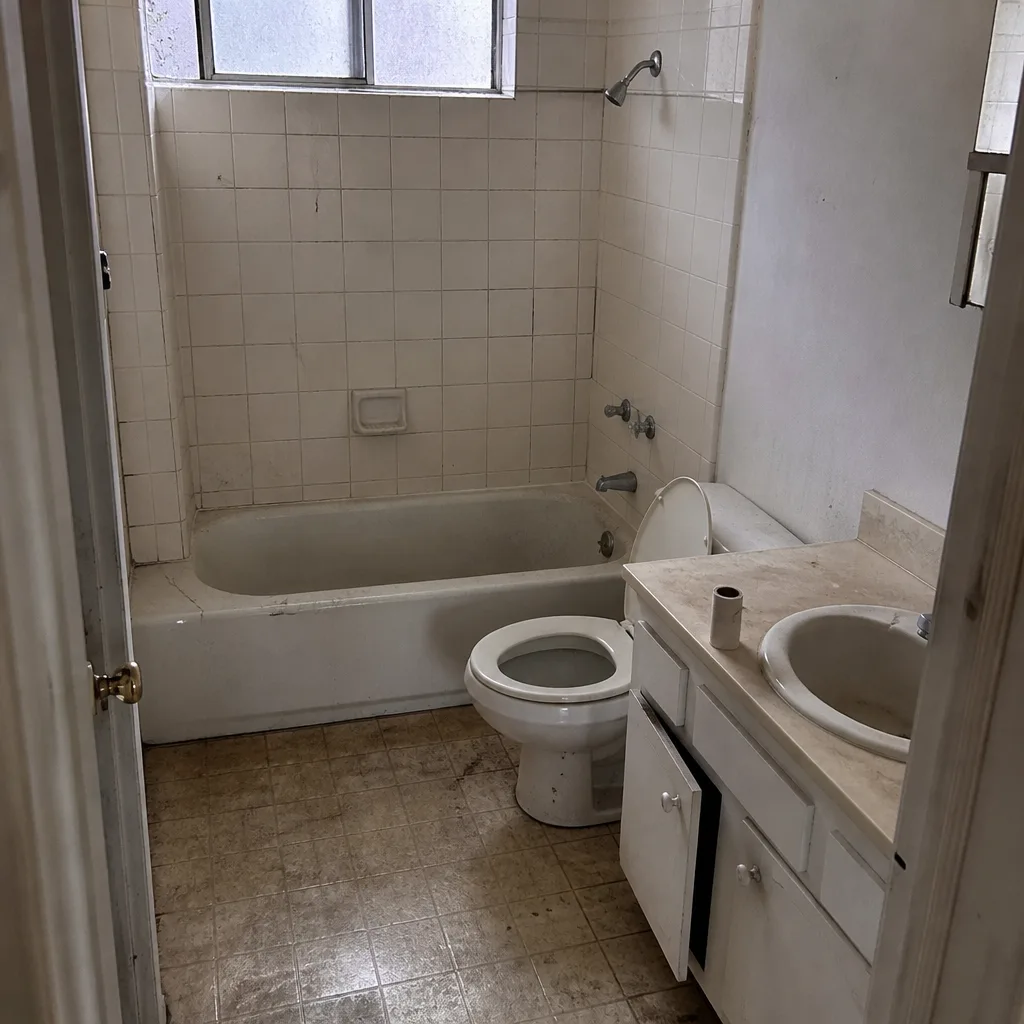 Before
 After
What Is a Miami-Dade NOA? The Straight Answer for Enterprise, NV Homeowners
A Miami-Dade NOA (Notice of Acceptance) is a product approval document issued by Miami-Dade County’s Product Control Section. It certifies that a building product – usually a window, door, or shutter – has passed the impact and wind-load testing required by the Florida Building Code for High-Velocity Hurricane Zones. It is a Florida county document, not a national standard, and Clark County does not require it for permits. If a salesperson in Enterprise is waving an NOA around, they’re showing you a real quality signal, not a legal requirement.
That distinction matters more here than almost anywhere else. Our technicians have up to 12 years of experience installing windows across the Las Vegas valley, and we’ve watched plenty of homeowners get talked into paying a premium for hurricane certification that has nothing to do with how a window performs against 110°F desert heat or monsoon-driven wind. If you want to know what you’re actually buying, call (844) 797-4406 and we’ll walk through the documentation with you before you sign anything.
What the Testing Behind an NOA Actually Proves
An NOA isn’t a sticker a manufacturer buys. To earn one, a product has to survive a specific testing protocol, and knowing what those tests measure tells you a lot about the product’s real-world toughness – even in a place that never sees a hurricane.
- TAS 201 (impact): A large and small missile are fired at the product to simulate wind-borne debris. Passing means the glass or assembly survives a strike without shattering into the interior.
- TAS 202 (uniform load): The product is pressure-tested to mimic the suction and push of wind pushing against a building envelope.
- TAS 203 (cyclic loading): The product is cycled thousands of times between positive and negative pressure to simulate a storm’s pulsing gusts over hours. This is the test that separates a genuinely engineered frame from one that just looks beefy on the showroom floor.
So when a window carries a Miami-Dade NOA, what you’re really holding is proof that it survived impact, sustained load, and fatigue cycling. That’s meaningful. A window that passed TAS 203 doesn’t rattle, doesn’t leak, and holds its seal through years of thermal expansion and contraction – which is exactly the enemy of a window in Enterprise, where summer highs routinely climb past 105°F and the daily swing between baking sun and a cool house works on every joint in the frame.
What “NOA-Certified” Doesn’t Mean in Nevada
Here’s where Enterprise homeowners get the wrong picture. A NOA has no direct legal standing in Clark County permitting. It’s not a substitute for a Nevada-approved product evaluation, and it isn’t a code citation a plans examiner will accept in place of the actual approval path.
Windows installed in Nevada are approved under the Nevada State Building Code, which references ICC standards and ASCE 7 for wind-load design pressures. The number that matters for your permit is the product’s DP (design pressure) rating checked against the load calculated for your specific building envelope – not a Florida hurricane-zone classification. If you’re replacing windows in a Mountain’s Edge or Southern Highlands home, the plans examiner is looking at your wind design pressure, your solar heat gain coefficient, and your U-factor for this climate zone. An NOA can support a product substitution request. It is not a code requirement. Full stop.
Why an Enterprise Homeowner Might Pay a Premium for a Florida Document
The hook here is simple: a window with a Miami-Dade NOA can cost 15-25% more than an equivalent product that meets Nevada’s requirements. Sometimes that premium buys you a genuinely tougher assembly and it’s worth every dollar. Sometimes it’s a sales tactic wrapped around a certification designed for a weather event that doesn’t happen in the Mojave Desert.
Enterprise sits in Las Vegas’s southwest growth corridor, where construction runs down toward the Sloan and Blue Diamond foothills. Lots at the urban-wildland interface are often on engineered fill and graded pads, and defensible-space and ember-resistant detailing matters at least as much as impact resistance. Winds here push hard across open desert, but they don’t carry hurricane debris. The performance that pays off in your home is UV resistance, thermal cycling durability, and a frame that stays square through a 40-degree daily temperature swing. That’s a different engineering problem than a Florida NOA solves, and it’s why we evaluate every replacement against Nevada’s actual design pressures and the desert’s solar performance demands rather than importing a spec sheet from Miami.
When a product team knows what to look for, the difference in the finished window is real. Our Windows & Doors work starts with reading the documentation, not the sales brochure – DP ratings, ENERGY STAR climate-zone certifications, and structural test data, before a single unit is ordered. Homeowners across Enterprise get a straight read on what they’re buying, from foundation to finish line.
A Small Table to Compare What You’re Actually Being Sold
| Spec | What It Tells You | Where It Matters in Enterprise |
|---|---|---|
| Miami-Dade NOA | Hurricane-zone impact and cyclic-load approval | Quality signal only – not a Clark County requirement |
| DP Rating | Design pressure the unit was tested to withstand | The number your Nevada plans examiner actually checks |
| U-Factor | Heat transfer through the glass and frame | Keeps 105°F+ afternoons out of your living room |
| SHGC | Solar heat gain coefficient | Cuts cooling load in full desert sun exposure |
| ENERGY STAR zone | Climate-zone certification for your region | Confirms the window was built for this climate, not Florida’s |

How to Verify What You’re Buying Before You Sign
Groundwork’s brand partners, including Andersen and Marvin, publish full product approval documentation – NOAs, DP ratings, ENERGY STAR certifications by climate zone – and that documentation should be in your hands before the contract, not after. Ask for it. A reputable installer won’t hesitate.
What should you look for on the paperwork?
- The DP rating for the exact unit model, not the product family.
- The ENERGY STAR certification listed for this climate zone, which confirms the glass package is tuned for desert heat.
- Whether a Miami-Dade NOA is being presented as a quality bonus (fine) or a legal requirement (it isn’t).
- The manufacturer’s warranty terms in writing, not just the installer’s handshake.
That’s also where the 730-Day Done Right Promise comes in on our side. If a door or window we install isn’t done right, we make it right – one of the longest workmanship guarantees in residential construction, and it applies after the paperwork is signed, not just during the sales pitch. We bring background-checked, uniformed technicians on every project, we answer the phone live 24/7, and we quote you a number upfront with no surprises on the invoice. Financing is available at 0% for 18 months, and projects over $10,000 get $1,000 off, so upgrading to better-documented products doesn’t always mean writing a bigger check. For a like-for-like replacement in an Enterprise tract home, our window replacement range runs $4,500-$15,000, and impact-rated units sit between $8,000 and $25,000. You can see the full scope of what we handle on our home base.
FAQs
A Miami-Dade NOA is a Notice of Acceptance issued by Miami-Dade County’s Product Control Section, certifying that a product passed the Florida Building Code tests for High-Velocity Hurricane Zones. It’s a Florida county document, and it is not required for window installation permits in Clark County, NV.
No. Nevada approves windows under the Nevada State Building Code, which references ICC and ASCE 7 standards and checks design pressure against your building envelope. A Miami-Dade NOA can support a product substitution request, but it is not a code requirement here, so you should not pay a 15-25% premium solely because a salesperson says the county mandates it. Call (844) 797-4406 and we’ll confirm what your permit actually calls for.
Yes, generally. Passing TAS 201, TAS 202, and TAS 203 shows the assembly survived impact, sustained pressure, and thousands of load cycles, which points to a durable frame and sealed glass. That’s a real quality signal – just verify the U-factor, SHGC, and DP rating for Nevada’s climate alongside it, because a Florida spec sheet and a Mojave Desert design pressure are solving different problems, and our technicians factor both into every recommendation.
Standard window replacement runs $4,500-$15,000, and impact-rated units fall between $8,000 and $25,000, with the higher figures typically driven by premium brand documentation and design pressure requirements rather than the Florida certification alone. Call (844) 797-4406 for a free estimate – the number you see is the number you pay.
If you’d rather have a qualified second opinion before you commit to a window package built for a hurricane zone you don’t live in, Groundwork Construction Co. of Enterprise offers a no-pressure assessment in Enterprise. Call (844) 797-4406 and we’ll show you the documentation that actually matters here.
Written by the team at Groundwork Construction Co. of Enterprise, serving Enterprise, NV.