
Free written scope consultation - allowances, timeline, and change-order rules on paper before a single trade is scheduled
ADU Site Prep & Utilities in Whitney, NV: What the Job Actually Involves
ADU site prep and utilities in Whitney typically runs $45,000 to $130,000 for the site work and utility package that gets a detached or attached unit ready to build, and most projects take six to twelve weeks from first trench to final county inspection. That number covers excavation, grading, foundation and slab prep, and the water, sewer, gas, and electrical runs from the main lines to the unit. If you’re planning a unit on acreage or a wide infill lot in 89122, call (844) 797-4406 and we’ll walk the property with you.
From First Stake to Final Inspection: How We Run Site Prep
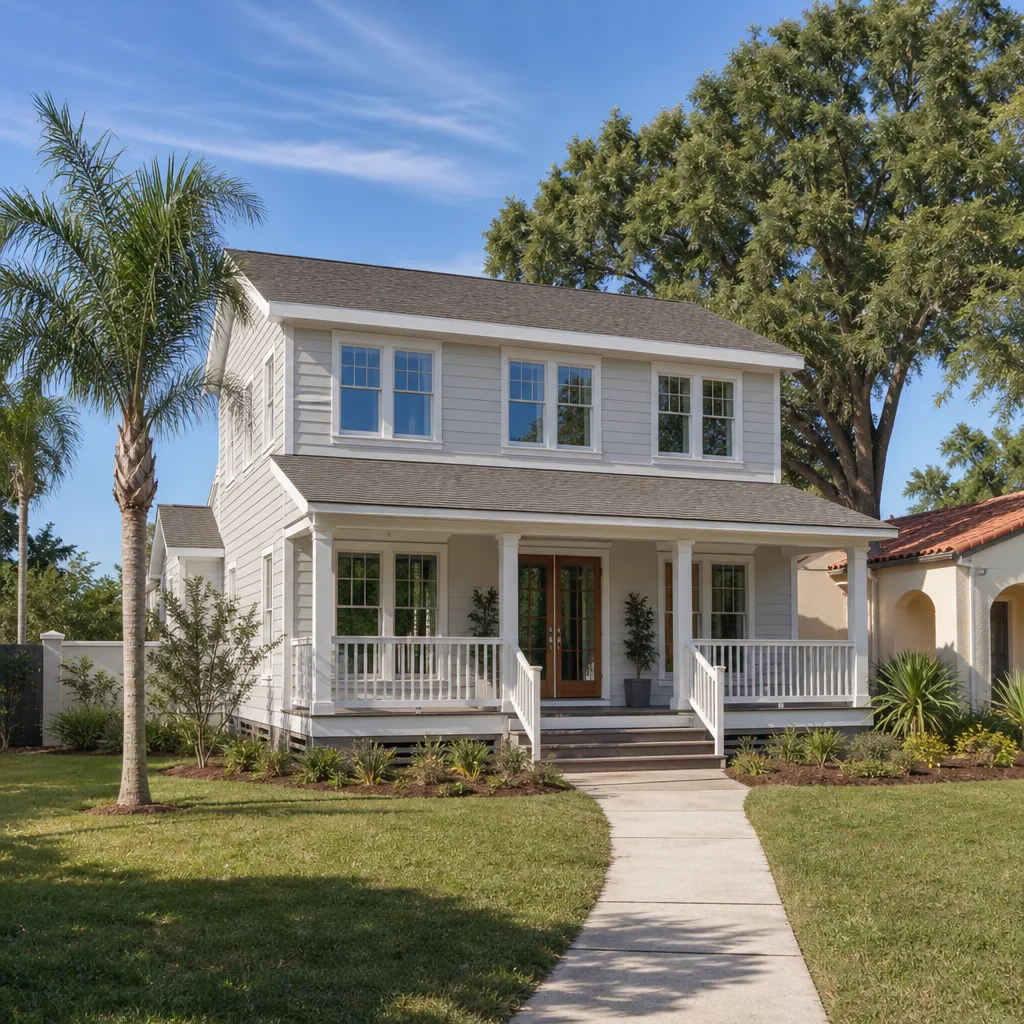
Site work is the part of an ADU project that decides whether the build goes smoothly or eats six months of surprises. Here’s the sequence we follow, and what you’ll need to decide at each stage.
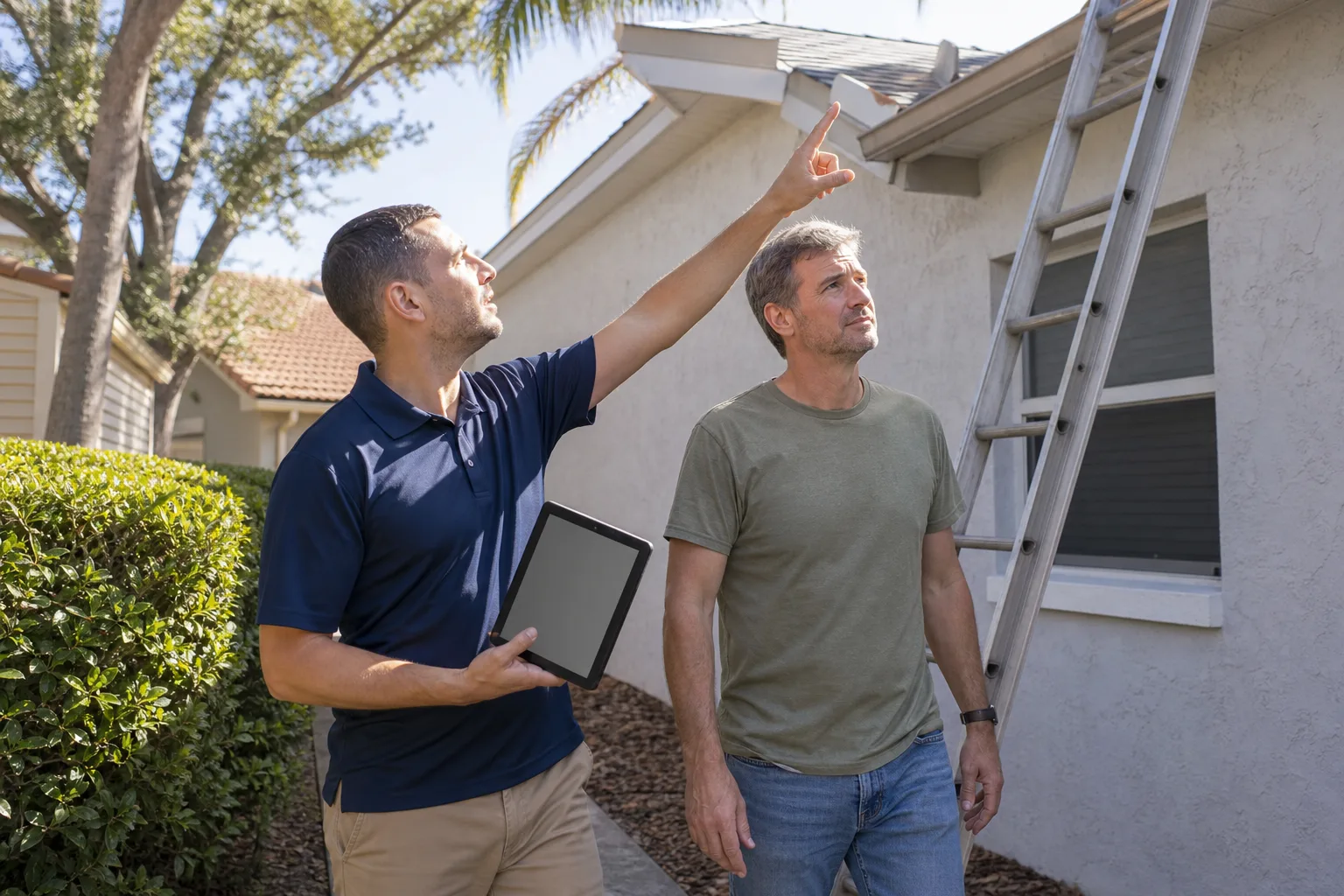
Stage 1 – Site walk and utility locate (day 1). We meet you on the lot, mark the proposed footprint, and call in the locate service for existing water, sewer, gas, and electric. You decide the unit placement – setback from the fence line, orientation to afternoon sun, and where the driveway connection lands. On oversized lots we’re often working around a detached workshop or RV pad, so grading plans have to account for existing slab and drainage.
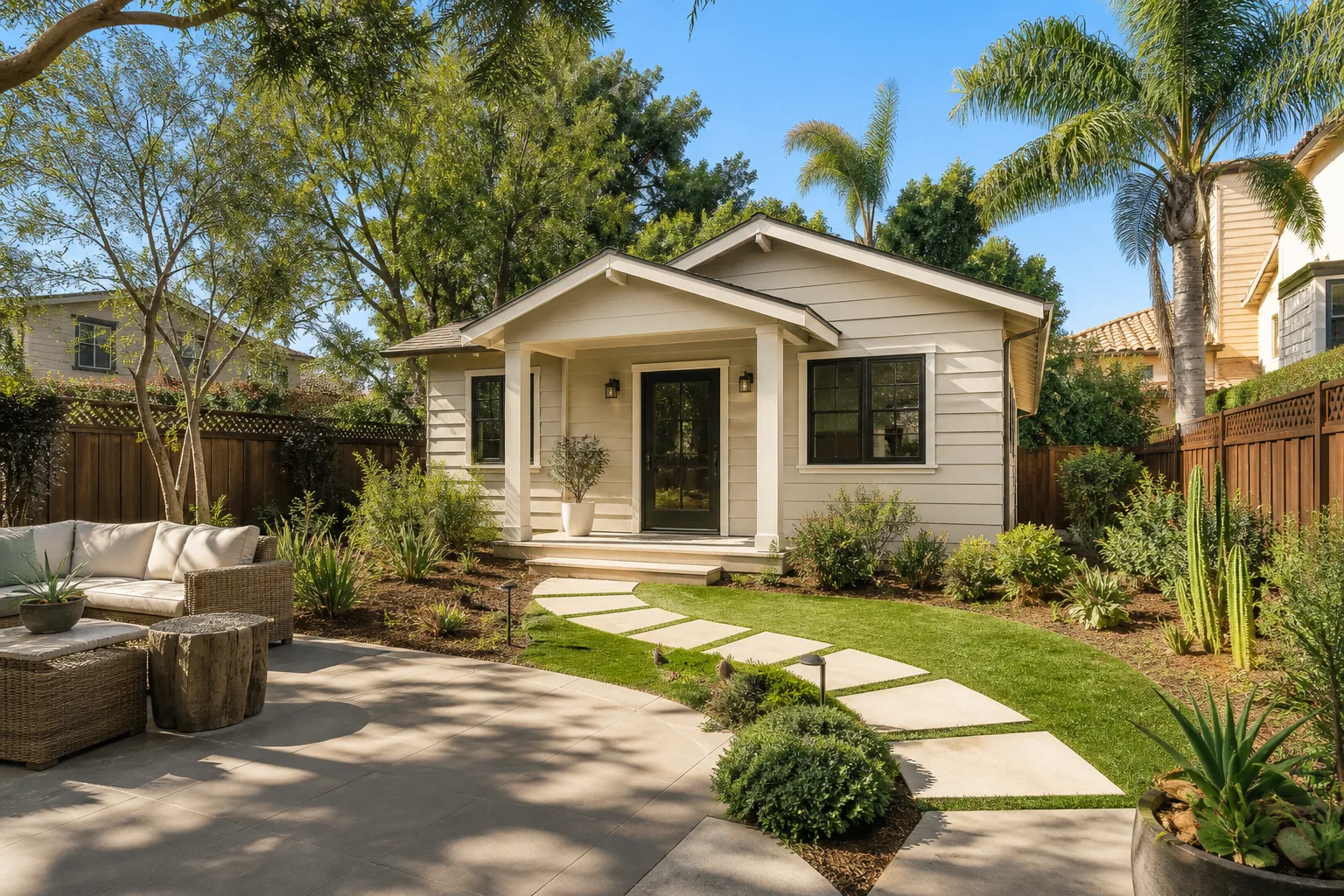
Stage 2 – Permit package through Clark County (week 1 to week 4). Because Whitney is unincorporated, the permit goes through the county’s building and fire prevention department, not a city counter. We submit site plans, utility tie-in drawings, and engineering. You decide whether to pull the ADU permit together with the site work or stage it – the trade-off is time versus cash flow. Build your Home Additions & ADU in Whitney scope around this if you’re adding both a unit and a covered patio.
Stage 3 – Excavation and grading (week 3 to week 5). Trenching for utilities, stripping topsoil, compacting the pad. Desert soil here is caliche-heavy in spots, which means more machine time than most homeowners expect. You decide whether to import fill or use on-site material – imported fill runs higher but compacts more predictably.
Stage 4 – Foundation and utility rough-in (week 5 to week 9). Footings, slab pour, and the underground rough for water, sewer, gas, and conduit. Summer pours require curing measures because of the heat – we wet-cure or use curing compound to prevent surface cracking. You sign off on utility locations before backfill.
Stage 5 – Inspections and backfill (week 9 to week 12). County inspection on the underground rough, then backfill, compaction testing, and final grade. You get a written record of what passed and what the inspector flagged. The 730-Day Done Right Promise backs every stage of this work in writing.
Styles & brands we work with
- Kitchen remodeling
- Bathroom remodeling
- Home additions & ADU
- Roofing
- Windows & doors
- Driveway & pavers
- Fence
The Choices You’ll Make on Site Prep
Site prep isn’t a fixed package. These are the decisions that actually shape the price and performance of your Whitney unit:
- Utility routing – direct trench vs. directional bore. Direct trench is cheaper ($4,000 to $9,000 for a typical run) but tears up landscaping. Boring under a driveway or mature tree costs more but leaves the surface intact.
- Sewer connection – gravity vs. lift station. If your main line sits higher than the unit, you’ll need a grinder pump. That adds $3,500 to $7,000 but prevents the grading nightmare of chasing a falling slope.
- Electrical service – subpanel vs. separate meter. A subpanel off the main is the practical choice for most attached units. A separate meter suits a detached rental where you want utility billing split.
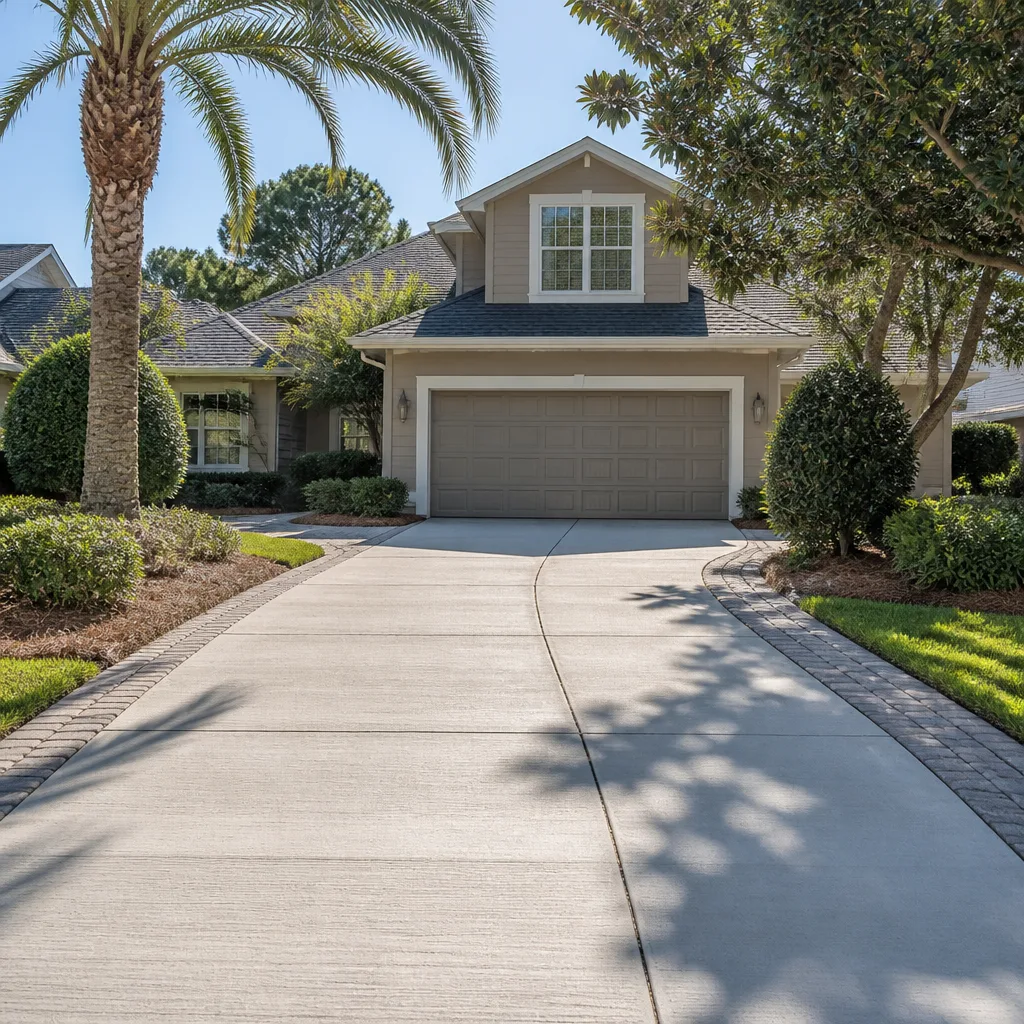
- Concrete finish – broom, salt, or exposed aggregate. Broom is standard and the least expensive. Exposed aggregate holds up better to the Whitney sun and thermal expansion but adds cost per square foot. Homeowners often pair this with Concrete Driveways & Concrete Work in Whitney when the ADU pad connects to a new drive.
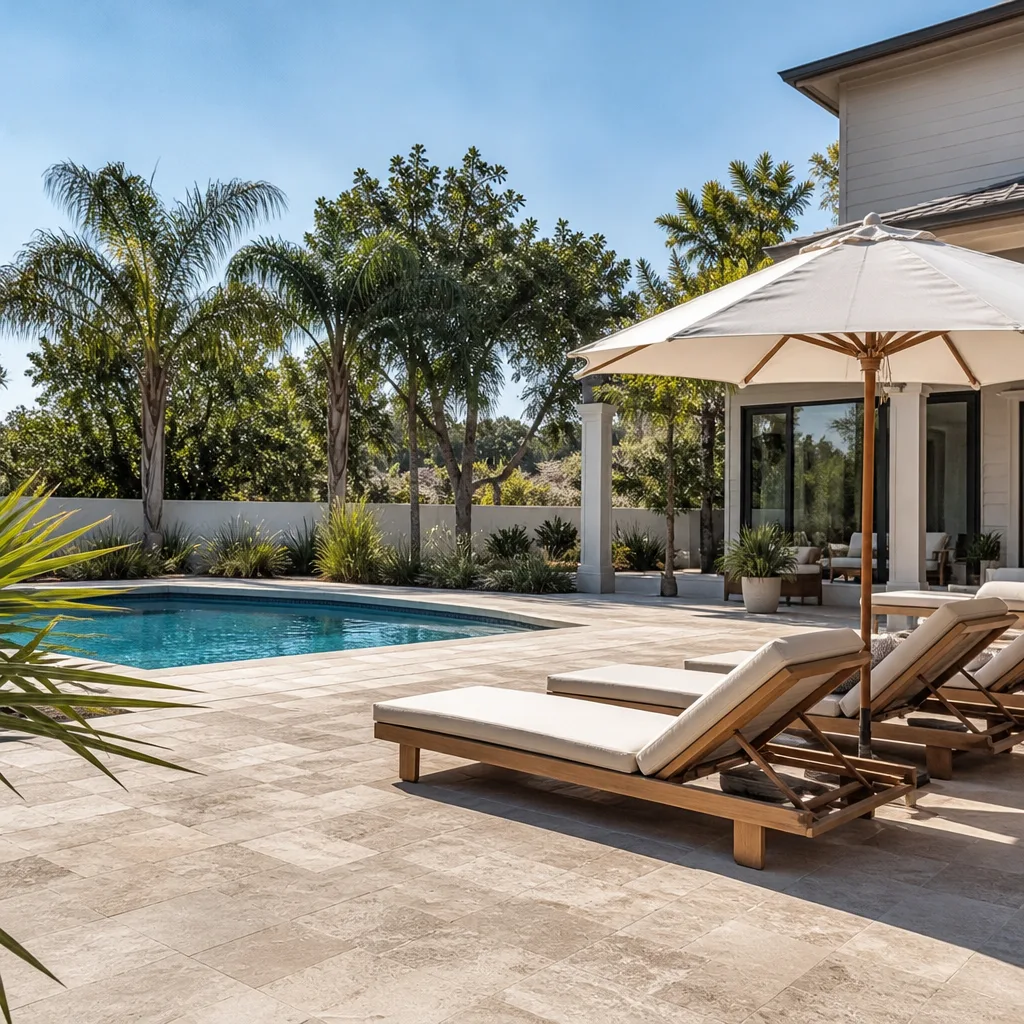
- Hardscape and drainage. Belgard pavers or a Unilock border at the ADU entry hold color under intense UV better than stamped concrete, and they let you manage runoff around a slab without a French drain system.
What ADU Site Prep & Utilities Costs in Whitney, NV
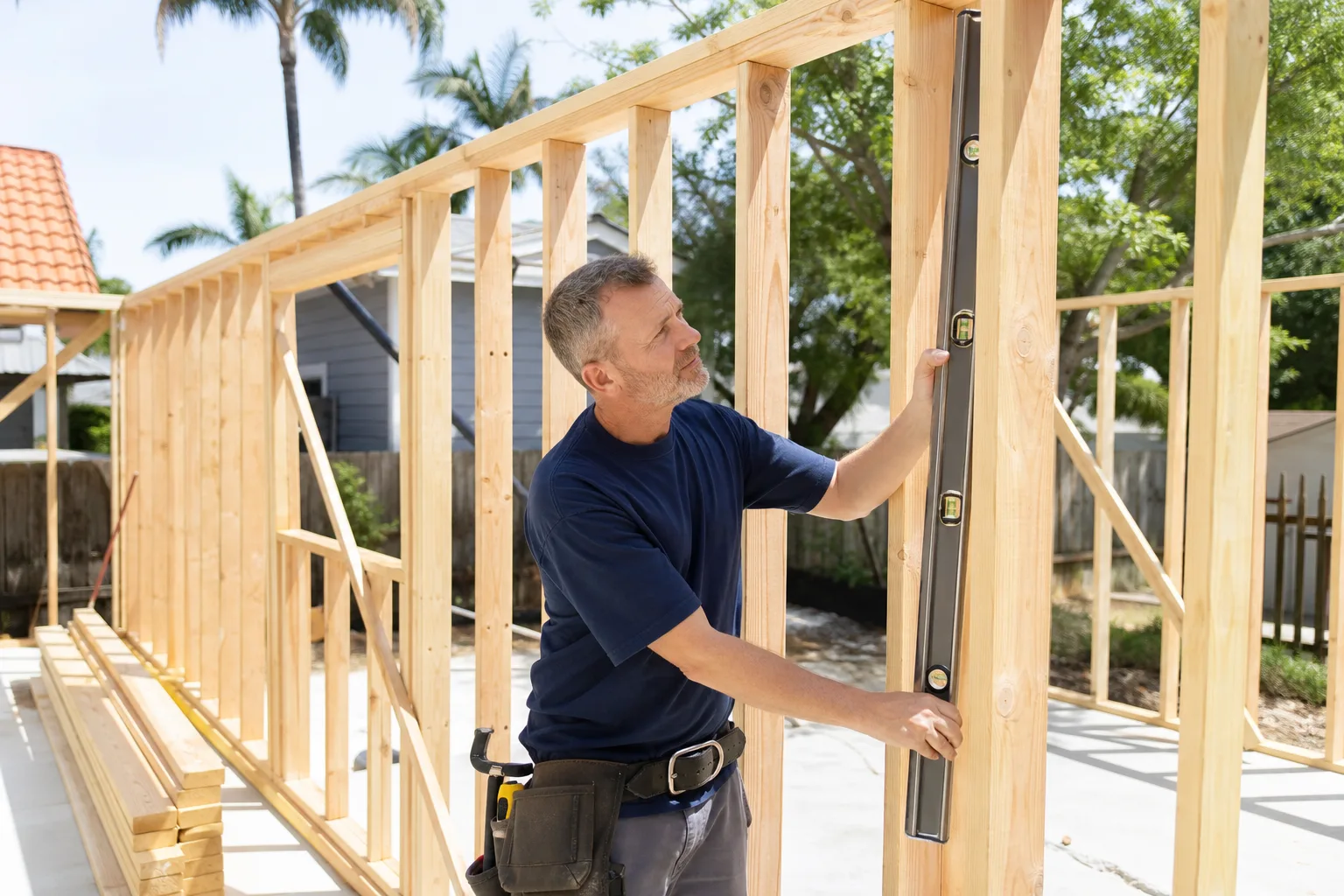
Site prep and utilities for an ADU in Whitney run $45,000 to $130,000 depending on your lot and how far the unit sits from existing services. A clean, close-in build with short utility runs lands near the low end; a rear-lot pad on acreage with long trenches, a lift station, and imported fill pushes toward the top. Here’s roughly what moves the number:
- Distance to existing utilities. Every additional 25 feet of trench adds cost for pipe, conduit, and excavation.
- Soil condition. Caliche and rock mean more breaking and machine hours; soft fill needs compaction testing.
- Utility capacity. If your main panel or water line can’t support the ADU, an upgrade gets folded in.
- Paving and hardscape. A paver walkway or patio off the ADU adds a few thousand dollars on its own – see Paver Driveways in Whitney if you’re extending the drive at the same time.
- Permit timeline and inspection count. More inspection cycles mean more scheduling and standby time.
Every estimate we write is line-item and upfront, so the number you see is the number you pay unless you change the scope yourself. The Home Additions & ADU service page covers how site prep fits the larger build. Call (844) 797-4406 for a free on-site estimate.
See the difference
 Before
 After
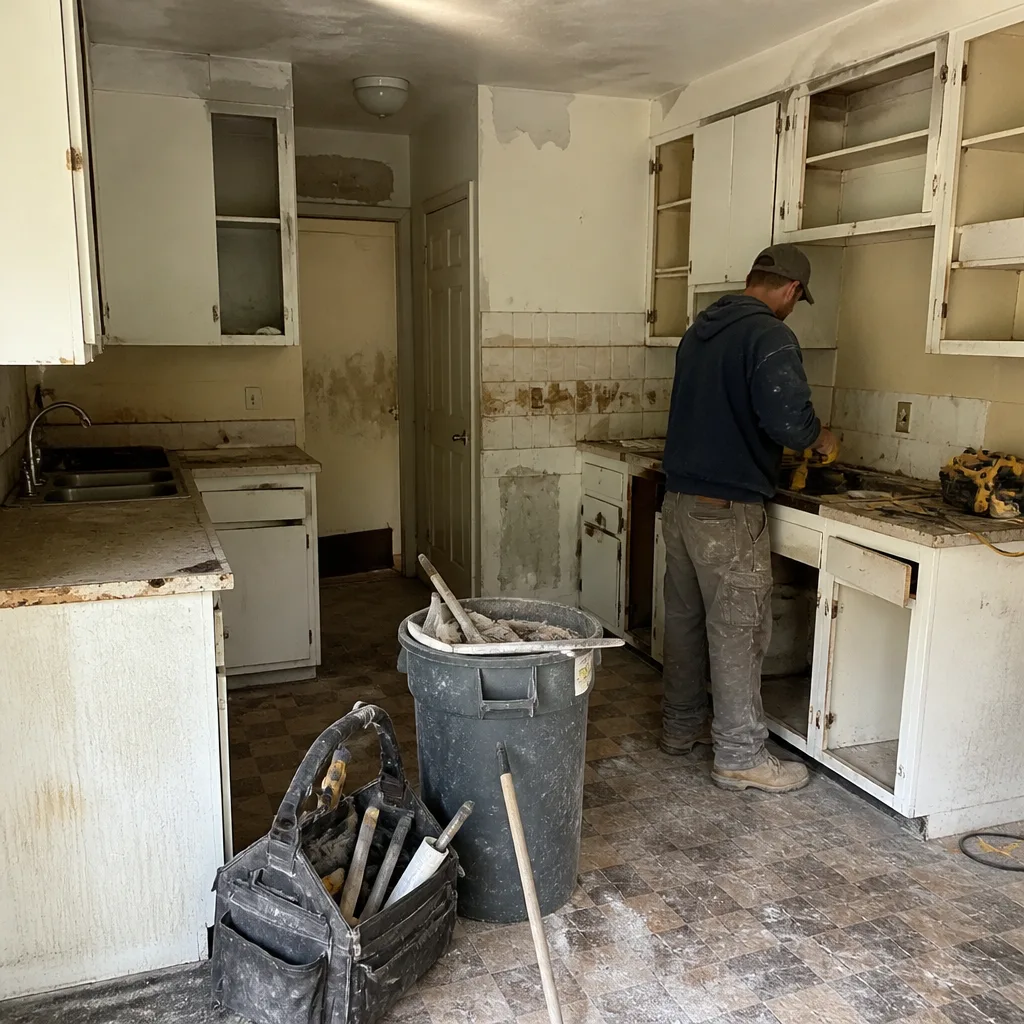 Before
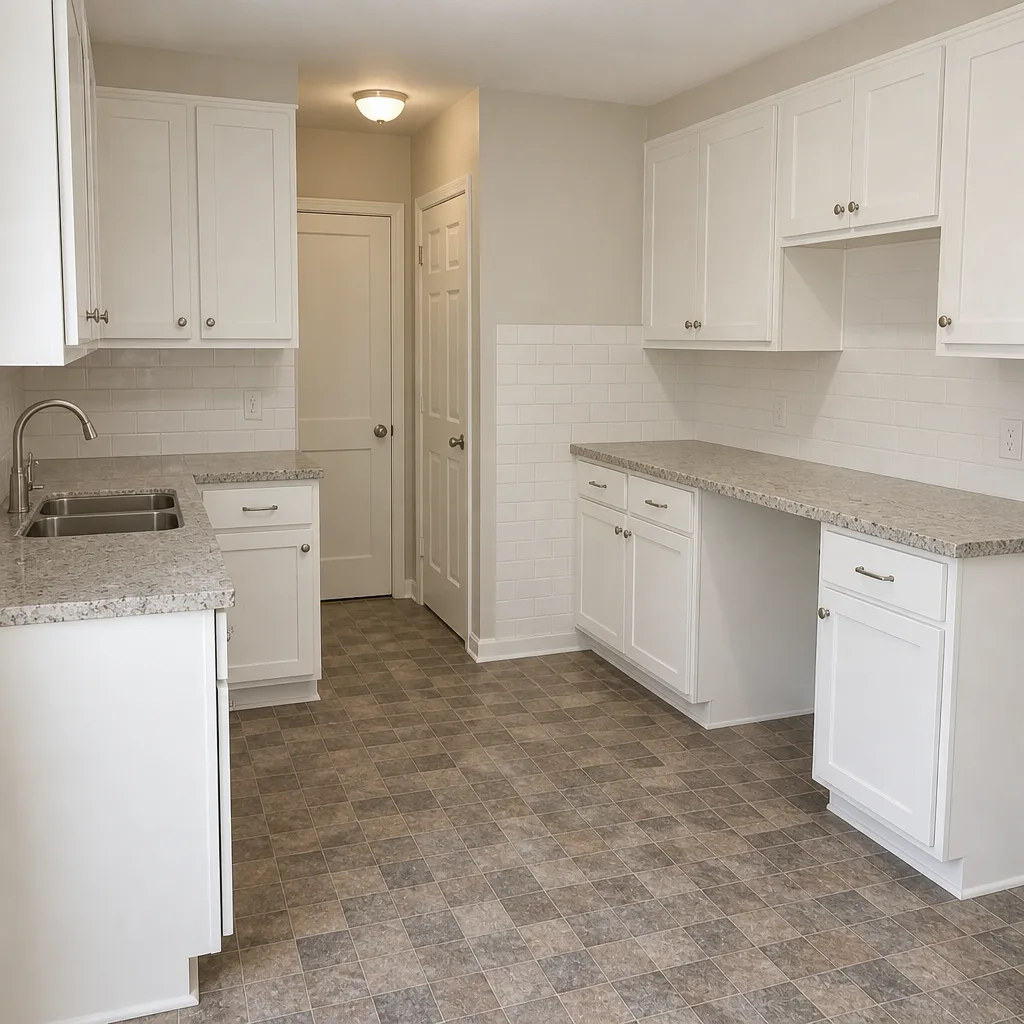 After
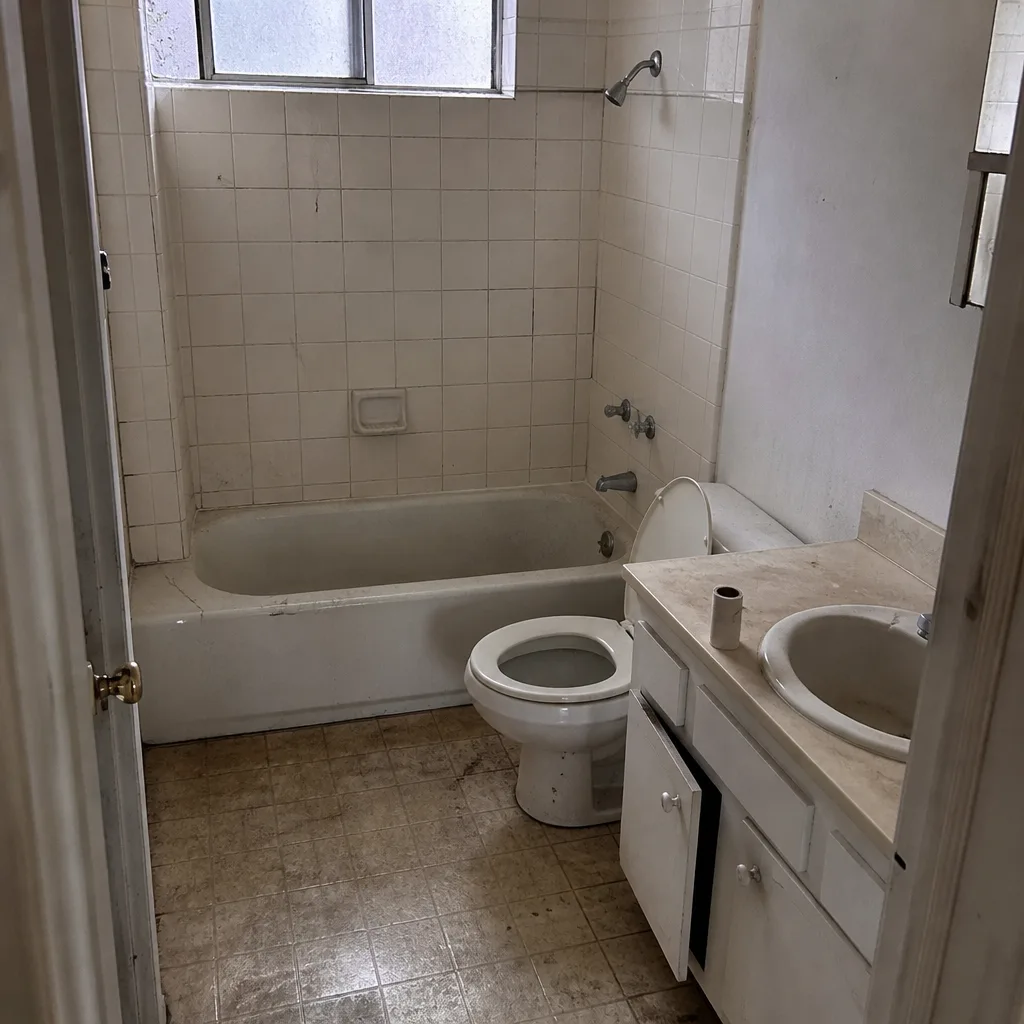 Before
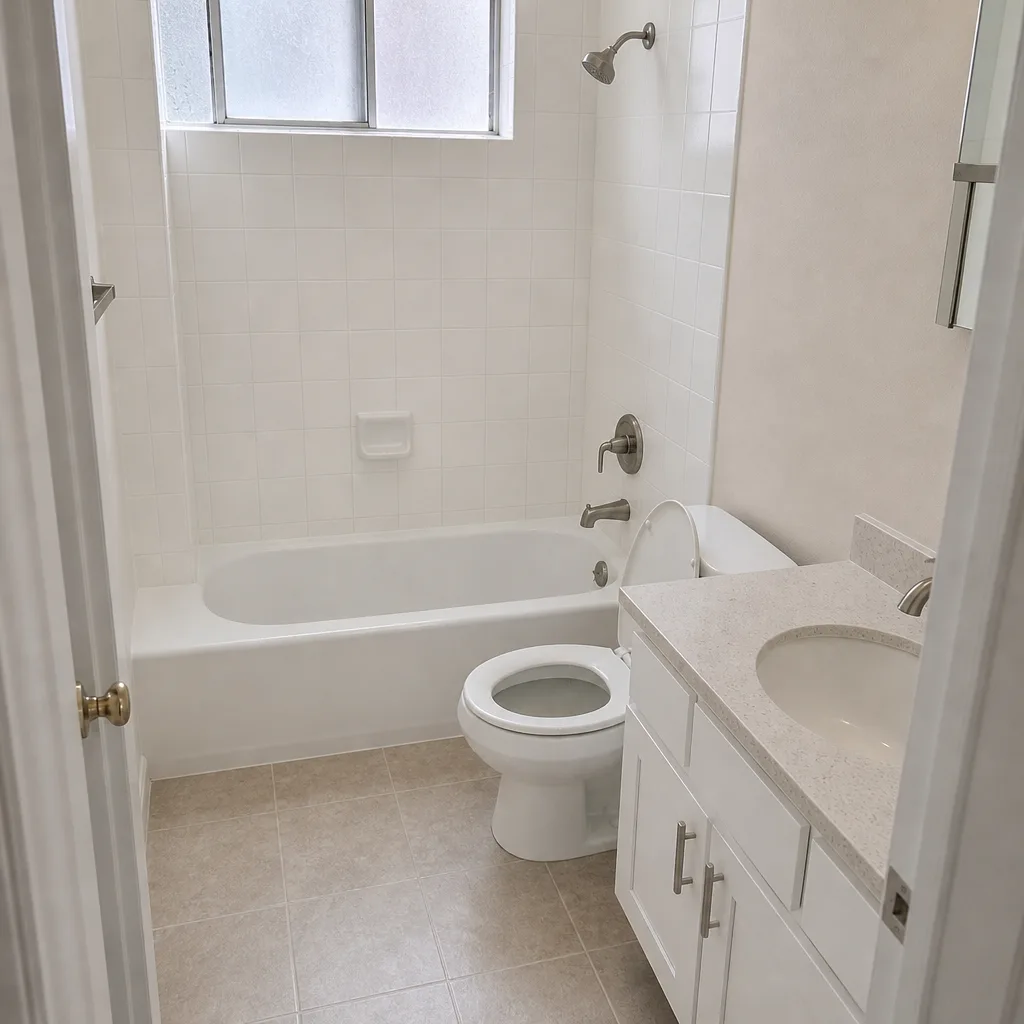 After
What Whitney Homes Specifically Do to This Job
Whitney sits unincorporated in Clark County, and that detail changes the paperwork for every unit here. Permits go through the county building and fire prevention department rather than a city counter, and inspections are scheduled on county timelines, which locals know can run differently than adjacent Las Vegas. Older ranch-style homes and mid-century infill dominate the stock, so existing water service, panel capacity, and sewer laterals often need upgrades to meet current wind and energy standards. The desert heat and intense UV work against concrete and pipe: summer pours need curing measures, and trench backfill has to be compacted correctly or the slab shifts within a few seasons. We work this around detached workshops and oversized lots, and we account for all of it before the first trench.
Serving Whitney, NV – Our Local Coverage Area
We serve Whitney and nearby communities. Use the map below to see the area we cover. If you’re nearby, we can almost certainly help.
Frequently Asked – ADU Site Prep & Utilities in Whitney
Expect six to twelve weeks from first stake to final inspection, with the permit phase taking the longest single stretch. Call (844) 797-4406 for a timeline based on your lot.
Yes. Because Whitney is unincorporated, your ADU site work and utility tie-ins get permitted through Clark County, not a city office. We handle the submission and inspections for you.
Usually, if the unit footprint avoids existing service lines. We confirm with a locate before committing to a layout.
Ranges from $45,000 to $130,000 depending on trench length, soil, utility upgrades, and hardscape. Call for an exact quote – estimates are free.
All site prep and utility work is covered by the 730-Day Done Right Promise. If it’s not done right, we make it right.
Get a Free On-Site Estimate
Call (844) 797-4406 to schedule a free estimate for ADU Site Prep & Utilities in Whitney. We’ll walk the lot, confirm utility locations, and give you a written line-item quote with clear inclusions. Our team also works across Whitney on related projects, so we know the county permitting path here and what your slab and soil will ask of us in summer heat. Live person, 24/7 – no voicemail.
Written by the team at Groundwork Construction Co.