Free written scope consultation - allowances, timeline, and change-order rules on paper before a single trade is scheduled
Styles & brands we work with
- Kitchen remodeling
- Bathroom remodeling
- Home additions & ADU
- Roofing
- Windows & doors
- Driveway & pavers
- Fence
See the difference
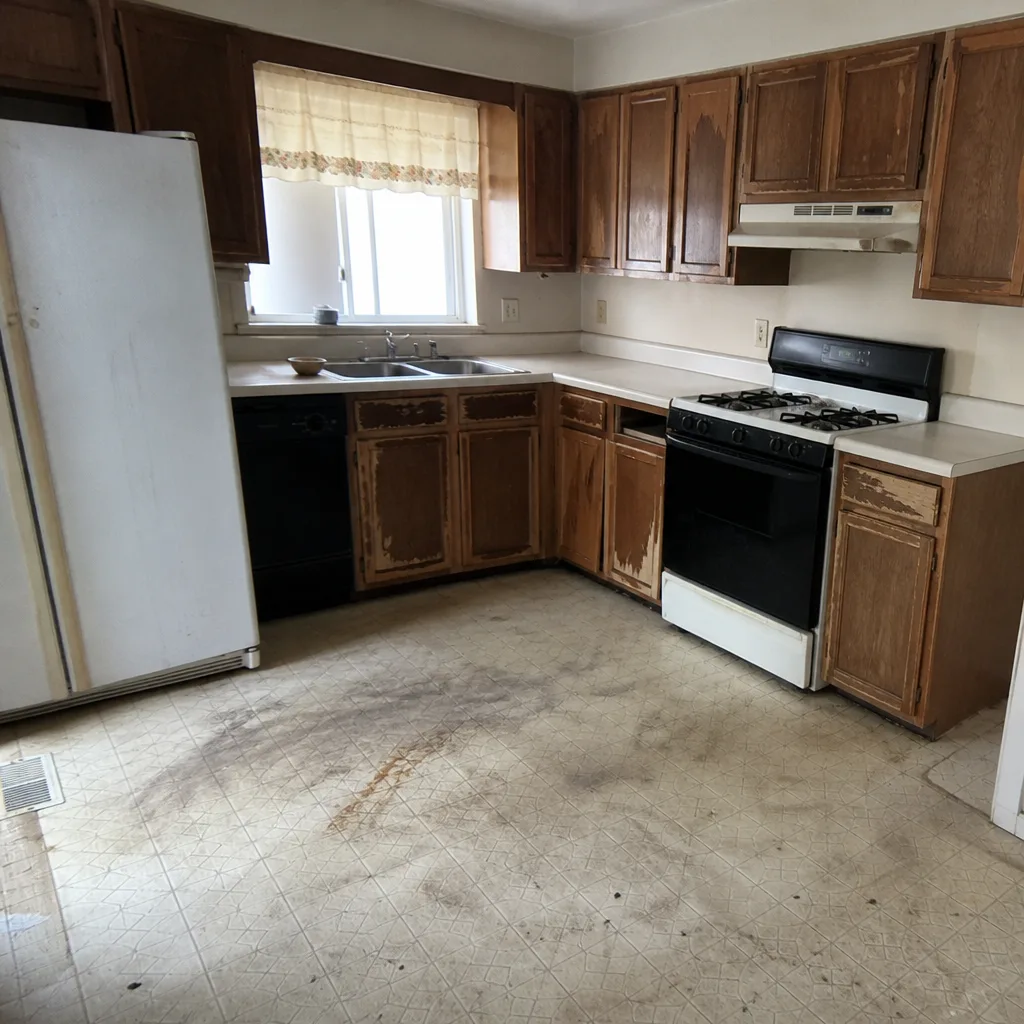 Before
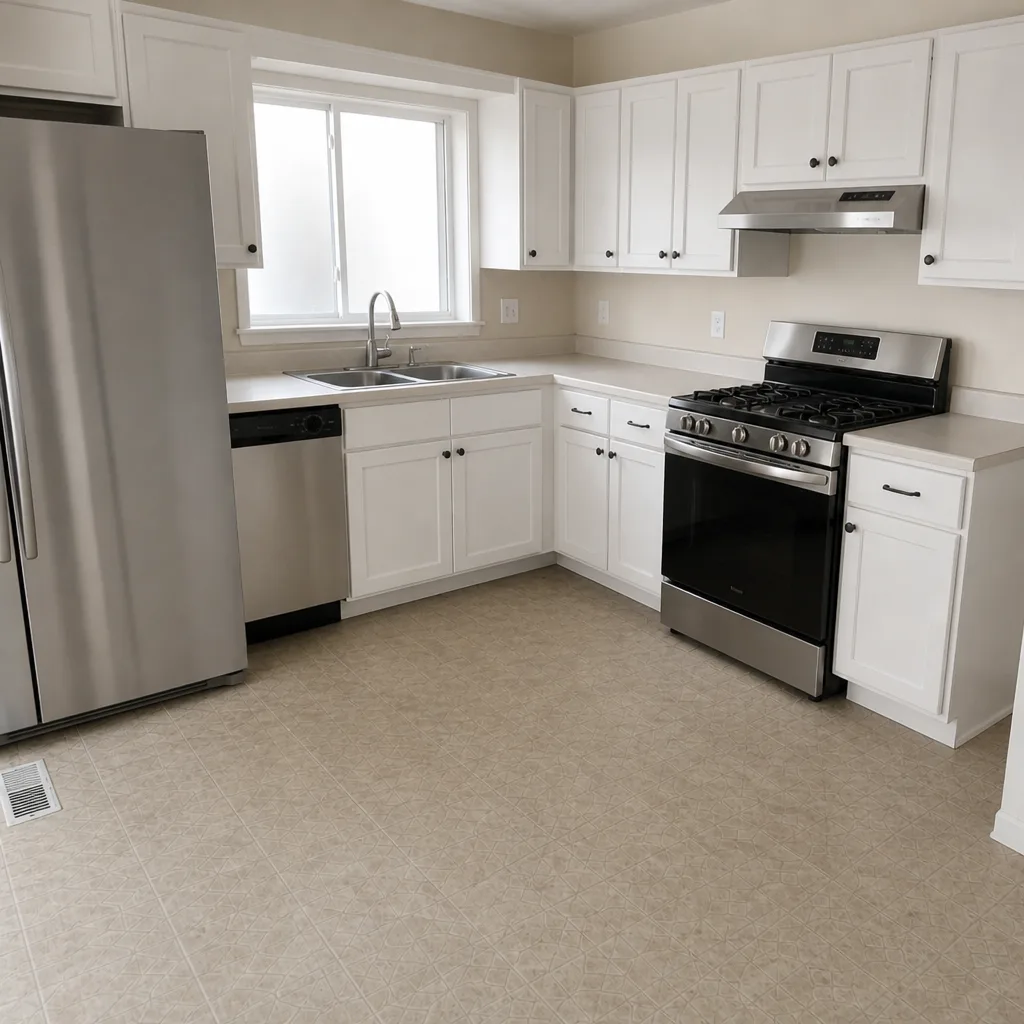 After
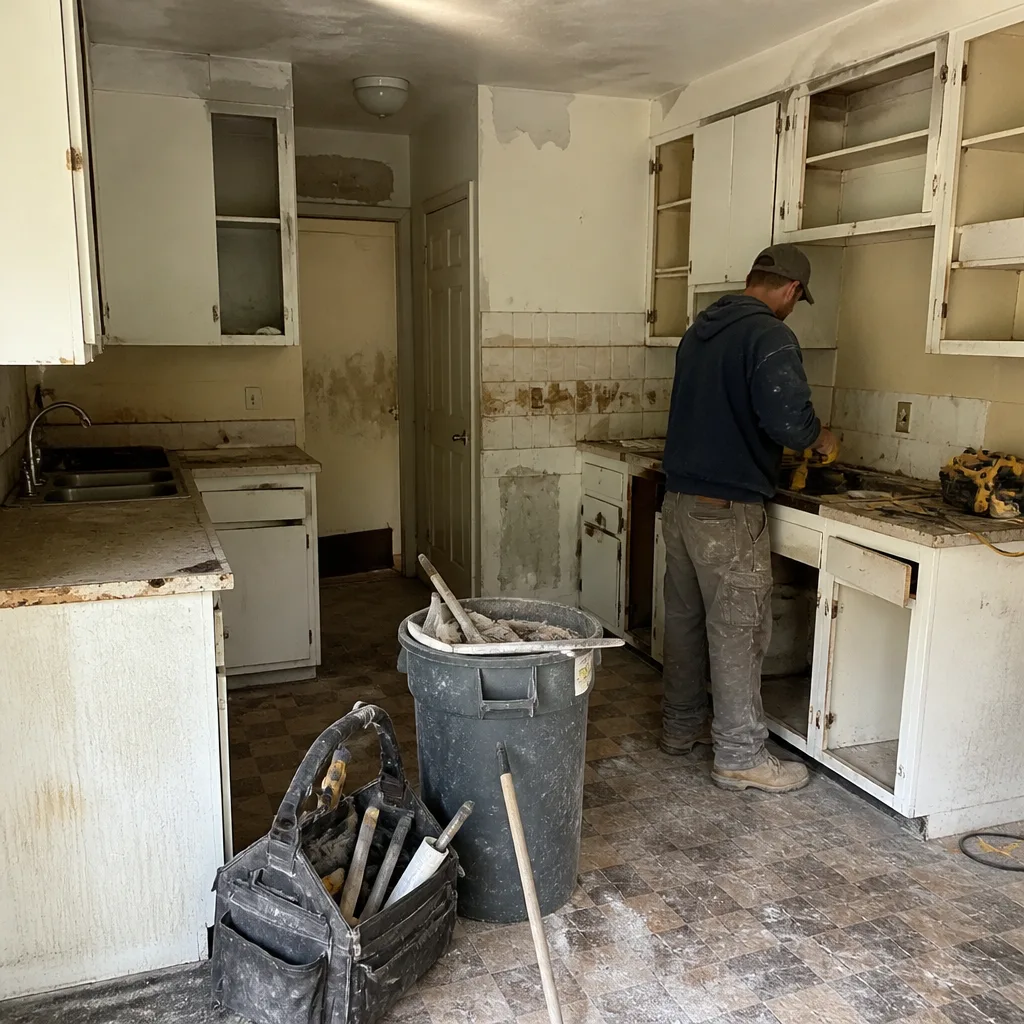 Before
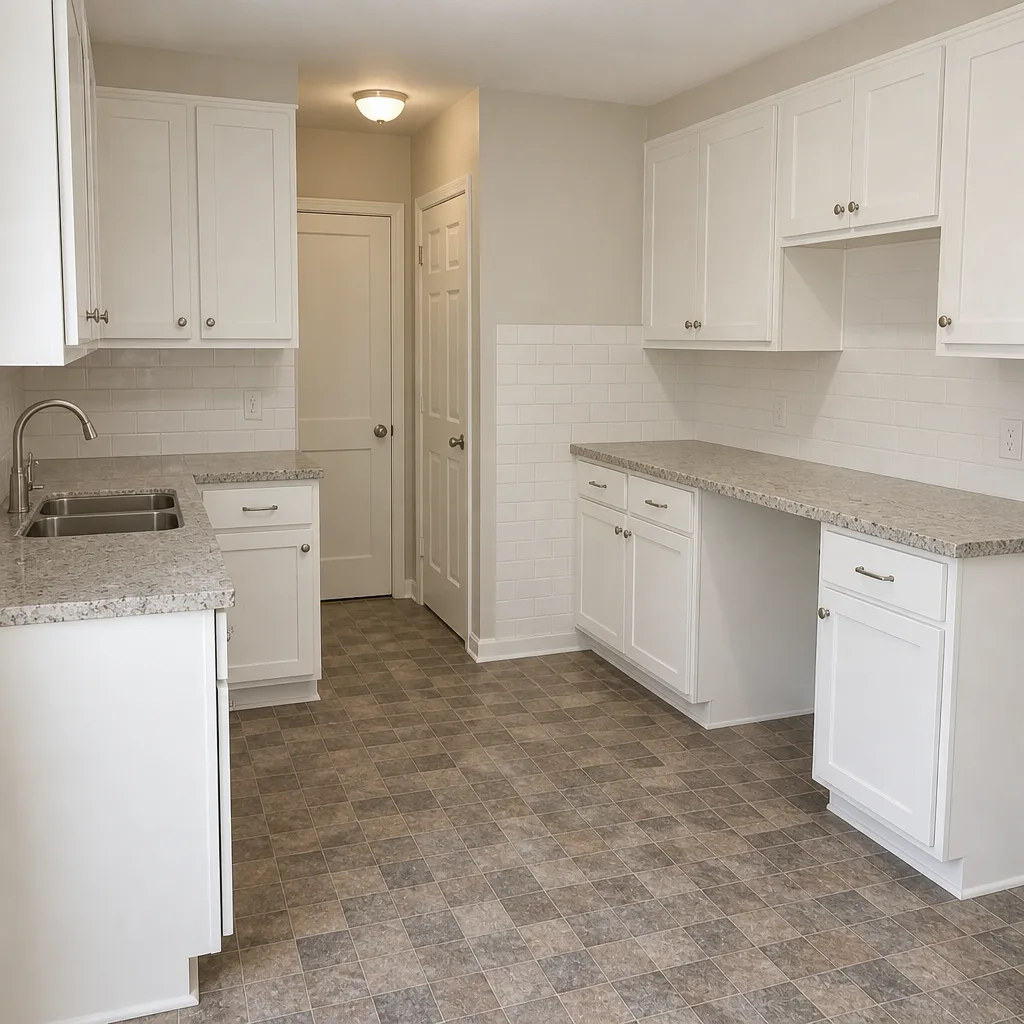 After
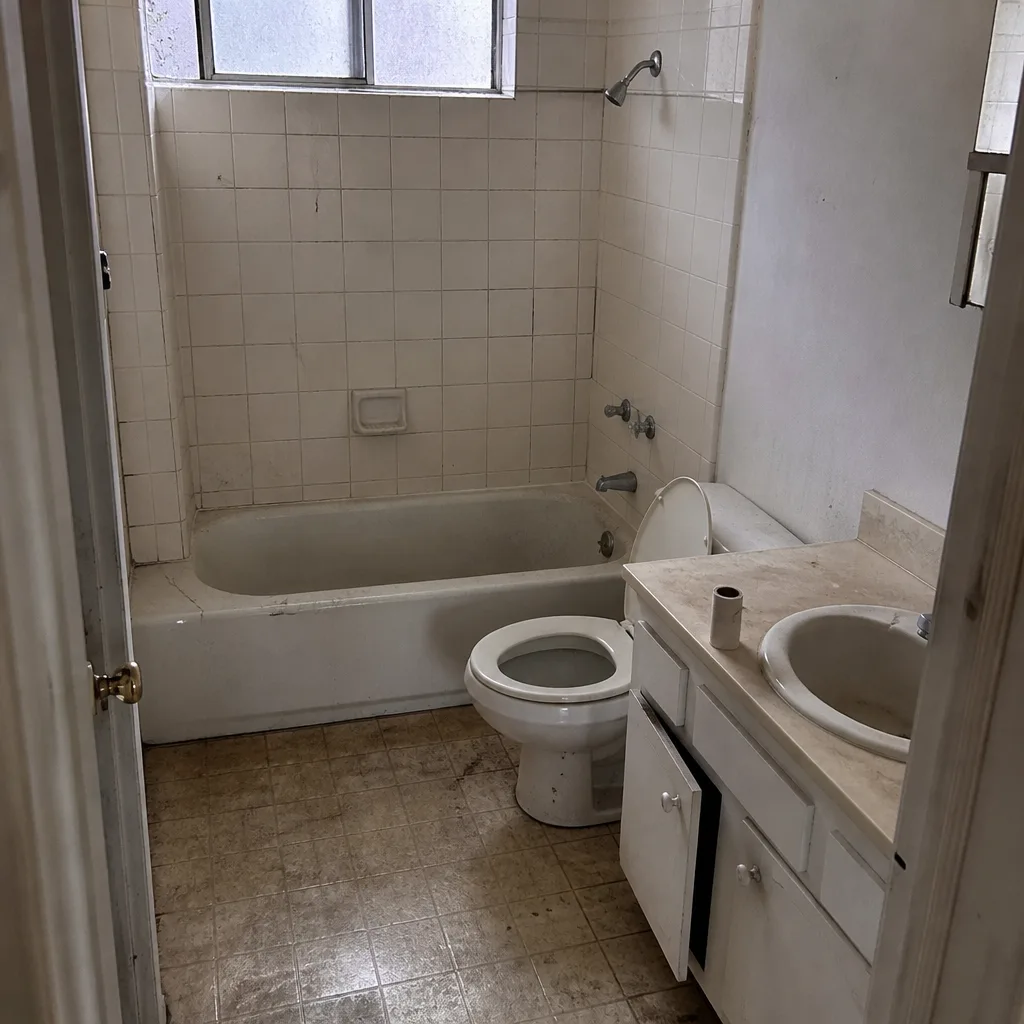 Before
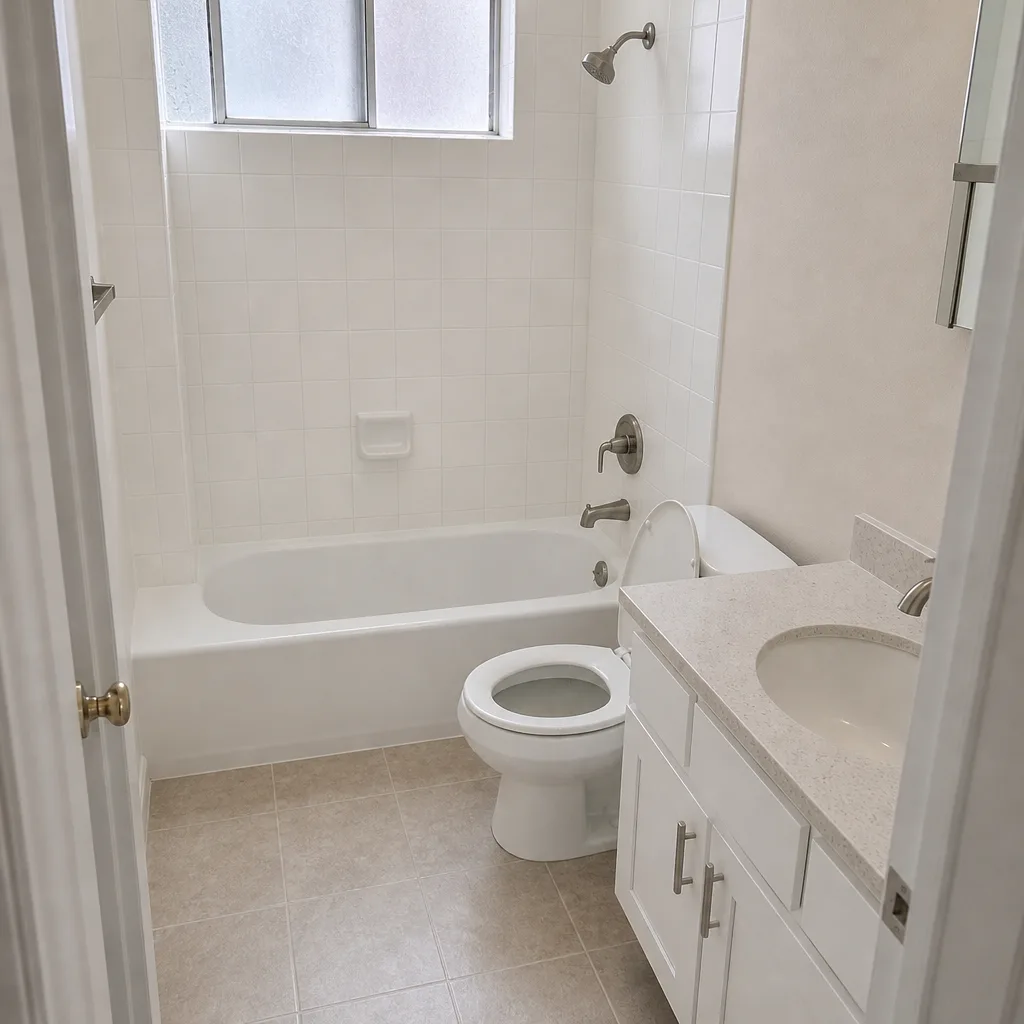 After
Based on the search query “best roofing material” for Enterprise, NV, here is a focused page that provides a local decision framework.
-
The Best Roofing Material in Enterprise, NV, Is the One That Fits Your Lot’s Fire Zone and Pitch
Choose a Class A fire-rated metal roof if your Enterprise home backs onto open desert; choose architectural shingles or concrete tile for standard subdivision lots. There’s no single best material across the board – the right answer for your home is dictated by two things most homeowners never check: your lot’s wildfire ember-exposure classification and your roof’s pitch. Enterprise sits at the edge of the urban-wildland interface, and Clark County fire code assigns ember-exposure ratings to lots that back open desert. Before we talk about brands or prices, we help you look up that classification. For a free evaluation of what your lot can handle, call Groundwork Construction Co. of Enterprise at (844) 797-4406.
Key Takeaways
- Your lot’s fire zone classification is the first thing to check before choosing a roofing material in Enterprise.
- Foothill lots at the wildland interface call for Class A fire-rated metal or clay tile.
- On sloped, engineered-fill lots in Mountain’s Edge, the added dead load of concrete tile requires engineering sign-off.
- Total 20-year system cost matters more than the upfront price tag.
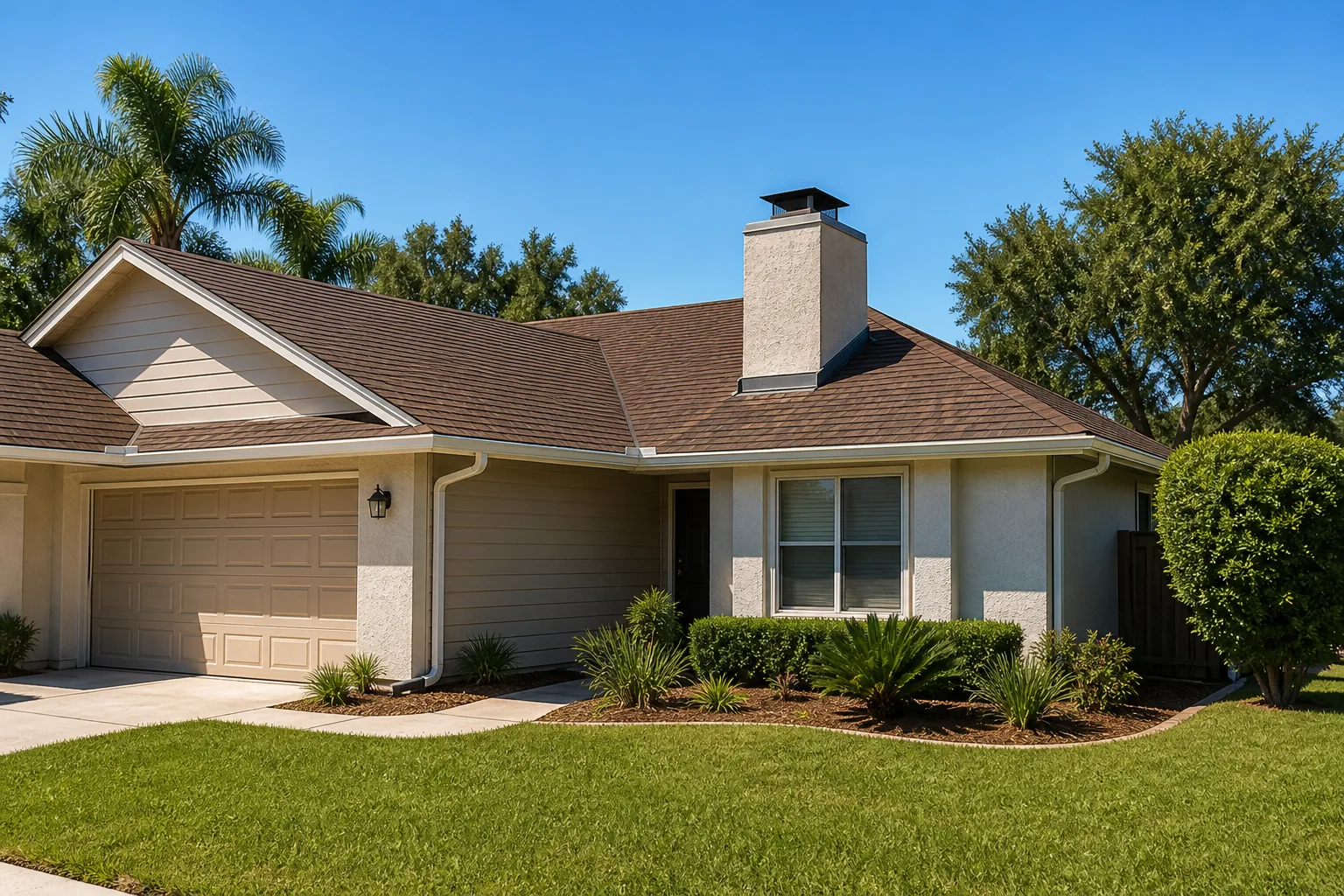
Why Enterprise Is Different: The Urban-Wildland Interface Changes the Math
Most roofing advice you’ll read online is written for a flat, humid suburb back east. Enterprise isn’t that. This is Las Vegas’s southwest growth corridor, where master-planned subdivisions push right up against the Sloan and Blue Diamond foothills. The housing stock is mostly 1990s-to-present stucco and tile, and the lots get progressively steeper the closer you get to the mountains.
That geography creates two problems that flat central-valley neighborhoods never face. First, fire. Where a subdivision backs onto open desert, builders must meet wildfire-defensible-space and ember-resistant detailing standards. Embers from a distant fire can lodge in a roof’s vents, gaps, and edges, and the material you choose either resists that or it doesn’t. Second, grading and drainage. Foothill pads are often built on engineered fill with retaining walls, and when a monsoon storm dumps an inch of rain in an hour, the roof and its connection to site drainage get tested hard.
Then there’s the sun. Summer highs routinely climb above 105°F, which cooks underlayment, degrades coatings, and keeps the HVAC system running for eight months straight. Any material decision that ignores Mojave UV and thermal shock is a decision made for a different climate.
What to Look For in an Enterprise Roofing Material: The Decision Matrix
Instead of asking “what’s the best material,” ask “what does my lot require?” Here’s how we break it down for homeowners across the Enterprise service area.
Foothill Lots at the Wildland Interface
If your property line touches open desert, we strongly advise Class A fire-rated metal or clay tile. Metal standing-seam roofing is non-combustible and sheds embers well; clay tile is naturally fire-resistant. Standard asphalt shingles can be Class A rated too, but the layered system, the decking beneath, and the ember-resistant detailing all have to hold up together. This is where the choice genuinely matters for safety, not just looks.
Standard Subdivision Lots
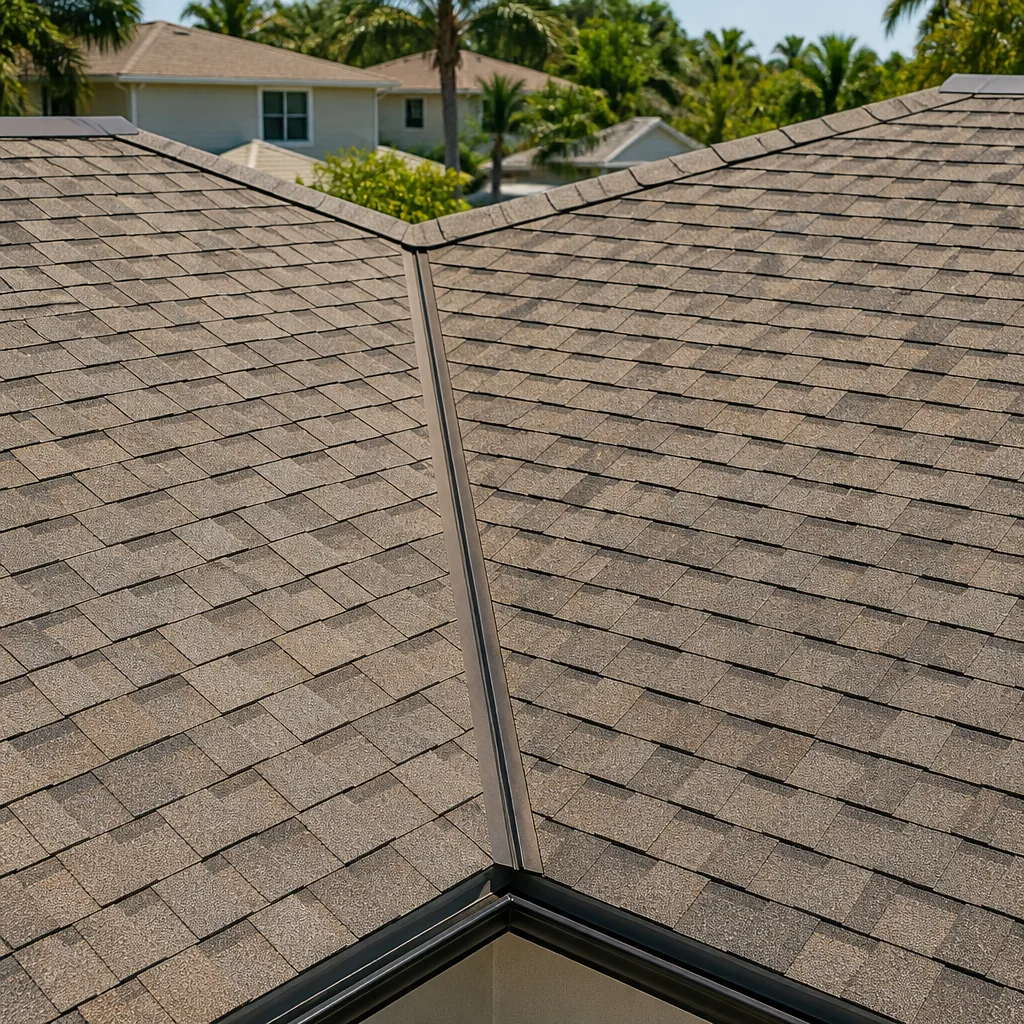
For homes in Southern Highlands or interior Mountain’s Edge streets that don’t back onto raw desert, architectural shingles or concrete tile are both viable. Architectural shingles give you the widest range of looks at the lowest system cost, and both GAF and Owens Corning offer Class A fire-rated lines you can specify. Concrete tile lasts longer but carries higher maintenance downstream.
Sloped Lots with Drainage Complexity
On steeper graded pads, we often recommend metal standing seam with integrated guttering. A single continuous panel surface handles monsoon runoff better than a field of individual tiles or shingles, and it gives the gutters a cleaner path to move water away from the retaining walls and foundation.
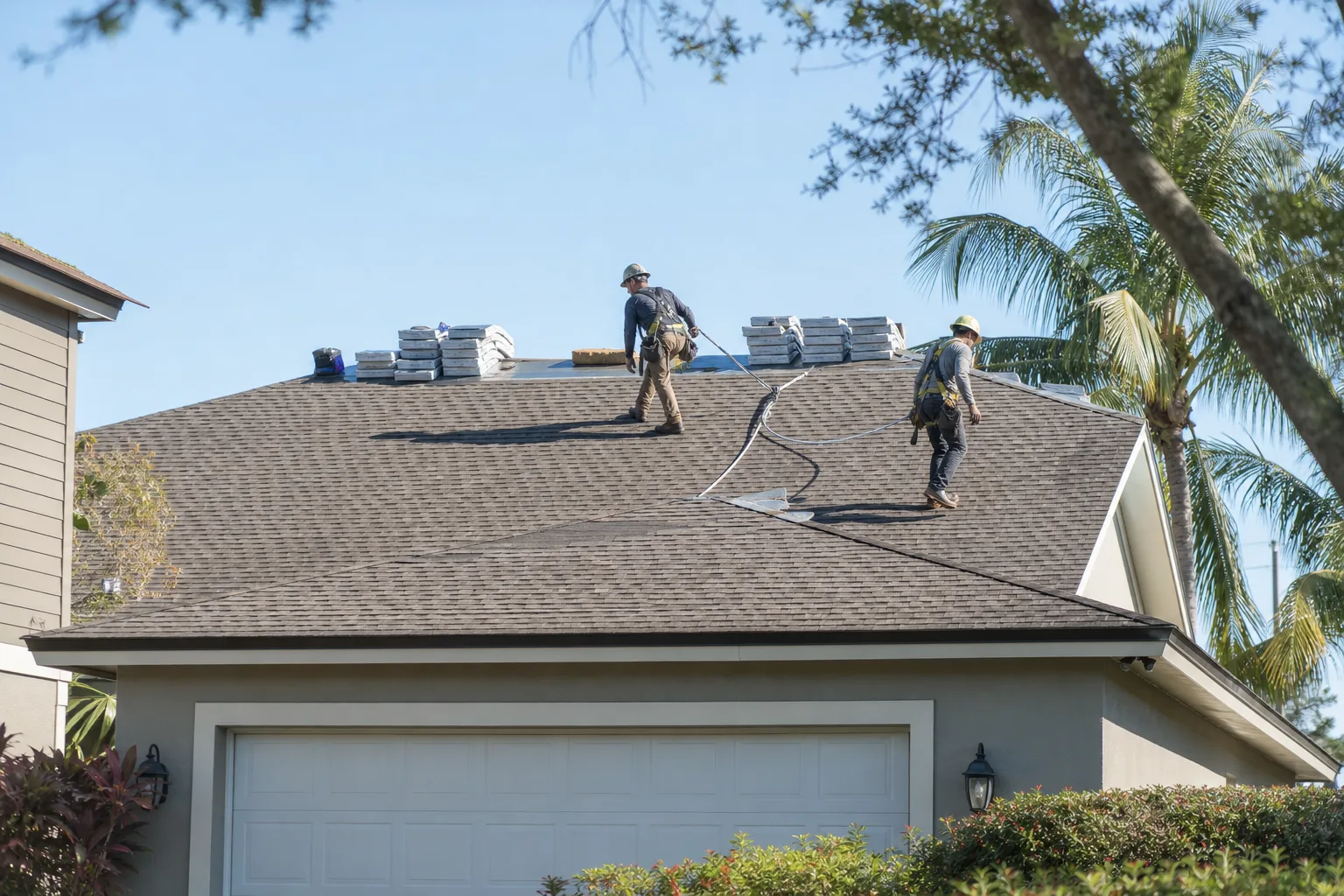
Comparing Your Real Options by Total 20-Year System Cost
Upfront price only tells part of the story. The number that matters is what a roof costs you over two decades – including maintenance cycles and what it saves on cooling. Here’s how the main options stack up for Enterprise homes.
| Material | Upfront Installed Range | 20-Year Ownership Notes | Best For |
|---|---|---|---|
| Architectural Shingle (GAF, Owens Corning) | $8,000-$20,000 | Lowest upfront cost; underlayment and shingle life stressed by Mojave UV | Standard subdivision lots |
| Metal (Standing Seam) | $15,000-$40,000 | Highest upfront; cool-roof rated coatings cut cooling load, minimal upkeep; excellent drainage on slopes | Foothill lots, sloped lots, monsoon drainage |
| Concrete / Clay Tile | Varies by dead-load engineering | Long service life; requires UV coating upkeep and underlayment replacement cycles; heavy dead load needs sign-off | Foothill lots needing fire rating, standard lots |
A cool-roof-rated metal system may cost more on day one, but in a climate where the air conditioner runs eight months a year, the energy savings compound. On the flip side, concrete tile’s longer life is real, but it isn’t maintenance-free – UV coatings wear down and underlayment eventually needs replacing. We factor all of that into the estimate so you compare systems, not just square-foot prices.
The Engineered-Fill Lot Detail Most Contractors Miss
Here’s a consideration that catches people mid-project: some foothill pads in Mountain’s Edge and similar communities were built to minimum dead-load specifications. A standard asphalt roof sits well within those limits. Adding a heavy concrete tile roof might not.
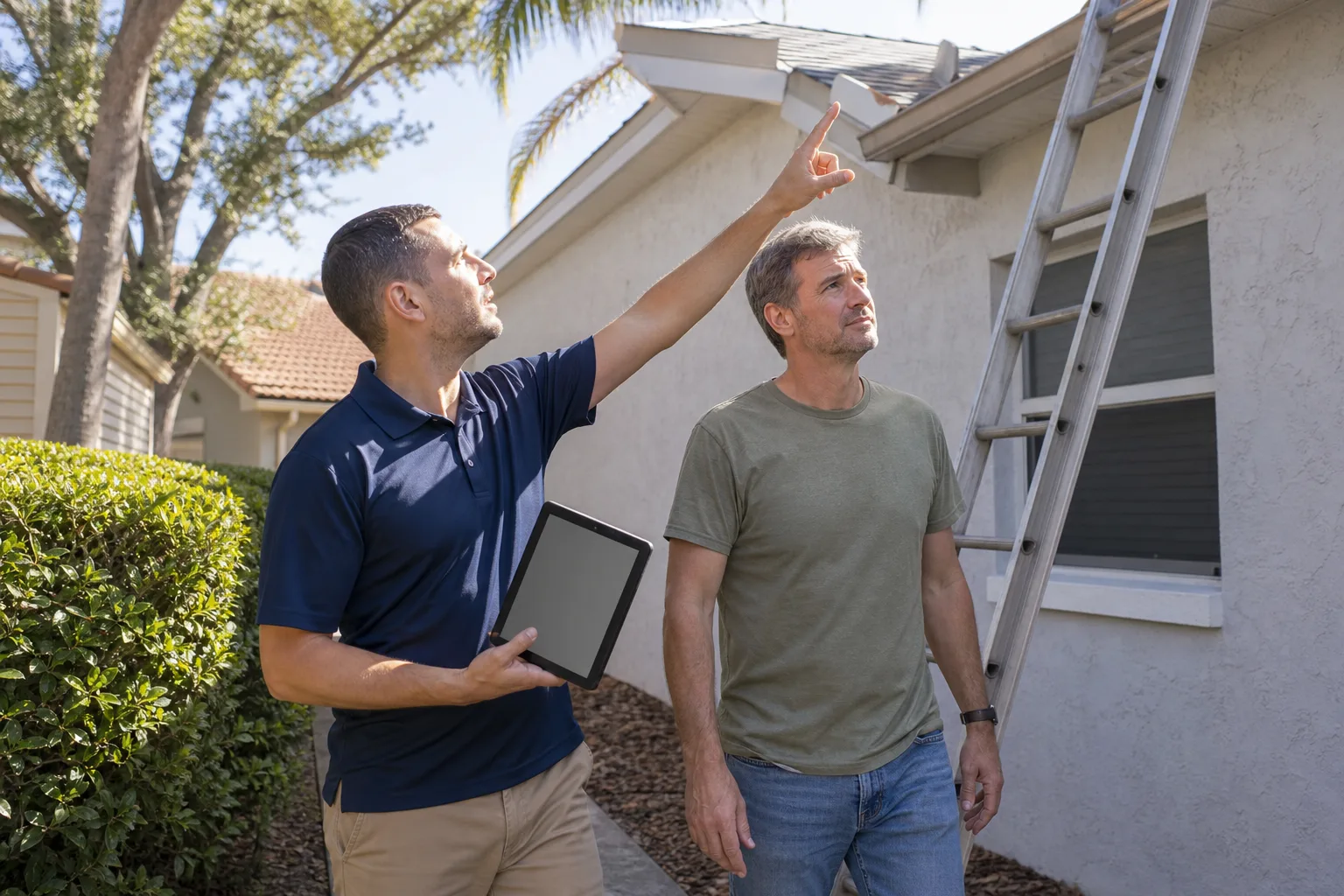
That’s why, during scoping, Groundwork Construction Co. of Enterprise builds in a structural check before anyone orders material. If your lot needs engineering sign-off to support a tile roof, we find that out up front, not after the old roof is stripped and the crew is standing there. It’s the kind of operator detail that separates a smooth job from a stalled one. Our technicians have up to 12 years of experience, and they know what to look for on a graded pad before a single panel or tile gets lifted.
Which Brands Are Worth Specifying in Enterprise?
For shingle systems, we specify GAF and Owens Corning – both carry Class A fire-rated lines, and both have the local availability to keep a job on schedule. For metal, the coating rating matters more than the brand name; ask specifically about cool-roof certification, because it determines your energy savings and, in some cases, your utility rebate eligibility. Tile systems live or die on the underlayment beneath them, so the material you never see is as important as the tile you do. When you work with us, you choose from real options rather than whatever happens to be in stock, and the whole job is covered under our 730-Day Done Right Promise. Learn more about our full Roofing services.
FAQs About Roofing Materials in Enterprise, NV
The best material depends on your lot: Class A fire-rated metal or clay tile for wildland-interface foothill lots, and architectural shingles or concrete tile for standard subdivision homes. There’s no universal answer because fire risk, slope, and drainage vary block to block. Call (844) 797-4406 for a free estimate that’s tailored to your lot.
Roof replacement in Enterprise runs $8,000-$20,000 for a standard shingle system, while metal roof installation ranges from $15,000-$40,000. The difference reflects material cost, slope complexity, and fire-zone requirements. For an exact number on your home, call (844) 797-4406 – estimates are free and pricing is upfront.
Sometimes, yes. Some engineered-fill pads in foothill communities were built to minimum dead-load specs, so a heavy concrete tile roof can require structural sign-off. We build that check into scoping so it never blindsides you. Reach us at (844) 797-4406 to review your lot.
Yes. On lots that back onto open desert, we specify Class A fire-rated systems and ember-resistant detailing to meet wildfire-defensible-space standards. That’s a baseline requirement here, not an upgrade. Call (844) 797-4406 to discuss your property.
Making the Final Call: The Guarantee Is the Deciding Variable
When two materials are otherwise close, the contractor standing behind the work should tip the scale. Our 730-Day Done Right Promise is one of the longest workmanship guarantees in the residential construction space – if it’s not done right, we make it right. That long a commitment forces us to recommend the material that’s actually correct for your lot, because we’re on the hook for it. Upfront pricing, 0% financing for 18 months, and $1,000 off projects over $10,000 make a large job manageable. If you’d rather have your roof looked at by people who know this terrain, Groundwork Construction Co. of Enterprise offers a no-pressure assessment in Enterprise – call (844) 797-4406. From foundation to finish line, we build it to last and back it in writing.
Written by the team at Groundwork Construction Co. of Enterprise, serving Enterprise, NV.