Last updated November 18, 2026








Free written scope consultation - allowances, timeline, and change-order rules on paper before a single trade is scheduled
Construction Emergency Preparedness Guide for Enterprise Homes
Most homeowners in Enterprise think a construction emergency means a burst pipe or a sparking outlet. The reality is less dramatic and more expensive: the emergencies that actually cost Enterprise households money usually show up as a slow roof leak after a monsoon cell, a fence panel down across a driveway before work, or a garage door that won’t close with a car trapped inside. The damage rarely happens all at once. It compounds quietly over a season while everyone assumes someone else noticed. This guide is the checklist we wish every Enterprise homeowner had taped inside a utility closet, covering what to inspect, who to call, what to keep on hand, and how to keep a small failure from turning into a five-figure repair.
Quick Answer
Construction emergency preparedness in Enterprise means knowing your home’s failure points before storm season, keeping a short kit and contact list ready, shutting off utilities at the source when something fails, and having a licensed professional assess structural, roof, fence, and exterior damage before you touch it yourself. The goal is to contain damage in the first hour and get a written assessment before you authorize any repair. Enterprise’s wind, dust, and summer monsoon pattern makes roof, fence, and exterior prep the highest-value work you can do.
Styles & brands we work with
- Kitchen remodeling
- Bathroom remodeling
- Home additions & ADU
- Roofing
- Windows & doors
- Driveway & pavers
- Fence
Table of Contents
- What Actually Fails First in an Enterprise Home
- Preparing for Monsoon Season and High-Wind Events
- Utility Shut-Off Basics Every Home Should Know
- Building a Construction Emergency Kit
- Roof and Exterior Damage: What to Do in the First Hour
- Fence and Driveway Emergencies After a Storm
- Permits, Insurance, and the Repair Timeline
- Your Step-by-Step Emergency Response Plan
What Actually Fails First in an Enterprise Home
In our experience across Enterprise, the failures that cause the most damage are rarely the ones people worry about. It’s not usually the foundation or the plumbing. It’s the exterior envelope and the things attached to it.
The desert climate here is a slow abrasive. Wind-driven dust works its way into roof penetrations, window seals, and fence post footings year after year. Then a single high-wind event or a hard monsoon rain finds the weak point and turns a worn seal into an active leak. The order of failure we tend to see:
- Roof penetrations first. Vents, flashing around chimneys, and the sealant around skylights dry out and crack long before shingles fail. That’s where water gets in.
- Window and door seals second. Older windows in Enterprise take a beating from sun and dust. Gaskets shrink and frames pull away slightly, letting wind-driven rain in sideways.
- Fence posts third. Posts set in our caliche-heavy soil can loosen over a few seasons, and the first strong gust takes a whole run down.
- Driveway and paver edges fourth. Shifting soil and runoff erode the base under pavers and slab edges, which shows up as heaving or settling after a heavy rain.
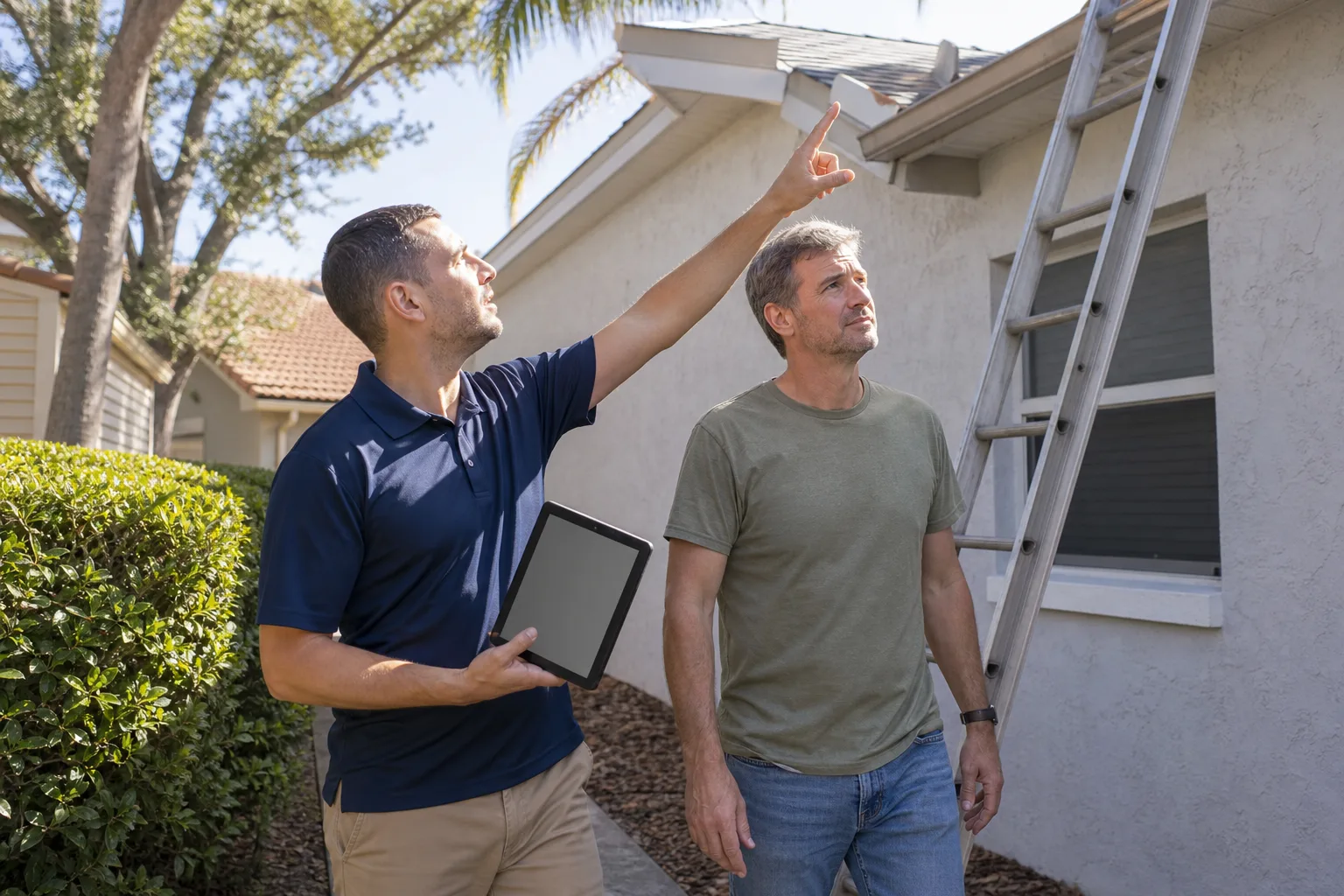
What that means for preparedness: your inspection checklist should start at the roof and work outward, not inward. If you’re planning a broader exterior assessment, our team covers this as part of full-scope work, and you can start at the Groundwork Construction Co. of Enterprise home page to see how we approach it.
Preparing for Monsoon Season and High-Wind Events
Enterprise sits in a monsoon-influenced desert zone. The late-summer pattern usually delivers intense, short-duration rain and sharp wind gusts, often with very little warning. A dry wash that’s bone-dry in the morning can be running in twenty minutes. The prep window is spring, before the pattern sets in.
What to do before the season
- Clear roof drains and scuppers. In our experience, most “roof leaks” after a monsoon are actually backed-up drainage. Clear debris from flat sections and gutters before the first storm.
- Walk the perimeter and check flashing. Look at every point where the roof meets a wall, vent, or chimney. Cracked sealant is a quick fix before the storm and a water-damage claim after it.
- Inspect fence posts for wobble. Push on each post. If it moves, it’s a candidate for replacement before wind takes the whole fence.
- Check window and door seals. Run a hand along exterior frames. Any gap that catches a fingernail is an entry point for wind-driven rain.
- Trim overhanging trees. A limb over a roof is a projectile in a wind event.
- Confirm your sump and drainage. If your property has a drainage swale or grate, clear it now.
Enterprise homeowners who do these six things before the season starts tend to report far less damage than neighbors who don’t. It’s not glamorous prep. It’s the difference between a $300 sealant job and a full roof replacement after a storm.
Utility Shut-Off Basics Every Home Should Know
When something fails, the first hour matters more than anything else you’ll do. Containing water, gas, or power is the priority. Know where these three shut-offs are before you need them, and show every adult in the house.
- Water main. Usually a valve where the service line enters your home, often near the front hose bib or in a utility closet. Turn it clockwise to close. If you have a meter box at the street, the valve there is a backup.
- Gas meter valve. A quarter-turn valve on the meter. If you smell gas or hear a hiss, leave the area, then shut it off only if you can reach it safely from outside and the valve moves freely. If gas is actively escaping, don’t try to shut off anything – get everyone out, call your gas utility from outside, and don’t use light switches or your phone until you’re clear of the area.
- Main electrical breaker. In the panel, usually the large double-pole breaker at the top. If you see sparking, scorching, or smell burning, shut off the main only if it’s safe to reach. Electrical work is not a homeowner repair. Call a licensed electrician.
Safety note: Gas and electrical are genuinely dangerous. If you smell gas, see smoke, or suspect an electrical fault, get out of the house and call the utility or emergency services first. A professional handles those systems for a reason. Don’t open the panel, don’t hunt for the leak, don’t try to “just tighten” a gas fitting.
Building a Construction Emergency Kit
You don’t need a bunker. You need a single bin in the garage, stocked and checked once a year, that lets you contain damage until professionals arrive. Here’s what we recommend for an Enterprise home:
- Waterproof tarps in two sizes, 10×12 and 20×30. Heavy-duty, not the thin dollar-store type.
- Utility knife and a roll of rope or heavy paracord to weigh and tie down tarps.
- A roll of stretch tape and a small tube of roofing sealant for temporary flashing patches.
- Work gloves, safety glasses, and a flashlight with fresh batteries.
- A short list of emergency contacts printed, not just saved in your phone: gas utility, water utility, electric utility, insurance agent, and your contractor.
- Two buckets and a box of rags for active leaks.
- A phone charger and a spare battery bank.
- Copies of your homeowner’s policy and a list of major home fixtures with photos, kept in a waterproof folder.
That last item is the one most people skip, and it’s the one your insurance adjuster will want. Photograph your roof, exterior, fence, and driveway every year or two. When a storm hits, you’ll have a “before” record that saves arguments. For exterior elements specifically, our guides on fence installation in Enterprise and driveway & pavers in Enterprise show what a properly built version looks like, which helps you spot damage when it happens.
Roof and Exterior Damage: What to Do in the First Hour
When a storm hits and water is coming in, the sequence matters. Follow it in order:
- Move valuables and contain water. Buckets under drips, towels along the floor to protect flooring. Don’t climb on the roof in a storm to find the source. Ever. Roofs get slick fast, and in Enterprise wind surges can knock you off balance.
- Shut off power to the affected area if water is near fixtures or outlets.
- Photograph the damage as it happens. Note the date and time. Your insurance company will want it.
- Document the source if it’s safe to observe from inside. A wet ceiling stain tells you where the water entered. That’s information your contractor needs.
- Call the utility if there’s any electrical or gas involvement. Otherwise, call your contractor and your insurance agent.
- Wait for a professional to tarp or repair the roof. A proper tarp job done by a roofer keeps water out and prevents further interior damage. A DIY tarp on a wet roof is how people get hurt.
In our experience, the difference between a $500 repair and a $5,000 repair is almost always the first hour. Homes that get tarped and dried correctly after a leak fare far better than homes where the leak sat for a day before anyone acted.
For exterior envelope work after a storm – windows, doors, siding – the material you install matters for long-term durability. Our brand partners include PGT and CGI for windows and doors, which hold up well to Enterprise’s sun-and-wind exposure. When you’re deciding on replacements after a storm, ask specifically about wind and UV ratings for this climate.
Fence and Driveway Emergencies After a Storm
Downed fence panels are the most common storm-related construction emergency in Enterprise. They block driveways, they create a security gap, and they can lean into a neighbor’s yard. The handling here is fairly straightforward:
- If a panel is blocking a driveway or walkway, move it clear only if it’s lightweight and safe to lift. Block-dropped panels can be heavier than expected. Get help.
- If a post has pulled out, don’t try to reset it in wet, loose soil. It’ll fail again. It needs to be re-set with proper footing once the ground is workable.
- If the fence is leaning near a gas line or electrical service, call the utility before you touch the fence. That’s rare, but it happens.
- Photograph the fence line and the cause (wind, tree, neighbor’s vehicle). Insurance and neighbor disputes both benefit from documentation.
For driveways, storm damage usually shows up as settled pavers or a heaved slab edge. If a vehicle got stranded because of a dropped fence or a lifted paver, that’s a priority. Move the vehicle clear, then assess the surface. Paver driveways are more forgiving because individual pieces can be lifted and reset; a cracked slab usually needs a different repair. Our team handles both.
Permits, Insurance, and the Repair Timeline
Here’s where homeowners get tripped up. Emergency repairs often need permits too. It’s a common misconception that “it’s an emergency, so we can skip the permit.” In most Enterprise-area jurisdictions, structural repairs, roof replacements, fence rebuilds, and any change to the footprint or elevation require a permit, storm or not.
Why that matters for you:
- Insurance claims often require documented work. An unpermitted repair can complicate or void a subsequent claim.
- Resale is affected. Unpermitted work shows up during a buyer’s inspection and can hold up a sale.
- Warranty depends on it. Our workmanship guarantee applies to permitted, properly inspected work. That’s part of how a 730-Day Done Right Promise can mean anything at all.
For major repairs or additions, the practical timeline in Enterprise is roughly: insurance adjuster visit within a few days to a week of your claim, then contractor scope and estimate, then permit, then work. If your damage is structural – cracked walls, roof deck issues, foundation concerns – the scope and permit phase is longer. Get the estimate in writing, line by line, so you know what’s covered and what isn’t. For bigger rebuilds, like an addition or ADU after significant damage, our guide to home additions & ADU in Enterprise walks through the permit and inspection process in detail.
Your Step-by-Step Emergency Response Plan
Print this. Tape it inside a utility closet door. In an actual emergency, you won’t want to think.
- Safety first. If anyone is injured, call 911. If you smell gas or see fire, get out and call from outside.
- Contain utilities. Shut off water, gas (from outside), or the affected electrical circuit – whichever is involved and safe to reach.
- Contain damage. Buckets, tarps inside, then move valuables clear.
- Document everything. Photos, video, timestamps, notes on what caused it.
- Call your insurance agent to open a claim. They’ll tell you the process and what they need from you.
- Call a licensed contractor for a written assessment and estimate. Confirm they pull permits and will provide a line-item scope.
- Do temporary containment only, not permanent repair, until scope and insurance are confirmed.
- Keep receipts for any emergency measures – tarps, mitigation, temporary lodging.
That’s the whole plan. Eight steps, one page, and it will save you money and time when something goes wrong.
Common Mistakes to Avoid
- Climbing on the roof in a storm. We’ve seen this end badly for Enterprise homeowners. A fall off a wet roof is far worse than a ceiling stain. Wait for the storm to pass and call a professional.
- Skipping the temporary tarp because you’re waiting on insurance. The insurance adjuster will not cover damage that occurred after a preventable delay. Tarp first, document, then claim.
- Authorizing a repair without a written scope. Verbal estimates become disputes. Get it in writing, line by line, every time.
- Assuming an emergency means no permit. It doesn’t. Structural and roof repairs still need permits in most Enterprise-area jurisdictions, and unpermitted work hurts you at claim or resale time.
- Letting a fence post stay in wet soil. Resetting a post immediately in damp ground it’ll just fail again in the next wind. It needs proper footing once the soil is ready.
- Ignoring small leaks in dry season. In Enterprise, a pinhole roof leak in a dry month looks harmless, but the next monsoon will find it. Seal it in the dry season.
- Not keeping a contact list off your phone. If the power’s out or your phone is dead, you need gas, water, electric, insurance, and contractor numbers on paper.
See the difference
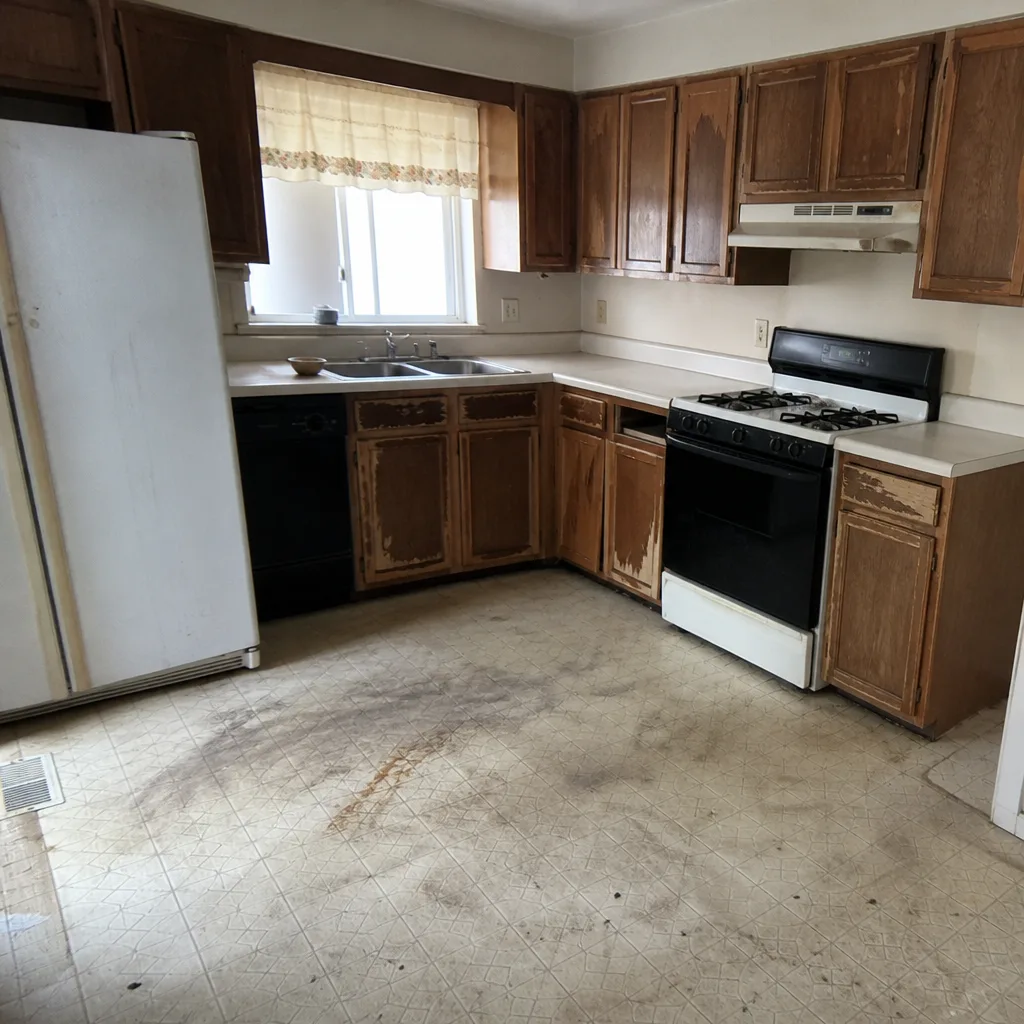 Before
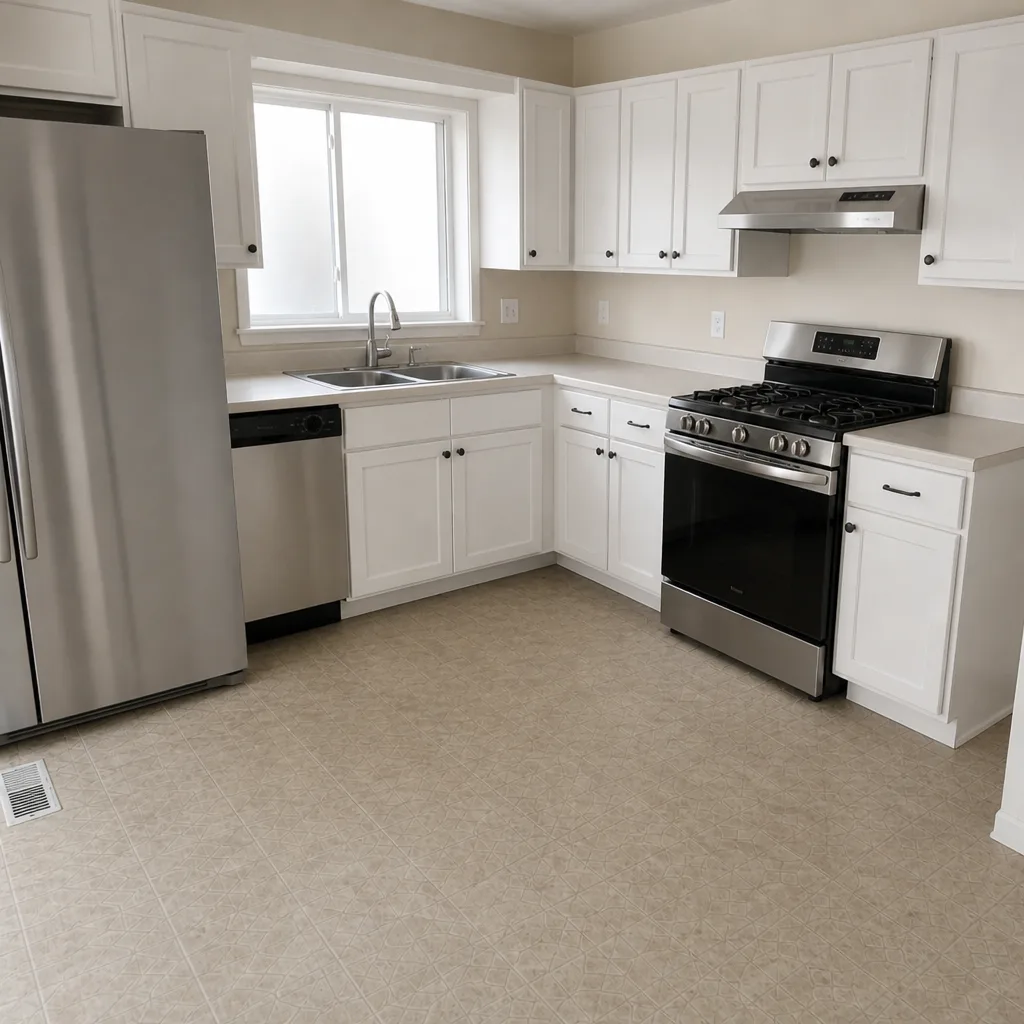 After
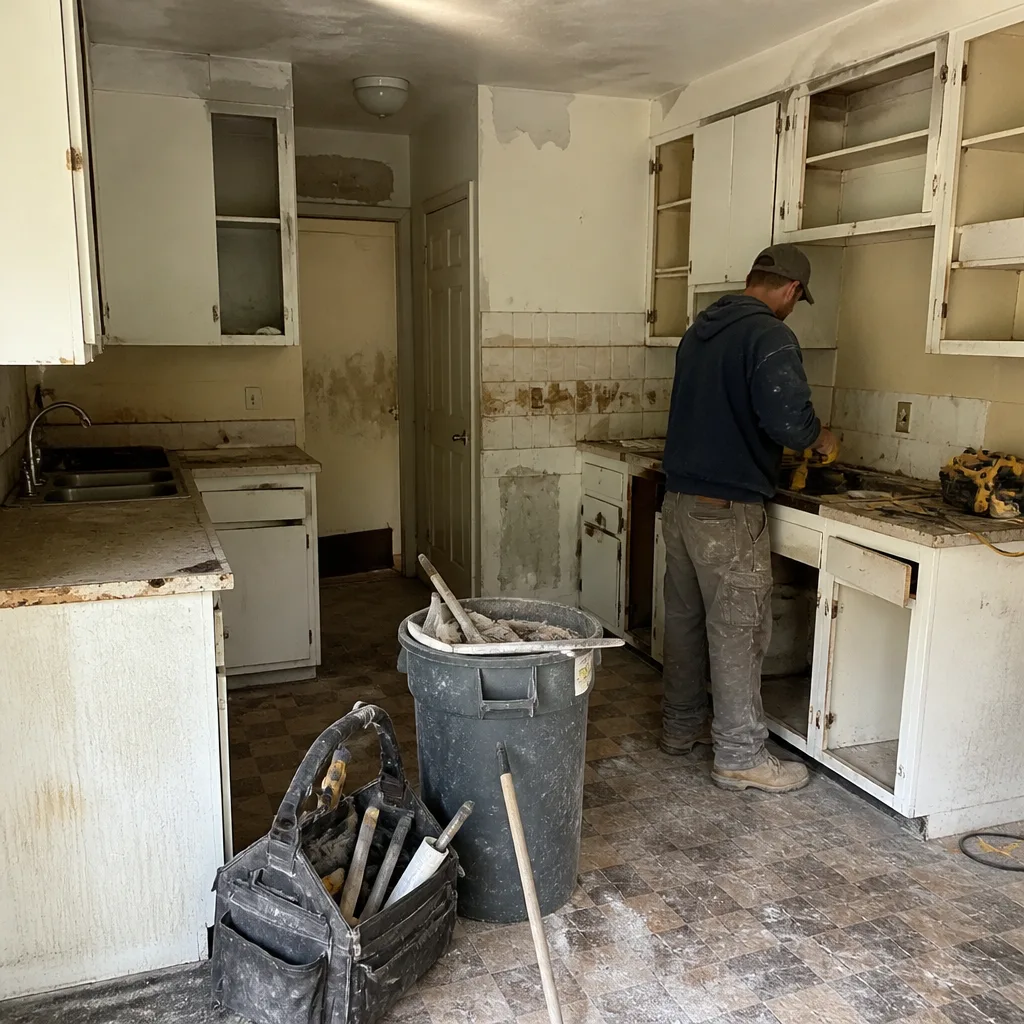 Before
 After
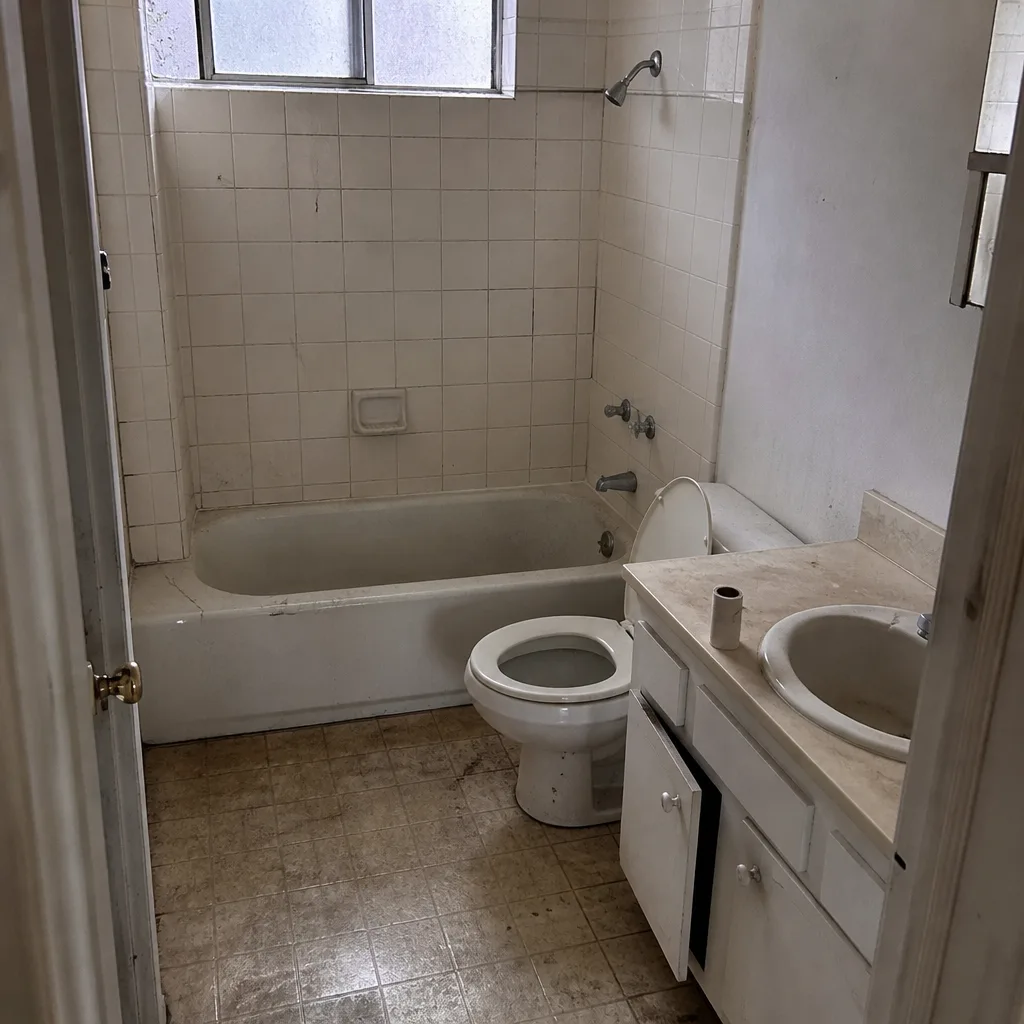 Before
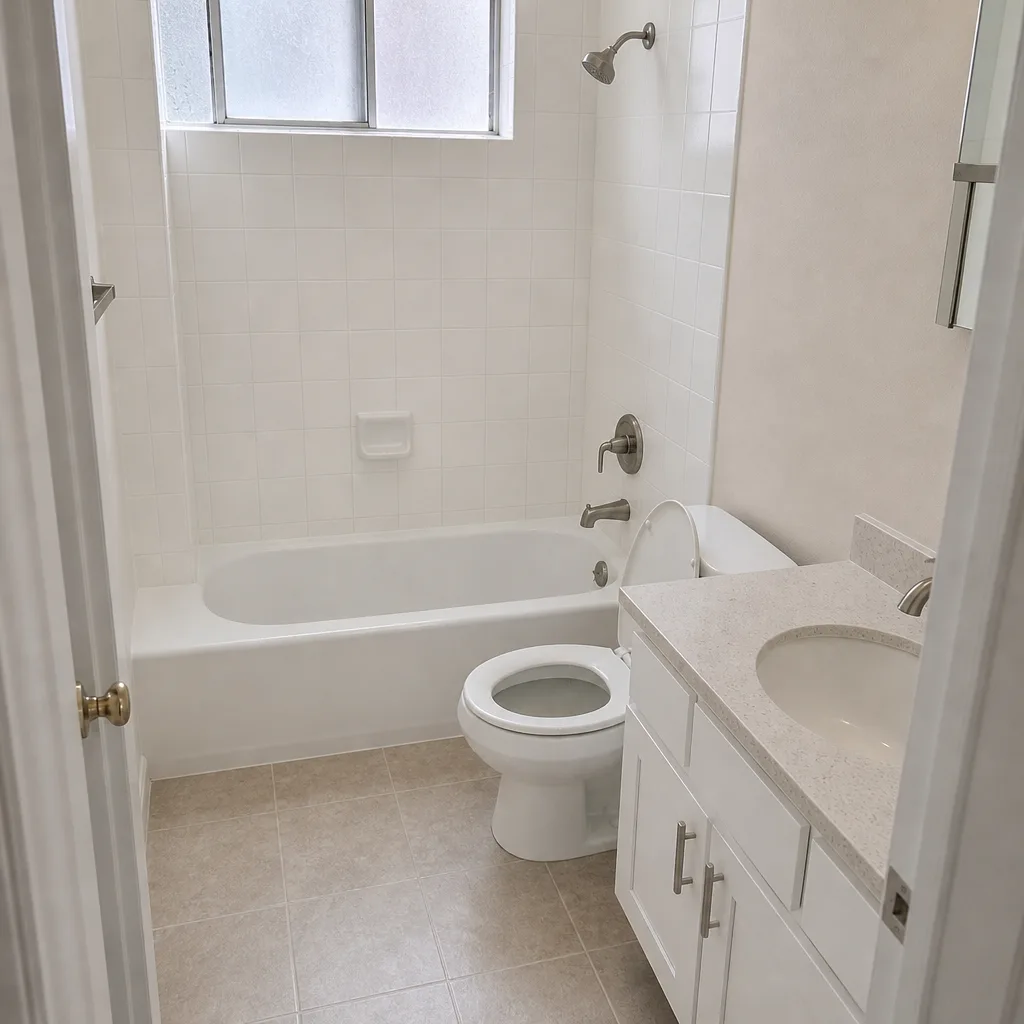 After
When to Call a Professional
There are repairs a careful homeowner can handle: clearing gutters, replacing a single paver, touching up exterior caulk. Then there are repairs that should always go to a licensed professional: anything involving the roof surface or its flashing, any electrical work, any gas line, any structural repair after a storm, any fence post reset in our soil, and anything where the scope is unclear. Storm damage is almost always in that second category, because the visible damage is rarely the whole story. If you’re in Enterprise and you’re not sure whether your situation is a phone call or a bucket, call us. Groundwork Construction Co. of Enterprise offers free estimates in Enterprise – call (844) 797-4406. Our technicians have up to 12 years of experience, and our calls are answered by a live person 24/7.
Frequently Asked Questions

Anything that’s actively causing or about to cause damage to your home: active water intrusion, a downed fence blocking access, a roof failure, structural movement, a broken window letting weather in, or a storm-damaged exterior element that leaves the home exposed. If the answer to “will this get worse in the next 24 hours?” is yes, treat it as an emergency. Call your contractor and your insurance agent in that order after securing safety.
Usually yes. Roof replacement, structural repair, fence rebuilds, and any change to the footprint or elevation generally require a permit even when the cause was a storm. Some cosmetic repairs don’t. The safest move is to ask your contractor to confirm – and to walk away from any contractor who says a permit isn’t needed for a structural repair. Call (844) 797-4406 for a free estimate that outlines permits in writing.
Emergency tarping and leak containment typically runs in the low hundreds of dollars. A proper roof repair after the storm can range from a few hundred for a localized fix to several thousand for a section replacement, depending on roof type and access. Full roof replacement is a much larger number. Because we don’t have access to your specific roof, we can’t quote a number here – but we can give you a line-item written estimate. Call (844) 797-4406 for a free estimate.
Typically yes, if the damage was caused by a covered peril – wind, hail, monsoon rain – and not by neglect or deferred maintenance. The two things that most often affect a claim are documentation and the quality of the repair work. That’s why we push for photos before, during, and after, and for permitted work with a written scope. Your agent is the authority on your specific policy.
Containment (tarping, boarding, shutting off water) usually happens the same day you call, or the next morning in non-life-safety cases. Permanent repairs depend on scope, permits, and materials. A simple roof patch can be done in a day. A storm-damaged fence rebuild depends on material lead times. Any contractor who promises a fixed completion date before seeing the damage is guessing. Call (844) 797-4406 to schedule an assessment.
No. Storm-chasing contractors who appear within hours of a storm are a known risk in every market, and Enterprise is no exception. Verify licensing, ask for a written line-item estimate, confirm permits will be pulled, and check the warranty in writing. A 730-Day Done Right Promise is one of the longest workmanship guarantees in residential construction – ask any contractor what their warranty actually says, in writing, before you sign.
The Bottom Line
Construction emergency preparedness in Enterprise isn’t about predicting the next storm. It’s about knowing your home’s failure points, keeping a small kit and a printed contact list, shutting off utilities at the source when something fails, containing damage with tarps and buckets before professionals arrive, and getting a written scope plus a permit before any repair starts. Do those six things and you’ll handle almost anything. Skip them and a $300 sealant job turns into a five-figure rebuild. Prep in the dry season. The storms don’t give you a warning.
If you’re in Enterprise and you want a professional assessment of your home’s exterior before the next season – roof, windows, fence, driveway, and drainage – call (844) 797-4406 for a free estimate. No-hassle upfront pricing, permits pulled and inspections passed, and the 730-Day Done Right Promise on every job. Live person, 24/7, ready when you call.
Written by the team at Groundwork Construction Co. of Enterprise.