Free written scope consultation - allowances, timeline, and change-order rules on paper before a single trade is scheduled
Styles & brands we work with
- Kitchen remodeling
- Bathroom remodeling
- Home additions & ADU
- Roofing
- Windows & doors
- Driveway & pavers
- Fence
See the difference
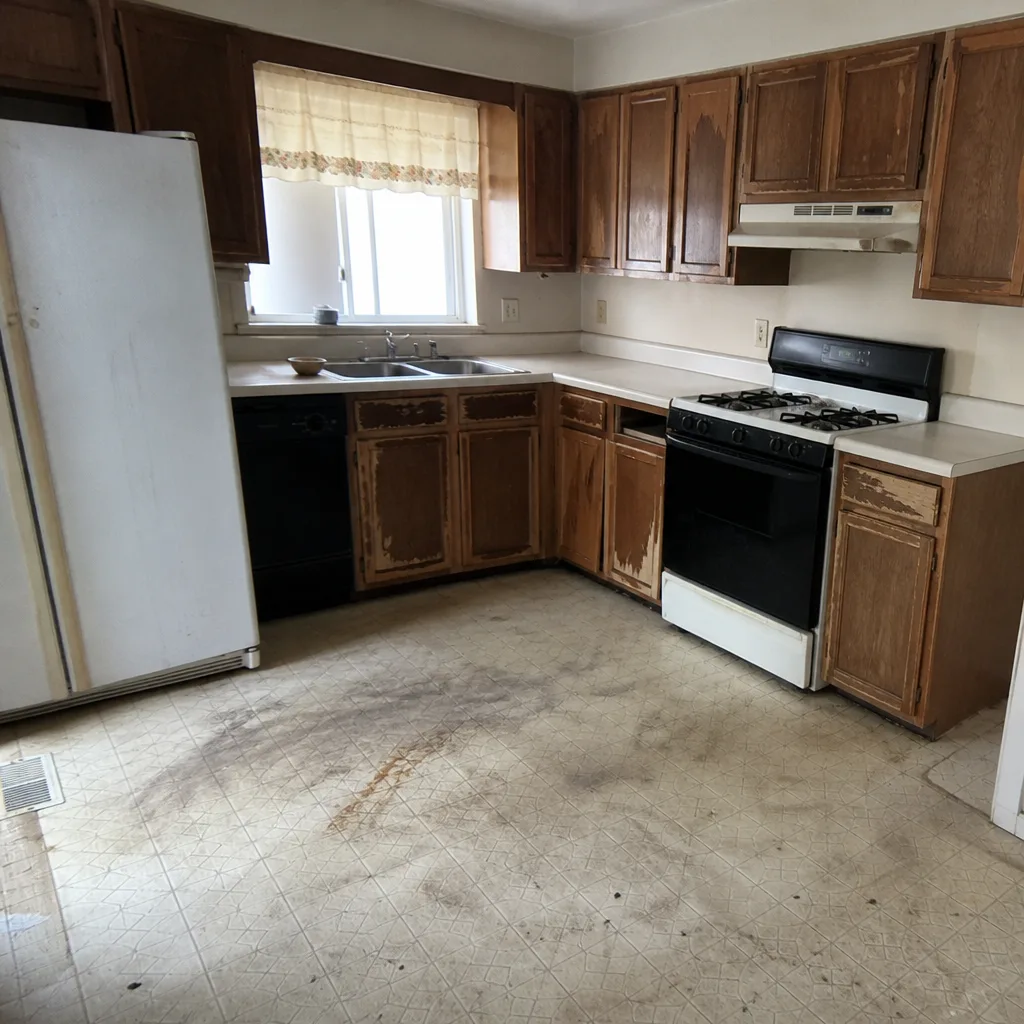 Before
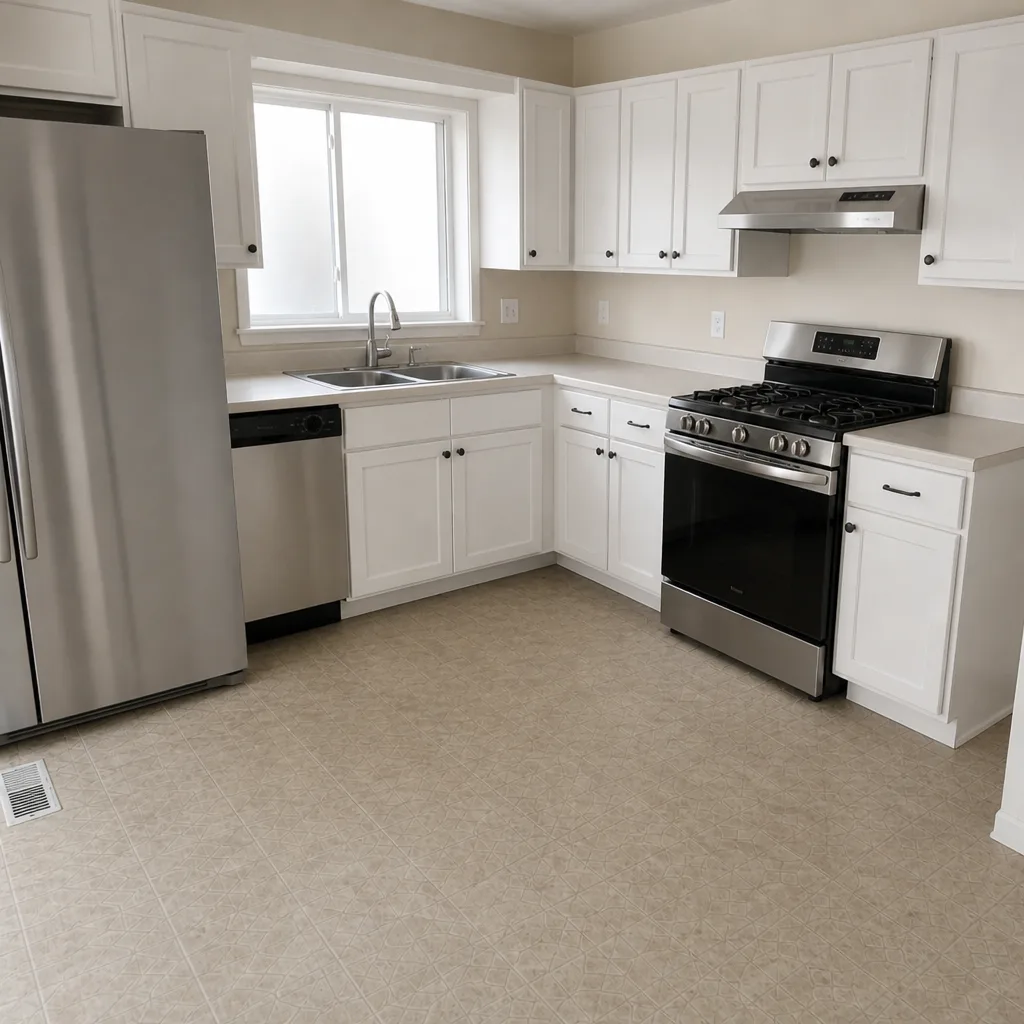 After
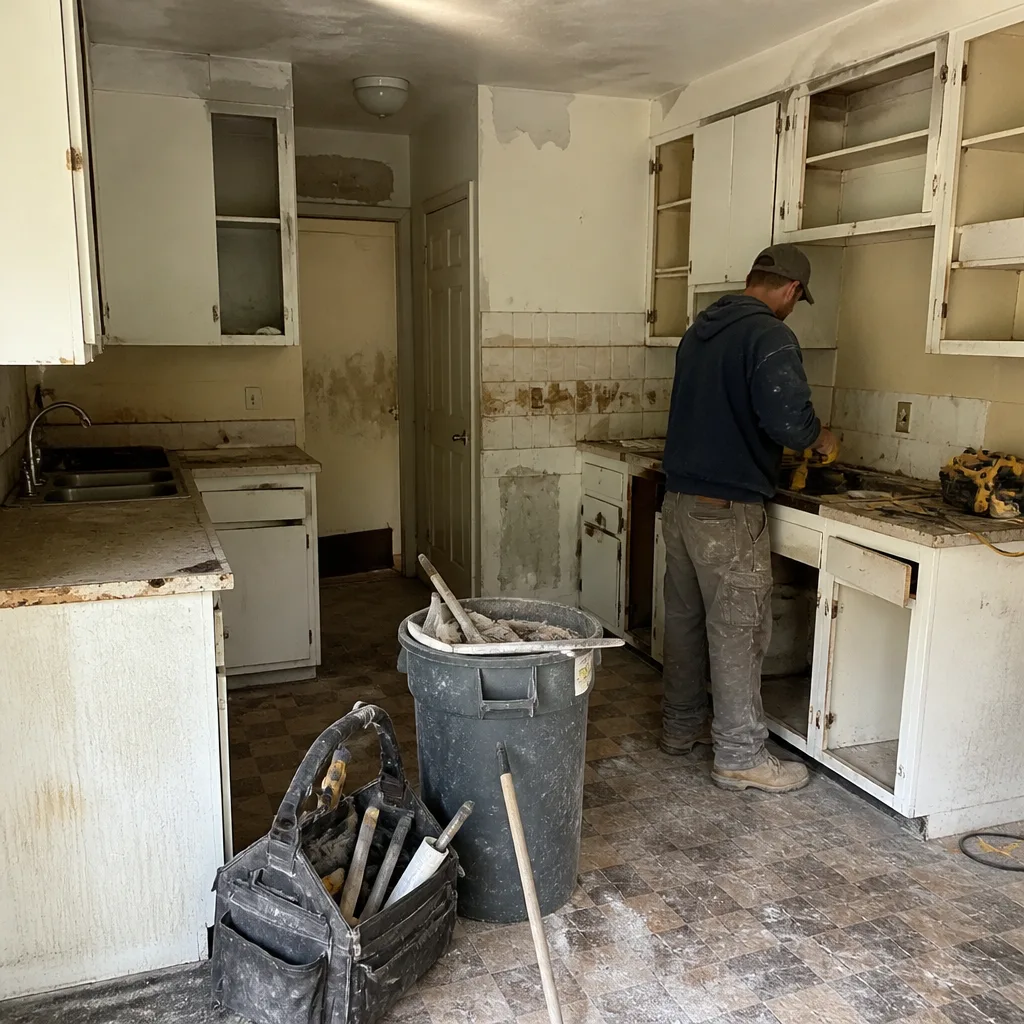 Before
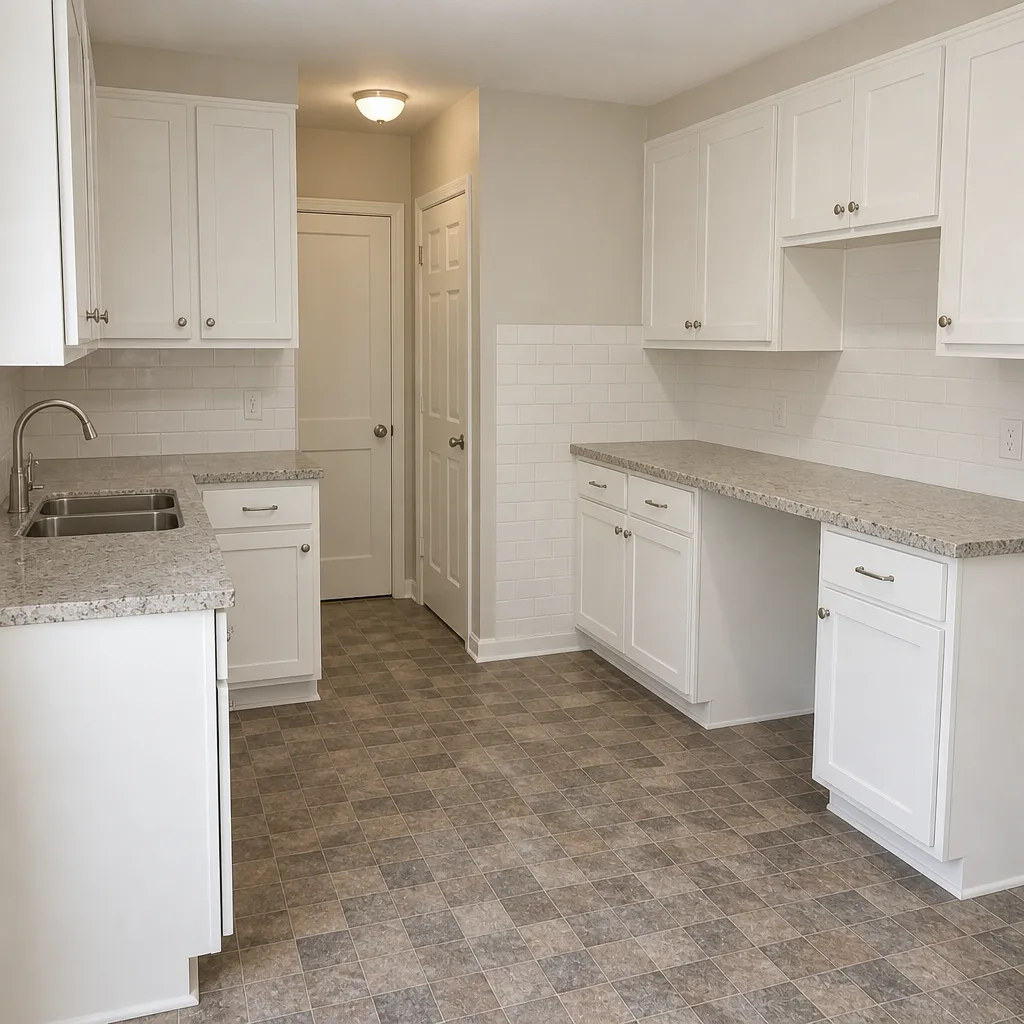 After
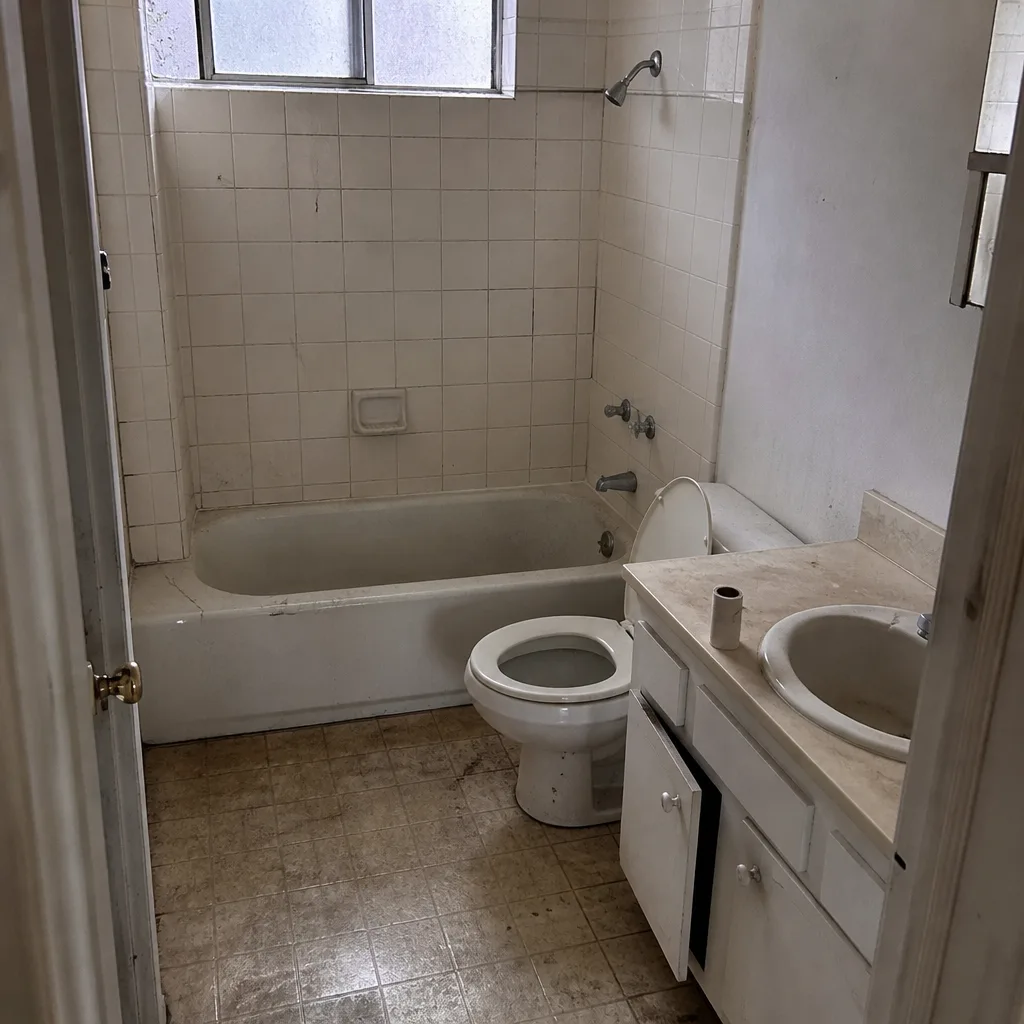 Before
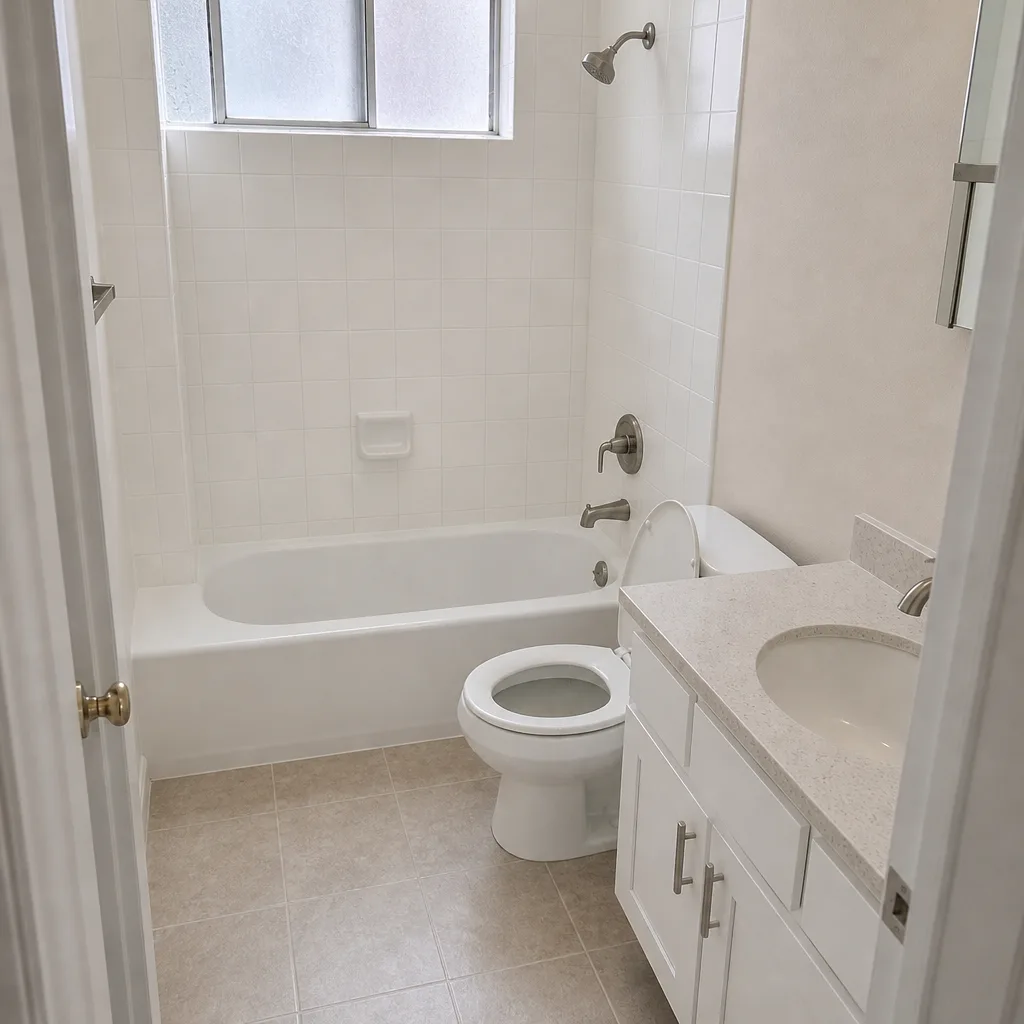 After
How Long Do Windows Last in Enterprise, NV? The Desert-Adjusted Answer
In Enterprise, NV, builder-grade vinyl windows typically last 15 to 20 years, not the 20 to 25 years national charts promise. That’s the honest number after living with Mojave sun. UV degradation of seals and frames moves faster here than in the temperate climates those averages were measured in, and most homes in Southern Highlands and Mountain’s Edge are now squarely inside that replacement window. When in doubt, get a real assessment instead of guessing. Call Groundwork Construction Co. of Enterprise at (844) 797-4406 and we’ll tell you straight what you’re looking at.
A window installed in suburban Portland in 2000 and a window installed in Mountain’s Edge in 2000 have lived very different lives. One has seen 25 years of mild Pacific weather. The other has seen 25 summers above 105°F and roughly 300 days a year of direct desert sun. Enterprise is Las Vegas’s southwest growth corridor, where subdivisions push toward the Sloan and Blue Diamond foothills, and where the housing stock is overwhelmingly 1990s-to-present stucco-and-tile homes. That single fact explains almost everything about how long the windows in this part of town actually hold up.
Key Takeaways
- Builder-grade vinyl windows in Enterprise: 15 to 20 years, not the 20 to 25 years national averages suggest.
- Mid-grade vinyl: 18 to 22 years. Fiberglass or wood-clad premium: 25 to 30+ years.
- Sealed dual-pane units often lose 30 to 40% of their insulating gas long before they look broken.
- Homes built 1998 to 2012 in Southern Highlands and Mountain’s Edge are at or past the point of replacement.
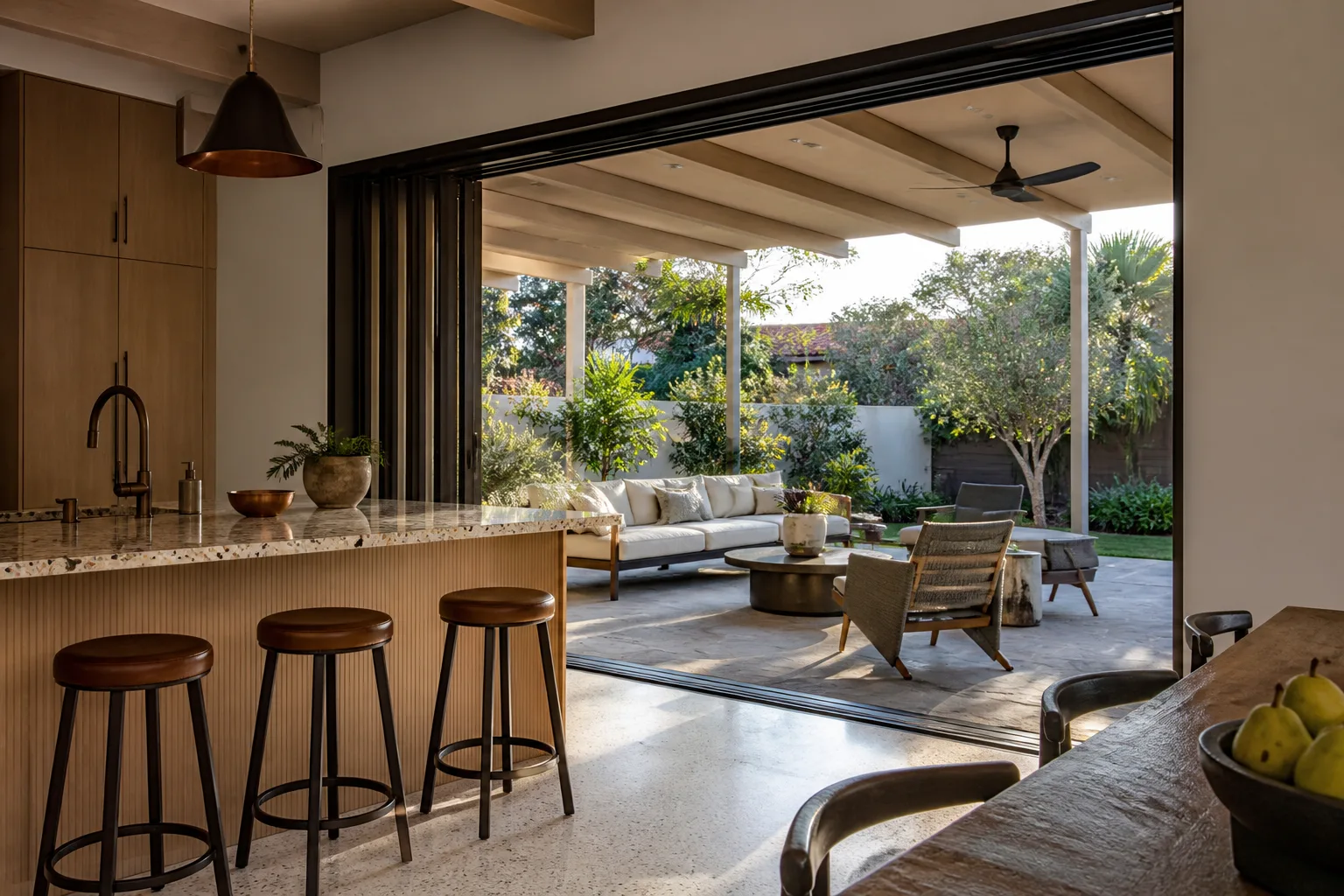
What’s the Real Lifespan of Windows in Enterprise’s Climate?
Here’s the comparison we walk through with homeowners, because a single number hides too much. The range depends on materials, but also on which side of the valley you sit on and how much western sun your wall takes.
| Window Type | Enterprise Desert Climate | Temperate-Climate Average |
|---|---|---|
| Builder-grade vinyl | 15-20 years | 20-25 years |
| Mid-grade vinyl | 18-22 years | 22-28 years |
| Fiberglass / wood-clad premium | 25-30+ years | 30-40 years |
The gap widens as you move down the price tiers, and the reason is thermal cycling. A window on a west-facing wall in Enterprise can swing 60 degrees or more between a July afternoon and a January night. Vinyl expands and contracts with every swing. Over 15 years that’s thousands of cycles flexing the frame, working the weatherstripping loose, and stressing the seal between the panes. Add relentless UV that breaks down vinyl plasticizers and glazing seals, plus fine desert grit driven by spring winds, and you get a lifespan that runs five years short of the national chart.
The Failure Nobody in Enterprise Notices Until the Bill Arrives
The frame usually fails last. The gas seal fails first. Dual-pane units are filled with argon or krypton between the panes to slow heat transfer, and that gas slowly escapes past the perimeter seal. The window still looks fine from inside. No fogging, no visible crack. But by the time a 2006-vintage unit reaches its 15th summer in the Enterprise sun, it has often lost 30 to 40% of its insulating performance, and the homeowner has no idea why the upstairs rooms run hot or the summer power bill creeps up every year.
What we see on assessments across the southwest valley: a home with windows that pass the eye test but fail the touch test. You stand near the glass on a 110°F afternoon and feel radiant heat pouring off it. You hold your hand near the frame on a cold January morning and feel a draft the weatherstripping used to block. Those are the quiet signals that a window is done, even if it still opens and closes.
If you’re ready to fix it rather than diagnose it, our Windows & Doors team handles replacement across the valley with upfront pricing, and we don’t recommend a swap until the age and condition actually justify it.
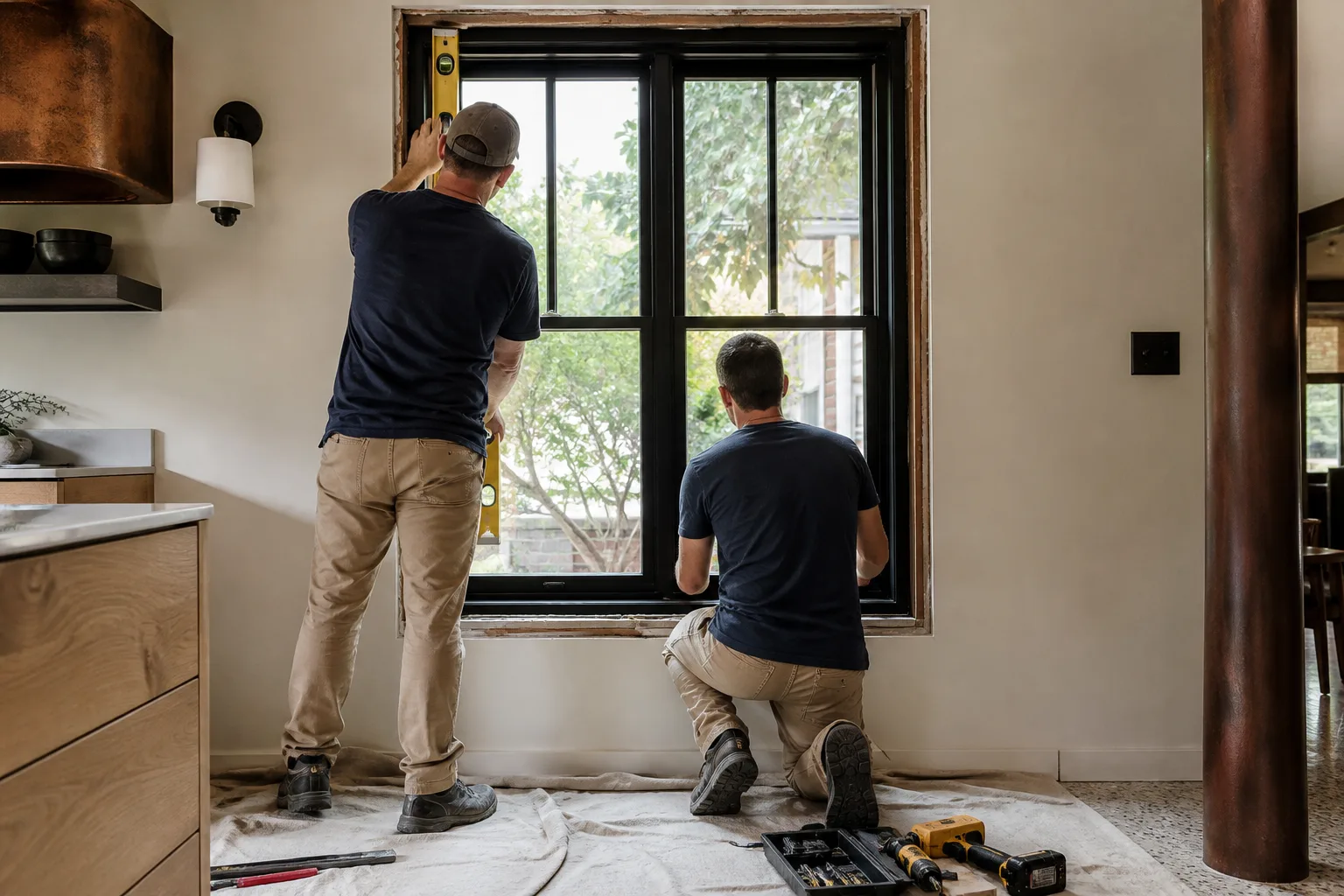
How Do You Know If Your Enterprise Home Is Due?
Look up your build year. That’s the fastest self-check. Southern Highlands filled in mostly between 1998 and 2010, and Mountain’s Edge between 2004 and 2012. If your home was built in that range, the original builder-grade windows are now 14 to 28 years old, which puts most of them at or past the desert-adjusted end of life. Homes in the newer phases toward the foothills still have a few years of runway, but anything from the 2000s is worth a hard look.
A few other signs that a window has crossed the line:
- Fogging, hazing, or a film between the panes (the seal has failed outright)
- Condensation inside the glass on cool mornings
- Frames that stick, warp, or won’t latch flush in summer heat
- Drafts near the frame that weren’t there a few years ago
- Faded or chalky exterior frame finish from UV
- Rising summer cooling bills with no other explanation
For a deeper walkthrough of the area and how we handle assessments, see our Enterprise service area page.
What Does Replacement Cost in Enterprise, and What Do You Get?
Window replacement in Enterprise runs $4,500 to $15,000 for a typical whole-home swap, and impact-rated units run $8,000 to $25,000. The premium tier buys you a longer clock. We install Andersen and Marvin windows, both of which carry manufacturer warranties that explicitly name the Desert Southwest climate zone, which is a longer coverage term than any builder-grade unit will ever offer. That’s part of the real cost of ownership math: a window rated for the desert lasts longer before it costs you again.
The brands you’ll hear us mention most often on the hardware side are Moen, Delta, and American Standard, because the fixtures that go around the window matter too when you’re doing a full room refresh. And every job we run is covered by our 730-Day Done Right Promise. That guarantee stretches well past the first monsoon season, which is when thermal cycling and driven rain put the most stress on a fresh install. If a unit leaks or a frame shifts in that 24-month window, we come back and make it right. Upfront pricing means the number we quote is the number you pay.
Two other pieces make the decision easier for Enterprise homeowners: our calls are answered by a live person around the clock, and qualified projects over $10,000 get $1,000 off, with 0% financing for 18 months available. Our technicians have up to 12 years of experience, all background-checked and arriving in uniform. From foundation to finish line, we are here to help; visit the home page to see the full range of what we build.
FAQs
Most windows in Enterprise last 15 to 20 years if they’re builder-grade vinyl and 25 to 30+ years if they’re fiberglass or wood-clad premium units. The desert UV and thermal cycling shorten the national average by about five years, so a unit that charts 20 to 25 years in a temperate climate lands at 15 to 20 here. If your home predates 2012 and still has original windows, call (844) 797-4406 for a free assessment.
Because the gas seal usually fails before the frame or the glass does. A dual-pane unit can lose 30 to 40% of its insulating performance while looking perfectly intact, and the only sign is heat radiating off the glass on a hot afternoon. You won’t see fogging until the seal has failed completely, and by then the energy loss has been running for years. That silent loss is worth a professional look; call (844) 797-4406 for a free quote.
Replace them if they’re 15 years or older and the seal has failed, because a spent sealed unit can’t be recharged. In Enterprise, replacement is the honest answer for most homes built in the 2000s. If you have one bad unit and the rest still hold their gas, repair may make sense. Our team will tell you which one you’re facing rather than selling you a full swap you don’t need. Call (844) 797-4406 for a straight answer.
Yes, and the manufacturer warranty is the proof. Andersen and Marvin units are rated and warranted for the Desert Southwest climate zone, which means the coverage term is written for conditions that match Enterprise. Builder-grade vinyl is warranted for the generic national market at best, and often only from defects. Premium units last longer on the wall and back their claim in writing. For a quote on name-brand replacement, call (844) 797-4406.
If you’d rather have it looked at, Groundwork Construction Co. of Enterprise offers a no-pressure assessment in Enterprise. We’ll check the seal, the frame, and the age, and tell you what actually needs to happen. Call (844) 797-4406 for a free estimate and design consult.
Written by the team at Groundwork Construction Co. of Enterprise, serving Enterprise, NV.