
Free written scope consultation - allowances, timeline, and change-order rules on paper before a single trade is scheduled
Styles & brands we work with
- Kitchen remodeling
- Bathroom remodeling
- Home additions & ADU
- Roofing
- Windows & doors
- Driveway & pavers
- Fence
See the difference
 Before
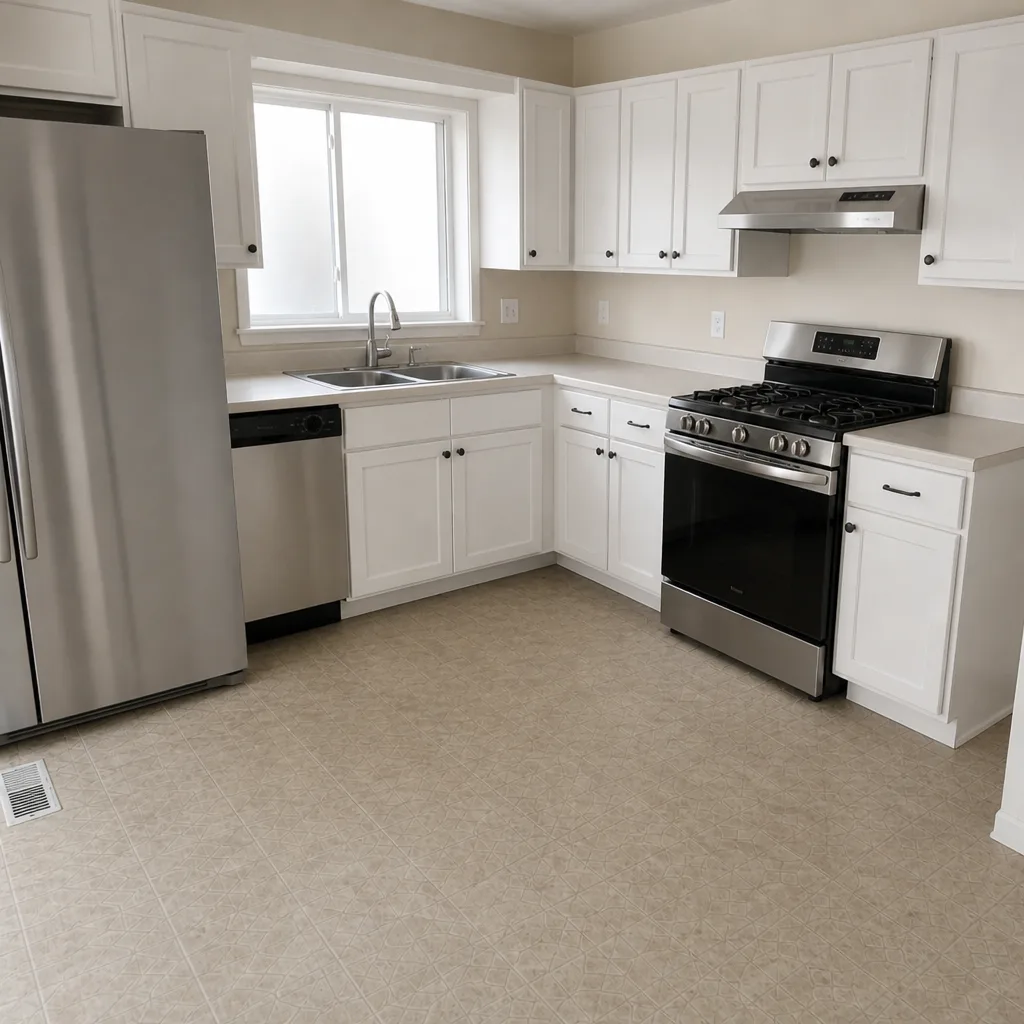 After
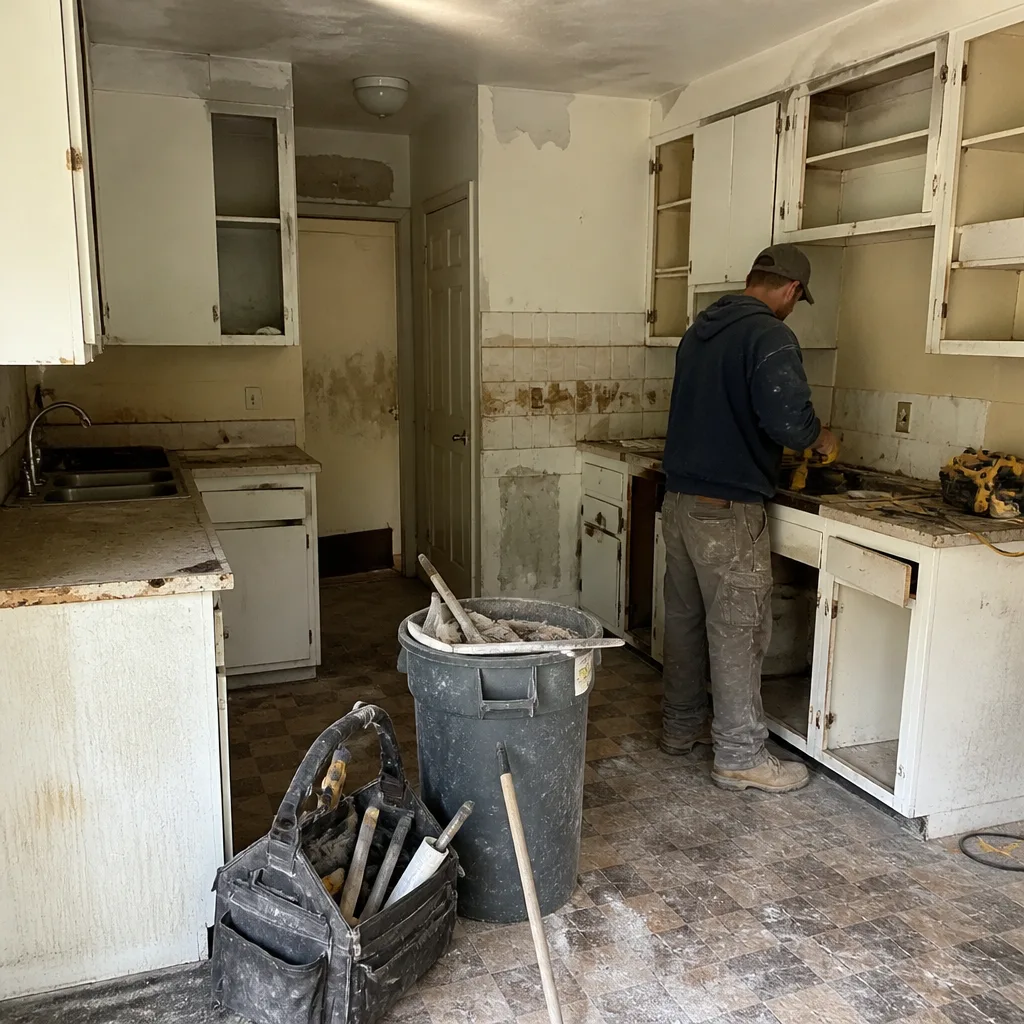 Before
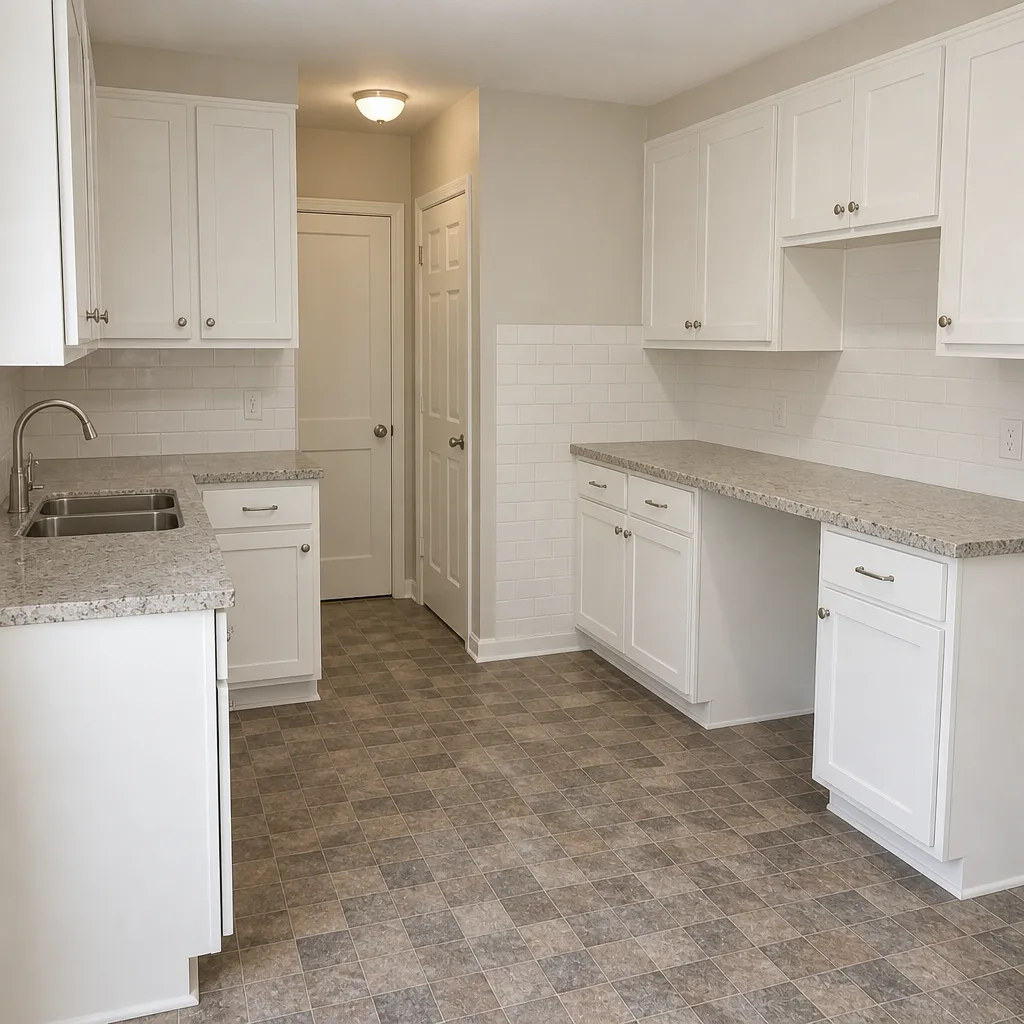 After
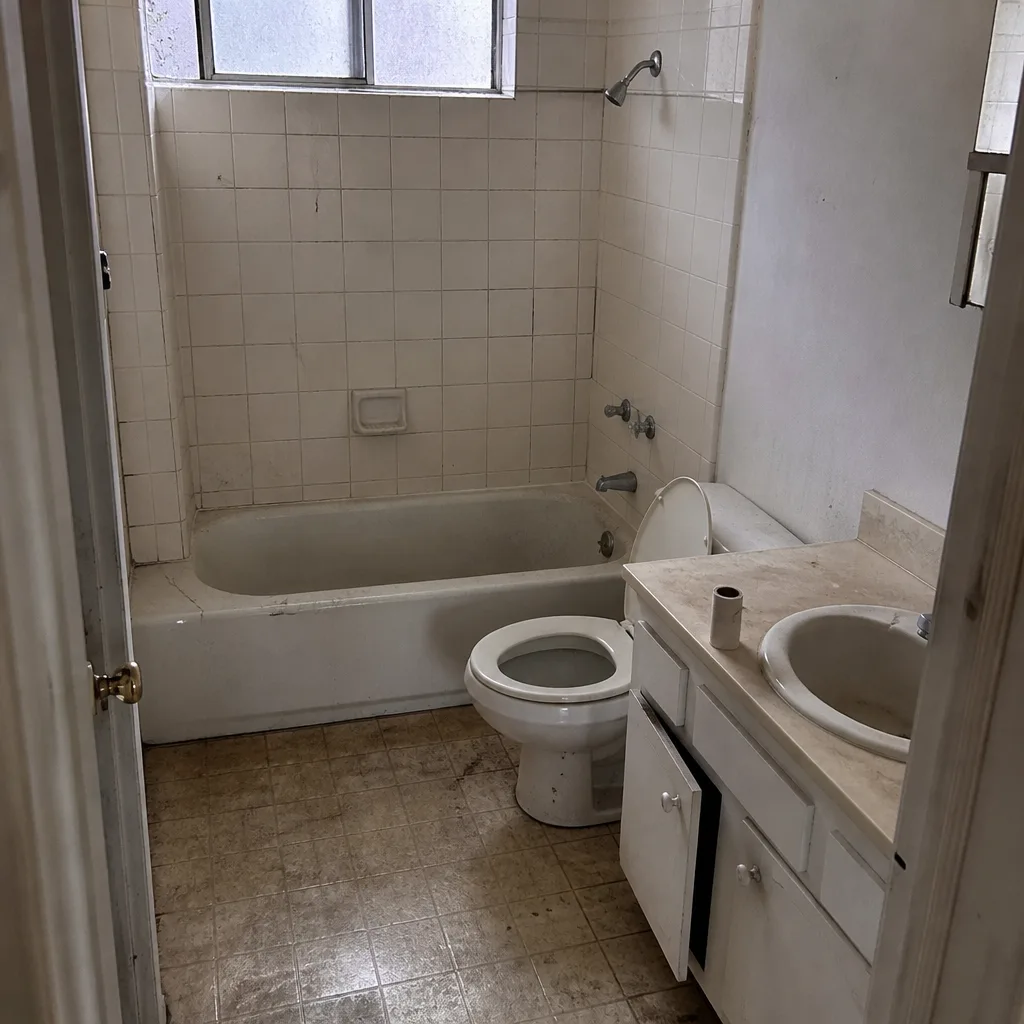 Before
 After
How to Repair a Chain Link Fence in Enterprise, NV: Fix the Base Before the Mesh
If your chain-link fence in Enterprise is sagging or pulling away from the posts, check the post base first. The short answer to how to repair a chain link fence here is that the damage usually isn’t in the mesh at all: the galvanized coating on steel posts corrodes at the soil line long before the wire does, so the real repair is stabilizing or replacing the base before the fabric lets go. Most Enterprise fence repairs run $3,500-$9,000 depending on how many posts and panels are involved. Call (844) 797-4406 and a live person answers, any hour, to talk through what you’re seeing.
Why Enterprise Chain Link Fails at the Soil Line
The Mojave doesn’t rust chain link the way most repair guides describe. Our soil is alkaline, and much of it is caliche-heavy. After a monsoon cell rolls through, runoff carries dissolved minerals across the ground and pools at the base of every post. That combination creates a mildly electrolytic environment right where the galvanized coating meets dirt and moisture, and it eats the zinc layer away far faster than manufacturers rate it.
In neutral soil, a quality galvanized post holds up for 20-plus years. In alkaline desert ground with mineral-laden runoff, we regularly see that coating stripped in 8 to 12 years, and the pitting underneath starts sooner than that. The wire fabric, especially on newer fences, outlives the structure holding it up. So a homeowner looks at a fence that seems “mostly fine” and can’t figure out why one section leans, or why the top rail dips.
This is also why chain link along the foothill edges of Enterprise behaves differently than a fence on flat central-valley ground. Enterprise is the valley’s southwest growth corridor, and lots that push toward the Sloan and Blue Diamond foothills are graded to shed water. That’s helpful for the house and hard on fence posts, because runoff concentrates at grade changes and moves fast during storm season. A post set into engineered fill on a slope gets a heavier dose of mineral exposure than one on level ground.
Reading a Post Before It Fails
You can inspect posts yourself without tools. What you’re looking for is loss of structure, not surface color.
- Rust pitting: look for a rough, pocked texture at the soil line, not a smooth orange film higher up. Pitting means the steel itself is thinning.
- Flaking galvanization: if the silver coating peels or flakes away in patches near the base, the protection is already gone at that spot.
- Structural wall loss: press a screwdriver against the base and see how it feels. A post that flexes or sounds hollow has lost wall thickness and won’t carry tension much longer.
- Lean test: a post that rocks when you push the top rail is already compromised below grade, even if the fabric looks taut.
When one post goes, it pulls on the whole run. Chain link is a tension system: the fabric, top rail, and tension wire all depend on solid anchors at both ends. A failed corner post can take a 10-foot section of sound fence down with it, so catching the base early is the difference between a small repair and a full re-stretch.
The Repair Decision Tree: Sound Post vs. Compromised Post
Once you’ve read the posts, the repair path splits two ways. Get this call right and the repair lasts. Get it wrong and you’ll be back out there in two summers.
Post still structurally sound
If the steel is intact under the surface rust, you can protect it in place. We clean the base down to bare metal, neutralize the surrounding soil pH so the corrosion stops being fed, and apply a cold galvanizing compound to restore the zinc barrier. A plastic post sleeve set around the base then keeps future runoff and soil contact off the repair. On a post with good wall thickness, that treatment buys years.
Post wall-compromised
If the base has lost real steel, patching it is a temporary fix that fails at the first big wind. The right move is full post replacement, and for desert-soil conditions we go heavier than a standard residential post: schedule-40 or better gauge so there’s more wall to lose before the post is done. We also set it with better drainage at the hole, because the corrosion you’re replacing was caused by water and minerals sitting at the base. If your fence is due for a fuller rebuild, our team can walk the options on Fence Installation in Enterprise.
Mesh Repair When UV Has Done the Damage
Not every chain-link failure in Enterprise is mechanical. Older aluminum-coated fabric gets brittle under our sun, which routinely pushes past 105°F in summer and delivers intense UV year-round. Brittle mesh cracks at stress points, and a patch tends to fail at the patch edge because the surrounding wire is just as fatigued as the section you replaced.
Here’s the operator detail most guides skip: on mesh that’s UV-embrittled, a patch is often a wasted afternoon. If the surrounding fabric cracks when you flex it by hand, replace the full panel instead of splicing in a piece. You’ll pay a little more up front and skip the callback. Our technicians have up to 12 years of experience reading exactly this kind of desert wear, and it’s a quick judgment call once we’re on site.
What Chain Link Repair Costs in Enterprise
Upfront pricing matters more than a low headline number, so here’s the range we hold to across Enterprise for common chain-link repairs:
| Repair type | Typical cost |
|---|---|
| Post base treatment / cold galvanizing + sleeve | $350-$900 per post |
| Full post replacement (desert-grade gauge) | $500-$1,400 per post |
| Mesh panel replacement | $1,200-$3,500 |
| Multi-post / section rebuild | $3,500-$9,000 |
The bottom of that range covers a handful of posts and touch-up; the top covers a full section rebuild with new anchors. If you’re weighing repair against replacement, a general rule: when more than about a third of the posts show wall loss, a rebuild is usually the better spend. Groundwork Construction Co. of Enterprise bundles materials from top-tier suppliers and backs the work with our 730-Day Done Right Promise, so if it’s not done right, we make it right. Our current promotions also help: 0% financing for 18 months and $1,000 off projects over $10,000.
When Storm Damage Can’t Wait Until Monday
Monsoon-season flash floods are a real thing in Enterprise, and they don’t check the calendar. When runoff takes out a fence section, that’s a security and safety problem, not a cosmetic one, especially where a sub backs onto open desert. Our calls are answered by a live person 24 hours a day, seven days a week, so a homeowner can call at 2 a.m. after a wash cut through a run and get a real person to schedule emergency repair. No voicemail, no waiting for business hours. And when a crew arrives, they’re background-checked and in uniform.
FAQs
Surface rust sits on top of the coating and wipes away; through-rust is pitted, flaky, and flexes when you push on it. Check the base at the soil line, where corrosion concentrates. If the steel gives or sounds hollow, the post has lost wall thickness and needs replacement, not a repaint. Call (844) 797-4406 for a free assessment if you’re unsure.
Many single-post and small-section repairs can be handled same day when the right materials are on hand. Storm emergencies get priority scheduling led by live people who answer around the clock. Call (844) 797-4406 to check availability for your fence, and estimates are free.
Repair is usually cheaper when the posts are structurally sound and the damage is limited to a few spots. Replacement makes more sense once a third or more of the posts show wall loss, since the corrosion is systemic. Call (844) 797-4406 for an upfront, no-surprise number on both paths.
Alkaline desert soil and mineral-laden monsoon runoff strip galvanized coatings at the soil line in 8 to 12 years, while the mesh inside stays intact longer. The structure outlives its anchors. Protecting the base protects the whole fence. Call (844) 797-4406 to schedule a soil-line inspection.
If you’d rather have your fence looked at by someone who knows this ground, Groundwork Construction Co. of Enterprise offers a no-pressure assessment. We’ll show you exactly which posts are holding and which aren’t, then give you a clear number. For a free estimate, call (844) 797-4406. You can also start at our home page and explore the full range of fences we build and repair.
Written by the team at Groundwork Construction Co. of Enterprise, serving Enterprise, NV.