




Free written scope consultation - allowances, timeline, and change-order rules on paper before a single trade is scheduled
Styles & brands we work with
- Kitchen remodeling
- Bathroom remodeling
- Home additions & ADU
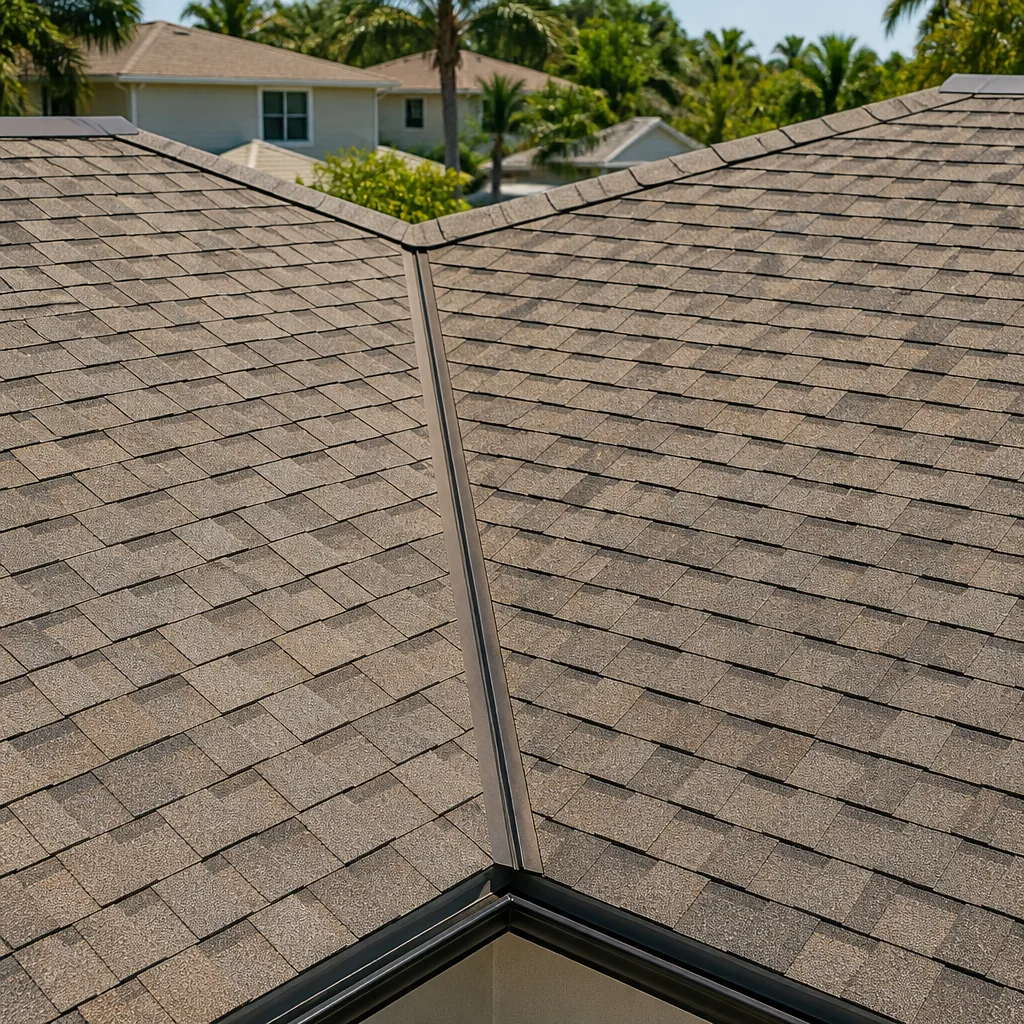
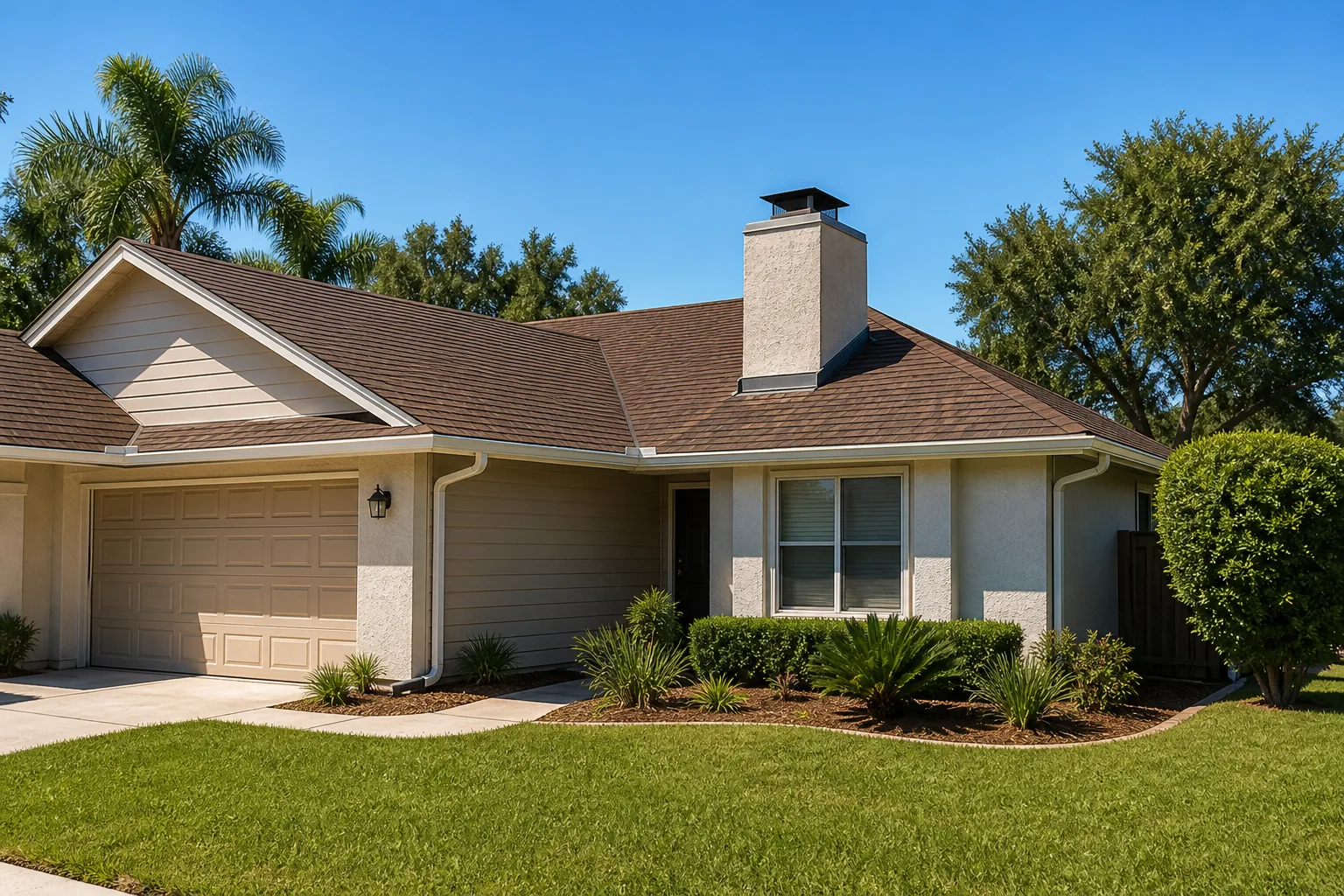
- Roofing
- Windows & doors
- Driveway & pavers
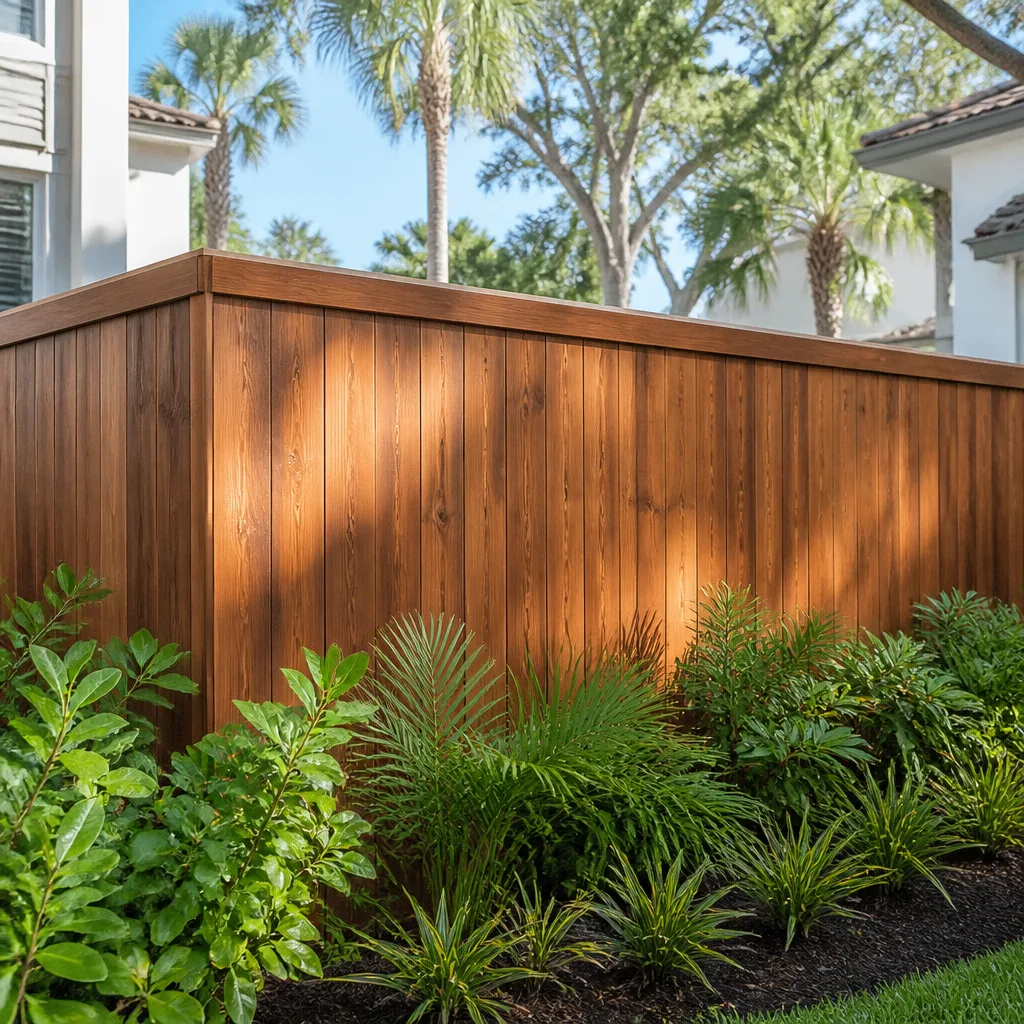
- Fence
See the difference
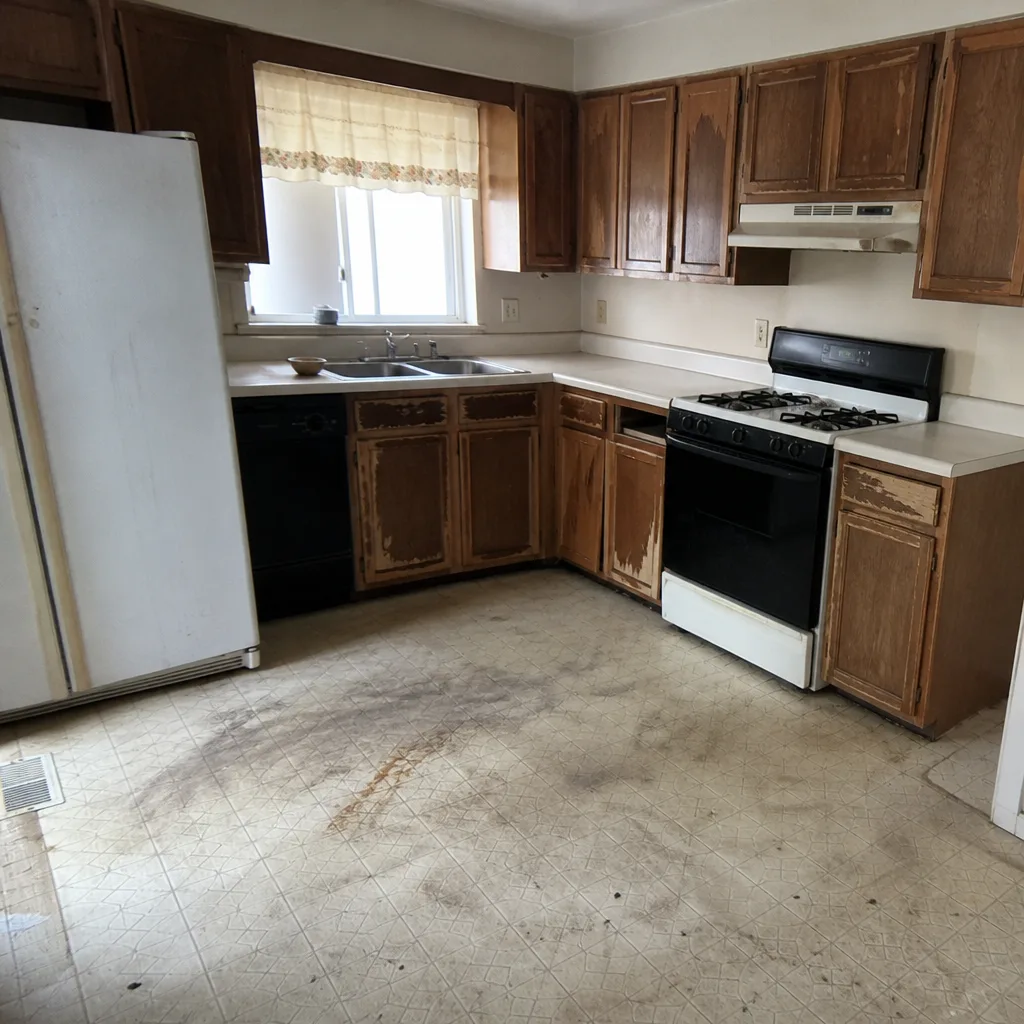 Before
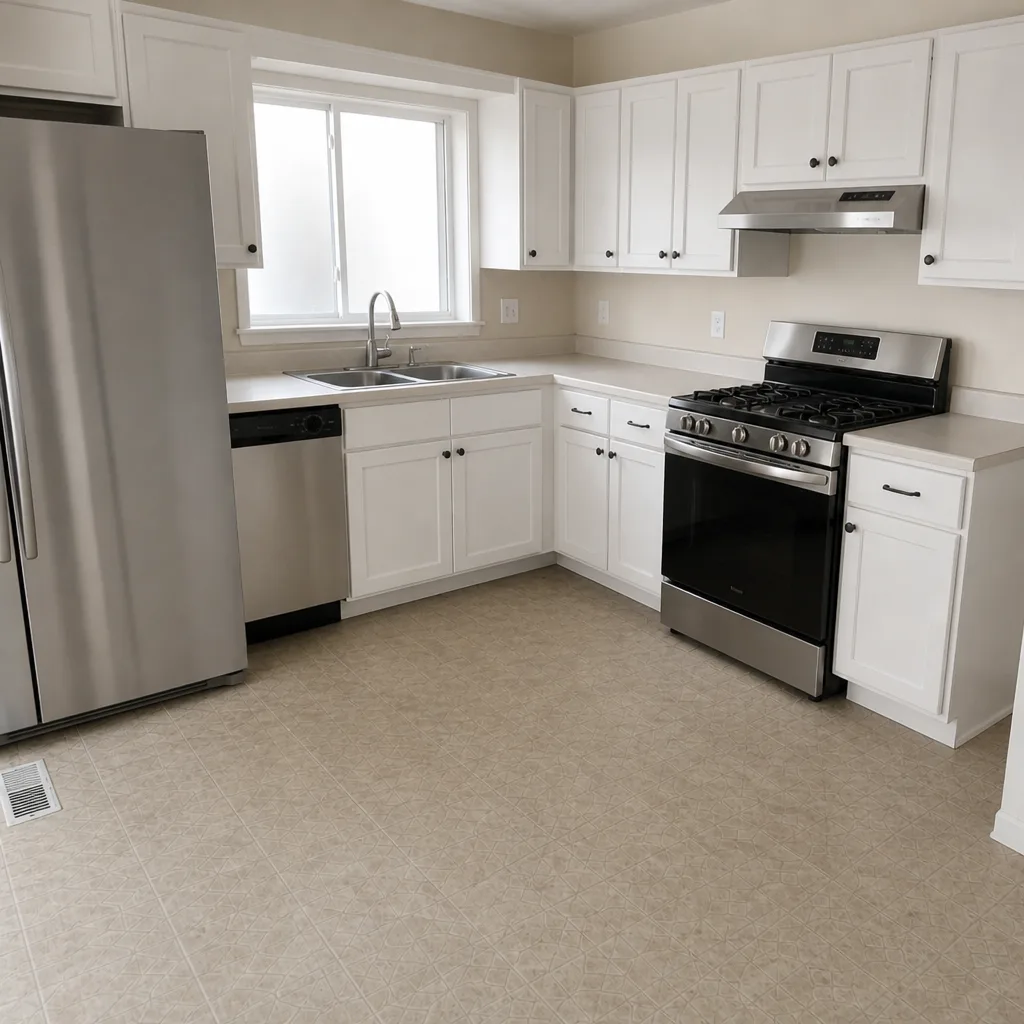 After
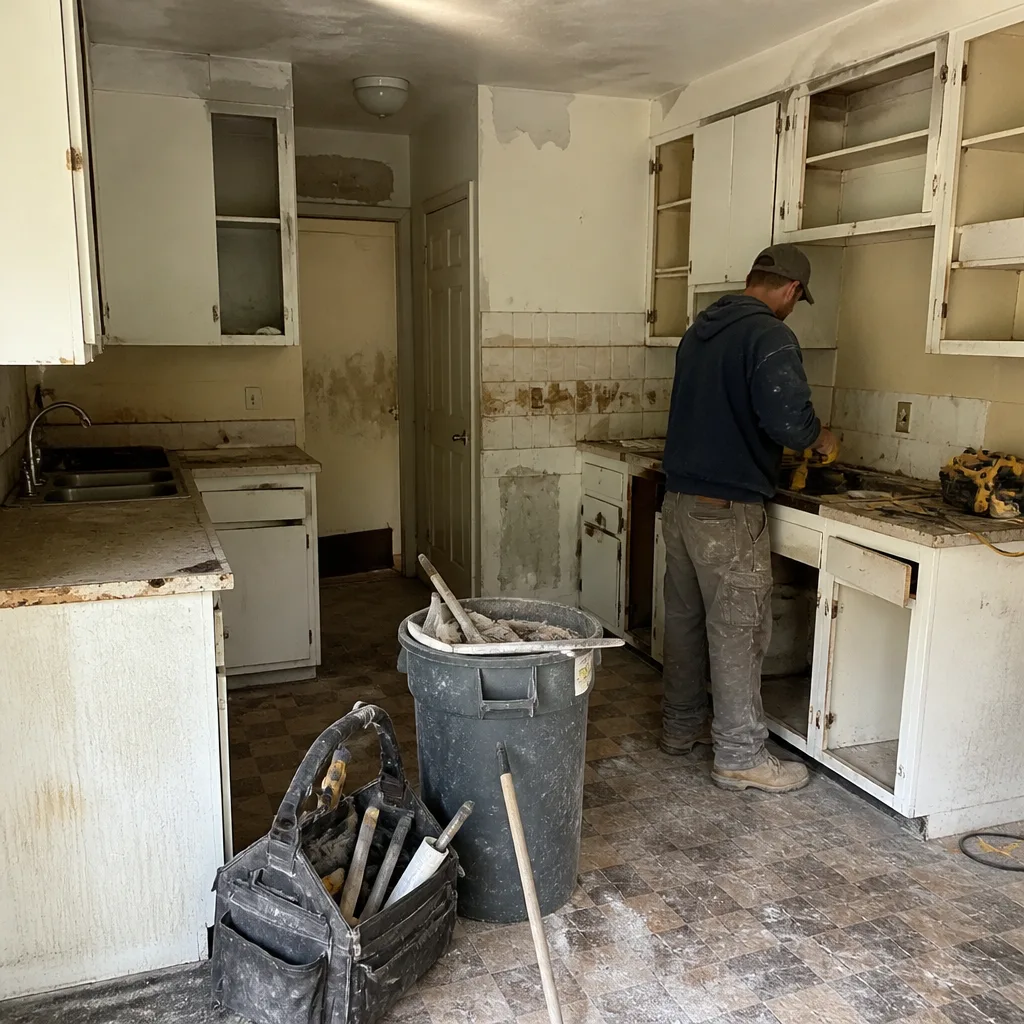 Before
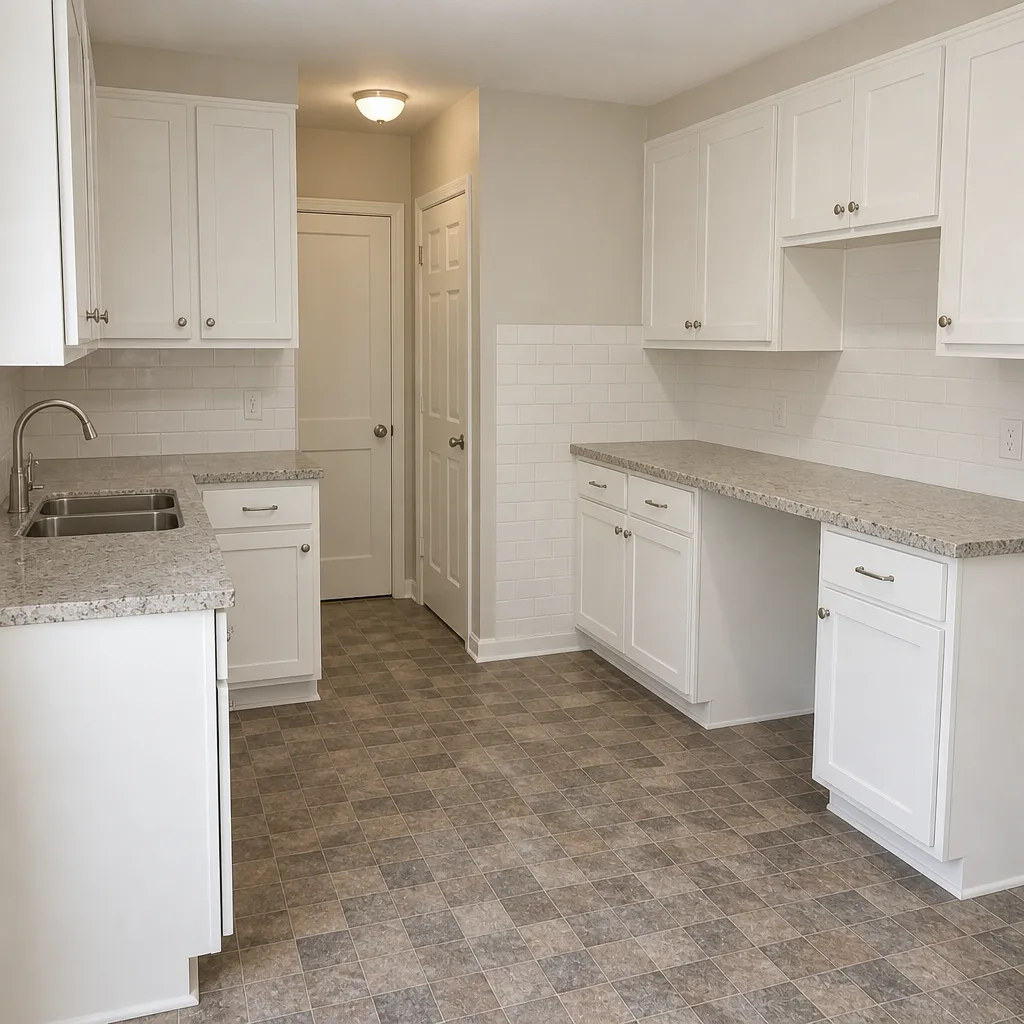 After
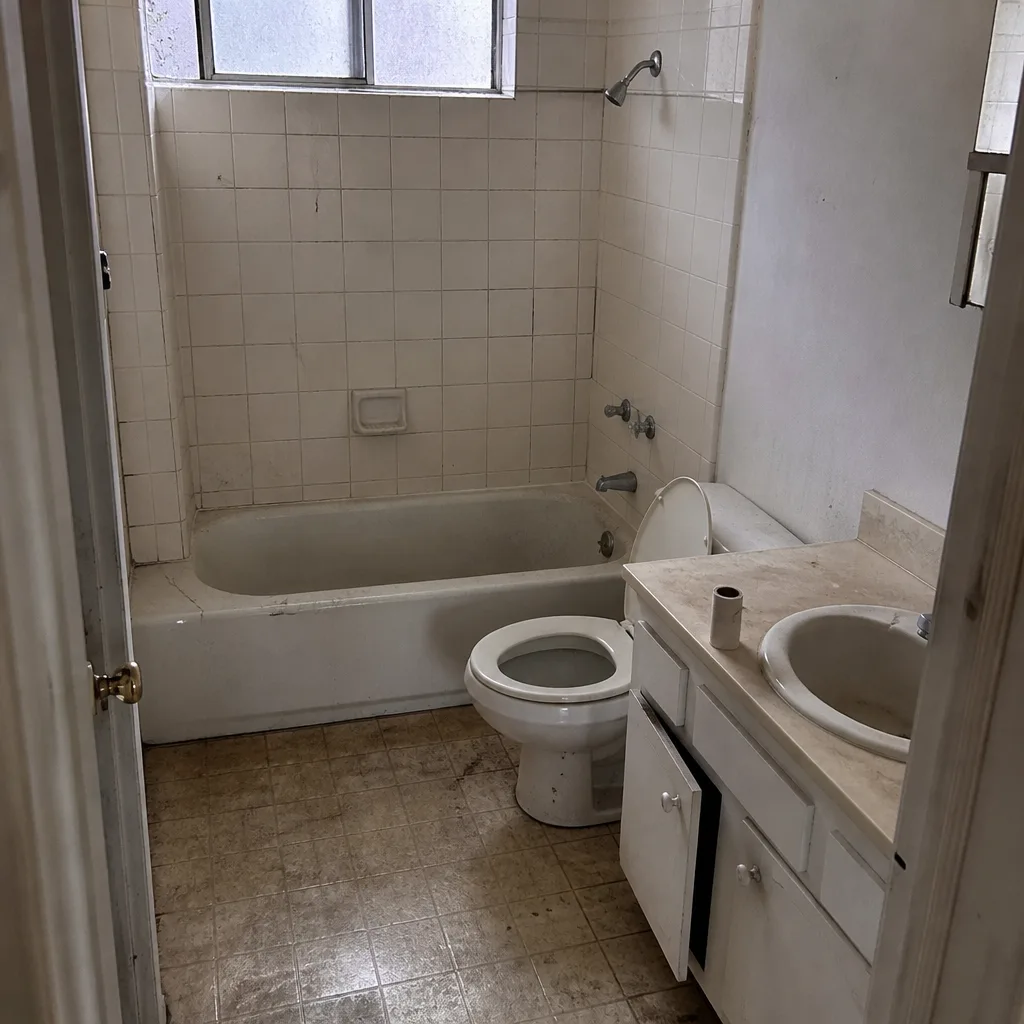 Before
 After
Storm Damage Roof Repair in Enterprise, NV: What Gets Documented Decides What Gets Paid
For storm damage roof repair near you in Enterprise, NV, call (844) 797-4406. Damage documented within 24 hours of a monsoon or haboob is significantly easier to attribute to that storm, and a live person answers our phones around the clock, not a voicemail box waiting until Monday. Clark County records more monsoon-related roof claims per capita than most of Nevada, and the ones that get fully settled are the ones where the contractor documented not just the visible storm breach but the system condition that made the breach possible.
That last part is where settlements are won or lost. This page explains how the documentation works, what makes Enterprise storms different, and what a real repair should cost.
Why Enterprise Roofs Face a Specific Kind of Storm Damage
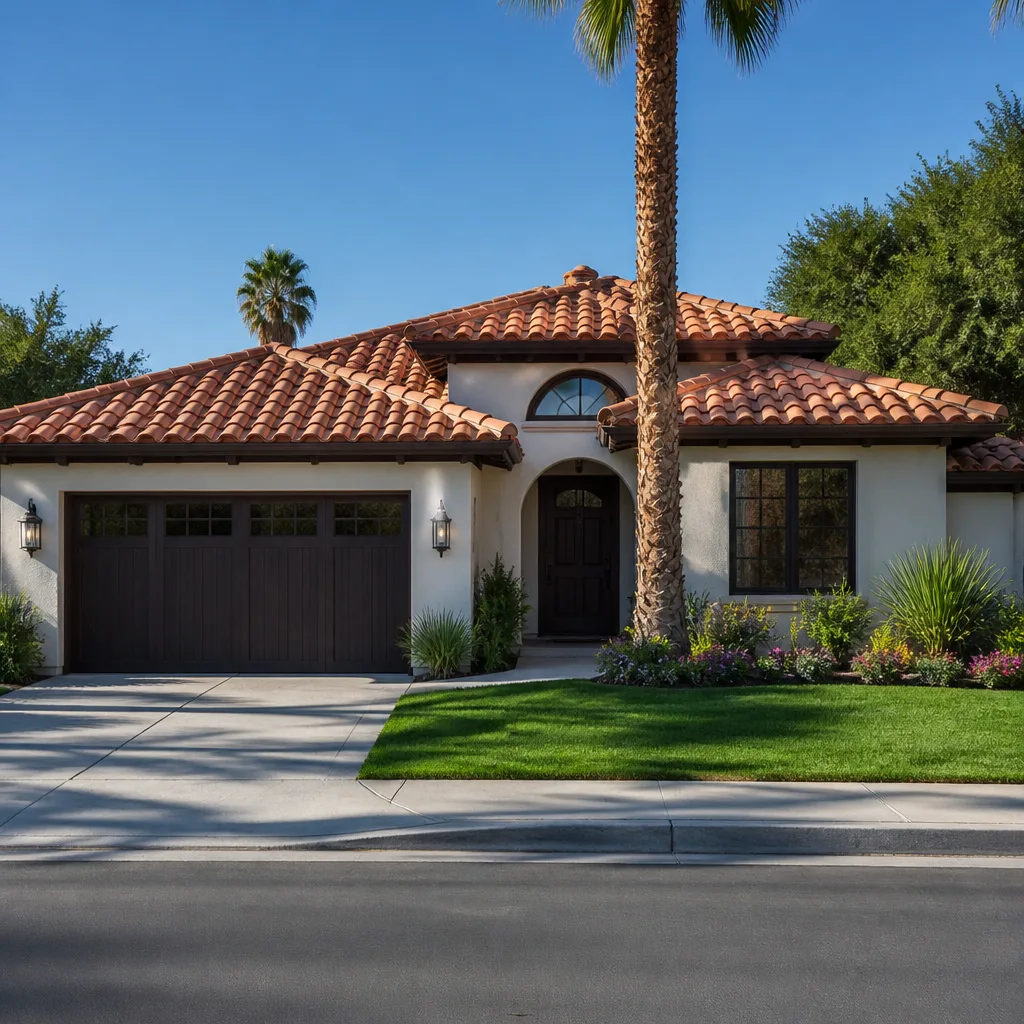
Enterprise is Las Vegas’s southwest growth corridor, and most of the housing here is 1990s-to-present stucco and tile in large master-planned communities like Southern Highlands and Mountain’s Edge, with custom homes stepping up toward the Sloan and Blue Diamond foothills. That matters for storms. A tile roof on a graded pad at the foothill edge takes wind differently than a flat infill roof in the older valley, and the monsoon systems that push across the Mojave in July and August hit these lots with driven sand before the rain even arrives.
Haboob events here are the piece most homeowners underestimate. A dust wall moving in at 40 to 60 mph carries grit that micro-scores tile glaze and strips shingle granules. The storm doesn’t tear anything loose, so nobody calls a roofer. Two or three years later, that abraded surface is sun-cooked, the underlayment underneath has heat-cracked, and the next honest rain finds a way in. That delayed failure is real, it’s documented in the physics of the material, and if you have the storm-time evidence, it’s claimable. If you don’t, it reads as ordinary wear.
Pre-Existing vs. Storm-Caused: How Adjusters Split the Difference
A lifted shingle is storm damage. An underlayment that was already heat-cracked and let water through is wear and tear. That’s the line every adjuster draws, and they draw it fast. The distinction isn’t unfair on its face; it’s how policies are written.
But here’s the part most homeowners never hear: if the storm event is what exposed the failed underlayment, a properly documented report can bring that underlayment into the claim scope. The storm didn’t create the crack, but it removed the layer that was protecting it. Documenting that chain, with photos showing exposed substrate, granule loss on the surrounding field, and the condition of the decking, is the difference between a patch and a payment. You have to ask for it, though, and you have to ask while the evidence is still lying on your roof.
What a useful storm report captures:
- Visible breach: lifted, cracked, or missing shingles and tile, photographed with a scale reference.
- Exposed substrate: any decking or underlayment the storm uncovered, which is the entry point for the secondary-damage argument.
- Valley flashing condition: flashing that lifted but was already corroding tells its own story, and the corrosion has to be photographed as found.
- Impact scoring: sand-blasted glaze and granule loss on the field, which supports the long-tail UV degradation claim.
- Debris and wind evidence: downed material, displaced ridge caps, and the direction of damage, which helps establish the wind path.
Wind Ratings, 3-Tab Shingles, and Why the Spec Sheet Matters
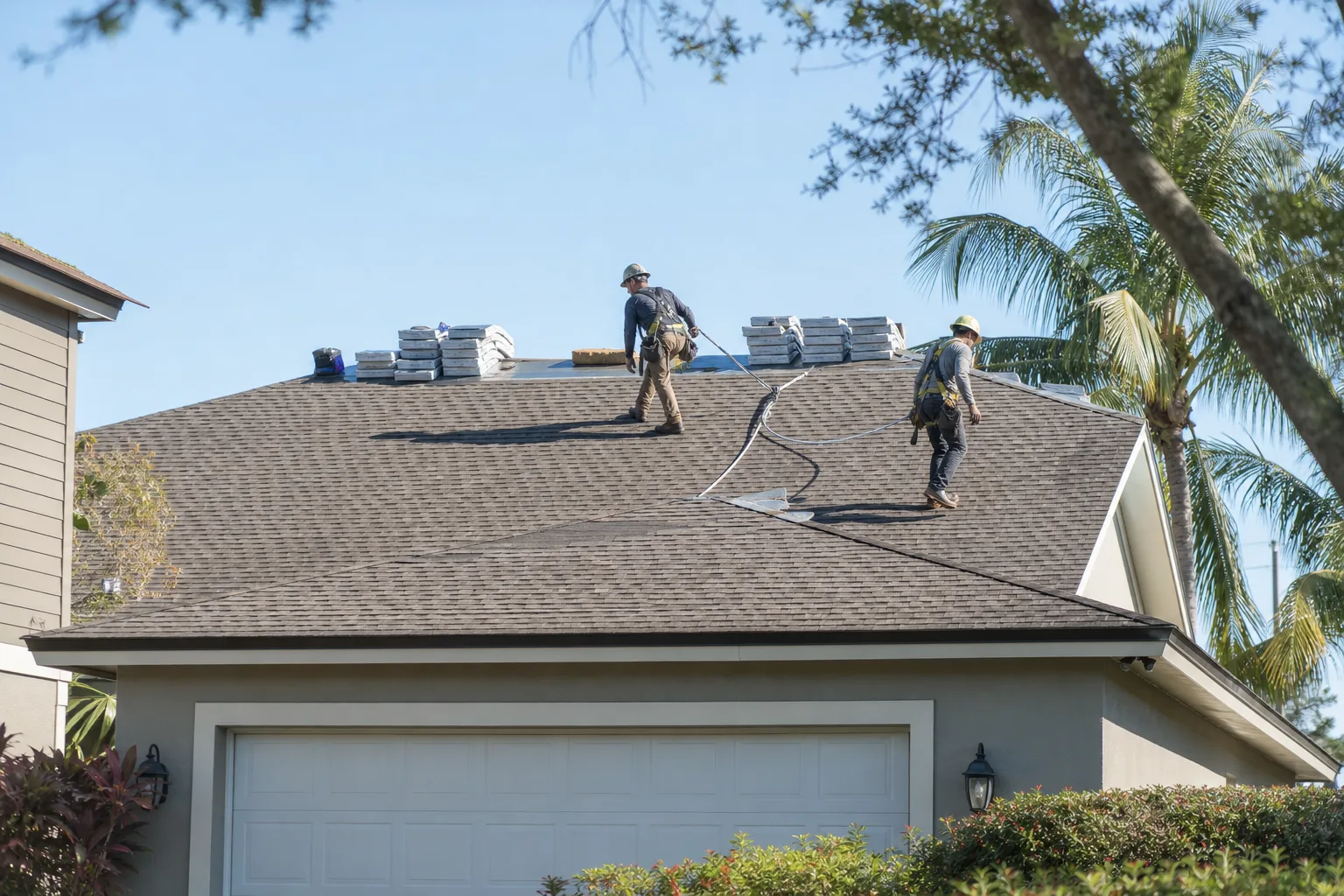
If your insurer disputes that wind caused the failure, the installed product’s design limit becomes evidence. Three-tab shingles carry a lower rated wind speed than modern architectural shingles, and the southwest corridor here sees gusts that can exceed that limit outright. Homeowners on older tract roofs in Enterprise often have 3-tab up top without knowing it.
We can pull the wind-rating spec sheet for the installed product and hand it to you and your adjuster. That’s a documentation task, not an argument. If the gust exceeded the rating, the failure is attributable to the storm event, and the paper says so.
For full replacement after a loss, our Roofing work is specified around GAF and Owens Corning systems, and impact-rated options are worth discussing on homes near the open desert edge.
What Storm Damage Roof Repair Costs in Enterprise
Repair pricing here follows the damage, not a menu, but the ranges hold steady. These are the numbers we quote, and the number you see is the number you pay.
| Scope | Typical Range |
|---|---|
| Storm damage roof repair (patching, flashing, localized replacement) | $400-$1,800 |
| Tile roof repair (cracked or displaced tile, valley work) | $600-$2,500 |
| Full roof replacement | $8,000-$20,000 |
| Metal roof installation | $15,000-$40,000 |
After a big event, storm-chasing crews flood this corridor with vague, inflated estimates that start high and grow once work begins. A written, line-item scope from a company that will still be answering the phone in year two gives you something far more useful: a credible document to anchor your insurance negotiation. That’s also why we put a 730-Day Done Right Promise behind the work. If it’s not done right, we make it right, in writing.
Our technicians have up to 12 years of experience on roofs in this climate, and they’re background-checked and arrive in uniform. You’ll know who’s on your roof before they climb the ladder.
Every Retaining Wall Is a Clue
Slope changes everything after a storm. Foothill-edge lots in Enterprise often sit on engineered fill with graded pads and retaining walls, and monsoon rain sheets off that hard, sun-baked ground instead of soaking in. Water that can’t drain finds the lowest point, which is often a wall base, a fascia line, or a valley on the downhill side of the house.
So when we’re up on the roof after a storm, we also walk the grade. If the drainage is pushing water back toward the structure, a repair that ignores it will fail again next season. That’s not a roof problem yet. It’s the next one, and it’s worth fixing while we’re already there.
What to Look For Before You Call Anyone
You don’t need to climb a ladder. Ground-level observation tells you plenty, and it keeps you off a wet, wind-damaged roof, which is the single most dangerous place to be after a monsoon. High-tension components and height work belong to trained professionals; our team handles the roof, you handle what you can see from the driveway.
- Granules in the gutters or on the patio: a sign the field took impact or lost its protective surface.
- Lifted or missing tiles on the windward slope: the direction the storm came from shows the damage pattern.
- Water staining on the ceiling or fascia: the leak traveled, and the entry point may be uphill.
- Corroded or lifted valley flashing: visible from most driveways, and critical to the claim.
- Dust caked along the ridge line: a marker that a haboob moved through recently.
If you see any of it, document the date. A photo with a timestamp on the day of the storm is worth more to your claim than a perfect photo taken three weeks later. You can see more of what we handle across our Enterprise service area, and our team at Groundwork Construction Co. of Enterprise can get eyes on the roof the same day in most cases.
FAQs
Within 24 hours if you can. Damage documented within a day of a monsoon or haboob is far easier to attribute to that specific event, and attribution is what pays a claim. Our phones are answered by a live person around the clock, so a Sunday evening storm doesn’t have to wait for a Monday office.
Usually not on its own. But if the storm exposed the failed underlayment or removed the layer protecting it, a properly documented report can bring that secondary damage into the claim scope. It has to be documented at the time, with photos of the exposed substrate.
Often yes. Tile roof repair runs $600 to $2,500 for cracked tile, displaced pieces, and valley flashing. Full replacement is the call only when the underlayer is gone or the field is failing broadly, and we’ll tell you which one you’re looking at in writing.
Yes. The project estimate and design consult are free, and pricing is upfront and line-item, so you have something concrete to bring to your adjuster. Call (844) 797-4406 and we’ll get a live person on the line.
Call Before the Evidence Dries Out
Storm damage on an Enterprise roof is a race against time and paperwork. The sooner it’s documented, the stronger the claim and the smaller the repair. Call (844) 797-4406 for a free estimate. A live person answers 24/7, and we’ll tell you exactly what we see.
Written by the team at Groundwork Construction Co. of Enterprise, serving Enterprise, NV.
What Our Customers Say
"He pulled the permits himself, scheduled every sub and ran the inspections. I made one decision a week and otherwise stayed out of it, which is exactly what I was paying for."
- Robert Sullivan"He told me one part of what I wanted was a bad idea structurally and offered an alternative instead of just taking the money."
- Angela Wong"The schedule he gave me at the start was accurate to within four days on a three month job. Anyone who has done a renovation knows how unusual that is."
- Laura Bennett