Free written scope consultation - allowances, timeline, and change-order rules on paper before a single trade is scheduled
Styles & brands we work with
- Kitchen remodeling
- Bathroom remodeling
- Home additions & ADU
- Roofing
- Windows & doors
- Driveway & pavers
- Fence
See the difference
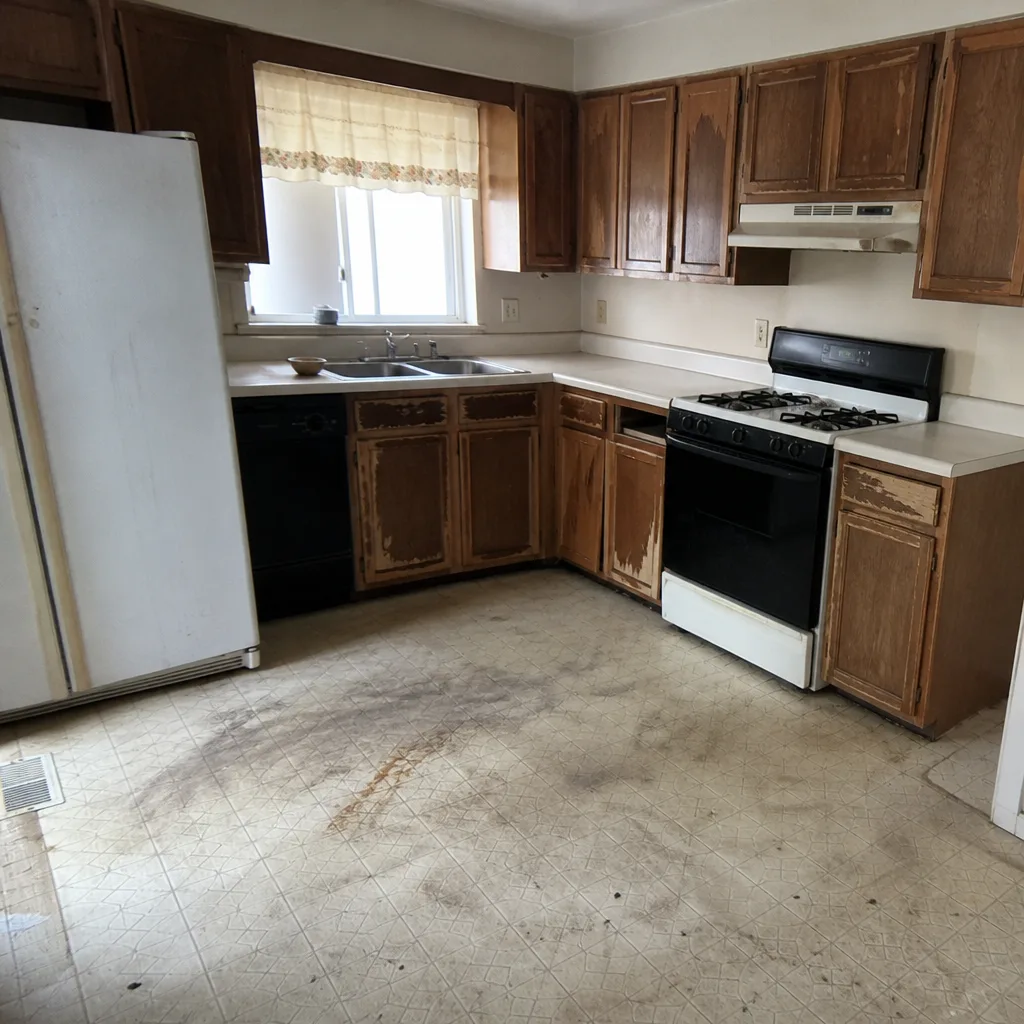 Before
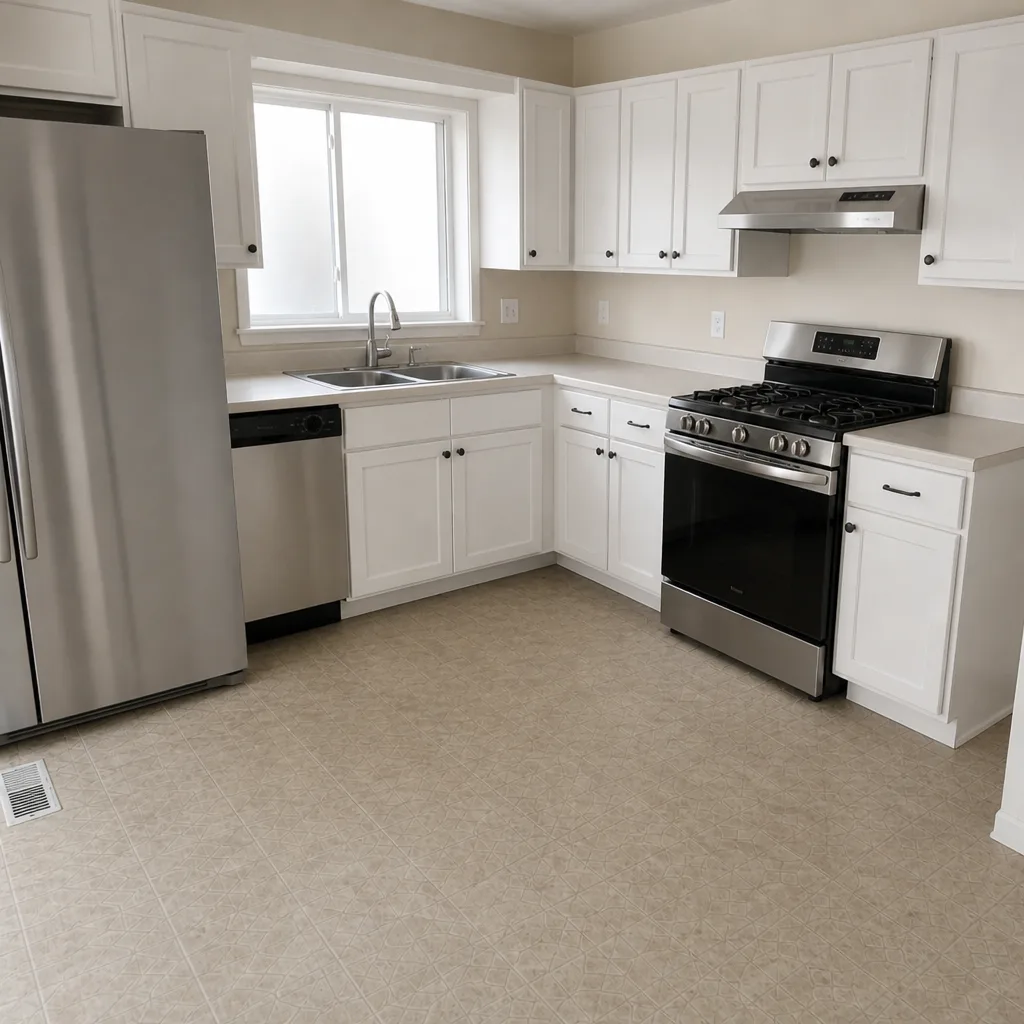 After
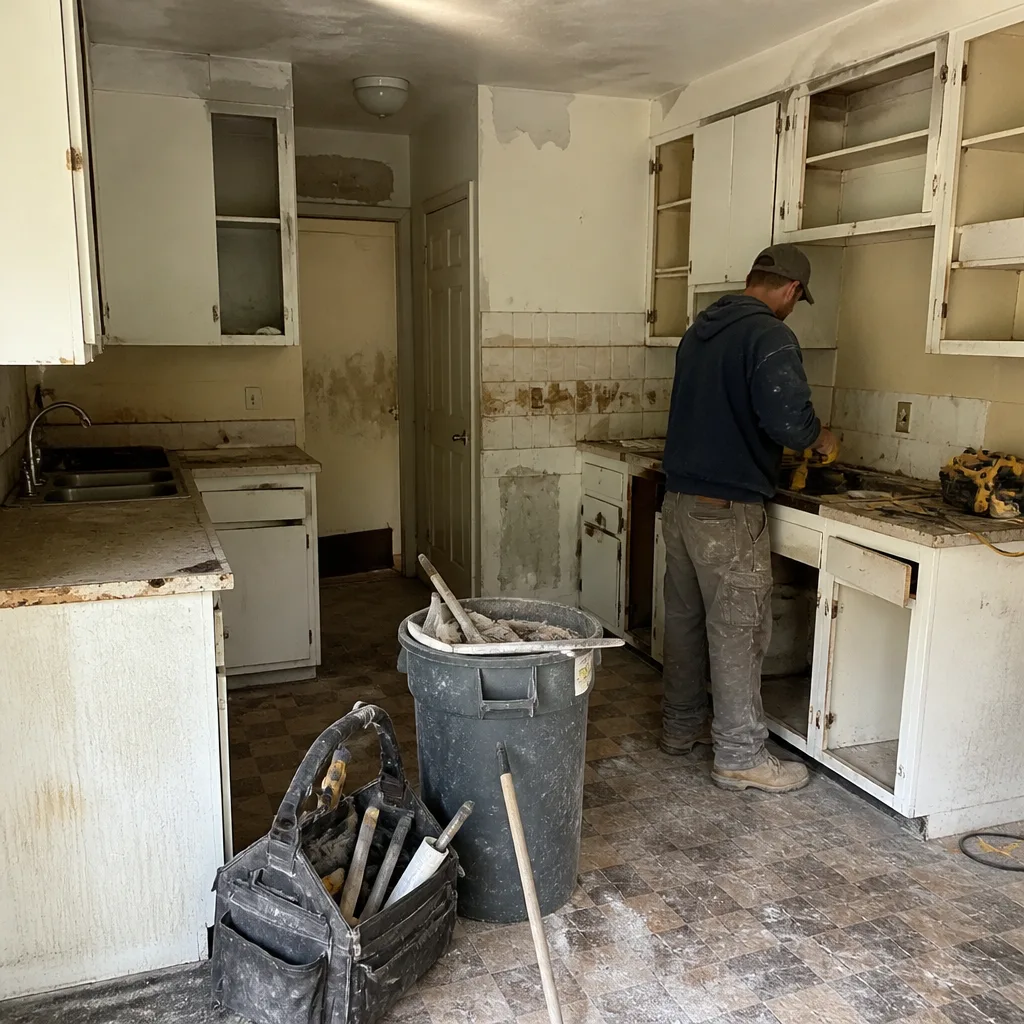 Before
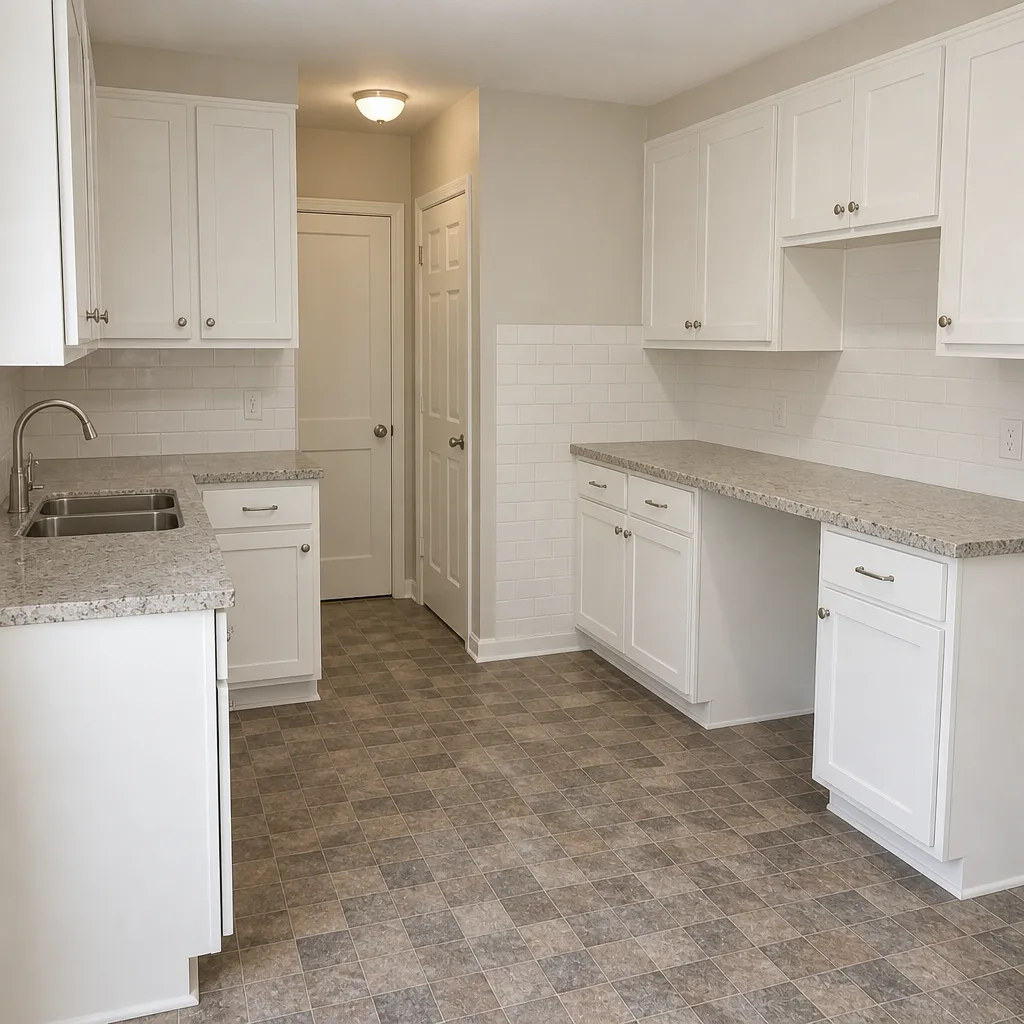 After
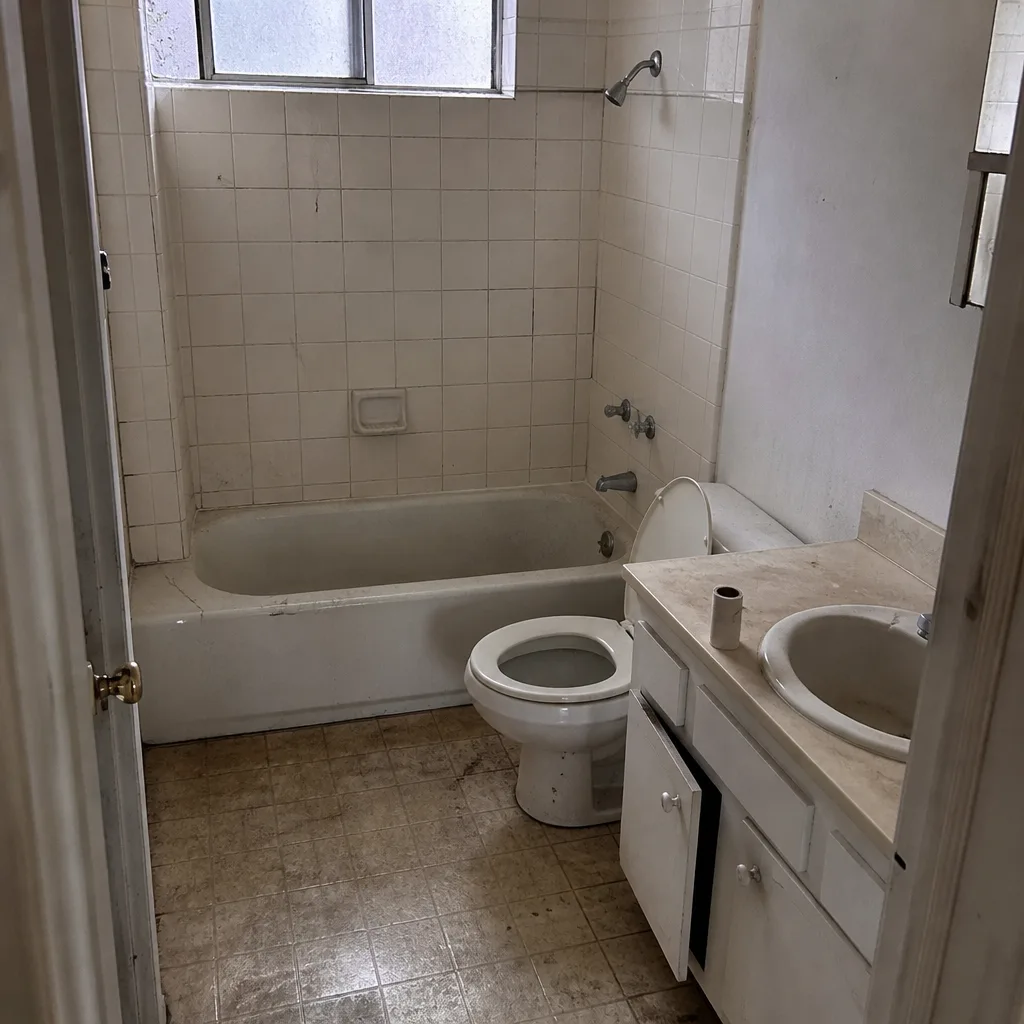 Before
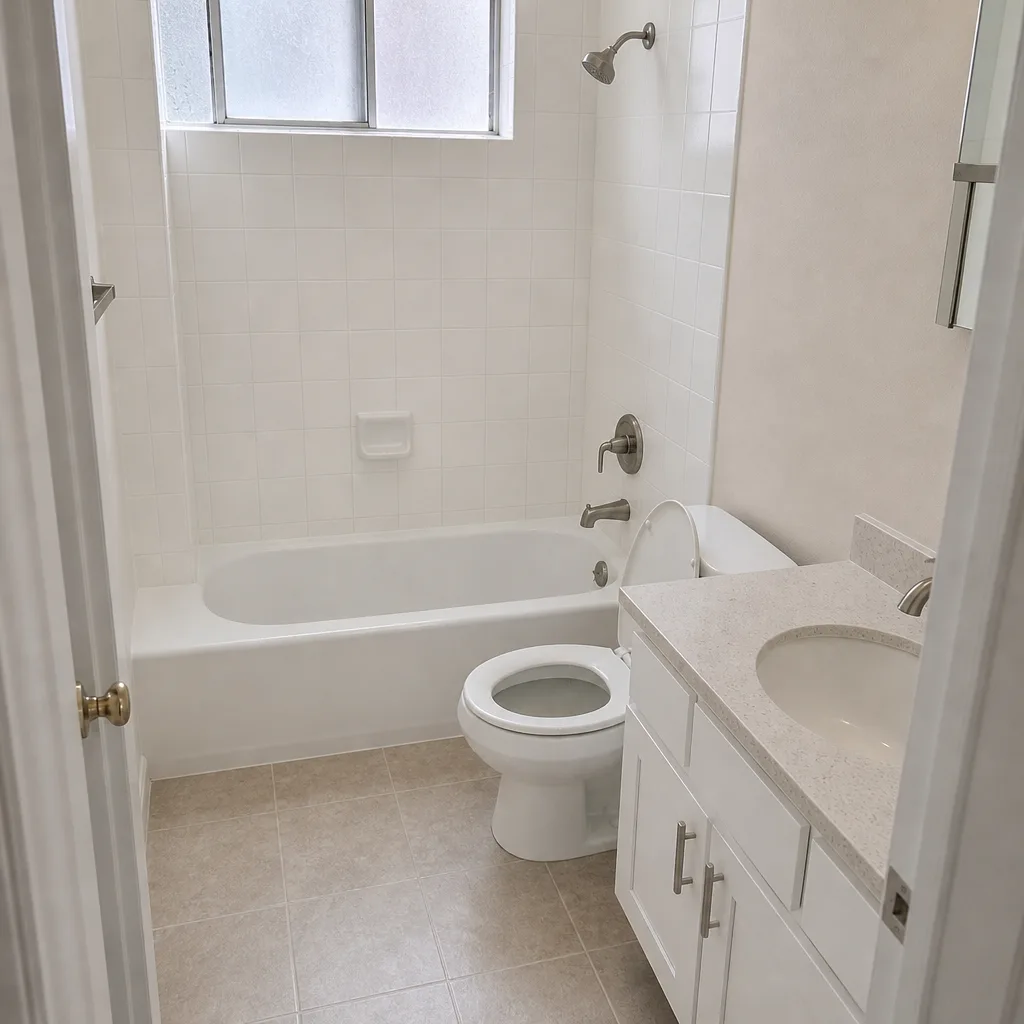 After
Vinyl vs Fiberglass Windows in Enterprise, NV: Which Holds Up in Mojave Heat?
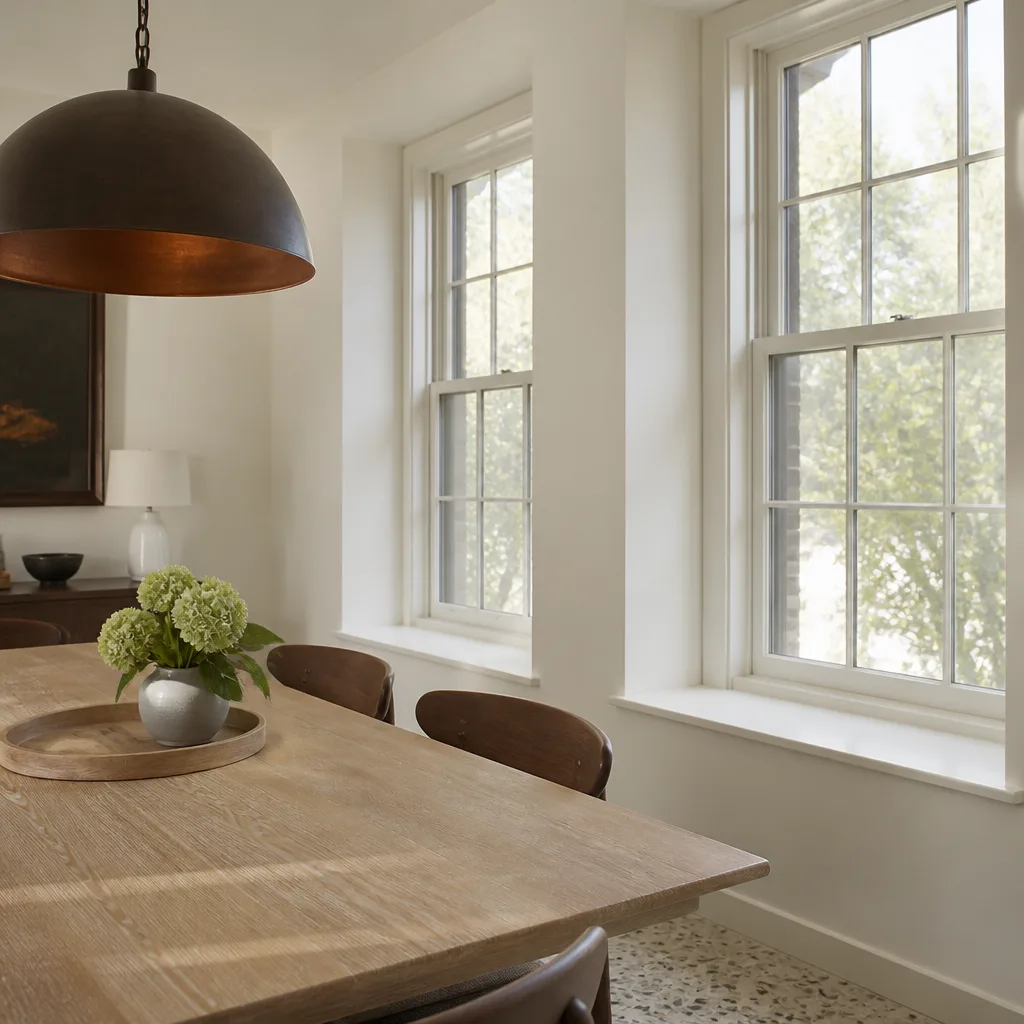
In a temperate climate, vinyl vs. fiberglass windows is a close cost-benefit call. In Enterprise, where west-facing windows can reach surface temperatures of 160°F on an August afternoon, the vinyl frame’s thermal expansion rate becomes the deciding variable, and the math changes. Here’s our straight answer: choose fiberglass for your south- and west-facing openings, where decades of heat cycling will test the seals hardest, and vinyl is a reasonable, budget-friendly choice for north-facing or heavily shaded windows. To talk through your specific window schedule, call Groundwork Construction Co. of Enterprise at (844) 797-4406 for a free estimate and design consult.
Enterprise is Las Vegas’s southwest growth corridor, where master-planned subdivisions keep expanding toward the Sloan and Blue Diamond foothills. Most of the housing here is 1990s-to-present stucco-and-tile construction in communities like Southern Highlands and Mountain’s Edge, which means we’re almost always working on newer homes with large, sun-exposed glass rather than historic rehabilitations. That changes what matters. A window’s frame material, not the glass alone, decides how long the seal lasts under intense UV and daily temperature swings that routinely top 105°F in summer.
We install Windows & Doors across the valley, and we’ve watched how both materials age on the same street, in the same orientation, over the same summers.
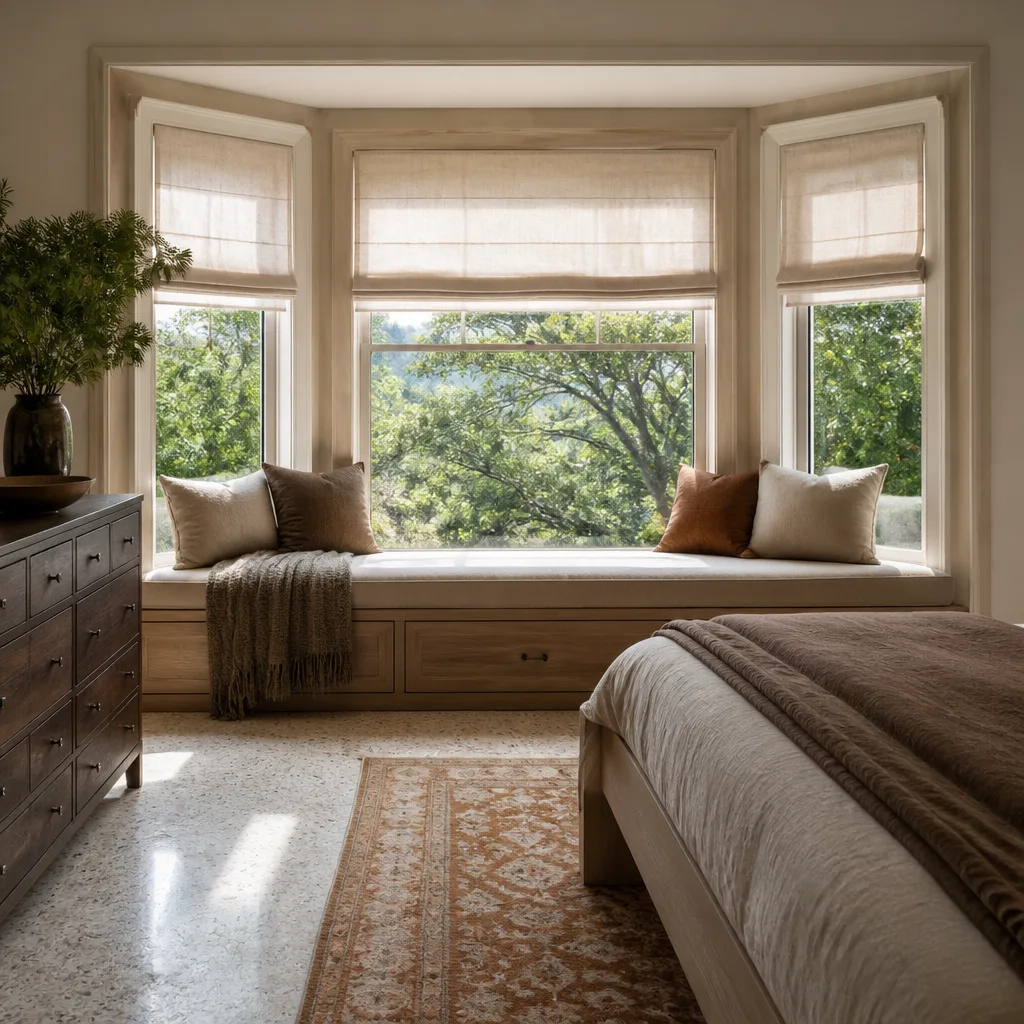
Why Desert Heat Stress-Tests Vinyl More Than Fiberglass
The core difference comes down to material science. Vinyl has a coefficient of thermal expansion roughly six times that of fiberglass. In a mild climate, that difference is academic. In the Mojave, it’s the whole ballgame. Every day your window frame heats in the morning sun and cools after dusk, expanding and contracting against the glass. Over 25 years of daily cycling, that movement works the glass-to-sash seal in a way temperate climates never reproduce. The seal is where leaks, fogging, and air infiltration start.
Fiberglass moves very little under the same heat load, so the seal stress stays low. That’s the mechanical reason our stance leans the way it does for sun-baked exposures. Here’s a first-hand detail most comparisons skip: on west-facing walls in Mountain’s Edge, we’ve pulled vinyl units at the 15- to 20-year mark with visible seal separation and sagging sashes, while the fiberglass units from the same era still plumbed tight. You don’t see that on a spec sheet. You see it on a service call.
A window-by-window framework, not a blanket rule
We don’t recommend one material for the whole house. Orientation and shade decide it:
- South- and west-facing, full sun: fiberglass, because these openings take the most thermal cycling and benefit most from a stable frame.
- North-facing or under deep patio cover and landscape shade: vinyl is a sound value choice, since the thermal load is far lower and the cost savings are real.
- Large picture windows and sliders on the foothill edges facing open desert: fiberglass, where heat gain and sun exposure run highest all day.
- Bedroom and side-yard windows in shade: vinyl keeps the budget where it belongs without sacrificing performance on a low-stress opening.
What Does the Cost Gap Actually Look Like in Enterprise?
Fiberglass units typically run 20% to 40% more than comparable vinyl. That’s the honest number, and we won’t pretend otherwise. The right way to read it isn’t upfront cost alone; it’s total cost of ownership across the desert-adjusted lifespan. A vinyl unit on a hard west exposure may need seal attention or replacement sooner than a fiberglass unit on the same wall. When you price that replacement in, the fiberglass premium narrows or disappears on the high-stress openings, while vinyl stays the smarter spend on the shaded ones.
Window replacement in Enterprise generally lands in these ranges, and your actual quote depends on unit count, size, and material blend:
| Project | Typical range in Enterprise |
|---|---|
| Standard window replacement (whole-home range) | $4,500-$15,000 |
| Impact / high-performance window installation | $8,000-$25,000 |
| Fiberglass premium over comparable vinyl | 20%-40% |
Two named products worth researching before you decide: Marvin’s fiberglass Infinity line and Andersen’s composite options. We install both, and they represent the two credible fiberglass paths for this climate. You can compare them side by side with a vinyl quote and see the real dollar difference for your window count. No-hassle upfront pricing means the number you see is the number you pay, and 0% financing for 18 months plus $1,000 off projects over $10,000 keeps a full-home upgrade within reach.
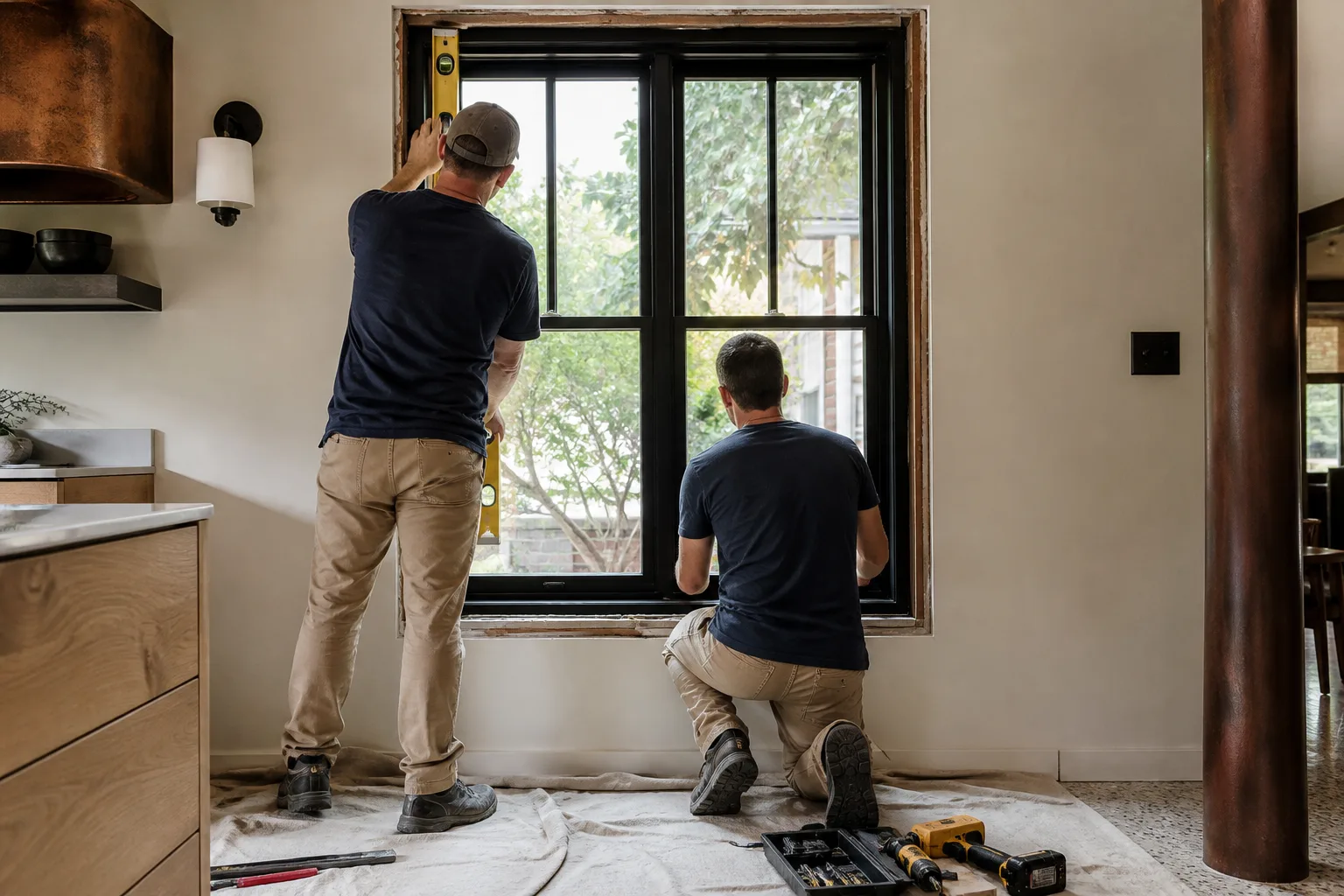
Where Installation Quality Decides the Outcome
Here’s the part material marketing leaves out. The most common failure point on any window, vinyl or fiberglass, isn’t the frame itself. It’s the interface where the frame meets the wall: flashing, sealing, and drainage detailing. A premium fiberglass unit installed with sloppy flashing will leak. A well-installed vinyl unit in shade will outlast a poorly installed fiberglass one in the sun. That’s why material choice and installation craft have to be judged together.
This is where our 730-Day Done Right Promise earns its keep. If it’s not done right, we make it right, and the guarantee covers the installation interface, the exact spot where frame material and flashing quality interact. Whether you choose fiberglass or vinyl, that workmanship commitment stays in force for the full two years. It’s one of the longest workmanship guarantees in residential construction, and it’s the reason “built to last, backed in writing” isn’t just a slogan here.
One local detail worth flagging on the foothill edges: subdivisions that back onto open desert must meet wildfire-defensible-space and ember-resistant detailing standards. That can affect how exterior trim and window surrounds are sealed against embers and driven dust. Flat central-valley neighborhoods never face this, but plenty of Enterprise homes do, and it’s a real installation consideration we plan for.
Every technician who touches your windows is background-checked and arrives in uniform, and our technicians have up to 12 years of experience. Calls are answered by a live person, 24/7, so you’re never stuck in a voicemail loop over a cracked sash or a failed seal. When you’re ready, explore our Enterprise service area page to see how we handle projects across the southwest valley.
FAQs
Yes, for south- and west-facing windows in Enterprise, because the fiberglass premium narrows against vinyl once you factor in the desert-adjusted lifespan and the reduced seal stress from daily heat cycling. On shaded north-facing openings, that premium is harder to justify and vinyl is the better value.
Vinyl windows in Enterprise and the wider valley commonly need seal attention or replacement somewhere in the 15- to 25-year range on hard-sun exposures, which is shorter than the lifespan you’d see in a milder climate. Shaded vinyl units tend to hold up considerably longer than those baking on a west wall.
Fiberglass holds its seal better under intense UV and repeated heat cycling because its coefficient of thermal expansion is roughly six times lower than vinyl, so the frame moves far less against the glass. That stability is what protects the seal over time in Enterprise’s sun.
Window replacement in Enterprise typically runs $4,500-$15,000 for a standard whole-home project, with impact or high-performance installations in the $8,000-$25,000 range. Call (844) 797-4406 for an exact quote; estimates are free.
Ready to Compare Your Own Windows?
If you’d rather have it looked at than guess from a spec sheet, Groundwork Construction Co. of Enterprise offers a no-pressure assessment in Enterprise. We’ll walk your window schedule, flag the sun-baked openings that deserve fiberglass, and quote vinyl honestly where it makes sense. Call (844) 797-4406 for a free estimate and design consult. Live person, 24/7.
Written by the team at Groundwork Construction Co. of Enterprise, serving Enterprise, NV.