Last updated November 18, 2026






Free written scope consultation - allowances, timeline, and change-order rules on paper before a single trade is scheduled
Driveway & Pavers Maintenance Checklist for Enterprise Homeowners
The number one reason pavers fail in Enterprise isn’t traffic or vehicle weight. It’s polymeric sand washout from monsoon runoff that nobody told you to re-apply after the first summer. We’ve walked up to driveways in Enterprise that looked fine in October and were rocking loose by the following August, and almost every one had the same story: joints emptied out, water got under the field, and the base started moving. This guide is the maintenance checklist we’d hand a neighbor in Enterprise if they asked what to actually do, month by month, to keep a paver driveway solid through 110°F summers and flash-flood wash events. You’ll get the heat and UV timeline for each paver type, how to inspect for monsoon infiltration, when sealing does more harm than good, and a joint sand schedule built around real Enterprise weather.
Quick Answer
Paver driveways in Enterprise need joint sand inspection every spring and after every monsoon season, light cleaning two to four times a year, and re-sealing every two to three years depending on material. The biggest local threats are polymeric sand washout during summer storms, UV fading on colored concrete pavers, and water sneaking under the edge restraints. Skip the checks and a five-year-old driveway can start heaving at the base.
Styles & brands we work with
- Kitchen remodeling
- Bathroom remodeling
- Home additions & ADU
- Roofing
- Windows & doors
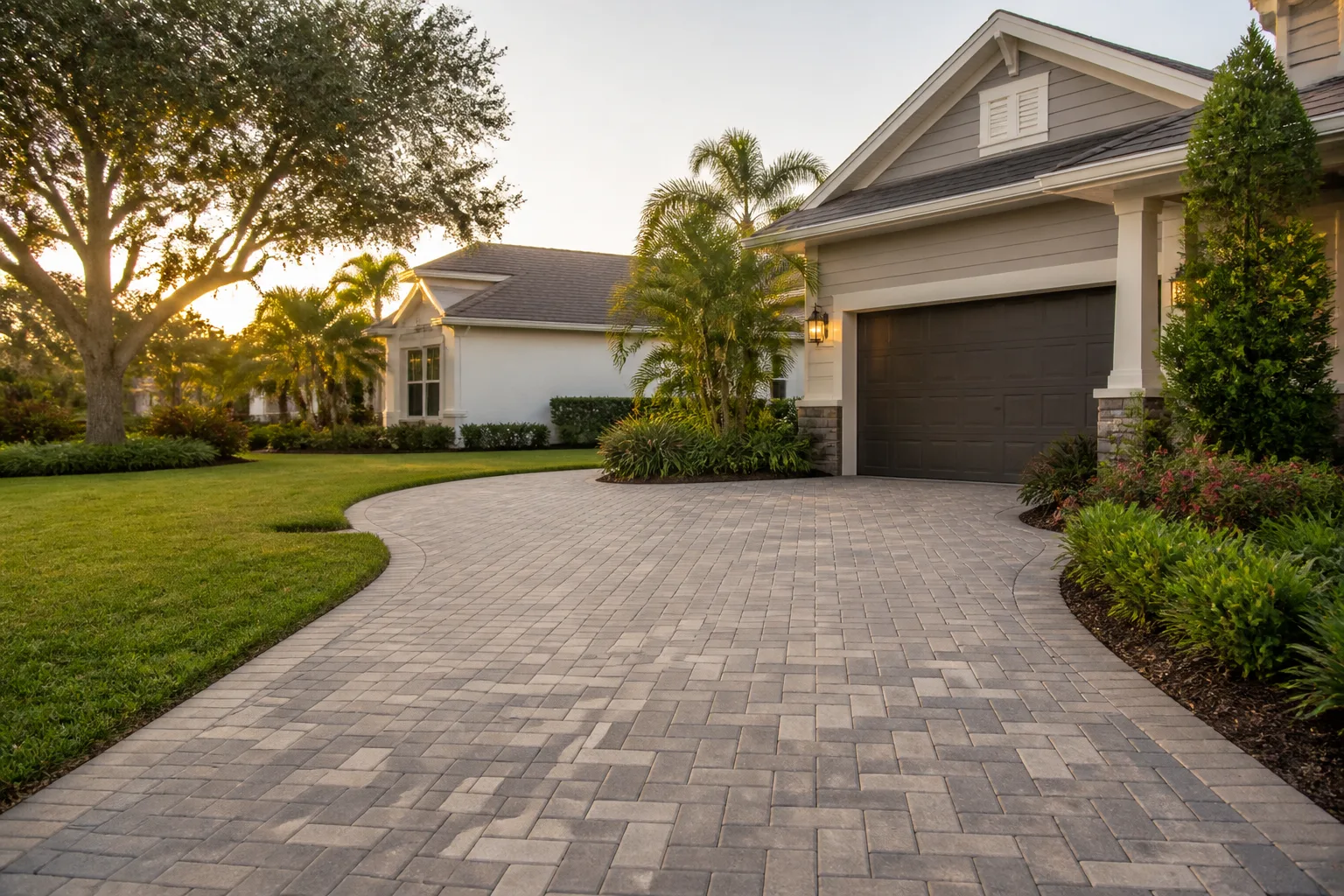
- Driveway & pavers
- Fence
Table of Contents
- Why Enterprise’s Climate Breaks the Standard Maintenance Playbook
- UV and Heat Damage Timeline by Paver Material
- How Monsoon Water Gets Under Your Base (and How to Spot It)
- Joint Sand Inspection and Replenishment Schedule
- Month-by-Month Maintenance Checklist for Enterprise
- When Sealing Makes Things Worse in Extreme Heat
- Edge Restraint and Drainage Checks Most Homeowners Skip
- A 10-Minute Walkthrough You Can Do Yourself
Why Enterprise’s Climate Breaks the Standard Maintenance Playbook
Most paver maintenance advice you’ll find online was written for climates with real winters. Freeze-thaw cycles are the villain in those guides: water gets into joints, freezes, expands, and pries pavers apart. Enterprise doesn’t play that game. We see near-zero freeze-thaw action. What we do get is a punishing combination of sustained heat, intense UV, dry wind, and sudden monsoon downpours that dump an inch of rain in under an hour on ground that’s been baked hard for weeks.
That changes the failure pattern entirely. In Enterprise, pavers don’t fail from frost heave. They fail from three things:
- Thermal expansion and contraction. Surface temps on a sun-exposed paver driveway in Enterprise can run well past 140°F in July. The pavers expand, the joints pinch, and the sand between them gets squeezed out over time.
- UV degradation. Constant high-altitude desert sun breaks down sealers and fades color faster than in lower, hazier climates.
- Monsoon infiltration. Dry, cracked, sun-baked soil sheds water instead of absorbing it, so storm runoff loads the driveway edges and joints hard. Water finds every gap in the joint sand and rides it down to the base.
Neighborhood context matters too. Driveways in areas with newer construction and fresh grading, like parts of the southwest valley, tend to shed water differently than established lots with mature landscaping and settled soil. If you know your lot drains toward the street, you’re in better shape than a lot where the driveway slopes back toward the garage. We’ve seen both in Enterprise, and the maintenance plan looks different for each.
UV and Heat Damage Timeline by Paver Material
Not all pavers age the same way under Enterprise sun. Here’s the working timeline we use when we talk to homeowners about what to expect and when to plan maintenance.
- Colored concrete pavers (the most common driveway material in Enterprise): noticeable color fade in 3 to 5 years without sealing. Surface chalking and a dull, washed-out look around year 4 is typical on west- and south-facing driveways. Sealing at the right interval slows this considerably.
- Clay brick pavers: hold color well, but the surface can spall in isolated spots after 8 to 10 years if they were fired to a lower standard. Watch for small chips and flaking on the sun-facing edge.
- Natural stone (travertine, sandstone, flagstone): the most heat-sensitive of the group. Travertine in particular can develop hairline surface cracks and efflorescence (whitish mineral bloom) after monsoon cycles. It also absorbs heat and stays hot longer into the evening.
- Permeable pavers: designed for water passage, so they’re more resilient to wash events but demand more frequent joint refills and occasional vacuuming of the surface pores to keep them draining.
The takeaway: plan your first real maintenance review around year three, not year ten. In our experience, driveways in Enterprise that get a joint sand top-off and a cleaning in year three look dramatically better at year eight than ones that waited.
How Monsoon Water Gets Under Your Base (and How to Spot It)
The base layer is the part you can’t see, and it’s where the expensive failures live. A paver driveway is only as good as the compacted aggregate base under it, typically 4 to 6 inches of crushed stone for a residential driveway. When water reaches that base and the base wasn’t built to drain, it softens, shifts, and eventually the pavers above it settle or rock.
Monsoon storms are the delivery mechanism in Enterprise. Here’s the chain reaction:
- Weeks of dry heat bake the joint sand and open tiny gaps.
- A summer storm dumps heavy rain fast. Water sheets across the surface.
- Instead of running off cleanly, water finds the gaps and the low edges of the driveway, especially where the edge restraint has lifted or the slope runs toward the house.
- Water reaches the base, saturates it, and the fines (the fine particles in the aggregate) wash away or migrate.
- The base loses density, and the pavers above begin to settle, rock, or form a low spot.
How to inspect for it: after the first big monsoon storm of the season, walk the driveway and look for sunken areas, a faint ridge or hump near an edge, sand piled up in a corner or at the street, and any paver that rocks underfoot. Standing water that lingers more than an hour after the rain stops is a red flag for a drainage problem, not just a wet driveway. If you see any of this, it’s worth getting eyes on it before the next season. Our Driveway & Pavers in Enterprise team handles base evaluation and repair, and a free estimate will tell you whether it’s a surface fix or a deeper problem.
Joint Sand Inspection and Replenishment Schedule
Joint sand is the cheapest maintenance item you have and the one that protects everything else. Those thin lines of sand between pavers lock the field together, block water from reaching the base, and stop weeds. When they empty out, the whole system loosens.
Enterprise makes joint sand a moving target. The dry wind in spring and early summer siphons sand out of joints over time. The monsoon rains wash it out faster. Polymeric sand, which hardens once it’s wet and set, is more durable than plain sand but not permanent, and homeowners often treat it as if it is.
A realistic joint sand schedule for Enterprise:
- Every spring (March to April): a full walk of the driveway. Fill any joint that’s recessed more than about 1/8 inch below the paver surface. Address cracked or crumbling polymeric sand in the same pass.
- After each monsoon season (September to October): a second full inspection, since the storm months do the most damage. Re-fill any empty or washed-out joints.
- After any unusually heavy rainfall event: a quick spot check on the low side of the driveway and near the garage apron.
When re-filling, use a fresh, dry polymeric sand matched to your joint width, sweep it in, compact it lightly, and mist it exactly as the manufacturer specifies. Under-filling does nothing; over-watering can leave a haze. If you don’t want to handle it yourself, this is one of the routine items we cover. Call (844) 797-4406 and we’ll talk through what your driveway actually needs.
Month-by-Month Maintenance Checklist for Enterprise
Generic “seasonal” checklists usually split the year into winter and summer. Enterprise has its own rhythm, so this checklist follows the actual calendar in the valley.
- January: quiet month. Do a visual scan for loose pavers and check that the garage apron and curb lines are intact. Note any low spots that held water during the previous rainy spell.
- February: clean off any winter debris and check the edge restraints. Our part of the valley does get occasional overnight cold snaps, so confirm no paver lifted where water may have pooled and briefly frozen.
- March: spring joint sand replenishment. Walk every joint, fill recessed ones, and spot-fix crumbling polymeric sand. This is the most important maintenance month of the year.
- April: deep clean. Remove dust, desert grit, and any oil drips. If the driveway is due, schedule a re-seal (more on timing below).
- May: pre-monsoon edge check. Confirm the perimeter edge restraint sits tight and that the driveway drains away from the house, not toward it.
- June: heat ramp-up. Don’t seal in high summer; surface temps get too high and the sealer won’t cure correctly. Inspect for UV fading and color loss.
- July to August: monsoon watch. After each storm, check for sand piles, sunken areas, and rocking pavers. Keep a small supply of matching joint sand on hand for spot fills.
- September: post-monsoon full inspection. Re-fill washed joints, check the base for any settling, and address low spots before winter.
- October: second joint sand pass, plus a drainage review. This is the best window in Enterprise for any sealing work, since temperatures have eased.
- November to December: light maintenance. Sweep, clean, and note anything that needs attention next spring.
This calendar is the one we’ve found works for Enterprise homeowners. Yours may shift a few weeks depending on shade, slope, and your specific lot.
When Sealing Makes Things Worse in Extreme Heat
Sealing is where well-meaning homeowners in Enterprise most often get it wrong. Sealers protect pavers from UV, slow color fade, and help joint sand stay put, so more sealing sounds better. It isn’t. Over-sealing, sealing the wrong material, or sealing at the wrong time of year can trap moisture, make the surface slick when wet, and cause a cloudy bloom that’s hard to remove.
Here’s the guidance we give on each material:
- Concrete pavers: a quality penetrating or film-forming sealer every 2 to 3 years is reasonable. Skip a second coat if the first was applied correctly; extra coats trap moisture.
- Clay brick: lighter maintenance. Seal every 3 to 5 years at most. Some brick pavers perform better with a breathable penetrating sealer than a film-forming one.
- Natural stone: this is the one where homeowners most often make the mistake. Travertine and sandstone need to breathe. A heavy film-forming sealer on natural stone in 110°F heat can cause spalling and efflorescence because moisture trapped underneath can’t escape. A breathable penetrating sealer or none at all is usually the better call.
Timing matters as much as product. Seal during the shoulder months, April or October, when the surface isn’t scorching. And never seal if rain is in the forecast within 24 hours; a monsoon storm hitting wet sealer will ruin the finish.
Edge Restraint and Drainage Checks Most Homeowners Skip
The edge restraint is the hidden fastener, usually a concrete or plastic curb, that holds the whole paver field in place. When it’s intact, the driveway holds together. When it fails, pavers start sliding outward, typically on the low side, and water streams in through the gap.
In Enterprise, edge restraint and drainage checks should happen three times a year, not once. Our monsoon storms load the perimeter, and the dry season opens gaps. Here’s what to look for:
- The edge curb is tight against the pavers with no visible gap or lifting.
- No pavers protruding past the curb line.
- The driveway slopes away from the house at the garage apron and toward a clear outlet at the street.
- Any near the house shows no water stain or damp patch after storms, which would suggest water is running under the pavers and toward the foundation.
Drainage is what protects the hardscape and the home together. If water travels under your driveway and sits against the house, you’ve got a problem that goes well beyond cosmetic. The team at our Groundwork Construction Co. of Enterprise home helps homeowners sort out whether it’s a one-paver fix or a base and grading issue.
A 10-Minute Walkthrough You Can Do Yourself
You don’t need to be a contractor to catch most issues early. Do this walkthrough the same day of the month every season, and record what you see with a phone photo. Compare photos year over year, and you’ll spot problems long before they get expensive.
- Walk the perimeter. Check edge restraint tightness and look for sand piles at the street or corners.
- Walk the field. Look for sunken areas, ridges, and any paver that rocks or wobbles underfoot.
- Inspect the joints. Squat down and look across the field from a low angle; recessed joints stand out clearly in raking light.
- Check the garage apron and house-side edge. Look for staining, damp patches, or gaps.
- Look for weeds and moss. A weed pushing through means the sand is already out of that joint.
- Note color and surface changes. Consistent fading is normal; patchy discoloration or efflorescence suggests moisture trouble.
- Check drainage paths after any rain. Standing water more than an hour after the storm is the signal to get a professional opinion.
Ten minutes, twelve times a year. That’s the whole maintenance program in a nutshell.
See the difference
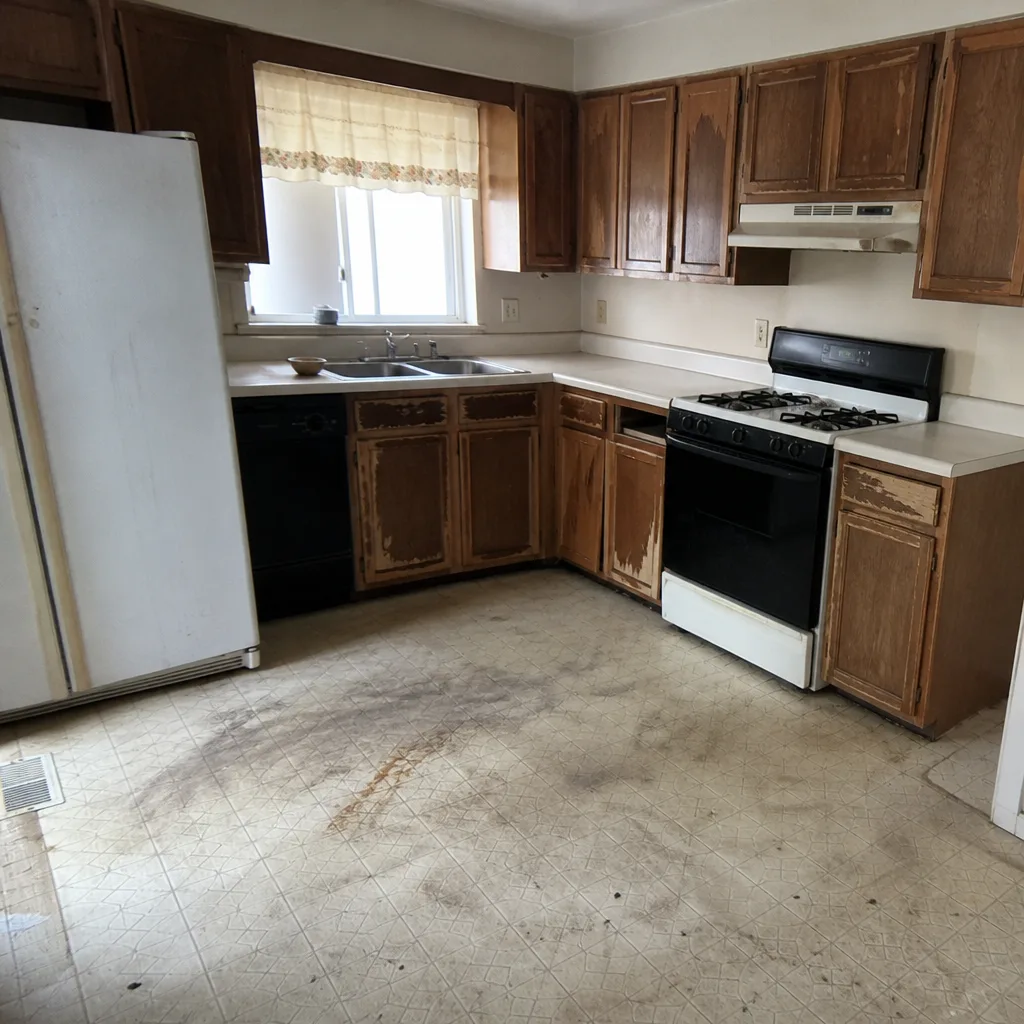 Before
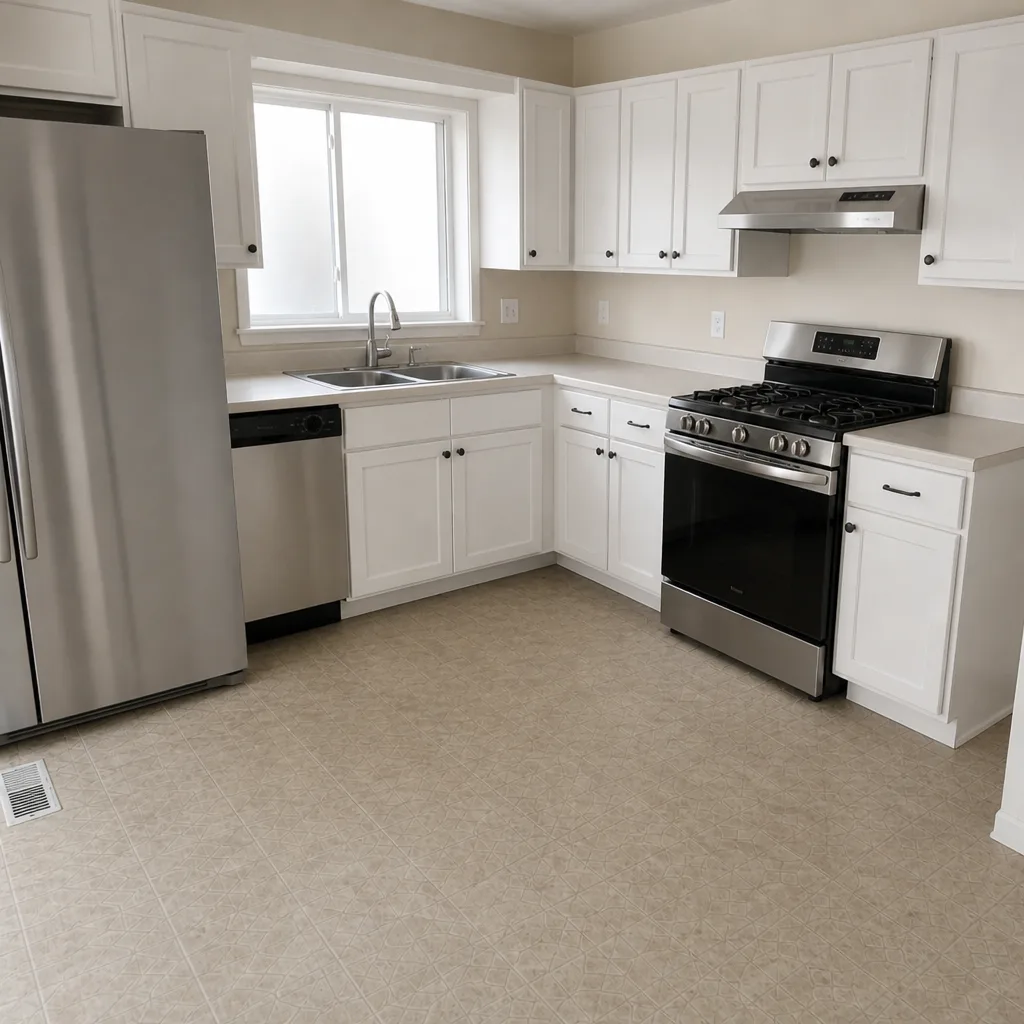 After
 Before
 After
 Before
 After
Common Mistakes to Avoid
- Waiting for visible damage before any maintenance. By the time a paver rocks or a low spot appears in Enterprise, the base has likely been losing density for a season or more. Early joint sand refills are far cheaper than base repair.
- Refilling joints with plain sand in a desert monsoon climate. Plain sand washes out in one storm. Use proper polymeric sand and apply it correctly.
- Sealing in June or July. High summer heat keeps the sealer from curing evenly, and a monsoon storm rolling in on half-set sealer can wreck the surface. Seal in spring or fall.
- Treating natural stone like concrete pavers. A heavy film-forming sealer on travertine or sandstone in Enterprise heat traps moisture. Use a breathable product or none.
- Power-washing joints empty. Too much pressure blows the joint sand out and leaves the driveway more vulnerable than it was. Use a fan tip, keep pressure moderate, and plan to re-fill.
- Ignoring the edge. Homeowners focus on the field and forget the perimeter curb. A loose edge lets in water and lets pavers slide.
- Hiring whoever is cheapest on a base repair. A short base fix that doesn’t address drainage will fail again after the next monsoon. Get a written scope that covers the base and grading.
When to Call a Professional
DIY maintenance handles the ongoing care: the joint sand refills, the seasonal walk-through, the cleaning. But some signals point to a problem bigger than any checklist can fix. Call a professional if you notice:
- A paver that rocks when you step on it, or a sunken area that keeps coming back.
- Water pooling near the garage or house more than an hour after a storm.
- Lifted or separated edge restraint, or pavers sliding out of line.
- Widespread efflorescence or a cloudy sealer bloom you can’t remove.
- A driveway that’s been in place for many years, never re-sealed, and is due for a full assessment.
Groundwork Construction Co. of Enterprise offers free estimates in Enterprise. We walk the driveway, check the base and drainage, and give you a written scope and upfront pricing. Call (844) 797-4406 and we’ll schedule your free project estimate and design consult. You’ll also see our related work on Fence Installation in Enterprise if you’re planning a full exterior refresh alongside the driveway.
Frequently Asked Questions
Plan on twice a year: once in spring and once after monsoon season in early fall. That’s the rhythm that matches Enterprise’s wind and rain. If you have a lot of unprotected wind exposure, add a quick spot check mid-summer. A driveway that loses its joint sand in a heavy storm and isn’t refilled is on a fast track to base problems.
Routine maintenance like joint sand refills and cleaning is a small line item, but costs vary with driveway size and condition, so a free written estimate is the honest way to price it. Repair work for base issues or a full re-seal runs more. Groundwork Construction Co. of Enterprise offers upfront pricing with no surprises and 0% financing for 18 months, plus $1,000 off projects over $10,000. Call (844) 797-4406 for a free estimate.
No, avoid sealing in June through August. Surface temperatures in Enterprise get too high for most sealers to cure properly, and a monsoon storm can hit before the sealer sets. Seal in spring or early fall instead, and check the forecast for 48 hours out.
Because the joints are open and the timing is wrong. High heat bakes the joints, storms hit, and water carries sand away. The fix is refilling with a proper polymeric sand at the right season and sealing correctly. If you’re losing sand repeatedly from one area, a drainage or slope problem is likely involved, so get it looked at.
Not every repair needs a permit, but replacement, major base work, and anything affecting drainage might. Because requirements change, we confirm the current local rules for your specific project before work starts, and we handle any permits needed. Never let a contractor tell you permits don’t matter; get it in writing.
We do both. We handle joint sand refills, sealer application, base and edge repair, and full replacement. The 730-Day Done Right Promise covers our work: if it’s not done right, we make it right. Our technicians have up to 12 years of experience, arrive in uniform, and are background-checked. Call (844) 797-4406 for a free project estimate and design consult in Enterprise.
The Bottom Line
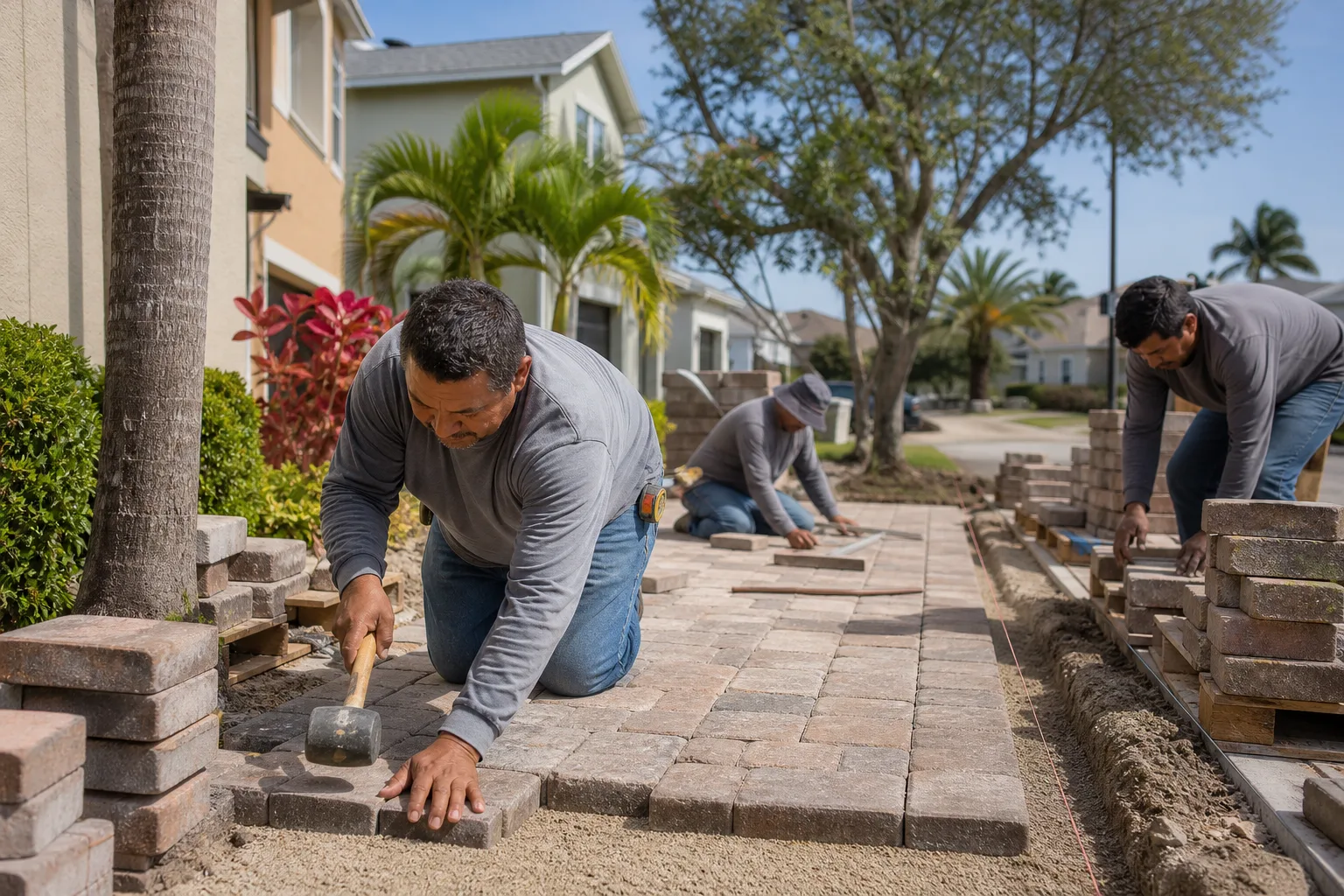
Paver driveways in Enterprise don’t fail from traffic. They fail from washed-out joints, UV degradation, and monsoon water sneaking under the base. The maintenance program that actually works here is small: joint sand refills twice a year, a seasonal ten-minute walkthrough, drainage checks before and after monsoon season, and sealing at the right time with the right material. Do those, and a quality paver driveway should look good for many years. Skip them, and the repairs get expensive fast. If you’re anywhere in Enterprise and want a fresh set of eyes on your driveway, call Groundwork Construction Co. of Enterprise at (844) 797-4406 for a free estimate. Our technicians have up to 12 years of experience, we pull permits where required, and you’ll get an upfront price you can actually plan around. From foundation to finish line, we’re here to help. If you’re planning a larger outdoor project, our Home Additions & ADU in Enterprise team handles full-scope work with the same 730-Day Done Right Promise.
Written by the team at Groundwork Construction Co. of Enterprise.