
Last updated November 18, 2026








Free written scope consultation - allowances, timeline, and change-order rules on paper before a single trade is scheduled
How to Hire a Construction Contractor in Enterprise: A Step-by-Step Guide
Nevada’s contractor license lookup tool will tell you a license is active. It won’t tell you about the 14 complaints filed against that same contractor that were settled quietly before they ever reached public record. That gap between “licensed” and “safe to hire” is where most Enterprise homeowners get hurt. This guide walks you through the six-step verification process we recommend to every homeowner we talk to in Enterprise, from the exact Nevada State Contractors Board lookup sequence to the contract clauses you should refuse to sign without. Read it before you take a single bid.
Quick Answer
To hire a construction contractor in Enterprise, verify three things in order: an active Nevada State Contractors Board license with no unresolved complaints, a current insurance certificate showing both general liability and workers’ compensation, and a written contract that includes a lien waiver schedule and a defined change-order procedure. Compare bids by line-item scope, not bottom-line price. A contractor who can’t produce all three on request is a contractor you don’t hire, no matter how good the pitch sounds.
Styles & brands we work with
- Kitchen remodeling
- Bathroom remodeling
- Home additions & ADU
- Roofing
- Windows & doors
- Driveway & pavers
- Fence
Table of Contents
- Step 1: Run the Nevada State Contractors Board Lookup the Right Way
- Step 2: Read the Insurance Certificate for What’s Missing
- Step 3: Build a Bid Comparison That Compares Scope, Not Price
- Step 4: Spot Red Flags Specific to the Enterprise Market
- Step 5: Lock Down the Contract Clauses That Matter in Nevada
- Step 6: Structure Your Payment Schedule Around Milestones
- Common Mistakes to Avoid
- Frequently Asked Questions
Step 1: Run the Nevada State Contractors Board Lookup the Right Way
Most homeowners stop at the license status field, see “active,” and move on. That’s the first mistake. The Nevada State Contractors Board (NSCB) database holds far more than a yes-or-no license check, and the information that actually protects you lives two and three clicks deeper than the status line.
Here’s the sequence we walk homeowners through:
- Go to the NSCB license search and enter the contractor’s license number, not their business name. Name searches pull up similarly named entities and out-of-state shell companies operating under near-identical names.
- Confirm the license classification matches your project. A Class B (general building) license covers most residential construction; specialty trades require their own classifications. A roofer bidding on a full addition is a mismatch.
- Click through to the complaint history tab. This is the step almost everyone skips. Look for the number of complaints, how many were resolved, and how many are still open. A handful of resolved complaints over a long career is normal. A cluster of complaints in the last 18 months is a pattern.
- Check the license expiration date against your project timeline. A license expiring in 60 days while your kitchen remodel runs four months is a risk you don’t want to carry.
- Look for any disciplinary actions or citations. These are separated from standard complaints and indicate the board found an actual violation.
The complaints that never appear in the public record are the ones settled privately before the board got involved. That’s why step one is only the start. A contractor with a spotless public record can still have a trail of quiet settlements, and the only way to find those is to ask directly and to call references who are at least two years out from their project, not just the three names the contractor supplies.
Step 2: Read the Insurance Certificate for What’s Missing
Ask for a certificate of insurance and most homeowners glance at the expiration date and hand it back. The two coverage types that are almost always missing on a residential contractor’s certificate are workers’ compensation and a completed-operations endorsement on the general liability policy. Both matter more than the headline liability number.
Here’s what a legitimate Enterprise contractor’s certificate should actually contain:
- General liability with a per-occurrence limit that matches your project scale. For a full addition in Enterprise, that’s typically $1 million per occurrence and $2 million aggregate at minimum. A $300,000 remodel covered by a $500,000 policy leaves you exposed if something goes wrong.
- Workers’ compensation with a policy number and carrier name. If the contractor has no employees, they may be legally exempt in Nevada, but they must be able to show you the exemption certificate. A crew of six with no workers’ comp is a red flag, not a technicality.
- Completed operations coverage. This is the endorsement that covers workmanship defects after the job is done. Without it, a leaky roof two years after installation isn’t covered by the contractor’s general liability policy, and you’re on your own.
- Your name and address listed as certificate holder. If the certificate doesn’t name you, it wasn’t issued for your project. Ask for a fresh one issued to you specifically.
- A direct verification call to the carrier. Certificates can be forged or altered. Call the insurance company listed on the certificate and confirm the policy is active. It takes five minutes and it’s the single most useful five minutes in this whole process.
In our experience working Enterprise jobs, the certificate gaps show up most often with contractors who are subbing out large portions of the work. The general contractor’s certificate looks fine, but the framing crew they brought in has no coverage at all, and if someone gets hurt on your property, that’s your liability exposure. Ask who’s actually swinging the hammer and whether they’re covered.
Step 3: Build a Bid Comparison That Compares Scope, Not Price
Three bids for the same kitchen come back at $28,000, $41,000, and $67,000, and the homeowner picks the middle one because it “feels right.” That’s not a comparison, it’s a guess. The only way to compare bids is to compare line-item scope, and that requires the bids to be written in a format you can actually read side by side.
Build a comparison sheet with these columns, and make sure every bid you receive fills them in:
- Demolition scope. What’s being torn out, who hauls it away, and is dumpster cost included? A bid that excludes debris removal is $800 to $1,500 cheaper on paper and the same price in reality.
- Materials by brand and model number. “Quartz countertops” means nothing. “Cambria Britannica 3cm” means something. Vague material specs are where bids get lowballed and then padded through change orders.
- Labor by trade. Electrical, plumbing, tile, cabinetry, and finish carpentry should each be broken out. A single lump-sum labor line hides where the contractor is subbing to the cheapest available crew.
- Permit and inspection fees. Broken out as a line item, or buried in the total? Either is fine, but you need to know which.
- Exclusions. Every bid has them. The question is whether they’re written down. “Does not include structural repair if subfloor damage is found” is a legitimate exclusion, but you need it in writing before you sign.
- Allowances. If the bid lists a $2,000 allowance for tile, and the tile you actually want costs $4,500, you’re paying the difference. Compare allowances across bids before you compare totals.
When you line up three bids this way, the $28,000 bid usually turns out to be a $45,000 project once the missing scope is added back. The $67,000 bid often includes upgrades the others don’t. And the bid that actually matches your scope becomes obvious. If you want the full picture on how we structure transparent line-item pricing for remodels, our guide to Home Additions & ADU in Enterprise walks through what a real scope sheet looks like.
Step 4: Spot Red Flags Specific to the Enterprise Market
Enterprise has grown fast, and fast-growing markets attract a specific kind of contractor: the out-of-area operator who chases volume, runs multiple crews across the valley, and moves on when the work dries up. That’s not automatically a bad contractor. But it changes what you need to check.
Red flags we see more often in Enterprise than in slower markets:
- No physical business address in the valley. A Las Vegas or Henderson address is fine. A P.O. box in another state is not. If they can’t tell you where their materials get delivered from, ask why.
- High crew turnover on a single job. If the framing crew is different from the crew that showed up last week, and neither of them knows the other, the general contractor is brokering labor, not managing it. That’s a scope and quality risk.
- Pressure to sign before the bid expires. “This pricing is good through Friday” is a sales tactic. Material prices do fluctuate, but no legitimate contractor prices a kitchen remodel on a 48-hour clock.
- Out-of-state license plates on work vehicles, with no local license. Nevada requires an NSCB license to contract work in the state regardless of where the company is based. An out-of-state contractor without an active Nevada license is operating illegally.
- References that are all from the last six months. A contractor with real Enterprise history has references from two, three, five years back. Ask for them.
- Vague warranty language. “Standard workmanship warranty” means nothing. Ask for the actual warranty document before you sign, and read what triggers a claim and what the exclusions are.
The high-growth dynamic also affects scheduling. Contractors juggling more jobs than they can crew will tell you your project starts in three weeks and actually start it in nine. Get the start date and the completion date in the contract, with a defined process for what happens if they slip.
Step 5: Lock Down the Contract Clauses That Matter in Nevada
Nevada has specific requirements that a generic contractor contract from another state will miss entirely. Before you sign, confirm these clauses are present and readable.
Lien waiver schedule. Nevada’s mechanics’ lien laws allow subcontractors and material suppliers to file a lien against your property if they don’t get paid, even if you paid the general contractor in full. The only protection is a schedule of conditional and unconditional lien waivers tied to each payment. Every payment you make should trigger a waiver from the general contractor and from each subcontractor on the job. If the contract doesn’t include a lien waiver schedule, ask for one before you sign. This is non-negotiable.
Change order procedure. Every change to scope, materials, or timeline should require a written change order signed by both parties, with a stated cost and a stated schedule impact, before the work is performed. Verbal change orders are how a $40,000 project becomes a $58,000 project. The contract should spell out the process, the approval timeline, and who’s authorized to approve.
Three-day right to cancel. Nevada law gives homeowners a three-business-day right to cancel a home improvement contract signed at their residence. The contract should state this explicitly. If it doesn’t, the contractor either doesn’t know Nevada law or is hoping you don’t.
Payment schedule tied to milestones. Nevada limits upfront deposits on residential contracts. A contractor asking for 50% down before materials are ordered is either undercapitalized or planning to use your deposit to fund someone else’s job. A legitimate schedule runs 10% to 15% at signing, with the balance tied to defined milestones.
Dispute resolution and venue. Confirm the contract states Clark County as the venue for any dispute. An out-of-state contractor whose contract requires arbitration in another state has effectively made it impossible for you to pursue a claim.
Every contract we issue at Groundwork Construction Co. of Enterprise includes all five of these clauses, plus our written guarantee that the number you see on the bid is the number you pay. You can see how that works across our Driveway & Pavers in Enterprise projects, where change-order disputes are the number one complaint we hear from homeowners who got burned by someone else.
Step 6: Structure Your Payment Schedule Around Milestones
The payment schedule is where trust gets tested. A contractor who needs large sums early is asking you to fund their business, not their work on your home. A fair schedule puts the contractor’s money at risk alongside yours.
A reasonable payment structure for a typical Enterprise remodel looks like this:
- 10% to 15% at contract signing. Covers initial permitting and material deposits.
- 20% at demolition completion. Work has started, materials are on site, and you can see progress.
- 25% at rough-in inspection pass. Electrical, plumbing, and framing have been inspected and approved by the city. This is a major milestone and worth tying payment to.
- 25% at drywall and finish material installation. The visible work is underway.
- 15% at substantial completion. The punch list exists, but the work is functionally done.
- Final 5% to 10% held until punch list sign-off. This is your leverage to make sure the small items get fixed. Never release the final payment before the punch list is complete and you’ve walked the job with the contractor.
Match every payment to a lien waiver from the general contractor and from each subcontractor who worked during that phase. Keep the waivers in a single folder with the contract. If a lien ever appears on your property, that folder is your defense.
Common Mistakes to Avoid
- Hiring based on a phone quote without a site visit. Any contractor who quotes a kitchen remodel over the phone, without seeing the existing plumbing and electrical, is guessing. In Enterprise’s newer builds, we regularly find panel capacity issues that change the electrical scope, and a phone quote can’t account for that.
- Skipping the NSCB complaint history check. The license status field is the easy part. The complaint history tab is what tells you how the contractor handles problems, and it’s the step most homeowners skip.
- Accepting a certificate of insurance without calling the carrier. Forged and altered certificates are common enough that a five-minute verification call should be standard practice on every project.
- Comparing bids by bottom-line total. The lowest bid is almost always the one with the most exclusions, and the change orders that follow wipe out the savings. Compare scope line by line, or don’t compare at all.
- Paying a deposit over 15%. Nevada limits upfront deposits, and a contractor asking for 30% or more at signing is either undercapitalized or using your money for a different job.
- Not getting a lien waiver at each payment. Nevada mechanics’ lien law allows subs and suppliers to lien your property even after you’ve paid the general contractor. Without waivers, a paid project can still produce a lien.
- Signing a contract with out-of-state arbitration venue. A dispute resolution clause naming another state as venue makes pursuing a claim financially impossible for most homeowners. Require Clark County venue.
See the difference
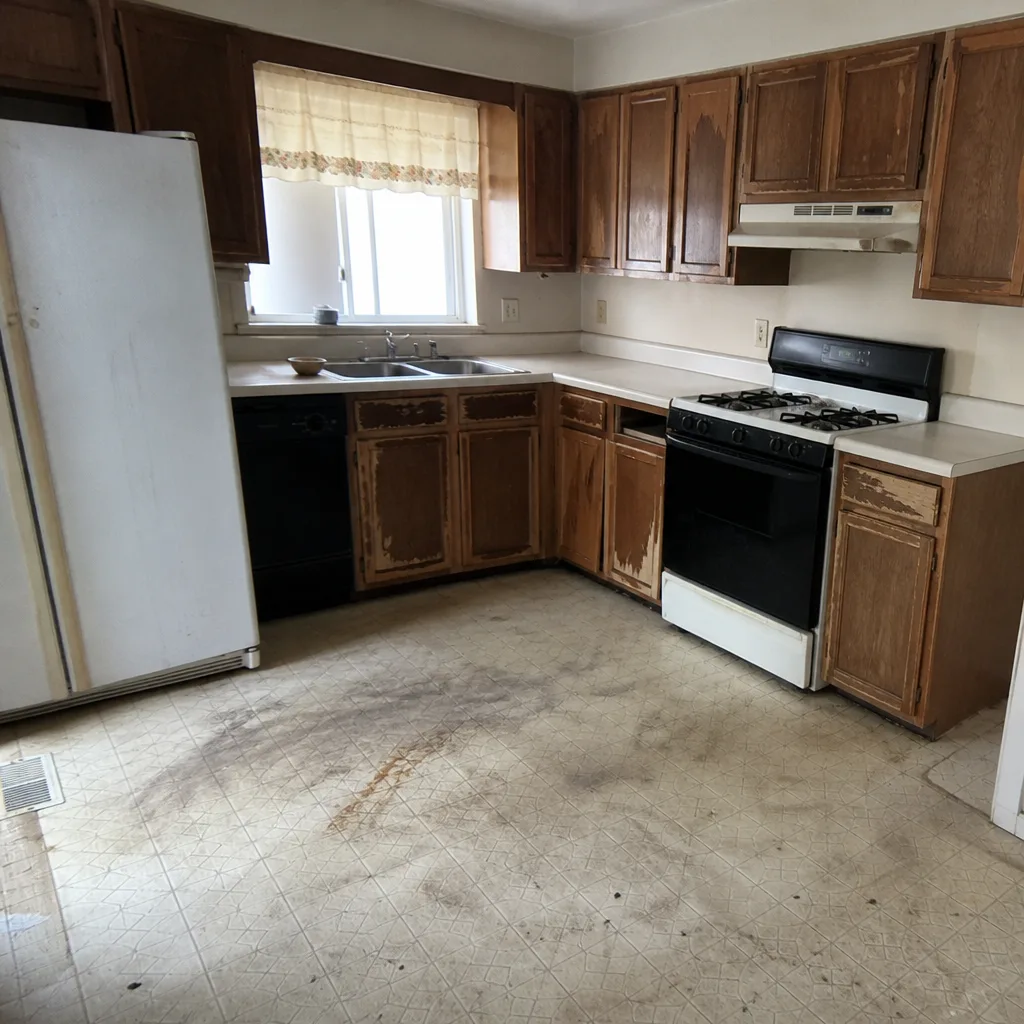 Before
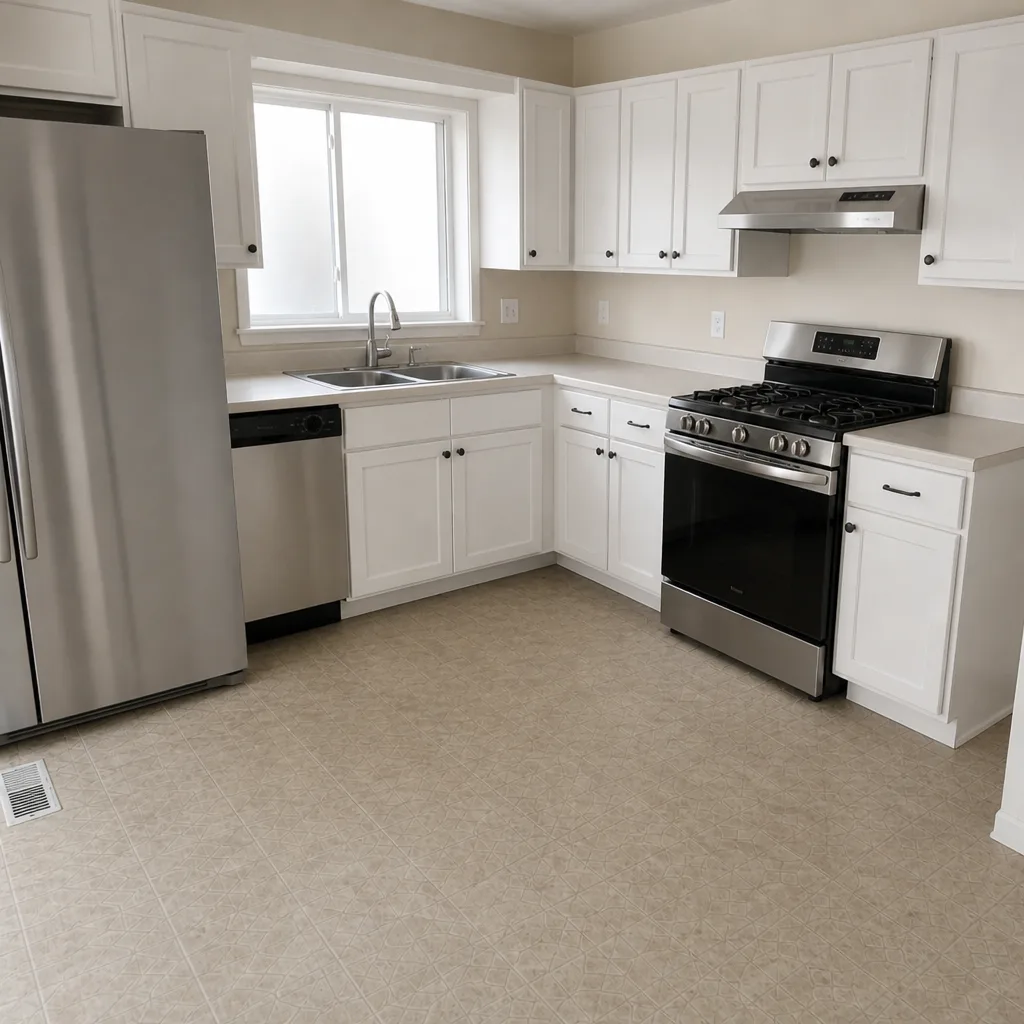 After
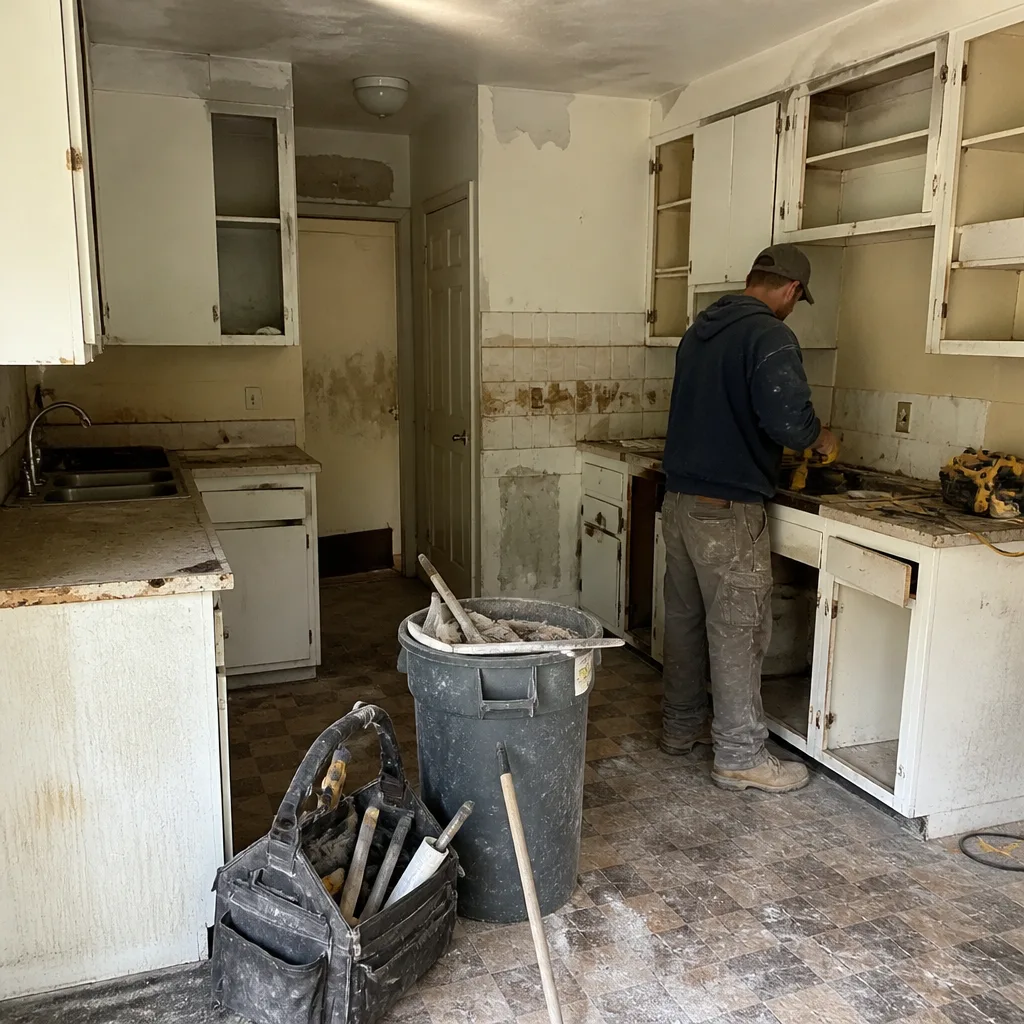 Before
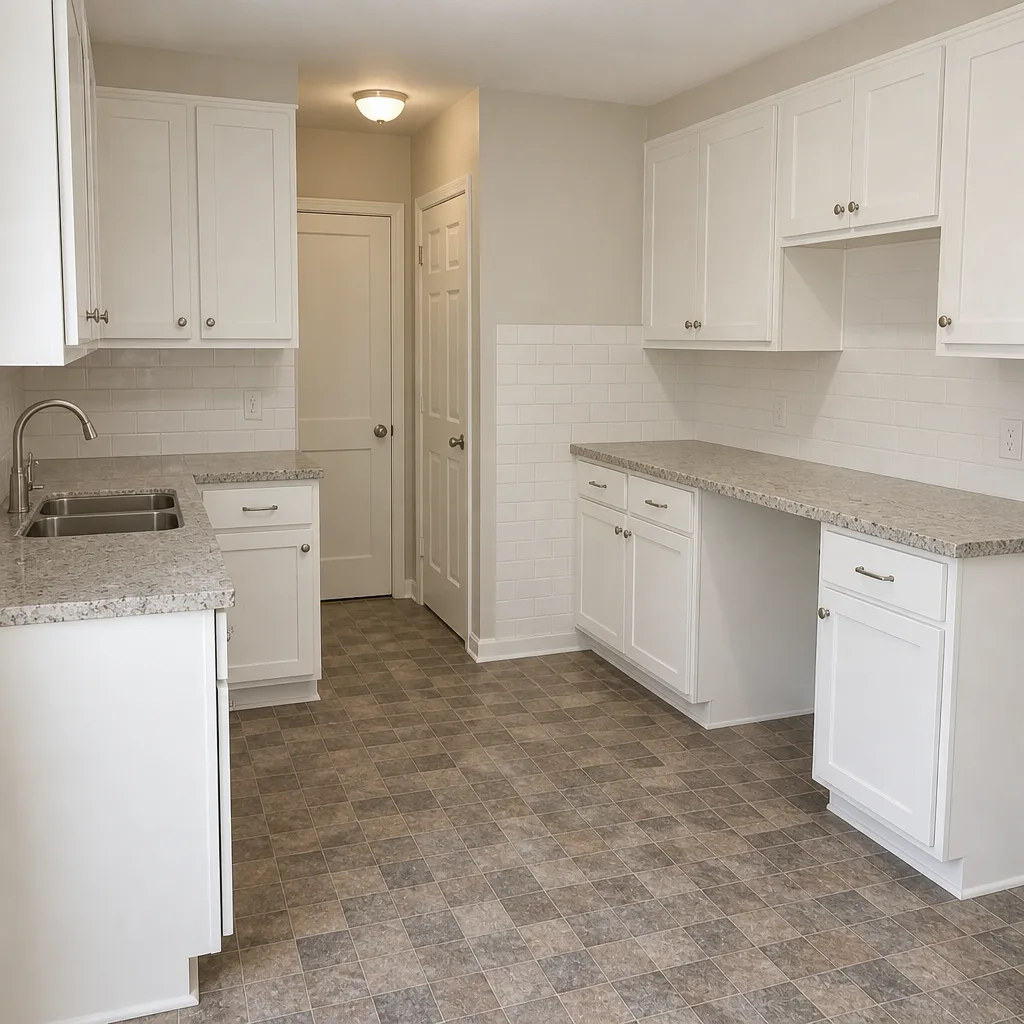 After
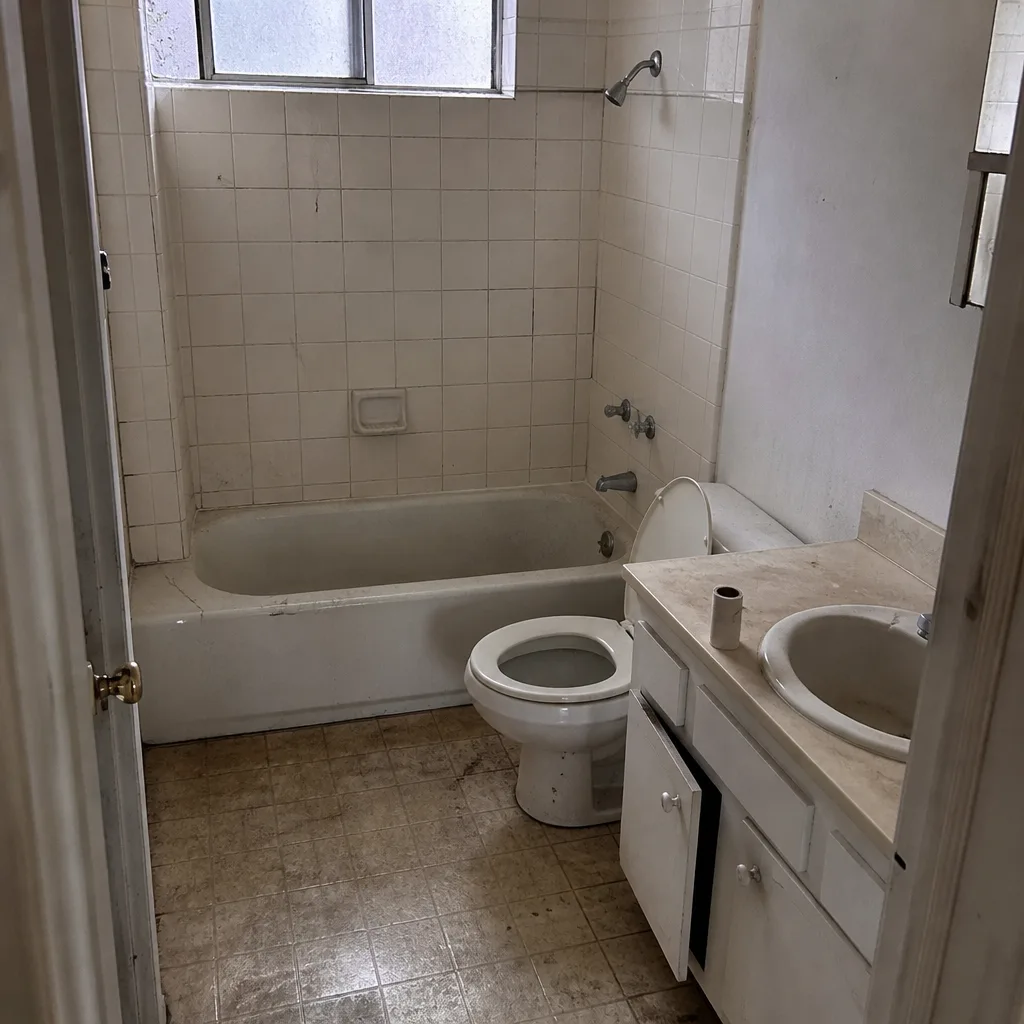 Before
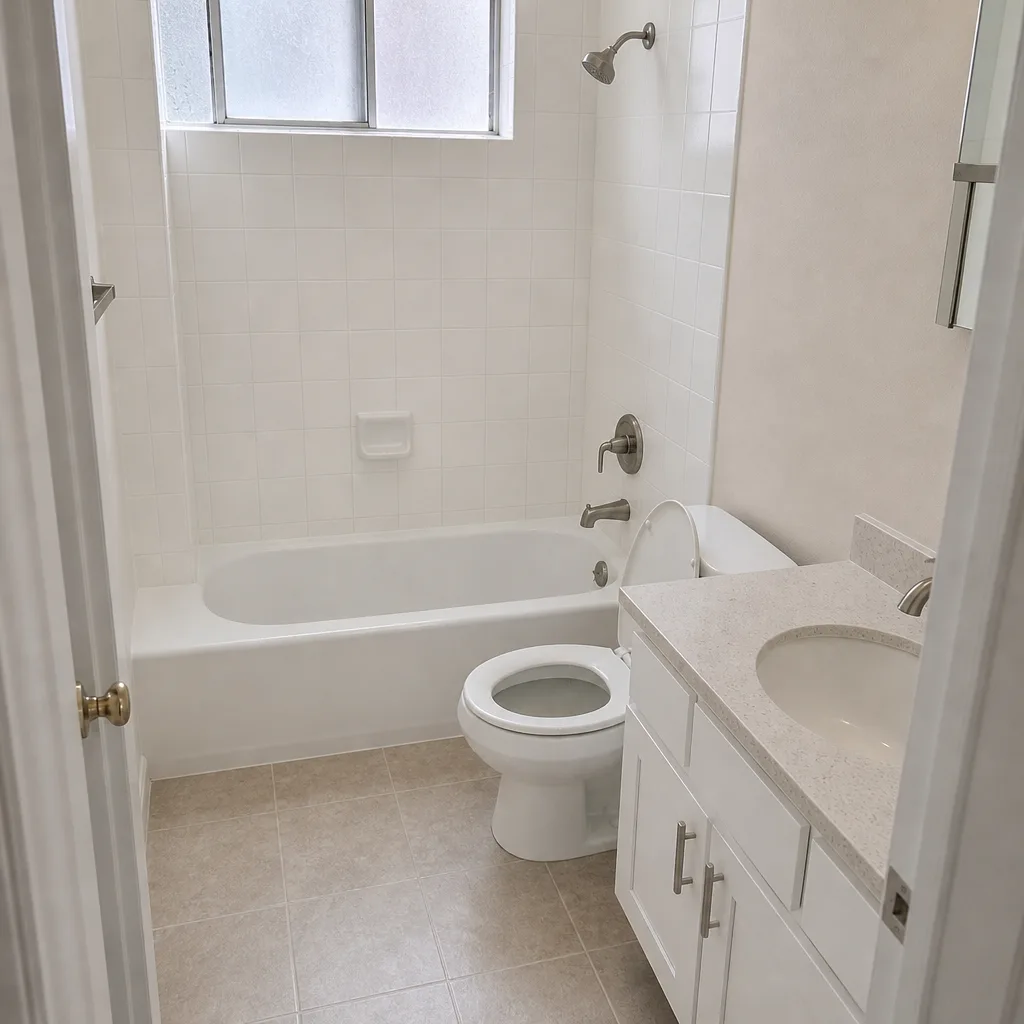 After
When to Call a Professional

Some jobs are worth doing yourself. A fence gate that needs re-hanging is one. A pavers walkway that needs re-sanding is another. But if your project involves moving a load-bearing wall, adding square footage, replacing a roof, installing an ADU, or converting a garage, hire a licensed professional. Structural changes require engineer-stamped plans and city permits in Enterprise, and the inspection process is not one you want to navigate without a contractor who does it every week. Electrical panel upgrades and gas line work are in a different category entirely. Those are dangerous, and a mistake can be fatal. Don’t touch them. Groundwork Construction Co. of Enterprise offers free estimates in Enterprise. Call (844) 797-4406 to schedule yours.
Frequently Asked Questions
A mid-range kitchen remodel in Enterprise typically runs $35,000 to $75,000, with the wide range driven by cabinet quality, countertop material, and whether electrical or plumbing needs to be relocated. A cosmetic refresh (new countertops and paint) can come in under $20,000, while a full layout change with new cabinetry and appliances usually lands between $45,000 and $75,000. Call (844) 797-4406 for an exact quote on your kitchen. Estimates are free and include a line-item walkthrough.
Search the contractor’s license number on the Nevada State Contractors Board website, then click into the complaint history tab, not just the license status field. Confirm the license classification matches your project type and check the expiration date against your project timeline. A license that shows active but has three open complaints in the last year is a different proposition than one with a clean history.
A legitimate certificate should show general liability coverage at $1 million per occurrence and $2 million aggregate at minimum for a full remodel, plus workers’ compensation with a policy number and carrier name. Two items are almost always missing: completed operations coverage (which protects you from workmanship defects after the job is done) and your name listed as certificate holder. Call the carrier directly to confirm the policy is active before you sign.
Yes. Nevada mechanics’ lien law allows subcontractors and material suppliers to file a lien against your property if they aren’t paid, even after you’ve paid the general contractor in full. The only protection is a written lien waiver schedule requiring a waiver from the general contractor and each subcontractor tied to every payment. If your contract doesn’t include one, ask for it before you sign. This is not optional.
Every time we’ve seen a bid come in 30% or more below the others, the gap has been exclusions, missing scope, or allowances set unrealistically low. Common exclusions include debris removal, permit fees, subfloor repair, and electrical panel upgrades. Ask the low bidder to walk through their exclusions line by line and compare their allowance figures to what the materials actually cost. The low bid usually comes back in line once the missing scope is added.
The clearest red flags are an out-of-state address with no active Nevada license, references only from the last six months, a crew that changes on every visit, and pressure to sign within 48 hours. Enterprise has grown fast enough to attract contractors who chase volume across the valley, and those contractors tend to disappear when the work dries up. Ask for a physical business address in the valley, ask for references from two or three years back, and confirm the contractor’s NSCB license shows a Nevada address. If any of those don’t check out, walk away.
The Bottom Line
Hiring a contractor in Enterprise is a verification process, not a personality test. The contractor who feels right in the first meeting is not necessarily the one who’ll still be answering the phone when a problem shows up two years later. Run the NSCB lookup through the complaint tab, not just the license status. Read the insurance certificate for completed operations and workers’ comp. Build a bid comparison that puts scope side by side. Demand the five Nevada-specific contract clauses, especially the lien waiver schedule. Tie payments to milestones and hold the final payment until punch list sign-off. And remember the number one rule: no active license, no signed contract, no exceptions. If you want a contractor who puts all of this in writing, from a live person answering the phone 24/7 to a written guarantee that covers workmanship for 730 days, our team at Groundwork Construction Co. of Enterprise home is a call away. That guarantee is the 730-Day Done Right Promise, and it’s one of the longest workmanship guarantees in the residential construction space.
Call Groundwork Construction Co. of Enterprise at (844) 797-4406 for a free estimate. We answer with a live person, 24/7, and we’ll walk you through a line-item quote before you commit to anything. Whether you’re planning a kitchen overhaul, a roof replacement, a new driveway, or an addition, you’ll get the same upfront pricing and no-surprises structure that makes the decision easier. For homeowners in Enterprise who’ve been burned before by vague bids or disappearing crews, that structure is the whole point.
Written by the team at Groundwork Construction Co. of Enterprise.